
Rupin Pass Trek - A Himalayan Adventure
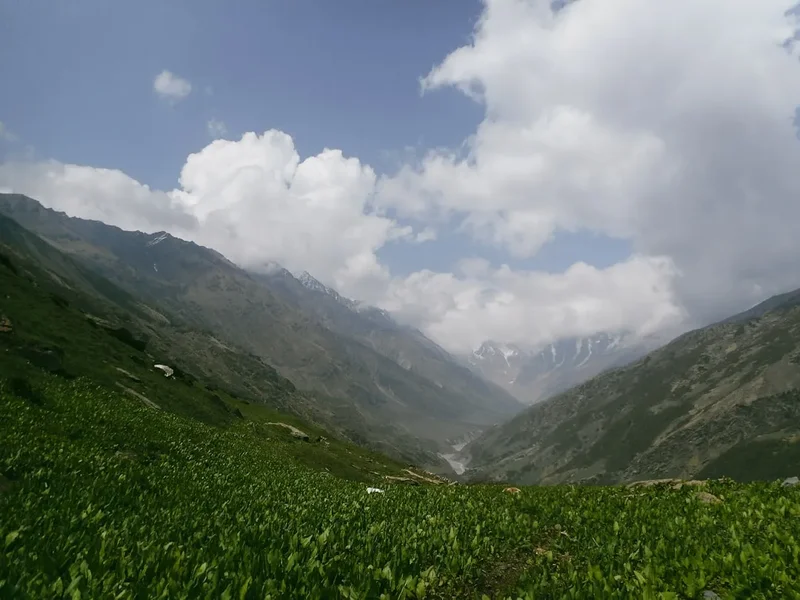
The Rupin Pass Trek is a spectacular high-altitude journey through the Indian Himalayas, traversing the border between the states of Himachal Pradesh and Uttarakhand. This challenging trek offers a breathtaking panorama of snow-capped peaks, lush green meadows, cascading waterfalls, and traditional mountain villages. It's a route that rewards the determined with unparalleled natural beauty and a profound sense of accomplishment.
- Distance: Approximately 47.0 km
- Duration: 7-9 days
- Season: May to June and September to October
- Difficulty: Challenging
- Highest point: Rupin Pass (3,700 m)
- Base Town: Shimla, India
- Trailhead: Dhaula
Overview
The Rupin Pass Trek is a classic Himalayan expedition that takes you from the verdant valleys of Himachal Pradesh to the rugged alpine terrain leading to the Rupin Pass. The trek is renowned for its dramatic landscape changes, starting from dense forests and gradually ascending to barren, snow-dusted landscapes. The journey is punctuated by encounters with remote villages, offering a glimpse into the lives of the local communities who call these mountains home.
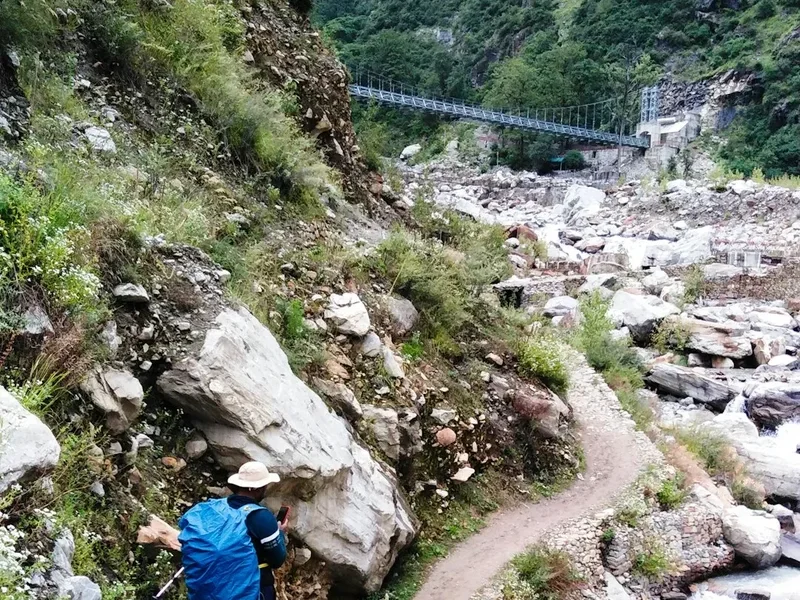
The trek begins in Dhaula, a small village accessible by road. From here, the trail winds through rhododendron and oak forests, following the Rupin River. As you gain altitude, the vegetation thins, and the views open up to reveal majestic peaks. The Rupin River itself is a constant companion, its roar echoing through the valleys, and its clear waters a vital source of life. The trek culminates at the Rupin Pass, a high mountain saddle offering panoramic views of the surrounding Himalayan range. The descent into Uttarakhand provides a different perspective, with its own unique charm and beauty.
This trek is considered challenging due to its altitude, steep ascents and descents, and the unpredictable mountain weather. However, for those who are physically fit and well-prepared, the Rupin Pass Trek offers an unforgettable experience, a true immersion into the wild heart of the Himalayas.
History and Cultural Context
The Rupin Pass has historically served as a vital route for local communities, connecting different regions and facilitating trade and cultural exchange between Himachal Pradesh and Uttarakhand. For centuries, shepherds and villagers have used this pass to move their livestock and goods, navigating the challenging terrain with intimate knowledge passed down through generations.
The region is rich in folklore and local legends, with many stories woven around the mountains, rivers, and the spirits believed to inhabit them. The villages along the route, such as Dhaula and Jakhu, are steeped in tradition, with ancient temples and unique architectural styles reflecting their long history. The local culture is deeply intertwined with the natural environment, with festivals and daily life dictated by the rhythms of the seasons and the bounty of the land.
In recent decades, the Rupin Pass Trek has gained popularity among trekkers seeking an authentic Himalayan experience away from the more crowded routes. It offers a chance to connect with the raw beauty of the mountains and the resilient spirit of the people who live there. The trek provides a tangible link to the past, allowing trekkers to walk in the footsteps of those who have traversed these paths for centuries.
Seasonal Highlights and Weather Reality
The Rupin Pass Trek is best undertaken during two distinct seasons, each offering a unique experience:
Spring (May to June): This is an ideal time to trek as the snow begins to melt, revealing vibrant green meadows carpeted with wildflowers. The rhododendrons are in full bloom, painting the landscape in shades of red and pink. The weather is generally pleasant, with clear skies and moderate temperatures during the day, though nights can still be cold. This season offers excellent visibility for mountain views. However, there might still be patches of snow on the higher reaches of the pass, requiring careful navigation.
Autumn (September to October): Following the monsoon season, the air becomes crisp and clear, offering spectacular panoramic views of the snow-clad peaks. The landscape transforms into golden hues as the vegetation dries out. The temperatures are cooler, and the risk of rain is significantly lower. This is a popular time for trekkers due to the stable weather conditions and stunning vistas. Nights are cold, and frost is common at higher altitudes.
Weather Considerations: Mountain weather is notoriously unpredictable. Even during the best seasons, trekkers can encounter sudden changes, including rain, snow, fog, and strong winds, especially at higher altitudes like Rupin Pass. Temperatures can fluctuate significantly between day and night, and at higher elevations, it can be well below freezing. It is crucial to be prepared for all types of weather conditions, regardless of the season.
Recommended Itinerary
7-Day Rupin Pass Trek Itinerary
Day 1: Arrival in Shimla and Transfer to Dhaula
- Distance: Approximately 180 km
- Time: 7-8 hours by road
- Arrive in Shimla, the capital of Himachal Pradesh.
- After breakfast, begin the scenic drive towards Dhaula, the starting point of the trek.
- The journey takes you through picturesque valleys and charming villages.
- Reach Dhaula by late afternoon/evening.
- Check into a guesthouse or campsite and prepare for the trek.
- Briefing by the trek leader regarding the upcoming journey.
Day 2: Trek from Dhaula to Ghisru Ghati
- Distance: Approximately 8 km
- Time: 4-5 hours
- Elevation gain: 300 m
- Begin the trek after breakfast.
- The trail follows the Rupin River through dense forests of oak and pine.
- Pass through small settlements and witness the local way of life.
- Reach Ghisru Ghati, a beautiful campsite by the river.
- Set up camp and relax amidst nature.
Day 3: Trek from Ghisru Ghati to Barua Village
- Distance: Approximately 10 km
- Time: 5-6 hours
- Elevation gain: 400 m
- Continue following the Rupin River.
- The trail becomes more challenging with steeper ascents.
- Pass through the picturesque village of Barua, known for its traditional architecture and apple orchards.
- Explore the village and interact with locals.
- Camp near Barua village.
Day 4: Trek from Barua Village to Jiskun
- Distance: Approximately 12 km
- Time: 6-7 hours
- Elevation gain: 500 m
- Today's trek takes you deeper into the Rupin Valley.
- The landscape starts to open up, offering wider views of the surrounding mountains.
- Cross wooden bridges over the Rupin River.
- Reach Jiskun, a charming village with a small temple.
- Set up camp in Jiskun.
Day 5: Trek from Jiskun to Upper Rupin (Dhankoli)
- Distance: Approximately 10 km
- Time: 5-6 hours
- Elevation gain: 600 m
- The trail becomes steeper as you ascend towards the higher reaches of the valley.
- Pass through meadows and enjoy the changing vegetation.
- Reach Upper Rupin (Dhankoli), a remote campsite offering stunning views.
- Acclimatise to the increasing altitude.
- Overnight camping at Upper Rupin.
Day 6: Trek from Upper Rupin to Rupin Pass and descend to Lower Rupin
- Distance: Approximately 14 km (7 km ascent, 7 km descent)
- Time: 8-10 hours
- Elevation gain: 700 m to pass, 1000 m descent
- This is the most challenging day of the trek.
- Start early to cross the Rupin Pass (3,700 m).
- The ascent to the pass is steep and can be snow-covered, requiring careful footing.
- Enjoy breathtaking panoramic views from the pass.
- Begin the descent towards Lower Rupin, a campsite on the other side of the pass.
- The descent can be steep and requires caution.
- Overnight camping at Lower Rupin.
Day 7: Trek from Lower Rupin to Jakhu and drive to Shimla
- Distance: Approximately 8 km trek, 180 km drive
- Time: 3-4 hours trek, 7-8 hours drive
- After breakfast, trek from Lower Rupin to Jakhu.
- The trail is mostly downhill and through forests.
- Reach Jakhu, where your vehicle will be waiting.
- Begin the drive back to Shimla.
- Arrive in Shimla by evening, marking the end of the trek.
Note: This itinerary is a guideline and can be adjusted based on weather conditions, group fitness, and local recommendations. An extra day or two can be added for acclimatisation or to explore the region further.
Planning and Bookings
Book Your Trip
Everything you need to plan your journey
Accommodation
Find places to stay near Shimla
Flights
Search flights to Shimla
Essential Preparation
The Rupin Pass Trek requires significant physical preparation. Trekkers should engage in regular cardiovascular exercises such as running, jogging, cycling, or swimming for at least 1-2 months prior to the trek. Strength training, particularly for the legs and core, is also highly recommended. Familiarity with hiking on uneven terrain and carrying a backpack is beneficial. Ensure you have adequate acclimatisation time, especially if arriving from lower altitudes. Bookings for transport to Shimla and then to Dhaula should be made in advance, particularly during peak trekking seasons. It is advisable to arrange for a local guide and porters, which can often be done through trekking agencies based in Shimla or Dehradun.
Trail Accommodation
Accommodation on the Rupin Pass Trek primarily consists of camping. While some villages might offer basic guesthouses or homestays, the majority of nights will be spent in tents at designated campsites. These campsites are typically located in meadows or open clearings near water sources.
Campsite Facilities:
- Tent accommodation (usually 2-3 person tents)
- Common dining tent
- Portable toilets or designated toilet areas
- Access to natural water sources (stream or river)
What's NOT Provided:
- Sleeping bags, sleeping mats, or pillows
- Cooking equipment (stoves, pots, utensils)
- Food and beverages
- Electricity or charging facilities
- Hot water showers
Seasonal Availability: Campsites are generally accessible from May to June and September to October. Outside these periods, heavy snowfall can make access difficult or impossible.
Costs: Costs for camping and associated services (guide, porters, meals) are typically bundled into trek packages offered by tour operators. Individual campsite fees are usually nominal or included in permits if applicable.
Note: This is a camping-intensive trek. Trekkers must be prepared for basic living conditions and carry all necessary camping gear or arrange for it through a tour operator.
Required Gear
- Trekking Boots: Waterproof, sturdy, ankle-high trekking boots with good grip. Ensure they are well broken-in to prevent blisters.
- Backpack: A 50-65 litre trekking backpack with a rain cover.
- Sleeping Bag: A 3-season sleeping bag rated for temperatures down to -5°C to 0°C.
- Sleeping Mat: An insulated sleeping mat for comfort and warmth.
- Waterproof Jacket and Trousers: High-quality, breathable waterproof outer layers are essential for protection against rain and wind.
- Warm Layers: Thermal base layers (merino wool or synthetic), fleece jackets or down jackets for insulation.
- Headwear: A warm beanie or woollen hat and a sun hat or cap for sun protection.
- Gloves: Warm, waterproof gloves.
- Head Torch: With extra batteries, essential for navigating in the dark and for use inside the tent.
- First-Aid Kit: Comprehensive kit including personal medications, blister treatment, pain relievers, antiseptic wipes, bandages, and any specific items recommended by your doctor.
- Sun Protection: High SPF sunscreen, lip balm with SPF, and sunglasses.
- Trekking Poles: Highly recommended for stability and reducing strain on knees, especially during ascents and descents.
What to Bring
- Food: High-energy, non-perishable food items such as dried fruits, nuts, energy bars, chocolates, and instant noodles. Ensure you have enough for the entire trek, plus a buffer.
- Water Bottles/Hydration Reservoir: At least 2 litres capacity.
- Water Purification: Water filter or purification tablets are essential as stream water, while plentiful, may not be safe to drink without treatment.
- Toiletries: Biodegradable soap, toothbrush, toothpaste, toilet paper, hand sanitiser, and any personal hygiene items.
- Personal Medications: Any prescription medications you require.
- Camera: With extra batteries and memory cards to capture the stunning scenery.
- Power Bank: For charging electronic devices, as charging facilities are unavailable on the trail.
- Small Towel: Quick-drying microfibre towel.
- Personal Documents: Identification, permits (if required), and emergency contact information.
- Cash: Sufficient Indian Rupees for any personal expenses, tips, or emergencies.
Permits
While the Rupin Pass Trek does not typically require extensive permits for independent trekkers in the same way as some other Himalayan routes, it is essential to be aware of any local regulations or fees. For specific areas or if trekking with a registered agency, permits might be necessary from the Forest Department or local authorities. It is advisable to check with local tour operators or the Himachal Pradesh Tourism Development Corporation (HPTDC) for the most up-to-date information regarding permits and fees before commencing the trek.
General Considerations:
- Forest Entry Fees: Some sections of the trek might pass through protected forest areas where nominal entry fees are applicable.
- Camping Fees: Certain designated campsites might have small charges.
- Inner Line Permit (ILP): While not typically required for the Rupin Pass Trek itself, if your travel plans extend to border regions or restricted areas in Himachal Pradesh or Uttarakhand, an ILP might be necessary. Always verify this with local authorities.
- Agency Bookings: If you book through a trekking agency, they will usually handle all necessary permits and fees as part of their package.
Recommendation: It is always best to confirm permit requirements with your chosen trekking agency or by contacting the relevant tourism or forest department offices in Shimla or the nearest town to the trailhead.
Other Activities in the Area
Beyond the Rupin Pass Trek, the surrounding regions offer several other attractions and activities for those looking to extend their stay or explore further:
- Shimla Exploration: Spend time exploring Shimla, the former summer capital of British India. Visit attractions like the Ridge, Mall Road, Jakhoo Temple (offering panoramic views), and the Himachal State Museum.
- Kinnaur Valley Exploration: If time permits, consider venturing into the Kinnaur Valley, known for its dramatic landscapes, ancient monasteries, and unique culture. Places like Kalpa and Chitkul are popular destinations.
- Sangla Valley: Another beautiful valley in Himachal Pradesh, Sangla offers stunning scenery, traditional villages, and opportunities for short hikes.
- Local Village Visits: Engage with the local communities in villages like Dhaula, Barua, and Jiskun. Learn about their customs, traditions, and way of life.
- Photography: The entire region is a photographer's paradise, with opportunities to capture stunning mountain vistas, unique flora and fauna, and the vibrant culture of the Himalayas.
- Bird Watching: The diverse ecosystems along the trek route are home to various bird species, making it an interesting destination for birdwatchers.
Safety and Conditions
Altitude Sickness (AMS): The Rupin Pass reaches an altitude of 3,700 metres, increasing the risk of Acute Mountain Sickness (AMS). Symptoms include headache, nausea, dizziness, and fatigue. Prevention is key: ascend gradually, stay well-hydrated, avoid alcohol and smoking, and get adequate rest. If symptoms appear, do not ascend further; descend to a lower altitude if necessary. Diamox (Acetazolamide) can be used as a preventative measure, but consult your doctor before taking it.
Weather: Mountain weather can change rapidly. Be prepared for sudden drops in temperature, rain, snow, and strong winds, even during the trekking season. Always carry appropriate clothing and gear for all conditions.
Trail Conditions: The trail can be steep, rocky, and slippery, especially after rain or snow. Trekking poles are highly recommended for stability. Be cautious on ascents and descents, particularly near the pass and on steep slopes.
Water Sources: While water is generally available from streams, it is crucial to purify all drinking water using a filter or purification tablets to prevent waterborne diseases.
Communication: Mobile phone connectivity is extremely limited to non-existent on most parts of the trek. Inform your family and friends about your itinerary and expected return date. Consider carrying a satellite phone or personal locator beacon (PLB) for emergencies, especially if trekking independently.
Guides and Porters: Hiring experienced local guides and porters is strongly recommended. They possess invaluable knowledge of the terrain, weather patterns, and local conditions, significantly enhancing safety and the overall trekking experience.
Emergency Evacuation: In case of a serious medical emergency, evacuation might be necessary. This can be costly and time-consuming. Ensure you have adequate travel insurance that covers high-altitude trekking and emergency helicopter evacuation.
Wildlife: While encounters with large dangerous animals are rare, be aware of your surroundings. Store food properly to avoid attracting animals to your campsite.
Side Trips and Points of Interest
Rupin Pass Summit (3,700 m): The ultimate highlight of the trek. Reaching the pass offers unparalleled 360-degree views of the surrounding Himalayan peaks, including snow-capped giants and vast, undulating valleys. The sense of achievement upon standing at the pass is immense.
Waterfalls: The Rupin River is fed by numerous streams and glacial meltwater, creating spectacular waterfalls along the route. The most notable are the multiple cascades encountered on the ascent, particularly as you approach the higher altitudes. These waterfalls are at their most impressive after rainfall or during the spring melt.
Villages of Dhaula, Barua, and Jiskun: These traditional mountain villages offer a fascinating glimpse into the local culture and way of life. Observe the unique architecture, visit local temples, and interact with the friendly villagers. Barua, in particular, is known for its apple orchards and traditional wooden houses.
Rhododendron Forests: During the spring season (May-June), the lower and middle sections of the trek are adorned with vibrant rhododendron blooms, creating a breathtaking spectacle of colour against the green backdrop of the forests.
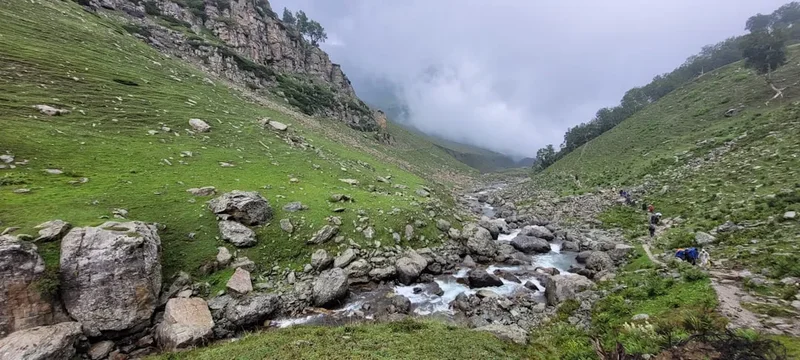
Alpine Meadows: As you ascend, the landscape transitions into expansive alpine meadows. These open spaces provide stunning vistas and are ideal for camping, offering a sense of solitude and immersion in nature.
The Descent into Uttarakhand: The descent from Rupin Pass into Uttarakhand offers a different perspective of the Himalayas. The terrain and vegetation change, providing a varied and interesting end to the trek.
Leave No Trace
The Rupin Pass Trek traverses pristine natural environments, and it is crucial for all trekkers to adhere to Leave No Trace principles to preserve the beauty and ecological integrity of the region for future generations.
Plan Ahead and Prepare: Research the trek, understand the conditions, and pack appropriately. This minimises the need for unexpected solutions that can harm the environment.
Travel and Camp on Durable Surfaces: Stick to established trails and camp in designated areas or on durable surfaces like rock, gravel, or dry grass. Avoid camping on fragile vegetation.
Dispose of Waste Properly: Pack out everything you pack in, including all trash, food scraps, and toilet paper. Use designated toilets where available, or dig catholes 6-8 inches deep and at least 60 m (70 steps) away from water sources, trails, and campsites. Pack out all toilet paper.
Leave What You Find: Do not remove or disturb natural objects such as rocks, plants, or cultural artifacts. Respect the natural and cultural heritage of the area.
Minimise Campfire Impacts: Campfires are often prohibited in high-altitude areas due to the fragile ecosystem and risk of wildfires. Use a portable stove for cooking instead. If fires are permitted, use existing fire rings and keep fires small.
Respect Wildlife: Observe wildlife from a distance. Never feed animals, as it disrupts their natural behaviours and diets. Store food securely to prevent attracting animals.
Be Considerate of Other Visitors: Keep noise levels down, yield to other trekkers, and maintain a respectful attitude towards local communities and their customs.