
Royal National Park Coast Track
The Royal National Park Coast Track, often referred to as the Coast Track, is a spectacular multi-day walk located just south of Sydney, New South Wales, Australia. This iconic trail winds its way along the dramatic coastline of the Royal National Park, offering breathtaking ocean vistas, secluded beaches, and diverse Australian flora and fauna. It is a journey that showcases the raw beauty of the Australian bush meeting the Pacific Ocean, providing a refreshing escape from the urban sprawl and a chance to immerse oneself in a stunning natural environment.
- Distance: 26.0 km one-way
- Duration: 2 days / 1 night
- Season: Autumn and Spring (March-May & September-November)
- Accommodation: Camping at North Era (booking essential)
- Highest point: Approximately 150 m
- Difficulty: Moderate
- Direction: South to North (Bundeena to Otford)
Overview
The Royal National Park Coast Track is a quintessential Australian coastal walk, renowned for its accessibility from Sydney and its consistently stunning scenery. Over two days, walkers traverse a landscape of rugged sandstone cliffs, windswept heathlands, and pristine sandy beaches, with the vast expanse of the Pacific Ocean as a constant companion. The trail is well-maintained, though some sections can be challenging due to steep ascents and descents, particularly around the headlands.
Day 1 typically begins in Bundeena, the northern gateway to the park, and heads south towards North Era. This section is characterised by dramatic cliff-top walking, offering panoramic views of the coastline stretching towards the horizon. You'll pass iconic landmarks like Wedding Cake Rock (though access is now restricted for safety) and numerous smaller coves and inlets. The air is often filled with the scent of coastal heath and the sound of crashing waves. The destination for the first night is the North Era campground, a beautiful, secluded spot nestled behind the dunes, offering a true wilderness camping experience.
Day 2 continues the journey south, often involving a detour inland to bypass impassable sections at high tide or during rough seas, before rejoining the coast. This part of the track can include more challenging terrain, with steep climbs and descents over headlands. You'll encounter diverse vegetation, from coastal banksias and scribbly gums to hardy heathland species. The walk culminates at Otford, where the track meets the road and offers access to public transport for your return journey. The sense of accomplishment after completing this track, having navigated its varied terrain and enjoyed its unparalleled coastal beauty, is immense.
The Royal National Park Coast Track is a testament to the power and beauty of coastal ecosystems. It provides a vital habitat for a variety of wildlife, including numerous bird species, lizards, and even occasional whale sightings during migration seasons. The geological formations, sculpted by millennia of wind and water, are a constant source of fascination, showcasing the dynamic forces that shape our planet.
History and Cultural Context
The land that now comprises the Royal National Park has a rich and ancient history, deeply connected to the Dharug and Gujaga peoples, the traditional custodians of this area. For thousands of years, these Indigenous communities lived in harmony with the land and sea, utilising its resources for sustenance, shelter, and cultural practices. Evidence of their presence can be found in rock engravings, shell middens, and ceremonial sites scattered throughout the park, particularly along the coast where the bounty of the ocean was readily available.
The establishment of the Royal National Park in 1879 as Australia's first national park (initially named just "National Park" and later renamed "Royal National Park" in 1955 by Queen Elizabeth II) marked a significant moment in conservation history. It was conceived as a place for public recreation and the preservation of natural beauty, a concept that was relatively new in the late 19th century. Early European settlers and visitors were captivated by the park's wild coastline, its dense bushland, and the dramatic ocean vistas. Walking tracks began to be developed, allowing people to explore this rugged terrain.
The Coast Track, in its various forms, has evolved over time. Initially, it was likely a series of informal paths used by fishermen, campers, and early bushwalkers. As the park's popularity grew, these paths were formalised and maintained by park authorities. The route has seen modifications due to erosion, safety concerns (such as the closure of access to Wedding Cake Rock), and the need to protect sensitive ecological areas. Despite these changes, the essence of the track—a journey along the stunning Sydney coastline—remains. It continues to be a vital corridor for both human recreation and the preservation of the unique coastal environment and its Indigenous heritage.
Seasonal Highlights and Weather Reality
The Royal National Park Coast Track is a year-round destination, but certain seasons offer distinct advantages and challenges.
Autumn (March-May): This is widely considered the best time to walk the Coast Track. The weather is typically mild and stable, with lower humidity and fewer sandflies than in summer. The days are sunny but not excessively hot, making for comfortable walking conditions. The coastal heath may still be in bloom, adding splashes of colour to the landscape. The ocean can be calm and inviting, or dramatic and powerful, depending on the weather systems.
Spring (September-November): Similar to autumn, spring offers pleasant temperatures and a good chance of clear skies. The park comes alive with wildflowers, and birdlife is abundant as migratory species return. The ocean can be a bit cooler, but the overall walking experience is excellent. Sandflies can start to become more prevalent as the weather warms.
Summer (December-February): Summer can be hot and humid, with temperatures frequently exceeding 30°C. While the ocean offers opportunities for a refreshing dip, walking during the hottest parts of the day can be strenuous and potentially dangerous. Sandflies are at their most active and numerous during summer, so strong repellent is essential. Thunderstorms can also occur, bringing heavy rain and lightning, which can be hazardous on exposed cliff tops.
Winter (June-August): Winter offers cooler temperatures and fewer crowds. The weather can be unpredictable, with a higher chance of rain and strong winds. However, clear winter days can be crisp and beautiful, offering excellent visibility and dramatic ocean views. Whale migration is often visible during winter, making it a good season for wildlife spotting. The track can be muddy and slippery after rain.
Weather Considerations: Regardless of the season, coastal weather can change rapidly. Always be prepared for wind, rain, and sun. Check the forecast before you go and be aware of potential hazards like flash flooding after heavy rain, especially in low-lying areas and creek beds.
Recommended Itinerary
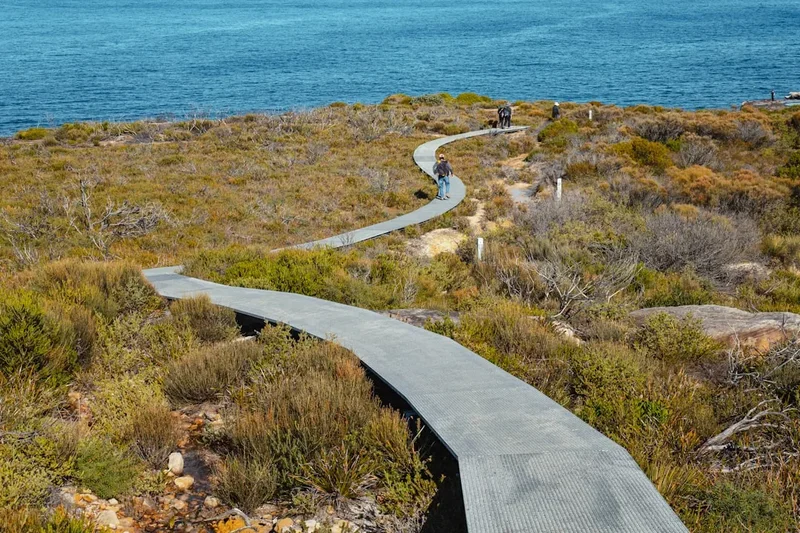
2-Day Royal National Park Coast Track Itinerary
Day 1: Bundeena to North Era Campground
- Distance: Approximately 14.0 km
- Elevation gain: Variable, with significant ups and downs over headlands (approx. 400 m total gain)
- Time: 4–6 hours
- Start: Bundeena (access via train to Cronulla, then ferry to Bundeena, or drive)
- Walk north-to-south along the coast, starting from the northern end of Bundeena beach.
- Follow the well-marked track as it winds along cliff tops, offering stunning ocean views.
- Pass iconic landmarks such as Wedding Cake Rock (view from a distance due to safety concerns).
- Descend to and cross several beautiful, often secluded beaches (e.g., Marley Beach, Little Marley Beach).
- Navigate steep ascents and descents over rocky headlands.
- Arrive at North Era Campground, located behind the dunes.
- Set up camp and enjoy the remote coastal atmosphere.
- Note: Access to North Era Campground requires booking through NSW National Parks.
Day 2: North Era Campground to Otford
- Distance: Approximately 12.0 km
- Elevation gain: Variable, with significant ups and downs (approx. 400 m total gain)
- Time: 4–5 hours
- Start: North Era Campground
- Continue south along the coast.
- Sections of the track may require detours inland to bypass impassable coastal areas during high tide or rough seas (check tide times and conditions).
- Pass through diverse coastal vegetation, including heathlands and pockets of forest.
- Encounter more dramatic cliff-top walking and beach crossings.
- The final section leads towards Otford.
- End: Otford (access to train station for return journey).
- Consider a stop at the Otford Bakery for a well-deserved treat.
Important Notes:
- Camping at North Era requires advance booking via NSW National Parks and Wildlife Service (NPWS).
- Check tide times and weather conditions before and during your walk, as coastal sections can become impassable.
- Carry sufficient water, as reliable water sources are limited along the track.
- Be prepared for steep ascents and descents; sturdy footwear is essential.
- Sandflies can be prevalent, especially in warmer months; bring effective repellent.
- Mobile phone reception can be patchy along the track.
Planning and Bookings
Book Your Trip
Everything you need to plan your journey
Accommodation
Find places to stay near Sydney
Flights
Search flights to Sydney
Essential Preparation
The Royal National Park Coast Track is a relatively accessible multi-day hike, but proper planning is crucial for an enjoyable and safe experience. Given its proximity to Sydney, it's a popular destination, especially on weekends and during peak seasons. Booking accommodation well in advance is paramount, particularly for the North Era campground.
Base Town/City Information: The closest major city is Sydney. For those starting from Sydney, the journey to the trailhead in Bundeena typically involves taking a train to Cronulla station and then a ferry across to Bundeena. Alternatively, driving from Sydney to Bundeena takes approximately one hour, depending on traffic. Parking in Bundeena can be limited, especially on weekends. For the end of the walk in Otford, there is a train station, making it convenient for return travel to Sydney or other destinations.
Logistics: You will need to arrange transport to Bundeena and from Otford. If you are driving, consider parking options in Bundeena and how you will retrieve your vehicle from Otford, or arrange for a shuttle service. For public transport users, ensure you check train and ferry schedules in advance.
Trail Accommodation
The primary accommodation option for this multi-day walk is camping at North Era Campground. There are no huts or lodges along the route.
North Era Campground:
- Booking Requirements: Mandatory booking through NSW National Parks and Wildlife Service (NPWS) website. This campground is very popular and often books out, especially for weekend stays and during peak seasons. Book as far in advance as possible.
- Facilities Provided: Basic facilities are available, including composting toilets and picnic tables. There are no showers, running water, or cooking facilities. Campers must be self-sufficient.
- What's NOT Provided: Water, cooking equipment, food, shelter (tents are required), firewood (fires are generally prohibited).
- Seasonal Availability: Open year-round, but weather conditions can make camping challenging during winter and stormy periods.
- Costs: Fees apply per person, per night. Check the NPWS website for current pricing.
Alternative: Day Hike Option
For those who prefer not to camp, the Coast Track can be completed as a challenging day hike by arranging transport to meet you at a designated point or by completing a return trip from Bundeena. However, the full experience of the two-day walk, including the overnight camp at North Era, is highly recommended.
Required Gear
- Sturdy Hiking Boots: Waterproof and well-worn-in boots with good ankle support are essential due to the uneven terrain, rocky sections, and potential for wet conditions.
- Backpack: A comfortable daypack (for day hikes) or a multi-day pack (if camping) of appropriate size (e.g., 30-40L for day hike, 50-65L for overnight). Ensure it has a good hip belt for weight distribution.
- Waterproof Jacket: A high-quality, breathable waterproof jacket with taped seams is crucial for protection against wind and rain, which can be unpredictable on the coast.
- Waterproof Overtrousers: Recommended for protection against wind and rain, especially during cooler months or if wet weather is forecast.
- Warm Layers: Even in warmer months, temperatures can drop, especially in the evenings or if the wind picks up. Include fleece or wool layers.
- Sun Protection: Wide-brimmed hat, sunglasses, and high SPF sunscreen are essential due to strong coastal sun exposure.
- Navigation: While the track is generally well-marked, a map of the Royal National Park and a compass or GPS device are recommended, especially if conditions are poor or you plan to explore off the main path. A mobile phone with a downloaded offline map is also useful.
- First-Aid Kit: Comprehensive kit including blister treatment, bandages, antiseptic wipes, pain relievers, and any personal medications.
- Head Torch: Essential for navigating around the campsite or if your walk extends into the evening. Bring spare batteries.
What to Bring
- Food: Sufficient food for two days, including breakfast, lunch, snacks, and dinner. Since there are no facilities, all food must be carried in. Opt for lightweight, high-energy options.
- Water: Carry at least 2-3 litres of water per person per day. There are limited reliable water sources along the track, and any water found should be treated. A water filter or purification tablets are highly recommended.
- Cooking Equipment (if camping): Lightweight camping stove, fuel, pot, utensils, plate, cup, and lighter/matches.
- Toiletries: Biodegradable soap, toothbrush, toothpaste, toilet paper, hand sanitiser. Pack out all used toilet paper.
- Tent and Sleeping Gear (if camping): A lightweight tent, sleeping bag (rated for expected temperatures), and sleeping mat.
- Insect Repellent: High-strength repellent (containing DEET or Picaridin) is essential, particularly for sandflies and mosquitoes, which can be abundant.
- Trash Bags: To pack out all rubbish.
- Camera: To capture the stunning scenery.
- Towel: Quick-drying travel towel.
- Cash: For potential purchases at Otford Bakery or for transport.
Permits
To camp at North Era Campground, a permit is required from NSW National Parks and Wildlife Service (NPWS). This is a crucial step in planning your overnight hike.
Booking Process:
- Online Booking: Permits are typically booked online through the NPWS website. Search for "Royal National Park" and then navigate to "Camping" and "North Era Campground."
- Advance Booking: Due to the popularity of the Coast Track and the limited capacity of North Era Campground, it is highly recommended to book your campsite as far in advance as possible, especially if you plan to walk on a weekend or during school holidays. Spots can sell out months ahead.
- Fees: Camping fees apply per person, per night. These fees contribute to the maintenance and management of the park. Check the NPWS website for the most current pricing.
- Confirmation: Once booked, you will receive a confirmation email. It is advisable to print this or have a digital copy accessible on your phone as proof of your booking.
Day Hiking:
For those completing the Coast Track as a day hike, no specific permit is generally required to walk the track itself. However, standard park entry fees may apply if you are driving into the Royal National Park. These fees are usually collected at entry stations or can be paid online.
Important Considerations:
- Park Entry Fees: If driving into the park, be aware of potential vehicle entry fees. These are separate from camping permits.
- Tide Times: While not a permit issue, understanding tide times is critical for safe passage along certain coastal sections. Some areas can become impassable at high tide.
- Weather Alerts: Always check for any park alerts or track closures issued by NPWS before your trip. Severe weather can lead to temporary closures for safety reasons.
Other Activities in the Area
The Royal National Park offers a wealth of activities beyond the Coast Track, making it a fantastic destination for a longer stay:
- Bundeena and Otford Exploration: Spend time exploring the charming villages of Bundeena and Otford. Bundeena has a vibrant arts community and several galleries, while Otford is known for its historic bakery and scenic lookout points.
- Wedding Cake Rock: While direct access to the rock is prohibited due to erosion and safety concerns, viewing platforms offer a perspective on this unique geological formation. Always adhere to safety signage.
- Beaches: The park boasts numerous stunning beaches, many of which are accessible from the Coast Track or via short detours. Popular spots include Marley Beach, Little Marley Beach, Wattamolla, and Garie Beach. These are ideal for swimming, sunbathing, or simply enjoying the coastal atmosphere.
- Wattamolla: A popular picnic spot with a beautiful waterfall that cascades onto the beach. It's a great place to relax and enjoy the scenery.
- Garie Beach: Known for its strong surf and dramatic coastal setting, Garie is a favourite among surfers and those seeking a wilder beach experience.
- Bushwalking: Beyond the Coast Track, the Royal National Park has an extensive network of inland walking trails that explore diverse ecosystems, from fern-filled gullies to dry sclerophyll forests.
- Picnicking and Barbecues: Numerous designated picnic areas with barbecue facilities are scattered throughout the park, offering scenic spots to enjoy a meal outdoors.
- Wildlife Spotting: Keep an eye out for native Australian wildlife, including various bird species, lizards, wallabies, and if you're lucky, whales during their migration season (typically June to November).
- Surfing: Several beaches within the park, such as Garie and Burning Palms, are popular surf breaks.
Safety and Conditions
Pre-Trip Checks:
- Weather Forecast: Always check the latest weather forecast from the Bureau of Meteorology (BOM) for the Royal National Park area before and during your hike. Coastal weather can change rapidly.
- Tide Times: Crucial for planning the coastal sections. Consult tide charts for Bundeena or Otford to ensure you can safely navigate beaches and rocky areas that may be submerged at high tide.
- Park Alerts: Visit the NSW National Parks and Wildlife Service (NPWS) website for any track closures, fire bans, or other alerts affecting the Royal National Park.
- Mobile Reception: Mobile phone reception can be intermittent or non-existent in many parts of the park, especially along the coast. Inform someone of your plans and expected return time.
On-Track Hazards:
- Coastal Erosion: Sections of the track, particularly near Wedding Cake Rock, are subject to erosion. Always stay on marked paths and obey safety signage. Do not venture onto unstable cliff edges.
- Steep Terrain: The track involves numerous steep ascents and descents over rocky headlands. Wear appropriate footwear and take your time, especially in wet conditions when rocks can be slippery.
- Water Crossings: Some beach sections and creek crossings can become impassable or dangerous during high tides or after heavy rainfall. Be prepared to wait for tides to recede or to take inland detours if necessary.
- Sun Exposure: The coastal environment offers little shade. Protect yourself from the sun with sunscreen, a hat, and sunglasses. Carry plenty of water to prevent dehydration.
- Sandflies and Insects: Sandflies and mosquitoes can be a nuisance, particularly during warmer months. Use effective insect repellent and consider wearing long sleeves and trousers when stationary.
- Wildlife: While generally not dangerous, be aware of your surroundings. Do not feed native animals.
- Getting Lost: While the track is generally well-marked, it's possible to get disoriented, especially in poor visibility or if you stray from the main path. Carry a map and compass/GPS.
Emergency Procedures:
- In case of emergency, call Triple Zero (000).
- Provide your location as accurately as possible (e.g., "Coast Track, Royal National Park, approximately halfway between Bundeena and North Era").
- Be aware that mobile reception may be limited. If you cannot get a signal, try moving to higher ground or a more exposed area.
- Consider carrying a Personal Locator Beacon (PLB) for remote areas with no mobile coverage.
Side Trips and Points of Interest
Wedding Cake Rock: Although access to the rock itself is now prohibited due to significant erosion and safety concerns, the viewing platform offers a vantage point to appreciate this unique geological formation. It's a popular photo spot, but always respect the safety barriers and signage.
Marley Beach and Little Marley Beach: These beautiful, often secluded beaches are highlights of the first day's walk. They offer opportunities for a refreshing swim (be mindful of currents and surf conditions) or a peaceful break. The surrounding heathland is also noteworthy.
Wattamolla: A short detour inland from the Coast Track leads to Wattamolla, a picturesque picnic area featuring a waterfall that tumbles onto the beach. It's a popular spot for families and a great place to rest and enjoy the scenery.
Burning Palms Beach: Located further south, this beach is known for its surf breaks and dramatic setting. It's a more rugged and less accessible beach than some of the others, offering a sense of wildness.
Palm Jungle: A section of the track that passes through a surprisingly lush, palm-filled gully, offering a contrast to the open coastal heath. It feels like a hidden oasis.
Otford Lookout: At the end of the track in Otford, a short walk to the lookout provides expansive views back along the coastline you've just traversed, offering a final, sweeping panorama of your journey.
Leave No Trace
The Royal National Park is a precious natural environment, and it's vital that all visitors practice Leave No Trace principles to minimise their impact and preserve its beauty for future generations.
- Plan Ahead and Prepare: Know the regulations, check weather and tide forecasts, and be prepared for all conditions. Book your campsite in advance.
- Travel and Camp on Durable Surfaces: Stick to the marked track and designated campsites. Avoid walking on fragile vegetation, especially coastal heath, which can take years to recover. Camp only at North Era Campground.
- Dispose of Waste Properly: Pack out everything you pack in, including all food scraps, wrappers, and used toilet paper. Use the composting toilets provided at North Era Campground and follow their instructions. Do not bury waste.
- Leave What You Find: Do not remove any natural items, such as rocks, shells, or plants. Take only photographs and memories.
- Minimise Campfire Impacts: Campfires are generally prohibited in the Royal National Park. Use a lightweight camping stove for cooking. If fires are permitted in specific areas (check current regulations), use designated fire rings and ensure they are completely extinguished.
- Respect Wildlife: Observe wildlife from a distance and never feed them. Feeding native animals can harm their health, alter their natural behaviours, and expose them to dangerous human foods.
- Be Considerate of Other Visitors: Keep noise levels down, especially at the campground. Yield to other walkers on narrow sections of the track.
By adhering to these principles, you help ensure that the Royal National Park Coast Track remains a pristine and enjoyable experience for everyone.
 Australia