
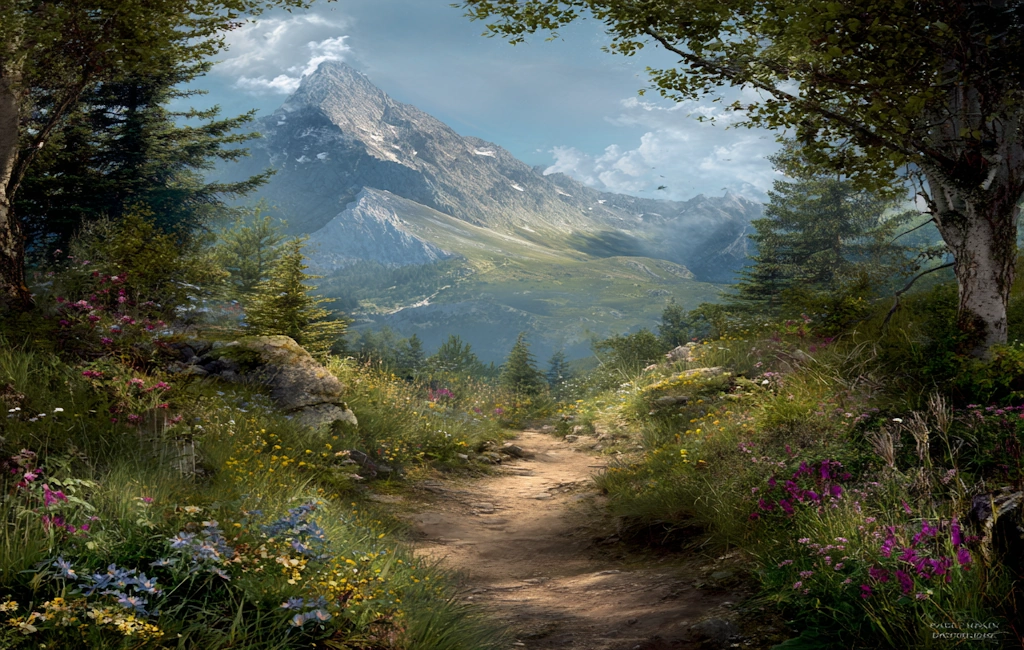
Roopkund Trek - The Lake of Secrets
The Roopkund Trek is an iconic Himalayan journey in Uttarakhand, India, renowned for its mystical high-altitude glacial lake, Roopkund, situated at an astonishing 5,020 metres above sea level. This challenging trek winds through diverse landscapes, from dense oak and rhododendron forests to vast alpine meadows and barren, windswept mountain passes. The trail offers breathtaking panoramic views of the Nanda Devi, Trishul, and Chaukhamba peaks, making it a photographer's paradise and a spiritual pilgrimage for many. The trek is famous not only for its stunning natural beauty but also for the hundreds of ancient human skeletons discovered around the lake, adding an enigmatic historical layer to this already captivating adventure. This trek demands significant physical fitness and acclimatisation due to its extreme altitude.
- Distance: Approximately 53 km (one-way from Lohajung to Roopkund and back)
- Duration: 6-9 days
- Season: May-June and September-October (pre-monsoon and post-monsoon)
- Highest point: Roopkund Lake (5,020 m)
- Difficulty: Challenging
- Base Camp: Lohajung
- Nearest Airport: Pantnagar (PGH)
- Nearest Major Town: Kathgodam
Overview
The Roopkund Trek is a classic Indian Himalayan expedition that offers a profound connection with nature and history. Starting from the charming village of Lohajung, the trek gradually ascends through varied terrains. The initial days are spent traversing through dense forests of oak, pine, and vibrant rhododendrons, alive with the sounds of birdsong and the scent of pine. As the altitude increases, the landscape transforms into expansive bugyals (alpine meadows) like Ali Bugyal and Bedni Bugyal, carpeted with wildflowers in season and offering sweeping vistas of the surrounding snow-capped peaks. These meadows are not just visually stunning but also historically significant, believed to have been grazing grounds for ancient nomadic tribes.
The trek's climax is the ascent to Roopkund Lake, a surreal, high-altitude body of water nestled amidst a cirque of snow-clad mountains. The lake itself is shallow, and during warmer months, the ice melts to reveal numerous human skeletons and ancient artefacts, a chilling testament to a mysterious event that occurred centuries ago. The exact circumstances of how these remains came to be here are still debated, with theories ranging from a pilgrimage gone wrong to a battle or epidemic. The sheer altitude of Roopkund (5,020 m) makes it one of the highest trekking destinations in India, requiring careful acclimatisation and a strong physical constitution.
Beyond Roopkund, the trek can be extended to visit the sacred shrines of Junargali Pass and the higher reaches of the Nanda Ghunti massif, offering even more spectacular views and a deeper spiritual experience. The Roopkund Trek is more than just a physical challenge; it's a journey through time, culture, and the raw, untamed beauty of the Indian Himalayas.
History and Cultural Context
The history of the Roopkund Trek is deeply intertwined with the ancient traditions and spiritual beliefs of the Garhwal region of Uttarakhand. The area is considered sacred, dedicated to Goddess Nanda Devi, the patron deity of the region. The Nanda Devi Raj Jat Yatra, a grand pilgrimage held once every twelve years, is a significant cultural event that traverses these very mountains, honouring the goddess. The presence of hundreds of human skeletons around Roopkund Lake has fuelled centuries of speculation and folklore. The most widely accepted theory suggests that the remains belong to a group of pilgrims, possibly led by a king named Jasdhawal, who perished in a sudden storm or avalanche around the 9th century AD while attempting to reach the sacred peaks.
The discovery of these remains by British forest officials in 1942 brought international attention to the site. Anthropological and archaeological studies have since revealed that the skeletons are of mixed gender and age, with injuries consistent with blunt force trauma, suggesting a sudden, violent end. The artefacts found alongside the remains, such as wooden implements, jewellery, and leather items, provide valuable insights into the life and culture of the people who lived in this region centuries ago.
The trek route itself follows ancient paths that have been used by shepherds, pilgrims, and traders for generations. Villages like Lohajung, Wan, and Didna have a rich history of pastoralism and serve as gateways to the higher altitudes. The local communities hold deep reverence for the mountains and the Nanda Devi ecosystem, and their traditions and stories are an integral part of the Roopkund experience. Understanding this historical and cultural context adds a profound dimension to the trek, transforming it from a mere physical endeavour into a journey of discovery and contemplation.
Seasonal Highlights and Weather Reality
The Roopkund Trek is best undertaken during two distinct windows: the pre-monsoon season (May to June) and the post-monsoon season (September to October). Each season offers a unique experience and presents its own set of weather challenges.
Pre-Monsoon (May-June): This period marks the beginning of the trekking season after the harsh winter months. The snow begins to melt, revealing the trails and the vibrant alpine meadows. Rhododendron flowers bloom in spectacular shades of red and pink, transforming the forests into a riot of colour. The weather is generally pleasant during the day, with clear skies offering excellent mountain views. However, nights can still be cold, and occasional showers are possible. Snow might still be present on higher passes, especially in early May, requiring appropriate gear. This season is ideal for those who want to witness the blooming flora and enjoy relatively stable weather.
Post-Monsoon (September-October): This is considered the prime trekking season for Roopkund. After the monsoon rains recede, the skies clear, offering crisp, unobstructed views of the Himalayan giants. The air is fresh, and the landscape is revitalised. The meadows are still green, and the weather is typically stable, though temperatures drop significantly, especially at higher altitudes. Nights become quite cold, often dropping below freezing point. Snowfall is possible on higher passes towards the end of October. This season is favoured for its clear visibility and the serene beauty of the post-monsoon Himalayas.
Weather Considerations: Regardless of the season, the weather in the Himalayas is notoriously unpredictable. Temperatures can fluctuate dramatically, and sudden storms, including rain, snow, and strong winds, can occur at any time, especially at higher altitudes. The temperature at Roopkund Lake can drop well below freezing, even during the trekking season. It is crucial to be prepared for all types of weather conditions, including extreme cold, wind, and precipitation, regardless of the time of year you choose to trek.
Recommended Itinerary
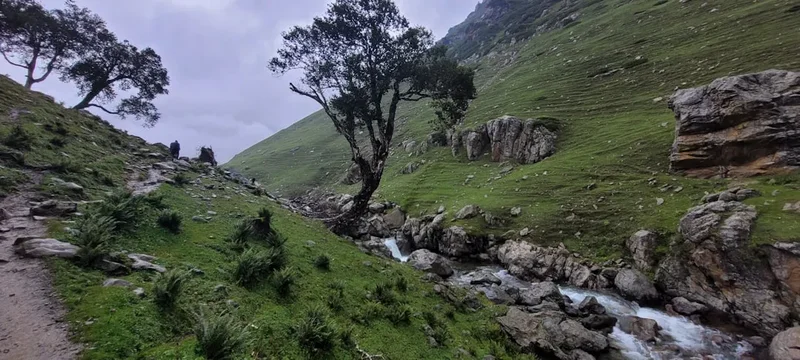
6-Day Roopkund Trek Itinerary (Standard)
Day 1: Arrival in Kathgodam & Transfer to Lohajung
- Distance: Approx. 220 km
- Time: 9-10 hours by road
- Arrive at Kathgodam railway station (nearest major railhead)
- Hire a taxi or take a shared jeep to Lohajung
- The drive is scenic, passing through Kumaon hills
- Reach Lohajung (2,340 m) by evening
- Check into a guesthouse or homestay
- Briefing about the trek and gear check
Day 2: Lohajung to Didna Village
- Distance: 8 km
- Elevation gain: 300 m
- Time: 4-5 hours
- After breakfast, begin the trek from Lohajung
- Descend towards the Kali Ganga river
- Cross a bridge and ascend towards Didna village
- Didna village (2,450 m) offers beautiful views of the valley
- Set up camp or stay in a local homestay
- Acclimatisation walk around the village
Day 3: Didna Village to Ali Bugyal
- Distance: 10 km
- Elevation gain: 800 m
- Time: 5-6 hours
- Trek through dense oak and rhododendron forests
- The trail gradually ascends, offering glimpses of snow-capped peaks
- Reach the vast alpine meadows of Ali Bugyal (3,300 m)
- Ali Bugyal is one of the largest and most beautiful meadows in the region
- Camp amidst the meadows with panoramic mountain views
- Enjoy the sunset over the Himalayas
Day 4: Ali Bugyal to Bedni Bugyal & towards Bhagwasa
- Distance: 12 km
- Elevation gain: 600 m
- Time: 6-7 hours
- Trek across Ali Bugyal and then ascend towards Bedni Bugyal (3,350 m)
- Bedni Bugyal is another stunning meadow, dotted with ancient temples
- Continue ascending towards Bhagwasa (3,700 m)
- Bhagwasa is a campsite located at the base of the higher passes
- The landscape becomes more barren and rocky
- Camp at Bhagwasa, preparing for the high-altitude ascent
Day 5: Bhagwasa to Roopkund & back to Bhagwasa/Bedni
- Distance: 10 km (round trip to Roopkund)
- Elevation gain: 1,320 m to Roopkund
- Time: 8-10 hours
- Early morning start for the ascent to Roopkund Lake (5,020 m)
- The trail is steep and challenging, with snow and ice possible
- Reach Roopkund Lake, a mystical glacial lake surrounded by peaks
- Spend time at the lake, observing the human skeletons (respectfully)
- Optional: Trek further to Junargali Pass (5,100 m) for even more expansive views
- Descend back to Bhagwasa or Bedni Bugyal for overnight camping
- This is the most demanding day of the trek
Day 6: Bhagwasa/Bedni to Lohajung via Wan Village
- Distance: 16 km
- Elevation loss: 1,360 m
- Time: 7-8 hours
- Begin the descent from Bhagwasa/Bedni
- Trek down to Wan village (2,430 m)
- From Wan, it's a further trek or a short drive back to Lohajung
- Celebrate the completion of the trek
- Overnight stay in Lohajung
Note: This is a sample itinerary. It can be extended to 7-9 days to allow for better acclimatisation, exploration of nearby areas like Brahmatal, or a more relaxed pace.
Planning and Bookings
Book Your Trip
Everything you need to plan your journey
Accommodation
Find places to stay near Kathgodam
Flights
Search flights to Kathgodam
Essential Preparation
The Roopkund Trek is a high-altitude expedition that requires thorough preparation. Physical fitness is paramount; engage in regular cardiovascular exercises, strength training, and hiking with a loaded backpack for at least 2-3 months prior to the trek. Altitude sickness is a significant risk, so a gradual ascent and proper acclimatisation are crucial. This means not rushing the itinerary and allowing sufficient time for the body to adjust to decreasing oxygen levels. Ensure you have all necessary permits and registrations, although for Roopkund itself, specific permits are generally not required for Indian nationals, but local forest department registration at Lohajung is mandatory. For foreign nationals, permits might be required, and it's advisable to check with local authorities or trekking agencies. The closest major city for logistical support is Kathgodam, which has good connectivity via train. From Kathgodam, you will need to arrange transport to Lohajung, the trek's base camp. This journey can take 9-10 hours by road, so plan your arrival accordingly. Lohajung offers basic guesthouses and homestays for overnight stays and pre-trek preparations.
Trail Accommodation
Accommodation on the Roopkund Trek varies significantly with altitude and location. The trek is primarily a camping-based expedition, especially at higher altitudes.
- Lohajung: Basic guesthouses and homestays are available. These offer simple rooms with beds and basic amenities. Booking in advance is recommended, especially during peak season.
- Didna Village: Local homestays are available, offering a chance to experience rural village life. Camping is also an option here.
- Ali Bugyal & Bedni Bugyal: These are vast alpine meadows and are designated camping sites. Tents are pitched here, providing accommodation amidst stunning natural beauty. No permanent structures exist.
- Bhagwasa: This is a high-altitude campsite. Tents are the only form of accommodation. It is a barren, rocky area, and camping here requires proper acclimatisation.
- Roopkund: No accommodation is available at Roopkund Lake itself. It is a day excursion from Bhagwasa or Bedni Bugyal.
Booking Requirements: For homestays in Lohajung and Didna, advance booking is advisable. For camping, you will need to arrange tents, sleeping bags, and other camping equipment, either through a trekking agency or by renting them. If you are trekking with a registered agency, they will handle all camping arrangements.
Facilities Provided: Homestays offer basic bedding and meals. Campsites provide a space to pitch tents. Trekking agencies typically provide tents, sleeping bags, sleeping mats, and meals during the camping days.
What's NOT Provided: Personal toiletries, sleeping bag liners, trekking poles, and personal medical kits are generally not provided. At campsites, expect basic pit toilets or digging a hole for waste disposal. No electricity or charging facilities are available at campsites.
Seasonal Availability: Accommodation in villages is available year-round but is most comfortable during the trekking seasons (May-June and September-October). Camping is only feasible and safe during these periods due to snow and extreme cold in winter.
Costs: Homestays can range from ₹1,000-₹3,000 per night, including meals. Camping costs are usually part of a package deal with trekking agencies, which can vary widely based on services offered.
Required Gear
- Trekking Boots: Waterproof, sturdy, high-ankle support boots, well broken-in to prevent blisters.
- Backpack: A 45-65 litre rucksack with a rain cover. Ensure it has a good hip belt for weight distribution.
- Clothing:
- Thermal innerwear (base layers)
- Fleece jacket or down jacket (mid-layer)
- Waterproof and windproof outer jacket (hardshell)
- Waterproof and windproof overtrousers
- Trekking trousers (quick-dry, comfortable)
- Warm socks (wool or synthetic, 4-5 pairs)
- Gloves (warm, waterproof)
- Woolen cap or beanie
- Sun hat or cap
- Sleeping Bag: A 0°C to -10°C rated sleeping bag is essential for high altitudes.
- Trekking Poles: Highly recommended for stability and reducing strain on knees, especially during descents.
- Headlamp/Torch: With extra batteries. Essential for early morning starts and navigating in the dark.
- First-Aid Kit: Comprehensive kit including personal medications, blister treatment, antiseptic wipes, bandages, pain relievers, and altitude sickness medication (consult your doctor).
- Navigation: Map of the region, compass, and GPS device or smartphone with offline maps.
What to Bring
- Food and Water:
- High-energy snacks: Nuts, dried fruits, energy bars, chocolate.
- Water bottles or hydration reservoir (minimum 2 litres capacity).
- Water purification tablets or a water filter.
- Toiletries:
- Biodegradable soap and shampoo
- Toothbrush and toothpaste
- Sunscreen (SPF 50+)
- Lip balm with SPF
- Hand sanitiser
- Toilet paper
- Moisturiser
- Personal Items:
- Sunglasses (UV protection)
- Camera and extra batteries/power bank
- Personal identification documents (ID card, passport)
- Small towel (quick-dry)
- Insect repellent (especially for lower altitudes)
- Duct tape (for repairs)
- Small knife or multi-tool
- Notebook and pen
- Documents:
- Permits and registration documents
- Emergency contact information
- Copies of important documents
Permits
For Indian nationals, the Roopkund Trek generally does not require specific entry permits for the trail itself. However, registration with the local Forest Department at Lohajung is mandatory. This registration helps authorities keep track of trekkers for safety purposes and contributes to conservation efforts. It's advisable to confirm the latest regulations with local trekking operators or the Uttarakhand Forest Department before your trip, as rules can change.
For foreign nationals, permits might be required, and it is essential to verify this with your trekking agency or the Indian Embassy in your country. Trekking agencies typically handle all necessary permit arrangements as part of their package. Ensure you carry your identification documents (ID card for Indian nationals, passport and visa for foreign nationals) at all times, as they may be checked at various points along the route or at check posts.
Key Points:
- Lohajung Registration: Mandatory for all trekkers. Obtain this upon arrival at Lohajung.
- Forest Department Fees: Small fees may be applicable for registration and camping at certain locations.
- Agency Assistance: If you book through a trekking agency, they will usually manage all permit requirements and fees.
- Identification: Always carry your ID proof.
Other Activities in the Area
While the Roopkund Trek is the primary draw, the surrounding region offers several other enriching experiences:
- Nanda Devi Raj Jat Yatra Route Exploration: Parts of the Roopkund Trek overlap with the sacred Nanda Devi Raj Jat Yatra route. Exploring these areas offers a glimpse into the deep spiritual heritage of the Garhwal Himalayas.
- Visit to Wan Village: The village of Wan, on the descent from Bedni Bugyal, is known for its ancient temples and traditional Kumaoni architecture. It provides a cultural immersion into the local way of life.
- Brahmatal Trek: A shorter, less strenuous trek that can be combined with Roopkund, offering stunning views of the Trishul and Nanda Ghunti peaks, especially during winter when it's covered in snow.
- Day Hikes from Lohajung: Lohajung itself is a scenic village. Short day hikes to nearby viewpoints or smaller peaks can be arranged for acclimatisation or to enjoy the local scenery.
- Exploring Local Culture: Interacting with the local communities in Lohajung and Wan provides insights into their unique customs, traditions, and the challenges of mountain living.
- Bird Watching: The diverse flora and fauna of the lower forest sections of the trek make it an excellent destination for birdwatchers.
Safety and Conditions
Altitude Sickness (AMS): This is the most significant risk on the Roopkund Trek. Symptoms include headache, nausea, dizziness, fatigue, and shortness of breath. Prevention is key: ascend gradually, stay well-hydrated, avoid alcohol and smoking, and consider Diamox (acetazolamide) after consulting a doctor. If symptoms appear, do not ascend further; descend immediately. Proper acclimatisation days are crucial.
Weather: Himalayan weather is unpredictable. Be prepared for sudden changes, including rain, snow, strong winds, and extreme cold, especially at higher altitudes. Temperatures at Roopkund can drop significantly below freezing. Always check the weather forecast before starting and carry appropriate gear.
Trail Conditions: The trail varies from well-defined paths in forests to rocky, scree-covered slopes and snowfields at higher altitudes. Steep ascents and descents are common. During the monsoon season (July-August), trails can be slippery and prone to landslides. Post-monsoon, snow can linger on passes, requiring careful navigation and potentially ice axe and crampon usage.
Water Sources: Clean drinking water is available from streams and springs in the lower sections. However, at higher altitudes, water sources may be frozen or scarce. Always purify water using tablets or a filter, especially from lower altitudes, to prevent waterborne diseases.
Wildlife: While encounters are rare, be aware of local wildlife. Maintain a safe distance and never feed animals. The region is home to various birds, and occasionally, larger mammals like barking deer or Himalayan tahr might be spotted.
Communication: Mobile network coverage is extremely limited and often non-existent beyond Lohajung. Carry a satellite phone or a Personal Locator Beacon (PLB) for emergencies, especially if trekking independently. Inform your family or friends about your itinerary and expected return date.
Emergency Services: Medical facilities are basic in Lohajung and non-existent on the trail. In case of a serious emergency, evacuation by helicopter might be necessary, which is expensive. Ensure you have adequate travel insurance that covers high-altitude trekking and emergency evacuation.
Guides and Porters: Hiring experienced local guides and porters is highly recommended. They possess invaluable knowledge of the terrain, weather patterns, and local conditions, significantly enhancing safety and the overall trekking experience.
Side Trips and Points of Interest
Junargali Pass: Located just above Roopkund Lake, Junargali Pass (approximately 5,100 metres) offers an even higher vantage point. The climb to Junargali is steep and challenging but rewards trekkers with unparalleled panoramic views of the surrounding peaks, including the mighty Nanda Ghunti and Trishul. It provides a more expansive perspective of the vast Himalayan landscape and the route you have traversed.
Bedni Kund: A small, sacred pond located near Bedni Bugyal. This serene water body is considered holy by the locals and is often a place for quiet contemplation. The reflections of the surrounding peaks in its still waters are particularly beautiful.
Ancient Temples at Bedni Bugyal: Bedni Bugyal is dotted with ancient temples dedicated to Goddess Nanda Devi. These structures, though small, hold significant cultural and religious importance for the local communities and add a spiritual dimension to the trekking experience.
Rhododendron Forests: During the pre-monsoon season (May-June), the forests on the lower slopes of the trek, particularly between Lohajung and Didna, and around Ali Bugyal, burst into bloom with vibrant red and pink rhododendrons. This makes the trek visually spectacular and offers excellent photographic opportunities.
Views of Nanda Devi and Trishul: The Roopkund Trek offers some of the most spectacular close-up views of the Nanda Devi massif (India's second-highest peak) and the iconic Trishul peaks. These majestic mountains dominate the skyline for much of the trek, providing awe-inspiring vistas.
The Skeletons of Roopkund: While a somber point of interest, the hundreds of human skeletons found around Roopkund Lake are a unique and historically significant aspect of the trek. Observing them (with respect and reverence) offers a tangible connection to the past and the mysteries surrounding the lake.
Leave No Trace
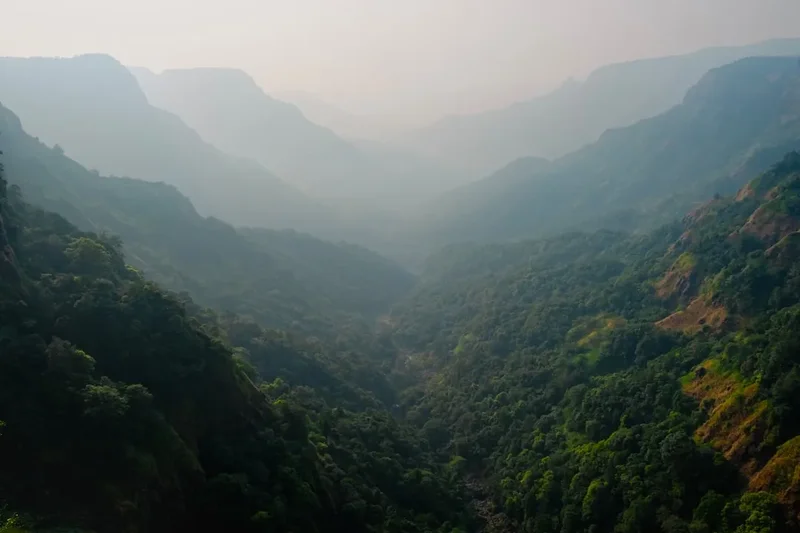
The Roopkund Trek traverses pristine alpine meadows, ancient forests, and fragile high-altitude ecosystems. Adhering to Leave No Trace principles is paramount to preserving this natural beauty for future generations and ensuring the sustainability of trekking in the region.
Plan Ahead and Prepare: Understand the regulations and special concerns for the area. Pack appropriately to prevent the need for unexpected supplies. Prepare for extreme weather.
Travel and Camp on Durable Surfaces: Stick to the established trails to avoid damaging vegetation. Camp in designated areas or on bare ground, away from water sources and fragile meadows. Avoid creating new campsites.
Dispose of Waste Properly: Pack out everything you pack in, including all food scraps, wrappers, and toilet paper. Use designated toilets where available. If not, dig a cathole 6-8 inches deep, at least 60 m from water, camp, and trails. Pack out all toilet paper. Human waste can contaminate water sources and spread disease.
Leave What You Find: Do not disturb or remove any natural or cultural objects, including rocks, plants, or historical artefacts. The skeletons at Roopkund are a historical site and should be treated with the utmost respect; do not touch or disturb them.
Minimize Campfire Impacts: Campfires are generally prohibited in high-altitude areas due to the fragile environment and scarcity of firewood. Use a portable stove for cooking. If a campfire is permitted and necessary, use existing fire rings and keep fires small.
Respect Wildlife: Observe wildlife from a distance. Never feed animals, as it alters their natural behaviour and diet, and can be harmful to them. Store food securely to prevent attracting animals.
Be Considerate of Other Visitors: Respect the solitude of the wilderness. Avoid loud noises and loud music. Yield to other hikers on the trail. Let nature's sounds prevail.
By following these principles, you contribute to the preservation of the Roopkund Trek's natural and cultural heritage, ensuring that its beauty and mystery can be experienced by generations to come.