
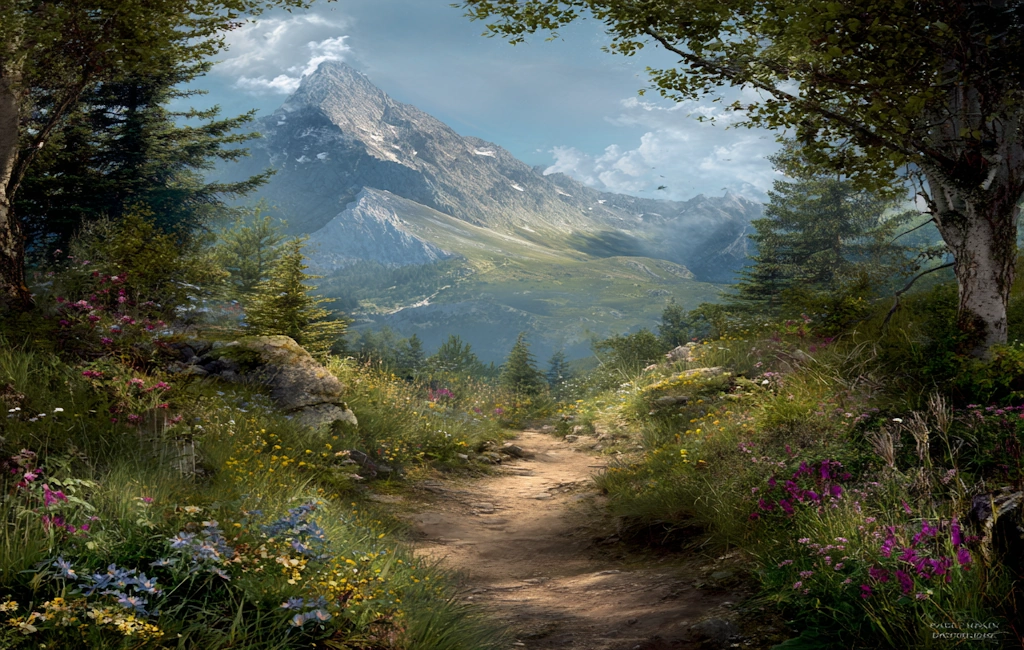
Rolwaling Valley Trek
The Rolwaling Valley Trek is a challenging yet immensely rewarding journey through one of Nepal's most remote and culturally rich Himalayan regions. Nestled between the Langtang and Khumbu regions, the Rolwaling Valley is often referred to as the "hidden valley" due to its isolation and pristine natural beauty. This trek offers a unique opportunity to experience traditional Sherpa life, explore ancient Buddhist monasteries, and witness breathtaking views of some of the world's highest peaks, including Gaurishankar (7,134 m) and Melungtse (7,180 m).
Unlike the more frequented Everest Base Camp or Annapurna Circuit treks, the Rolwaling Valley remains relatively untouched by mass tourism, providing a more authentic and intimate trekking experience. The trail winds through diverse landscapes, from lush rhododendron forests and terraced fields in the lower altitudes to stark, alpine terrain and glacial moraines as you ascend towards the higher passes. The trek culminates in crossing the Tsho Rolpa glacial lake and potentially the challenging Tasi Lapcha Pass (5,755 m), a high alpine pass that connects Rolwaling to the Khumbu region, offering a true adventure for seasoned trekkers.
- Distance: Approximately 65 km (main valley route)
- Duration: 10–14 days (depending on route and acclimatisation)
- Season: October–November (Autumn) and April–May (Spring)
- Difficulty: Challenging
- Highest point: Tasi Lapcha Pass (5,755 m) or Tsho Rolpa Lake (4,580 m)
- Accommodation: Teahouses and basic lodges
- Access: Kathmandu to Jagat via bus/jeep
Overview
The Rolwaling Valley Trek is a journey into the heart of the Gaurishankar Conservation Area, a region of immense natural beauty and cultural significance. The trek begins in the lower foothills of Nepal, gradually ascending through charming Sherpa villages, each with its own unique character and traditions. As you move deeper into the valley, the landscape transforms dramatically. The air becomes thinner, the vegetation sparser, and the towering snow-capped peaks of the Himalayas dominate the horizon. This trek is not just about the physical challenge; it's an immersion into a way of life that has remained largely unchanged for centuries.
The Rolwaling Valley is home to the indigenous Rolwaling Sherpas, who have a distinct dialect and cultural practices compared to their Khumbu counterparts. Their lives are deeply intertwined with Buddhism, and you'll encounter numerous ancient monasteries and stupas along the trail, offering moments of spiritual reflection. The trek's remoteness means that facilities are basic, and trekkers must be prepared for a more rugged experience. However, this very remoteness is what preserves its charm and authenticity.
Key highlights of the trek include the stunning views of Gaurishankar, the sacred mountain revered by both Hindus and Buddhists, the awe-inspiring Tsho Rolpa glacial lake, one of Nepal's largest and most beautiful glacial lakes, and the optional but exhilarating crossing of the Tasi Lapcha Pass. This pass is a true test of endurance and skill, offering unparalleled panoramic views of the surrounding Himalayan giants, including Everest, Lhotse, and Cho Oyu, for those who venture across.
History and Cultural Context
The Rolwaling Valley has a rich history deeply connected to the Sherpa people and their spiritual beliefs. For centuries, this remote valley has been a sanctuary for Sherpa communities who migrated from Tibet. Their isolation allowed them to preserve their unique cultural heritage, language, and traditions, which differ subtly from those found in the more accessible Khumbu region.
The valley's name, "Rolwaling," is derived from the Tibetan word "rol-wa," meaning "to roll," and "ling," meaning "valley." This name likely refers to the way the valley is carved by the Rolwaling River, with its steep, rolling terrain. The region is considered sacred, particularly the peak of Gaurishankar, which is believed to be the abode of the deities Shiva and Parvati. This sacredness has protected the valley from extensive development, maintaining its pristine natural state.
Historically, the Rolwaling Valley served as a traditional trade route between Tibet and Nepal. Sherpa traders would traverse the high passes, including the Tasi Lapcha, to exchange goods. This historical connection to Tibet is evident in the architecture of the monasteries, the prayer flags that flutter in the wind, and the customs of the local people. The valley also played a role in the early days of mountaineering in Nepal, with expeditions often passing through or using it as a staging area for climbs in the surrounding peaks.
In recent decades, the Rolwaling Valley has begun to open up to trekking, but it has done so cautiously. The focus has been on sustainable tourism that benefits the local communities while preserving the environment and cultural integrity. The establishment of the Gaurishankar Conservation Area in 2010 further underscores the commitment to protecting this unique region.
Seasonal Highlights and Weather Reality
The Rolwaling Valley Trek is best undertaken during two primary seasons, each offering distinct advantages and challenges:
Autumn (October–November): This is widely considered the prime trekking season for the Rolwaling Valley. The monsoon rains have subsided, leaving the skies clear and offering excellent visibility of the Himalayan peaks. The weather is generally stable, with daytime temperatures pleasant for trekking, though nights can become quite cold, especially at higher altitudes. The autumn colours in the lower forests add to the scenic beauty. This season provides the best chance for clear views of Gaurishankar and the surrounding giants, and the Tasi Lapcha Pass is typically snow-free and safer to cross.
Spring (April–May): Spring is another popular season for trekking in Nepal, and Rolwaling is no exception. The rhododendrons bloom in vibrant colours, transforming the lower valleys into a spectacular display of reds, pinks, and whites. The weather is generally warm and pleasant during the day, though it can become unpredictable, with occasional afternoon showers or thunderstorms. Visibility can be good, but it may not be as consistently clear as in autumn. Spring also marks the beginning of the climbing season for the higher peaks, so you might encounter expedition teams in the region.
Monsoon (June–September): The monsoon season brings heavy rainfall to the lower and mid-altitudes, making trekking difficult and potentially dangerous. Trails can become muddy and slippery, and visibility is often poor due to cloud cover and rain. Landslides are also a risk during this period. While some trekkers might venture into the higher alpine regions during the monsoon, it is generally not recommended for this trek due to the challenging conditions and limited accessibility.
Winter (December–March): Winter in the Rolwaling Valley can be extremely cold, with heavy snowfall at higher elevations. The Tasi Lapcha Pass is often impassable due to deep snow and icy conditions, making it a dangerous undertaking. While the lower parts of the valley might be accessible, the overall experience is significantly diminished by the harsh weather. This season is best avoided for this particular trek unless you are an experienced winter mountaineer with appropriate gear and support.
Recommended Itinerary
12-Day Rolwaling Valley Trek Itinerary
Day 1: Arrival in Kathmandu (1,400 m)
- Arrive at Tribhuvan International Airport (KTM)
- Transfer to your hotel in Kathmandu
- Rest and prepare for the trek
- Briefing with your trekking agency and guide
Day 2: Drive to Jagat (1,440 m)
- Early morning drive from Kathmandu to Jagat
- Journey takes approximately 8–10 hours by bus or jeep
- The road is rough and winding, especially after Dhunche
- Jagat is a small village with basic teahouses
- Check permits at the checkpoint
Day 3: Jagat to Simigaon (2,000 m)
- Distance: 15 km
- Time: 6–7 hours
- Trek through lush forests of rhododendron and pine
- Descend to the Sunkoshi River and then ascend to Simigaon
- Pass through small settlements and terraced fields
- Enjoy first glimpses of Gaurishankar in clear weather
Day 4: Simigaon to Dongang (2,800 m)
- Distance: 12 km
- Time: 5–6 hours
- Continue ascending through dense forest
- The trail becomes steeper as you gain altitude
- Pass through yak pastures and small streams
- Dongang is a small settlement with limited teahouses
Day 5: Dongang to Beding (3,690 m)
- Distance: 10 km
- Time: 5–6 hours
- Enter the Rolwaling Valley proper
- The landscape opens up, offering more expansive views
- Pass through alpine meadows and sparse vegetation
- Beding is the largest village in the Rolwaling Valley, with a monastery
Day 6: Acclimatisation Day in Beding
- Rest and acclimatise to the altitude
- Explore the village and visit the local monastery
- Short hike to a nearby viewpoint for panoramic mountain vistas
- Crucial for preventing altitude sickness before heading higher
Day 7: Beding to Na Gaon (4,180 m)
- Distance: 6 km
- Time: 3–4 hours
- A shorter day to aid acclimatisation
- Trek along the Rolwaling River towards Na Gaon
- The scenery becomes increasingly dramatic with stark, rocky terrain
- Na Gaon is a small settlement, the last permanent habitation before Tsho Rolpa
Day 8: Na Gaon to Tsho Rolpa Lake (4,580 m) and back to Na Gaon
- Distance: 8 km (round trip)
- Time: 4–5 hours
- Day hike to the magnificent Tsho Rolpa glacial lake
- Witness the immense glacial lake with its turquoise waters
- Observe the surrounding glaciers and snow-capped peaks
- Return to Na Gaon for the night
Day 9: Na Gaon to Yalung Kharka (4,800 m)
- Distance: 7 km
- Time: 4–5 hours
- Trek further up the valley towards the base of Tasi Lapcha Pass
- The terrain is rugged and rocky, with moraines
- Yalung Kharka is a high-altitude camping area or basic shelter
- Prepare for the challenging pass crossing the next day
Day 10: Yalung Kharka to Tasi Lapcha Pass (5,755 m) and descend to Thame (3,800 m) or nearby camp
- Distance: 10–12 km
- Time: 8–10 hours
- The most challenging day of the trek
- Ascend to the Tasi Lapcha Pass, a high alpine pass
- Requires careful navigation and potentially ice axe/crampons depending on conditions
- Enjoy breathtaking panoramic views of Everest, Lhotse, Cho Oyu, and other giants
- Descend steeply towards Thame in the Khumbu region
- Overnight at a basic camp or lodge in Thame if possible, or a suitable camping spot
Day 11: Thame to Namche Bazaar (3,440 m)
- Distance: 10 km
- Time: 4–5 hours
- Trek through the Khumbu region, now on more established trails
- Pass through Sherpa villages and monasteries
- Namche Bazaar is the bustling hub of the Khumbu region
- Enjoy a hot shower and a celebratory meal
Day 12: Namche Bazaar to Lukla (2,860 m)
- Distance: 18 km
- Time: 6–7 hours
- Final day of trekking
- Descend towards Lukla
- Reflect on the incredible journey through Rolwaling and Khumbu
- Overnight in Lukla, preparing for your flight back to Kathmandu
Alternative Itinerary (without Tasi Lapcha Pass):
- After Day 8 (Tsho Rolpa), return down the Rolwaling Valley to Jagat and then drive back to Kathmandu. This reduces the trek duration to approximately 8–10 days.
Important Notes:
- This itinerary is a guideline and can be adjusted based on acclimatisation, weather, and personal pace.
- Trekking permits are required for the Gaurishankar Conservation Area and Sagarmatha National Park (if crossing Tasi Lapcha).
- Accommodation is in basic teahouses/lodges, and camping may be required at higher altitudes.
- A good level of fitness and prior trekking experience is recommended.
- Hiring a local guide and porter is highly recommended for safety and cultural insights.
Planning and Bookings
Book Your Trip
Everything you need to plan your journey
Accommodation
Find places to stay near Kathmandu
Flights
Search flights to Kathmandu
Essential Preparation
The Rolwaling Valley Trek is a remote expedition requiring meticulous planning. Given its challenging nature and limited infrastructure, thorough preparation is paramount. This includes physical conditioning, securing necessary permits, arranging logistics for transport and accommodation, and understanding the cultural nuances of the region.
Fitness: The trek involves long days of walking at high altitudes, often on uneven and steep terrain. A high level of cardiovascular fitness is essential. Begin a rigorous training regimen at least 2–3 months prior to your trek, focusing on hiking with a weighted backpack, running, cycling, and strength training, particularly for your legs and core. Altitude acclimatisation is critical; the itinerary includes rest days, but individual responses to altitude vary. Be prepared to adjust your pace and schedule as needed.
Logistics: The primary gateway to the Rolwaling Valley is Kathmandu. From Kathmandu, you will need to arrange transport to Jagat, the trailhead. This is typically done via a local bus or a private jeep. The road to Jagat is rough and can be challenging, especially during and immediately after the monsoon season. It is advisable to book your transport in advance, especially if travelling during peak season. For the return journey, you will either drive back from Jagat or fly from Lukla (if crossing Tasi Lapcha Pass).
Base Town/City: Kathmandu is the main base for all preparations. Here, you can purchase or rent trekking gear, obtain permits, meet your guide and porters, and arrange your onward travel. It is also advisable to spend a couple of days in Kathmandu before and after your trek to acclimatise, finalise arrangements, and recover.
Trail Accommodation
Accommodation along the Rolwaling Valley Trek is primarily in basic teahouses or lodges. At higher altitudes, especially near Tsho Rolpa Lake and on the approach to Tasi Lapcha Pass, camping may be necessary.
Teahouses/Lodges:
- Facilities: Typically offer simple rooms with twin beds and mattresses. A common dining area with a stove provides warmth and a place to eat. Toilets are usually squat-style and may be shared. Showers, if available, are often solar-heated and may incur an extra charge.
- What's Provided: Basic shelter, a bed with a mattress, and meals (breakfast, lunch, dinner) are available for purchase.
- What's NOT Provided: Bedding (sleeping bags are essential), toiletries, towels, hot water for washing (unless paid for), electricity for charging devices (charging facilities may be available in some lodges for a fee).
- Seasonal Availability: Teahouses are generally open year-round, but services can be reduced during the off-seasons (monsoon and winter).
- Costs: Room charges are usually nominal (often free if you eat all your meals there), but food and drinks are priced higher than in cities. Expect to pay approximately US$5–15 per person per day for accommodation and meals, excluding snacks and drinks.
Camping:
- At higher altitudes, such as Yalung Kharka, designated camping spots or suitable flat areas may be used.
- Facilities: You will need to bring all your own camping equipment, including tents, sleeping bags, sleeping mats, cooking gear, and food.
- Seasonal Availability: Camping is feasible during the trekking seasons (Spring and Autumn).
- Costs: Primarily the cost of your own equipment and supplies.
Required Gear
- Footwear: Sturdy, waterproof trekking boots with good ankle support. Broken-in boots are essential to prevent blisters. Camp shoes or sandals for evenings.
- Clothing:
- Waterproof and windproof outer jacket (Gore-Tex or similar)
- Waterproof and windproof overtrousers
- Insulating mid-layers (fleece jacket, down vest)
- Thermal base layers (merino wool or synthetic)
- Trekking trousers (quick-drying)
- Trekking shirts (long-sleeved for sun protection)
- Warm hat (beanie) and gloves
- Sun hat or cap
- Sleeping Gear: A warm sleeping bag rated to at least -10°C to -15°C (-17°C to -15°C) is crucial, as teahouse blankets are often insufficient.
- Backpack: A comfortable trekking backpack (45–65 litres) with a rain cover. A smaller daypack (20–30 litres) for essentials during daily hikes.
- Navigation: Map of the Rolwaling Valley, compass, and GPS device or smartphone with offline maps.
- Safety Gear:
- First-aid kit (including blister treatment, pain relievers, antiseptic wipes, bandages, personal medications)
- Head torch with spare batteries
- Sunscreen (SPF 50+) and lip balm with SPF
- Sunglasses (UV protection)
- Water purification tablets or filter
- Whistle
- Personal Locator Beacon (PLB) or satellite phone (highly recommended for remote areas)
- Ice axe and crampons (if attempting Tasi Lapcha Pass, depending on season and conditions)
What to Bring
- Food and Water: While meals are available in teahouses, carry high-energy snacks (nuts, dried fruit, energy bars, chocolate) for during the day. Carry a reusable water bottle or hydration reservoir. Water purification is essential.
- Toiletries: Biodegradable soap, toothbrush and toothpaste, toilet paper (carry out used paper), hand sanitiser, wet wipes.
- Personal Items: Camera and spare batteries/power bank, trekking poles (highly recommended for ascents and descents), insect repellent (especially for lower altitudes), small towel, personal identification and copies of permits, cash (Nepalese Rupees) for expenses in teahouses and for porters/guides.
- Documents: Passport, visa, trekking permits, travel insurance details, emergency contact information.
- Optional: Book, journal, playing cards for downtime in teahouses.
Permits
To trek in the Rolwaling Valley and surrounding areas, several permits are required. These permits help manage tourism, conserve the environment, and ensure the safety of trekkers.
1. Gaurishankar Conservation Area Permit (GCAP):
- This permit is mandatory for entering the Gaurishankar Conservation Area, which encompasses the Rolwaling Valley.
- Cost: Approximately NPR 30 per person per day for foreign trekkers.
- Where to Obtain: Can be obtained from the Department of National Parks and Wildlife Conservation in Kathmandu or at the entry points to the conservation area, such as the checkpoint in Jagat. It is advisable to obtain this in Kathmandu to save time.
2. TIMS Card (Trekkers' Information Management System):
- This card is required for all trekkers in Nepal, regardless of the region. It helps the government track trekkers for safety purposes.
- Cost: Approximately NPR 2,000 for individual trekkers or NPR 1,000 if trekking with a registered agency.
- Where to Obtain: Can be obtained from the Nepal Tourism Board (NTB) office in Kathmandu or Pokhara, or through your trekking agency.
3. Sagarmatha National Park Entry Permit (if crossing Tasi Lapcha Pass):
- If your itinerary includes crossing the Tasi Lapcha Pass to reach the Khumbu region, you will need to enter Sagarmatha National Park.
- Cost: Approximately NPR 3,000 per person.
- Where to Obtain: Can be obtained at the park entrance gate in Monjo or Jorsalle, or in Kathmandu.
Important Notes on Permits:
- Always carry your permits with you, as they will be checked at various checkpoints along the trail.
- It is highly recommended to arrange your permits through a reputable trekking agency in Kathmandu. They will handle the paperwork and ensure you have the correct permits for your chosen route.
- Keep photocopies of your permits and passport in a separate location.
- Permit fees are subject to change, so it's advisable to check the latest requirements before your trek.
Other Activities in the Area
While the Rolwaling Valley Trek is an adventure in itself, the surrounding region offers opportunities for further exploration and engagement with the local culture and environment:
- Village Exploration: Spend extra time in villages like Beding and Na Gaon to immerse yourself in the local Sherpa culture. Visit the ancient monasteries, observe daily life, and interact with the friendly locals.
- Cultural Homestays: In some lower villages, it might be possible to arrange short homestays with local families, offering a deeper understanding of their traditions and way of life.
- Photography: The Rolwaling Valley is a photographer's paradise. Capture the majestic peaks, the unique architecture of the monasteries, the vibrant prayer flags, and the daily lives of the Sherpa people.
- Stargazing: Due to its remoteness and lack of light pollution, the Rolwaling Valley offers incredible opportunities for stargazing. On clear nights, the sky is a dazzling spectacle of stars.
- Yak Cheese Tasting: In higher villages, you might have the chance to sample locally produced yak cheese, a staple food for the mountain communities.
- Bird Watching: The lower forested areas of the valley are home to various species of birds, including colourful rhododendron-loving species.
- Meditation and Mindfulness: The serene and spiritual atmosphere of the valley, particularly around the monasteries, provides an ideal setting for meditation and mindfulness practices.
Safety and Conditions
Altitude Sickness (AMS):
- The Rolwaling Valley Trek reaches significant altitudes, with Tasi Lapcha Pass exceeding 5,700 metres. Altitude sickness is a serious risk.
- Symptoms: Headache, nausea, dizziness, fatigue, loss of appetite, difficulty sleeping.
- Prevention: Ascend gradually, stay well-hydrated, avoid alcohol and smoking, and consider taking Diamox (acetazolamide) as prescribed by your doctor.
- Management: If symptoms appear, do not ascend further. Rest, hydrate, and if symptoms worsen, descend immediately.
Weather:
- Mountain weather is unpredictable and can change rapidly. Be prepared for cold temperatures, strong winds, and potential snowfall, especially at higher elevations and on passes.
- Recommendations: Check weather forecasts before you depart Kathmandu and at regular intervals during the trek. Pack appropriate clothing layers for all conditions.
Trail Conditions:
- The trails can be steep, rocky, and uneven. In some sections, especially near Tsho Rolpa and on the approach to Tasi Lapcha, the terrain can be challenging, involving moraines and scree.
- Tasi Lapcha Pass: This pass can be particularly hazardous, especially outside the main trekking seasons. It may be covered in snow and ice, requiring the use of ice axes and crampons. Conditions can change quickly, and it is crucial to have an experienced guide who can assess the safety of the pass.
- Landslides and Rockfalls: These are potential hazards, particularly during and after the monsoon season. Always be aware of your surroundings.
Health and Hygiene:
- Drink only purified or boiled water.
- Eat well-cooked food.
- Maintain good personal hygiene to prevent gastrointestinal problems.
- Carry a comprehensive first-aid kit and know how to use its contents.
Guides and Porters:
- Hiring a local guide is highly recommended for navigation, safety, cultural insights, and emergency assistance.
- Porters can carry your main backpack, making the trek more enjoyable and reducing the physical strain. Ensure they are properly equipped and insured.
Communication:
- Mobile phone reception is limited to non-existent in most parts of the Rolwaling Valley.
- Consider carrying a satellite phone or a Personal Locator Beacon (PLB) for emergencies.
Travel Insurance: Ensure your travel insurance covers high-altitude trekking, emergency evacuation (including helicopter rescue), and medical expenses. This is non-negotiable for this trek.
Side Trips and Points of Interest
Tsho Rolpa Lake: This is the undisputed highlight of the Rolwaling Valley. Tsho Rolpa is one of Nepal's largest glacial lakes, situated at an altitude of 4,580 metres. The lake's stunning turquoise waters, surrounded by towering glaciers and snow-capped peaks, create a breathtaking spectacle. The trek to the lake from Na Gaon is a day trip and offers an unparalleled opportunity to witness the raw power and beauty of glacial landscapes. Be aware of the potential risks associated with glacial lakes, including the possibility of outburst floods, though the risk is managed by monitoring systems.
Gaurishankar: The sacred mountain of Gaurishankar (7,134 m) is a prominent feature of the Rolwaling Valley. Revered by both Hindus and Buddhists, it is considered one of the most sacred peaks in the Himalayas. While climbing Gaurishankar is an expedition for experienced mountaineers, its majestic presence dominates the valley views, offering constant inspiration and a sense of awe.
Beding Monastery: Located in the village of Beding, this ancient Buddhist monastery is a significant spiritual centre for the Rolwaling Sherpas. Visiting the monastery offers a glimpse into the region's rich Buddhist heritage, with its intricate murals, statues, and the peaceful chanting of monks.
Na Gaon Village: As the last permanent settlement in the Rolwaling Valley before the higher altitudes, Na Gaon is a fascinating place to explore. The traditional stone houses, prayer flags, and the resilient lifestyle of its inhabitants offer a unique cultural experience. It's a good place to acclimatise and prepare for the ascent towards Tsho Rolpa and Tasi Lapcha.
Tasi Lapcha Pass Views: For those who undertake the challenging crossing of Tasi Lapcha Pass, the panoramic views from the summit are an extraordinary reward. On a clear day, you can see some of the world's highest peaks, including Mount Everest, Lhotse, Cho Oyu, and Makalu, stretching across the horizon. This is a truly unforgettable vista for any trekker.
Rolwaling River: The powerful Rolwaling River carves its way through the valley, and its presence is felt throughout the trek. The sound of the rushing water, the dramatic gorges it has formed, and the bridges that span its course are integral parts of the trekking experience.
Leave No Trace
The Rolwaling Valley is a pristine wilderness, a fragile ecosystem that is home to unique flora, fauna, and a rich cultural heritage. Practising Leave No Trace principles is not just a recommendation; it is a necessity to preserve this extraordinary region for future generations and to ensure the safety and well-being of its inhabitants.
1. Plan Ahead and Prepare:
- Understand the regulations and special concerns for the area.
- Pack appropriately for the conditions to minimise waste.
- Be prepared for altitude and weather changes.
2. Travel and Camp on Durable Surfaces:
- Stick to the established trails to avoid damaging vegetation.
- When camping, use designated campsites or the most impacted areas to minimise your footprint. Avoid camping near water sources.
3. Dispose of Waste Properly:
- Pack it in, pack it out. This includes all food scraps, wrappers, and any other refuse.
- Use designated toilets in teahouses. If camping, dig a cathole at least 60 metres (60 m) away from water, trails, and campsites. Pack out all toilet paper.
4. Leave What You Find:
- Preserve the past: examine, but do not touch, cultural or historic structures.
- Leave rocks, plants, and other natural objects as you find them.
5. Minimise Campfire Impacts:
- Campfires are generally not permitted in the Rolwaling Valley due to the risk of wildfire and the scarcity of firewood at high altitudes. Use a stove for cooking.
6. Respect Wildlife:
- Observe wildlife from a distance. Never feed animals, as it disrupts their natural behaviour and diet.
- Store food securely to prevent attracting animals.
7. Be Considerate of Other Visitors:
- Respect the local culture and traditions.
- Keep noise levels down, especially in villages and around monasteries.
- Yield to oncoming traffic on narrow trails.
By adhering to these principles, you contribute to the long-term sustainability of the Rolwaling Valley, ensuring its beauty and cultural integrity are maintained for all to enjoy.
Useful Links
- Nepal Tourism Board - Rolwaling Valley Trek Information
- Trekking Agencies' Association of Nepal (TAAN) - Rolwaling Valley
- National Geographic - Rolwaling Valley Trek Article
- Nepal Government - Trekking Permits Information
- MetService - Nepal Backcountry Weather (General)
- ICIMOD - Glacial Lakes and GLOFs in the Himalayas
 Nepal
Nepal