
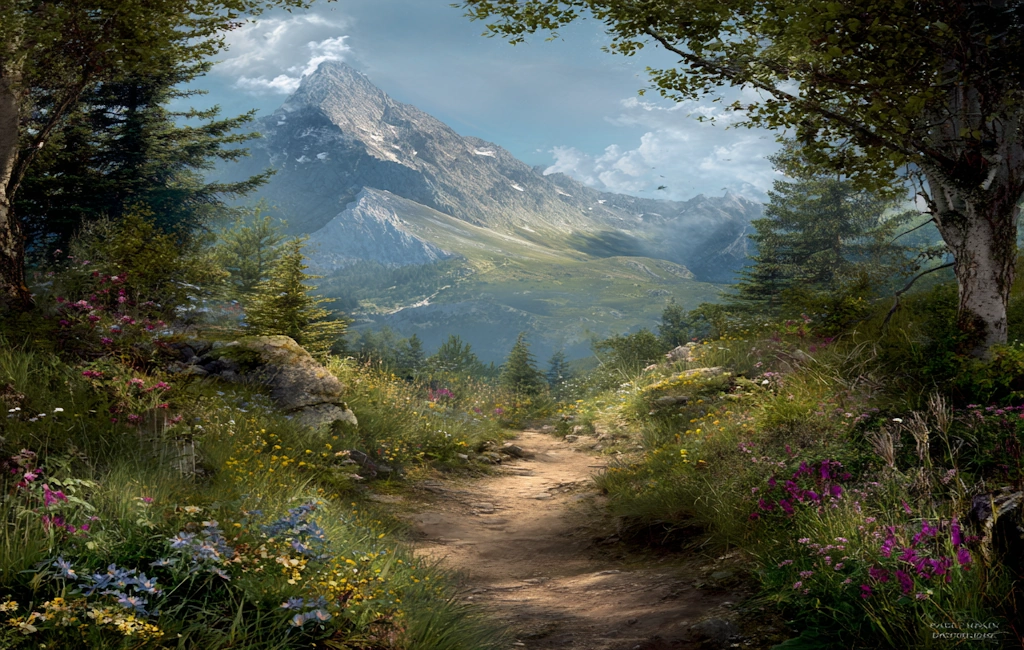
Rocca Calascio Loop
The Rocca Calascio Loop is a captivating day walk in the heart of Italy's Abruzzo region, offering a blend of dramatic mountain scenery, historical intrigue, and breathtaking panoramic views. This moderate trail leads to the iconic Rocca Calascio, one of Italy's highest medieval fortresses, perched precariously on a mountain ridge. The loop typically starts and ends near the charming village of Calascio, allowing walkers to experience the rugged beauty of the Gran Sasso e Monti della Laga National Park. With its relatively short distance and manageable elevation gain, it's an accessible yet rewarding adventure for those seeking to explore the wilder side of Italy.
- Distance: 9.5 km
- Elevation Gain: 350 m
- Duration: 3-4 hours
- Difficulty: Moderate
- Best Time: May to October
- Closest City: L'Aquila
- Trailhead Access: Nearest city: L'Aquila. From L'Aquila, drive to Rocca Calascio (approx. 1 hour). Follow signs to Calascio. Parking available near the village entrance. Road conditions are generally good. No permits required. GPS: 42.3444, 13.7408
Overview
The Rocca Calascio Loop is a journey through a landscape that feels both ancient and untamed. The trail winds through rolling hills and open meadows, gradually ascending towards the imposing silhouette of Rocca Calascio. As you approach the fortress, the views expand, revealing the vastness of the Gran Sasso mountain range, often referred to as the "Little Tibet" of Italy due to its rugged, high-altitude terrain. The fortress itself, a stark stone structure against the sky, offers a glimpse into centuries of history, having served as a defensive outpost and a strategic vantage point.
The loop typically incorporates a visit to the nearby Santo Stefano di Assisi church, a small, picturesque Romanesque chapel that adds a touch of spiritual serenity to the rugged surroundings. The path is well-defined for the most part, though some sections can be rocky and uneven, requiring sturdy footwear. The moderate difficulty level makes it suitable for most walkers, provided they have a reasonable level of fitness. The reward for the effort is immense: unparalleled 360-degree views that stretch across the Apennine mountains, encompassing valleys, distant villages, and, on clear days, even the Adriatic Sea.
This walk is not just about the destination; it's about the immersive experience of the Italian countryside. The air is crisp, the silence is profound, broken only by the sounds of nature, and the sense of stepping back in time is palpable. The loop offers a perfect balance of natural beauty and historical significance, making it a must-do for anyone visiting the Abruzzo region.
History and Cultural Context
The history of Rocca Calascio is deeply intertwined with the strategic importance of the region. The fortress, whose origins date back to the 10th century, was significantly expanded and fortified in the 14th and 15th centuries. Its primary purpose was to defend the territory from invaders and to control the transhumance routes—the ancient paths used by shepherds to move their flocks between summer pastures in the mountains and winter grazing lands in the lowlands. The strategic location atop the ridge provided an unparalleled vantage point, allowing defenders to survey the surrounding valleys for miles.
The fortress has witnessed centuries of history, from feudal disputes to the unification of Italy. It was largely abandoned in the 18th century as its military importance waned, and it fell into disrepair. However, its striking appearance and historical significance led to its recognition and subsequent restoration efforts, transforming it into a major tourist attraction and a symbol of Abruzzo's heritage. The fortress has also gained international fame through its appearances in films, most notably as a backdrop in the 1985 film "Ladyhawke" and the 1990 film "The Name of the Rose," further cementing its iconic status.
The nearby village of Calascio, though small, also boasts a rich history, with its origins tracing back to Roman times. The Santo Stefano di Assisi church, a simple yet elegant Romanesque structure, dates back to the 13th century and stands as a testament to the enduring faith and architectural traditions of the region. The entire area is steeped in the culture of pastoralism, a way of life that has shaped the landscape and the communities for millennia. Walking the Rocca Calascio Loop is, therefore, not just a physical journey but a cultural immersion into the heart of medieval Italy.
Seasonal Highlights and Weather Reality
The Rocca Calascio Loop is best enjoyed during the warmer months, from May to October. During this period, the weather is generally favourable for hiking, with mild temperatures and clear skies being common.
Spring (May-June): This is a beautiful time to visit. The landscape is vibrant with wildflowers, and the air is fresh. Temperatures are pleasant, typically ranging from 10°C to 20°C. The higher elevations might still have some lingering snow in early May, but the main trail is usually clear. The crowds are also thinner compared to the peak summer months.
Summer (July-August): These are the warmest months, with temperatures often reaching 25°C to 30°C in the valleys, though it remains cooler at higher altitudes. The skies are typically clear, offering excellent visibility for the panoramic views. This is also the peak tourist season, so expect more visitors at Rocca Calascio. It's essential to carry plenty of water and sun protection during these months.
Autumn (September-October): Autumn offers a spectacular display of colours as the foliage changes. The temperatures are cooler and more comfortable for hiking, usually between 10°C and 20°C. The light is often softer, making for excellent photography opportunities. The crowds begin to thin out, offering a more tranquil experience. However, the weather can become more unpredictable, with a higher chance of rain and cooler temperatures, especially towards the end of October.
Winter (November-April): While the landscape can be stunningly beautiful under a blanket of snow, hiking the Rocca Calascio Loop during winter is generally not recommended for casual walkers. The trail can be covered in snow and ice, making it treacherous. Temperatures can drop significantly, and strong winds are common. Access to Rocca Calascio might also be challenging due to road conditions. This period is best suited for experienced winter hikers with appropriate gear and knowledge.
Recommended Itinerary
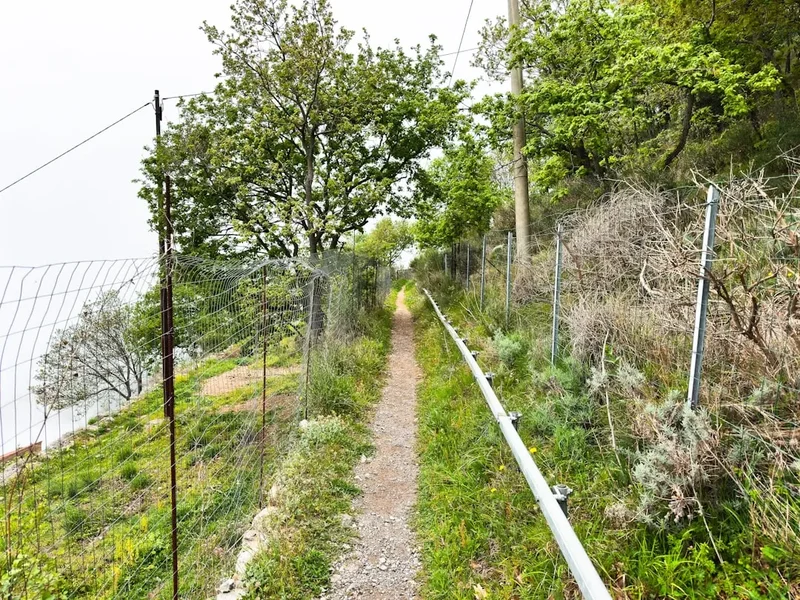
Rocca Calascio Loop - Day Walk Itinerary
Early Morning: Arrival and Trailhead Preparation
- Depart from L'Aquila or your accommodation base.
- Drive towards Calascio (approx. 1 hour).
- Park your vehicle in the designated parking area near the village of Calascio.
- Take a moment to admire the village and the imposing Rocca Calascio perched above.
- Ensure you have all necessary gear, water, and snacks.
Morning: Ascent to Rocca Calascio
- Begin the walk from Calascio. Follow the well-marked trail heading upwards towards the fortress.
- The initial part of the trail may pass through the charming streets of Calascio, offering glimpses of traditional stone houses.
- The path gradually becomes more rugged, transitioning into a clear hiking trail.
- Enjoy the expanding views of the surrounding valleys and the Gran Sasso mountain range.
- The ascent is steady, providing a good warm-up.
- Approximate time to reach Rocca Calascio: 1.5 - 2 hours.
Midday: Exploration of Rocca Calascio and Santo Stefano Church
- Arrive at Rocca Calascio. Spend ample time exploring the fortress.
- Climb to the highest points for breathtaking 360-degree panoramic views.
- Imagine the history that unfolded within these ancient walls.
- Descend slightly from the fortress to visit the iconic Santo Stefano di Assisi church, a small Romanesque chapel with a unique octagonal plan.
- Enjoy your packed lunch with an unparalleled view.
Afternoon: Descent and Loop Completion
- Begin the descent from Rocca Calascio, following the loop trail.
- The descent path may differ from the ascent route, offering new perspectives of the landscape.
- The trail continues through open terrain, possibly passing through meadows or along the edges of the plateau.
- Keep an eye out for local flora and fauna.
- The path will eventually lead you back towards the village of Calascio.
- Approximate time for descent and loop completion: 1.5 - 2 hours.
- Return to your vehicle.
Optional: Post-Walk Relaxation
- Consider stopping in Calascio or a nearby village for a well-deserved coffee or a traditional Abruzzese meal.
Important Notes:
- Wear sturdy hiking boots with good ankle support.
- Carry sufficient water (at least 1.5-2 litres per person) as there are no water sources on the trail.
- Pack high-energy snacks and a packed lunch.
- Sun protection (hat, sunglasses, sunscreen) is essential, especially during summer.
- The weather can change quickly in the mountains; carry a light waterproof jacket.
- Mobile phone signal can be intermittent in some areas.
Planning and Bookings
Book Your Trip
Everything you need to plan your journey
Accommodation
Find places to stay near L'Aquila
Flights
Search flights to L'Aquila
Essential Preparation
The Rocca Calascio Loop is a day walk, meaning no overnight accommodation is required. The primary planning involves ensuring you have the correct access information and are prepared for the conditions. The closest major city is L'Aquila, which offers a range of accommodation options, from hotels to bed and breakfasts. From L'Aquila, the drive to Calascio takes approximately one hour. The roads leading to Calascio are generally well-maintained, but can be narrow and winding in places, typical of mountain access roads in Italy. It is advisable to have a reliable vehicle, preferably one with decent ground clearance, although a standard car is usually sufficient. Ensure your vehicle is in good working order before embarking on the drive.
It's crucial to check the weather forecast for the Gran Sasso region before your trip. Mountain weather can be unpredictable, and conditions can change rapidly. Having a flexible itinerary is beneficial, allowing you to postpone your hike if severe weather is predicted. Familiarise yourself with the GPS coordinates for the parking area near Calascio (42.3444, 13.7408) to ensure accurate navigation.
Trail Accommodation
This is a day hike requiring no overnight accommodation.
Required Gear
- Hiking Boots: Sturdy, waterproof hiking boots with good ankle support are essential due to the rocky and uneven terrain.
- Backpack: A comfortable daypack (20-30 litres) to carry essentials.
- Clothing: Layered clothing is recommended. Include a moisture-wicking base layer, an insulating mid-layer (fleece or down jacket), and a waterproof and windproof outer shell.
- Headwear: A sun hat or cap for protection from the sun, and a warm hat or beanie for cooler conditions.
- Gloves: Lightweight gloves can be useful for cooler mornings or higher altitudes.
- Navigation: A map of the area, a compass, and a GPS device or smartphone with offline maps downloaded. While the trail is generally well-marked, it's always wise to have backup navigation.
- Safety Gear: A basic first-aid kit, including blister treatment, pain relievers, antiseptic wipes, and any personal medications. A whistle for emergencies.
What to Bring
- Food: High-energy snacks such as trail mix, energy bars, fruit, and sandwiches for a packed lunch. There are no food services along the trail.
- Water: At least 1.5 to 2 litres of water per person. Water sources are scarce and unreliable on the trail, so carry all you need.
- Sun Protection: High SPF sunscreen, sunglasses, and lip balm.
- Insect Repellent: While not usually a major issue, it's advisable to carry some, especially during warmer months.
- Camera: To capture the stunning scenery and the historic fortress.
- Trekking Poles: Optional, but can be helpful for stability on ascents and descents, especially on rocky sections.
- Toilet Paper and Hand Sanitiser: For personal hygiene.
Permits
No specific permits are required to hike the Rocca Calascio Loop. The trail passes through the Gran Sasso e Monti della Laga National Park, which is freely accessible to the public. However, it is always good practice to be aware of any park regulations or guidelines that may be in place, such as rules regarding fires, camping (which is generally not permitted outside designated areas, though this is a day hike), or waste disposal. Respecting the natural environment and leaving no trace is paramount.
The primary consideration for visiting Rocca Calascio is ensuring you have adequate preparation for the hike itself. This includes checking weather conditions, ensuring you have appropriate gear, and planning your transportation to the trailhead. The accessibility of the trail without permits makes it a convenient option for spontaneous exploration, but this also means that popular times, especially during peak season (summer weekends), can see a higher number of visitors at the fortress itself.
Other Activities in the Area
The region surrounding Rocca Calascio offers a wealth of activities for visitors looking to extend their stay or explore beyond the immediate hiking trail:
- Explore Calascio Village: Wander through the narrow, winding streets of the charming village of Calascio itself. Discover its traditional stone houses, small churches, and enjoy the authentic atmosphere of a mountain community.
- Visit Castel del Monte: A short drive from Rocca Calascio lies the picturesque village of Castel del Monte, another historic settlement with a medieval castle and stunning views. It's often considered one of Italy's most beautiful villages.
- Hiking in Gran Sasso National Park: The park offers numerous other hiking trails for all levels of experience, ranging from gentle valley walks to challenging multi-day treks in the higher peaks of the Gran Sasso massif.
- Stargazing: The Gran Sasso region, with its low light pollution, is an excellent location for stargazing. On clear nights, the celestial display is spectacular.
- Abruzzese Cuisine: Indulge in the local gastronomy. Abruzzo is known for its hearty cuisine, including arrosticini (lamb skewers), various pasta dishes, and excellent local wines like Montepulciano d'Abruzzo.
- Transhumance Routes: Learn about the ancient practice of transhumance by exploring some of the old shepherd's paths and understanding the cultural significance of pastoralism in the region.
- Campo Imperatore: Known as "Little Tibet," this vast high-plain plateau offers a different landscape within the Gran Sasso, with wide-open spaces and opportunities for wildlife spotting.
Safety and Conditions
Weather: Mountain weather is notoriously unpredictable. Always check the forecast before you go and be prepared for rapid changes. Temperatures can drop significantly with altitude and wind chill, even in summer. Hypothermia is a risk if you are caught unprepared in adverse conditions.
Trail Conditions: The Rocca Calascio Loop is generally well-maintained, but sections can be rocky, uneven, and steep. Sturdy hiking boots are essential to prevent ankle injuries. In wet conditions, the rocks can become slippery.
Water: There are no reliable water sources on the trail. Carry all the water you will need for the duration of your hike, which is at least 1.5 to 2 litres per person for a 3-4 hour walk.
Navigation: While the trail is usually clear, it's advisable to carry a map and compass or a GPS device. Familiarise yourself with the route beforehand. Mobile phone reception can be patchy in mountainous areas.
Sun Exposure: At higher altitudes, the sun's rays are more intense. Wear sunscreen, a hat, and sunglasses, even on cloudy days. The reflection off rocks can also increase exposure.
Wildlife: While large predators are rare, be aware of your surroundings. You might encounter sheep, goats, or various bird species. It's important not to disturb wildlife.
Emergency: In case of an emergency, try to reach a point with mobile signal to call for help. The local emergency number in Italy is 112. Inform someone of your hiking plans, including your intended route and expected return time.
Fitness: The trail is rated as moderate. Ensure you have a reasonable level of fitness to cope with the elevation gain and the duration of the walk.
Side Trips and Points of Interest
Rocca Calascio Fortress: The primary attraction. This medieval fortress, one of the highest in Italy at over 1,400 metres, offers a fascinating glimpse into military architecture and history. Explore its ramparts, towers, and courtyards. The views from the top are simply spectacular, providing a 360-degree panorama of the surrounding Apennine mountains, including the Gran Sasso range and the plains below.
Santo Stefano di Assisi Church: Located just below Rocca Calascio, this small, octagonal church is a beautiful example of Romanesque architecture. Its simple elegance and unique shape make it a striking contrast to the rugged fortress above. It's a perfect spot for quiet contemplation and photography.
Calascio Village: The starting point for many hikes, Calascio is a picturesque medieval village with traditional stone houses and narrow, winding streets. It offers a charming atmosphere and a chance to experience authentic Italian mountain life. Exploring the village before or after your hike adds to the overall experience.
Panoramic Viewpoints: The entire loop is dotted with numerous viewpoints offering breathtaking vistas. As you ascend and descend, take time to pause and absorb the vastness of the landscape. The changing light throughout the day can dramatically alter the appearance of the mountains, making each viewpoint unique.
Film Locations: For film enthusiasts, Rocca Calascio is famous for its appearance in movies like "Ladyhawke" and "The Name of the Rose." Standing within the fortress, you can easily imagine the scenes filmed here, adding a layer of cinematic magic to your visit.
Leave No Trace
The Rocca Calascio Loop traverses a beautiful and sensitive natural environment within the Gran Sasso e Monti della Laga National Park. Adhering to Leave No Trace principles is crucial to preserve its beauty and ecological integrity for future visitors.
- Plan Ahead and Prepare: Familiarise yourself with the trail, weather conditions, and any park regulations. Pack appropriately and ensure you have sufficient food and water.
- Travel and Camp on Durable Surfaces: Stick to the marked trails to avoid damaging fragile vegetation and soil. The path is generally well-defined, but avoid creating new paths or shortcuts.
- Dispose of Waste Properly: Pack out everything you pack in. This includes all food scraps, wrappers, and any other litter. There are no bins along the trail.
- Leave What You Find: Do not remove any natural objects, such as rocks, plants, or historical artefacts. Take only photographs and memories.
- Minimise Campfire Impacts: As this is a day hike, campfires are not applicable. However, if you were to camp in designated areas elsewhere in the park, always use existing fire rings and ensure fires are completely extinguished.
- Respect Wildlife: Observe wildlife from a distance and never feed them. Feeding wild animals can disrupt their natural behaviours and diets.
- Be Considerate of Other Visitors: Keep noise levels down and yield to other hikers on the trail. Respect the peaceful nature of the environment.
By following these principles, you help ensure that the Rocca Calascio Loop remains a pristine and enjoyable experience for everyone.
 Italy
Italy