
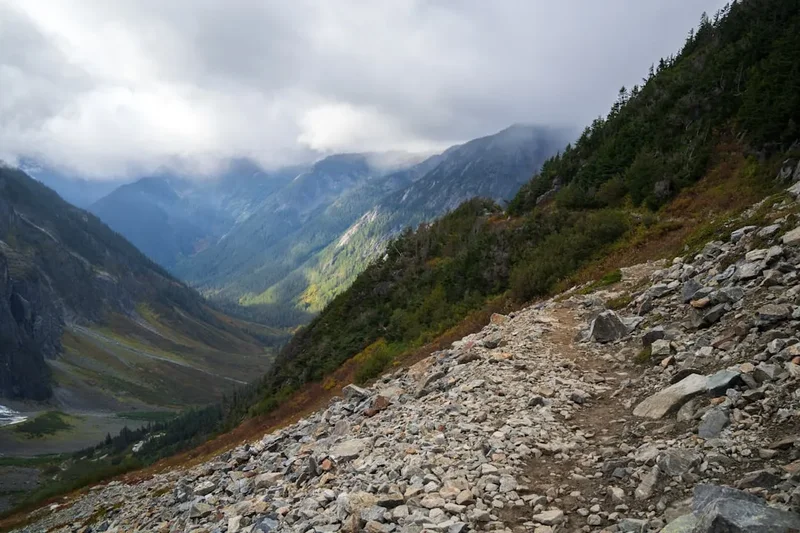
South Kaibab to Bright Angel Trail - Grand Canyon Rim to Rim
The Grand Canyon's Rim to Rim hike is an iconic, bucket-list adventure for experienced hikers, offering an unparalleled journey from the North Rim to the South Rim (or vice versa) of one of the world's most awe-inspiring natural wonders. This is not a casual day hike; it's a strenuous, multi-day expedition that demands significant physical preparation, meticulous planning, and a deep respect for the canyon's extreme environment. Traversing approximately 37 kilometres, this route plunges over 2,100 metres in elevation gain from the North Rim to the canyon floor, then ascends a similar, albeit more gradual, elevation gain to the South Rim. The trail winds through diverse geological strata, showcasing millions of years of Earth's history, from the rim's ponderosa pine forests down to the ancient Vishnu Schist at the canyon's base, bisected by the mighty Colorado River. This is a true test of endurance, a profound immersion into the Grand Canyon's vastness, and an unforgettable experience for those who dare to undertake it.
- Distance: 37.0 km (North Rim to South Rim)
- Elevation Gain: 2,100 m (South Kaibab to Bright Angel)
- Duration: 1-2 days (typically overnight)
- Difficulty: Very Challenging
- Best Time: April-May and September-October
- Closest City: Flagstaff, Arizona
- Trailhead Access: North Rim (South Kaibab Trailhead) requires shuttle access; South Rim (Bright Angel Trailhead) is accessible by private vehicle.
Overview
The Grand Canyon Rim to Rim hike is a rite of passage for many serious hikers, a challenging descent and ascent that offers a unique perspective on the canyon's immense scale and geological grandeur. The most common and logistically feasible route is from the North Rim to the South Rim, primarily utilising the South Kaibab Trail for the descent and the Bright Angel Trail for the ascent. This route is chosen for its dramatic descent, access to water sources on the Bright Angel Trail, and the availability of services on the South Rim.
The journey begins at the North Rim, which sits at a higher elevation (approximately 2,500 metres) and is generally more remote and less developed than the South Rim. The South Kaibab Trail is known for its steepness, lack of water, and spectacular, unobstructed views. It descends rapidly through the upper layers of the canyon, offering panoramic vistas that stretch for miles. As you descend, the temperature rises significantly, and the vegetation changes from coniferous forests to desert scrub.
The trail eventually reaches the canyon floor, where the Colorado River flows. Here, hikers typically spend a night at the Phantom Ranch or a designated campground, a welcome respite before the arduous climb out. The ascent via the Bright Angel Trail is longer and more gradual than the South Kaibab descent, offering more shade and crucial water sources at various points (Indian Garden, 3-Mile Resthouse, 1.5-Mile Resthouse). This trail is also more sheltered and provides a less exposed climb than the South Kaibab. The final push to the South Rim is demanding, but the reward is reaching the bustling Grand Canyon Village.
This hike is not for the faint of heart. The extreme temperature fluctuations between the rim and the canyon floor, the significant elevation changes, and the arid conditions present substantial challenges. Proper hydration, nutrition, and acclimatisation are paramount. The best times to undertake this hike are spring (April-May) and autumn (September-October) when temperatures are more moderate. Summer is dangerously hot, and winter can bring snow and ice to the upper trails.
History and Cultural Context
The Grand Canyon has been inhabited for thousands of years. Archaeological evidence suggests human presence dating back at least 10,000 years. The Havasupai people, whose name means "people of the blue-green waters," have lived in the canyon for centuries and consider it their ancestral homeland. Other Native American tribes, including the Hopi, Navajo, Paiute, and Zuni, also have deep spiritual and cultural connections to the Grand Canyon, viewing it as a sacred place.
The first European American to document the Grand Canyon was Spanish explorer García López de Cárdenas in 1540. However, it was John Wesley Powell's daring expedition down the Colorado River in 1869 that brought the canyon to wider public attention. Powell, a one-armed Civil War veteran and geologist, led a team of nine men on a perilous journey through the uncharted rapids, producing the first detailed scientific exploration and maps of the canyon.
The trails themselves have a fascinating history. The Bright Angel Trail, the primary ascent route for Rim to Rim hikers, originated as a Native American path. It was later developed and expanded by prospectors in the late 19th century, most notably by William "Bucky" O'Neill, who established a toll road and a small settlement at the canyon floor. The South Kaibab Trail was constructed by the National Park Service in the 1920s specifically as a more direct and scenic route to the river, designed for hikers and mule trains, and is known for its steep, well-maintained switchbacks.
The establishment of Grand Canyon National Park in 1919, and its subsequent designation as a UNESCO World Heritage Site in 1979, has cemented its status as a global natural treasure. The Rim to Rim hike, while a modern challenge, follows ancient pathways and traverses a landscape that has been central to human history and spirituality for millennia.
Seasonal Highlights and Weather Reality
The Grand Canyon's climate is extreme and varies dramatically with elevation. The Rim to Rim hike is best undertaken during the shoulder seasons to avoid the most severe temperature extremes.
Spring (April-May): This is an ideal time for the Rim to Rim hike. Temperatures on the rims are cool and pleasant, often ranging from 10-20°C. In the inner canyon, temperatures can reach 25-30°C, making for comfortable hiking conditions. Wildflowers may be present on the upper trails. However, late spring snowstorms can still occur on the North Rim, and early summer heat can begin to build by late May.
Summer (June-August): Hiking the Rim to Rim during summer is extremely dangerous and strongly discouraged. Temperatures at the canyon floor can regularly exceed 40°C, with midday temperatures reaching well over 45°C. Heatstroke and heat exhaustion are serious risks. The National Park Service often advises against hiking below the rim during the hottest parts of the day. If attempting a summer hike, start well before dawn, carry copious amounts of water, and be prepared to turn back.
Autumn (September-October): This is another excellent season for the Rim to Rim hike. Similar to spring, the rims offer pleasant temperatures (10-20°C), while the inner canyon experiences highs of 25-30°C. The autumn colours can be beautiful, especially on the North Rim. By late October, temperatures on the North Rim can begin to drop significantly, and early snow is possible.
Winter (November-March): The North Rim is closed to vehicles from mid-October to mid-May due to snow. The South Rim remains open year-round, but trails can be icy and hazardous, especially in the upper sections. Hiking the Rim to Rim in winter is a serious undertaking requiring winter hiking experience, appropriate gear (ice traction devices, warm clothing), and careful monitoring of weather and trail conditions. Water sources may be frozen.
Recommended Itinerary
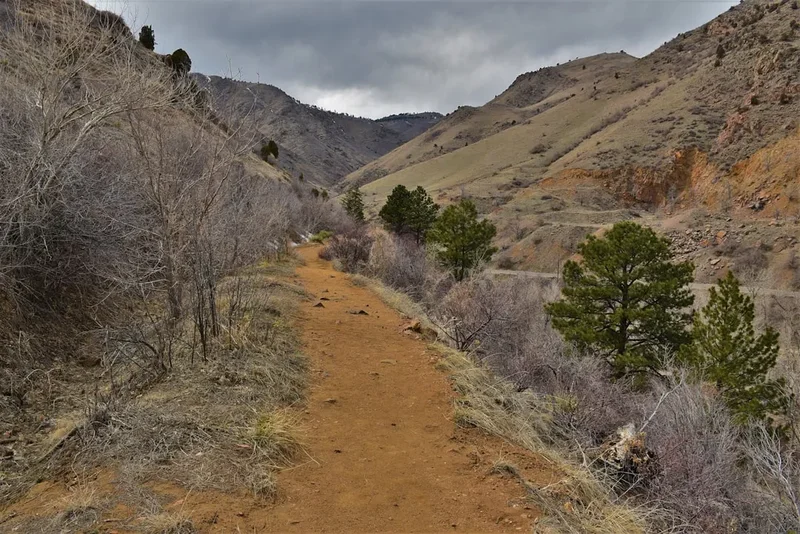
Rim to Rim: North to South (2-Day Itinerary)
Day 1: North Rim (South Kaibab Trailhead) to Phantom Ranch/Bright Angel Campground
- Distance: Approximately 17.5 km
- Elevation Loss: Approximately 1,460 m
- Time: 6–8 hours (hiking time, excluding breaks)
- Start: South Kaibab Trailhead (North Rim)
- Access: Free park shuttle bus required to reach South Kaibab Trailhead (no private vehicles allowed)
- Trail Description: Steep, direct descent with spectacular, expansive views. No water available along the trail.
- Key Waypoints: Ooh Aah Point, Cedar Ridge, Skeleton Point, Tonto Platform, Black Bridge (crossing the Colorado River).
- Accommodation: Phantom Ranch (cabins/dormitory - requires lottery booking) or Bright Angel Campground (tent sites - requires backcountry permit).
- Notes: Begin hike at first light to avoid heat. Carry all water needed for the day (minimum 4-6 litres per person).
Day 2: Phantom Ranch/Bright Angel Campground to South Rim (Bright Angel Trailhead)
- Distance: Approximately 15.3 km
- Elevation Gain: Approximately 1,370 m
- Time: 7–10 hours (hiking time, excluding breaks)
- Start: Phantom Ranch/Bright Angel Campground
- Trail Description: Gradual but sustained ascent. Water sources available at River Resthouse, Indian Garden, 3-Mile Resthouse, and 1.5-Mile Resthouse (check status with NPS). More shaded than South Kaibab.
- Key Waypoints: Colorado River, River Resthouse, Indian Garden, 3-Mile Resthouse, 1.5-Mile Resthouse, Trailview Overlook.
- End: Bright Angel Trailhead (South Rim Village).
- Notes: Start hike before dawn to maximise shade and minimise heat exposure. Pace yourself and take advantage of water stops.
Alternative 1-Day Itinerary (Extremely Challenging):
- This is only recommended for highly experienced, fit hikers with excellent acclimatisation and knowledge of the Grand Canyon's conditions.
- Start from North Rim (South Kaibab Trailhead) before dawn (e.g., 3-4 AM).
- Hike directly to South Rim (Bright Angel Trailhead).
- Total Distance: ~37 km
- Total Elevation Change: ~2,100 m loss, ~2,100 m gain.
- Requires carrying all necessary water and food for the entire day.
- Not recommended for most hikers.
Important Considerations:
- Permits and Reservations: Backcountry permits are required for camping at Bright Angel Campground. Phantom Ranch lodging is available via a lottery system. Bookings are essential and highly competitive, often requiring booking 6-12 months in advance.
- Water: Water is NOT available on the South Kaibab Trail. Carry all water needed for the descent. Water is available at various points on the Bright Angel Trail, but always check the NPS website for current status as pipes can break.
- Shuttle Service: Private vehicles are not allowed at the South Kaibab Trailhead. You must use the free park shuttle service from the Grand Canyon Village to reach the trailhead. Return shuttle services from the South Rim are also available.
- Weather: Temperatures can vary by 20°C or more between the rim and the canyon floor. Be prepared for extreme heat in the inner canyon.
Planning and Bookings
Book Your Trip
Everything you need to plan your journey
Accommodation
Find places to stay near Flagstaff, Arizona
Flights
Search flights to Flagstaff, Arizona
Essential Preparation
Undertaking the Grand Canyon Rim to Rim hike requires extensive preparation. The most critical element is securing accommodation and permits, which are highly competitive. Backcountry permits for camping at Bright Angel Campground are issued through a lottery system managed by the National Park Service (NPS) and are typically booked 4-6 months in advance. Phantom Ranch lodging (cabins and dormitories) is also available via a lottery system, with applications opening 15 months prior to the desired stay. Without these reservations, the Rim to Rim hike is not feasible as an overnight trip.
Logistics are also a major consideration. The North Rim is only accessible by private vehicle or a limited shuttle service (Trans-Canyon Shuttle) and is closed to vehicles from mid-October to mid-May. The South Rim is more accessible year-round. Hikers typically arrange for one-way transportation, either driving to one rim and taking a shuttle to the other, or arranging for a shuttle service to transport them between rims before or after their hike. Flagstaff, Arizona, is the closest major city with an airport (Flagstaff Pulliam Airport - FLG) and offers rental car services and shuttle connections to the Grand Canyon.
Physical fitness is paramount. The hike involves significant elevation changes and exposure to extreme temperatures. Hikers should be comfortable with long-distance walking, steep ascents and descents, and carrying a heavy pack. Training should include hiking with a loaded pack on varied terrain, including hills and stairs, for several months prior to the trip. Acclimatisation to altitude is also important, especially if arriving from sea level.
Trail Accommodation
Accommodation within the Grand Canyon for Rim to Rim hikers is limited and requires advance booking, often 6-15 months ahead.
- Phantom Ranch: Located at the bottom of the canyon near the Colorado River, Phantom Ranch offers rustic cabins and dormitory-style lodging. Meals (breakfast, lunch, dinner) can be purchased in advance. Reservations are made through a lottery system.
- Bright Angel Campground: Situated adjacent to Phantom Ranch, this campground offers tent sites for backpackers. Reservations are mandatory and obtained via a backcountry permit lottery system from the National Park Service. Each site has a picnic table and a food storage box.
- Indian Garden Campground: Located approximately halfway up the Bright Angel Trail (from the canyon floor), this campground offers another camping option for those breaking up the ascent. It also requires a backcountry permit.
What's Provided:
- Phantom Ranch: Beds (linens provided), access to shared bathrooms with showers, dining hall for pre-booked meals.
- Campgrounds: Designated tent sites, access to potable water (check NPS for current status), composting toilets, picnic tables, food storage boxes.
What's NOT Provided:
- Phantom Ranch: No cooking facilities for guests, no refrigeration for personal food.
- Campgrounds: No cooking facilities, no electricity, no trash disposal (pack it in, pack it out).
Seasonal Availability: All accommodation options are available year-round, but conditions vary significantly. Winter can bring ice and snow to the upper trails and cold temperatures at the canyon floor. Summer is extremely hot. Spring and autumn offer the most favourable conditions.
Costs:
- Phantom Ranch: Dormitory beds start around $150 USD per person per night; cabins are significantly more expensive. Meals are additional.
- Campgrounds: Backcountry permits cost approximately $10 USD per person per night.
Required Gear
- Hiking Boots: Sturdy, broken-in hiking boots with good ankle support and aggressive tread.
- Backpack: A comfortable, well-fitting backpack (45-65 litres) with a rain cover.
- Water Bottles/Reservoir: Capacity for at least 4-6 litres per person per day. Hydration reservoirs (like CamelBaks) are highly recommended.
- Water Filter/Purifier: Essential for treating water from natural sources if needed, though treated water is available at designated points.
- Navigation: Map of the Grand Canyon trails, compass, and/or GPS device. Download offline maps on your phone.
- Headlamp/Flashlight: With extra batteries. Essential for early morning starts or late finishes.
- Sun Protection: Wide-brimmed hat, sunglasses, high SPF sunscreen.
- First-Aid Kit: Comprehensive kit including blister treatment, pain relievers, antiseptic wipes, bandages, and any personal medications.
- Trekking Poles: Highly recommended for reducing strain on knees during descents and providing stability on ascents.
- Emergency Shelter: Lightweight emergency blanket or bivvy sack.
- Whistle: For signalling in emergencies.
What to Bring
- Food: High-energy, non-perishable food for the duration of your hike. This includes breakfast, lunch, snacks, and dinner. Consider electrolyte powders or tablets.
- Clothing:
- Moisture-wicking base layers (synthetic or merino wool)
- Insulating mid-layer (fleece or down jacket)
- Waterproof and windproof outer shell jacket
- Hiking trousers or shorts (quick-drying material)
- Extra socks (wool or synthetic)
- Camp shoes or sandals for evenings
- Toiletries: Biodegradable soap, toothbrush, toothpaste, toilet paper, hand sanitiser, lip balm with SPF.
- Personal Items: Camera, power bank for electronics, book or journal, identification, cash (for Phantom Ranch purchases or emergencies).
- Insect Repellent: While not as prevalent as in some other wilderness areas, insects can be present.
- Trash Bags: To pack out all waste, including food scraps and toilet paper.
Permits
Securing the necessary permits and reservations is the most critical step in planning a Grand Canyon Rim to Rim hike. Without them, your trip cannot proceed as intended.
Backcountry Permits (for camping):
- Required for camping at Bright Angel Campground and Indian Garden Campground.
- Issued by the Grand Canyon National Park Backcountry Information centre.
- Applications are accepted via a lottery system. The application period opens approximately 4-6 months before the desired month of travel. For example, to hike in October, you would apply in April.
- Due to extremely high demand, permits are difficult to obtain. It is advisable to have flexible dates and be prepared to apply multiple times.
- Permit fees are approximately $10 USD per person, per night.
Phantom Ranch Reservations:
- Phantom Ranch offers lodging (cabins and dormitories) at the canyon floor.
- Reservations are made through a lottery system managed by Xanterra Parks & Resorts (the concessioner).
- The lottery application period opens 15 months in advance of the desired stay. For example, to stay in October 2025, you would apply in July 2024.
- Demand is exceptionally high, and securing a reservation is very challenging.
- Meals at Phantom Ranch can also be pre-booked during the reservation process.
Trans-Canyon Shuttle:
- If you are hiking one-way and need transportation between the North and South Rims, the Trans-Canyon Shuttle is essential.
- Reservations are required and should be made well in advance, especially during peak season.
- The shuttle operates between the South Rim Village and the North Rim developed area (not directly to the South Kaibab Trailhead).
Park Entrance Fee: A standard Grand Canyon National Park entrance fee is required for each vehicle entering the park. This fee is separate from backcountry permits and Phantom Ranch reservations.
Other Activities in the Area
While the Rim to Rim hike is the primary focus, the Grand Canyon offers numerous other activities and points of interest:
- South Rim Village Exploration: Visit Mather Point, Yavapai Geology Museum, Grand Canyon Village historic district, Kolb Studio, and Lookout Studio. Enjoy ranger programs and interpretive talks.
- North Rim Exploration: Explore the Grand Canyon Lodge, Bright Angel Point, and Cape Royal for different perspectives of the canyon. The North Rim is generally quieter and more natural.
- Mule Rides: Guided mule rides are available from both the South and North Rims, offering a unique way to experience the canyon (reservations essential and book far in advance).
- Helicopter and Airplane Tours: Take a scenic flight over the canyon for a breathtaking aerial perspective. Tours depart from the South Rim and nearby Tusayan.
- Hiking Day Trips: Explore shorter trails on either rim, such as the Rim Trail on the South Rim or the Transept Trail on the North Rim.
- Stargazing: The Grand Canyon is an International Dark Sky Park, offering incredible opportunities for stargazing away from light pollution.
- Colorado River Rafting: For a more extended adventure, consider a multi-day rafting trip through the Grand Canyon. These trips are typically booked through commercial outfitters and require significant advance planning.
- Geology and History Programs: Attend ranger-led programs to learn about the canyon's formation, ecology, and human history.
Safety and Conditions
Heat and Hydration: This is the single most critical safety concern. Temperatures in the inner canyon can exceed 40°C. Carry at least 4-6 litres of water per person per day for the descent. Drink frequently, even if you don't feel thirsty. Use electrolyte supplements. Avoid hiking during the hottest part of the day (10 AM - 4 PM). If you feel symptoms of heat exhaustion or heatstroke, stop, rest in shade, and hydrate immediately.
Elevation and Acclimatisation: The North Rim is at 2,500 metres, and the South Rim is at 2,100 metres. If you are not accustomed to high altitudes, spend at least one night at the rim before hiking to help acclimatise. Symptoms of altitude sickness can include headache, nausea, and dizziness.
Trail Conditions: The South Kaibab Trail is steep, exposed, and has no water. The Bright Angel Trail has water sources, but they can be unreliable; always check the NPS website for current status. Trails can be dusty and rocky. Wear sturdy hiking boots and use trekking poles to protect your knees.
Wildlife: Be aware of wildlife, including rattlesnakes, scorpions, and deer. Do not feed any animals. Keep a safe distance and store food properly to avoid attracting rodents and other animals.
Emergency Preparedness: Carry a fully stocked first-aid kit and know how to use it. A whistle and a personal locator beacon (PLB) or satellite messenger are highly recommended for remote areas. Inform someone of your hiking plans, including your expected return time.
Weather: Weather can change rapidly. Be prepared for sun, heat, wind, and potential rain or even snow, especially on the rims during shoulder seasons. Check the forecast before you go and be prepared for extreme conditions.
Physical Fitness: This hike is extremely strenuous. Ensure you are in excellent physical condition and have trained adequately. Do not attempt this hike if you are not prepared for the physical demands.
Permit and Reservation Compliance: Ensure you have all necessary permits and reservations. Hiking without them can result in fines and removal from the park.
Side Trips and Points of Interest
Ooh Aah Point: Located about 1.6 km down the South Kaibab Trail, this viewpoint offers one of the first truly spectacular, unobstructed panoramas of the Grand Canyon. It's a popular spot for photos and a good place to gauge the scale of the descent ahead.
Cedar Ridge: Approximately 2.4 km down South Kaibab, Cedar Ridge offers more expansive views and is a common turnaround point for day hikers. It has composting toilets and is a good place for a brief rest.
Skeleton Point: Roughly 4.8 km down South Kaibab, this is a significant viewpoint where you can first glimpse the Colorado River far below. It's a good indicator of the distance yet to travel.
Black Bridge: This suspension bridge spans the Colorado River, marking the transition from the South Kaibab Trail to the Bright Angel Campground and Phantom Ranch area. It's a crucial landmark for Rim to Rim hikers.
Phantom Ranch: While primarily accommodation, Phantom Ranch itself is a historic and unique point of interest. Built in the 1920s, it offers a glimpse into the early days of Grand Canyon tourism. The canteen serves cold drinks and snacks, and the historic buildings are worth exploring.
Indian Garden: A lush oasis about halfway up the Bright Angel Trail from the canyon floor. This area provides shade, water, and a welcome respite. It's also the starting point for the short hike to Plateau Point, which offers stunning views of the Colorado River.
Plateau Point: Accessible via a 1.6 km (one-way) spur trail from Indian Garden, Plateau Point offers one of the most dramatic and unobstructed views of the Colorado River from within the canyon. It's a highly recommended detour if time and energy permit.
3-Mile and 1.5-Mile Resthouses: These are historic rest stops along the Bright Angel Trail, offering shade and water (check NPS for availability). They serve as important milestones on the ascent.
Trailview Overlook: Located near the top of the Bright Angel Trail, this overlook provides a final, sweeping view of the trail you've just climbed and the vastness of the Grand Canyon.
Leave No Trace
The Grand Canyon is a fragile ecosystem, and adhering to Leave No Trace principles is crucial for preserving its beauty and ecological integrity for future generations. As a hiker undertaking the Rim to Rim journey, you play a vital role in its protection.
- Plan Ahead and Prepare: Research trail conditions, weather forecasts, and permit requirements. Know your limits and choose an itinerary that matches your abilities.
- Travel and Camp on Durable Surfaces: Stay on marked trails to avoid damaging vegetation and soil. Camp only in designated campsites (Bright Angel Campground, Indian Garden).
- Dispose of Waste Properly: Pack out everything you pack in, including all food scraps, wrappers, and toilet paper. Use designated toilets where available. If no toilets are available, dig catholes 6-8 inches deep at least 60 m from water sources, trails, and campsites.
- Leave What You Find: Do not remove rocks, plants, or any natural or cultural artifacts. Take only photographs and memories.
- Minimise Campfire Impacts: Campfires are generally prohibited below the rim in the Grand Canyon. Use a camp stove for cooking.
- Respect Wildlife: Observe wildlife from a distance. Never feed animals, as this can disrupt their natural behaviours and diets, and can be harmful to their health. Store food securely.
- Be Considerate of Other Visitors: Keep noise levels down, yield to uphill hikers, and maintain a respectful attitude towards fellow visitors and park staff.
By following these principles, you help ensure that the Grand Canyon remains a wild and awe-inspiring place for all.
 USA
USA