
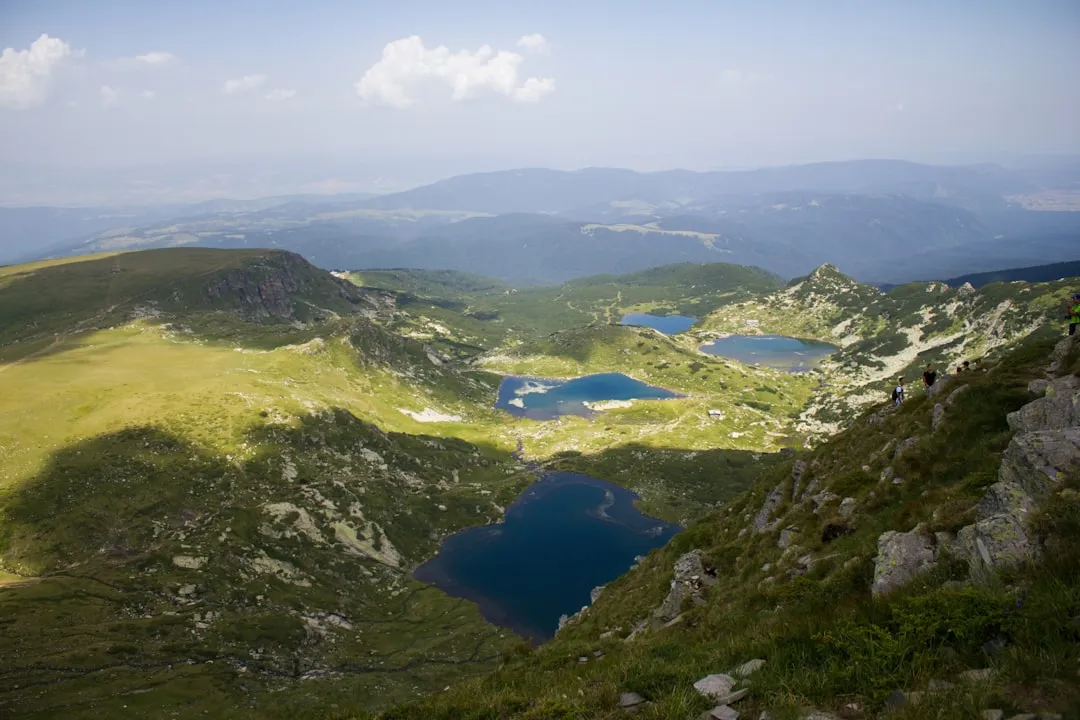
Rila Mountains Seven Lakes Trail
The Rila Mountains Seven Lakes trail is a spectacular day hike in Bulgaria, offering breathtaking alpine scenery and a chance to experience the raw beauty of the Rila National Park. This popular route takes you past a series of seven glacial lakes, each with its own unique charm and character, nestled within a dramatic cirque. The trail is well-maintained and accessible, making it a favourite for both locals and international visitors seeking an unforgettable mountain adventure. The journey is a gradual ascent, rewarding hikers with increasingly panoramic views as they progress towards the higher lakes. It’s a perfect introduction to the Rila Mountains, showcasing their rugged peaks, pristine waters, and diverse alpine flora.
- Distance: 12.0 km (return)
- Duration: 5-7 hours
- Elevation Gain: 750 m
- Difficulty: Moderate
- Best Time: July to September
- Closest City: Sofia
- Trailhead Access: Via chairlift from Pionerska Hut or a longer hike
- Permits: Not required for day hiking
Overview
The Rila Seven Lakes trail is a circular route that winds its way through a stunning glacial cirque, revealing seven distinct lakes, each named according to its shape or characteristics. The journey begins at the upper station of the chairlift from Pionerska Hut, or can be reached by a more strenuous hike from the lower station. As you ascend, the landscape transforms from subalpine meadows dotted with wildflowers to rugged, rocky terrain dominated by granite peaks. The lakes themselves are a marvel of nature, each fed by meltwater and springs, their colours ranging from deep sapphire to emerald green, depending on the light and depth.
The trail is generally well-marked, though it can become busy, especially during peak season. The moderate difficulty level makes it achievable for most reasonably fit hikers, but the significant elevation gain and rocky sections require good stamina and sturdy footwear. The highest point of the trail offers expansive views across the Rila Mountains, a vast expanse of peaks and valleys that stretch as far as the eye can see. The descent offers a different perspective on the lakes and the surrounding landscape, allowing for reflection on the beauty encountered during the ascent.
This trail is a quintessential Bulgarian mountain experience, offering a blend of natural beauty, physical challenge, and cultural significance. The Rila Mountains are home to numerous monasteries, including the famous Rila Monastery, and the spiritual aura of the region is palpable even on the hiking trails. The Seven Lakes are a testament to the powerful forces of glaciation that shaped this landscape over millennia, providing a captivating destination for any outdoor enthusiast.
History and Cultural Context
The Rila Mountains have a long and rich history, deeply intertwined with the spiritual and cultural development of Bulgaria. For centuries, these mountains have been a sanctuary, a place of refuge, and a source of inspiration. The Seven Lakes, in particular, have been revered for their natural beauty and are steeped in local folklore and legends. While specific historical accounts of the lakes themselves are scarce, their existence is a direct result of glacial activity during the last Ice Age, a process that sculpted the dramatic cirque and carved out the basins that now hold these pristine bodies of water.
The Rila Mountains are also home to the Rila Monastery, a UNESCO World Heritage site founded in the 10th century. This monastery has been a centre of Bulgarian culture, religion, and learning for over a thousand years, playing a crucial role in preserving Bulgarian identity during periods of foreign rule. While the Seven Lakes trail is a separate entity from the monastery, the spiritual significance of the Rila range permeates the entire region. Hikers often combine a visit to the lakes with a trip to the monastery, experiencing the dual facets of the Rila Mountains: their natural grandeur and their profound cultural heritage.
The development of the Seven Lakes trail as a popular hiking destination is a more recent phenomenon, largely driven by the establishment of the chairlift from Pionerska Hut. This infrastructure has made the lakes accessible to a wider audience, transforming it into one of Bulgaria's most iconic day hikes. Despite its popularity, the trail retains a sense of wildness, particularly as one ventures towards the higher lakes, reminding visitors of the ancient forces that shaped this magnificent landscape.
Seasonal Highlights and Weather Reality
The optimal time to hike the Rila Seven Lakes trail is during the summer months, from July to September. During this period, the weather is generally warm and stable, with long daylight hours providing ample time for the hike. The snow has typically melted from the higher elevations, making the trails clear and accessible. Wildflowers are abundant in the meadows, adding vibrant splashes of colour to the already stunning scenery.
Summer (July - September): This is the peak season. Days are usually sunny and warm, with temperatures in the range of 15-25°C at higher altitudes. However, mountain weather can change rapidly. Afternoon thunderstorms are common, so starting early is crucial. Evenings can be cool, so layers are essential. The lakes are at their most beautiful, reflecting the clear blue skies and surrounding peaks.
Late Spring (June): While possible, June can still see lingering snow at higher elevations, especially on north-facing slopes. Some of the higher lakes might still be partially frozen. The weather can be more unpredictable, with a higher chance of rain and cooler temperatures. Wildflowers begin to bloom, offering a different kind of beauty.
Autumn (October): The autumn colours can be spectacular, with the alpine meadows turning golden and red. The air is crisp and clear, offering excellent visibility. However, temperatures begin to drop significantly, and the risk of early snow increases, especially towards the end of the month. The chairlift may also operate on reduced hours or close for the season.
Winter (November - May): The Rila Seven Lakes trail is generally inaccessible and dangerous during winter due to heavy snowfall, ice, and avalanche risk. The chairlift is closed, and the trails are covered in deep snow. This period is for experienced winter mountaineers with appropriate equipment and knowledge.
Recommended Itinerary
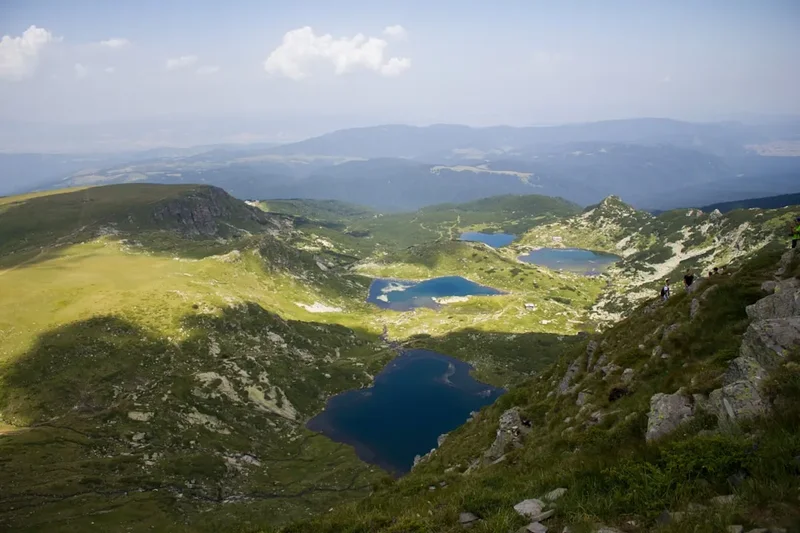
Rila Seven Lakes Day Hike Itinerary
Early Morning (Approx. 8:00 AM): Travel to Pionerska Hut
- Depart from Sofia or your accommodation.
- The drive to Pionerska Hut takes approximately 1.5 to 2 hours.
- Ensure you have breakfast and are ready for a full day of hiking.
Morning (Approx. 9:30 AM - 10:00 AM): Chairlift to Rila Lakes Hut
- Arrive at Pionerska Hut.
- Purchase chairlift tickets. The chairlift ride takes about 20-30 minutes to reach the Rila Lakes Hut (trailhead).
- Alternatively, if you prefer a longer hike or the chairlift is not operating, you can hike from Pionerska Hut to Rila Lakes Hut (approx. 1.5-2 hours, 4 km, 200m elevation gain).
Late Morning (Approx. 10:30 AM): Begin the Seven Lakes Trail
- Start your hike from the Rila Lakes Hut.
- The trail is generally well-marked with red and white markings.
- The initial section involves a steady climb through alpine meadows.
Midday (Approx. 12:00 PM - 2:00 PM): Reaching the Upper Lakes
- Continue ascending, passing the first few lakes: The Tear (Dolnoto Ezero), The Eye (Okoto), and The Kidney (Bubreka).
- Take breaks to admire the views and capture photographs.
- The terrain becomes rockier as you approach the higher lakes.
- Consider a packed lunch at one of the scenic viewpoints.
Afternoon (Approx. 2:00 PM - 4:00 PM): Exploring the Highest Lakes and Descent
- Reach the higher lakes: The Twin (Bliznak), The Trefoil (Trilistnika), and The Fish Lake (Ribnoto Ezero).
- The highest lake, The Upper Lake (Slanokada), is often the last one visited, situated at the highest point of the main trail.
- Begin your descent, retracing your steps or taking a slightly different path if available and well-marked.
- The descent can be steep and rocky in places, so watch your footing.
Late Afternoon (Approx. 4:30 PM - 5:30 PM): Return to Rila Lakes Hut
- Arrive back at the Rila Lakes Hut.
- You can stop for refreshments at the hut's restaurant if time permits.
Evening (Approx. 5:30 PM - 6:00 PM): Chairlift Down and Departure
- Take the chairlift back down to Pionerska Hut.
- Begin your journey back to Sofia or your next destination.
Important Notes:
- Start your hike as early as possible to avoid crowds and potential afternoon thunderstorms.
- Wear sturdy hiking boots with good ankle support.
- Carry plenty of water and snacks.
- Be prepared for changing weather conditions – bring layers, including a waterproof jacket.
- The trail can be busy, especially on weekends and during peak season.
Planning and Bookings
Book Your Trip
Everything you need to plan your journey
Accommodation
Find places to stay near Sofia
Flights
Search flights to Sofia
Essential Preparation
The Rila Seven Lakes trail is a popular day hike, and while it doesn't require complex booking procedures like multi-day treks, proper preparation is key to a successful and enjoyable experience. The closest major city is Sofia, which serves as the primary gateway for most visitors. From Sofia, you can reach the trailhead via public transport or private vehicle.
Logistics:
- Transport from Sofia: Regular bus services run from Sofia to Sapareva Banya (approximately 1.5 hours). From Sapareva Banya, you will need to take a taxi or arrange a transfer to Pionerska Hut (the base of the chairlift). Driving yourself is also an option, with a journey time of about 1 hour 15 minutes from Sofia. Parking is available at Pionerska Hut, usually for a fee.
- Base Town: While Sapareva Banya is the closest town, most visitors base themselves in Sofia for convenience and a wider range of accommodation and dining options. If you prefer to stay closer to the mountains, Sapareva Banya offers guesthouses and smaller hotels.
- Fitness: The trail involves a significant elevation gain of 750 metres over a relatively short distance. A moderate level of fitness is required. Regular cardiovascular exercise and some hiking experience will greatly enhance your enjoyment and ability to complete the hike comfortably.
- Timing: Aim to start your hike as early as possible, ideally by 10:00 AM, to allow ample time to complete the trail, enjoy the scenery, and descend before dark. This also helps avoid the midday heat and potential afternoon thunderstorms, which are common in the mountains during summer.
Trail Accommodation
This is a day hike requiring no overnight accommodation. The trail starts from the upper station of the chairlift near Rila Lakes Hut, which offers basic amenities and refreshments. Hikers typically complete the circuit within a single day and return to their accommodation in Sofia or Sapareva Banya.
Required Gear
- Hiking Boots: Sturdy, waterproof hiking boots with good ankle support are essential. The terrain is rocky and uneven, especially at higher elevations.
- Backpack: A comfortable daypack (20-30 litres) to carry essentials.
- Clothing Layers: The weather in the mountains can change rapidly. Bring moisture-wicking base layers, an insulating mid-layer (fleece or down jacket), and a waterproof and windproof outer shell.
- Headwear: A sun hat for protection from the sun and a warm hat (beanie) for cooler temperatures, especially at higher altitudes or in the early morning/late evening.
- Gloves: Lightweight gloves can be useful for cooler conditions.
- Navigation: While the trail is generally well-marked, a map of the area and a compass or GPS device are recommended, especially if you plan to explore off the main path. A downloaded offline map on your smartphone is also a good backup.
- Safety Gear: A basic first-aid kit including blister treatment, pain relievers, antiseptic wipes, and any personal medications. A whistle for emergencies.
What to Bring
- Water: Carry at least 2-3 litres of water per person. There are no reliable water sources on the main trail for refilling, and any water encountered should be treated.
- Food: Pack plenty of high-energy snacks and a substantial packed lunch. Options at Rila Lakes Hut are limited and can be expensive.
- Sun Protection: High SPF sunscreen, sunglasses, and lip balm are crucial, as the sun's rays are stronger at higher altitudes.
- Insect Repellent: While not as notorious as in some other mountain regions, insects can be present, especially during warmer months.
- Camera: You'll want to capture the stunning scenery!
- Cash: For chairlift tickets, parking fees, and any purchases at the Rila Lakes Hut. Card payment facilities may be limited.
- Trekking Poles: Highly recommended for stability on ascents and descents, and to reduce strain on your knees.
Permits
No specific permits are required for day hiking the Rila Seven Lakes trail. Access to the Rila National Park and the trail itself is generally free. However, there are fees associated with using the chairlift from Pionerska Hut to Rila Lakes Hut and for parking at Pionerska Hut.
Chairlift Fees:
- The chairlift operates seasonally, typically from June to September, and its operating hours can vary. It's advisable to check the current schedule and prices before your visit.
- Prices are usually around 20-30 Bulgarian Lev (BGN) for a round trip per person.
Parking Fees:
- Parking at Pionerska Hut is available but usually comes with a daily fee.
National Park Regulations: While no permits are needed, visitors are expected to adhere to the general regulations of Rila National Park, which include staying on marked trails, not littering, and respecting the natural environment.
Other Activities in the Area
The Rila Mountains offer a wealth of activities beyond the Seven Lakes hike, making it a fantastic destination for a longer stay:
- Rila Monastery: A UNESCO World Heritage site and the largest and most famous Eastern Orthodox monastery in Bulgaria. It's a masterpiece of Bulgarian Renaissance architecture and a significant cultural and spiritual centre. Allow at least half a day to explore its complex, museum, and church.
- Climbing Musala Peak: For experienced hikers seeking a greater challenge, Musala Peak (2,925 m) is the highest peak in the Rila Mountains and on the Balkan Peninsula. The ascent can be done as a long day hike or an overnight trip, often starting from Borovets ski resort.
- Hiking in Borovets: Borovets is a popular ski resort that transforms into a hiking hub in the summer. Numerous trails of varying difficulty lead from Borovets into the surrounding mountains, offering diverse landscapes and stunning vistas.
- Sapareva Banya: This town is known for its mineral springs and is home to the geyser in Bulgaria, which erupts every 20 minutes. You can enjoy a relaxing soak in the thermal pools after your hike.
- Other Rila Lakes: Beyond the famous Seven Lakes, the Rila Mountains are dotted with numerous other glacial lakes, many of which are less accessible but offer opportunities for more remote and challenging hikes for experienced trekkers.
- Mountain Biking: In areas like Borovets, dedicated mountain biking trails are available during the summer months.
Safety and Conditions
Weather: Mountain weather is unpredictable. Always check the forecast before you go and be prepared for rapid changes. Afternoon thunderstorms are common in summer and can bring lightning, heavy rain, and strong winds. Start your hike early to avoid these conditions.
Terrain: The trail is rocky and uneven, particularly at higher elevations. Sturdy hiking boots with good ankle support are essential to prevent injuries. Trekking poles can significantly aid stability and reduce strain on your knees, especially during the descent.
Hydration and Nutrition: Carry ample water (at least 2-3 litres per person) as there are no reliable water sources for refilling on the main trail. Pack high-energy snacks and a substantial lunch. Dehydration and low blood sugar can quickly lead to fatigue and poor decision-making.
Navigation: While the Seven Lakes trail is generally well-marked, it's always wise to carry a map and compass or a GPS device. Download an offline map on your smartphone as a backup. Be aware of your surroundings and stay on the marked paths to avoid getting lost or damaging fragile alpine vegetation.
Altitude: The highest lake is situated at approximately 2,500 metres. While most people do not experience severe altitude sickness at this elevation, be aware of the symptoms (headache, nausea, dizziness) and descend if they worsen.
Crowds: The trail is very popular, especially on weekends and during peak season. Starting early will help you avoid the largest crowds and enjoy a more peaceful experience.
Emergency Contacts: In case of an emergency, dial 112 for general emergency services in Bulgaria. It's also advisable to inform someone of your hiking plans, including your expected return time.
First Aid: Carry a well-stocked first-aid kit, including blister treatment, pain relievers, antiseptic wipes, and any personal medications.
Side Trips and Points of Interest
The Seven Lakes Themselves: Each lake has a unique name and character:
- The Tear (Dolnoto Ezero): The lowest and largest lake, often the first one encountered.
- The Eye (Okoto): Known for its almost perfectly round shape and deep blue colour.
- The Kidney (Bubreka): Resembles a kidney in shape and is situated below The Eye.
- The Twin (Bliznak): Appears as two connected lakes during high water levels.
- The Trefoil (Trilistnika): Characterised by its clover-like shape.
- The Fish Lake (Ribnoto Ezero): Historically known for its fish population, though this may have changed.
- The Upper Lake (Slanokada): The highest and smallest of the seven, often the final destination for hikers on the main circuit.
Rila Lakes Hut: Located near the upper chairlift station, this hut offers basic amenities, including a restaurant and accommodation for those wishing to stay overnight (though most visitors do the hike as a day trip). It's a good place to rest, refuel, or use the facilities before or after your hike.
Panoramic Viewpoints: As you ascend, numerous vantage points offer spectacular views of the lakes below and the surrounding Rila mountain range. The area around The Kidney and The Twin lakes provides particularly impressive vistas.
Alpine Flora and Fauna: Depending on the season, you may encounter a variety of alpine wildflowers. Keep an eye out for mountain goats or chamois, though they are often elusive.
Leave No Trace
The Rila Seven Lakes trail is a precious natural environment, and it's crucial for all visitors to practice Leave No Trace principles to preserve its beauty and ecological integrity for future generations. The popularity of the trail means that responsible behaviour is paramount.
Plan Ahead and Prepare: Understand the trail conditions, weather forecasts, and any specific regulations before you go. Know your limits and be prepared for the physical demands of the hike.
Travel and Camp on Durable Surfaces: Stick to the marked trails. Avoid walking on fragile vegetation, especially the alpine meadows and mosses, which can take years to recover from damage. The designated paths are designed to withstand foot traffic.
Dispose of Waste Properly: Pack out everything you pack in. This includes all food scraps, wrappers, and any other litter. There are no bins on the trail or at the lakes. Use the toilet facilities at Rila Lakes Hut or carry a trowel to bury human waste at least 60 metres away from water sources, trails, and campsites (though camping is not permitted on this day hike).
Leave What You Find: Do not pick wildflowers, disturb wildlife, or remove any natural objects from the environment. Take only photographs and memories.
Minimize Campfire Impacts: Campfires are not permitted on this day hike. If you were to camp in designated areas (which are not part of this trail), always use established fire rings and ensure fires are completely extinguished.
Respect Wildlife: Observe wildlife from a distance. Never feed animals, as this can disrupt their natural behaviours and diets, and can be harmful to their health.
Be Considerate of Other Visitors: Keep noise levels down, yield to other hikers on narrow sections of the trail, and be mindful of the experience of others. The Rila Seven Lakes are a place of natural beauty and tranquility.