
Rigi Panorama Trail
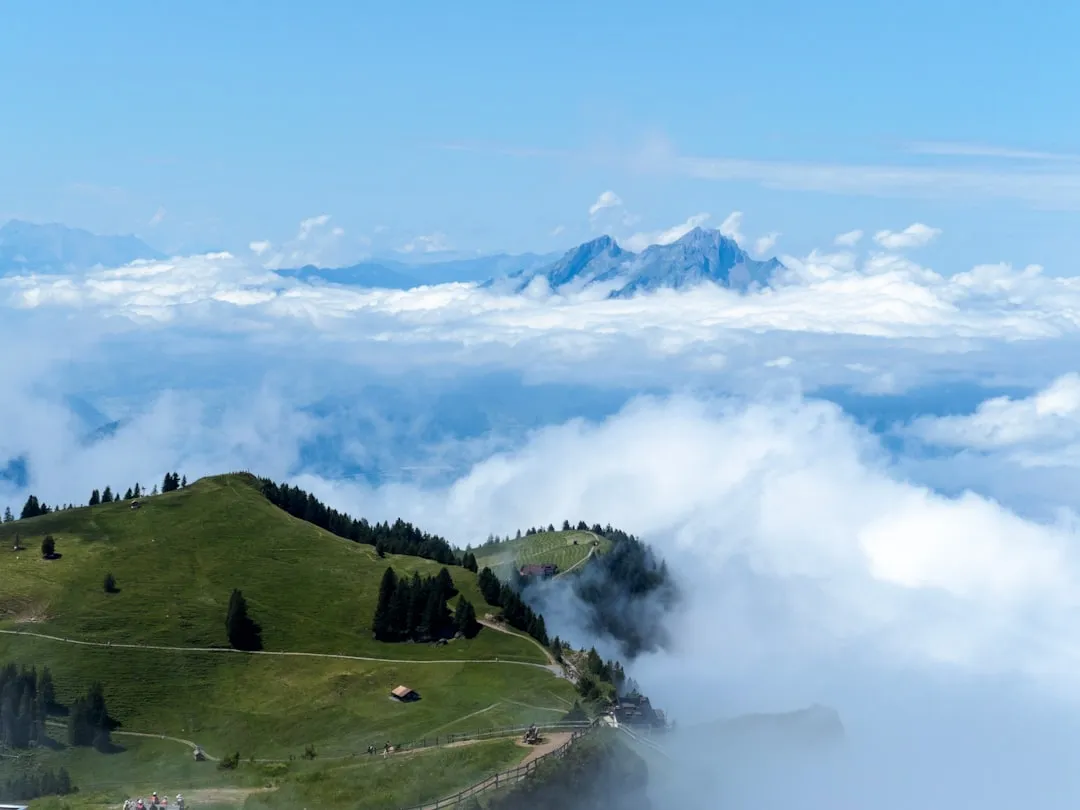
The Rigi Panorama Trail is a spectacular day walk in Switzerland, offering breathtaking views of the Swiss Alps, Lake Lucerne, and the surrounding pre-alpine landscape. This well-maintained path is renowned for its accessibility and the sheer visual reward it provides, making it a popular choice for hikers of all levels. Starting from the summit area of Rigi Kulm, the trail gently descends, weaving through alpine meadows dotted with wildflowers in summer and offering panoramic vistas at every turn. It's a journey that encapsulates the quintessential Swiss mountain experience, combining natural beauty with the ease of access provided by the region's efficient mountain transport system.
- Distance: 12.3 km
- Elevation Gain: 400 m (net descent, with some undulations)
- Duration: 3–4 hours
- Difficulty: Moderate
- Best Time: May to October
- Closest City: Lucerne
- Trailhead Access: Rigi Kaltbad (via cogwheel railway from Vitznau or Arth-Goldau)
- Permits: Not required
- Coordinates: 47.0550, 8.4775
Overview
The Rigi Panorama Trail is a testament to the beauty of accessible alpine scenery. Often referred to as "The Queen of the Mountains," Rigi offers a unique perspective on the Swiss landscape. The trail itself is not overly strenuous, making it suitable for families and those seeking a less demanding but equally rewarding mountain experience. Its moderate difficulty stems from the undulating terrain and the length of the walk, rather than steep or technical sections. The path is generally wide and well-trodden, ensuring a comfortable walking experience.
The journey begins at Rigi Kaltbad, a popular mountain resort accessible by cogwheel railway. From here, the trail leads towards Rigi Kulm, the highest peak, before embarking on its panoramic descent. As you walk, the landscape unfolds dramatically. To the north, the shimmering expanse of Lake Lucerne stretches out, dotted with boats and framed by rolling hills. To the south and west, the majestic peaks of the Swiss Alps, including the iconic Eiger, Mönch, and Jungfrau, form a formidable and awe-inspiring backdrop. The trail meanders through vibrant alpine meadows, particularly stunning in late spring and summer when they are carpeted with a riot of wildflowers. The air is crisp and clean, carrying the scent of pine and wild herbs.
The trail's moderate elevation gain and loss mean that while you are ascending to gain the best vantage points, the overall descent is manageable. The 400 metres of elevation change are spread out, allowing for a relaxed pace and ample opportunity to stop, admire the views, and take photographs. The duration of 3–4 hours is an estimate for active walking time; many will find themselves lingering longer to soak in the scenery. The trail's popularity is a testament to its consistent beauty and the ease with which one can access such magnificent alpine panoramas, a true highlight of any visit to the Lucerne region.
History and Cultural Context
The Rigi mountain has a long and rich history, deeply intertwined with the development of tourism in Switzerland. For centuries, its accessible slopes and commanding views made it a natural destination for pilgrims, artists, and travellers. The mountain's ascent was significantly enhanced by the advent of modern transportation, particularly the cogwheel railways.
The Vitznau-Rigi Railway, opened in 1871, was the first mountain cogwheel railway in Europe and the second in the world. This pioneering engineering feat transformed Rigi into a readily accessible destination for a wider audience. Prior to this, reaching the summit involved arduous climbs or horse-drawn carriages, limiting access to the adventurous and the wealthy. The railway allowed tourists, including many prominent figures of the era, to experience the alpine grandeur with unprecedented ease.
The Rigi Panorama Trail, while not a historical route in the same vein as ancient pilgrimage paths, emerged as a popular walking route as tourism infrastructure developed. It capitalised on the existing network of paths and the desire of visitors to explore the mountain's flanks on foot, offering a more intimate connection with the landscape than the train alone could provide. Artists like J.M.W. Turner were captivated by Rigi's dramatic scenery, capturing its essence in their paintings, which in turn fuelled further interest and tourism. The mountain became a symbol of Switzerland's natural beauty and its innovative spirit in engineering and hospitality.
Today, Rigi continues to be a beloved destination, blending its historical significance with modern recreational opportunities. The Panorama Trail is a key part of this experience, allowing visitors to walk through landscapes that have inspired awe for generations, connecting with the natural beauty that has drawn people to this iconic Swiss peak for centuries.
Seasonal Highlights and Weather Reality
The Rigi Panorama Trail is a destination that offers distinct beauty throughout its accessible season, from late spring to autumn. Each period presents unique advantages and considerations for walkers.
Spring (May to June): As the snow melts, the alpine meadows begin to awaken. This is a particularly beautiful time to walk the trail as wildflowers start to bloom, painting the landscape in vibrant colours. The air is fresh, and the temperatures are generally mild, making for pleasant hiking conditions. However, higher sections might still hold lingering snow patches early in the season, and the weather can be unpredictable, with occasional late frosts or rain showers.
Summer (July to August): This is peak season for the Rigi Panorama Trail. The meadows are in full bloom, creating a spectacular display of colour. The weather is typically warmer, with longer daylight hours, allowing for extended exploration. The mountain resorts are bustling with activity, and the cogwheel railways operate at their full schedule. Sandflies are generally not a significant issue in this region, unlike some other alpine areas. However, summer can also bring more crowds, and afternoon thunderstorms are a possibility, so it's always wise to start your hike earlier in the day.
Autumn (September to October): Autumn offers a different kind of beauty. The vibrant greens of summer give way to the golden hues of autumn foliage, creating a warm and inviting landscape. The air is crisp and clear, often providing excellent visibility for distant mountain views. The crowds thin out considerably, offering a more tranquil experience. The temperatures begin to cool, and while snow is unlikely on the main trail until late October, it's advisable to check forecasts and be prepared for cooler conditions, especially at higher elevations.
Weather Considerations: Rigi, like all mountains, can experience rapid weather changes. Even in summer, temperatures can drop significantly, and rain or fog can descend quickly, obscuring views and making conditions more challenging. It is crucial to check the weather forecast before setting out and to be prepared with appropriate layers of clothing, including waterproof and windproof outer shells. The trail is generally well-marked, but in foggy conditions, navigation can become more difficult.
Recommended Itinerary
Rigi Panorama Trail Day Walk
Morning: Arrival and Ascent to Rigi Kaltbad
- Travel to Vitznau or Arth-Goldau, the primary access points for Rigi's cogwheel railways.
- From Vitznau, enjoy a scenic boat trip across Lake Lucerne before boarding the cogwheel railway.
- From Arth-Goldau, board the cogwheel railway directly.
- The journey itself is an experience, with increasingly spectacular views as you climb.
- Arrive at Rigi Kaltbad, a charming mountain village and transport hub.
- Take a short, well-signposted walk from Rigi Kaltbad station to Rigi Kulm (the summit), or opt for the final cogwheel railway segment.
Late Morning: Rigi Kulm and Trail Start
- At Rigi Kulm (1,797 m), take in the 360-degree panoramic views. This is the highest point accessible by public transport on Rigi.
- Identify the major peaks of the Alps and the vast network of lakes and valleys.
- Begin the Rigi Panorama Trail from the vicinity of Rigi Kulm. The trail is clearly signposted.
Midday: The Panorama Descent
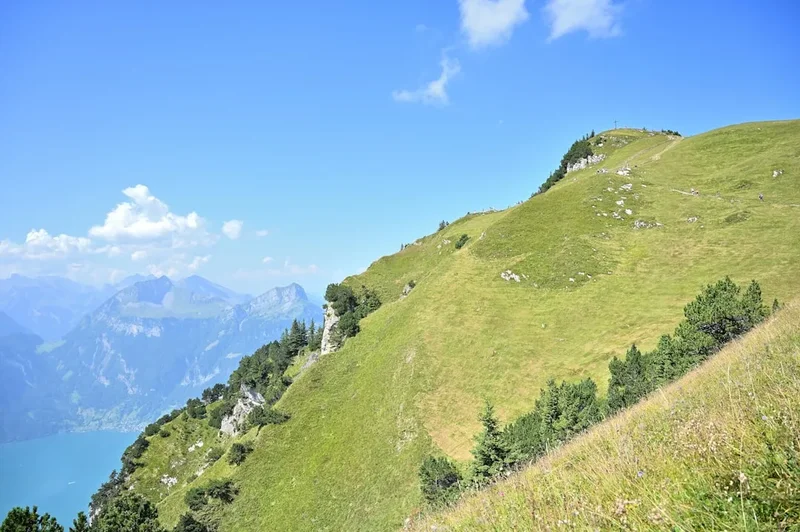
- The trail initially follows a path that offers expansive views towards the Alps.
- You will pass through alpine meadows, often vibrant with wildflowers during the warmer months.
- The path is generally well-maintained and not overly steep, allowing for a relaxed pace.
- Key viewpoints will offer opportunities to rest and admire the scenery.
- The trail gradually descends, with some undulating sections.
- Approximate distance covered: 6–8 km.
- Approximate time spent: 1.5–2 hours.
Afternoon: Continuing the Descent and Arrival at Kräbel
- Continue following the signs for the Rigi Panorama Trail.
- The landscape may shift slightly as you descend, with more forested sections interspersed with open meadows.
- The trail will lead you towards the Kräbel cable car station.
- Approximate distance covered: 4–6 km.
- Approximate time spent: 1–1.5 hours.
- Arrive at Kräbel, where you can board the cable car for your descent back to the valley.
Late Afternoon: Descent and Return to Lucerne
- Take the cable car from Kräbel down to Goldau.
- From Goldau, you can easily connect to trains for your return journey to Lucerne or other destinations.
- Alternatively, if you started from Vitznau, you could arrange to descend via the Vitznau cogwheel railway, though the Panorama Trail typically leads towards Kräbel.
Important Notes:
- The trail is well-signposted, but carrying a map or using a GPS device is always recommended.
- Wear sturdy walking shoes or hiking boots.
- Carry water and snacks, although facilities are available at Rigi Kaltbad and Rigi Kulm.
- Be prepared for changing weather conditions.
- Check the operating times of the cogwheel railways and cable cars in advance.
Planning and Bookings
Book Your Trip
Everything you need to plan your journey
Accommodation
Find places to stay near Lucerne
Flights
Search flights to Lucerne
Essential Preparation
The Rigi Panorama Trail is a day walk, meaning no overnight accommodation is required. The primary planning involves coordinating your travel to the base of Rigi and understanding the mountain transport schedules. Lucerne is the closest major city and serves as an excellent base for exploring Rigi. From Lucerne, you can easily access the cogwheel railways that lead up the mountain. Consider purchasing a Swiss Travel Pass or a regional pass, as these often cover the mountain transport, offering significant savings. Research the operating times for the cogwheel railways (from Vitznau and Arth-Goldau) and the Kräbel cable car, as these are essential for completing the loop. The best time to visit is generally between May and October, when the trails are clear of snow and the mountain transport is fully operational. Be aware that weather can change rapidly in the mountains, so always check the forecast before you go.
Trail Accommodation
This is a day hike requiring no overnight accommodation.
Required Gear
- Footwear: Sturdy, comfortable walking shoes or hiking boots with good grip are essential. Ensure they are broken in to prevent blisters.
- Clothing: Layering is key. Bring moisture-wicking base layers, an insulating mid-layer (fleece or down jacket), and a waterproof and windproof outer shell. Even in summer, mountain weather can be unpredictable.
- Headwear: A sun hat or cap for protection from the sun, and a warm hat (beanie) for cooler conditions.
- Gloves: Lightweight gloves can be useful for cooler mornings or higher elevations.
- Navigation: While the trail is well-marked, a map of the Rigi area and a compass or GPS device are recommended, especially if you plan to deviate or if visibility is poor. A smartphone with offline maps can also be very useful.
- Safety Gear: A basic first-aid kit including blister treatment, pain relievers, and any personal medications. A whistle can be useful in emergencies.
What to Bring
- Food and Water: Carry sufficient water for your hike. While there are facilities at Rigi Kaltbad and Rigi Kulm, it's always good to have your own supply. Pack snacks or a packed lunch to enjoy amidst the stunning scenery.
- Sun Protection: High SPF sunscreen, sunglasses, and lip balm are important, as the sun's rays are stronger at higher altitudes.
- Backpack: A comfortable daypack (20-30 litres) to carry your essentials.
- Camera: To capture the breathtaking panoramic views.
- Binoculars: Optional, but can enhance your appreciation of distant landscapes and wildlife.
- Cash: While cards are widely accepted in Switzerland, it's always wise to have some cash for smaller purchases or in case of any transport issues.
- Personal Items: Hand sanitiser, tissues, and any personal toiletries.
Permits
No permits are required to walk the Rigi Panorama Trail. The trail is part of the public mountain access network in Switzerland, and no special permissions are needed for day hikers. Access to the mountain itself is managed through the cogwheel railway and cable car services, for which tickets must be purchased. These tickets can be bought at the stations or online in advance. Consider purchasing a day pass for the Rigi mountain railways if you plan to use them extensively or combine the hike with other activities on the mountain.
Other Activities in the Area
The Rigi region offers a wealth of activities beyond the Panorama Trail, making it an ideal destination for a full day or even a longer stay:
- Rigi Kulm Summit: Enjoy the 360-degree views from the highest point, accessible by cogwheel railway. There are restaurants and viewing platforms here.
- Rigi Kaltbad Spa: Relax and rejuvenate at the Mineralbad & Spa Rigi Kaltbad, featuring thermal pools with stunning mountain views.
- Rigi Scheidegg: Accessible via a separate cogwheel railway from Rigi Kaltbad, Rigi Scheidegg offers a different perspective and a pleasant, flatter walking path.
- Cogwheel Railway Journeys: The scenic rides up and down Rigi are an attraction in themselves, offering spectacular views of Lake Lucerne and the surrounding landscape.
- Hiking and Walking: Numerous other marked trails crisscross Rigi, catering to various fitness levels and interests, from short strolls to more challenging routes.
- Cycling: Mountain biking routes are available in the lower and mid-mountain areas.
- Winter Sports: In winter, Rigi transforms into a ski and snowboard resort with several pistes and cross-country skiing trails.
- Lake Lucerne Cruises: Combine your Rigi visit with a relaxing boat trip on the beautiful Lake Lucerne, departing from Lucerne city.
Safety and Conditions
Weather: Mountain weather can change rapidly. Always check the forecast before you go and be prepared for sun, wind, rain, and cooler temperatures, even in summer. Hypothermia is a risk if you get wet and cold, so waterproof and warm layers are essential.
Trail Conditions: The Rigi Panorama Trail is generally well-maintained and clearly signposted. However, after heavy rain, some sections might be slippery. In early spring or late autumn, there may be lingering snow or ice, particularly on shaded sections or at higher elevations. Always wear appropriate footwear.
Navigation: While the trail is popular and well-marked, it's advisable to carry a map or use a GPS device, especially if visibility is poor due to fog or cloud. Familiarise yourself with the route beforehand.
Altitude: The highest point of the trail is around Rigi Kulm (1,797 m). While this is not extremely high, some individuals may experience mild altitude effects. Take your time, stay hydrated, and listen to your body.
Emergency Contacts: In case of an emergency, dial 144 for ambulance services, 117 for police, or 112 for the European emergency number. Mountain rescue services are well-equipped in Switzerland.
Sun Protection: The sun's rays are stronger at higher altitudes. Use sunscreen, wear a hat, and sunglasses to protect yourself from UV exposure.
Hydration: Carry enough water for your hike. There are opportunities to refill or purchase drinks at Rigi Kaltbad and Rigi Kulm, but it's best to start with a full supply.
Side Trips and Points of Interest
Rigi Kulm Viewpoint: The starting point of the trail, Rigi Kulm, offers an unparalleled 360-degree panoramic view. On a clear day, you can see as far as the Black Forest in Germany and the Vosges in France, with countless Swiss peaks and lakes in between. This is a must-see before commencing the walk.
Rigi Observatory: Located near Rigi Kulm, this offers a chance to learn about astronomy and the night sky, though its primary function is scientific observation.
Alpine Flower Meadows: During late spring and summer, the meadows along the trail are carpeted with a vibrant array of wildflowers. Keep an eye out for gentians, alpine roses, and various other species. The colours and diversity are a significant highlight of the walk.
Views of Lake Lucerne: The trail offers numerous vantage points overlooking the expansive and picturesque Lake Lucerne. The deep blue water, dotted with white sailboats, provides a stunning contrast to the green meadows and grey mountain peaks.
Iconic Alpine Peaks: The southern and western horizons are dominated by the majestic Swiss Alps. On clear days, you can identify famous peaks such as the Eiger, Mönch, and Jungfrau, along with many other prominent summits. Binoculars can enhance the viewing experience.
Rigi Kaltbad Mineral Baths: While not a side trip on the trail itself, the Rigi Kaltbad area is home to a renowned mineral spa. If time permits, a visit to the thermal pools can be a wonderfully relaxing way to conclude your mountain excursion.
Leave No Trace
The Rigi Panorama Trail, like all natural environments, benefits from responsible visitor behaviour. Adhering to Leave No Trace principles ensures that this beautiful area remains pristine for future generations.
- Plan Ahead and Prepare: Check weather forecasts, trail conditions, and transport schedules before your visit. Pack appropriately for the conditions.
- Travel and Camp on Durable Surfaces: Stick to marked trails to avoid damaging fragile alpine vegetation. The Rigi Panorama Trail is well-defined, so stay on the path.
- Dispose of Waste Properly: Pack out everything you pack in, including all litter, food scraps, and wrappers. Use designated bins where available, but it's always best to carry your waste with you until you can dispose of it properly.
- Leave What You Find: Do not pick wildflowers or remove natural objects. Appreciate the beauty of the area without disturbing it.
- Minimise Campfire Impacts: Not applicable for this day hike, as camping is not permitted on the trail.
- Respect Wildlife: Observe any wildlife from a distance and do not feed them. While large wildlife is less common on Rigi, smaller creatures and birds should be left undisturbed.
- Be Considerate of Other Visitors: Keep noise levels down, especially in natural settings. Yield to others on the trail, particularly when descending. Enjoy the shared experience of the mountain's beauty.
By following these principles, you contribute to the preservation of Rigi's natural charm and ensure a positive experience for everyone.
 Switzerland