

Rhossili Bay Coastal Walk
The Rhossili Bay Coastal Walk, located on the western tip of the Gower Peninsula in Wales, UK, offers a breathtaking journey along one of Britain's most iconic coastlines. This relatively short but incredibly scenic route provides stunning panoramic views of Rhossili Bay, the Worm's Head, and the vast expanse of the Atlantic Ocean. It's a popular destination for walkers, photographers, and nature enthusiasts, celebrated for its dramatic cliffs, golden sands, and rich maritime history. The walk is accessible and suitable for most fitness levels, making it an ideal day trip or a segment of a longer coastal exploration.
- Distance: 9.0 km
- Elevation Gain: 200 m
- Duration: 2-3 hours
- Season: Year-round, but best April-October
- Difficulty: Easy
- Closest City: Swansea
- Trailhead Access: Nearest city: Swansea. From Swansea, take the A4067 and A4118 to Rhossili. Driving time approx. 45 mins. Parking available in Rhossili (pay and display). Bus service also available from Swansea. Trailhead GPS: 51.5677, -4.2921.
- Permits: No permits needed.
Overview
The Rhossili Bay Coastal Walk is a quintessential Welsh coastal experience, showcasing the raw beauty of the Gower Peninsula. The trail meanders along cliff tops, offering unparalleled vistas of the sweeping Rhossili Bay, a three-mile stretch of golden sand consistently voted one of the UK's best beaches. The walk is characterised by its relatively gentle gradients, making it accessible for families and less experienced walkers, yet it delivers immense scenic rewards. Key landmarks include the iconic Worm's Head (Y Wrom), a tidal island accessible on foot at low tide, and the historic Rhossili village itself, with its charming church and traditional Welsh cottages.
The path is well-maintained for the most part, though sections can be uneven and exposed to the elements. The ever-changing light and weather conditions of the Welsh coast add a dynamic element to the scenery, with dramatic skies often complementing the rugged landscape. Birdlife is abundant, with seabirds nesting on the cliffs and various species visible offshore. The walk provides a fantastic opportunity to connect with nature, breathe in the fresh sea air, and appreciate the geological wonders of the region, including the distinctive rock formations and the powerful forces of erosion that have shaped this coastline over millennia.
The walk typically starts from the National Trust car park in Rhossili village. From here, the route heads towards the coast, leading you onto the cliff path overlooking the bay. You'll traverse grassy headlands, pass through areas of coastal heathland, and enjoy expansive views that stretch towards the Bristol Channel and beyond. The sense of space and freedom is palpable, making it a truly invigorating experience. Whether you're seeking a leisurely stroll or a more active exploration, the Rhossili Bay Coastal Walk promises a memorable encounter with the natural beauty of South Wales.
History and Cultural Context
The Gower Peninsula, and Rhossili in particular, boasts a rich history intertwined with maritime activity, agriculture, and ancient human settlement. For centuries, this coastline has been a vital artery for trade and travel, but also a place of peril for seafarers. The treacherous waters around Worm's Head and the exposed nature of the bay have led to numerous shipwrecks over the years, leaving behind a legacy of maritime archaeology and local folklore.
Rhossili village itself has a long history, with evidence of human habitation dating back to prehistoric times. The St. Mary's Church, a prominent feature overlooking the bay, has medieval origins and stands as a testament to the enduring community that has thrived here for generations. The landscape has been shaped by centuries of farming, with the rolling hills and coastal pastures reflecting traditional land use practices. The National Trust now manages a significant portion of the coastline, working to preserve its natural beauty and historical significance for future generations.
The area's dramatic scenery has also inspired artists and writers, contributing to its status as a cherished destination. The tales of shipwrecks, smugglers, and the hardy lives of those who lived and worked by the sea add a layer of intrigue to the walk. Understanding this historical context enhances the appreciation of the landscape, transforming a simple walk into a journey through time, connecting with the people and events that have shaped this unique corner of Wales.
Seasonal Highlights and Weather Reality
The Rhossili Bay Coastal Walk can be enjoyed year-round, but each season offers a distinct experience. The best time for clear views and pleasant walking conditions is generally from April to October.
Spring (April-May): The landscape begins to awaken with wildflowers carpeting the cliffs and headlands. The weather can be variable, with a mix of sunshine and showers, but the longer daylight hours are a welcome change. Birdlife becomes more active, and the sea is often a vibrant blue.
Summer (June-August): This is the peak season, with the warmest temperatures and longest days. Rhossili Bay is a popular spot for beachgoers, so the village and car parks can be busy. The coastal paths are at their most accessible, and the sea is often calm enough for swimming. However, summer can also bring periods of heat and humidity, and sandflies can be present, though generally less of an issue than in more remote, boggy areas.
Autumn (September-October): Autumn often brings a spectacular display of colours to the surrounding countryside, with golden hues and crisp air. The crowds thin out, offering a more tranquil experience. The weather can be dramatic, with powerful storms rolling in from the Atlantic, creating impressive wave action and atmospheric conditions. This is an excellent time for photography.
Winter (November-March): While the weather can be harsh, with strong winds and rain, winter offers a wild and dramatic beauty. The coastline is often at its most powerful, with large waves crashing against the shore. The lack of crowds provides a sense of solitude and raw immersion in nature. However, paths can become muddy and slippery, and exposed sections may be challenging in high winds. Always check weather forecasts and be prepared for challenging conditions.
Recommended Itinerary
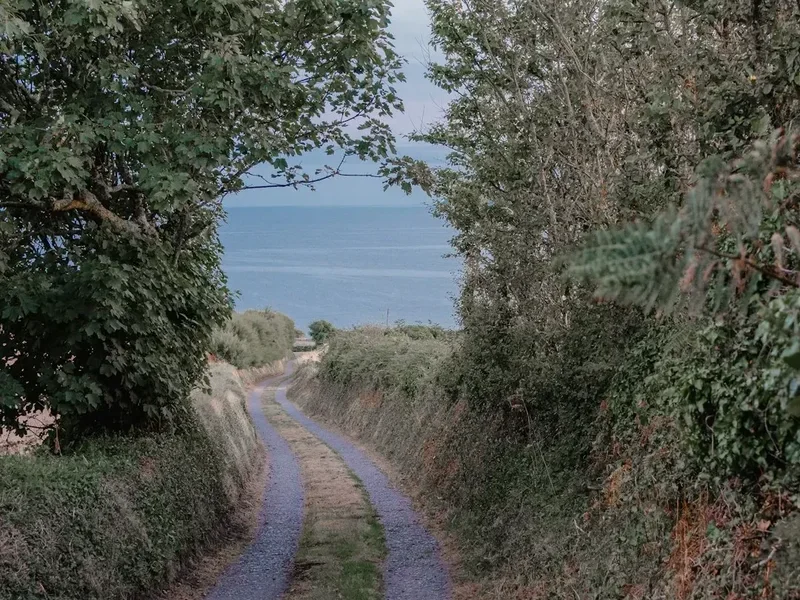
Rhossili Bay Coastal Walk - A Scenic Loop
Start: Rhossili Village Car Park
Early Morning (Approx. 9:00 AM): Start the Walk
- Begin at the National Trust car park in Rhossili village.
- Take a moment to admire the historic St. Mary's Church and the village itself.
- Head towards the coast, following signs for the coastal path.
- The initial section leads you onto the cliff tops with immediate, stunning views of Rhossili Bay.
Morning (Approx. 9:30 AM - 11:00 AM): Cliff Top Exploration
- Follow the well-defined coastal path northwards along the cliff edge.
- Enjoy panoramic views of the vast Rhossili Bay, stretching out to the west.
- Observe the dramatic rock formations and the powerful waves crashing against the shore.
- Keep an eye out for seabirds nesting on the cliff faces.
- The path is generally easy to follow, with some undulations.
Midday (Approx. 11:00 AM - 12:00 PM): Towards Worm's Head
- The path gradually descends towards the western end of the bay, bringing you closer to Worm's Head (Y Wrom).
- Note the tide times if you plan to walk out to Worm's Head itself. Access is only possible at low tide via a causeway.
- If tide permits and you are prepared for rocky terrain, you can explore the causeway and the base of Worm's Head.
- Alternatively, continue on the main coastal path for excellent views of Worm's Head from a distance.
Afternoon (Approx. 12:00 PM - 1:30 PM): Return Leg and Village Visit
- From the vicinity of Worm's Head, the path turns inland and then southwards, forming a loop back towards Rhossili village.
- This section offers different perspectives of the bay and the surrounding countryside.
- The terrain may include some steeper sections as you ascend back towards the village.
- Arrive back in Rhossili village.
- Consider visiting a local pub or café for refreshments and to soak in the atmosphere.
Optional Extension: Beach Walk
- If time and tide allow, you can descend onto Rhossili Bay itself from the village.
- Spend time walking on the expansive sandy beach, exploring rock pools, or simply relaxing by the sea.
- Note that returning to the village from the beach requires a climb back up the cliff path or via the steps near the main car park.
Important Notes:
- Always check tide times before attempting to walk to Worm's Head.
- Wear sturdy footwear suitable for uneven terrain.
- Be aware of cliff edges and maintain a safe distance.
- Carry water and snacks, especially during warmer months.
- Weather can change rapidly; be prepared for wind and rain.
Planning and Bookings
Book Your Trip
Everything you need to plan your journey
Accommodation
Find places to stay near Swansea
Flights
Search flights to Swansea
Essential Preparation
The Rhossili Bay Coastal Walk is a relatively straightforward day hike, but some preparation will enhance your experience. The closest major city is Swansea, which serves as the primary gateway for visitors. From Swansea, the journey to Rhossili typically involves a scenic drive of approximately 45 minutes to an hour, taking the A4067 and then the A4118. The roads are generally well-maintained, but can be narrow and winding in places, especially as you approach the Gower Peninsula.
Parking is available in Rhossili village, usually via a pay-and-display system managed by the National Trust. During peak season and on sunny weekends, car parks can fill up quickly, so arriving early is advisable. Alternatively, a public bus service operates from Swansea to Rhossili, offering a convenient option for those without a car. This reduces the stress of parking and allows you to enjoy the scenery from the outset. For those planning to stay overnight, accommodation options are available in nearby villages and towns, ranging from charming bed and breakfasts to self-catering cottages and hotels in Swansea.
Trail Accommodation
This is a day hike requiring no overnight accommodation.
Required Gear
- Sturdy walking boots or trail shoes: Essential for navigating uneven coastal paths, providing ankle support and good grip.
- Waterproof jacket: The Welsh coast can experience sudden changes in weather, so a waterproof and windproof jacket is crucial.
- Waterproof overtrousers: Recommended for prolonged periods of rain or strong winds.
- Layers of clothing: Advise wearing moisture-wicking base layers and insulating mid-layers (e.g., fleece) to adapt to changing temperatures.
- Sun protection: Sunscreen, sunglasses, and a hat are important, even on cloudy days, due to the intensity of coastal sun.
- Backpack: A small daypack (15-25 litres) to carry essentials.
- Navigation: While the path is generally well-marked, a map of the Gower Peninsula and a compass or GPS device are advisable for safety, especially if venturing off the main path or in poor visibility.
- First aid kit: A basic kit including plasters, antiseptic wipes, pain relievers, and any personal medications.
- Mobile phone: For communication in case of emergencies (note that signal can be intermittent in some coastal areas).
What to Bring
- Food and snacks: Pack plenty of energy-boosting snacks such as fruit, nuts, and energy bars. A packed lunch is recommended if you plan to spend several hours exploring.
- Water: Carry at least 1-2 litres of water per person, especially during warmer months.
- Toiletries: Biodegradable wet wipes, hand sanitiser, and any personal hygiene items.
- Camera: To capture the stunning scenery.
- Binoculars: For birdwatching and observing marine life.
- Tide table: If planning to visit Worm's Head, a tide table is essential to ensure safe access.
- Cash: For parking fees, local shops, or pubs in Rhossili village.
Permits
No specific permits are required to walk the Rhossili Bay Coastal Walk. The paths are part of the public footpath network and are managed by local authorities and the National Trust. Access to Rhossili Bay and the surrounding coastal areas is generally free for walkers.
However, parking in Rhossili village is subject to charges, typically managed by the National Trust. It is advisable to check the current parking fees and operating hours before your visit, especially during peak season. These fees contribute to the upkeep and preservation of the National Trust's land and facilities in the area.
If you plan to visit Worm's Head, it is crucial to consult tide times. Worm's Head is an island accessible via a causeway only during low tide. The causeway can become submerged by the incoming tide very quickly, posing a significant risk to walkers. Always ensure you have ample time to cross and return before the tide turns. Local information boards often display tide times, or you can consult online resources.
Other Activities in the Area
The Gower Peninsula offers a wealth of activities beyond the Rhossili Bay Coastal Walk:
- Beach Activities: Rhossili Bay itself is renowned for its expansive sandy shores, perfect for sunbathing, swimming, and watersports like surfing and paddleboarding. Nearby beaches such as Llangennith and Three Cliffs Bay also offer excellent opportunities for exploration and recreation.
- Surfing and Watersports: The consistent waves at Rhossili Bay make it a popular spot for surfers of all levels. Lessons and equipment hire are available from local surf schools.
- Exploring Worm's Head: At low tide, you can walk out to Worm's Head, a dramatic tidal island with unique geological features and abundant wildlife. Be sure to check tide times carefully.
- National Trust Properties: The National Trust manages several sites on the Gower Peninsula, including the Rhossili Visitor Centre, which provides information about the local area and its history.
- Caving and Rock Climbing: The limestone cliffs of the Gower offer opportunities for experienced climbers and cavers.
- Birdwatching: The coastal areas are rich in birdlife, with opportunities to spot various seabirds, waders, and migratory species, particularly during spring and autumn.
- Local Pubs and Cafés: Rhossili village and surrounding hamlets boast traditional Welsh pubs and charming cafés, offering local cuisine and a chance to relax after a day of walking.
- Scenic Drives: The entire Gower Peninsula is designated as an Area of Outstanding Natural Beauty (AONB), offering numerous scenic routes with breathtaking coastal and rural vistas.
Safety and Conditions
Weather: The coastal weather in Wales can be unpredictable and change rapidly. Always check the Met Office forecast for the Gower Peninsula before setting out. Be prepared for strong winds, rain, and potentially cooler temperatures, even in summer. Exposed cliff paths can be particularly challenging in high winds.
Terrain: While much of the path is well-maintained, sections can be uneven, rocky, or muddy, especially after rain. Wear appropriate footwear with good grip. Be mindful of slippery surfaces, particularly on steps or steep inclines.
Cliff Edges: Exercise extreme caution when walking near cliff edges. Maintain a safe distance from the precipice, especially in windy conditions or when visibility is poor. Keep children and pets under close supervision.
Tides: If planning to visit Worm's Head, it is absolutely critical to check tide times. The causeway to Worm's Head is only accessible for a limited period around low tide. The incoming tide can rise quickly, cutting off access and posing a serious danger. Local tide tables are usually available at the Rhossili Visitor Centre or online.
Navigation: The main coastal path is generally well-signposted. However, it is always advisable to carry a map and compass or use a reliable GPS device, especially if you plan to explore less-travelled routes or if visibility is reduced due to fog or mist.
Mobile Signal: Mobile phone reception can be intermittent along the coast. Ensure your phone is fully charged before you leave and inform someone of your planned route and expected return time.
Emergency Services: In case of an emergency, dial 999 or 112 and ask for the Coastguard. Be prepared to provide your exact location.
Side Trips and Points of Interest
Worm's Head (Y Wrom): This iconic tidal island is the westernmost point of the Gower Peninsula and a designated National Nature Reserve. Accessible only at low tide via a rocky causeway, it offers a unique opportunity to explore a wild and rugged landscape. The island is home to a variety of wildlife, including seals that can often be seen basking on the rocks below, and numerous seabirds nesting on its cliffs. The views from Worm's Head back towards Rhossili Bay and out to the Bristol Channel are spectacular. Remember to check tide times meticulously before attempting to cross, as the tide can rise rapidly and trap visitors.
Rhossili Bay Beach: Consistently voted one of the UK's best beaches, Rhossili Bay is a vast expanse of golden sand stretching for three miles. It's perfect for a leisurely stroll, beachcombing, or simply relaxing by the sea. The beach is popular with surfers, and the clear waters are often suitable for swimming, though conditions can vary. Access to the beach is via a steep path or steps from the village, offering rewarding views as you descend.
St. Mary's Church, Rhossili: Perched on a hill overlooking the bay, this historic church dates back to the 14th century, with earlier origins. Its picturesque setting and ancient architecture make it a point of interest for those walking through the village. The churchyard offers a peaceful spot with commanding views over the bay.
The Shipwreck Memorial: Near the car park in Rhossili, a memorial commemorates the many lives lost in shipwrecks off the coast of the Gower. The area has a long and often tragic maritime history, and this memorial serves as a poignant reminder of the dangers faced by seafarers.
Coastal Heathland and Wildflowers: The clifftop paths wind through areas of coastal heathland, particularly vibrant in spring and summer with a variety of wildflowers, including heather, gorse, and sea pinks. This habitat supports a diverse range of insects and birds.
Leave No Trace
The Rhossili Bay Coastal Walk traverses a beautiful and ecologically sensitive area. Adhering to Leave No Trace principles ensures that this stunning landscape remains pristine for future visitors and for the benefit of its wildlife.
Plan Ahead and Prepare: Familiarise yourself with the route, check weather forecasts, and understand tide times if visiting Worm's Head. Pack appropriately for the conditions.
Travel and Camp on Durable Surfaces: Stick to marked paths and trails to avoid damaging fragile vegetation. Avoid walking on sensitive coastal heathland or disturbing nesting birds.
Dispose of Waste Properly: Pack out everything you pack in, including all litter, food scraps, and wrappers. Use designated bins where available, but be prepared to carry waste back with you if bins are full or unavailable.
Leave What You Find: Do not remove any natural items such as rocks, shells, or plants. Take only photographs and memories.
Minimise Campfire Impacts: Campfires are not permitted on the beach or coastal paths. If you are camping elsewhere on the peninsula, use established fire rings and ensure fires are fully extinguished.
Respect Wildlife: Observe wildlife from a distance and never feed animals. Their natural behaviours and diets can be disrupted by human food. Be particularly mindful of nesting birds and seals.
Be Considerate of Other Visitors: Keep noise levels down, especially in quieter areas. Yield to other walkers on narrow paths. Respect the local community and their property.