
Refugio Frey Hike
The Refugio Frey Hike is a classic day walk in Argentina's Nahuel Huapi National Park, offering stunning alpine scenery without the need for overnight camping. This trail leads to the picturesque Refugio Frey, nestled beside the tranquil Laguna Tonček, surrounded by dramatic granite spires and rugged peaks. It's a popular choice for hikers of all levels, providing a rewarding experience with relatively accessible terrain and breathtaking vistas. The trail winds through native Lenga forests, opens onto alpine meadows, and culminates at a serene mountain hut, making it a quintessential Patagonian hiking adventure.
- Distance: 12.0 km one-way
- Elevation gain: 700 m
- Duration: 6-8 hours return
- Difficulty: Moderate
- Season: October to April (Spring/Summer in Argentina)
- Closest City: San Carlos de Bariloche
- Trailhead Access: From Bariloche, take Bus 55 to Villa Catedral (approx. 30 mins). Alternatively, taxi/remis. Road is paved. Parking available at Villa Catedral (fee may apply). Trailhead at base of Catedral ski resort. No permits generally needed, but check current park regulations.
- Coordinates: -41.1667, -71.4450
Overview
The Refugio Frey Hike is a moderately challenging day walk that encapsulates the raw beauty of the Patagonian Andes. Starting from the base of the Catedral ski resort, the trail immediately begins its ascent, gradually climbing through dense Lenga forests. These ancient trees, with their distinctive grey bark and vibrant autumn colours, provide a shaded and atmospheric start to the journey. As the elevation increases, the forest canopy begins to thin, revealing glimpses of the surrounding granite peaks that dominate the skyline.
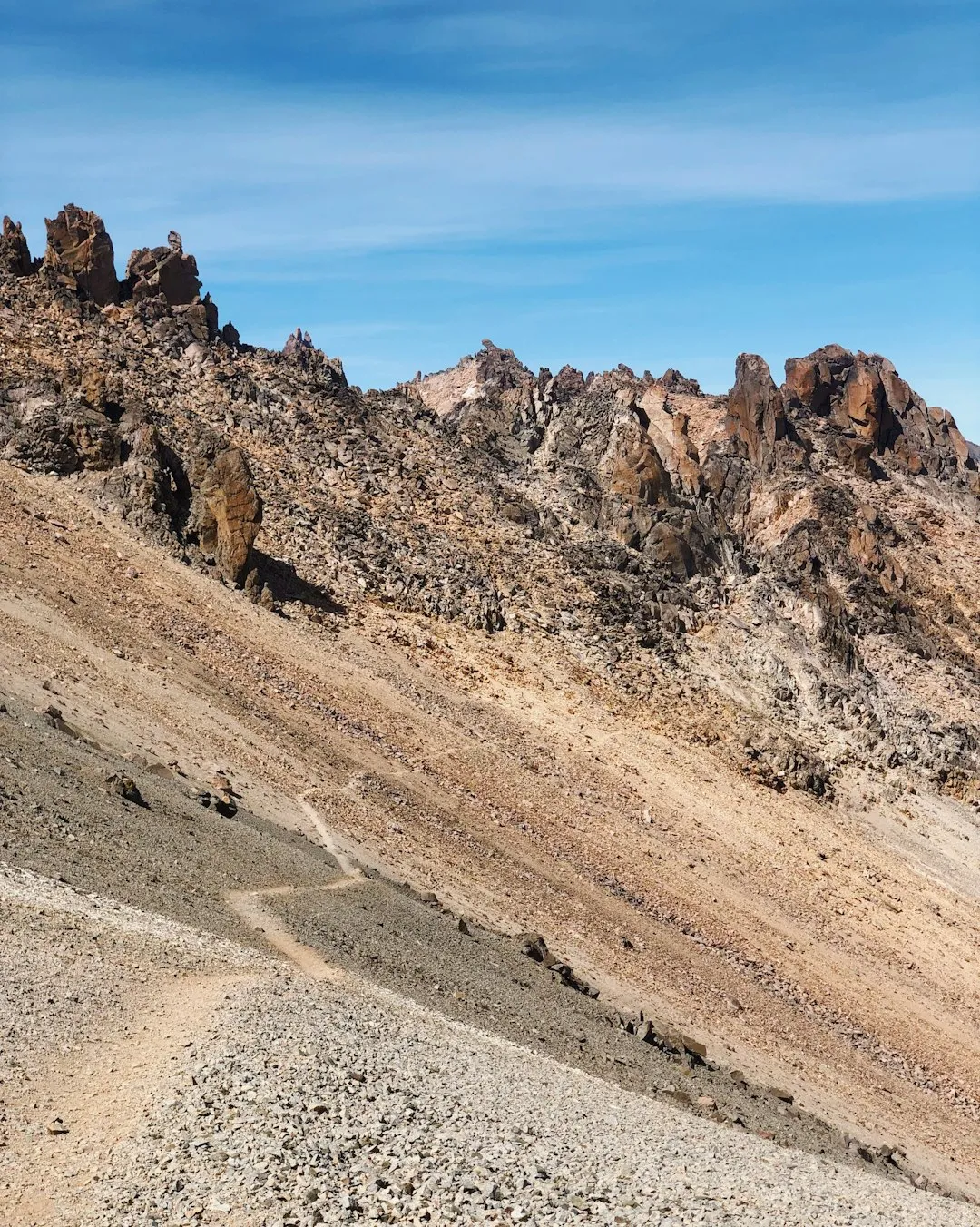
The trail is well-maintained but can be steep in sections, requiring a reasonable level of fitness. The path is often rocky and uneven, demanding careful footing. After approximately 6 kilometres of steady climbing, the landscape opens up dramatically. Hikers emerge from the treeline into a more exposed alpine environment, characterised by rocky scree slopes, hardy alpine vegetation, and panoramic views of the surrounding mountain ranges, including the iconic spires of the Frey area.
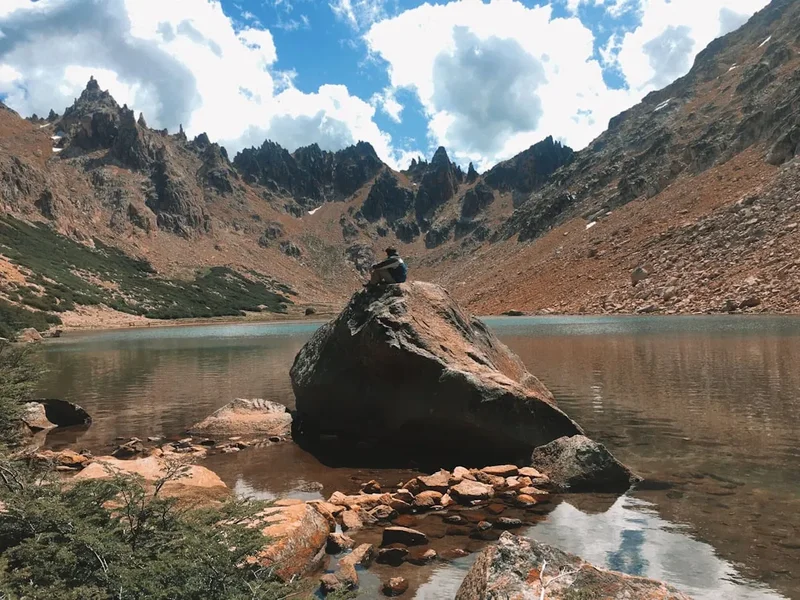
The final approach to Refugio Frey is particularly scenic. The trail contours around the mountainside, offering increasingly spectacular views of Laguna Tonček, a crystal-clear alpine lake that mirrors the imposing granite walls of Cerro Catedral and its neighbouring peaks. The Refugio itself, a rustic stone building, sits picturesquely on the lake's edge, providing a welcome sanctuary and a focal point for the hike. The return journey follows the same path, offering a different perspective on the landscape as you descend back towards Villa Catedral.
This hike is popular due to its accessibility from San Carlos de Bariloche and the high reward-to-effort ratio. It offers a genuine taste of the Patagonian alpine environment, complete with challenging ascents, stunning natural beauty, and the charm of a mountain refuge. While it can be completed in a single day, many hikers choose to stay overnight at the Refugio to fully immerse themselves in the mountain atmosphere and explore the surrounding area further.
History and Cultural Context
The area around Refugio Frey, and indeed the broader Nahuel Huapi National Park, has a rich history intertwined with indigenous peoples, early European exploration, and the development of mountaineering and tourism in Patagonia. Long before the establishment of national parks or the construction of mountain refuges, indigenous Mapuche and Tehuelche peoples traversed these lands, utilising the natural resources for sustenance and as part of their migratory routes.
The modern era of exploration and settlement in the Bariloche region began in the late 19th and early 20th centuries. European immigrants, drawn by the promise of land and opportunity, began to establish settlements and explore the vast wilderness. The construction of the first mountain refuges in the Andes was part of a broader movement to promote outdoor recreation and make the mountains more accessible to a wider public. Refugio Frey, named after its builder and early custodian, was established in the mid-20th century, becoming a vital hub for hikers and climbers venturing into the heart of the Catedral massif.
The establishment of Nahuel Huapi National Park in 1934 was a pivotal moment, recognising the immense ecological and scenic value of the region and initiating efforts to preserve it for future generations. The park's creation helped to formalise access routes and manage the growing popularity of hiking and climbing in areas like the Catedral massif. Refugio Frey, as one of the park's most iconic and accessible refuges, has played a significant role in the development of mountaineering culture in Bariloche, serving as a base for countless expeditions and day trips.
Today, the Refugio continues to be managed by the Club Andino Bariloche (CAB), a local mountaineering club that has been instrumental in developing and maintaining trails and refuges throughout the region. The Refugio Frey hike is not just a physical journey but also a connection to the history of exploration, conservation, and the enduring human desire to connect with wild mountain landscapes.
Seasonal Highlights and Weather Reality
The Refugio Frey Hike is best enjoyed during the Patagonian spring, summer, and early autumn, which corresponds to the months of October through April. This period offers the most favourable weather conditions for hiking in the Andes.
Spring (October to November): This is a time of renewal in the mountains. Snowmelt begins to clear the higher trails, and the Lenga forests start to bud, with vibrant green shoots appearing. Wildflowers begin to bloom in the alpine meadows, adding splashes of colour to the landscape. While generally pleasant, spring can still bring unpredictable weather, including late snowfalls and strong winds. Temperatures can fluctuate significantly, so layering is essential.
Summer (December to February): This is the peak hiking season. Days are longest, and temperatures are generally mildest, though they can still be cool at higher elevations. The Lenga forests are in full leaf, and the alpine meadows are often carpeted with flowers. This is also the season when sandflies can be most prevalent, particularly in sheltered, damp areas. Summer weather is generally more stable, but sudden storms can still occur, especially in the afternoons.
Autumn (March to April): This is arguably the most visually spectacular time to hike to Refugio Frey. The Lenga forests transform into a breathtaking display of fiery reds, oranges, and yellows, creating an unforgettable spectacle. The air is crisp and clear, and the crowds of summer begin to thin. However, temperatures drop noticeably, and early snowfalls on the higher passes become a possibility towards the end of April. The days are also shorter.
Winter (May to September): The Refugio Frey hike is generally not recommended during winter months due to heavy snowfall, icy conditions, and extreme cold. The trail can be impassable without specialised winter mountaineering equipment and expertise. The Catedral ski resort operates during this time, but the hiking trails are covered in snow and avalanche risk is high.
Weather Considerations: Regardless of the season, mountain weather in Patagonia is notoriously changeable. Hikers should always be prepared for rapid shifts in conditions, including strong winds, rain, hail, and even snow, even during the summer months. Checking the weather forecast before setting out and being prepared to turn back if conditions deteriorate is crucial for safety.
Recommended Itinerary
Day Hike: Refugio Frey and Laguna Tonček
Early Morning (Approx. 8:00 AM): Departure from San Carlos de Bariloche
- Travel from your accommodation in Bariloche to the bus terminal.
- Take Bus 55 towards Villa Catedral. The journey takes approximately 30 minutes.
- Alternatively, arrange a taxi or remis for a more direct transfer.
Morning (Approx. 9:00 AM): Arrival at Villa Catedral and Trailhead
- Arrive at the base of Cerro Catedral ski resort.
- Locate the trailhead for Refugio Frey. Parking is available here, though a fee may apply.
- Ensure you have all your gear, water, and snacks ready.
- Begin the ascent into the Lenga forest.
Late Morning to Midday (Approx. 10:30 AM - 1:00 PM): Ascent through Lenga Forest
- The trail climbs steadily through dense Lenga trees.
- Enjoy the shaded forest path, listening to the sounds of nature.
- The path can be rocky and uneven; maintain a steady pace.
- Occasional clearings offer first glimpses of the surrounding peaks.
Midday (Approx. 1:00 PM - 2:00 PM): Emerging into Alpine Terrain
- The forest begins to thin as you gain elevation.
- You will emerge from the treeline into more open, rocky terrain.
- Panoramic views of the surrounding mountain ranges become more expansive.
- The trail may involve traversing scree slopes.
Afternoon (Approx. 2:00 PM - 3:00 PM): Arrival at Refugio Frey and Laguna Tonček
- Reach Refugio Frey, a charming stone hut situated beside Laguna Tonček.
- Admire the stunning views of the lake and the imposing granite spires of Cerro Catedral.
- Take time to rest, have lunch, and explore the immediate surroundings.
- Enjoy the serene atmosphere of this alpine setting.
Late Afternoon (Approx. 3:00 PM - 5:00 PM): Descent towards Villa Catedral
- Begin your descent back down the same trail.
- The downhill section can be hard on the knees; use trekking poles if you have them.
- Enjoy the changing light and perspectives as you re-enter the Lenga forest.
Evening (Approx. 5:30 PM - 6:30 PM): Return to Villa Catedral and Bariloche
- Arrive back at the base of Villa Catedral.
- Catch Bus 55 or your pre-arranged transport back to San Carlos de Bariloche.
- Reflect on a day of spectacular Patagonian hiking.
Important Notes:
- This is a demanding day hike; ensure you are adequately fit.
- Carry sufficient water (at least 2 litres per person) as water sources can be scarce or require treatment.
- Pack layers of clothing, including waterproof and windproof outer shells.
- Trekking poles are highly recommended for both ascent and descent.
- Check the weather forecast before you leave Bariloche.
- Be aware of sandflies, especially during warmer months.
Planning and Bookings
Book Your Trip
Everything you need to plan your journey
Accommodation
Find places to stay near San Carlos de Bariloche
Flights
Search flights to San Carlos de Bariloche
Essential Preparation
The Refugio Frey hike is a popular day trip from San Carlos de Bariloche, but proper preparation is still essential for a safe and enjoyable experience. The primary logistical consideration is transportation to and from the trailhead at Villa Catedral. Bus 55 is a frequent and affordable option, but checking its schedule in advance is advisable, especially for return journeys. Taxis or private transfers offer more flexibility but come at a higher cost. Parking is available at Villa Catedral, though it may incur a fee, particularly during the ski season. It's crucial to assess your fitness level; while not an extreme trek, the 700 metres of elevation gain over 12 km requires a moderate level of cardiovascular fitness and leg strength. Ensure you have appropriate footwear, as the trail can be rocky and uneven. Familiarise yourself with the trail route using maps or GPS devices, as mobile signal can be unreliable in the mountains.
Trail Accommodation
This is a day hike requiring no overnight accommodation. Refugio Frey is available for overnight stays, but booking is mandatory and typically managed by the Club Andino Bariloche (CAB). For day hikers, the Refugio offers a place to rest, purchase basic refreshments (check availability), and use toilet facilities. If planning an overnight stay, contact CAB well in advance for booking procedures, costs, and facilities provided. For day hikers, no specific accommodation booking is required for the trail itself.
Required Gear
- Sturdy hiking boots: Waterproof and with good ankle support, broken in to prevent blisters.
- Backpack: A daypack (20-30 litres) to carry essentials.
- Waterproof jacket: Essential for protection against wind and rain, which can change rapidly.
- Waterproof overtrousers: Recommended for comfort in wet conditions.
- Warm layers: Including a fleece or insulated jacket, and a hat and gloves, as temperatures can drop significantly at higher altitudes.
- Sun protection: Sunscreen (SPF 30+), sunglasses, and a wide-brimmed hat, as the sun can be intense at altitude, even on cloudy days.
- Navigation tools: A map of the area, compass, and/or a GPS device or smartphone with offline maps downloaded.
- First-aid kit: Including blister treatment, pain relievers, antiseptic wipes, and any personal medications.
- Head torch: With spare batteries, in case of unexpected delays or early starts/late finishes.
- Trekking poles: Highly recommended to reduce strain on knees during the descent and provide stability on uneven terrain.
What to Bring
- Food: Plenty of high-energy snacks (nuts, dried fruit, energy bars) and a packed lunch. There are limited services at the Refugio.
- Water: At least 2 litres of water per person. While there are streams, it is advisable to treat water from natural sources using a filter or purification tablets.
- Toiletries: Hand sanitiser, toilet paper (for emergencies, as the Refugio has facilities), and any personal hygiene items.
- Sandfly repellent: Especially important during warmer months (December-February).
- Camera: To capture the stunning scenery.
- Cash: For potential purchases at the Refugio or for bus fares.
- Mobile phone: Fully charged, for emergencies (note that signal is unreliable).
Permits
For day hikes to Refugio Frey, no specific permits are generally required for individuals or small groups entering Nahuel Huapi National Park. The trail is part of the public access network managed by the National Parks Administration (APN) and the Club Andino Bariloche (CAB).
However, it is always advisable to check the latest regulations with the National Parks Administration or the Club Andino Bariloche before your visit, as park policies can change. For organised groups, commercial tours, or those planning to stay overnight at Refugio Frey, specific booking and potentially permit requirements may apply. Overnight stays at Refugio Frey require advance booking through the Club Andino Bariloche.
Key points regarding permits:
- Day Hikes: Generally no permit needed for individuals or small groups.
- Overnight Stays at Refugio Frey: Mandatory booking through Club Andino Bariloche (CAB). Check their website for booking procedures and availability.
- Commercial Tours: Tour operators will handle any necessary permits or bookings for their clients.
- Park Entrance Fees: While not always strictly enforced for this specific trail access point, Nahuel Huapi National Park may have general entrance fees or specific area fees. It's prudent to inquire about any applicable charges.
Always ensure you are aware of and comply with park rules and regulations to help preserve the natural environment.
Other Activities in the Area
The area surrounding Villa Catedral and San Carlos de Bariloche offers a wealth of activities for outdoor enthusiasts and those seeking to experience the Patagonian landscape:
- Cerro Catedral Ski Resort: During the winter months (June-September), Cerro Catedral is a premier ski destination with extensive slopes for skiing and snowboarding.
- Other Hiking Trails: Nahuel Huapi National Park is crisscrossed with numerous trails of varying difficulty. Popular options include hikes to Refugio Otto Meiling (for views of the Tronador glacier), the Cerro Llao Llao loop, and the challenging ascent of Cerro Lopez.
- Lake Nahuel Huapi: Enjoy boat trips on the vast Lake Nahuel Huapi, visit the Arrayanes Forest on Isla Victoria, or partake in water sports like kayaking and paddleboarding.
- Bariloche City: Explore the charming alpine-style city of San Carlos de Bariloche, known for its chocolate shops, craft breweries, and excellent restaurants offering regional cuisine.
- Circuito Chico: A scenic driving route that showcases many of the region's highlights, including panoramic viewpoints, the Llao Llao Hotel, and the Punto Panorámico.
- Kayaking and Rafting: Several rivers in the region offer opportunities for kayaking and white-water rafting, providing an adrenaline-filled way to experience the Patagonian landscape.
- Horseback Riding: Explore the estancias (ranches) and surrounding countryside on horseback, a traditional Patagonian experience.
Safety and Conditions
Pre-Departure Checks:
- Weather Forecast: Always check the most up-to-date weather forecast for the Bariloche region and specifically for the mountain areas before you depart. Websites like MeteoRed or the local meteorological services can provide valuable information. Be prepared for rapid changes.
- Trail Conditions: While generally well-maintained, trail conditions can vary due to weather. Inquire at the Club Andino Bariloche or local tourist information centres for any recent updates on trail status, especially after heavy rain or snow.
- Park Regulations: Familiarise yourself with the rules and regulations of Nahuel Huapi National Park.
Trail Hazards:
- Uneven Terrain: The trail is rocky and can be steep, especially on the ascent and descent. Proper hiking boots with good grip are essential.
- Weather Changes: Patagonian mountain weather is notoriously unpredictable. Be prepared for strong winds, rain, hail, and sudden drops in temperature, even during summer. Hypothermia is a risk if you are not adequately dressed.
- Sandflies: During warmer months (December to February), sandflies can be a nuisance, particularly in sheltered, damp areas. They are most active at dawn and dusk. Use effective insect repellent containing DEET or picaridin.
- Navigation: While the trail to Refugio Frey is generally well-marked, it is possible to get disoriented, especially in poor visibility. Carry a map and compass, or a GPS device, and know how to use them.
- Water Sources: Streams are present, but water should be treated before drinking to avoid waterborne illnesses. Carry a water filter or purification tablets.
Emergency Procedures:
- Mobile Signal: Mobile phone reception is unreliable in the mountains. Do not rely on it for communication.
- Emergency Contacts: Know the emergency numbers for the National Parks Administration and local emergency services in Bariloche.
- Inform Someone: Let someone know your hiking plans, including your intended route and expected return time.
- Refugio Frey: If staying overnight, the Refugio staff can provide assistance. For day hikers, the Refugio offers a point of contact and basic facilities.
Travel insurance is recommended to cover any unforeseen medical emergencies or trip disruptions.
Side Trips and Points of Interest
Laguna Tonček: The jewel of the Refugio Frey hike. This stunning alpine lake, nestled at the foot of imposing granite spires, offers breathtaking reflections of the surrounding peaks. It's the perfect spot for a picnic lunch, photography, or simply to soak in the serene mountain atmosphere. The clarity of the water is remarkable, showcasing the vibrant blues and greens of its alpine depths.
Cerro Catedral Spires: The dramatic granite peaks that surround Refugio Frey are a major draw for climbers and photographers. These jagged spires, including the prominent Cerro Catedral itself, create a formidable and awe-inspiring backdrop. Even for hikers, the sheer scale and ruggedness of these formations are a significant point of interest.
Lenga Forest: The extensive Lenga forests that dominate the lower and mid-sections of the trail are a point of interest in themselves. These deciduous trees, with their distinctive smooth, grey bark, offer a beautiful and ever-changing landscape. In autumn (March-April), they transform into a riot of vibrant colours, making the hike particularly spectacular.
Alpine Meadows and Flora: As you ascend above the treeline, you will encounter hardy alpine meadows dotted with various wildflowers during the spring and summer months. Observing these resilient plants adapted to the harsh mountain environment adds another layer of appreciation to the hike.
Refugio Frey: The historic stone refuge itself is a point of interest. Built and maintained by the Club Andino Bariloche, it serves as a vital hub for mountaineers and hikers. Its rustic charm and picturesque location make it a memorable destination.
Leave No Trace
The Refugio Frey hike traverses a sensitive alpine environment within Nahuel Huapi National Park. Adhering to Leave No Trace principles is crucial to preserve its natural beauty and ecological integrity for future visitors.
Your responsibility as a hiker:
- Plan Ahead and Prepare: Know the trail, weather conditions, and any park regulations before you go. Pack appropriately for the conditions.
- Travel and Camp on Durable Surfaces: Stick to the marked trail at all times. Avoid cutting switchbacks or walking on fragile vegetation, especially in the alpine meadows. The trail is designed to minimise impact.
- Dispose of Waste Properly: Pack out everything you pack in. This includes all food scraps, wrappers, and any other litter. Use the designated toilet facilities at Refugio Frey. If caught short, dig a cathole at least 60 metres away from water sources, trails, and campsites.
- Leave What You Find: Do not remove any natural objects, such as rocks, plants, or flowers. Take only photographs and memories.
- Minimise Campfire Impacts: Campfires are generally not permitted on this day hike. If you were to stay overnight at the Refugio, follow their specific guidelines regarding cooking and waste.
- Respect Wildlife: Observe wildlife from a distance and never feed animals. Feeding wildlife can disrupt their natural behaviours and diets, and can make them dependent on human food.
- Be Considerate of Other Visitors: Keep noise levels down, yield to uphill hikers, and be courteous to fellow trail users. The goal is to enjoy the natural environment without disturbing others.
By following these principles, you help ensure that the Refugio Frey hike remains a pristine and enjoyable experience for everyone.
 Argentina