
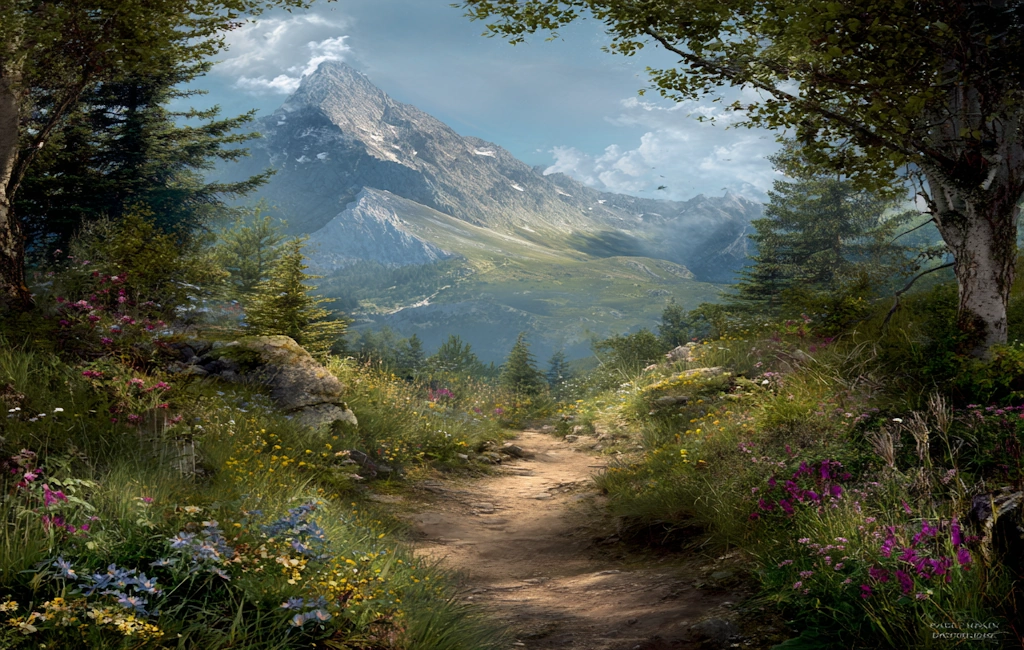
Mount Feathertop Razorback Walk
The Mount Feathertop Razorback Walk is a spectacular, challenging, and immensely rewarding day hike located in the Victorian Alps of Australia. This iconic route offers a true alpine experience, traversing the dramatic Razorback ridge to the summit of Mount Feathertop, Victoria's second-highest peak. It's a journey that demands good fitness and preparation, but the panoramic views and the sheer exhilaration of walking along a knife-edge ridge make it an unforgettable adventure for experienced hikers.
- Distance: 22.0 km return
- Elevation Gain: 1100 m
- Duration: 8-10 hours
- Difficulty: Moderate to Hard (due to distance and elevation)
- Best Time: November to April (Summer/Autumn)
- Closest City: Bright, Victoria
- Trailhead Access: Diamantina Hut, Mount Hotham Alpine Resort
- Permits: Not required for day hiking, but check Parks Victoria for alerts and closures.
Overview
The Razorback Walk is a classic alpine traverse that leads hikers from the high country plains near Diamantina Hut to the summit of Mount Feathertop, a majestic peak often described as Australia's most beautiful. The trail begins on the relatively flat, open alpine plateau, offering expansive views across the surrounding mountains. As you progress along the Razorback, the terrain becomes more dramatic. The path narrows, with steep, often precipitous drops on either side, creating a thrilling sense of exposure and a truly unique hiking experience. The ridge itself is a geological marvel, a narrow spine of rock and scree that winds its way towards the summit cone.
The walk is characterised by its changing landscapes. Initially, you'll traverse open alpine meadows dotted with wildflowers in the warmer months. As you ascend, the vegetation becomes sparser, giving way to rocky outcrops and the exposed ridge. The summit of Mount Feathertop, at 1922 metres, provides a breathtaking 360-degree panorama of the Victorian Alps, including views towards Mount Kosciuszko on clear days. The descent follows the same route, offering a different perspective on the terrain you've conquered.
This walk is best undertaken in the warmer months when snow and ice are absent from the higher sections. Even in summer, however, alpine weather can change rapidly, so preparedness is key. The distance and significant elevation gain mean this is a strenuous day hike, requiring a good level of physical fitness and endurance. The reward, however, is immense: a chance to experience the raw beauty and grandeur of the Victorian Alps from a truly spectacular vantage point.
History and Cultural Context
The Victorian Alps, including the area around Mount Feathertop, have a rich history stretching back thousands of years. Indigenous Australians, particularly the Gunaikurnai people, have a deep spiritual and cultural connection to this land, utilising its resources for millennia. The high country was a vital seasonal hunting and gathering ground, and the mountains hold significant cultural importance.
European exploration and settlement in the 19th century brought significant changes. The discovery of gold in the surrounding regions led to increased activity in the mountains, with prospectors and pastoralists venturing into the high country. The area around Mount Feathertop became known for its challenging terrain and stunning alpine scenery, attracting early adventurers and surveyors.
The development of the ski fields at Mount Hotham in the mid-20th century brought more people into the region, and the Razorback Walk became a popular, albeit challenging, route for hikers and skiers. The establishment of national parks, including the Alpine National Park, has helped to preserve the natural beauty and ecological integrity of the area, ensuring that trails like the Razorback Walk remain accessible for future generations to enjoy. The Diamantina Hut, located near the start of the walk, is a historic landmark, originally built as a shelter for travellers crossing the high country.
Seasonal Highlights and Weather Reality
The best time to undertake the Mount Feathertop Razorback Walk is during the warmer months, from November to April. During this period, the snow generally recedes from the higher elevations, making the Razorback ridge accessible and safer to traverse.
Summer (December to February): This is the most popular time for the walk. Days are longer, and the weather is typically milder. Alpine wildflowers bloom profusely, creating a vibrant carpet of colour across the meadows. However, summer can also bring intense sunshine, high UV levels, and the potential for sudden, violent thunderstorms. Sandflies can also be present, though generally less of a nuisance than in wetter coastal regions.
Autumn (March to April): Autumn offers crisp, clear air and stunning golden hues as the alpine grasses change colour. The crowds are thinner than in mid-summer, and the sandfly activity is usually minimal. The weather can be more settled, but temperatures will start to drop, and early snowfalls are possible towards the end of April.
Spring (November to December): While technically part of the warmer season, spring can be unpredictable. Snow may linger in shaded areas and on the higher sections of the Razorback, potentially making the walk more challenging or even impassable early in the season. Wildflowers begin to emerge, but the weather can be highly variable, with cold snaps and snow showers still a possibility.
Winter (May to October): The Razorback Walk is generally not recommended or accessible during winter due to heavy snow, ice, and extreme weather conditions. The Razorback ridge becomes a dangerous avalanche-prone area, and the entire route is covered in snow. Only experienced mountaineers with appropriate winter gear and knowledge should consider attempting this walk during winter conditions.
Weather is the most critical factor for this walk. Alpine weather is notoriously fickle. Be prepared for rapid changes, including strong winds, rain, fog, and a significant drop in temperature, even on a seemingly clear summer day. Always check the forecast before you go and be prepared to turn back if conditions deteriorate.
Recommended Itinerary
Day Hike: Mount Feathertop Razorback Walk
Early Morning (Approx. 7:00 AM): Start from Diamantina Hut
- Begin at the Diamantina Hut carpark, located off the Great Alpine Road near Mount Hotham.
- Ensure you have completed all essential preparations, including checking weather forecasts and packing your gear.
- The initial section of the walk is relatively flat and follows the broad alpine plateau.
- Enjoy the expansive views of the surrounding high country as the sun rises.
Morning (Approx. 7:30 AM - 11:00 AM): Traverse the Razorback Ridge
- The trail gradually descends from the plateau towards the start of the Razorback proper.
- The path becomes narrower, with steep drop-offs on either side. Take your time and enjoy the dramatic scenery.
- Key landmarks include the distinctive rock formations and the changing vegetation as you gain elevation.
- This section requires careful footing and a good head for heights.
Midday (Approx. 11:00 AM - 1:00 PM): Ascend the Summit Cone
- The final approach to the summit involves a steeper climb up the rocky cone of Mount Feathertop.
- This section can be challenging, with loose scree underfoot in places.
- Take breaks as needed and stay hydrated.
- Reach the summit cairn and enjoy the unparalleled 360-degree views.
Afternoon (Approx. 1:00 PM - 4:00 PM): Lunch and Descent Preparation
- Enjoy your packed lunch at the summit, taking in the magnificent alpine panorama.
- Spend time appreciating the scale of the Victorian Alps.
- Begin your descent, retracing your steps along the Razorback ridge.
- Be mindful that descending can be just as challenging as ascending, especially on the steeper sections.
Late Afternoon (Approx. 4:00 PM - 6:00 PM): Return to Diamantina Hut
- Continue your descent back towards the alpine plateau.
- The light will be changing, offering a different perspective on the landscape.
- Arrive back at the Diamantina Hut carpark, completing your challenging and rewarding day hike.
Important Notes:
- This is a strenuous day hike; ensure you are physically prepared.
- Weather can change rapidly; always carry appropriate gear for all conditions.
- Carry sufficient water and food, as there are no facilities along the track.
- Inform someone of your hiking plans and expected return time.
- Be aware of your surroundings and the potential for loose scree and steep drop-offs.
Planning and Bookings
Book Your Trip
Everything you need to plan your journey
Accommodation
Find places to stay near Bright
Flights
Search flights to Bright
Essential Preparation
The Mount Feathertop Razorback Walk is a significant undertaking that requires thorough preparation. Given its remote alpine location and the potential for rapidly changing weather, meticulous planning is crucial for a safe and enjoyable experience. Start by assessing your fitness level; this is a long hike with substantial elevation gain, so a good level of cardiovascular fitness and leg strength is essential. Ensure you have broken in your hiking boots to prevent blisters, which can quickly end your day.
The closest major town and logistical hub is Bright, Victoria. Bright offers a range of accommodation options, from caravan parks and motels to boutique hotels. It also has supermarkets for stocking up on food and supplies, outdoor gear shops for any last-minute purchases, and cafés and restaurants. From Bright, it's approximately a 1-hour drive to Harrietville, and then a further 45-minute to 1-hour drive up the winding, unsealed (but generally 2WD accessible) road to the Mount Hotham Alpine Resort area, where Diamantina Hut is located. Be aware that this road can be affected by snow and ice during colder months, so check road conditions before you travel.
It is highly recommended to check the Parks Victoria website for any alerts, track closures, or fire bans that may be in effect for the Alpine National Park. Informing a reliable contact of your hiking plans, including your intended route and expected return time, is a vital safety measure.
Trail Accommodation
This is a day hike requiring no overnight accommodation.
Required Gear
- Sturdy Hiking Boots: Waterproof, with good ankle support and a well-worn sole. Essential for navigating uneven terrain and scree.
- Backpack: A comfortable daypack (20-30 litres) to carry your essentials. Ensure it has a good hip belt for stability.
- Waterproof Jacket: A high-quality, breathable waterproof and windproof jacket is non-negotiable. Alpine weather can change in an instant.
- Waterproof Overtrousers: Essential for protection against wind and rain.
- Warm Layers: Multiple layers are key. Include a thermal base layer (merino wool or synthetic), a fleece or insulated mid-layer, and a warm hat (beanie) and gloves. Even in summer, temperatures can drop significantly at higher altitudes.
- Navigation Tools: A detailed topographic map of the area, a compass, and a GPS device or smartphone with offline maps downloaded. Mobile phone reception is unreliable in the high country.
- First-Aid Kit: Comprehensive kit including blister treatment, pain relievers, antiseptic wipes, bandages, and any personal medications.
- Head Torch: With spare batteries, in case your hike extends beyond daylight hours.
- Sun Protection: High SPF sunscreen, sunglasses, and a wide-brimmed hat. The sun's rays are intense at altitude, even on cloudy days.
- Emergency Shelter: A lightweight emergency bivvy bag or space blanket can be a lifesaver in unexpected situations.
What to Bring
- Food: Plenty of high-energy food for the entire day. This includes sandwiches, wraps, trail mix, energy bars, fruit, and nuts. Pack more than you think you'll need.
- Water: Carry at least 2-3 litres of water per person. There are no reliable water sources along the Razorback ridge itself. If you plan to refill, carry a water filter or purification tablets, but be aware that water availability is scarce and unreliable.
- Toiletries: Biodegradable toilet paper, hand sanitiser, and a small trowel for burying human waste if necessary (though packing out is preferred).
- Insect Repellent: While not as prevalent as in some other Australian regions, sandflies can be present, especially in warmer, still conditions.
- Trekking Poles: Highly recommended for stability on steep ascents and descents, and to reduce strain on your knees.
- Camera: To capture the incredible scenery.
- Small Repair Kit: Including duct tape and a multi-tool for minor gear repairs.
Permits
No specific permits are required for day hiking the Mount Feathertop Razorback Walk. However, it is essential to be aware of and adhere to the regulations of the Alpine National Park, managed by Parks Victoria.
Key Regulations and Considerations:
- Fire Restrictions: During warmer months, fire bans are common in the Alpine National Park. Always check the Parks Victoria website or local ranger station for current fire danger ratings and any restrictions before you go. Campfires are generally prohibited in the high country.
- Park Entry: There are no park entry fees for the Alpine National Park.
- Vehicle Access: The road to Diamantina Hut is unsealed and can be rough in places. While generally accessible by 2WD vehicles, conditions can vary, especially after rain. Check road conditions with Parks Victoria or local authorities before travelling. During winter, this road may be closed due to snow and ice.
- Dog Policy: Dogs are generally not permitted in national parks, including the Alpine National Park, to protect native wildlife.
- Camping: Overnight camping is not permitted along the Razorback ridge itself. If you plan to camp in the broader Alpine National Park, ensure you are aware of designated camping areas and regulations.
Always check the Parks Victoria website for the most up-to-date information regarding alerts, track closures, and any specific regulations that may apply to the Alpine National Park.
Other Activities in the Area
The region around Mount Feathertop and Mount Hotham offers a wealth of activities for outdoor enthusiasts:
- Mount Hotham Ski Resort: During winter, Mount Hotham is a premier destination for skiing and snowboarding. In summer, the resort area offers walking trails and scenic drives.
- Dingo Dell Nature Walk: A short, easy walk near Mount Hotham that provides opportunities to see native Australian wildlife, including kangaroos and wallabies, in their natural habitat.
- Mount Loch: Another accessible peak near Mount Hotham offering excellent panoramic views. The walk to the summit is shorter and less demanding than the Razorback.
- Dinner Plain: A charming alpine village offering accommodation, dining, and walking opportunities. It's a great base for exploring the surrounding high country.
- Harrietville: A historic gold mining town at the base of the mountain, offering a glimpse into the region's past and a pleasant place to relax.
- Caves Road: Explore the network of unsealed roads in the broader Alpine National Park for scenic drives and access to various walking tracks. Always ensure your vehicle is suitable for unsealed roads.
- Fishing: Several rivers and streams in the valleys below the high country offer trout fishing opportunities.
Safety and Conditions
Pre-Departure Checks:
- Weather Forecast: This is paramount. Check the Bureau of Meteorology (BOM) for the Mount Hotham summit forecast and any severe weather warnings. Be prepared for rapid changes – sun, wind, rain, fog, and even snow can occur on the same day.
- Parks Victoria Alerts: Visit the Parks Victoria website for any track closures, fire bans, or other alerts for the Alpine National Park.
- Road Conditions: Check VicTraffic for any road closures or conditions on the Great Alpine Road, especially if travelling during shoulder seasons or after heavy rain.
- Inform Someone: Always let a reliable person know your hiking plans, including your intended route, start time, and expected return time.
On the Trail:
- Navigation: Carry a map, compass, and GPS device (or smartphone with offline maps). Mobile reception is extremely limited to non-existent in most of the high country. Do not rely on your phone alone.
- Terrain: The Razorback ridge is narrow with steep drop-offs on both sides. Maintain focus, wear appropriate footwear, and use trekking poles for stability. Be aware of loose scree, especially on the summit cone.
- Weather Changes: If the weather deteriorates rapidly (e.g., fog rolls in, wind intensifies, rain starts), do not hesitate to turn back. Visibility can drop to near zero very quickly, making navigation extremely difficult and dangerous. Hypothermia is a real risk, even in summer, due to wind chill and wet conditions.
- Water: Carry all the water you need for the day. There are no reliable water sources on the Razorback ridge.
- Wildlife: While generally shy, be aware of native wildlife. Do not feed any animals.
- Emergency: In case of an emergency, call Triple Zero (000). If you have a Personal Locator Beacon (PLB) or satellite phone, use it.
Fitness: This is a long and demanding day hike. Ensure you are physically prepared for 8-10 hours of continuous walking with significant elevation gain. If you are unsure about your fitness, consider shorter walks in the area first.
Side Trips and Points of Interest
Diamantina Hut: This historic hut, built in the 1930s, serves as a key landmark and shelter for travellers in the high country. While not a destination in itself, it marks the beginning and end of the Razorback Walk and offers a glimpse into the history of alpine exploration and transport in the region.
The Razorback Ridge: The defining feature of this walk. The ridge itself is a geological marvel, a narrow spine of rock and scree that offers a thrilling sense of exposure and unparalleled panoramic views. The constantly changing perspectives as you traverse the ridge are a highlight, with dramatic drops to the valleys below and sweeping vistas of the surrounding peaks.
Summit of Mount Feathertop: At 1922 metres, Mount Feathertop is Victoria's second-highest peak and is renowned for its beauty. The summit offers a breathtaking 360-degree panorama of the Victorian Alps. On a clear day, you can see as far as Mount Kosciuszko in New South Wales. It's the ultimate reward for the challenging hike.
Alpine Flora and Fauna: Depending on the season, you may encounter a variety of alpine wildflowers, particularly in the meadows near Diamantina Hut and on the lower slopes of Mount Feathertop. Keep an eye out for native wildlife such as kangaroos, wallabies, and various bird species. The hardy alpine vegetation is adapted to the harsh conditions and is a testament to nature's resilience.
Views of the Kiewa Valley and Ovens Valley: From the summit and along the ridge, you can often see the distinct patchwork of farmland and forests in the Kiewa Valley to the east and the Ovens Valley to the south, providing a contrast to the rugged alpine landscape.
Leave No Trace
The Mount Feathertop Razorback Walk traverses a fragile alpine environment. Adhering to Leave No Trace principles is crucial to preserving this beautiful landscape for future generations.
Your responsibility as a walker:
- Pack It In, Pack It Out: Carry out all rubbish, including food scraps, wrappers, and any other waste you generate. Do not bury or burn rubbish.
- Stay on the Track: The alpine environment is easily damaged. Stick to the marked trail to avoid trampling fragile vegetation, disturbing wildlife, and causing erosion. The Razorback ridge is particularly sensitive.
- Dispose of Waste Properly: Use designated toilet facilities where available (though none exist on this trail). If you must go in the backcountry, dig a cathole at least 10 metres away from water sources, trails, and campsites, and bury human waste and toilet paper. Pack out all toilet paper.
- Leave What You Find: Do not remove or disturb natural objects such as rocks, plants, or flowers. Take only photographs and memories.
- Minimise Campfire Impacts: Campfires are generally prohibited in the Alpine National Park, especially in the high country. If permitted in designated areas (which are not on this route), use existing fire rings and keep fires small. Ensure fires are completely extinguished.
- Respect Wildlife: Observe wildlife from a distance and never feed them. Feeding animals can disrupt their natural behaviours and diets, and can make them dependent on humans.
- Be Considerate of Other Visitors: Keep noise levels down and yield to other hikers, especially on narrow sections of the track.
By following these principles, you help ensure that the Mount Feathertop Razorback Walk remains a pristine and enjoyable experience for everyone.
 Australia