
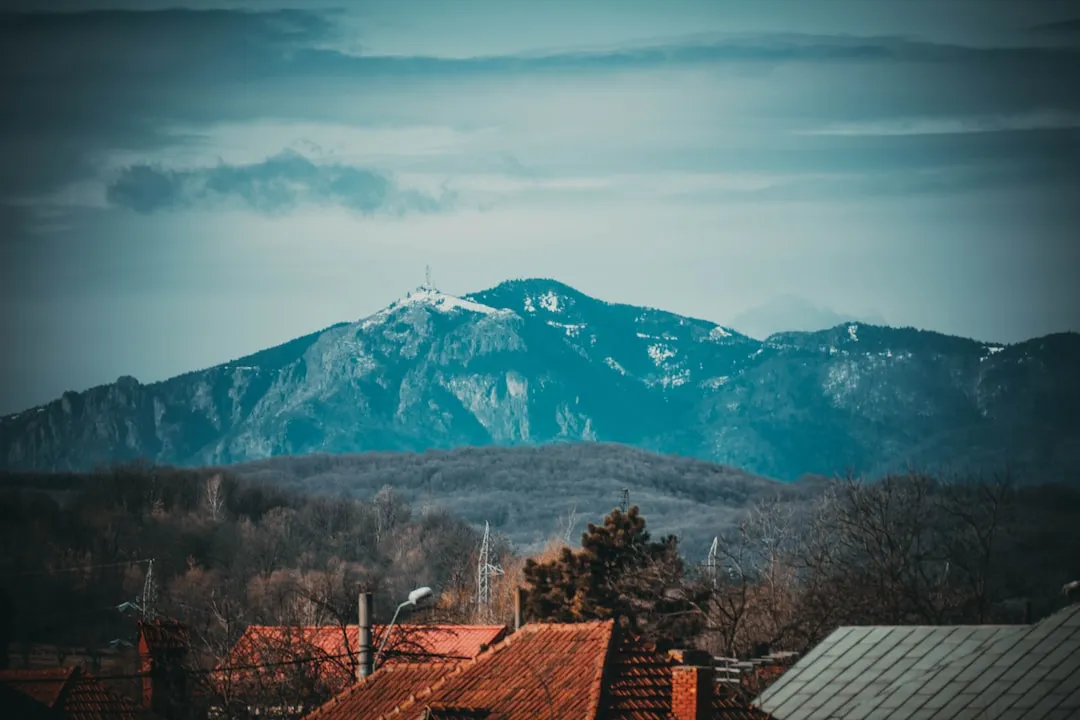
Rarau Rock Formations Trail
The Rarau Rock Formations Trail is a captivating day walk nestled in the heart of Romania's picturesque Carpathian Mountains. This trail offers a moderate challenge, leading hikers through diverse landscapes to discover a series of unique and striking rock formations. With a significant elevation gain over a relatively short distance, it provides a rewarding experience for those seeking natural beauty and geological wonders. The trail is best enjoyed during the warmer months when the mountain paths are clear and the weather is most favourable for exploration. Its accessibility from Campulung Moldovenesc makes it a popular choice for both local adventurers and international visitors looking to experience the rugged charm of Romanian nature.
- Distance: 12.5 km one-way
- Duration: 5–7 hours
- Elevation gain: 800 m
- Season: May to October
- Difficulty: Moderate
- Closest City: Campulung Moldovenesc
- Trailhead Access: Nearest airport: Suceava (SCV). From Suceava, take a bus or taxi to Campulung Moldovenesc, then a local bus/taxi to Gura Humorului, followed by a taxi/private transport to the trailhead near the Rarau Monastery. Road conditions vary. Parking available near the monastery. No permits required.
- Coordinates: 47.4485, 25.5372
Overview
The Rarau Rock Formations Trail is a journey into a landscape sculpted by time and the elements. This moderate-difficulty day walk spans 12.5 kilometres, ascending a substantial 800 metres to reveal a series of impressive geological features. The trail begins its ascent from the vicinity of the Rarau Monastery, a significant cultural landmark in the region. As you gain altitude, the terrain transitions from gentle forest paths to steeper, more rugged sections, offering increasingly expansive views of the surrounding Rarău Mountains and the valleys below.
The primary draw of this trail is its namesake: the unique rock formations. These natural sculptures, carved by millennia of erosion, present a dramatic contrast to the verdant forests and alpine meadows. Hikers will encounter towering spires, weathered monoliths, and intricate rock faces that spark the imagination. The trail is well-marked for the most part, though some sections may require careful navigation, especially after periods of rain. The moderate difficulty is primarily due to the sustained elevation gain, which requires a reasonable level of fitness. The 5-7 hour duration allows ample time to appreciate the scenery, take photographs, and rest at various viewpoints.
The best time to undertake this walk is between May and October. During these months, the weather is generally more stable, and the mountain paths are typically free of snow and ice. Spring offers blooming wildflowers, while autumn provides a spectacular display of changing foliage. The closest major town, Campulung Moldovenesc, serves as a convenient base for accessing the trailhead, offering accommodation and amenities for hikers preparing for or recovering from their adventure.
History and Cultural Context
The Rarău Mountains, and the area surrounding the Rarau Monastery, have a rich history intertwined with both natural phenomena and human settlement. The monastery itself, dating back to the 16th century, stands as a testament to the region's spiritual and cultural heritage. Founded by Moldavian princes, it has long been a centre of religious life and a sanctuary in these remote mountains. The presence of the monastery suggests a long history of human presence and exploration in the area, likely involving local communities utilising the mountain resources and pathways.
The geological formations that define the Rarau Rock Formations Trail are the result of natural processes that have been occurring for millions of years. The Rarău Mountains are part of the Eastern Carpathians, a range known for its diverse geology, including sedimentary rocks that have been uplifted, folded, and eroded. The specific rock types in this area are susceptible to weathering, with water, wind, and temperature fluctuations gradually shaping them into the distinctive shapes seen today. These formations have likely been observed and perhaps even revered by local populations for centuries, featuring in folklore or local legends, though specific documented historical accounts of the formations themselves as a primary attraction are less common than those concerning the monastery.
The development of the Rarau Rock Formations Trail as a designated hiking route is a more recent phenomenon, driven by an increasing interest in ecotourism and outdoor recreation in Romania. As the country has opened up to international tourism, efforts have been made to map, mark, and maintain trails that showcase its natural beauty. The trail's moderate difficulty and accessible trailhead near the monastery make it an ideal candidate for inclusion in regional hiking networks, allowing visitors to combine cultural exploration with a rewarding physical challenge and an appreciation for the area's unique geological heritage.
Seasonal Highlights and Weather Reality
The Rarau Rock Formations Trail is a seasonal walk, with the period from May to October offering the most favourable conditions for hikers. During these months, the Carpathian Mountains experience milder temperatures and significantly reduced chances of snow and ice on the trails.
Spring (May - June): This period marks the awakening of the mountains after winter. Wildflowers begin to bloom, painting the meadows with vibrant colours. The forests are lush and green, and the air is fresh. While generally pleasant, spring can still bring unpredictable weather, including occasional rain showers and cooler temperatures, especially at higher elevations. The rock formations will be clear of snow, but some higher sections of the trail might still be damp.
Summer (July - August): Summer is typically the warmest and most stable period for hiking. The days are long, providing ample daylight for exploration. The vegetation is at its peak, and the views from higher points can be spectacular. However, summer can also bring occasional thunderstorms, particularly in the afternoons. It is essential to be prepared for sudden changes in weather, including heavy rain and strong winds, which can occur even on clear mornings. Sandflies are generally not a significant issue in this region, unlike some other mountainous areas.
Autumn (September - October): Autumn offers a different kind of beauty. The deciduous forests transform into a breathtaking tapestry of reds, oranges, and yellows. The air is crisp, and the skies are often clear, providing excellent visibility. This is a popular time for hikers due to the stunning foliage and cooler, more comfortable temperatures. However, as October progresses, temperatures will drop, and the first snowfalls can occur, potentially making the higher sections of the trail hazardous. It is advisable to check weather forecasts closely if planning a hike in late October.
Winter (November - April): The trail is generally not recommended for hiking during the winter months due to heavy snowfall, icy conditions, and the risk of avalanches. The Rarau Monastery may still be accessible, but the hiking trails will be covered in snow and require specialised winter mountaineering equipment and expertise.
Recommended Itinerary
Day Walk: Rarau Rock Formations Trail
Early Morning (Approx. 8:00 AM): Arrival and Preparation
- Arrive at the trailhead near Rarau Monastery.
- Final gear check: ensure boots are tied, water bottles are full, and layers are adjusted.
- Brief orientation to the trail markers and the general direction of ascent.
- Take a moment to appreciate the monastery and the initial mountain vistas.
Morning (Approx. 8:30 AM - 12:00 PM): Ascent Through Forests
- Begin the hike from the vicinity of Rarau Monastery.
- The initial section follows a well-trodden path, gradually ascending through mixed forest.
- Observe the changing flora and fauna as you gain elevation.
- The path may become steeper and more rugged in places, requiring careful footing.
- Pass through clearings offering glimpses of the valley below.
- Reach the lower sections of the rock formations, where the landscape begins to open up.
Midday (Approx. 12:00 PM - 1:30 PM): Reaching the Rock Formations and Lunch Break
- Arrive at the primary area of the Rarau Rock Formations.
- Spend time exploring the most prominent and accessible formations.
- Find a suitable spot for a packed lunch, enjoying the panoramic views.
- Take photographs of the unique geological structures and the surrounding mountain scenery.
- This is the highest point of the main trail, offering expansive vistas.
Afternoon (Approx. 1:30 PM - 4:00 PM): Descent and Return
- Begin the descent back towards the trailhead.
- The descent can be as challenging as the ascent, requiring concentration on foot placement.
- Retrace your steps through the forest, enjoying the different perspective on the landscape.
- The trail may feel quicker on the way down, but it's important to maintain a steady pace.
- Arrive back at the trailhead near Rarau Monastery.
Late Afternoon (Approx. 4:00 PM onwards): Departure
- Optional: Visit Rarau Monastery for a brief cultural exploration.
- Depart from the trailhead, reflecting on the day's adventure.
Important Notes:
- This is a day hike; no overnight accommodation is required.
- Carry sufficient water and food for the entire duration of the walk.
- Wear sturdy hiking boots and dress in layers suitable for mountain weather.
- Be prepared for potential changes in weather, especially wind and rain.
- The trail is marked, but carrying a map or GPS device is advisable.
Planning and Bookings
Book Your Trip
Everything you need to plan your journey
Accommodation
Find places to stay near Campulung Moldovenesc
Flights
Search flights to Campulung Moldovenesc
Essential Preparation
The Rarau Rock Formations Trail is a day walk, meaning no advance booking for accommodation is necessary. However, thorough preparation is key to a safe and enjoyable experience. The closest major town and logistical hub is Campulung Moldovenesc. From Campulung Moldovenesc, you will need to arrange transport to the trailhead near Rarau Monastery. This can be done via local buses, taxis, or a pre-booked private transfer. Road conditions leading to the monastery can vary, especially after heavy rain, so a vehicle with reasonable clearance is advisable if self-driving. It is recommended to base yourself in Campulung Moldovenesc or a nearby town the night before your hike to ensure an early start. This allows ample time to complete the walk within daylight hours and to enjoy the scenery without feeling rushed. Familiarise yourself with the route using maps or GPS devices, as mobile signal can be intermittent in mountainous areas.
Trail Accommodation
This is a day hike requiring no overnight accommodation.
Required Gear
- Sturdy hiking boots: Waterproof and with good ankle support are essential for navigating uneven terrain and potential wet conditions.
- Waterproof jacket: A breathable, waterproof outer layer is crucial for protection against rain and wind, which can change rapidly in the mountains.
- Waterproof overtrousers: Recommended for full protection during wet weather.
- Backpack: A comfortable daypack (20-30 litres) to carry essentials.
- Navigation tools: A map of the area, a compass, and/or a GPS device or smartphone with offline maps downloaded.
- First-aid kit: Including blister treatment, bandages, antiseptic wipes, pain relievers, and any personal medications.
- Head torch: With spare batteries, in case of unexpected delays or early starts/late finishes.
- Sun protection: Sunscreen, sunglasses, and a hat, as sun exposure can be intense at higher altitudes.
What to Bring
- Food: A packed lunch, energy bars, and snacks to sustain you throughout the 5-7 hour hike.
- Water: At least 1.5-2 litres of water per person. Water sources may be available but should be treated before consumption.
- Water treatment: A water filter or purification tablets as a backup.
- Toiletries: Biodegradable soap, toothbrush, toothpaste, and hand sanitiser. Pack out all waste.
- Insect repellent: While not as prevalent as in some other regions, it's wise to carry repellent, especially during warmer months.
- Warm layers: A fleece or insulating mid-layer, and a hat and gloves, as temperatures can drop significantly at higher elevations, even in summer.
- Trekking poles: Optional, but can be very helpful for stability on ascents and descents, reducing strain on knees.
- Camera: To capture the stunning rock formations and panoramic views.
Permits
No specific permits are required to hike the Rarau Rock Formations Trail. The trail is located within a region that is generally accessible to the public for recreational purposes. However, it is always advisable to check for any local regulations or temporary restrictions that may be in place, particularly if visiting during peak seasons or if there are any specific conservation efforts underway. The area around Rarau Monastery may have its own visitor guidelines, which should be respected.
Other Activities in the Area
The region surrounding Campulung Moldovenesc and the Rarau Monastery offers several other attractions and activities for visitors:
- Visit Rarau Monastery: Explore the historic monastery, admire its architecture, and learn about its cultural significance. It's a peaceful place offering beautiful views.
- Explore Campulung Moldovenesc: This town is a good base for exploring local crafts, traditional Romanian cuisine, and the general atmosphere of the Maramureș region.
- Gura Humorului: A nearby town known for its salt mine and recreational facilities, offering a different kind of excursion.
- Painted Monasteries of Bucovina: While a longer day trip, the UNESCO World Heritage sites of the painted monasteries (like Voroneț, Moldovița, Sucevița) are a must-see for their unique exterior frescoes and historical importance. These are typically accessed from cities like Suceava or Gura Humorului.
- Local Markets: If your visit coincides with market days, explore local produce, handmade crafts, and traditional foods.
- Scenic Drives: The roads through the Carpathian Mountains offer stunning vistas. Consider a scenic drive through the surrounding countryside, stopping at viewpoints along the way.
Safety and Conditions
Trail Conditions: The Rarau Rock Formations Trail is generally well-marked, but conditions can vary. The path can be steep, rocky, and uneven, especially as you approach the rock formations. After rain, sections of the trail can become slippery and muddy. It is advisable to check local weather forecasts before setting out and to be prepared for rapid changes in mountain weather, including wind, rain, and fog, which can significantly reduce visibility.
Fitness Level: The trail is rated as moderate due to the 800-metre elevation gain over 12.5 kilometres. Hikers should have a reasonable level of cardiovascular fitness and be comfortable walking on inclines for extended periods. If you are not accustomed to hiking with significant elevation gain, consider a shorter, less strenuous walk first.
Navigation: While the trail is marked, it is always recommended to carry a map and compass or a GPS device with offline maps. Mobile phone reception can be unreliable in mountainous areas, so do not solely rely on your phone for navigation or communication.
Wildlife: While large predators are rare in this specific hiking area, be aware of your surroundings. You may encounter smaller wildlife such as deer, foxes, or various bird species. It is important not to feed any wild animals.
Emergency Procedures: In case of an emergency, try to remain calm. If you have mobile signal, call the emergency services (112 in Romania). If not, try to make your way back to the trailhead or a place where you can get assistance. Inform someone of your hiking plans, including your expected return time, before you set off.
Hydration and Nutrition: Carry sufficient water and high-energy food. Dehydration and fatigue can impair judgment and increase the risk of accidents. Take regular breaks to drink and eat.
Side Trips and Points of Interest
Rarau Monastery: While not a side trip in the traditional sense, the monastery itself is a significant point of interest. Its historical architecture and serene atmosphere offer a cultural counterpoint to the natural beauty of the trail. Visitors can explore the monastery grounds and learn about its history, which dates back to the 16th century.
Panoramic Viewpoints: Throughout the ascent and particularly around the main rock formations, numerous viewpoints offer stunning vistas of the Rarău Mountains and the surrounding valleys. These spots are ideal for photography and for taking a moment to appreciate the scale and beauty of the landscape. Keep an eye out for distinct rock outcrops that provide elevated perspectives.
Unique Flora and Fauna: Depending on the season, the trail passes through diverse ecosystems. In spring and early summer, keep an eye out for alpine wildflowers. The forests are home to various bird species, and if you are lucky, you might spot some of the region's native mammals. The trail offers opportunities for nature observation beyond just the rock formations.
Geological Features: Beyond the main cluster of rock formations, the trail may pass by smaller, interesting geological features. These could include unusual rock striations, small caves, or weathered outcrops that showcase the ongoing process of erosion and geological change in the area.
Leave No Trace
The Rarau Rock Formations Trail, like all natural environments, benefits greatly from responsible visitor behaviour. Adhering to Leave No Trace principles ensures that this beautiful area remains pristine for future generations and minimises our impact on the local ecosystem.
Plan Ahead and Prepare: Familiarise yourself with the trail, weather conditions, and any local regulations before you go. Pack appropriately for the conditions and carry sufficient food and water.
Travel and Camp on Durable Surfaces: Stick to the marked trail. Avoid cutting switchbacks or walking on fragile vegetation, as this can lead to erosion and damage. The trail itself is the designated durable surface.
Dispose of Waste Properly: Pack out everything you pack in. This includes all food scraps, wrappers, and any other litter. Use designated toilet facilities if available, or if not, dig a cathole at least 60 metres away from water sources, trails, and campsites, and bury human waste. Pack out used toilet paper.
Leave What You Find: Do not remove any natural objects, such as rocks, plants, or flowers. Take only photographs and memories.
Minimise Campfire Impacts: As this is a day hike, campfires are not applicable. However, if you were to camp in the wider area, always use established fire rings or portable stoves, and ensure fires are completely extinguished.
Respect Wildlife: Observe wildlife from a distance. Never feed animals, as this can disrupt their natural behaviours and diets, and can make them dependent on human food. Store your food securely.
Be Considerate of Other Visitors: Keep noise levels down and yield to other hikers on the trail. Allow others to enjoy the peace and natural beauty of the area.
Useful Links
- Official Tourism Portal for Campulung Moldovenesc (Note: Specific trail information may be limited, focus on regional tourism)
- Bucovina Tourism Information (Rarau Mountains are part of this broader region)
- Rarau Monastery Weather Forecast (Example of a mountain weather service)
- Romanian Bus Timetables (For planning travel to Campulung Moldovenesc)
- General Information on Campulung Moldovenesc