
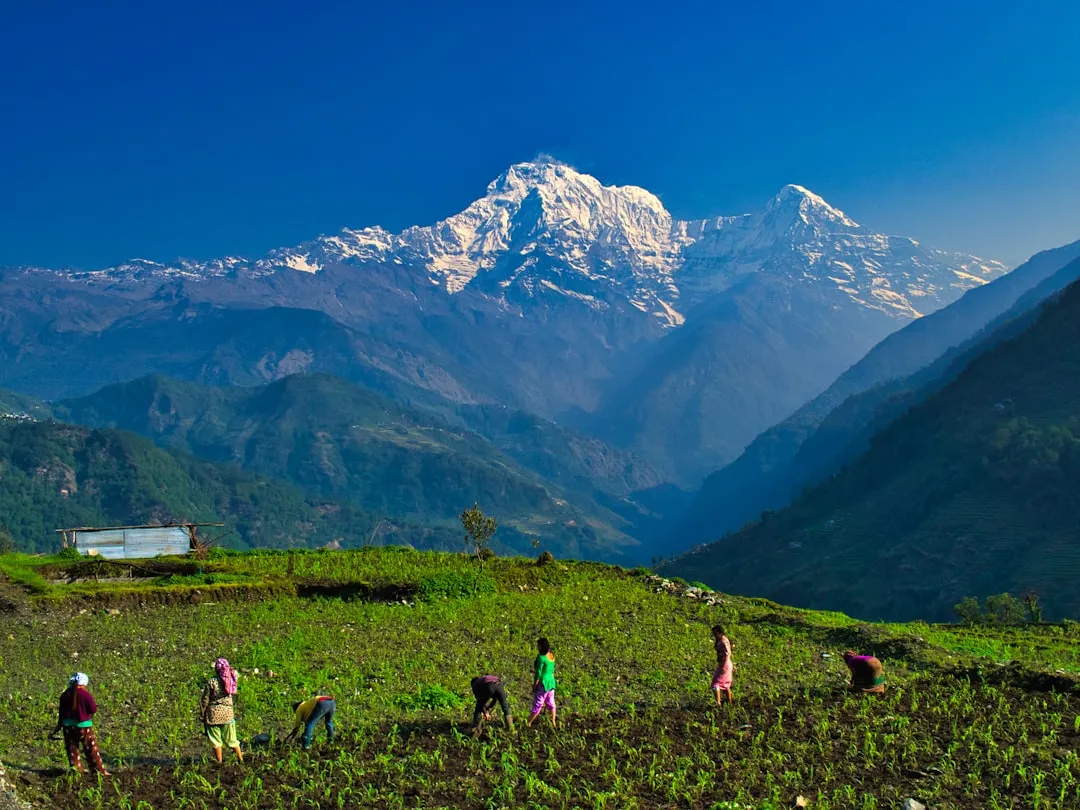
Rara Lake Trek - Nepal's Largest Lake
The Rara Lake Trek is a captivating journey into the heart of Nepal's remote Mugu district, culminating at the pristine Rara Lake, the country's largest natural freshwater lake. Nestled at an altitude of 3,060 metres, Rara Lake is a jewel set amidst the rugged beauty of the Himalayas, surrounded by dense pine forests and snow-capped peaks. This trek offers a unique opportunity to experience the unspoiled natural beauty and the distinct culture of western Nepal, far from the bustling tourist trails of the Annapurna and Everest regions. The trek is renowned for its stunning scenery, diverse flora and fauna, and the sense of profound tranquility it offers. It's a moderate trek that rewards adventurers with unparalleled vistas and a deep connection to nature.
- Country: Nepal
- Category: Multi-Day Walk
- Distance: Approximately 50.0 km (round trip from trailheads)
- Elevation Gain: Approximately 3,200 m (cumulative)
- Duration: 8–12 days (including travel to/from trailheads)
- Difficulty: Moderate
- Best Time: April–May and September–October
- Closest City: Nepalgunj
- Trailhead Access: Fly to Nepalgunj Airport (KEP). Take a bus or jeep to Surkhet, then another jeep to Gothichaur (a common starting point). Road conditions are rough; allow ample travel time. No formal parking. Permits may be required at the Gamgadhi (Rara) entry point.
- Coordinates: 29.5217, 82.0724
Overview
The Rara Lake Trek is an expedition into a less-travelled corner of Nepal, offering a stark contrast to the more popular trekking routes. The journey begins with a flight to Nepalgunj, a bustling city in the Terai plains, before transitioning to rugged jeep tracks that lead towards the foothills of the Himalayas. The trek itself is a gradual ascent through diverse landscapes, starting from subtropical forests and gradually climbing through oak, rhododendron, and pine forests. The trail winds through remote villages, offering glimpses into the lives of the local Magar and Tharu communities, whose cultures are distinct from those found in central and eastern Nepal.
The highlight of the trek is undoubtedly Rara Lake itself. This vast, shimmering expanse of turquoise water, often referred to as the "Queen of the Himalayas," is breathtaking. The lake is surrounded by the Rara National Park, a sanctuary for diverse wildlife, including the endangered red panda, musk deer, and various species of birds. The trek offers panoramic views of the surrounding snow-capped peaks, including the majestic Kanjiroba Himal. The sense of remoteness and the pristine natural environment make the Rara Lake Trek a truly unique and rewarding experience for those seeking an authentic Himalayan adventure.
The trek is considered moderate due to its altitude and the length of daily walks, but it requires a good level of fitness. The remoteness means that facilities are basic, and trekkers must be prepared for a more rustic experience. The best times to visit are spring (April-May) and autumn (September-October), when the weather is generally stable, and the skies are clear, offering excellent mountain views and pleasant trekking conditions. During these periods, the rhododendrons bloom in spring, adding a splash of vibrant colour to the landscape.
History and Cultural Context
The Mugu district, where Rara Lake is located, has historically been one of Nepal's most remote and underdeveloped regions. Its isolation has preserved its unique cultural heritage and natural environment. For centuries, the area has been inhabited by indigenous communities, primarily the Magar and Tharu people, who have maintained their traditional ways of life, largely untouched by modern influences. The Rara Lake itself holds cultural significance for the local people, often revered as a sacred site.
The establishment of Rara National Park in 1976 was a pivotal moment in the region's history. The park was created to protect the unique ecosystem of Rara Lake and its surrounding forests, as well as to conserve the habitat of endangered species like the red panda and musk deer. The park's creation also marked the beginning of efforts to promote tourism in the region, albeit in a controlled and sustainable manner, aiming to bring economic benefits to the local communities while preserving the natural and cultural integrity of the area.
The Rara Lake Trek gained popularity as a trekking destination in the late 20th century, particularly as trekkers sought out less crowded and more off-the-beaten-path experiences in Nepal. Despite increased accessibility through improved road networks and the development of local airstrips, the region retains its remote charm. The trek offers a rare opportunity to witness a way of life that has remained largely unchanged for generations, providing a profound cultural immersion alongside its natural wonders.
Seasonal Highlights and Weather Reality
The Rara Lake Trek is best undertaken during two distinct seasons, each offering a unique experience:
Spring (April–May): This is an ideal time for the trek. The weather is generally pleasant, with mild temperatures and clear skies, offering excellent visibility of the surrounding mountains. The rhododendrons, Nepal's national flower, are in full bloom during this period, painting the hillsides in vibrant shades of red, pink, and white. The forests are alive with the sounds of birds, and the overall atmosphere is one of renewal and natural beauty. Temperatures typically range from 10°C to 20°C during the day, dropping to around 0°C to 5°C at night.
Autumn (September–October): This season is also highly recommended. The monsoon rains have subsided, leaving the air clean and the skies clear. The landscape is lush and green, and the mountain views are spectacular. The temperatures are cool and comfortable for trekking, ranging from 15°C to 25°C during the day and dropping to 5°C to 10°C at night. This is a great time for photography, with excellent light conditions.
Monsoon (June–August): This period is generally not recommended for trekking. Heavy rainfall can make the trails muddy and slippery, and visibility can be poor, obscuring mountain views. Landslides can also be a risk on the rough road sections leading to the trailheads. While the landscape is incredibly green during this time, the trekking experience can be challenging and less enjoyable.
Winter (November–March): While possible, winter trekking to Rara Lake is for the more adventurous. Temperatures can drop significantly below freezing, especially at higher altitudes, and snow can block the trails, particularly around Rara Lake and higher passes. Days are shorter, and the cold can be intense. However, for those prepared for winter conditions, the landscape can be stunningly beautiful with a dusting of snow, and the trails are virtually empty.
Recommended Itinerary
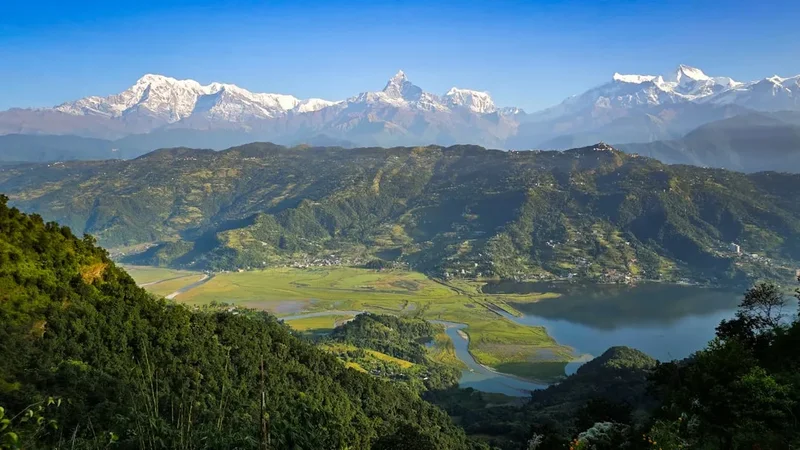
Rara Lake Trek - Sample Itinerary (8 Days)
Day 1: Arrival in Nepalgunj & Travel to Surkhet
- Fly from Kathmandu to Nepalgunj (approx. 1 hour)
- Upon arrival, take a jeep or bus to Surkhet (approx. 4–5 hours)
- Check into a hotel in Surkhet and rest
- This day is primarily for travel and acclimatisation to the lower altitude
Day 2: Surkhet to Gothichaur (Trailhead)
- Early morning departure by jeep from Surkhet to Gothichaur (approx. 8–10 hours)
- The road is rough and winding, passing through diverse landscapes
- Gothichaur is a small village and the traditional starting point for the trek
- Overnight stay in a local teahouse or lodge in Gothichaur
Day 3: Gothichaur to Pawa (Chautha)
- Distance: Approx. 12 km
- Elevation gain: Approx. 800 m
- Time: 5–6 hours
- Begin the trek, ascending through pine and oak forests
- Pass through small villages and terraced fields
- Reach Pawa (also known as Chautha), a small settlement with basic teahouses
- Enjoy the initial immersion into the Himalayan foothills
Day 4: Pawa (Chautha) to Rara Lake (Murma Village)
- Distance: Approx. 10 km
- Elevation gain: Approx. 700 m
- Time: 4–5 hours
- Continue the ascent, the trail becoming steeper
- Pass through rhododendron forests, especially beautiful in spring
- Reach the ridge overlooking Rara Lake
- Descend to Murma Village, located near the southern shore of Rara Lake
- Set up camp or stay in a local teahouse
Day 5: Exploration of Rara Lake
- Full day dedicated to exploring Rara Lake and its surroundings
- Walk around the lake (approx. 13 km circumference)
- Visit the Rara National Park headquarters
- Enjoy panoramic views from viewpoints like Murma Top
- Observe the diverse birdlife and flora
- Optional activities: boating on the lake (if available and permitted), photography
- Overnight at Murma Village or a designated campsite
Day 6: Rara Lake to Pina
- Distance: Approx. 15 km
- Elevation loss: Approx. 900 m
- Time: 6–7 hours
- Begin the descent, retracing some of the route
- The trail offers different perspectives of the landscape
- Reach Pina, a small village with teahouse facilities
- Enjoy a final evening in the remote Himalayas
Day 7: Pina to Gamgadhi & Travel to Manma
- Distance: Approx. 10 km (trekking) + jeep travel
- Elevation loss: Approx. 500 m (trekking)
- Time: 3–4 hours (trekking) + 4–5 hours (jeep)
- Trek from Pina to Gamgadhi, the district headquarters of Mugu
- From Gamgadhi, take a jeep towards Manma (or another accessible point for onward travel)
- The road conditions can be challenging
- Overnight in Manma or a nearby town depending on road access and availability
Day 8: Manma to Nepalgunj & Departure
- Travel from Manma back to Nepalgunj by jeep/bus (this can be a long journey, potentially requiring an overnight stop en route depending on road conditions and time)
- From Nepalgunj, take a flight back to Kathmandu
- This day is primarily for travel and departure
Note: This is a sample itinerary and can be adjusted based on individual preferences, fitness levels, and available time. Longer itineraries (up to 12 days) allow for more leisurely exploration of Rara Lake and surrounding areas, or include additional trekking days to reach different starting/ending points.
Planning and Bookings
Book Your Trip
Everything you need to plan your journey
Accommodation
Find places to stay near Nepalgunj
Flights
Search flights to Nepalgunj
Essential Preparation
The Rara Lake Trek is an adventure into a remote region of Nepal, requiring careful planning and preparation. Unlike more established trekking routes, services are limited, and accessibility can be challenging. It is highly recommended to arrange this trek through a reputable local trekking agency. They can handle logistics such as flights, permits, guides, porters, accommodation, and transportation, which are crucial for a smooth and safe journey.
Logistics: The primary gateway city is Nepalgunj. From Nepalgunj, you will typically travel by jeep to Surkhet and then continue by jeep to the trekking trailhead, often Gothichaur. These road journeys are long and can be arduous due to rough terrain. Allow ample buffer time for travel, as road conditions can cause delays. Consider flying into Nepalgunj a day or two before your planned departure to the trailhead to account for any flight delays or to acclimatise to the heat of the Terai region.
Base Town/City Information:
- Nepalgunj: A major city in western Nepal, serving as the primary entry point for this region. It has an airport with domestic flights from Kathmandu. Nepalgunj offers basic to mid-range hotels and guesthouses. It's a good place to finalise last-minute preparations and stock up on essential supplies.
- Surkhet: Located east of Nepalgunj, Surkhet is a larger valley town and a transit point for onward travel to the Mugu district. It has more developed infrastructure than smaller villages along the route.
- Gothichaur: A small village that often serves as the starting point for the trek. Accommodation here is typically in basic teahouses or lodges.
Trail Accommodation
Accommodation along the Rara Lake Trek is primarily in local teahouses or lodges, with options for camping in designated areas, especially near Rara Lake itself. Facilities are generally basic, reflecting the remote nature of the region.
Teahouses/Lodges:
- Booking Requirements: While not strictly required to book in advance for most of the trail outside peak season, it is advisable to confirm availability with your trekking agency, especially for the limited options near Rara Lake.
- Facilities Provided: Basic rooms with beds and mattresses, a communal dining area, and often a simple kitchen. Toilets are usually squat-style and shared. Showers, if available, are typically bucket showers with hot water (often heated by firewood) at an extra cost.
- What's NOT Provided: Sleeping bags, toiletries, towels, and personal items. Food is available for purchase at teahouses, but menus are limited.
- Seasonal Availability: Teahouses are generally open year-round, but services may be reduced during the off-season (monsoon and winter).
- Costs: Room rates are typically low, ranging from NPR 300-800 per night. Meals are extra and can cost NPR 500-1500 per meal, depending on the item and location.
Camping:
- Booking Requirements: No formal booking is required for camping, but it's essential to be self-sufficient and carry all necessary camping gear. Designated camping spots may be available near Rara Lake.
- Facilities Provided: None. Campers must be entirely self-reliant.
- What's NOT Provided: Everything.
- Seasonal Availability: Possible during spring and autumn. Winter camping is for experienced individuals only due to extreme cold.
- Costs: No direct cost for camping spots, but you bear all equipment and food expenses.
Note: Near Rara Lake, accommodation options are more limited. It is common to stay in Murma Village, which has a few teahouses, or to camp near the lake. Always confirm with your trekking agency regarding the specific accommodation arrangements.
Required Gear
- Sturdy Trekking Boots: Waterproof, well-broken-in boots with good ankle support are essential for navigating varied terrain.
- Waterproof Jacket and Trousers: Essential for protection against rain and wind, especially at higher altitudes.
- Warm Layers: Fleece jackets, thermal base layers (merino wool or synthetic), and a warm hat and gloves are crucial for cooler evenings and higher elevations.
- Sleeping Bag: A 3-season or 4-season sleeping bag (rated to at least -10°C) is highly recommended, as teahouse blankets can be thin, and nights can be cold.
- Backpack: A comfortable trekking backpack (40-60 litres) with a rain cover. A porter can be hired to carry a larger duffel bag if preferred.
- Headlamp or Torch: With spare batteries, as power is often unavailable in teahouses.
- First-Aid Kit: Including personal medications, blister treatment, pain relievers, antiseptic wipes, and bandages.
- Sun Protection: High SPF sunscreen, sunglasses, and a wide-brimmed hat. The sun at altitude is intense.
- Navigation Tools: While guides are recommended, a map and compass or GPS device can be useful for experienced trekkers.
What to Bring
- Food Supplies: While teahouses offer meals, carrying some high-energy snacks like nuts, dried fruits, energy bars, and chocolate is advisable.
- Water Treatment: Water purification tablets or a filter are essential, as drinking untreated water can lead to illness.
- Toiletries: Biodegradable soap, toothbrush, toothpaste, toilet paper (carry out used paper), hand sanitiser, and any personal hygiene items.
- Personal Items: Camera, power bank for charging electronics (charging facilities may be limited and costly), a good book, and a journal.
- Cash: Nepali Rupees (NPR) are essential, as ATMs are non-existent in remote areas. Carry enough cash for accommodation, meals, and any personal expenses.
- Trekking Poles: Highly recommended for reducing strain on knees during descents and providing stability on uneven terrain.
- Small Towel: Quick-drying travel towel.
- Insect Repellent: Especially important during warmer months.
Permits
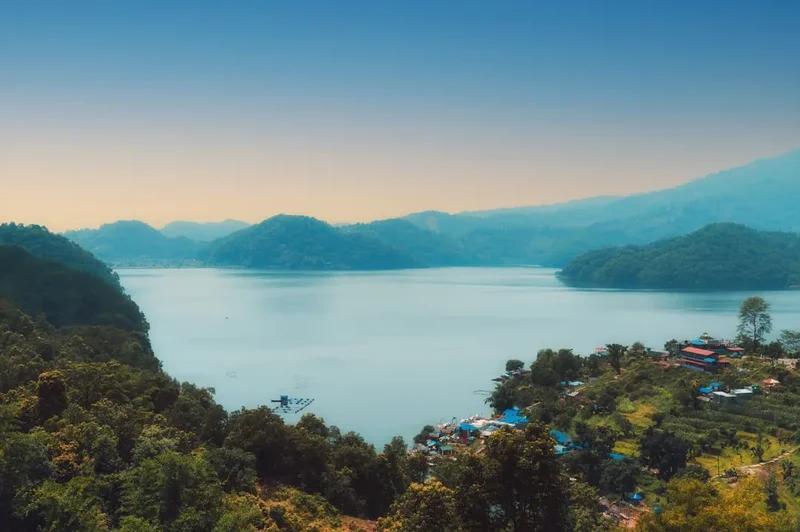
For the Rara Lake Trek, you will typically need the following permits:
1. Rara National Park Entry Permit: This permit is required to enter Rara National Park. It can usually be obtained at the park entrance check post near Rara Lake or in Gamgadhi, the district headquarters of Mugu. The cost is generally around NPR 3,000 for foreign nationals and NPR 1,500 for SAARC nationals. Nepali citizens pay a nominal fee.
2. TIMS Card (Trekkers' Information Management System): While not always strictly enforced for this specific trek, it is recommended to obtain a TIMS card. This card helps in tracking trekkers and is useful in case of emergencies. It can be obtained from the Nepal Tourism Board office in Kathmandu or Pokhara, or through registered trekking agencies.
3. ACAP (Annapurna Conservation Area Permit) or other regional permits: Depending on the exact route taken and the starting point, you might pass through areas that require other permits. However, for the standard Rara Lake Trek starting from Gothichaur, the Rara National Park permit is the primary one. Always confirm with your trekking agency about the specific permits required for your chosen itinerary.
Important Considerations:
- Agency Assistance: Reputable trekking agencies will handle the acquisition of all necessary permits as part of their service package.
- Identification: Always carry your passport and visa copies, as these will be required when applying for permits.
- Permit Validity: Ensure your permits are valid for the duration of your trek.
- Cost: Permit fees are subject to change by the Nepali government. It's advisable to check the latest fees with your agency or the Nepal Tourism Board.
Other Activities in the Area
While the Rara Lake Trek is primarily focused on the lake and its natural surroundings, there are a few other activities and points of interest that can enhance the experience:
- Boating on Rara Lake: If available and permitted, a boat ride on Rara Lake offers a unique perspective of its vastness and the surrounding landscape. This is often arranged locally and may depend on the availability of boats and local regulations.
- Bird Watching: Rara National Park is a haven for birdlife. Birdwatchers can spend hours observing various species, including migratory birds, waterfowl, and resident Himalayan birds. Binoculars are highly recommended.
- Wildlife Spotting: The park is home to several endangered species, including the red panda, musk deer, Himalayan black bear, and leopard. While sightings are not guaranteed, keeping an eye out during the trek can be rewarding.
- Cultural Immersion: Interacting with the local Magar and Tharu communities in the villages along the route provides valuable insights into their unique culture, traditions, and way of life. Participating in local festivals, if your timing aligns, can be a memorable experience.
- Photography: The Rara Lake Trek offers unparalleled photographic opportunities, from the stunning lake vistas and snow-capped peaks to the vibrant rhododendron forests and the simple beauty of village life.
- Hiking to Murma Top: A short hike from Murma Village to Murma Top offers a spectacular panoramic view of Rara Lake and the surrounding mountains, especially at sunrise or sunset.
Safety and Conditions
Pre-Trek Preparation:
- Medical Check-up: Consult your doctor before the trek, especially if you have any pre-existing medical conditions. Discuss altitude sickness and necessary vaccinations.
- Fitness: Ensure you are physically fit. The trek involves long walking days and significant ascents and descents. Regular cardiovascular exercise and strength training are recommended.
- Travel Insurance: Comprehensive travel insurance covering high-altitude trekking, medical emergencies, and helicopter evacuation is essential.
Altitude Sickness (AMS):
- Rara Lake is at 3,060 metres, which is a moderate altitude. However, the trek involves ascents to higher points.
- Symptoms: Headache, nausea, dizziness, fatigue, loss of appetite, and difficulty sleeping.
- Prevention: Ascend gradually, stay hydrated, avoid alcohol and smoking, and eat well.
- Management: If symptoms appear, do not ascend further. Rest, hydrate, and if symptoms worsen, descend immediately. Your guide will be trained to recognise and manage AMS.
Trail Conditions:
- The trails can be uneven, rocky, and sometimes steep.
- During the monsoon season, trails can be muddy and slippery.
- In winter, snow and ice can make certain sections hazardous.
- The road sections to the trailhead are rough and prone to landslides, especially during the monsoon.
Weather:
- Weather in the Himalayas can change rapidly. Be prepared for sun, rain, wind, and cold, even within the same day.
- Temperatures can drop significantly at night, especially at higher altitudes.
Guides and Porters:
- Hiring a local guide is highly recommended. They are knowledgeable about the terrain, weather, local culture, and can assist in emergencies.
- Porters can carry your main luggage, making your trek more comfortable. Ensure they are well-equipped and treated respectfully.
Communication: Mobile phone reception is unreliable and often non-existent in remote areas. Consider carrying a satellite phone or a Personal Locator Beacon (PLB) for emergencies. Your trekking agency will have communication protocols in place.
Side Trips and Points of Interest
Murma Top: A popular viewpoint offering spectacular panoramic vistas of Rara Lake and the surrounding Kanjiroba Himal range. It's a relatively short hike from Murma Village and is particularly stunning at sunrise or sunset. The effort to reach this vantage point is rewarded with breathtaking scenery and excellent photographic opportunities.
Rara National Park Headquarters: Located near the lake, this is a good place to learn more about the park's conservation efforts, flora, and fauna. It also serves as a point for obtaining park permits if not secured earlier.
Villages along the Route: The trek passes through several small, traditional villages such as Gothichaur, Pawa (Chautha), and Pina. These villages offer a glimpse into the rural lifestyle of western Nepal. Interacting with the local Magar and Tharu communities, observing their farming practices, and understanding their unique customs can be a significant part of the trekking experience.
Flora and Fauna: Rara Lake and its surrounding national park are rich in biodiversity. Keep an eye out for various species of birds, including waterfowl on the lake and forest birds. The park is also a habitat for the endangered red panda, musk deer, and Himalayan black bear, though sightings are rare. The forests are particularly beautiful in spring when the rhododendrons are in bloom.
Cultural Sites: While not as prominent as in other regions of Nepal, keep an eye out for small local temples or stupas in the villages, which are important to the local communities and offer insights into their spiritual practices.
Leave No Trace
The Rara Lake Trek traverses pristine natural environments and passes through remote villages. Adhering to Leave No Trace principles is crucial to preserve the beauty and integrity of this region for future generations and to maintain positive relationships with local communities.
- Plan Ahead and Prepare: Research the trek, understand the conditions, and make necessary arrangements with a reputable agency. Pack appropriately to minimise waste.
- Travel and Camp on Durable Surfaces: Stick to established trails to avoid damaging vegetation. When camping, choose established campsites or durable surfaces away from water sources.
- Dispose of Waste Properly: Pack out everything you pack in, including all food scraps, wrappers, and toilet paper. Use designated toilets where available, or dig catholes at least 60 metres away from water, trails, and campsites.
- Leave What You Find: Do not remove natural objects or cultural artifacts. Respect the environment and local heritage.
- Minimise Campfire Impacts: Campfires are often prohibited in national parks and can be damaging. Use a portable stove for cooking. If a campfire is permitted and necessary, keep it small and use existing fire rings. Ensure it is completely extinguished before leaving.
- Respect Wildlife: Observe wildlife from a distance. Never feed animals, as it can disrupt their natural behaviours and diets. Store food securely to prevent attracting animals.
- Be Considerate of Other Visitors: Keep noise levels down, especially in villages and natural areas. Respect local customs and traditions.
By following these principles, you contribute to the sustainability of the Rara Lake Trek and ensure a positive experience for both yourself and the local environment and communities.
 Nepal
Nepal