
Rajmachi Fort Trek - Sahyadri's Majestic Sentinel
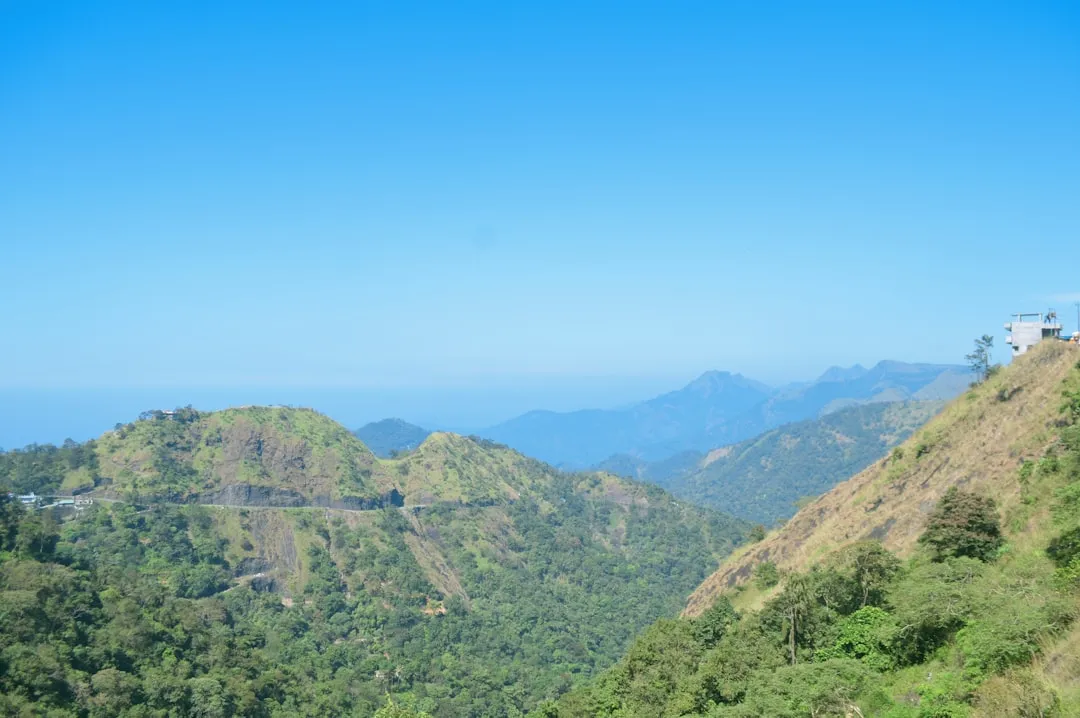
The Rajmachi Fort Trek is a popular and relatively accessible trek located in the Sahyadri mountain range of Maharashtra, India. It offers a captivating blend of historical ruins, lush monsoon landscapes, and panoramic views, making it a favourite among trekkers and nature enthusiasts. The trek leads to the ancient Rajmachi Fort, which comprises two prominent forts: Shrivardhan Fort and Manaranjan Fort. Nestled between the popular hill stations of Lonavala and Khandala, the trek is often undertaken as a day trip or an overnight excursion, especially during the monsoon season when the surrounding valleys transform into a verdant paradise.
- Distance: 15.0 km (one-way from Udhewadi to Lonavala, or shorter if starting closer)
- Elevation Gain: Approximately 600 m
- Duration: 1 day (5-6 hours of trekking time)
- Season: Monsoon (June-September) for lush greenery; Post-monsoon (October-November) for clear skies
- Difficulty: Moderate
- Closest City: Lonavala
- Trailhead Access: From Mumbai or Pune, travel to Lonavala. From Lonavala, hire a jeep or taxi to Udhewadi village (base village for Rajmachi). Road conditions can be challenging, especially during monsoon.
Overview
The Rajmachi Fort Trek is a journey back in time, set against the dramatic backdrop of the Western Ghats. The trek typically starts from Udhewadi village, which lies at the base of the fort complex. From Udhewadi, a well-trodden path winds its way up towards the twin forts. The ascent is moderate, offering glimpses of cascading waterfalls, dense forests, and the expansive valleys below. The air is often thick with mist during the monsoon, adding an ethereal charm to the experience.
Upon reaching the plateau where the forts stand, trekkers are greeted by the imposing ruins of Shrivardhan Fort and Manaranjan Fort. These structures, though weathered by time, still exude a sense of their former grandeur. Exploring the ramparts, bastions, and water cisterns provides a tangible connection to the Maratha warriors who once defended this strategic stronghold. The views from the top are breathtaking, especially during the monsoon, with mist swirling around the peaks and the landscape painted in vibrant shades of green.
The trek is renowned for its accessibility and the rewarding experience it offers. It's a perfect escape from the urban hustle, allowing one to immerse in nature's beauty and historical significance. The moderate difficulty level makes it suitable for beginners and experienced trekkers alike, and the relatively short duration ensures it can be completed within a day, though an overnight stay at Udhewadi is also a popular option for those wishing to soak in the atmosphere.
History and Cultural Context
Rajmachi Fort holds significant historical importance, primarily linked to the Maratha Empire. The fort was built during the Satavahana dynasty, but it gained prominence under the rule of Shivaji Maharaj in the 17th century. It served as a crucial strategic point for the Marathas, controlling the trade routes through the Sahyadri mountains, particularly the Borghat pass which connected the coastal Konkan region with the Deccan plateau. The fort was strategically vital for monitoring and controlling movement along these ancient trade routes.
After the decline of the Maratha Empire, the fort passed into the hands of the British. The British recognised its strategic value and maintained it for some time. The ruins that remain today—the fortifications, water tanks, and the remnants of structures within the fort complex—are testaments to its glorious past and the architectural prowess of its builders. The fort's location, perched high in the Sahyadris, offered a commanding view of the surrounding territory, making it an ideal vantage point for defence and surveillance.
The fort complex consists of two main structures: Shrivardhan Fort, the higher of the two, and Manaranjan Fort, situated at a slightly lower elevation. Both forts are interconnected and offer distinct perspectives of the landscape. The presence of ancient caves and temples within the fort complex further adds to its historical and cultural allure, hinting at a long and varied past that predates even the Maratha era.
Seasonal Highlights and Weather Reality
The Rajmachi Fort Trek is a year-round destination, but its charm varies significantly with the seasons, making certain times of the year particularly special.
Monsoon Season (June to September): This is undoubtedly the peak season for the Rajmachi trek. The Sahyadri mountains come alive with vibrant greenery, and the landscape is dotted with numerous temporary waterfalls and streams. The air is cool and misty, creating a magical, almost surreal atmosphere. The forts are often shrouded in clouds, offering a dramatic and mystical experience. However, the trails can be slippery and muddy, and heavy rainfall can sometimes make the trek challenging or even inaccessible. Visibility can be limited due to fog.
Post-Monsoon Season (October to November): As the monsoon recedes, the landscape retains its lushness, but the skies begin to clear. This period offers excellent trekking conditions with pleasant temperatures and clear views of the surrounding valleys and peaks. The waterfalls are still active, though less voluminous than during the peak monsoon. This is an ideal time for photography and for those who prefer clearer vistas without the persistent mist.
Winter Season (December to February): The winter months offer cool and pleasant weather, making it comfortable for trekking. The skies are generally clear, providing excellent visibility. The greenery might be less vibrant than in the monsoon, but the crisp air and serene environment are highly appealing. This season is suitable for those who enjoy a more relaxed trek and clear panoramic views.
Summer Season (March to May): Summers in this region can be hot and humid, making trekking less comfortable. The landscape tends to be dry, and water sources might be scarce. While the forts are still accessible, the experience might be less appealing due to the heat. However, for those who can brave the temperatures, the clear skies offer unobstructed views.
Recommended Itinerary
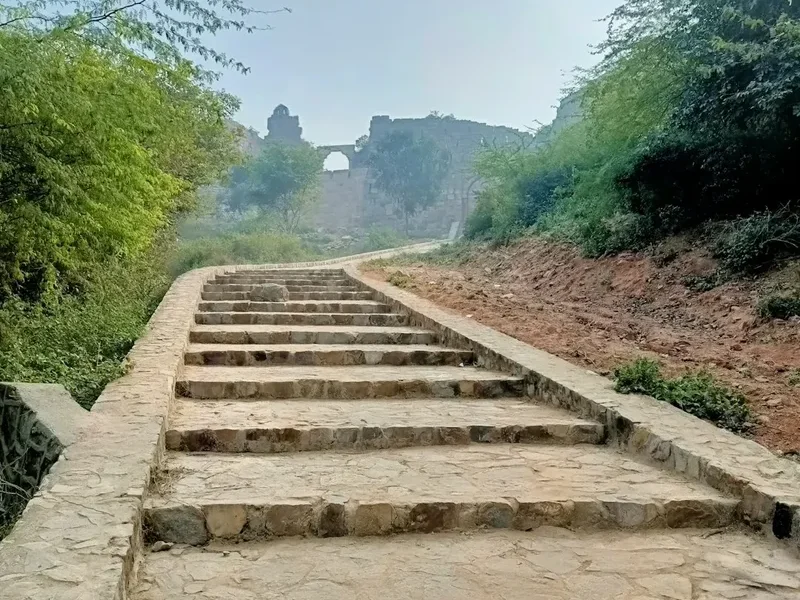
Rajmachi Fort Trek - Day Itinerary
Early Morning (6:00 AM - 7:00 AM): Travel to Base Village
- Depart from Lonavala/Khandala towards Udhewadi village.
- This journey can take approximately 1-1.5 hours by jeep or taxi, depending on road conditions.
- The road is often rough and can be challenging, especially during the monsoon.
Morning (7:00 AM - 10:00 AM): Trek to Rajmachi Fort
- Begin the trek from Udhewadi village.
- The trail is well-marked and passes through dense forests and open meadows.
- Encounter numerous small streams and waterfalls along the way, especially during the monsoon.
- The ascent is gradual but steady, offering increasing views of the surrounding landscape.
- Approximate trekking time: 2.5-3 hours.
Midday (10:00 AM - 1:00 PM): Exploration of Rajmachi Fort
- Reach the plateau where the twin forts, Shrivardhan and Manaranjan, are located.
- Explore the ruins of Shrivardhan Fort: climb its ramparts, visit the water cisterns, and admire the panoramic views.
- Explore Manaranjan Fort: walk along its fortifications and enjoy the different perspectives of the valley.
- Visit the ancient caves and temples within the fort complex.
- Enjoy packed lunch amidst the historical ruins and scenic beauty.
Afternoon (1:00 PM - 4:00 PM): Descent and Return Journey
- Begin the descent back to Udhewadi village.
- The descent is generally quicker than the ascent.
- Take time to appreciate the views you might have missed on the way up.
- Approximate trekking time for descent: 1.5-2 hours.
- From Udhewadi, take a jeep or taxi back to Lonavala/Khandala.
Important Notes:
- This itinerary is for a day trek. An overnight stay at Udhewadi is also popular, allowing for a more relaxed experience and stargazing.
- Carry sufficient water and snacks, as facilities on the trail are limited.
- Wear appropriate trekking shoes with good grip.
- Carry rain gear, especially during the monsoon season.
- Inform someone about your trekking plans.
Planning and Bookings
Book Your Trip
Everything you need to plan your journey
Accommodation
Find places to stay near Lonavala
Flights
Search flights to Lonavala
Essential Preparation
The Rajmachi Fort Trek is a popular destination, especially for residents of Mumbai and Pune. Planning is relatively straightforward, but some key aspects need consideration. The closest major town and transport hub is Lonavala. From Lonavala, you can hire local jeeps or taxis to reach the base village of Udhewadi. The road to Udhewadi can be quite rough and is best navigated by a sturdy 4x4 vehicle, particularly during the monsoon months when it can become muddy and waterlogged. If you are travelling by public transport, reaching Lonavala is easy via train or bus from Mumbai and Pune. From Lonavala railway station, you can find local transport options. For those driving, there is limited parking available at Udhewadi village, but it's advisable to confirm availability beforehand, especially during peak season.
Fitness-wise, the trek is considered moderate. While it doesn't require extreme endurance, a reasonable level of fitness is recommended, especially for the ascent. Carrying a backpack with essentials like water, food, and rain gear will add to the physical exertion. It's advisable to carry a basic first-aid kit and ensure you have adequate hydration. For those planning an overnight stay, booking accommodation in Udhewadi in advance is highly recommended, as options are limited and can fill up quickly, particularly during weekends and holidays.
Trail Accommodation
This is primarily a day hike, and no specific trail accommodation is required for the trek itself. However, for those wishing to extend their experience or enjoy the fort at a more leisurely pace, overnight stays are possible in the base village of Udhewadi.
Udhewadi Village Accommodation:
- Type: Basic homestays and campsites are available in Udhewadi village. These are often run by local villagers.
- Booking Requirements: It is highly recommended to book accommodation in advance, especially during weekends, holidays, and the peak monsoon season. Contacting local guides or homestay providers directly is the usual method.
- Facilities Provided: Basic amenities such as simple rooms with beds, common dining areas, and sometimes basic toilet facilities are provided. Campsites offer space for pitching your own tent.
- What's NOT Provided: Expect minimal amenities. Hot water might be limited, and electricity can be unreliable. Meals are typically home-cooked Maharashtrian fare, which can be arranged with the homestay.
- Seasonal Availability: Accommodation is generally available year-round, but access to Udhewadi can be challenging during heavy monsoon downpours.
- Costs: Costs are generally very affordable, ranging from ₹500-₹1500 per person per night for homestays, depending on the facilities and meals included. Camping fees are usually nominal.
This is a day hike requiring no overnight accommodation on the trail itself.
Required Gear
- Trekking Boots: Sturdy, waterproof trekking boots with good ankle support and excellent grip are essential, especially for the monsoon season when trails can be slippery and muddy.
- Backpack: A comfortable daypack (20-30 litres) to carry essentials like water, snacks, rain gear, and a first-aid kit.
- Rain Gear: A good quality waterproof jacket and waterproof overtrousers are non-negotiable during the monsoon. A poncho can also be useful.
- Headlamp/Torch: Essential, especially if you plan to start early or stay late, or for exploring the fort ruins. Carry spare batteries.
- Navigation: While the trail is generally well-marked, a map of the area or a GPS device/app on your phone is advisable. Ensure your phone is fully charged and consider a power bank.
- First-Aid Kit: A basic kit including bandages, antiseptic wipes, pain relievers, blister treatment, and any personal medications.
- Insect Repellent: Mosquitoes and other biting insects can be present, especially in the evenings and near water bodies.
What to Bring
- Food: Packed lunch, energy bars, nuts, and fruits for sustenance during the trek. There are limited food options at the base village, and none on the trail.
- Water: Carry at least 2-3 litres of water per person. Water sources are available, but it's advisable to carry purification tablets or a filter if you plan to refill from natural sources.
- Clothing: Wear comfortable, quick-drying trekking attire. Layers are recommended, as temperatures can vary. Avoid cotton as it retains moisture.
- Sun Protection: Sunscreen, sunglasses, and a hat are recommended, even on cloudy days, especially for the descent and if trekking outside the monsoon.
- Personal Items: Hand sanitiser, wet wipes, a small towel, and any personal toiletries.
- Camera: To capture the stunning landscapes and historical ruins.
- Cash: Carry sufficient cash as card payment facilities are generally unavailable in Udhewadi village and for local transport.
- Trash Bags: To pack out all your waste and keep the environment clean.
Permits
Generally, no specific permits are required for the Rajmachi Fort Trek itself, especially for day hikers. The trail is open to the public. However, it's always advisable to check for any local regulations or restrictions that might be in place, particularly during peak tourist seasons or specific events. If you plan to camp overnight in Udhewadi village, you might need to inform the local village authorities or the homestay provider, but a formal permit is usually not mandated.
Important Considerations:
- Forest Entry: While not a formal permit, you are entering a forest area. It's crucial to adhere to all forest rules and regulations, such as not littering, not starting fires, and not disturbing wildlife.
- Vehicle Access: If you are travelling by your own vehicle or hiring a jeep/taxi to Udhewadi, be aware of the road conditions. During the monsoon, the road can be challenging, and local drivers are highly recommended for their expertise.
- Local Guides: While the trail is relatively straightforward, hiring a local guide from Udhewadi village can enhance your experience. They can provide insights into the history, flora, and fauna, and ensure you navigate safely, especially in foggy conditions. Their services usually come at a nominal fee.
Other Activities in the Area
The region around Rajmachi Fort, particularly Lonavala and Khandala, offers several other attractions and activities for visitors:
- Bhushi Dam: A popular spot, especially during the monsoon, where water overflows the dam, creating a natural water slide experience. It can get very crowded.
- Tiger Point: Known for its spectacular valley views and often shrouded in mist during the monsoon. It's a great spot for photography and enjoying the panoramic vistas.
- Duke's Nose: A prominent cliff formation offering challenging trekking and rappelling opportunities for adventure enthusiasts.
- Khandala Viewpoint: Offers scenic views of the surrounding hills and valleys, easily accessible from Khandala town.
- Lonavala Lake (Monsoon Lake): A serene lake that fills up during the monsoon, providing a peaceful spot for relaxation.
- Wax Museum: Located in Lonavala, it features wax statues of famous personalities.
- Local Markets: Explore the markets in Lonavala and Khandala for local handicrafts, chikki (a popular Indian sweet brittle), and other souvenirs.
- Overnight Camping: Many trekkers opt for an overnight stay at Udhewadi village, enjoying the fort's ambiance after sunset and stargazing. Basic camping facilities are available.
Safety and Conditions
Monsoon Hazards: The monsoon season brings heavy rainfall, which can lead to slippery trails, increased water levels in streams, and potential landslides. Always check the weather forecast before heading out. If heavy rain is predicted, it's advisable to postpone the trek or be extremely cautious. Visibility can be significantly reduced due to fog and mist, making navigation more challenging.
Trail Conditions: The trails can be muddy and uneven, especially after rainfall. Wear appropriate footwear with good grip. Be mindful of leeches, which are common during the monsoon. Carrying salt or a repellent can help manage them.
Water Crossings: During the monsoon, streams and small rivers can swell. Assess the water levels carefully before attempting to cross. If the water appears too fast or deep, it's safer to wait or turn back.
Wildlife: While the area is generally safe, it's a natural habitat for various animals. Avoid straying from marked paths, especially in dense forest areas. Do not feed any wild animals.
Communication: Mobile network coverage can be patchy in some parts of the trek, especially at higher altitudes or within dense forest. Inform someone about your trekking plans, your expected return time, and your route. Consider carrying a power bank for your mobile phone.
Health and First Aid: Carry a well-stocked first-aid kit. Be aware of symptoms of dehydration and heatstroke if trekking in warmer months. For monsoon treks, be prepared for leeches and potential waterborne infections; ensure water is purified.
Local Assistance: If you encounter any difficulties, seek assistance from local villagers or guides. They are familiar with the terrain and conditions.
Side Trips and Points of Interest
Shrivardhan Fort: The higher of the two forts, Shrivardhan offers commanding views of the surrounding landscape. Exploring its ramparts, watchtowers, and water cisterns provides a glimpse into its historical significance as a defensive structure. The climb to the top is rewarding, especially on a clear day.
Manaranjan Fort: Located at a slightly lower elevation, Manaranjan Fort complements Shrivardhan. It also features fortifications and offers different perspectives of the valley. The two forts are connected, allowing for a comprehensive exploration of the Rajmachi complex.
Udhewadi Village: The base village is a charming settlement where you can experience local Maharashtrian village life. It's also the starting point for overnight stays, with homestays offering a taste of local hospitality and cuisine.
Waterfalls and Streams: During the monsoon, numerous temporary waterfalls and streams appear along the trekking route. These add to the scenic beauty and provide excellent photo opportunities. The sound of gushing water is a constant companion during this season.
Caves: Ancient caves are scattered around the fort complex. While their exact history might be obscure, they add an element of mystery and exploration to the trek.
Leave No Trace
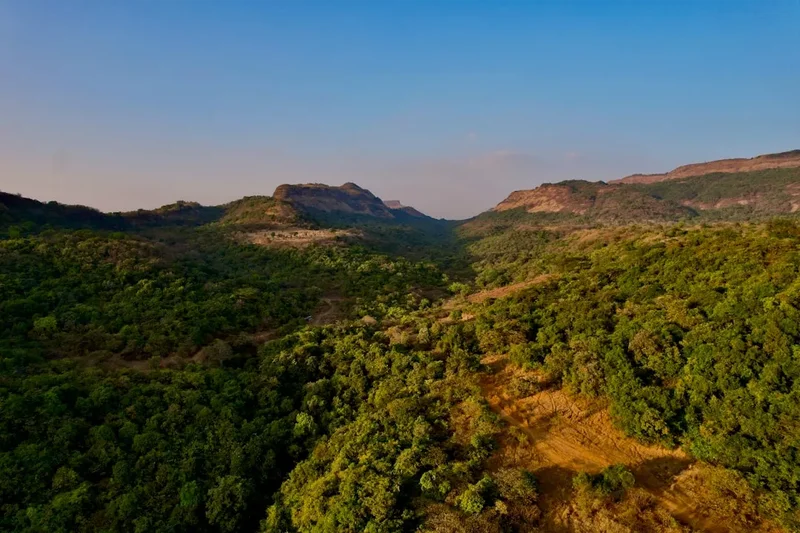
The Rajmachi Fort Trek, while popular, passes through ecologically sensitive areas. Practising Leave No Trace principles is crucial to preserve its natural beauty and historical integrity for future generations.
Pack It In, Pack It Out: Carry all your waste, including food wrappers, plastic bottles, and any other non-biodegradable items, back with you. Do not litter the trails or the fort premises. Use the designated waste disposal facilities in Lonavala or Pune.
Stay on Marked Trails: Stick to the established paths to avoid damaging fragile vegetation and to prevent soil erosion. Venturing off-trail can disturb the local ecosystem and pose safety risks.
Respect Wildlife: Observe wildlife from a distance and never feed them. Feeding animals can alter their natural behaviour and diet, leading to dependency and health issues.
Minimize Campfire Impacts: If camping overnight, use designated fire pits and keep fires small. Ensure fires are completely extinguished before leaving. Better yet, avoid campfires altogether and use portable stoves for cooking.
Leave What You Find: Do not remove any natural objects, historical artefacts, or plants from the site. Take only memories and photographs.
Be Considerate of Other Visitors: Keep noise levels down, especially during early mornings and evenings. Respect the peace and tranquility of the natural environment.
Dispose of Waste Properly: Use the composting toilets available in Udhewadi village if staying overnight. If not, ensure you dispose of human waste at least 10 metres away from water sources and bury it properly.