
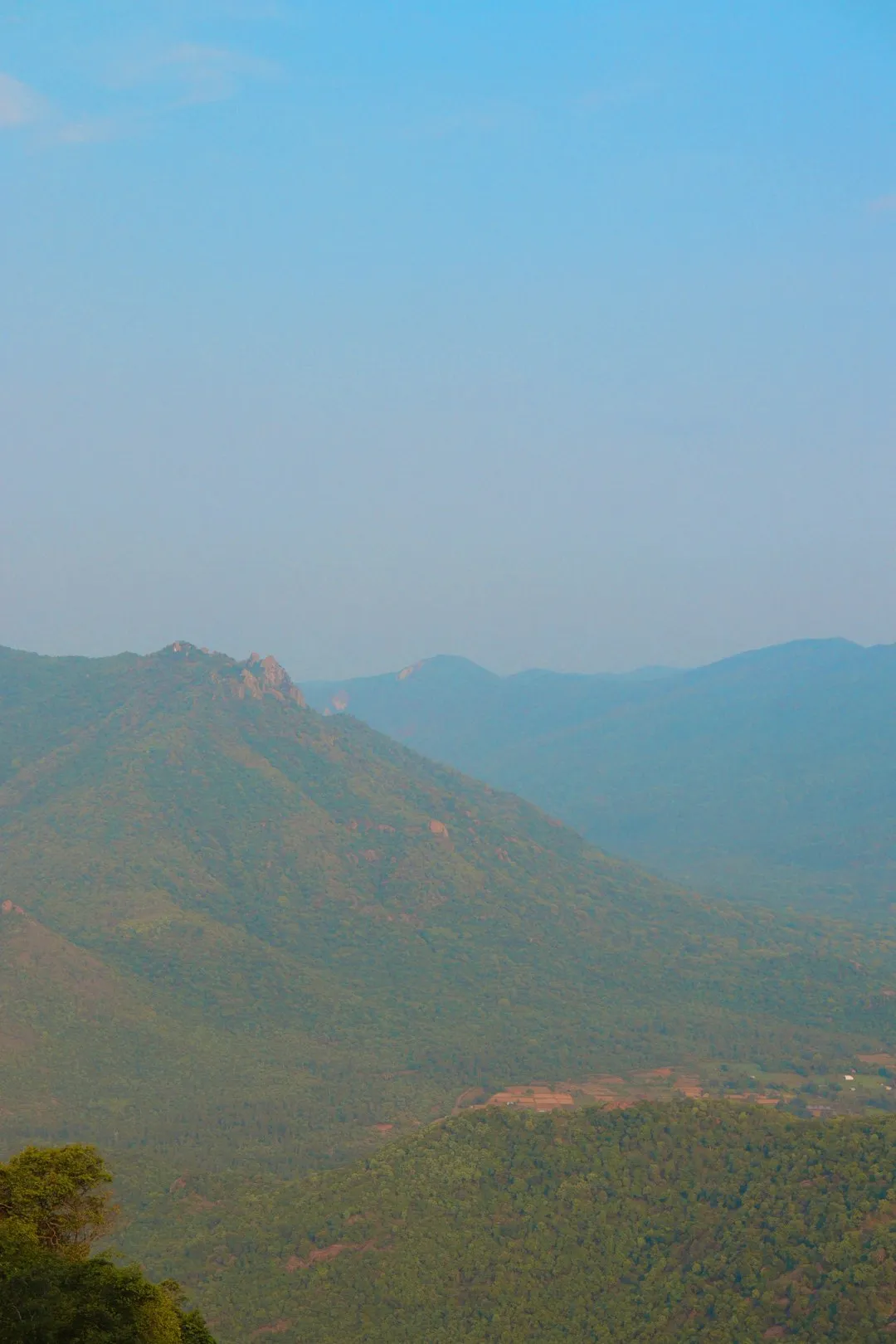
Rajgad Fort Trek - The King's Abode
The Rajgad Fort Trek is a captivating day hike in the Sahyadri mountain range of Maharashtra, India, offering a glimpse into the Maratha empire's rich history. Rajgad, meaning "King's Fort," served as the capital of the Maratha empire under Chhatrapati Shivaji Maharaj for over 25 years. This trek is not just a physical ascent but a journey back in time, traversing rugged terrain to reach a historically significant fortress perched atop a formidable hill.
- Distance: 15.0 km (round trip)
- Duration: 1 day (6-8 hours)
- Elevation Gain: 1300 m
- Difficulty: Moderate
- Best Time: October to March
- Closest City: Pune
- Trailhead Access: Gunjavane or Pali village
Overview
The Rajgad Fort Trek is a popular and rewarding day hike, renowned for its historical importance and scenic beauty. The trail winds its way up to the majestic Rajgad Fort, a testament to Maratha architecture and military prowess. The ascent is challenging yet manageable, offering panoramic views of the surrounding Sahyadri hills and valleys. The fort itself is a sprawling complex with various structures, including fortifications, water cisterns, temples, and secret passages, each whispering tales of its glorious past.
The trek typically begins from either Gunjavane or Pali village, both serving as base points for the ascent. The path is a mix of well-trodden trails, rocky ascents, and steps carved into the rock face. As you climb higher, the landscape transforms, with dense vegetation giving way to exposed rocky outcrops offering breathtaking vistas. The air is crisp, and the silence is broken only by the chirping of birds and the rustling of leaves, creating a serene atmosphere conducive to exploration and reflection.
Reaching the summit of Rajgad Fort is a significant achievement. The fort's strategic location provided excellent vantage points for surveillance and defence. Exploring the ruins allows trekkers to imagine the lives of soldiers and royalty who once inhabited this mighty fortress. The trek is a perfect blend of adventure, history, and natural beauty, making it a must-do for trekkers and history enthusiasts alike.
History and Cultural Context
Rajgad Fort holds immense historical significance as the first capital of the Maratha empire under the legendary warrior king, Chhatrapati Shivaji Maharaj. The fort was captured by Shivaji Maharaj in 1656 and was subsequently developed into a formidable stronghold. For over 25 years, it served as the seat of power, from where Shivaji Maharaj planned and executed his campaigns, expanding his dominion and challenging the mighty Mughal empire.
The fort's strategic location, perched at an altitude of approximately 1,300 metres, provided natural defence against invaders. Its robust fortifications, secret escape routes, and ample water cisterns ensured its self-sufficiency during sieges. Shivaji Maharaj spent a significant portion of his life here, and it was from Rajgad that he launched many of his military expeditions. The fort witnessed crucial historical events, including the birth of Shivaji Maharaj's son, Sambhaji Maharaj, and the eventual shifting of the capital to Raigad Fort.
After Shivaji Maharaj's era, Rajgad continued to play a role in Maratha history, though its prominence diminished with the shifting of the capital. It eventually fell into disuse and was later occupied by the British. Today, the ruins of Rajgad stand as a proud monument to the Maratha empire's valour and architectural ingenuity. Trekking to Rajgad is not just an outdoor activity but a pilgrimage for those who wish to connect with India's rich martial heritage and the legacy of Chhatrapati Shivaji Maharaj.
Seasonal Highlights and Weather Reality
The best time to undertake the Rajgad Fort Trek is during the post-monsoon and winter months, from October to March. During this period, the weather is pleasant, with clear skies and moderate temperatures, making the trek enjoyable and safe.
Post-Monsoon (October - November): Following the heavy monsoon rains, the landscape around Rajgad is lush and green. The air is fresh, and the waterfalls are at their most spectacular. The temperatures are mild, ranging from 20°C to 28°C, making it ideal for trekking. Visibility is generally good, offering clear views of the surrounding Sahyadri ranges.
Winter (December - March): This is considered the peak season for the Rajgad trek. The weather is cool and dry, with daytime temperatures typically between 15°C and 25°C. Nights can be cooler, sometimes dropping to 10°C. The clear skies provide excellent visibility, and the panoramic views from the fort are stunning. This season is perfect for photography and enjoying the historical ruins without the discomfort of extreme heat or humidity.
Monsoon (June - September): While the monsoon season transforms the Sahyadris into a verdant paradise with abundant waterfalls and mist-laden valleys, trekking to Rajgad during this period is not recommended for beginners or casual trekkers. The trails become slippery and treacherous, and the risk of landslides increases significantly. Heavy rainfall can lead to flash floods in the streams, making river crossings dangerous. Visibility is often poor due to fog and clouds, obscuring the views and making navigation challenging. Experienced trekkers with proper gear and knowledge of monsoon trekking can attempt it, but caution is paramount.
Summer (April - May): The summer months bring intense heat and humidity to the region. Daytime temperatures can soar above 35°C, making the trek arduous and potentially dangerous due to dehydration and heatstroke. The landscape also becomes dry and parched. It is advisable to avoid trekking to Rajgad during this period unless you are extremely well-prepared for extreme heat and start very early in the morning.
Recommended Itinerary
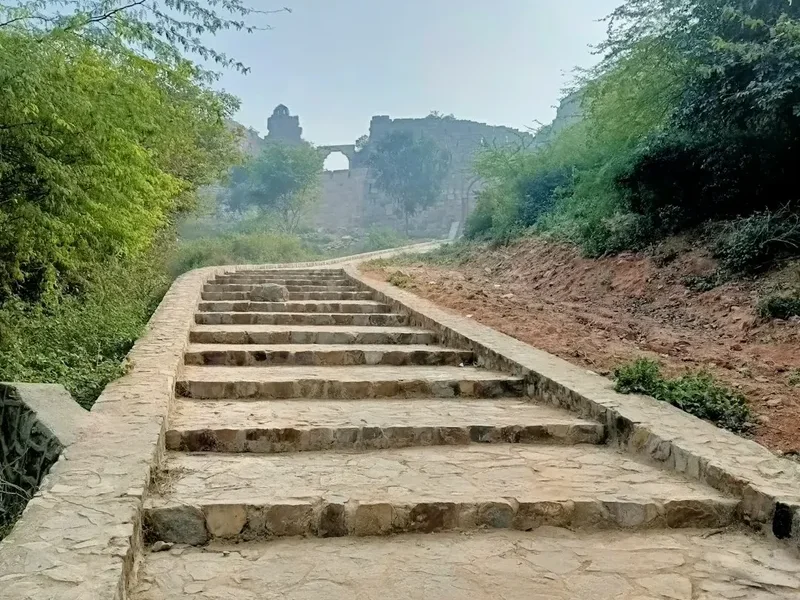
Rajgad Fort Trek - Day Itinerary
Early Morning (6:00 AM - 7:00 AM): Arrival at Base Village & Preparation
- Arrive at Gunjavane or Pali village (base villages for Rajgad Fort).
- If coming from Pune, this involves a 2-3 hour drive.
- Brief rest, freshen up, and have a light breakfast at a local eatery.
- Final check of gear and water supplies.
- Engage with local guides if hired.
Morning (7:00 AM - 11:00 AM): Ascent to Rajgad Fort
- Begin the trek from the base village.
- The initial part of the trail is a gradual climb through fields and sparse vegetation.
- As you ascend, the path becomes steeper, with rocky sections and carved steps.
- Pass through the first gateway (Maha Darwaja) of the fort.
- Continue climbing towards the main fort complex.
- The ascent is approximately 5-6 km and takes about 3-4 hours, depending on fitness levels.
- Enjoy the evolving panoramic views of the surrounding valleys and hills.
Midday (11:00 AM - 2:00 PM): Exploration of Rajgad Fort
- Reach the summit of Rajgad Fort.
- Explore the various structures within the fort complex:
- Padmavati Temple: A significant historical structure, often used as a resting place.
- Water Cisterns: Discover the ingenious water storage systems that sustained the fort's inhabitants.
- Ballekilla (Upper Fort): The highest point, offering commanding views.
- Nedhi (Hole): A unique natural formation.
- Darwajas (Gates): Explore the various entrances and fortifications.
- Secret Passages: Imagine the strategic importance of these hidden routes.
- Take ample time to soak in the history and the breathtaking 360-degree views.
- Have your packed lunch amidst the ruins, enjoying the serene atmosphere.
Afternoon (2:00 PM - 5:00 PM): Descent and Departure
- Begin the descent from Rajgad Fort back to the base village.
- The descent is generally quicker but requires careful footing, especially on rocky and stepped sections.
- Take breaks as needed.
- Reach the base village (Gunjavane or Pali) by late afternoon.
- Refreshments and rest at the base village.
- Depart for your onward journey, carrying memories of the historical fort and the invigorating trek.
Important Notes:
- Carry sufficient water (at least 2-3 litres per person).
- Pack a substantial packed lunch and snacks.
- Wear sturdy trekking shoes with good grip.
- Carry a basic first-aid kit.
- Inform someone about your trekking plans.
- Respect the historical significance of the fort; do not litter or damage any structures.
Planning and Bookings
Book Your Trip
Everything you need to plan your journey
Accommodation
Find places to stay near Pune
Flights
Search flights to Pune
Essential Preparation
The Rajgad Fort Trek is a day hike, making it relatively straightforward to plan. The primary considerations are transportation to the base village and ensuring you have adequate supplies for the trek. Pune is the closest major city and serves as the main hub for travellers. From Pune, you can hire a taxi or take a local bus to reach Gunjavane or Pali village. The road conditions are generally good, but the final approach to the villages might be uneven.
It is advisable to start the trek early in the morning to avoid the midday heat, especially during the warmer months. Informing a local contact or a friend about your trekking schedule and expected return time is a good safety practice. While no formal permits are currently required for the Rajgad Fort Trek, it's always wise to check for any local regulations or restrictions before your visit, as these can change.
Trail Accommodation
This is a day hike requiring no overnight accommodation.
Required Gear
- Trekking Shoes: Sturdy, well-fitting trekking shoes with good ankle support and excellent grip are essential. The terrain is uneven, rocky, and can be slippery, especially during or after the monsoon.
- Backpack: A comfortable daypack (20-30 litre capacity) to carry essentials like water, food, first-aid kit, and extra clothing.
- Clothing: Lightweight, breathable trekking attire. Full-length trousers are recommended to protect against scratches and insects. A light jacket or sweater is advisable for cooler mornings and evenings, especially during winter.
- Headwear: A cap or hat to protect from the sun.
- Navigation: While the trail is generally well-marked, a GPS device or a reliable offline map app on your smartphone can be helpful, especially if you plan to explore less-trodden paths. A compass is also a good addition.
- Safety Gear: A basic first-aid kit including bandages, antiseptic wipes, pain relievers, and any personal medications. A whistle can be useful in emergencies.
What to Bring
- Water: Carry at least 2-3 litres of water per person. Hydration is crucial, especially during the ascent.
- Food: A substantial packed lunch, energy bars, fruits, and snacks to keep you fuelled throughout the trek. There are limited food options available at the base villages and no facilities on the fort itself.
- Sun Protection: Sunscreen (SPF 30 or higher), sunglasses, and lip balm.
- Insect Repellent: Especially useful during the monsoon and post-monsoon seasons.
- Toiletries: Hand sanitiser, wet wipes, and toilet paper.
- Camera: To capture the stunning views and historical architecture.
- Power Bank: To keep your mobile phone and other electronic devices charged.
- Cash: Small denominations for local transport, snacks, or potential guide fees.
Permits
Currently, no specific permits are required to trek to Rajgad Fort. The trail is open to the public, and access to the fort is generally free. However, it is always advisable to check with local authorities or the Maharashtra Forest Department for any updated regulations or entry fees that might be introduced. Local villagers often manage the upkeep of the base villages and the initial parts of the trail, and a small contribution might be appreciated, though not mandatory.
Important Considerations:
- Local Regulations: Always be mindful of local customs and rules.
- Environmental Responsibility: While no permits are needed, adherence to Leave No Trace principles is paramount.
- Group Size: For larger groups, it might be courteous to inform local village heads, though not a formal requirement.
Other Activities in the Area
The region surrounding Rajgad Fort offers several other attractions and activities for trekkers and history enthusiasts:
- Torna Fort Trek: Located near Rajgad, Torna Fort is another historically significant Maratha fort. It is known for its challenging ascent and stunning views. A combined trek of Rajgad and Torna is popular among seasoned trekkers.
- Sinhagad Fort Trek: Another iconic fort in the vicinity, Sinhagad offers a different trekking experience and is rich in Maratha history. It's easily accessible from Pune.
- Bhor Region Exploration: The area around Rajgad, particularly the Bhor taluka, is known for its scenic beauty, rural landscapes, and agricultural activities. Exploring the local villages can offer insights into rural Maharashtrian life.
- Local Cuisine: Savour authentic Maharashtrian cuisine in the base villages or nearby towns. Dishes like Misal Pav, Vada Pav, and local thalis are highly recommended.
- Photography: The Sahyadri mountain range provides numerous opportunities for landscape and nature photography, especially during the monsoon and post-monsoon seasons.
- Bird Watching: The diverse flora and fauna in the region attract various bird species, making it a good spot for bird watching.
Safety and Conditions
Trail Conditions: The trail to Rajgad Fort is generally well-defined but can be steep and rocky in sections. During the monsoon season (June to September), the path becomes slippery and muddy, increasing the risk of falls. Post-monsoon and winter offer the most stable and safest conditions.
Weather: Weather in the Sahyadris can change rapidly. While the best season offers pleasant conditions, sudden showers or fog can occur. Always check the weather forecast before you start your trek. Be prepared for temperature variations, especially between day and night during winter.
Hydration: Carry ample water. There are very few, if any, reliable water sources on the fort itself, and relying on them can be risky. Water cisterns on the fort are primarily for historical preservation and may not be potable.
Navigation: While the main trail is usually clear, it's wise to have a map or GPS device, especially if you plan to explore less-used paths or if visibility is poor. Local guides are available at the base villages and can be invaluable for navigation and historical insights.
Health and First Aid: Carry a comprehensive first-aid kit. Be aware of common trekking ailments like blisters, sprains, and dehydration. Inform your trekking companions or a local contact about any pre-existing medical conditions.
Wildlife: The region is home to various flora and fauna. While major wildlife encounters are rare on the main trail, be aware of your surroundings. Snakes can be present, so stick to the marked paths and wear appropriate footwear.
Emergency Contacts: Keep local emergency numbers handy. In case of a serious emergency, contact local authorities or the nearest police station. The closest major hospital is in Pune.
Side Trips and Points of Interest
Padmavati Temple: Located on the fort plateau, this ancient temple dedicated to Goddess Padmavati is a significant landmark. It offers a place for rest and reflection and is often used by trekkers as a base for exploring the fort. The architecture of the temple is noteworthy.
Water Cisterns: Rajgad Fort is famous for its numerous well-maintained water cisterns carved into the rock. These demonstrate the advanced engineering skills of the Maratha era, ensuring a water supply even during prolonged sieges. Exploring these cisterns provides a fascinating insight into the fort's self-sufficiency.
Ballekilla (Upper Fort): This is the highest point of Rajgad Fort, offering a commanding 360-degree view of the surrounding landscape, including Torna Fort, Sinhagad Fort, and the plains below. It's an ideal spot for photography and appreciating the fort's strategic importance.
Nedhi (Hole): A unique natural rock formation on the fort, often referred to as the "Eye of Rajgad." It's a peculiar geological feature and a point of interest for visitors.
Maha Darwaja (Main Gate): The primary entrance to the fort, this impressive gateway showcases the robust fortification techniques employed during the Maratha period. It's a formidable structure that would have been difficult to breach.
Sambhaji Maharaj's Birthplace: A small structure on the fort is believed to be the birthplace of Sambhaji Maharaj, the son of Chhatrapati Shivaji Maharaj. This adds another layer of historical significance to the fort.
Leave No Trace
The Rajgad Fort Trek, like any outdoor adventure, requires a commitment to Leave No Trace principles to preserve its natural beauty and historical integrity. As a historically significant site and a part of the fragile Sahyadri ecosystem, responsible trekking is crucial.
Your responsibility as a trekker:
- Pack It In, Pack It Out: Carry all your waste, including food wrappers, plastic bottles, and any other non-biodegradable items, back with you. Do not leave anything behind on the trail or the fort.
- Stay on Marked Trails: Stick to the designated paths to prevent erosion and protect the surrounding vegetation. Venturing off-trail can damage delicate plant life and disturb the natural habitat.
- Respect Wildlife: Observe wildlife from a distance and never feed the animals. They are adapted to their environment, and human food can be harmful to them.
- Dispose of Waste Properly: Use designated waste bins if available at the base village. If not, carry your waste until you find an appropriate disposal point. Avoid burying waste, as it can still impact the environment.
- Leave What You Find: Do not take any natural objects (rocks, plants, flowers) or historical artefacts from the fort. Leave them for others to enjoy and to preserve the site's heritage.
- Minimise Campfire Impacts: As this is a day trek, campfires are generally not applicable. However, if any overnight camping were to occur (not recommended or permitted on the fort itself), use established fire rings and ensure fires are completely extinguished.
- Be Considerate of Others: Keep noise levels down, especially on the fort, to allow everyone to enjoy the peace and historical ambiance.
By following these principles, you help ensure that Rajgad Fort remains a pristine and historically rich destination for generations to come.