
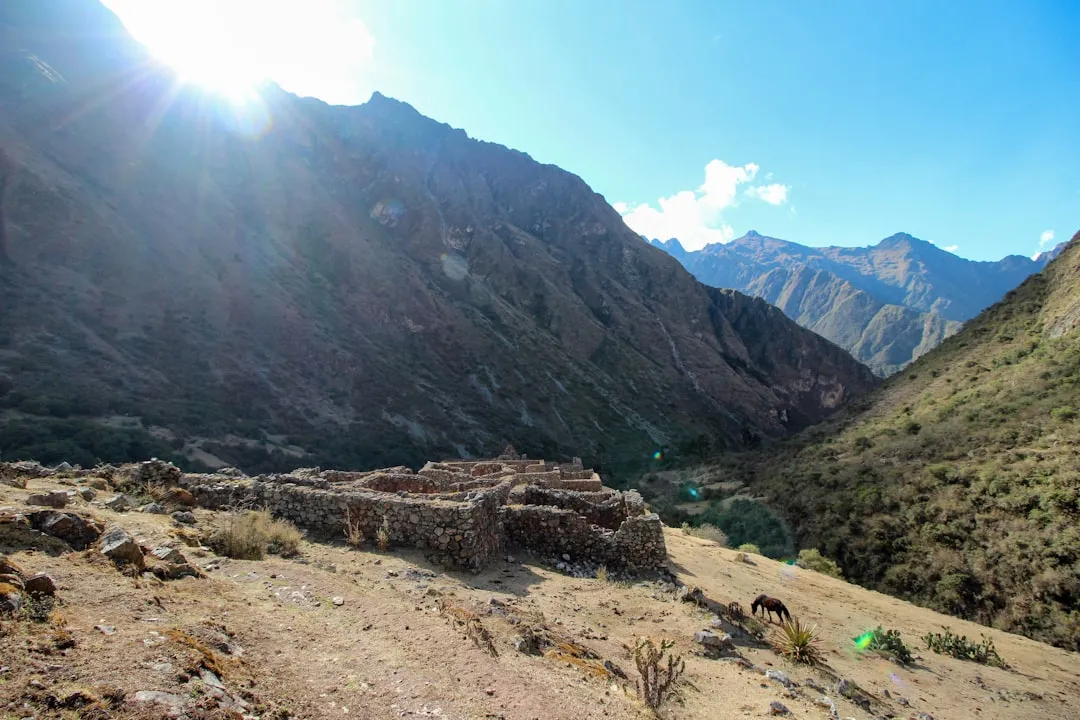
Rainbow Mountain Hike - Vinicunca, Peru
The Rainbow Mountain Hike, also known as Vinicunca or Montaña de Siete Colores (Mountain of Seven Colours), is a world-renowned day trek in the Peruvian Andes. This extraordinary geological formation, famous for its vibrant, mineral-striped slopes, draws visitors from across the globe. Located in the Cusco region, the hike offers a challenging yet incredibly rewarding experience, culminating in breathtaking panoramic views of the surrounding snow-capped peaks and the unique, multi-hued mountain itself. The trek is a testament to the raw beauty and geological wonders of the Andes, providing an unforgettable encounter with nature's artistry.
- Distance: 10.0 km (round trip)
- Elevation gain: 762 m
- Duration: 5-6 hours (hiking time)
- Season: May to September (dry season)
- Difficulty: Challenging (due to altitude and steepness)
- Closest City: Cusco
- Trailhead Access: From Cusco, approximately 3 hours by road to the trailhead near Pitumarca.
- Permits: May be required at the trailhead.
- Highest point: Approximately 5,200 metres (5,199 m)
Overview
The Rainbow Mountain hike is a spectacular journey into the high Andes, offering a visual feast unlike any other. The trek begins at a high altitude, typically around 4,300 metres (4,297 m), and steadily ascends towards the summit of Vinicunca at approximately 5,200 metres (5,199 m). The path is rugged and often steep, demanding good physical fitness and acclimatisation to the thin air. As you climb, the landscape transforms from arid puna grasslands dotted with grazing llamas and alpacas to stark, rocky terrain. The air is crisp and cool, and the sun can be intense, even on cooler days.
The true spectacle unfolds as you approach the summit. The mountain's slopes are striated with an astonishing array of colours: vibrant reds, yellows, greens, blues, and purples, all created by different mineral deposits laid down over millions of years. These colours are most vivid during the dry season (May to September) when the minerals are exposed and the light is optimal. The panoramic views from the top are simply breathtaking, encompassing the Ausangate mountain range, glaciers, and vast, sweeping valleys. The descent offers a different perspective on the colourful slopes and the surrounding Andean scenery.
This hike is considered challenging primarily due to the extreme altitude. Many visitors experience symptoms of altitude sickness if they have not acclimatised properly in Cusco or other high-altitude areas beforehand. The steepness of the final ascent also adds to the physical demand. However, for those who are well-prepared, the visual reward is immense, making it one of the most iconic and sought-after day hikes in Peru.
History and Cultural Context
The Rainbow Mountain, or Vinicunca, has been a sacred site for the indigenous Quechua people for centuries. The vibrant colours are not merely a geological curiosity but are imbued with spiritual significance. Local communities, including those in the nearby villages of Pitumarca and Cusipata, have long revered the mountain and its surrounding landscapes, which are integral to their cultural identity and traditional way of life. The area is also home to the majestic Ausangate mountain, considered a powerful deity (Apu) in Inca mythology, believed to protect the local people and influence the weather and harvests.
Historically, the region was part of the vast Inca Empire, and ancient Inca trails, including sections of the Qhapaq Ñan (the Inca road system), crisscross the Andes. While Vinicunca itself was not a major Inca administrative centre, its spiritual importance and the presence of valuable minerals likely made it a significant location for local communities. For generations, the mountain's colours were known only to the local shepherds and villagers who grazed their llamas and alpacas on its slopes.
The mountain gained international fame relatively recently, with its striking appearance going viral on social media around 2015. This surge in popularity led to a dramatic increase in tourism, transforming the local economy and presenting both opportunities and challenges for the indigenous communities. Efforts are underway to manage tourism sustainably, ensuring that the cultural heritage and natural environment are protected while benefiting the local people who are the traditional custodians of this extraordinary landscape.
Seasonal Highlights and Weather Reality
The best time to hike Rainbow Mountain is during the dry season, which typically runs from May to September. During these months, the weather is generally stable, with clear blue skies and minimal rainfall. The vibrant colours of the mountain are at their most striking, as the minerals are well-exposed and the light conditions are ideal for photography.
Dry Season (May to September):
- Weather: Cold mornings and evenings, with sunny but cool days. Temperatures can range from -5°C to 15°C (-5°C to 15°C). Frost is common in the early mornings.
- Conditions: The trails are dry and generally in good condition. Visibility is usually excellent, offering clear views of the mountain and surrounding peaks. This is the peak tourist season.
- Colours: The mineral stripes are most vivid and distinct.
Wet Season (October to April):
- Weather: Frequent rainfall, including heavy downpours, especially from January to March. Temperatures are slightly milder but can still be cold.
- Conditions: Trails can become muddy, slippery, and potentially hazardous. Visibility can be poor due to cloud cover and fog, obscuring the mountain's colours and views. Some tours may be cancelled due to extreme weather.
- Colours: The colours may appear muted or obscured by rain and mist.
Shoulder Seasons (April/May and September/October): These months can offer a good balance, with fewer crowds than the peak dry season and a lower chance of heavy rain compared to the wet season. However, weather can be unpredictable.
Altitude Considerations: Regardless of the season, the extreme altitude is a constant factor. Visitors should spend at least 2-3 days acclimatising in Cusco (3,400 m / 3,398 m) before attempting the Rainbow Mountain hike. Staying hydrated, avoiding alcohol, and eating light meals are crucial for managing altitude sickness.
Recommended Itinerary
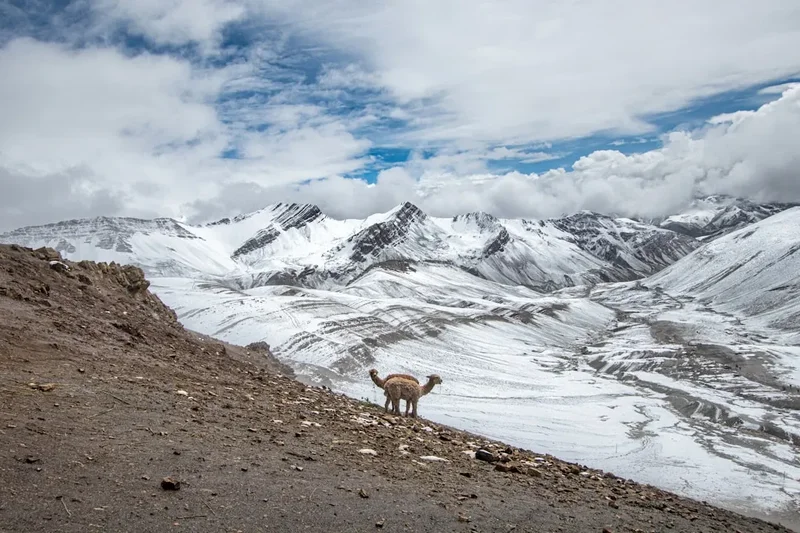
Rainbow Mountain Day Hike Itinerary
Early Morning (4:00 AM - 5:00 AM): Pick-up from Cusco
- Your tour operator will pick you up from your accommodation in Cusco.
- The journey to the trailhead takes approximately 3 hours, often including a stop for breakfast at a local restaurant near Pitumarca or Cusipata.
- This early start is essential to reach the trailhead before the main crowds and to allow ample time for the hike and return to Cusco.
Morning (8:00 AM - 9:00 AM): Arrival at Trailhead and Briefing
- Arrive at the trailhead, typically located at an altitude of around 4,300 metres (4,297 m).
- Receive a final briefing from your guide regarding the trail, safety precautions, and the expected conditions.
- Opportunity to use restrooms (often basic facilities) and make final preparations.
- Guides will often provide oxygen bottles for those experiencing altitude sickness.
Morning/Midday (9:00 AM - 12:00 PM): The Ascent to Vinicunca
- Begin the hike. The trail is a steady, challenging climb.
- Distance: Approximately 5 km (5.0 km) to the summit viewpoint.
- Elevation gain: Around 762 metres (762 m) from the trailhead to the summit.
- Time: 2.5–3 hours, depending on your pace and acclimatisation.
- The path is well-trodden but can be steep and rocky. You will pass grazing llamas and alpacas.
- Optional: Horse rental is available for a portion of the ascent, which can be helpful for those struggling with the altitude or steepness.
Midday (12:00 PM - 1:00 PM): Summit Views and Exploration
- Reach the summit of Rainbow Mountain (approximately 5,200 metres / 5,199 m).
- Spend time admiring the breathtaking panoramic views of the colourful mountain, the surrounding Ausangate range, and the vast Andean landscape.
- Take photos and soak in the incredible scenery.
- Guides will point out key features and explain the geological formations.
Afternoon (1:00 PM - 3:00 PM): The Descent
- Begin the descent back to the trailhead.
- Distance: Approximately 5 km (5.0 km).
- Time: 1.5–2 hours.
- The descent is generally easier but can be hard on the knees.
- You may choose to take a slightly different, often steeper, path on the way down.
Late Afternoon (3:00 PM - 4:00 PM): Lunch and Return Journey
- Arrive back at the trailhead.
- Enjoy a packed lunch provided by your tour operator.
- Board the transport for the return journey to Cusco.
Evening (6:00 PM - 7:00 PM): Arrival in Cusco
- Arrive back at your accommodation in Cusco.
Important Notes:
- This itinerary is a guideline; actual timings may vary based on group pace, weather, and road conditions.
- Acclimatisation in Cusco for at least 2-3 days prior is highly recommended.
- Carry plenty of water and snacks.
- Wear layers of clothing as temperatures can fluctuate significantly.
- Sun protection (hat, sunglasses, sunscreen) is essential due to the high altitude and intense sun.
Planning and Bookings
Book Your Trip
Everything you need to plan your journey
Accommodation
Find places to stay near Cusco
Flights
Search flights to Cusco
Essential Preparation
The Rainbow Mountain hike is a high-altitude trek, and proper preparation is crucial for a safe and enjoyable experience. The most critical aspect is acclimatisation. Spend at least two to three full days in Cusco (3,400 metres / 3,398 m) before attempting the hike. During this time, engage in light activities, stay hydrated, avoid alcohol and heavy meals, and consider drinking coca tea, a traditional remedy for altitude sickness. Many tour operators offer day trips to the Sacred Valley or other lower-altitude sites for acclimatisation.
Logistics for reaching the trailhead typically involve booking a guided tour from Cusco. These tours usually include transportation, a guide, meals, and sometimes optional horse rental. While it's possible to arrange transport independently, a guided tour simplifies the process and provides essential support, especially regarding altitude. Ensure your chosen tour operator is reputable and prioritises safety.
The closest major city and logistical hub is Cusco. From Cusco, the drive to the trailhead near Pitumarca or Cusipata takes approximately 3 hours. The road conditions can be variable, especially closer to the trailhead, and can be rough. Parking is available at the trailhead, but it is generally used by tour operators.
Trail Accommodation
This is a day hike requiring no overnight accommodation. The trek to Rainbow Mountain is completed within a single day, with participants returning to Cusco in the evening.
Required Gear
- Hiking Boots: Sturdy, waterproof hiking boots with good ankle support are essential. Ensure they are well broken-in to prevent blisters.
- Waterproof Jacket: A lightweight, waterproof and windproof jacket is crucial, as weather can change rapidly at high altitudes.
- Warm Layers: Several layers of clothing are recommended. This includes a moisture-wicking base layer (merino wool or synthetic), an insulating mid-layer (fleece or down jacket), and an outer shell.
- Trousers: Comfortable, quick-drying hiking trousers. Avoid jeans.
- Hat: A warm hat or beanie to protect against the cold and wind.
- Gloves: Warm gloves are essential, especially for the early morning start and summit.
- Sun Protection: High SPF sunscreen (SPF 50+), sunglasses with UV protection, and a wide-brimmed hat or cap are vital due to the intense sun at high altitudes.
- Backpack: A small to medium-sized daypack (20-30 litres) to carry essentials like water, snacks, extra layers, and camera.
- Headlamp/Torch: Essential for the early morning start, especially if your tour departs before sunrise.
- Trekking Poles: Highly recommended for stability on steep ascents and descents, and to reduce strain on knees.
- Camera: To capture the stunning scenery. Ensure you have spare batteries as cold can drain them quickly.
What to Bring
- Water: At least 2-3 litres of water per person. Hydration is critical at high altitudes.
- Snacks: High-energy snacks such as nuts, dried fruit, energy bars, and chocolate.
- Food: Most tours include a packed lunch. If not, bring your own substantial meal.
- Personal First-Aid Kit: Include any personal medications, blister treatment, pain relievers (e.g., ibuprofen), and antiseptic wipes.
- Altitude Sickness Medication: Consult your doctor about prescription medication for altitude sickness (e.g., Diamox) if you are prone to it. Coca leaves or tea can also help.
- Toilet Paper: Basic restrooms at the trailhead may not always have supplies.
- Hand Sanitiser: For hygiene.
- Cash: Small denominations of Peruvian Soles (PEN) for optional purchases, tips for guides or drivers, or to rent a horse.
- Identification: Your passport or a copy.
- Plastic Bags: To carry out any rubbish.
Permits
A permit is generally required to access Rainbow Mountain and is usually included in the price of organised tours. If you are travelling independently, you will need to purchase an entrance ticket at the trailhead. The cost of the permit can vary, but it is typically around 5-10 USD for international visitors. It is advisable to confirm the current permit requirements and costs with your tour operator or check local information sources before your trip.
The permit system is in place to manage visitor numbers and contribute to the conservation of the fragile ecosystem and the maintenance of the trails. Local communities often manage the permit collection, and the revenue generated is intended to support local development and environmental protection efforts.
Important Considerations:
- Included in Tours: Most reputable tour operators include the Rainbow Mountain entrance fee in their package price. Always verify this when booking.
- Independent Travel: If travelling independently, be prepared to purchase the ticket at the trailhead. Ensure you have sufficient Peruvian Soles (PEN) in cash, as card facilities are unlikely to be available.
- Permit Validity: The permit is typically for a single entry on the day of your visit.
- Conservation Efforts: By purchasing a permit, you are contributing to the preservation of this unique natural wonder and supporting the local communities.
Other Activities in the Area
The region surrounding Rainbow Mountain offers a wealth of cultural and natural attractions, making it worthwhile to extend your stay in the Cusco area:
- Sacred Valley Tour: Explore the heartland of the Inca Empire, visiting sites like Pisac (with its impressive ruins and vibrant market), Ollantaytambo (a remarkably preserved Inca town and fortress), and Chinchero (known for its traditional weaving and colonial church).
- Machu Picchu: The iconic Inca citadel is a must-visit. Accessible by train from Ollantaytambo or Cusco, it requires advance booking and several days to fully appreciate.
- Ausangate Trek: For experienced trekkers, the multi-day Ausangate Circuit offers an immersive experience in the high Andes, circling the sacred Ausangate mountain and passing through stunning glacial landscapes, turquoise lakes, and remote communities.
- Humantay Lake: A beautiful glacial lake nestled beneath the Humantay mountain, often visited as a day trip from Cusco or as part of the Salkantay Trek.
- Cusco City Exploration: Spend time exploring the historic capital of the Inca Empire, visiting the Plaza de Armas, Cusco Cathedral, Qorikancha (Temple of the Sun), and the Inca ruins of Sacsayhuamán, Q'enqo, Puka Pukara, and Tambomachay.
- Maras Salt Mines and Moray: Visit the unique Maras salt pans, a complex network of salt evaporation ponds used since Inca times, and the enigmatic circular agricultural terraces of Moray, believed to have been an Inca agricultural laboratory.
- Local Markets: Immerse yourself in local culture by visiting markets in Cusco, Pisac, or Chinchero, where you can find colourful textiles, handicrafts, and local produce.
Safety and Conditions
Altitude Sickness (Soroche): This is the primary safety concern. Symptoms include headache, nausea, dizziness, fatigue, and shortness of breath. To mitigate risk:
- Acclimatise: Spend 2-3 days in Cusco (3,400 m) before hiking.
- Hydrate: Drink plenty of water throughout the day.
- Avoid Alcohol and Caffeine: These can dehydrate you and worsen symptoms.
- Eat Lightly: Avoid heavy meals.
- Coca Tea/Leaves: A traditional remedy that can help alleviate mild symptoms.
- Medication: Consult your doctor about prescription altitude sickness medication (e.g., Acetazolamide/Diamox).
- Listen to Your Body: If symptoms are severe, descend immediately. Tour guides are equipped to assist with this.
Trail Conditions: The trail is generally well-defined but can be steep, rocky, and uneven. In the wet season (October-April), it can become muddy and slippery. Trekking poles are highly recommended for stability.
Weather: High-altitude weather is unpredictable. Be prepared for rapid changes, including strong winds, cold temperatures, and intense sun. Always carry layers of clothing and waterproof gear.
Sun Exposure: The sun's rays are extremely strong at high altitudes. Use high SPF sunscreen, wear a hat and sunglasses, and cover exposed skin.
Guides: It is strongly recommended to hike with a reputable tour operator and a qualified guide. They are experienced with the terrain, weather, and altitude, and can provide assistance in emergencies.
Emergency Services: While emergency services are available in Cusco, reaching the trailhead quickly in a medical emergency can be challenging due to the remote location and road conditions. Tour operators usually have communication devices and protocols for emergencies.
Travel Insurance: Ensure your travel insurance covers high-altitude trekking and medical evacuation.
Side Trips and Points of Interest
Red Valley (Palccoyo): An alternative to Vinicunca, Palccoyo offers a series of three colourful mountains with less strenuous hiking and fewer crowds. It's a great option for those concerned about altitude or seeking a more tranquil experience. The colours are similar but perhaps less intensely saturated than Vinicunca. It's often visited as a separate day trip or sometimes combined with Vinicunca by more adventurous operators.
Llamas and Alpacas: Throughout the hike, you will encounter numerous llamas and alpacas grazing on the high-altitude grasslands. These animals are an integral part of the Andean landscape and culture, and are often quite accustomed to human presence, making for excellent photo opportunities.
Ausangate Mountain Views: The hike offers spectacular views of Apu Ausangate, the fifth-highest mountain in Peru and a sacred deity for the Quechua people. Its snow-capped peaks dominate the horizon and add to the dramatic scenery.
Local Villages (Pitumarca/Cusipata): The journey to and from the trailhead passes through traditional Andean villages. These communities offer a glimpse into rural Peruvian life, with local markets and distinctive architecture. Many tours stop in these villages for breakfast or lunch.
Optional Horse Rental: For those who find the ascent particularly challenging due to altitude or fatigue, horse rental is available for a portion of the trail. This can significantly reduce the physical exertion required to reach the summit viewpoint.
Leave No Trace
The Rainbow Mountain is a fragile ecosystem, and responsible tourism is essential to preserve its beauty and integrity for future generations. Adhering to Leave No Trace principles is paramount:
- Pack It In, Pack It Out: Carry out all your rubbish, including food scraps, wrappers, and any other waste. Do not leave anything behind on the trail or at the summit.
- Stay on the Trail: Stick to the designated paths to avoid damaging the delicate vegetation and soil. The colourful mineral layers are also fragile and can be eroded by off-trail travel.
- Respect Wildlife: Observe llamas and alpacas from a distance. Do not feed them, as human food can be harmful to their digestive systems and alter their natural behaviour.
- Dispose of Waste Properly: Use designated restrooms at the trailhead. If nature calls on the trail, find a spot at least 70 metres away from water sources and the trail, and bury human waste in a cathole. Pack out used toilet paper.
- Leave What You Find: Do not take any rocks, plants, or other natural souvenirs from the mountain.
- Minimise Campfire Impacts: As this is a day hike, campfires are not applicable.
- Be Considerate of Other Visitors: Keep noise levels down and allow others to enjoy the natural environment.
- Support Local Communities: Purchase souvenirs from local artisans and use services provided by local communities, ensuring your tourism benefits them directly.
By following these guidelines, you help protect the unique geological and cultural heritage of Rainbow Mountain.