
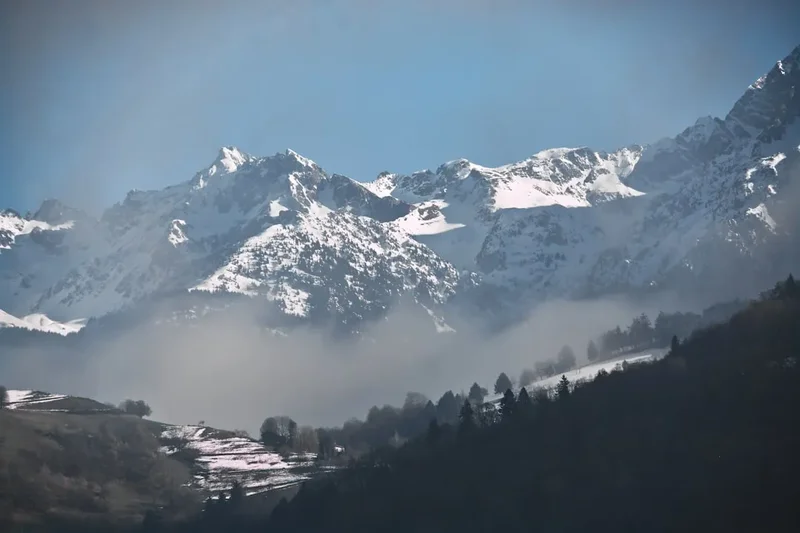
Roc de la Vache: A Panoramic Alpine Day Walk
The Roc de la Vache trail offers a rewarding day hike in the heart of the French Alps, providing spectacular vistas and a genuine sense of alpine immersion without the commitment of an overnight trek. Situated near the charming town of Modane, this route ascends steadily through varied terrain, culminating in a breathtaking panorama from its namesake summit. It's an ideal choice for those seeking a challenging yet accessible alpine experience, showcasing the rugged beauty of the Maurienne Valley and its surrounding peaks.
- Distance: 12.5 km one-way
- Elevation Gain: 750 m
- Duration: 4–5 hours
- Difficulty: Moderate
- Best Time: May to October
- Closest City: Modane
- Trailhead Access: Nearest major city: Lyon. Drive to Modane (A43 motorway), then follow local roads towards Aussois. Parking available near trailhead. Road conditions generally good. No permits needed. GPS: 45.0667, 6.5000
- Coordinates: 45.0667, 6.5000
Overview
The Roc de la Vache hike is a classic alpine day walk that delivers a significant elevation gain over a relatively short distance, making it a good test of fitness while remaining achievable for most moderately experienced hikers. The trail begins its ascent from the vicinity of Aussois, a picturesque village known for its traditional Savoyard architecture and its proximity to the Vanoise National Park. Initially, the path winds through alpine meadows and sparse woodland, offering glimpses of the valley below and the imposing mountain ranges that define the landscape.
As the elevation increases, the vegetation thins, giving way to more rocky and scree-covered slopes. The trail is well-maintained but can be steep in sections, requiring careful footing. The reward for this effort is the increasingly expansive views. The Maurienne Valley unfolds beneath you, a ribbon of civilisation carved between dramatic peaks. To the north and west, the Vanoise massif, with its glaciers and high summits, dominates the horizon. The summit of Roc de la Vache itself, at approximately 2,500 metres, provides a truly commanding 360-degree vista.
This hike is particularly popular during the summer months when the snow has receded from the higher trails, and the wildflowers are in bloom, adding vibrant splashes of colour to the alpine pastures. The clear air and bright sunshine of late spring, summer, and early autumn offer the best conditions for enjoying the panoramic views. The moderate difficulty rating reflects the sustained climb and the alpine environment, but the well-defined path and the absence of technical climbing make it a highly accessible objective for a day trip.
History and Cultural Context
The region surrounding Roc de la Vache has a rich history tied to pastoralism, mining, and military strategy. The Maurienne Valley has been a vital transit route for centuries, connecting France with Italy over the Alps. Villages like Aussois have maintained their traditional character, with stone houses and slate roofs, reflecting a long history of human settlement in this challenging mountain environment.
Historically, these high pastures were crucial for summer grazing for livestock. The trails that hikers now use were often ancient shepherd paths, connecting villages to the high mountain pastures where cattle and sheep would spend the warmer months. The presence of old stone shelters and remnants of past human activity can sometimes be observed along the route, hinting at the lives of those who worked and lived in these mountains.
The Vanoise region, in general, has also been a site of geological and mineralogical interest. While Roc de la Vache itself is not primarily known for mining, the broader area has seen historical extraction of various minerals. Furthermore, the strategic importance of the Alps has led to the construction of fortifications and military installations in the vicinity, some of which may be visible from higher vantage points, testament to the region's historical role in national defence.
The establishment of the Vanoise National Park in 1963 has been instrumental in preserving the natural beauty and biodiversity of the area, including the landscapes around Roc de la Vache. This designation ensures that the wild character of the mountains is protected for future generations, allowing hikers to experience a landscape that has remained largely unchanged by modern development.
Seasonal Highlights and Weather Reality
The Roc de la Vache trail is best enjoyed during the warmer months, typically from May to October. During this period, the snow generally melts from the higher sections of the trail, making it accessible and safe for hiking.
Spring (May to June): This is a beautiful time to hike as the alpine meadows come alive with wildflowers. The lower sections of the trail will be clear, but higher elevations may still hold patches of snow, especially in shaded areas or on north-facing slopes. The weather can be variable, with a risk of late snowfalls or thunderstorms. Temperatures will be cooler, especially at higher altitudes.
Summer (July to August): This is the peak season for hiking in the Alps. The weather is generally more stable, with longer daylight hours and warmer temperatures. The wildflowers are in full bloom, creating a spectacular display of colour. However, summer is also the time for potential afternoon thunderstorms, which can develop rapidly in the mountains. It is essential to start your hike early in the day to avoid the worst of the heat and the risk of storms.
Autumn (September to October): Autumn offers crisp, clear air and stunning autumnal colours in the lower forests. The crowds of summer begin to thin, offering a more tranquil hiking experience. The weather can be unpredictable, with a higher chance of colder temperatures and early snowfalls as winter approaches. By late October, snow is likely to cover the higher parts of the trail, making it impassable without winter mountaineering equipment.
Weather Considerations: Alpine weather is notoriously changeable. Even in summer, conditions can shift dramatically. Be prepared for a wide range of temperatures, from cool mornings to warm afternoons, and always carry waterproof and windproof layers. Thunderstorms are a significant hazard; if you hear thunder or see lightning, descend immediately to a lower elevation and seek shelter away from exposed ridges and tall objects.
Recommended Itinerary
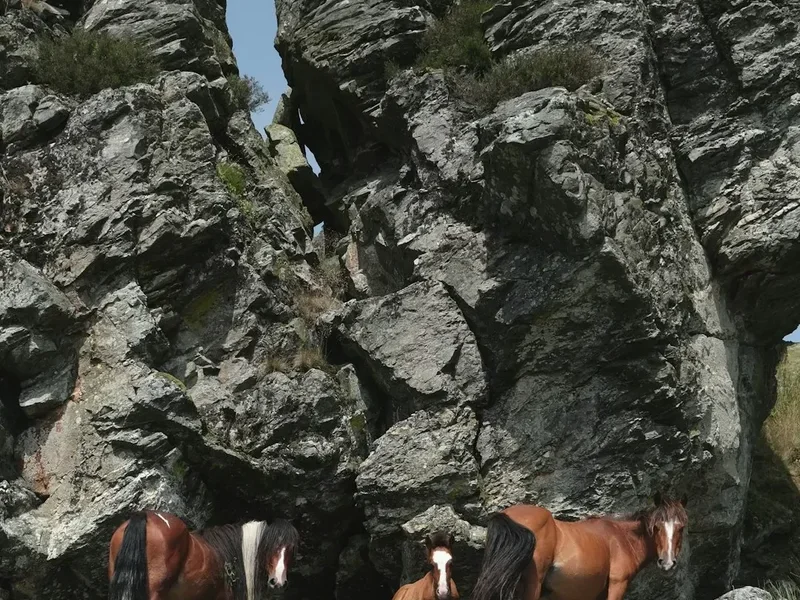
Roc de la Vache Day Hike Itinerary
Early Morning (Approx. 8:00 AM): Departure from Aussois
- Begin your hike from the designated trailhead near Aussois.
- Ensure you have all your gear, water, and snacks packed.
- Check the weather forecast one last time.
Morning (Approx. 8:30 AM - 11:30 AM): Ascent through Meadows and Forest
- The trail starts with a moderate climb, often through alpine meadows dotted with wildflowers (in season).
- You will pass through sections of sparse woodland, offering some shade.
- The path is generally well-defined, but can be steep in places.
- Keep an eye out for the changing vegetation as you gain altitude.
- Distance covered: Approximately 4-5 km.
- Elevation gain: Approximately 300-400 metres.
Midday (Approx. 11:30 AM - 1:00 PM): Reaching Higher Ground and Summit Approach
- The terrain becomes more open and rocky as you leave the treeline behind.
- You will encounter scree slopes and potentially some boulder fields, requiring careful footing.
- The views of the Maurienne Valley and surrounding peaks become increasingly spectacular.
- This section is often the most physically demanding due to the sustained gradient.
- Distance covered: Approximately 2-3 km.
- Elevation gain: Approximately 300-350 metres.
Afternoon (Approx. 1:00 PM - 2:00 PM): Summit and Lunch Break
- Arrive at the summit of Roc de la Vache (approx. 2,500 m).
- Enjoy the panoramic 360-degree views of the Vanoise National Park, including glaciers, high peaks, and the valley below.
- Take your lunch break and soak in the magnificent scenery.
- This is an excellent spot for photography.
Late Afternoon (Approx. 2:00 PM - 4:30 PM): Descent and Return to Aussois
- Begin your descent, retracing your steps back towards Aussois.
- Be mindful of your footing, especially on scree and steep sections.
- The descent offers a different perspective on the landscape you ascended.
- Distance covered: Approximately 5-6 km.
- Elevation loss: Approximately 750 metres.
- Arrive back at the trailhead near Aussois.
Important Notes:
- This is a day hike; no overnight accommodation is required.
- Carry sufficient water (at least 2 litres per person) as there are no reliable water sources on the upper sections of the trail.
- Wear sturdy hiking boots with good ankle support.
- Be prepared for rapidly changing weather conditions.
- Start early to allow ample time and avoid afternoon thunderstorms.
Planning and Bookings
Book Your Trip
Everything you need to plan your journey
Accommodation
Find places to stay near Modane
Flights
Search flights to Modane
Essential Preparation
The Roc de la Vache hike is a day walk, meaning no complex booking coordination for accommodation is required. However, thorough preparation is still essential for a safe and enjoyable experience. The closest major city providing comprehensive services is Lyon, from which you will drive to Modane and then proceed to Aussois. The journey from Lyon to Modane typically takes around 2 to 2.5 hours via the A43 motorway. From Modane, follow signs for Aussois, a picturesque village nestled in the Maurienne Valley. Parking is generally available near the trailhead, though it can be busy during peak season. Ensure your vehicle is in good condition for mountain driving, and be aware of local driving regulations.
It is advisable to check local weather forecasts specifically for the mountain region around Aussois and Roc de la Vache before you depart. Mountain weather can differ significantly from valley forecasts. Familiarise yourself with the route using a detailed map or GPS device, as mobile phone signal can be unreliable in the mountains.
Trail Accommodation
This is a day hike requiring no overnight accommodation.
Required Gear
- Sturdy Hiking Boots: Waterproof and with good ankle support are essential for navigating uneven terrain, scree, and potential wet conditions.
- Waterproof and Windproof Jacket: Essential for protection against sudden changes in weather, including rain and strong winds, particularly at higher altitudes.
- Warm Layers: A fleece or insulated jacket is recommended, as temperatures can drop significantly, especially at the summit.
- Hiking Trousers: Comfortable, durable trousers suitable for mountain conditions. Avoid jeans.
- Backpack: A daypack (20-30 litres) to carry essentials.
- Navigation Tools: A map of the area, a compass, and a GPS device or smartphone with offline maps downloaded.
- Head Torch: With spare batteries, in case of unexpected delays or early starts/late finishes.
- First-Aid Kit: Including blister treatment, pain relievers, antiseptic wipes, bandages, and any personal medications.
- Sun Protection: High SPF sunscreen, sunglasses, and a wide-brimmed hat or cap. The sun's intensity is greater at higher altitudes.
- Trekking Poles: Highly recommended for stability on ascents and descents, and to reduce strain on knees.
What to Bring
- Sufficient Water: Carry at least 2 litres of water per person. There are no reliable water sources on the upper parts of the trail.
- Food: High-energy snacks and a packed lunch. Consider items like energy bars, nuts, dried fruit, sandwiches, and a thermos with a hot drink.
- Toiletries: Hand sanitiser, biodegradable wet wipes, and any personal hygiene items. Pack out all waste.
- Emergency Shelter: A lightweight emergency blanket or bivvy bag can be a lifesaver in an unexpected situation.
- Mobile Phone: Fully charged, with emergency numbers saved.
- Small Knife or Multi-tool: Useful for various minor tasks.
- Whistle: For signalling in emergencies.
Permits
No specific permits are required for hiking the Roc de la Vache trail. As this is a day walk within a generally accessible mountain area, and not within a strictly regulated national park with visitor quotas (like some other famous alpine routes), you are free to undertake this hike without prior booking or permits. However, it is always advisable to check local regulations or any temporary notices posted at the trailhead, especially if hiking during sensitive periods or if there are any specific local access rules in place.
The area is known for its natural beauty, and while no permits are needed for the hike itself, any activities such as camping (which is generally not permitted outside designated areas) or commercial activities would require separate permissions.
Other Activities in the Area
The region around Modane and Aussois offers a wealth of activities for outdoor enthusiasts and those interested in local culture:
- Vanoise National Park: Explore other hiking trails within the park, ranging from gentle valley walks to more challenging multi-day treks. The park is renowned for its diverse flora and fauna, including ibex, chamois, and marmots.
- Skiing and Snowboarding: During the winter months, the area transforms into a popular ski resort. Aussois and nearby Val Thorens (part of the Three Valleys) offer excellent skiing opportunities.
- Mountain Biking: Numerous trails cater to mountain bikers, with routes for all skill levels.
- Via Ferrata: For those seeking an adrenaline rush, there are several via ferrata routes in the vicinity, offering a guided climbing experience with fixed cables and ladders.
- Cultural Visits: Explore the charming village of Aussois with its traditional architecture, visit the Fortifications of Esseillon (a series of 19th-century military forts), or discover the town of Modane with its historical sites and local markets.
- Caving: The region has some interesting cave systems, offering opportunities for guided tours and exploration.
- Paragliding: Experience the Alps from a bird's-eye view with tandem paragliding flights available from nearby launch sites.
Safety and Conditions
Pre-Hike Checks:
- Weather Forecast: Always check the most up-to-date mountain weather forecast for the Roc de la Vache area before you set out. Websites like Météo-France or local alpine weather services are invaluable. Pay close attention to wind speed, precipitation, and the risk of thunderstorms.
- Trail Conditions: While generally well-maintained, trail conditions can change due to weather. Check local information sources or ask at the tourist office in Aussois if there have been any recent issues (e.g., landslides, snow patches).
- Personal Fitness: Assess your fitness level honestly. The 750m elevation gain is significant and requires a reasonable level of cardiovascular fitness and leg strength.
On the Trail:
- Stay on Marked Trails: To avoid getting lost and to protect the fragile alpine environment, always stick to the marked paths.
- Navigation: Carry a map and compass and know how to use them, or rely on a reliable GPS device with downloaded maps. Do not depend solely on mobile phone signal, which can be intermittent.
- Hydration and Nutrition: Drink water regularly, even if you don't feel thirsty, and eat high-energy snacks to maintain your energy levels.
- Pacing: Ascend at a steady pace that allows you to conserve energy. Take breaks as needed.
- Thunderstorms: If you hear thunder or see lightning, descend immediately. Seek shelter in a building, a vehicle, or a low-lying area away from isolated trees or ridges. Do not shelter under rock overhangs.
- Hypothermia: Even in summer, temperatures at the summit can be cold, especially with wind chill. Be prepared with warm layers. Symptoms of hypothermia include shivering, confusion, and drowsiness.
- Scree and Steep Sections: Exercise caution on loose scree and steep descents. Use trekking poles for balance and to reduce impact on your knees.
- Wildlife: While generally shy, be aware of local wildlife. Maintain a safe distance and do not feed animals.
- Emergency Contact: Inform someone of your hiking plans, including your intended route and expected return time. Carry a fully charged mobile phone and know the local emergency number (112 in Europe).
Recommended Equipment: Ensure you have all the necessary gear listed in the "Required Gear" and "What to Bring" sections. Proper preparation significantly reduces risks.
Side Trips and Points of Interest
Aussois Village: Before or after your hike, take time to explore the charming village of Aussois. Its traditional Savoyard architecture, with stone houses and slate roofs, offers a glimpse into the region's past. The village is also a good starting point for understanding the local culture and history.
Fortifications of Esseillon: Located near Aussois, these impressive 19th-century military forts were built to defend the Maurienne Valley. They offer a fascinating historical excursion and provide excellent viewpoints over the valley. Some forts are open for guided tours, allowing you to explore their ramparts and interiors.
Panoramic Views from the Summit: The summit of Roc de la Vache itself is the primary point of interest. The 360-degree vista encompasses the vastness of the Vanoise National Park, including its high peaks, glaciers, and the deep incision of the Maurienne Valley. On a clear day, you can see for miles, offering a profound sense of scale and the raw beauty of the Alps.
Alpine Flora and Fauna: Depending on the season, the slopes of Roc de la Vache are home to a variety of alpine wildflowers. Keep an eye out for marmots, chamois, and various bird species that inhabit these high-altitude environments. The changing vegetation zones as you ascend also provide points of interest for those interested in botany.
The Maurienne Valley: As you ascend, the valley unfolds below. Observing the ribbon of the road, the villages nestled in the landscape, and the contrasting textures of cultivated land and wild mountains provides a continuous visual narrative of the region's geography and human interaction with it.
Leave No Trace
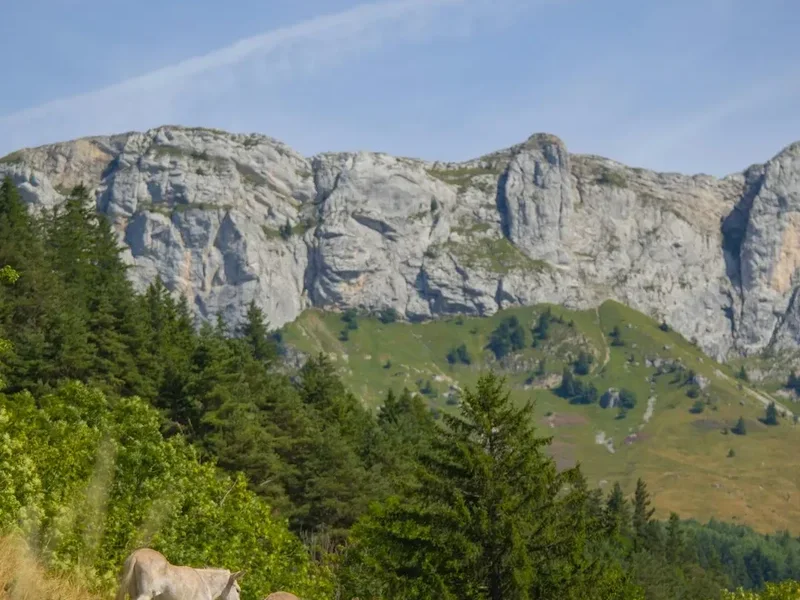
Practising Leave No Trace principles is crucial for preserving the natural beauty and ecological integrity of the Roc de la Vache hiking area. As you ascend into the alpine environment, you are entering a delicate ecosystem that can be easily damaged by human activity.
Your responsibility as a hiker:
- Pack It In, Pack It Out: Carry out all litter, including food scraps, wrappers, and any other waste you generate. Do not bury or burn trash.
- Stay on the Trail: Stick to the marked path to prevent erosion and protect fragile vegetation. Off-trail travel can damage plant life that takes years to recover.
- Respect Wildlife: Observe animals from a distance. Never feed them, as this can alter their natural behaviour and diet, and can be harmful to their health.
- Dispose of Waste Properly: Use designated toilet facilities where available. If not, dig a cathole at least 60 metres (60 m) away from water sources, trails, and campsites, and bury human waste. Pack out toilet paper.
- Leave What You Find: Do not take rocks, plants, or other natural objects. Leave them for others to enjoy and for the ecosystem to thrive.
- Minimise Campfire Impacts: Campfires are generally not permitted on day hikes and are often restricted in alpine areas. If permitted in designated areas, use existing fire rings and ensure fires are completely extinguished. For this day hike, campfires are not applicable.
- Be Considerate of Other Visitors: Keep noise levels down and yield to other hikers, especially on narrow sections of the trail.
By adhering to these principles, you help ensure that the stunning landscapes around Roc de la Vache remain pristine for future generations to enjoy.
 France