
Quilcayhuanca to Cojup Valley Trek
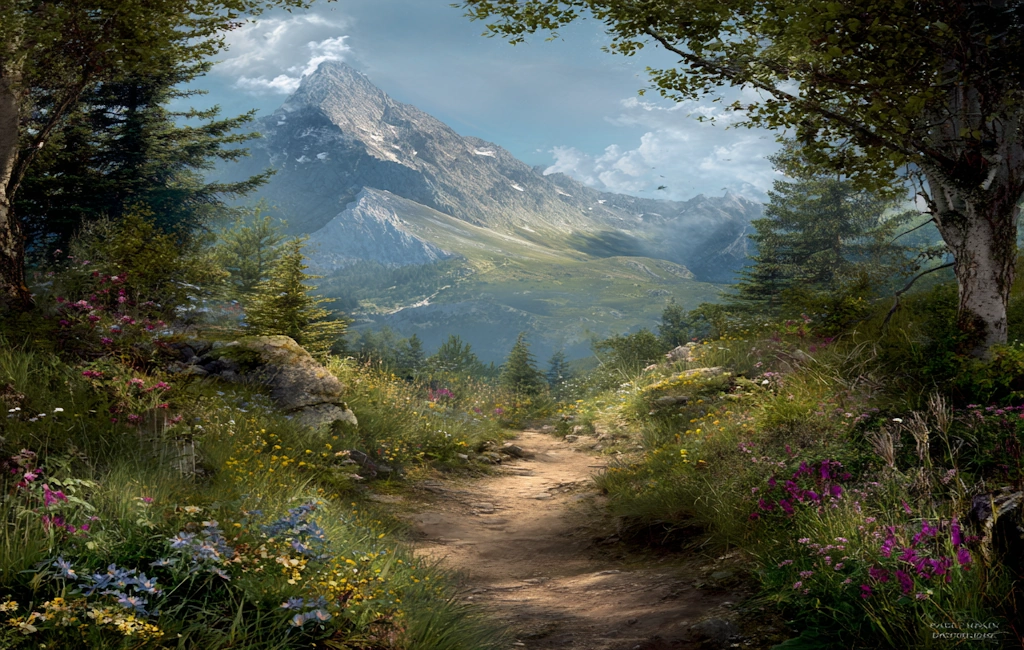
The Quilcayhuanca to Cojup Valley trek is a spectacular high-altitude journey through the Cordillera Blanca, Peru's premier mountain range. This challenging route offers a profound immersion into the dramatic landscapes of the Andes, traversing high mountain passes, skirting turquoise glacial lakes, and passing through remote valleys dotted with ancient Inca ruins. It is a trek that demands physical resilience and rewards with unparalleled vistas of snow-capped peaks, including some of Peru's highest mountains. Unlike more commercialised treks, this route offers a genuine sense of wilderness and solitude, making it a favourite for experienced trekkers seeking an authentic Andean adventure.
- Distance: 25.0 km (main route)
- Elevation Gain: 1500 m
- Duration: 1-2 days (can be extended with acclimatisation or side trips)
- Difficulty: Challenging
- Best Time: May to September (dry season)
- Highest Point: Approximately 4,700 m
- Closest City: Huaraz
- Trailhead Access: Pitec (Quilcayhuanca Valley entrance)
- Accommodation: Camping only
- Permits: Entrance fee to Huascarán National Park required
Overview
The Quilcayhuanca to Cojup Valley trek is a classic route within the Huascarán National Park, renowned for its stunning alpine scenery and the relative remoteness compared to more popular treks like the Santa Cruz. The journey typically begins in the Quilcayhuanca Valley, a relatively gentle ascent through meadows and past small streams, gradually gaining altitude. As the trail progresses, the landscape transforms into a rugged, high-altitude environment, with scree slopes, moraines, and the ever-present backdrop of colossal granite peaks. The highlight for many is reaching the high passes, which offer breathtaking panoramic views of glacial lakes, surrounding mountains, and the vastness of the Cordillera Blanca.
The trek is often undertaken as a two-day expedition, allowing for proper acclimatisation and a more relaxed pace, especially given the significant elevation gain. Day one typically involves ascending the Quilcayhuanca Valley to a high camp, often near Laguna Pucacocha or Laguna Tullpacocha. Day two is the more demanding section, involving the ascent to a high pass (often referred to as the "Punta" or pass) followed by a steep descent into the Cojup Valley. The Cojup Valley itself is a beautiful, albeit challenging, descent, eventually leading towards the access road for transport back to Huaraz.
This trek is not for the faint of heart. The altitude is significant, and the terrain can be demanding, with steep ascents and descents, loose scree, and potentially cold weather even during the dry season. However, for those who are well-prepared and acclimatised, the Quilcayhuanca to Cojup Valley trek offers an unforgettable experience of the Peruvian Andes, showcasing its raw beauty and wild, untamed spirit.
History and Cultural Context
The Quilcayhuanca and Cojup Valleys, like much of the Cordillera Blanca, have a long history of human interaction, primarily linked to the ancient Inca civilisation and their predecessors. These valleys provided vital grazing lands for llamas and alpacas, and served as routes for trade and communication between different regions of the empire. Evidence of ancient agricultural terraces and possibly ceremonial sites can be found in some of these high-altitude areas, hinting at a sophisticated understanding of and adaptation to the challenging Andean environment.
The Cordillera Blanca itself has been a source of awe and wonder for centuries. Its towering peaks, often shrouded in mist and snow, were considered sacred by indigenous peoples, believed to be powerful deities or apus (mountain spirits) that governed the weather and the fertility of the land. The discovery and exploration of these remote valleys by Western mountaineers and trekkers began in earnest in the early to mid-20th century. Pioneers like David de Ferranti and others documented the region's formidable peaks and challenging routes, paving the way for modern mountaineering and trekking tourism.
The establishment of Huascarán National Park in 1975 was a crucial step in preserving the unique biodiversity and geological wonders of the Cordillera Blanca. The park protects not only the dramatic mountain landscapes but also the fragile ecosystems of the high-altitude puna grasslands, the glacial lakes, and the diverse flora and fauna, including the Andean condor and the spectacled bear. The Quilcayhuanca to Cojup Valley trek traverses this protected area, offering a glimpse into a landscape that has been shaped by both natural forces and human history.
Seasonal Highlights and Weather Reality
The best time to undertake the Quilcayhuanca to Cojup Valley trek is during the dry season, which typically runs from May to September. This period offers the highest probability of clear skies, stable weather, and excellent visibility of the surrounding peaks. The days are generally sunny and pleasant, though temperatures can drop significantly at night, especially at higher elevations.
Dry Season (May to September):
- May-June: The start of the dry season. Snowfall from the wet season is still present at higher elevations, offering pristine snow-capped views. Days are sunny, and nights are cold. This is an excellent time for trekking.
- July-August: Peak dry season. These are the most popular months due to consistently clear weather. However, they are also the coldest months, with temperatures often dropping below freezing at night. Daytime temperatures can be pleasant in direct sunlight.
- September: The end of the dry season. The landscape may start to show signs of the approaching wet season, with occasional cloud build-up in the afternoons. Still a good month for trekking, with fewer crowds than July and August.
Wet Season (October to April):
The wet season is generally not recommended for this trek. Heavy rainfall is common, often occurring in the afternoons, which can lead to flash floods, landslides, and make the trails treacherous and impassable. Glacial lakes can become swollen and dangerous, and visibility of the mountains is severely reduced. While some hardy trekkers might attempt it with extreme caution and flexibility, it is significantly more challenging and risky.
Weather Considerations: Even during the dry season, mountain weather is unpredictable. Be prepared for rapid changes. Sunny mornings can quickly turn into cloudy, windy, or even snowy afternoons, especially at higher altitudes and on the passes. Temperatures can fluctuate significantly between day and night, and between sun and shade. Always pack layers and be ready for a range of conditions.
Recommended Itinerary
2-Day Quilcayhuanca to Cojup Valley Trek Itinerary
Day 1: Huaraz to Quilcayhuanca Valley (Camp near Laguna Pucacocha/Tullpacocha)
- Distance: Approximately 10-12 km
- Elevation Gain: Approximately 700-800 m
- Time: 5-7 hours
- Morning: Depart Huaraz by taxi or colectivo to Pitec (approx. 1-2 hour drive).
- Late Morning: Begin trek from Pitec into the Quilcayhuanca Valley.
- The trail starts relatively gently, following the Quilcayhuanca River through open grasslands and past small streams.
- Gradually gain altitude, with the valley walls becoming steeper and more dramatic.
- Pass several small glacial lakes, including Laguna Pucacocha.
- Afternoon: Arrive at a suitable camping spot near Laguna Pucacocha or Laguna Tullpacocha (approx. 4,200-4,300 m).
- Set up camp and acclimatise to the altitude.
- Evening: Enjoy dinner and the spectacular mountain views from your campsite.
Day 2: Camp to Cojup Valley via High Pass, return to Huaraz
- Distance: Approximately 13-15 km
- Elevation Gain: Approximately 400-500 m to the pass
- Elevation Loss: Approximately 1,000-1,200 m from the pass to the road
- Time: 7-9 hours
- Early Morning: Break camp and begin the ascent towards the high pass (approx. 4,700 m).
- The trail becomes steeper and more challenging, often involving scree slopes and rocky terrain.
- Reach the high pass, offering panoramic views of surrounding peaks like Nevado Pisco, Nevado Huascarán, and Nevado Chopicalqui (weather permitting).
- Midday: Begin the steep descent into the Cojup Valley.
- The descent is demanding on the knees and can be on loose scree.
- Continue descending through the Cojup Valley, which is more rugged and less vegetated than Quilcayhuanca.
- Late Afternoon: Reach the end of the Cojup Valley where the road is accessible.
- Meet pre-arranged transport (taxi or colectivo) for the return journey to Huaraz (approx. 1-1.5 hour drive).
Alternative 1-Day Itinerary (Very Challenging, requires excellent acclimatisation):
- Start very early from Pitec.
- Ascend directly to the high pass and descend into Cojup Valley.
- This is a very long and strenuous day (12-16 hours) and not recommended for most trekkers due to the extreme altitude and distance.
Important Notes:
- This trek requires camping. You must carry all your camping gear and food.
- Acclimatisation is crucial. It is highly recommended to spend at least 2-3 days in Huaraz (3,050 m) or doing shorter day hikes at moderate altitudes before starting this trek.
- A guide is highly recommended for navigation, safety, and logistical support, especially for the high pass and descent.
- Huascarán National Park entrance fee is mandatory.
- Carry sufficient water or a reliable water filter/purification method.
- Be prepared for extreme temperature fluctuations.
Planning and Bookings
Book Your Trip
Everything you need to plan your journey
Accommodation
Find places to stay near Huaraz
Flights
Search flights to Huaraz
Essential Preparation
The Quilcayhuanca to Cojup Valley trek is a challenging high-altitude expedition that requires careful planning and preparation. The primary logistical hub for this trek is Huaraz, a city nestled in the Callejón de Huaylas valley, serving as the gateway to the Cordillera Blanca. Before arriving in Huaraz, ensure you have booked your accommodation and have a general idea of your trekking plans. Upon arrival in Huaraz, it is essential to dedicate at least 2-3 days to acclimatisation. This involves resting, staying hydrated, avoiding alcohol, and undertaking shorter day hikes at moderate altitudes (e.g., Laguna Churup, Laguna 69, or Pastoruri Glacier). This acclimatisation period is critical for preventing altitude sickness and ensuring a safer, more enjoyable trek.
Logistics for the trek typically involve arranging transport to the trailhead at Pitec and from the exit point in the Cojup Valley back to Huaraz. This can be done through local tour operators in Huaraz, who can also provide guides, porters, and equipment rental if needed. It is advisable to book these services in advance, especially during the peak trekking season (May-September).
Trail Accommodation
This is a trekking route requiring overnight camping. There are no established huts, lodges, or campsites along the Quilcayhuanca to Cojup Valley trail. Trekkers must be self-sufficient and carry all necessary camping equipment, including tents, sleeping bags, and cooking gear.
Camping: Designated camping spots are typically found in relatively flat, sheltered areas at suitable altitudes within the Quilcayhuanca Valley, usually near Laguna Pucacocha or Laguna Tullpacocha (around 4,200-4,300 m). These are not formal campsites but rather areas where trekkers have historically set up camp. It is crucial to camp responsibly, following Leave No Trace principles.
Facilities Provided: None. Trekkers must bring everything they need.
What's NOT Provided: All camping equipment, food, water, cooking facilities, toilets, and shelter.
Seasonal Availability: Camping is possible year-round, but the dry season (May-September) is highly recommended for safety and comfort due to more stable weather conditions.
Costs: Camping itself is free, but you will incur costs for park entrance fees, transport, food, and potentially guide/porter services.
Required Gear
- Sturdy Hiking Boots: Waterproof, broken-in, with good ankle support. Essential for rocky and uneven terrain.
- Backpack: 50-70 litre capacity, with a rain cover.
- Tent: A robust, 3-4 season tent capable of withstanding strong winds and potential rain or snow.
- Sleeping Bag: Rated to at least -10°C to -15°C (-17°C to -15°C) for comfort at high altitudes.
- Sleeping Pad: For insulation and comfort.
- Waterproof Jacket and Trousers: Breathable and fully waterproof (e.g., Gore-Tex).
- Warm Layers: Fleece jacket, down or synthetic insulated jacket, thermal base layers (merino wool or synthetic).
- Headlamp: With spare batteries.
- Navigation Tools: Map of the area, compass, and GPS device or smartphone with offline maps. A guide is highly recommended for navigation.
- First-Aid Kit: Comprehensive kit including blister treatment, pain relievers, antiseptic wipes, bandages, and any personal medications. Include medication for altitude sickness (e.g., Diamox, consult your doctor).
- Sun Protection: High SPF sunscreen, lip balm with SPF, sunglasses (UV protection is crucial at altitude), wide-brimmed hat or cap.
- Trekking Poles: Highly recommended for stability on ascents and descents, especially on scree.
What to Bring
- Food: Lightweight, high-energy food for 2 days (breakfasts, lunches, dinners, snacks). Consider dehydrated meals, nuts, dried fruit, energy bars, and chocolate.
- Water Bottles/Hydration Reservoir: Capacity for at least 2-3 litres per person.
- Water Purification: Water filter, purification tablets, or UV steriliser. Stream water is available but should always be treated.
- Cooking Gear: Lightweight camping stove, fuel, pot, utensils, mug, plate/bowl.
- Toiletries: Biodegradable soap, toothbrush, toothpaste, toilet paper, hand sanitiser, small trowel for burying waste (if not using designated toilet areas).
- Personal Items: Camera, power bank for electronics, book, small towel.
- Cash: For transport, park fees, and any potential purchases in Huaraz.
- Duct Tape and Repair Kit: For minor gear repairs.
- Plastic Bags: For waterproofing gear and packing out all rubbish.
Permits
To trek the Quilcayhuanca to Cojup Valley route, you must obtain an entrance permit for the Huascarán National Park. This park protects the vast majority of the Cordillera Blanca and its unique ecosystems. The permit is typically purchased in Huaraz at the park's administrative offices or through authorised vendors. It is advisable to secure your permit a day or two before your trek begins.
Huascarán National Park Entrance Fee:
- Cost: The fee varies but is generally around 30-65 Peruvian Soles (PEN) for a 1-day or multi-day pass, depending on the duration and specific park regulations at the time of purchase. For a 2-day trek, a multi-day pass is required.
- Where to Purchase: The main office of the Huascarán National Park in Huaraz is the primary location. Sometimes, permits can also be purchased at the park entrance points, but it is safer to get it in Huaraz to avoid delays.
- Validity: Ensure the permit covers the full duration of your trek. Keep the permit with you at all times, as park rangers may check it along the trail.
Other Considerations:
- Guides and Porters: While not strictly a permit requirement, hiring a licensed guide and/or porters is highly recommended for this trek due to the challenging terrain, altitude, and navigation complexities. Reputable tour operators in Huaraz will handle park fee payments as part of their package.
- Camping: There are no specific camping permits required for designated camping areas within the national park, beyond the general entrance fee. However, responsible camping practices (Leave No Trace) are mandatory.
- Climbing Permits: If your intention is to climb any of the surrounding peaks (e.g., Pisco, Chopicalqui), separate climbing permits and fees will apply, which are significantly more complex and expensive. This trek focuses on the valley and pass, not summiting.
Other Activities in the Area
Huaraz and the surrounding Callejón de Huaylas offer a wealth of activities for trekkers and mountaineers:
- Laguna 69 Trek: A popular day hike from Huaraz to a stunning turquoise glacial lake at 4,600 m, offering incredible views of the Chacraraju mountain.
- Laguna Churup Trek: A shorter but steep day hike to a beautiful lake with a challenging scramble section near the end.
- Pastoruri Glacier: Visit the rapidly receding Pastoruri Glacier, a stark reminder of climate change, and see the Puya Raimondii plants.
- Chavín de Huántar: Explore the ancient ruins of the Chavín culture, a UNESCO World Heritage site, known for its impressive stone carvings and underground labyrinth.
- Santa Cruz Trek: A classic 3-4 day trek in the Cordillera Blanca, offering stunning mountain scenery, glacial lakes, and high passes.
- Mountaineering: For experienced climbers, Huaraz is the base for ascents of numerous peaks, including Nevado Pisco, Nevado Huascarán (Peru's highest), and Nevado Chopicalqui.
- Thermal Baths: Relax in the hot springs of Monterrey or Baños Termales de Chancos after a strenuous trek.
- Huaraz City: Explore the local markets, museums, and enjoy the vibrant atmosphere of this Andean city.
Safety and Conditions
Altitude Sickness (Soroche): This is the most significant risk on this trek. Symptoms can include headache, nausea, dizziness, fatigue, and shortness of breath. Proper acclimatisation is paramount. Ascend slowly, stay hydrated, avoid alcohol and heavy meals, and consider consulting your doctor about altitude medication (e.g., Diamox). If symptoms worsen, descend immediately.
Terrain: The trail involves steep ascents and descents, loose scree, rocky sections, and potentially snow or ice on the pass, especially early in the dry season or after recent snowfall. Trekking poles are highly recommended for stability. Be cautious, especially during descents, as falls can be serious.
Weather: Mountain weather is unpredictable. Be prepared for rapid changes, including strong winds, rain, hail, and snow, even during the dry season. Temperatures can drop significantly at night and on the pass. Always carry warm layers and waterproofs.
Navigation: While the main trail is generally discernible, side paths and scree slopes can be confusing. A reliable map, compass, and GPS device are essential. Hiring a local guide is strongly advised for navigation, safety, and local knowledge.
Water: Glacial meltwater is available, but it must be treated to avoid waterborne illnesses. Carry a reliable water filter or purification tablets.
Remoteness: This is a remote trek with limited access and no facilities. In case of emergency, evacuation can be difficult and time-consuming. Carry a fully stocked first-aid kit and consider a personal locator beacon (PLB) or satellite phone.
Huascarán National Park Regulations: Adhere to all park rules, including those related to waste disposal, camping, and fire restrictions. Respect the environment and wildlife.
Guides and Porters: Using experienced local guides and porters significantly enhances safety and enjoyment. They are familiar with the terrain, weather patterns, and emergency procedures.
Side Trips and Points of Interest
Laguna Pucacocha and Laguna Tullpacocha: These beautiful glacial lakes are often the camping destinations on Day 1. They offer stunning reflections of the surrounding peaks on calm mornings and are excellent spots for photography and acclimatisation.
High Pass Views: The summit of the pass (approx. 4,700 m) on Day 2 provides a spectacular 360-degree panorama of the Cordillera Blanca. On a clear day, you can see iconic peaks such as Nevado Pisco, Nevado Huascarán (the highest peak in Peru), Nevado Chopicalqui, and others. This is the visual climax of the trek.
Ancient Inca Terraces: While not as prominent as in some other Andean regions, remnants of ancient agricultural terraces can sometimes be spotted in the lower sections of the Quilcayhuanca Valley, hinting at the historical use of these lands by indigenous peoples.
Diverse Flora and Fauna: Keep an eye out for high-altitude flora such as ichu grass and various cushion plants. If you are lucky, you might spot Andean condors soaring overhead, or other high-altitude birds and mammals.
The Descent into Cojup Valley: While challenging, the descent itself offers a different perspective on the Andean landscape. The Cojup Valley is more rugged and stark than Quilcayhuanca, showcasing the raw power of glacial erosion.
Leave No Trace
The Quilcayhuanca to Cojup Valley trek traverses a pristine and fragile alpine environment within the Huascarán National Park. Adhering to Leave No Trace (LNT) principles is not just recommended; it is essential for preserving this natural wonder for future generations and for the health of the ecosystem.
Plan Ahead and Prepare: Research the trail, understand the conditions, and be prepared for the challenges. Hire a reputable guide if you are not experienced in high-altitude trekking and navigation. Ensure you have the correct permits and understand park regulations.
Travel and Camp on Durable Surfaces: Stick to established trails whenever possible. When camping, choose established or durable surfaces such as rock, gravel, dry grass, or snow. Avoid camping on fragile vegetation, which can take years to recover.
Dispose of Waste Properly: Pack it in, pack it out. This includes all food scraps, wrappers, toilet paper, and any other rubbish. Use designated toilets where available, or dig catholes 6-8 inches deep and at least 60 m (70 steps) away from water sources, trails, and campsites. Pack out all toilet paper.
Leave What You Find: Do not disturb or remove any natural or cultural objects. This includes rocks, plants, and historical artefacts. Take only photographs, leave only footprints.
Minimise Campfire Impacts: Campfires are generally prohibited in Huascarán National Park due to the risk of wildfires and the impact on vegetation. Use a lightweight camping stove for cooking.
Respect Wildlife: Observe wildlife from a distance. Never feed animals, as it can disrupt their natural behaviours and diets, and can be harmful to their health. Store food securely to prevent attracting animals.
Be Considerate of Other Visitors: Keep noise levels down, especially in camping areas. Yield to others on the trail. Respect the solitude and natural quiet of the wilderness.