
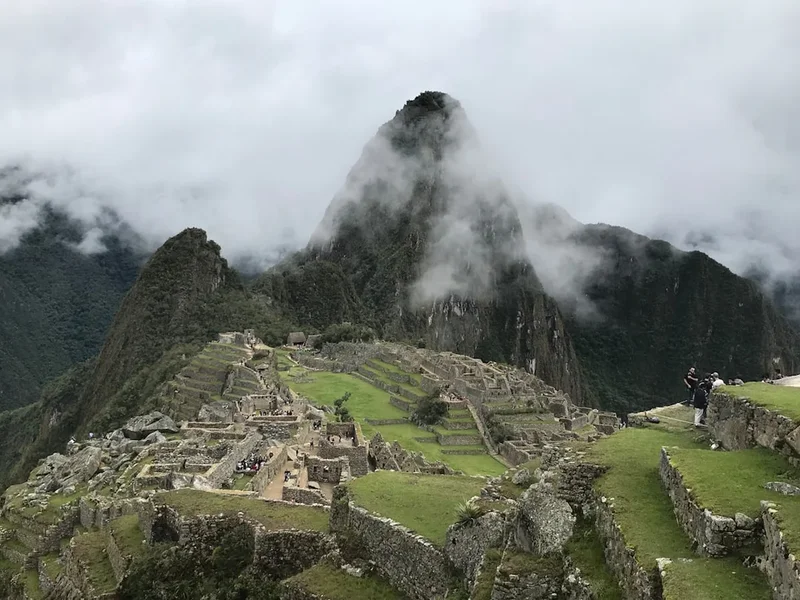
Qoyllur Rit'i Pilgrimage - The Star Snow Sanctuary
The Qoyllur Rit'i Pilgrimage is one of the most profound and physically demanding spiritual journeys in the Peruvian Andes. Located in the Sinakara Valley of the Quispicanchi province, near the towering massifs of the Vilcanota range, this 55-kilometre journey is not merely a hike but a deep immersion into a living tapestry of Andean syncretism. Every year, in late May or early June, tens of thousands of pilgrims—predominantly indigenous Quechua speakers—converge on this high-altitude sanctuary to honour the "Lord of the Star Snow." The trail ascends from the small village of Mahuayani, winding through rugged mountain passes and glacial moraines to reach a sanctuary perched at 4,600 metres above sea level, beneath the sacred peaks of Ausangate and Sinakara. This is a landscape where the boundaries between the Catholic faith and ancient Apu (mountain spirit) worship dissolve, creating an atmosphere of intense devotion, rhythmic music, and endurance that challenges the limits of the human spirit.
- Distance: 55.0 km (total round trip including processions)
- Duration: 4–5 days
- Season: Late May or early June (aligned with the lunar calendar and Corpus Christi)
- Accommodation: High-altitude camping and communal shelters (no hotels or formal lodges)
- Highest point: 5,030 m (during the glacier ascent or Tayancani procession)
- Difficulty: Challenging (due to extreme altitude, freezing temperatures, and rugged terrain)
- Direction: Out-and-back from Mahuayani, with a secondary procession route to Tayancani
Overview
The Qoyllur Rit'i Pilgrimage is a sensory and physical odyssey that takes place in the shadow of the Ausangate mountain, the most powerful Apu in the Cusco region. Unlike the well-trodden paths of the Inca Trail or Salkantay, Qoyllur Rit'i is a raw, uncommercialised experience defined by the collective energy of the "Naciones" (Nations)—eight regional groups from across the Southern Andes who travel to the sanctuary to perform traditional dances and rituals. The route begins in the dusty trailhead of Mahuayani, where the air is already thin at 3,800 metres. From here, pilgrims embark on an 8.5-kilometre ascent to the sanctuary, a path lined with crosses and small stone cairns known as apachetas, where travellers leave offerings to ensure safe passage.
The physical landscape is a masterclass in Andean geology. As you ascend, the lush valleys of the lower altitudes give way to the stark, monochromatic beauty of the puna—a high-altitude grassland where only the hardiest ichu grass and alpaca herds survive. The final approach to the sanctuary reveals a natural amphitheatre of granite and ice, where the Sinakara glacier spills down toward the valley floor. The scale of the environment is humbling; the peaks rise to over 6,000 metres, their summits often shrouded in clouds that the locals believe are the breath of the gods. The weather is a constant factor, with daytime temperatures reaching 15°C under a piercing sun, only to plummet to -15°C as soon as the sun dips behind the peaks.
What sets this trail apart is the cultural density. You are never walking alone; you are part of a river of humanity. The sound of the pututu (conch shell) echoes off the valley walls, punctuated by the rhythmic beat of drums and the high-pitched melodies of flutes. The "Ukukus"—men dressed as half-bear, half-human guardians—patrol the trail and the glaciers, acting as intermediaries between the human world and the divine. For the trekker, this is a journey that requires not just physical fitness, but a deep respect for the traditions of the people who have called these mountains home for millennia. It is a test of acclimatisation, mental fortitude, and the ability to find beauty in one of the harshest environments on Earth.
History and Cultural Context
The origins of the Qoyllur Rit'i Pilgrimage are a fascinating blend of historical record and sacred legend. According to the Catholic tradition, the pilgrimage began in 1780 when a young indigenous shepherd boy named Marianito Mayta befriended a fair-skinned boy on the slopes of Mount Sinakara. The two boys became inseparable, and Marianito’s flock of alpacas miraculously multiplied. When the local priest attempted to capture the mysterious fair-skinned boy, believing him to be a divine apparition, the boy disappeared, leaving behind an image of the crucified Christ on a rock. Marianito died of grief shortly after, and he was buried beneath the rock where the image appeared. This site became the Sanctuary of the Lord of Qoyllur Rit'i.
However, for the indigenous Quechua and Aymara people, the roots of the pilgrimage go back much further, predating the arrival of the Spanish. The timing of the festival coincides with the reappearance of the Pleiades star cluster (known as Qullqa in Quechua) in the southern sky, which signals the beginning of the harvest and the New Year. The mountains themselves—Ausangate, Sinakara, and Qullqepunku—are viewed as Apus, powerful deities that control the weather, the fertility of the land, and the fate of the people. The pilgrimage is a way of "paying the earth" (pagapu) and ensuring the continued flow of water from the glaciers, which are seen as the lifeblood of the Andean valleys.
In 2011, UNESCO recognised the Pilgrimage to the Sanctuary of the Lord of Qoyllur Rit'i as an Intangible Cultural Heritage of Humanity. This designation acknowledges the unique social and cultural fabric of the event, particularly the role of the "Naciones." Each Nation (such as Paucartambo, Quispicanchi, or Canchis) brings its own dancers, musicians, and traditions, creating a competitive yet communal atmosphere. The Ukukus, or "Pauluchas," are perhaps the most iconic figures; they are the only ones permitted to climb the sacred glaciers, where they perform rituals to bring back "blessed water" and ice, which is believed to have healing properties. The history of Qoyllur Rit'i is a testament to the resilience of Andean culture, which has successfully integrated European religious symbols into a framework of ancient mountain worship.
Want more background? Read extended notes on history and cultural context → Learn more
Seasonal Highlights and Weather Reality
The Qoyllur Rit'i Pilgrimage is a seasonal event, occurring only once a year. Because it is tied to the lunar calendar and the date of Corpus Christi, the exact days change annually, but it always falls between late May and mid-June. This period marks the beginning of the Andean winter, which is characterised by the "dry season." While "dry" means there is little rain, it also means the sky is exceptionally clear, leading to extreme temperature fluctuations.
During the day, the high-altitude sun is incredibly intense. At 4,600 metres, the atmosphere provides little protection from UV rays, and trekkers can easily suffer from severe sunburn or heat exhaustion if not properly protected. However, as soon as the sun sets, the temperature drops with startling speed. It is common for temperatures at the sanctuary to reach -10°C or -15°C overnight. Frost covers the tents, and any standing water freezes solid. This extreme cold is one of the primary challenges of the pilgrimage, requiring high-quality thermal gear and a four-season sleeping bag.
The weather can also be unpredictable. Even in the dry season, sudden snowstorms can blow in from the Amazon basin, covering the trail in a layer of white and reducing visibility to a few metres. These "surazos" (cold fronts) can last for several hours or even days. The wind is another factor; the Sinakara Valley acts as a funnel for icy gusts coming off the glaciers, making the "feels like" temperature significantly lower than the actual reading. For those who choose to participate in the final procession to Tayancani, which takes place overnight, the cold is at its most punishing, requiring constant movement and layers of wool and down to survive the vigil.
Recommended Itinerary
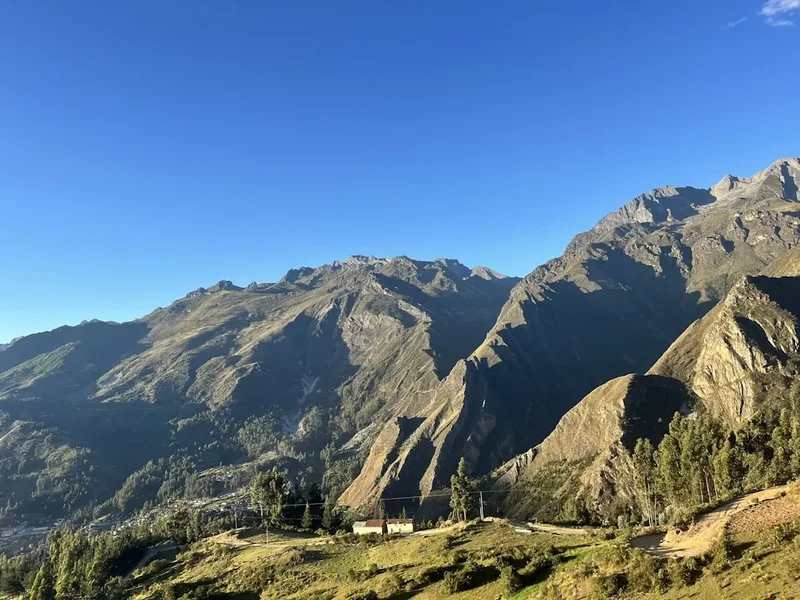
5-Day Qoyllur Rit'i Pilgrimage Itinerary
Day 1: Cusco to Mahuayani and the First Ascent
- Distance: 8.5 km (hiking) plus 150 km (bus)
- Elevation gain: 800 m
- Time: 3–4 hours (hiking)
- Early morning departure from Cusco by private bus or local "colectivo" to the village of Mahuayani (3,800 m)
- The drive takes approximately 3–4 hours through the stunning South Valley of Cusco
- Begin the ascent from Mahuayani to the Sanctuary of Qoyllur Rit'i (4,600 m)
- The trail is a steady, uphill climb on a wide, dusty path shared with thousands of pilgrims and pack horses
- Pass the fourteen stations of the cross, where pilgrims stop to pray and light candles
- Arrive at the sanctuary in the late afternoon to set up camp in the designated "Nación" areas or the general camping zone
- First night at extreme altitude; focus on hydration and slow movement
Day 2: The Day of the Nations and Ritual Dances
- Distance: 3–5 km (exploring the sanctuary area)
- Elevation gain: 100 m
- Time: Full day of cultural immersion
- Observe the arrival of the various "Naciones" as they enter the sanctuary with music and dance
- Visit the main chapel to see the image of the Lord of Qoyllur Rit'i painted on the sacred rock
- Explore the "Alasitas" market, where pilgrims buy miniature houses, cars, and money, which are then blessed by the priest or the Ukukus
- Watch the continuous dance performances in the main plaza, including the Qhapaq Qolla, Wayri Ch'unchu, and the iconic Ukukus
- The atmosphere is one of intense energy, with music playing 24 hours a day
- Evening candlelit procession around the sanctuary grounds
Day 3: The Night of the Glacier and the Ukuku Rituals
- Distance: 4 km (ascent toward the glacier)
- Elevation gain: 400 m
- Time: 4–6 hours (mostly at night)
- This is the most spiritual and physically demanding day of the pilgrimage
- In the early hours of the morning (around 2:00 AM), the Ukukus begin their ascent to the Sinakara glacier (over 5,000 m)
- While tourists are generally discouraged from climbing onto the ice for safety and environmental reasons, you can hike to the base of the glacier to witness the rituals
- The Ukukus perform battles and dances on the ice to drive away evil spirits
- As dawn breaks, the Ukukus descend from the glacier carrying large blocks of ice on their backs to be distributed as "blessed water"
- Afternoon rest and preparation for the final overnight procession
Day 4: The 24-Hour Procession to Tayancani
- Distance: 15 km
- Elevation: 400 m gain, 1,200 m descent
- Time: 12–15 hours (overnight)
- Late afternoon departure from the sanctuary for the "24-hour procession"
- The route climbs over a high pass (approx. 5,000 m) before descending toward the village of Tayancani
- This is a night-time trek across rugged, unlit terrain, guided by the moon and the torches of thousands of pilgrims
- At dawn, the pilgrims gather on a hillside to "greet the sun" (Inti Alabado) with music and dance as the first rays hit the peaks
- Continue the descent to the village of Tayancani for a final mass and celebration
- Camp near Tayancani or continue to the road head
Day 5: Tayancani to Ocongate and Return to Cusco
- Distance: 10 km (hiking) plus 160 km (bus)
- Elevation: 600 m descent
- Time: 3–4 hours (hiking)
- Final descent from the highlands to the town of Ocongate
- The trail passes through traditional Quechua communities and agricultural terraces
- Arrive in Ocongate, a major hub on the Interoceanic Highway
- Board a bus or private transport for the return journey to Cusco
- Arrive in Cusco by late evening, marking the end of the pilgrimage
Important Notes:
- This is not a standard trekking route; it is a religious event. Respect for local customs is mandatory
- Altitude sickness (soroche) is a significant risk; at least 3–4 days of acclimatisation in Cusco is essential
- There are no formal toilets or showers at the sanctuary; facilities are extremely basic and communal
- Alcohol is strictly forbidden within the sanctuary grounds and on the trail
- The cold is extreme; professional-grade winter gear is required
- Photography of certain rituals may be restricted; always ask permission
Planning and Bookings
Book Your Trip
Everything you need to plan your journey
Accommodation
Find places to stay near Cusco
Flights
Search flights to Cusco
Essential Preparation
Planning for Qoyllur Rit'i is vastly different from planning a trek like the Inca Trail. There are no permits to buy months in advance, but the logistical challenges are significant. The most critical preparation is physical and physiological. You will be spending several days above 4,500 metres, with physical exertion that can lead to High Altitude Pulmonary Oedema (HAPE) if you are not properly acclimatised. It is recommended to spend at least four days in Cusco (3,400 m) or the Sacred Valley before attempting the pilgrimage.
Logistically, you must decide whether to go independently or with an organised group. While independent travel is possible, joining a specialised cultural tour or travelling with a local "Nación" provides a much deeper understanding of the rituals and ensures you have a designated place to camp. If going independently, you must arrange your own transport from Cusco to Mahuayani and carry all your own gear, or hire a mule and "arriero" (muleteer) in Mahuayani. Coordination with local transport is key, as buses during the festival are crowded and schedules are informal.
Trail Accommodation
Accommodation on the Qoyllur Rit'i trail is primitive. There are no hotels, hostels, or permanent lodges at the sanctuary or along the route. All pilgrims and visitors must sleep in tents or basic communal shelters.
Accommodation Details:
- Camping: Most people bring their own high-altitude tents. The ground is rocky, uneven, and often frozen. There are designated areas for each "Nación," and a general area for visitors.
- Communal Shelters: Some local groups erect large canvas tents or temporary stone-and-tarp shelters where dozens of people sleep side-by-side for warmth. These are generally not available to tourists unless you are travelling with a specific group.
- Facilities: There are basic pit toilets provided by the local organising committee, but they are often overwhelmed by the sheer number of people. There is no running water for washing; most people use wet wipes or small basins of melted snow.
- Costs: There is no formal fee for camping, but it is customary to make a donation to the Brotherhood of the Lord of Qoyllur Rit'i or the local community of Mahuayani.
Required Gear
- High-altitude tent: A sturdy, four-season tent capable of withstanding high winds and heavy frost.
- Sleeping bag: Rated to at least -15°C. A down bag is recommended for its warmth-to-weight ratio.
- Sleeping mat: An insulated inflatable mat or a thick closed-cell foam mat to provide a thermal barrier from the frozen ground.
- Mountaineering boots: Waterproof, insulated, and well-broken-in. The terrain is rocky and can be muddy or snowy.
- Thermal layers: Merino wool or synthetic base layers (top and bottom) are essential.
- Insulating layers: A heavy down jacket (puffer), fleece mid-layers, and windproof outer shell.
- Accessories: Warm woollen hat (chullo), insulated gloves, and several pairs of thick woollen socks.
- Backpack: 60–75L if carrying your own gear, or a smaller daypack if using a mule.
- Head torch: Essential for the night-time processions, with several sets of spare batteries (cold drains batteries quickly).
What to Bring
- Food: High-calorie, easy-to-prepare meals. Think dehydrated trekking meals, nuts, chocolate, and energy bars. While there are food stalls at the sanctuary selling basic soups and fried trout, hygiene standards are low.
- Water Treatment: A high-quality filter or purification tablets. Stream water is contaminated by the sheer volume of people and livestock.
- Coca Leaves: Chewing coca leaves or drinking coca tea is the traditional and effective way to combat altitude sickness and fatigue.
- Sun Protection: SPF 50+ sunscreen, lip balm with UV protection, and Category 4 sunglasses to prevent snow blindness.
- First Aid Kit: Including Diamox (acetazolamide) for altitude, ibuprofen for headaches, rehydration salts, and blister care.
- Personal Hygiene: Large quantities of wet wipes, hand sanitiser, and biodegradable toilet paper.
- Small Change: Peruvian Soles in small denominations for buying food, miniatures at the Alasitas market, or paying for mule transport.
- Offerings: Small candles or "despachos" (offerings to the earth) if you wish to participate in the spiritual aspects of the pilgrimage.
Permits
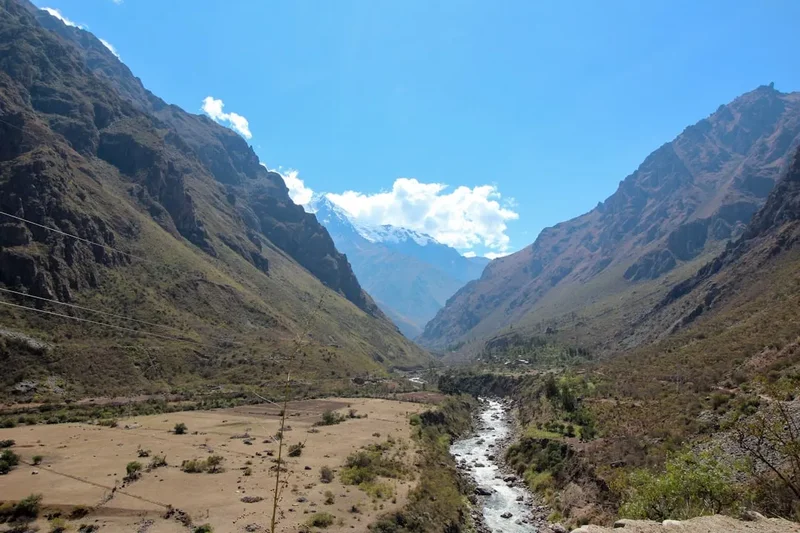
Unlike the Inca Trail, there is no government-mandated permit system or daily quota for the Qoyllur Rit'i Pilgrimage. The event is managed by the "Consejo de Naciones" (Council of Nations) and the "Hermandad del Señor de Qoyllur Rit'i" (Brotherhood of the Lord of Qoyllur Rit'i). Because it is a public religious event, anyone is technically allowed to walk the trail and visit the sanctuary.
Logistical Considerations:
- Community Contributions: While there is no "ticket," the community of Mahuayani often charges a small fee (usually 5–10 Soles) for access to the trailhead or for parking. This money goes toward cleaning and maintaining the trail.
- Mule Hire: If you require a mule to carry your gear, this must be negotiated on-site in Mahuayani. Prices fluctuate based on demand but expect to pay 40–60 Soles per day per mule.
- Organised Groups: If you book through a travel agency in Cusco, they will handle all "permits" and community fees as part of your package. This is often the easiest way to ensure you are following local protocols.
- Registration: Some years, the Brotherhood asks visitors to register at a small office in Mahuayani for safety and statistical purposes, though this is not always strictly enforced.
Cultural Sensitivity: The "permit" to be here is essentially one of respect. This is a sacred site, not a tourist attraction. Visitors are expected to dress modestly, avoid loud or disruptive behaviour, and follow the instructions of the Ukukus, who act as the traditional authority and security force within the sanctuary.
Other Activities in the Area
The Quispicanchi province and the surrounding Cusco region offer numerous opportunities to extend your adventure:
- Ausangate Trek: The Qoyllur Rit'i trail is located on the fringes of the classic Ausangate Circuit. You can extend your pilgrimage into a 5–7 day trek around the entire massif, passing turquoise glacial lakes and high passes.
- Rainbow Mountain (Vinicunca): Located nearby, this famous multi-coloured mountain can be visited as a day trip from Cusco or integrated into an Ausangate trekking itinerary.
- Tipón Archaeological Park: On the way back to Cusco, visit this impressive Inca site known for its sophisticated hydraulic engineering and water gardens.
- Andahuaylillas: Visit the "Sistine Chapel of the Americas," a colonial church with stunning baroque murals and gold-leaf altars, located in the South Valley.
- Cusco City Exploration: Spend time in the historic centre of Cusco, visiting the Qorikancha (Temple of the Sun) and the massive stone walls of Saqsaywaman.
- Sacred Valley: Explore the towns of Pisac and Ollantaytambo, which offer a lower altitude and a wealth of Inca ruins and traditional markets.
Safety and Conditions
Altitude Sickness (Soroche): This is the single greatest danger on the Qoyllur Rit'i Pilgrimage. The sanctuary is at 4,600 metres, and the passes reach 5,000 metres. At these heights, the oxygen level is approximately half of that at sea level. Symptoms of Acute Mountain Sickness (AMS) include headache, nausea, dizziness, and insomnia. If these symptoms worsen into a persistent cough or loss of coordination, it may indicate HAPE or HACE, which are life-threatening. The only cure is immediate descent. There is a small medical tent at the sanctuary staffed by volunteers, but it is equipped only for basic emergencies.
Extreme Cold and Hypothermia: The combination of high altitude, wind, and sub-zero temperatures creates a high risk of hypothermia, especially during the night-time processions. It is vital to stay dry; sweat can freeze against your skin, rapidly lowering your core temperature. Always carry spare dry layers and never underestimate the Andean winter night.
Crowds and Physical Safety: With over 100,000 people in a confined mountain valley, the risk of accidents is real. The trails are steep, dusty, and shared with horses and mules that can be unpredictable. During the night-time processions, the terrain is uneven and poorly lit. It is easy to get separated from your group in the sea of people. Establish a clear meeting point and carry a whistle and a reliable light source.
Hygiene and Water Safety: Sanitation is a major challenge. The high concentration of people leads to a high risk of gastrointestinal infections. Only drink water that has been boiled, filtered, or chemically treated. Avoid raw vegetables and unpeeled fruit. Use hand sanitiser religiously before eating.
Security: While the pilgrimage is generally safe and the Ukukus maintain a level of traditional order, petty theft can occur in the crowded camping areas. Keep your valuables (passport, money, camera) in a small bag inside your sleeping bag at night, and never leave your tent unattended with valuables inside.
Side Trips and Points of Interest
The Alasitas Market: This is a unique cultural phenomenon within the sanctuary. Pilgrims visit a specific area of the valley to "buy" miniatures of things they desire in the coming year—miniature houses, trucks, university degrees, bundles of cash, and even tiny marriage certificates. These items are then taken to the rock of the Lord or to an Ukuku to be blessed. It is a fascinating display of faith and hope, blending traditional Andean reciprocity with modern aspirations.
The Sinakara Glacier: While climbing onto the ice is now restricted for most visitors due to the rapid melting of the glacier (a result of climate change), the hike to the base of the ice is a powerful experience. You can watch the Ukukus perform their ancient rituals and see the "crosses of the ice" that are carried down to the sanctuary. The view from the base of the glacier across the Sinakara Valley is one of the most spectacular in the Andes.
The Tayancani Procession: For those with the stamina, the overnight trek to Tayancani is the spiritual climax of the pilgrimage. Walking through the silence of the high Andes under a canopy of stars, accompanied by the distant sound of flutes, is an unforgettable experience. The "Greeting of the Sun" at dawn is a moment of profound collective energy that few other trails in the world can match.
The Lord of Qoyllur Rit'i Chapel: The small, crowded chapel built around the sacred rock is the heart of the sanctuary. Even if you are not religious, the intensity of the devotion inside—the smell of thousands of candles, the whispered prayers in Quechua, and the sight of the ancient rock—is deeply moving. It is the physical manifestation of the syncretism that defines this entire journey.
Leave No Trace
The Qoyllur Rit'i Pilgrimage faces an enormous environmental challenge. The presence of 100,000 people in a fragile high-alpine ecosystem creates significant waste and pressure on local resources. As a visitor, your commitment to Leave No Trace principles is essential to the survival of this tradition and the health of the mountains.
Your responsibility as a pilgrim:
- Pack out all trash: There is no waste collection system at the sanctuary. Everything you bring in—including food wrappers, batteries, and plastic bottles—must be carried back to Cusco.
- Manage human waste: Use the provided pit toilets, however basic they may be. If you must go on the trail, ensure you are at least 60 metres from any water source and bury waste deep in a "cathole."
- Protect the water: Do not use soap or detergents in the streams. Even biodegradable soap can harm the delicate high-altitude aquatic life.
- Respect the glacier: Do not attempt to walk on the glacier unless you are part of an authorised ritual group. The ice is retreating rapidly, and human traffic accelerates this process.
- Stay on the trail: The high-altitude puna is home to fragile mosses and lichens that take years to grow. Avoid creating new paths or shortcuts.
- Respect the silence: While the festival is loud and musical, avoid playing your own music or making unnecessary noise in the quiet areas of the trail.
- Do not feed wildlife: You may see Andean foxes or caracaras; keep your food secure and never offer it to wild animals.
By walking with respect and leaving no trace, you honour the Apus and ensure that the "Star Snow" continues to shine for future generations of pilgrims.