
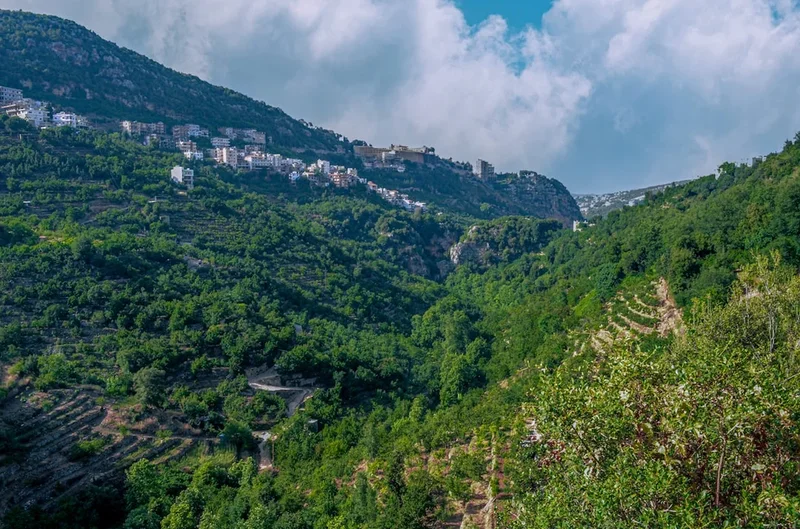
Qadisha Valley Trail - Lebanon's Sacred Gorge
The Qadisha Valley, a UNESCO World Heritage site, is a testament to centuries of human resilience and spiritual devotion carved into the heart of Lebanon's mountains. This ancient gorge, meaning "Holy Valley" in Aramaic, has been a sanctuary for monastic communities for over a millennium, primarily Maronite Christians. The trail network within the valley offers a profound journey through history, culture, and breathtaking natural beauty. Walkers can explore hidden hermitages, ancient churches, and terraced villages clinging precariously to steep slopes, all set against a backdrop of dramatic limestone cliffs and verdant cedar forests. It's a pilgrimage route, a historical exploration, and a moderate hiking adventure rolled into one, offering a unique glimpse into a living heritage that has endured for generations.
- Distance: Approximately 35.0 km (variable depending on chosen routes)
- Duration: 2-3 days
- Season: April to October (avoiding the hottest summer months)
- Huts/Accommodation: Guesthouses and basic shelters available in villages
- Highest point: Varies by route, generally around 1,500 m
- Difficulty: Moderate
- Closest City: Tripoli
- Direction: No fixed direction; routes can be explored in various sequences
Overview
The Qadisha Valley is more than just a hiking trail; it's a journey through time. Its dramatic topography, with sheer cliffs and a deep, winding gorge, has provided natural protection for its inhabitants for centuries. The valley floor is crisscrossed by the Nahr Qadisha (Qadisha River), a vital water source that has sustained life and agriculture for millennia. The trail system connects a series of ancient villages and monastic sites, each with its own unique history and architectural significance. From the imposing Monastery of Mar Lichaa to the rock-hewn hermitages of Qannoubine, the valley whispers tales of faith, perseverance, and a deep connection to the land.
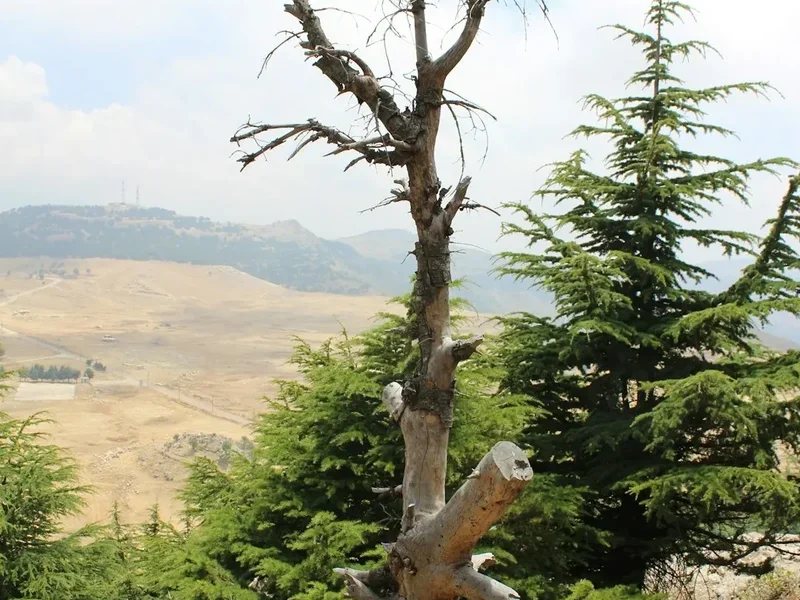
The landscape is a striking contrast of rugged limestone formations, lush vegetation, and the vibrant green of terraced fields. Cedar trees, the ancient symbol of Lebanon, dot the higher slopes, while the lower valley teems with fruit trees, olive groves, and wild herbs. The air is often filled with the scent of pine and wild thyme, and the sounds of the river and distant church bells. The moderate difficulty of the trails makes it accessible to a wide range of hikers, though some sections can be steep and require sure footing.
The cultural richness of the Qadisha Valley is as compelling as its natural beauty. The monasteries and churches, many dating back to the early centuries of Christianity, are not just historical relics but are still active centres of spiritual life for the Maronite community. Exploring these sites offers a unique opportunity to understand the enduring legacy of monasticism and the deep spiritual roots of Lebanon. The valley is a place where nature and human history are inextricably intertwined, creating an experience that is both physically invigorating and spiritually enriching.
History and Cultural Context
The history of the Qadisha Valley is deeply intertwined with the Maronite Church, a Christian denomination that traces its origins back to Saint Maron in the 4th century. Fleeing persecution and seeking refuge, Maronite monks began to settle in the valley from the 7th century onwards. Its remote and inaccessible nature provided a natural sanctuary, allowing them to preserve their faith, traditions, and unique Syriac liturgy.
Over the centuries, the valley became a thriving centre of monastic life. Numerous monasteries, hermitages, and churches were carved directly into the rock faces or built on precarious ledges. Sites like the Monastery of Mar Lichaa, the Monastery of Qannoubine (once the seat of the Maronite Patriarchate), and the Hermitage of Saint Anthony of Qozhaya became important spiritual and cultural hubs. These communities developed sophisticated agricultural techniques, creating terraced fields on the steep slopes to cultivate olives, grapes, and grains.
The valley's strategic location also played a role in its history. It served as a refuge during various invasions and conflicts, with its inhabitants often defending their homeland with fierce determination. The Maronites maintained a distinct identity, preserving their language (a dialect of Aramaic) and their religious practices, even as surrounding empires rose and fell.
In the 19th and 20th centuries, many of the valley's inhabitants emigrated, leading to the decline of some monastic communities. However, a concerted effort in recent decades has led to the restoration of many historical sites and the recognition of the valley's immense cultural and historical significance. In 1998, the Qadisha Valley was inscribed as a UNESCO World Heritage site, acknowledging its outstanding universal value as a place where religious traditions and natural landscapes have coexisted and influenced each other for over a thousand years.
Seasonal Highlights and Weather Reality
The Qadisha Valley experiences distinct seasons, each offering a different perspective on its beauty and character. The best time to visit is generally from April to October, when the weather is most conducive to hiking and exploring.
Spring (April to May): This is a particularly beautiful time to visit. The valley awakens from winter, with wildflowers blooming profusely and the landscape turning a vibrant green. The Nahr Qadisha is often at its fullest, and the weather is typically mild and pleasant, with daytime temperatures ranging from 15°C to 25°C. However, occasional spring rains can occur, so packing waterproofs is advisable.
Summer (June to August): While the valley is still accessible, summer can be quite hot, especially in the lower sections. Daytime temperatures can reach 30°C or higher. Hiking is best done in the early morning or late afternoon to avoid the midday heat. The higher elevations offer some respite, and the cedar forests provide shade. This is also the peak tourist season, so expect more visitors.
Autumn (September to October): This is often considered the ideal time for hiking in the Qadisha Valley. The intense summer heat subsides, and the weather becomes cooler and drier. The autumn foliage adds a beautiful palette of colours to the landscape, with shades of gold, red, and brown appearing on the trees. Temperatures are comfortable, typically between 10°C and 20°C, making for excellent hiking conditions.
Winter (November to March): The Qadisha Valley experiences cold winters with significant snowfall, particularly at higher elevations. Many of the trails can become impassable due to snow and ice, and some guesthouses may close. While it offers a starkly beautiful, snow-covered landscape, it is generally not recommended for casual hiking. Access to some areas may be limited.
Recommended Itinerary
2-3 Day Qadisha Valley Itinerary (Moderate Pace)
Day 1: Deir Qozhaya to Bsharri
- Distance: Approximately 12 km
- Elevation gain: ~800 m
- Time: 4–5 hours
- Start at the Monastery of Mar Youhanna (Deir Qozhaya), a significant historical site.
- Hike through terraced olive groves and oak forests.
- Pass through small hamlets and encounter local farmers.
- Ascend towards the village of Bsharri, the birthplace of Khalil Gibran.
- Explore the Gibran Museum and the village centre.
- Overnight in a guesthouse in Bsharri.
Day 2: Bsharri to Qannoubine Monastery (or nearby village)
- Distance: Approximately 15 km
- Elevation gain: ~400 m, significant descent
- Time: 5–6 hours
- Begin with a visit to the Cedars of God (Arz ar-Rabb), an ancient grove of Lebanon cedars.
- Descend into the Qadisha Valley, following ancient paths.
- Explore the Monastery of Qannoubine, a historically important Maronite site carved into the cliff face.
- Continue along the valley floor or higher paths towards a village like Hasroun or Hadchit for overnight accommodation in a guesthouse.
- Alternatively, if seeking a more remote experience, arrangements can sometimes be made for basic overnight stays near Qannoubine (requires advance planning and local contact).
Day 3: Qannoubine area to Ehden (Optional Extension)
- Distance: Approximately 8 km
- Elevation gain: ~500 m
- Time: 3–4 hours
- This day offers a more relaxed exploration or an extension for those with more time.
- Hike from your overnight location towards the village of Ehden, known for its beautiful setting and traditional architecture.
- Explore the surrounding natural reserves or enjoy the local cuisine.
- This day can be tailored based on your interests and departure plans.
Notes:
- This itinerary is a suggestion and can be adapted.
- Accommodation is typically in local guesthouses or small hotels in the villages.
- Water sources are available, but purification is recommended.
- Local guides are highly recommended for navigating the less-marked paths and understanding the history.
- The order of villages and monasteries can be adjusted based on starting and ending points.
Planning and Bookings
Book Your Trip
Everything you need to plan your journey
Accommodation
Find places to stay near Tripoli
Flights
Search flights to Tripoli
Essential Preparation
The Qadisha Valley is a region of significant cultural and natural importance. Preparation involves understanding the local context, arranging transport, and ensuring you have appropriate gear for moderate hiking in a mountainous environment. The closest major city is Tripoli, which serves as a gateway to the region. From Tripoli, you will need to arrange local transport, typically a taxi or shared taxi (service), to reach the starting points of your chosen trails, such as Deir Qozhaya or Bsharri. Driving yourself is possible, but road conditions can be challenging in some areas, and parking may be limited at trailheads. It is highly recommended to hire a local guide who can assist with navigation, provide historical context, and help arrange accommodation and meals in the villages. This also supports the local economy and ensures a richer experience.
Trail Accommodation
Accommodation in the Qadisha Valley primarily consists of local guesthouses, small hotels, and sometimes basic shelters or rooms arranged through monasteries. There are no formal "huts" in the same sense as in alpine national parks. Villages like Bsharri, Ehden, and Hasroun offer a range of options, from simple rooms to more comfortable guesthouses with amenities.
Guesthouses/Small Hotels:
- Booking requirements: Advance booking is highly recommended, especially during peak season (summer and autumn). Contacting guesthouses directly or through local tour operators is the best approach.
- Facilities provided: Typically include private rooms, often with en-suite bathrooms, clean bedding, and sometimes breakfast. Some may offer evening meals.
- What's NOT provided: No cooking facilities for guests, no shared common rooms in the style of hostels, and limited services outside of the main villages.
- Seasonal availability: Most guesthouses operate year-round but may have reduced services or limited availability during winter months.
- Costs: Expect costs to range from approximately $40 to $80 USD per night for a double room, depending on the level of comfort and location.
Monastic Stays: In some cases, it may be possible to arrange very basic accommodation or hospitality at certain monasteries, particularly if you have a local contact or guide. This is usually a spartan experience, focused on simplicity and spiritual immersion.
Campsites: While not officially designated, wild camping might be possible in very remote areas away from villages, but it is not common practice and requires careful consideration of local customs and environmental impact. It is generally advisable to stick to established accommodation.
Required Gear
- Sturdy hiking boots: Waterproof and with good ankle support are essential for navigating uneven terrain, rocky paths, and potentially slippery slopes. Ensure they are well broken-in.
- Waterproof and windproof jacket: Weather can change quickly in the mountains, and rain is possible even outside the main rainy season.
- Layered clothing: Bring moisture-wicking base layers (merino wool or synthetic), insulating mid-layers (fleece or down jacket), and an outer shell.
- Trousers: Durable hiking trousers that are comfortable and allow for a good range of movement. Avoid jeans.
- Backpack: A comfortable daypack (20-30 litres) for carrying essentials during day hikes, or a larger pack (40-50 litres) if carrying overnight gear between villages.
- Navigation tools: A detailed map of the Qadisha Valley, a compass, and a GPS device or smartphone with offline maps are highly recommended. Mobile signal can be intermittent.
- First-aid kit: Comprehensive kit including blister treatment, pain relievers, antiseptic wipes, bandages, and any personal medications.
- Sun protection: High SPF sunscreen, sunglasses, and a wide-brimmed hat are crucial, especially during summer months.
- Headlamp or torch: With spare batteries, useful for early morning starts, late finishes, or in accommodation without reliable lighting.
What to Bring
- Food and snacks: While villages offer meals, carry plenty of high-energy snacks (nuts, dried fruit, energy bars) for the trail. Consider packing some of your own breakfast or lunch items if staying in very basic accommodation.
- Water bottles or hydration reservoir: Capacity for at least 2 litres per person. Water sources are available, but purification tablets or a filter are strongly advised.
- Toiletries: Biodegradable soap, toothbrush, toothpaste, hand sanitiser, and any personal hygiene items.
- Insect repellent: Especially important during warmer months to ward off mosquitoes and other biting insects.
- Trekking poles: Highly recommended for steep ascents and descents, providing stability and reducing strain on knees.
- Camera: To capture the stunning scenery and historical sites.
- Cash: Many smaller establishments and local transport providers may not accept credit cards.
- Small towel: Quick-drying travel towel.
- Book or journal: For downtime in the evenings.
Permits
Generally, no specific permits are required to hike the trails within the Qadisha Valley. The valley is a UNESCO World Heritage site, and while access is largely open, it is important to be respectful of the local communities and the historical sites. Some monasteries may have specific visiting hours or require donations for entry or photography.
Respectful Visitation:
- Monasteries and Churches: When visiting religious sites, dress modestly (shoulders and knees covered) and be mindful of ongoing services or prayer times. Always ask permission before taking photographs inside churches or of monks.
- Private Property: Be aware that many terraced fields and areas around villages are privately owned. Stick to marked paths and do not trespass.
- Environmental Protection: As a UNESCO site, the valley's natural and cultural heritage must be preserved. Follow Leave No Trace principles (detailed below).
Guides and Local Support: While not mandatory, hiring a local guide is highly recommended. Guides can facilitate access to certain sites, help arrange accommodation, and provide invaluable insights into the valley's history and culture. They often have established relationships with local communities and monastery custodians, which can enhance your experience and ensure smooth passage.
Transport: For transport within the region, particularly from Tripoli to the valley and between villages, local taxis or "service" (shared taxis) are the most common options. Negotiate fares in advance.
Other Activities in the Area
The Qadisha Valley and its surrounding region offer a wealth of activities beyond hiking:
- Visit the Cedars of God (Arz ar-Rabb): Located near Bsharri, this ancient grove is home to some of the oldest and largest cedar trees in Lebanon, some estimated to be thousands of years old. It's a place of immense natural and historical significance.
- Explore Bsharri: Visit the birthplace and museum of the renowned poet, artist, and philosopher Khalil Gibran. The town itself is charming, with traditional architecture and stunning mountain views.
- Discover Ehden: The Ehden Nature Reserve offers beautiful hiking trails through diverse flora and fauna, including a significant population of Lebanese cedars. The town of Ehden is also known for its traditional cuisine and vibrant atmosphere.
- Winery Tours: The region around Bsharri and Ehden is known for its vineyards and wineries. Several wineries offer tours and tastings, showcasing Lebanese wine production.
- Traditional Cuisine: Sample authentic Lebanese mountain cuisine in local restaurants and guesthouses. Dishes often feature fresh, local ingredients, including mountain herbs, olive oil, and regional cheeses.
- Photography: The dramatic landscapes, ancient monasteries, and traditional villages provide endless opportunities for stunning photography.
- Cultural Immersion: Engage with the local Maronite communities, learn about their traditions, and experience their renowned hospitality.
Safety and Conditions
General Safety: The Qadisha Valley is generally a safe region for travellers. However, as with any travel, it's important to exercise common sense and take precautions.
Trail Conditions: Trails can vary from well-trodden paths to rough, rocky, and steep sections. Some paths may be less maintained, especially those leading to more remote hermitages. Always wear appropriate footwear and be mindful of your footing. Loose rocks and uneven surfaces are common.
Weather: While the best hiking season is April to October, weather can change rapidly in the mountains. Be prepared for sudden rain showers, especially in spring and autumn. Summer can be very hot, so carry plenty of water and avoid hiking during the hottest part of the day. In winter, snow and ice can make trails impassable and dangerous.
Water: Water sources are available along the trails, particularly near villages and monasteries. However, it is strongly recommended to treat all water (by boiling, filtering, or using purification tablets) before drinking to avoid waterborne illnesses.
Navigation: While many main routes are relatively clear, some of the more remote paths to hermitages can be difficult to follow. Hiring a local guide is the best way to ensure you stay on track and avoid getting lost. If hiking independently, ensure you have a reliable map, compass, and/or GPS device with offline maps downloaded.
Communication: Mobile phone reception can be intermittent, especially in the deeper parts of the valley. Inform someone of your hiking plans, including your intended route and expected return time.
Health: Carry a well-stocked first-aid kit. Be aware of potential hazards like sunstroke, dehydration, and minor injuries from falls. Medical facilities are available in larger towns like Tripoli, but immediate access in remote parts of the valley is limited.
Cultural Sensitivity: Remember that you are visiting a region with a strong religious and cultural heritage. Dress modestly when visiting monasteries and villages, and be respectful of local customs and traditions.
Side Trips and Points of Interest
Hermitage of Saint Anthony of Qozhaya: Located near the village of Qozhaya, this is one of the oldest and most important Maronite monasteries. It houses a printing press dating back to the 16th century, one of the first in the Middle East, and a museum dedicated to its history. The surrounding area offers opportunities for short walks and exploration.
Monastery of Mar Lichaa: Situated high on the cliffs above the valley, this monastery offers spectacular views and a glimpse into the austere life of its former inhabitants. Access can be challenging, often involving steep, narrow paths, but the historical significance and panoramic vistas are rewarding.
The Cedars of God (Arz ar-Rabb): While technically just outside the main valley, this ancient grove of Lebanon cedars near Bsharri is an unmissable detour. These trees are living relics, some dating back thousands of years, and are a powerful symbol of Lebanon's natural heritage.
Terraced Villages: Many villages in and around the Qadisha Valley are built on steep slopes, with houses seemingly clinging to the mountainside. Exploring these villages, such as Hasroun, Hadchit, and Kfarhelda, offers a fascinating insight into traditional Lebanese mountain life and architecture.
Qannoubine Valley: The deeper, more remote sections of the Qadisha Valley, particularly the Qannoubine area, are home to numerous hermitages and caves that were once inhabited by monks seeking solitude. Exploring these requires careful planning and often a guide, but offers a profound sense of isolation and history.
Leave No Trace
The Qadisha Valley is a precious cultural and natural landscape, a testament to centuries of human interaction with the environment. To preserve its integrity for future generations, it is crucial to adhere to Leave No Trace principles:
- Plan Ahead and Prepare: Research your route, understand the local conditions, and pack appropriately. Hiring a local guide is part of responsible planning.
- Travel and Camp on Durable Surfaces: Stick to established trails and paths. Avoid walking on fragile vegetation, especially the terraced fields and delicate alpine flora. If camping is considered (though not recommended), choose a site that is already impacted and away from water sources.
- Dispose of Waste Properly: Pack out everything you pack in, including all food scraps, wrappers, and any other litter. Use designated toilet facilities in villages and monasteries. If no facilities are available, dig a cathole at least 60 metres away from water, trails, and campsites. Pack out all toilet paper.
- Leave What You Find: Do not remove any natural objects (rocks, plants, historical artefacts) or disturb cultural sites. Take only photographs and memories.
- Minimise Campfire Impacts: Campfires are generally not permitted or advisable in the Qadisha Valley due to the risk of wildfires and the impact on the environment. Use a portable stove for cooking if necessary.
- Respect Wildlife: Observe wildlife from a distance and do not feed any animals.
- Be Considerate of Other Visitors: Respect the peace and tranquility of the valley. Keep noise levels down, especially near religious sites and in villages.
By following these principles, you help ensure that the Qadisha Valley remains a sacred and beautiful place for all to experience.