
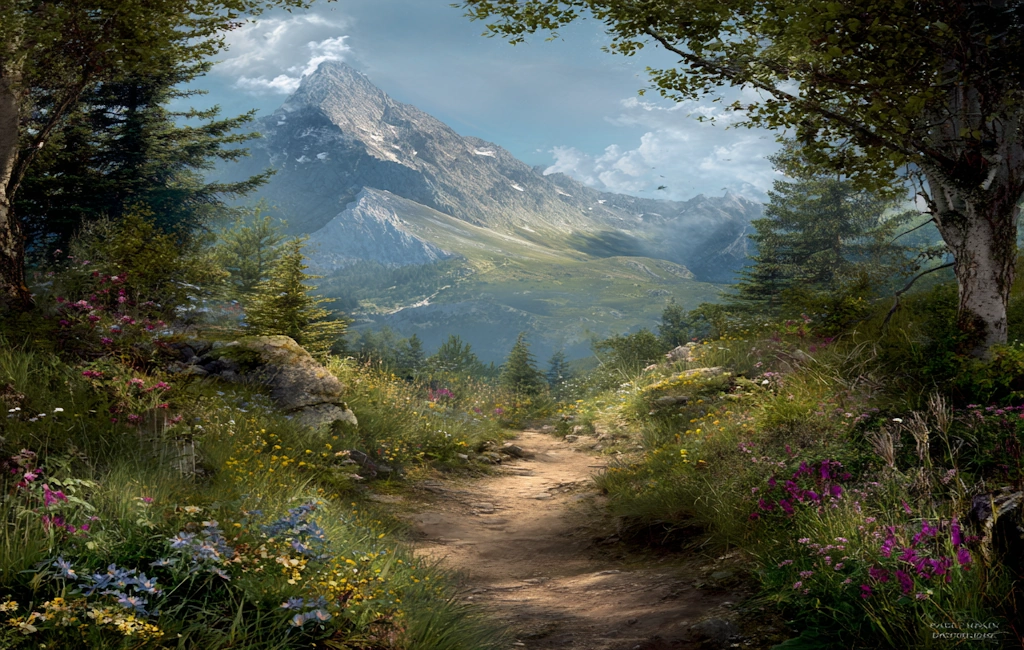
Purmamarca to Tilcara Trek
The Purmamarca to Tilcara Trek is a captivating day walk through the heart of Argentina's Quebrada de Humahuaca, a UNESCO World Heritage site renowned for its dramatic multi-coloured mountains and rich indigenous culture. This route offers a spectacular immersion into the high-altitude desert landscape, traversing ancient Inca trails and passing through remote villages that time seems to have forgotten. Starting in the picturesque adobe village of Purmamarca, famous for its Hill of Seven Colours, the trek gradually ascends through rugged canyons and across high passes, revealing breathtaking vistas at every turn. The journey culminates in the vibrant town of Tilcara, known for its pre-Inca Pucará ruins and lively artisan markets. This walk is a perfect blend of natural beauty, historical exploration, and cultural discovery, suitable for those seeking an authentic Andean experience.
- Distance: 25.0 km
- Elevation Gain: 800 m
- Duration: 1 day (6-8 hours)
- Difficulty: Moderate
- Best Time: April to November (dry season)
- Closest Town: Purmamarca (start), Tilcara (end)
- Trailhead Access: Nearest airport: Jujuy (JUJ). From Jujuy, take a bus to Purmamarca (approx. 2 hours). Buses are frequent. Road is paved. Parking available in Purmamarca.
- Permits: No permits required.
- Coordinates: Trailhead GPS: -23.7500, -65.4000 (Purmamarca)
Overview
The Purmamarca to Tilcara Trek is a journey through a landscape sculpted by millennia of wind and water, painted in hues of ochre, red, violet, and green. This moderate day hike is not for the faint of heart, demanding a good level of fitness due to its significant elevation gain and the high altitude (Purmamarca sits at approximately 2,300 metres, with the trail reaching over 3,000 metres). The trail begins in Purmamarca, a charming village that serves as an excellent introduction to the region's adobe architecture and vibrant artisan culture. From here, the path winds its way out of the village, gradually climbing into the surrounding hills. You'll traverse dry riverbeds, ascend rocky slopes, and navigate narrow canyons, all while being surrounded by the iconic striped mountains that define the Quebrada de Humahuaca.
The route is largely an ancient path, likely used by indigenous peoples for centuries, connecting settlements and facilitating trade. As you gain altitude, the vegetation thins, giving way to hardy desert flora like cacti and low-lying shrubs. The air becomes thinner and cooler, and the silence is profound, broken only by the wind and the occasional call of a bird. The views are expansive, offering panoramic vistas of the vast, arid valleys and the distant, jagged peaks. Key landmarks include the Cerro de los Siete Colores (Hill of Seven Colours) in Purmamarca, which provides a stunning backdrop at the start, and various geological formations along the way that showcase the region's complex geological history.
The trek culminates in Tilcara, a larger and more bustling town than Purmamarca, famous for its well-preserved pre-Inca fortress, the Pucará de Tilcara. This archaeological site offers a fascinating glimpse into the region's past. Tilcara also boasts a vibrant artisan market, numerous restaurants serving regional cuisine, and a more developed tourist infrastructure, making it a comfortable and rewarding destination after a challenging day's hike. The trek is best undertaken during the dry season, from April to November, when the weather is generally stable and sunny, though temperatures can vary significantly between day and night.
History and Cultural Context
The Quebrada de Humahuaca, through which the Purmamarca to Tilcara Trek passes, is a region steeped in history and cultural significance. For thousands of years, this fertile valley has been a vital corridor for indigenous peoples, including the Omaguaca, Tilcara, and Ocloya cultures, who developed sophisticated agricultural techniques and built impressive settlements. The region was later incorporated into the Inca Empire in the 15th century, and subsequently became a crucial route for Spanish colonial trade and evangelisation.
The Pucará de Tilcara, a pre-Inca fortification dating back to the 11th century, stands as a testament to the advanced civilisation that once thrived here. This impressive stone fortress, strategically located on a hill overlooking the valley, was home to thousands of people and served as a defence against rival tribes. Its reconstruction and preservation have made it one of the most important archaeological sites in Argentina, offering invaluable insights into the social, economic, and military organisation of pre-Hispanic societies.
Purmamarca, meaning "Virgin Land" in the indigenous language, is one of the oldest settlements in the Quebrada. Its name reflects its historical importance as a trading post and a place of spiritual significance. The village's iconic Cerro de los Siete Colores (Hill of Seven Colours) has been a source of wonder and inspiration for centuries, its geological layers telling a story of millions of years of sedimentation and tectonic activity.
The Spanish colonisation brought significant changes, introducing new architectural styles, religious practices, and economic systems. The region became a vital route for transporting silver from Potosí (in present-day Bolivia) to Buenos Aires. Despite the imposition of colonial rule, many indigenous traditions, languages, and customs have persisted, creating a unique cultural tapestry that is evident in the local crafts, music, festivals, and way of life. The Purmamarca to Tilcara Trek offers a tangible connection to this rich past, allowing walkers to tread the same paths that indigenous peoples and colonial travellers used centuries ago.
Seasonal Highlights and Weather Reality
The Purmamarca to Tilcara Trek is best undertaken during the dry season, which typically runs from April to November. This period offers the most stable weather conditions for high-altitude trekking in the Andes.
Autumn (April–May): This is an ideal time to hike. The summer rains have ceased, and the landscape is often bathed in clear, crisp sunlight. Temperatures are pleasant during the day, though evenings can become quite cold, often dropping below freezing. The autumn colours, particularly in the lower valleys, can be beautiful. The crowds are also generally smaller than in peak summer.
Winter (June–August): This is the driest period, with abundant sunshine and very little precipitation. However, it is also the coldest. Daytime temperatures can be mild to warm in direct sun, but temperatures plummet dramatically after sunset, frequently reaching well below freezing. Snowfall is rare at the trek's altitudes but can occur on higher peaks. The clear skies offer exceptional stargazing opportunities at night.
Spring (September–November): As the dry season progresses towards its end, temperatures begin to warm up. The landscape remains arid, but the longer daylight hours are a welcome change. While still generally dry, there's a slight increase in the chance of isolated showers as the season progresses. This is also a good time to visit, with pleasant daytime temperatures and fewer crowds.
Summer (December–March): This is the wet season in the Quebrada de Humahuaca. While daytime temperatures are warm and pleasant, there is a significant risk of heavy afternoon thunderstorms. These storms can cause flash floods in the canyons and make the trails muddy and slippery. Visibility can be poor during storms, and the high altitude increases the risk of hypothermia if caught unprepared. While still possible to hike, it requires more flexibility and careful monitoring of weather forecasts. The landscape can appear greener after the rains, but the risk of disruption is higher.
Altitude Considerations: Regardless of the season, the high altitude (Purmamarca at ~2,300m, with the trail reaching over 3,000m) is a significant factor. Acclimatisation is crucial. Arriving in the region a day or two before the trek to allow your body to adjust is highly recommended. Symptoms of altitude sickness can include headaches, nausea, dizziness, and fatigue.
Recommended Itinerary
Purmamarca to Tilcara Trek - 1 Day Itinerary
Early Morning (approx. 7:00 AM - 8:00 AM): Departure from Purmamarca
- Begin at the edge of Purmamarca, near the Cerro de los Siete Colores.
- Start by following established paths that lead out of the village and into the surrounding arid hills.
- Initial ascent is gradual, offering increasingly impressive views back over Purmamarca and the iconic coloured hill.
- The trail is generally well-defined but can be rocky and uneven.
Morning (approx. 8:00 AM - 12:00 PM): Ascent through Canyons and Valleys
- The trail begins to climb more steadily, entering narrow canyons and dry riverbeds.
- Pass through areas with sparse vegetation, including various species of cacti and hardy shrubs adapted to the arid environment.
- Keep an eye out for geological formations that showcase the region's rich mineral deposits and sedimentary layers.
- The path may involve some scrambling over rocks and navigating through narrow passages.
- Reach higher elevations, with the air becoming noticeably thinner.
Midday (approx. 12:00 PM - 2:00 PM): Summit and High Pass
- Reach the highest point of the trek, a pass or saddle at an altitude of over 3,000 metres.
- This is an excellent spot for a break, a packed lunch, and to take in the expansive 360-degree views of the Quebrada de Humahuaca.
- The landscape here is starkly beautiful, with vast, open vistas of mountains and valleys stretching to the horizon.
- The descent from the pass begins, often following a similar ancient trail.
Afternoon (approx. 2:00 PM - 5:00 PM): Descent towards Tilcara
- The descent is generally less strenuous than the ascent but can be hard on the knees.
- The trail continues through varied terrain, potentially crossing more dry riverbeds and open scrubland.
- As you get closer to Tilcara, the landscape may become slightly more vegetated, and you might see signs of agricultural terraces or ancient settlements.
- The town of Tilcara will gradually come into view in the distance.
- Follow the trail as it leads you towards the outskirts of Tilcara.
Late Afternoon (approx. 5:00 PM onwards): Arrival in Tilcara
- Arrive in Tilcara, likely on the western side of town.
- From here, you can easily find your accommodation or explore the town, including the Pucará de Tilcara and the artisan market.
- Celebrate your accomplishment with local cuisine and a well-deserved rest.
Important Notes:
- This is a demanding day hike requiring good physical condition and acclimatisation to altitude.
- Carry ample water (at least 3-4 litres per person) as there are no reliable water sources on the trail.
- Start early to avoid the midday sun and potential afternoon thunderstorms (during the wet season).
- Wear sturdy hiking boots, sun protection (hat, sunglasses, sunscreen), and layered clothing.
- A map, compass, or GPS device is recommended, as the trail can be faint in places.
- Inform someone of your hiking plans and expected return time.
Planning and Bookings
Book Your Trip
Everything you need to plan your journey
Accommodation
Find places to stay near Purmamarca
Flights
Search flights to Purmamarca
Essential Preparation
The Purmamarca to Tilcara Trek is a challenging day hike that requires careful planning, especially concerning altitude and logistics. Purmamarca is the primary starting point, a charming village easily accessible by bus from Jujuy (JUJ) airport. The journey from Jujuy to Purmamarca takes approximately 2 hours on a paved road. Buses are frequent and reliable. Upon arrival in Purmamarca, you can find accommodation in various hostals, hotels, or guesthouses. It is highly recommended to spend at least one night in Purmamarca (or Tilcara) to acclimatise to the altitude (around 2,300 metres) before undertaking the trek. This acclimatisation period is crucial for preventing altitude sickness. Ensure you have adequate sun protection, as the Andean sun is intense even on cooler days. The trek ends in Tilcara, which also has good bus connections back to Jujuy or other towns in the region.
Trail Accommodation
This is a day hike requiring no overnight accommodation.
Required Gear
- Sturdy hiking boots: Waterproof and with good ankle support, well broken-in.
- Backpack: A daypack (20-30 litres) to carry essentials.
- Navigation tools: Map of the area, compass, and/or a GPS device or smartphone with offline maps downloaded. The trail can be indistinct in places.
- Headlamp or torch: With spare batteries, in case of unexpected delays or an early start.
- First-aid kit: Including blister treatment, pain relievers, antiseptic wipes, bandages, and any personal medications.
- Sun protection: Wide-brimmed hat, sunglasses with UV protection, and high SPF sunscreen (SPF 50+).
- Insect repellent: While not as prevalent as in some other regions, it's wise to have some, especially for evenings.
- Trekking poles: Highly recommended for stability on ascents and descents, and to reduce strain on knees.
What to Bring
- Water: At least 3-4 litres per person. There are no reliable water sources on the trail.
- Food: High-energy snacks and a packed lunch. Consider items like nuts, dried fruit, energy bars, sandwiches.
- Warm layers: The temperature can fluctuate significantly. Bring a fleece or down jacket, and a windproof outer layer. Temperatures can drop sharply at higher altitudes and after sunset.
- Rain gear: A waterproof and windproof jacket and trousers, especially if hiking during the shoulder seasons or if there's any chance of afternoon showers.
- Personal items: Toilet paper, hand sanitiser, lip balm with SPF.
- Camera: To capture the stunning landscapes.
- Cash: For local purchases in Purmamarca and Tilcara, and for bus tickets.
Permits
No permits are required for the Purmamarca to Tilcara Trek. The trail is considered a public route, and access is free. However, it is always advisable to check for any local regulations or advisories that may be in place, particularly concerning access to archaeological sites like the Pucará de Tilcara, which may have separate entrance fees or opening hours.
Important Considerations:
- Respect for the Environment: While no permits are needed, it is crucial to practice responsible tourism. Stay on marked trails to avoid damaging fragile vegetation and archaeological sites.
- Archaeological Sites: If you plan to visit the Pucará de Tilcara or other historical sites, be aware of their specific rules and any associated entrance fees. These are typically managed by local authorities or cultural organisations.
- Local Guides: While the trek can be done independently with good navigation skills, hiring a local guide is highly recommended. Guides can provide invaluable insights into the region's history, culture, and geology, and ensure your safety, especially regarding altitude and trail conditions. They can also help with logistics and transport.
Other Activities in the Area
The Quebrada de Humahuaca offers a wealth of activities beyond the Purmamarca to Tilcara Trek:
- Explore Purmamarca: Wander through the charming adobe village, visit the artisan market for local crafts (textiles, ceramics, silver), and marvel at the Cerro de los Siete Colores.
- Visit the Pucará de Tilcara: Explore the impressive pre-Inca fortress, a UNESCO World Heritage site, offering panoramic views and a deep dive into the region's history.
- Discover Humahuaca: Visit the larger town of Humahuaca, known for its Monument to the Heroes of Independence and its colourful Clock Tower.
- Explore Iruya: A more remote and challenging destination, Iruya is a stunning village perched precariously on a mountainside, accessible by a bumpy bus ride.
- Visit Salinas Grandes: A vast salt flat located at high altitude, offering surreal landscapes and opportunities for photography. This can be combined with a trip to Purmamarca.
- Experience Local Cuisine: Sample regional specialities like empanadas salteñas, locro (a hearty stew), tamales, and llama meat, often accompanied by local wines or chicha (a fermented corn drink).
- Artisan Markets: The markets in Purmamarca, Tilcara, and Humahuaca are excellent places to find unique handicrafts, textiles, jewellery, and local produce.
- Hiking and Trekking: Numerous other trails exist in the Quebrada and surrounding areas, offering varying levels of difficulty and diverse landscapes.
Safety and Conditions
Altitude Sickness (Soroche): This is the primary concern for this trek. Purmamarca is at ~2,300m, and the trail reaches over 3,000m. Symptoms include headache, nausea, dizziness, fatigue, and shortness of breath. Acclimatise by spending at least one night at altitude before hiking. Stay hydrated, avoid alcohol and heavy meals on your first day, and ascend gradually. If symptoms worsen, descend immediately.
Weather: The weather in the Andes can change rapidly. Be prepared for strong sun, wind, and potentially cold temperatures, especially at higher elevations and in the early morning or late afternoon. During the wet season (December-March), afternoon thunderstorms are common and can cause flash floods in canyons. Check the forecast before you go and start early to avoid potential storms.
Trail Conditions: The trail is generally well-defined but can be rocky, uneven, and steep in places. Loose scree can be present on descents. Trekking poles are highly recommended for stability and to reduce impact on your knees.
Water: There are no reliable water sources on the trail. Carry at least 3-4 litres of water per person. Water purification methods are not recommended due to the lack of consistent water sources.
Navigation: While the route between Purmamarca and Tilcara is relatively direct, the trail can be indistinct in certain sections, especially in the higher, more open areas. It is essential to carry a map and compass or a GPS device with pre-loaded routes. Hiring a local guide is the safest option for navigation and to gain local knowledge.
Communication: Mobile phone signal is likely to be intermittent or non-existent for most of the trek. Inform someone of your hiking plans, your expected route, and your estimated return time.
Emergency: In case of an emergency, contact local authorities or your guide. It is advisable to have travel insurance that covers trekking and potential medical evacuation.
Side Trips and Points of Interest
Cerro de los Siete Colores (Hill of Seven Colours), Purmamarca: While not a side trip in the traditional sense, this iconic geological formation is the starting point and a constant visual reference. Take time before or after your trek to walk the short interpretive trail around its base and appreciate the distinct bands of colour representing millions of years of geological history.
Pucará de Tilcara: Upon arrival in Tilcara, a visit to this remarkably preserved pre-Inca fortress is a must. Located on a hill overlooking the town, the Pucará offers a fascinating glimpse into the lives of the Omaguaca people. Explore the reconstructed dwellings, defensive walls, and ceremonial sites, and enjoy the panoramic views of the Quebrada.
Garganta del Diablo (Devil's Throat), Tilcara: A short hike from Tilcara leads to a beautiful waterfall and swimming hole. This is a refreshing spot to cool off, especially after a long trek, and offers a different natural landscape compared to the arid mountain trails.
Paleta del Pintor (Painter's Palette), Maimará: Located between Purmamarca and Tilcara, this striking hillside displays a vibrant array of colours similar to Purmamarca's Cerro de los Siete Colores, but with a different geological composition and visual appeal. It's easily accessible by road and worth a stop for photography.
Ancient Inca Trails: The route itself is a point of interest, being part of ancient pathways used for centuries. Look for remnants of stone paving, terraces, and other signs of historical human activity along the way, which serve as reminders of the region's rich past.
Leave No Trace
The Quebrada de Humahuaca is a fragile ecosystem and a UNESCO World Heritage site, deserving of the utmost respect. Practising Leave No Trace principles ensures that this unique landscape and its cultural heritage are preserved for future generations.
Plan Ahead and Prepare: Research the trail, understand its challenges (altitude, weather), and pack accordingly. Inform someone of your plans.
Travel and Camp on Durable Surfaces: Stick to established trails. Avoid cutting switchbacks or walking on fragile vegetation, especially around the Cerro de los Siete Colores and the Pucará de Tilcara. The ground in arid environments can take a very long time to recover.
Dispose of Waste Properly: Pack out everything you pack in, including all food scraps, wrappers, and any other litter. Use designated toilet facilities in Purmamarca and Tilcara. If caught short on the trail, dig a cathole at least 60 metres away from water sources, trails, and campsites, and bury your waste.
Leave What You Find: Do not take rocks, plants, or any natural or cultural artefacts. The historical and geological integrity of the area is paramount.
Minimise Campfire Impacts: Campfires are not permitted on this day hike. If camping in designated areas elsewhere in the region, use established fire rings and keep fires small.
Respect Wildlife: Observe wildlife from a distance. Do not feed animals, as it can disrupt their natural behaviours and diets. Be aware of local fauna, such as lizards and birds.
Be Considerate of Other Visitors: Keep noise levels down, especially in Purmamarca and Tilcara. Yield to other hikers on the trail. Respect the local culture and traditions.
 Argentina