
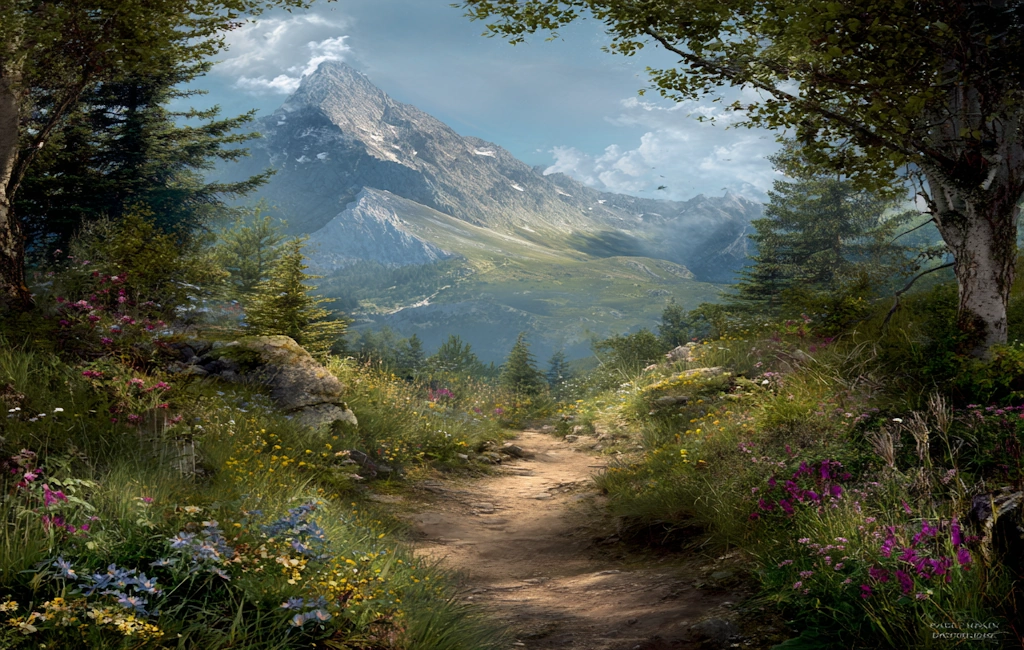
Punta Helbronner to Rifugio Torino: A High Alpine Panorama
The Punta Helbronner to Rifugio Torino trail is a breathtaking, albeit short, high-alpine walk situated in the heart of the Italian Alps, offering unparalleled views of Mont Blanc and its surrounding majestic peaks. This route is not a traditional multi-day trek but rather a spectacular day walk accessible via a world-class cable car system, making it a unique experience for those seeking dramatic mountain scenery without the arduous ascent. Starting from Punta Helbronner, the highest point of the Skyway Monte Bianco cable car, the trail leads to the historic Rifugio Torino, a mountain refuge perched on a rocky outcrop. The journey is defined by its extreme altitude, crisp mountain air, and the sheer, awe-inspiring scale of the alpine environment. It’s a place where glaciers carve their slow paths, where granite spires pierce the sky, and where the silence is broken only by the wind and the distant creak of ice. This walk is a testament to the raw beauty and power of the high mountains, offering a profound connection to nature at its most sublime.
- Distance: 1.5 km
- Elevation Gain: 70 m
- Duration: 1–2 hours (including time for photography and contemplation)
- Season: July to September (Summer)
- Difficulty: Moderate (due to altitude and uneven terrain)
- Closest City: Courmayeur, Italy
- Trailhead Access: Via Skyway Monte Bianco cable car from Courmayeur
- Permits: No specific trail permits required; cable car ticket essential
Overview
The Punta Helbronner to Rifugio Torino walk is a jewel in the crown of high-alpine experiences, offering a sensory immersion into a world of ice, rock, and sky. The journey begins at Punta Helbronner (3,466 metres), the upper station of the Skyway Monte Bianco cable car, which itself is an engineering marvel, offering panoramic views as it ascends from Courmayeur. From Punta Helbronner, the trail is a short, relatively gentle traverse across a rocky, sometimes snow-dusted landscape, leading to the iconic Rifugio Torino (3,375 metres). While the distance is minimal, the altitude significantly impacts the experience, demanding a slower pace and mindful breathing. The terrain is a mix of natural rock, some constructed pathways, and potentially snow patches even in summer, requiring sturdy footwear and careful footing. The primary draw is the unobstructed, 360-degree vista of the Mont Blanc massif. Peaks like the Aiguille du Midi, Dôme du Goûter, and the imposing Mont Blanc itself dominate the horizon, their glaciers and snowfields shimmering under the alpine sun. The Rifugio Torino, a historic mountain hut, serves as both a destination and a viewpoint, offering a place to rest, refuel, and soak in the unparalleled scenery. This walk is less about covering distance and more about experiencing the grandeur of the high Alps at close quarters, a truly unforgettable encounter with one of the world's most famous mountain ranges.
The air at this altitude is thin and crisp, carrying the scent of cold rock and distant snow. The silence is profound, a stark contrast to the bustling valley below. Even on a clear summer day, the temperature can be cool, and the sun’s rays are intense, necessitating protection. The path itself is a testament to human endeavour in extreme environments, a carefully managed route that allows access to this otherwise inaccessible realm. It’s a place that inspires awe and a deep respect for the natural forces that have shaped it. The visual spectacle is overwhelming; jagged peaks, vast ice fields, and deep glacial valleys unfold in every direction, a panorama that changes subtly with the shifting light and cloud formations. This is a walk that engages all the senses, offering a powerful reminder of the planet's wild and magnificent beauty.
History and Cultural Context
The history of this high-alpine region is intrinsically linked to the pioneering spirit of mountaineering and the development of advanced cable car technology. The area around Mont Blanc has been a focal point for explorers, climbers, and scientists for centuries. The first attempts to reach the summit of Mont Blanc date back to the late 18th century, with the successful ascent by Jacques Balmat and Michel-Gabriel Paccard in 1786 marking a pivotal moment in mountaineering history. This early exploration laid the groundwork for understanding the massif and its challenging terrain.
The Rifugio Torino itself has a long and storied past, serving as a vital base for mountaineers and a refuge for those venturing into the high Alps. Established in the late 19th century, it has been rebuilt and expanded over the years, evolving from a simple shelter to a well-equipped mountain hut. Its strategic location at a significant altitude made it an ideal starting point for ascents of Mont Blanc and other surrounding peaks. The construction and operation of the Skyway Monte Bianco cable car system, which began its modern iteration in the 21st century, represent a significant technological leap, democratising access to these high-altitude environments. The cable car, with its rotating cabins, offers a unique perspective on the landscape, allowing visitors to appreciate the scale and grandeur of the Mont Blanc massif in a way previously only accessible to experienced climbers. The juxtaposition of this cutting-edge technology with the ancient, rugged landscape creates a compelling narrative of human ambition and natural wonder.
The cultural significance of Mont Blanc extends beyond mountaineering. It has long been a symbol of natural beauty and a source of inspiration for artists, writers, and poets. The region has also played a role in scientific research, particularly in glaciology and meteorology, due to its unique high-altitude environment. The trails and refuges in this area are part of a rich tapestry of human interaction with the alpine world, a legacy that continues to evolve with advancements in technology and a growing appreciation for conservation.
Seasonal Highlights and Weather Reality
The best time to undertake the Punta Helbronner to Rifugio Torino walk is during the summer months, typically from July to September. During this period, the weather is generally more stable, and the cable car operates reliably, providing access to the high-altitude trails. The snow cover on the paths is usually minimal, making the walk feasible and enjoyable.
Summer (July–September): This is the prime season. Days are longer, and the temperatures, while cool at altitude, are generally pleasant enough for walking. The skies are often clear, offering spectacular, unobstructed views of the Mont Blanc massif. Wildflowers may still be found in sheltered spots, adding a touch of colour to the rocky landscape. However, even in summer, mountain weather is notoriously unpredictable. Sudden storms, strong winds, and even snow flurries can occur with little warning. It is crucial to be prepared for all conditions.
Spring (April–June): While the cable car may begin operating in late spring, the trails at this altitude are typically still covered in significant snow. This period is more suited for experienced ski tourers or mountaineers with appropriate equipment and skills. The risk of avalanches is also higher.
Autumn (October–November): As autumn progresses, temperatures drop significantly, and snow begins to fall more frequently. The cable car's operating season usually concludes by late September or early October. While the autumn colours in the valleys can be beautiful, the high-altitude trails become increasingly inaccessible and dangerous. The Rifugio Torino may remain open for mountaineers, but the walking path becomes a winter alpine route.
Winter (December–March): This period is strictly for experienced winter mountaineers and skiers. The cable car is closed, and the entire area is covered in deep snow, presenting extreme avalanche hazards and requiring specialised equipment and expertise. The Rifugio Torino is typically open year-round for those with winter mountaineering skills.
Weather Reality: Regardless of the season, mountain weather is a critical factor. Always check the forecast before ascending. Temperatures at Punta Helbronner and Rifugio Torino can be significantly colder than in Courmayeur, often hovering around freezing point or below, even in July. Wind chill can make it feel much colder. Expect intense solar radiation due to the altitude, necessitating sun protection. Rain can quickly turn to sleet or snow, and visibility can drop to near zero in fog or cloud.
Recommended Itinerary
Punta Helbronner to Rifugio Torino: A High Alpine Traverse
Morning: Ascent to Punta Helbronner
- Depart from Courmayeur
- Take the Skyway Monte Bianco cable car from the lower station (Entrèves)
- Enjoy the multi-stage ascent, with rotating cabins offering 360-degree views
- Arrive at Punta Helbronner (3,466 m)
- Spend time exploring the viewing platforms and the exhibition spaces at Punta Helbronner
- Allow ample time to acclimatise to the altitude
Midday: The Traverse to Rifugio Torino
- Begin the walk from Punta Helbronner towards Rifugio Torino
- Distance: Approximately 1.5 km
- Elevation change: Gentle descent of about 70 metres
- Time: 1–2 hours (this includes significant time for photography, enjoying the views, and acclimatisation)
- Terrain: Natural rock, gravel paths, potentially some snow patches, uneven surfaces
- Key Waypoints: Follow the marked path, keeping the imposing peaks of Mont Blanc in view
- The path is generally well-defined but requires careful footing
- Arrive at Rifugio Torino (3,375 m)
Afternoon: Rifugio Torino and Descent
- Explore Rifugio Torino, enjoy refreshments, and take in the panoramic views from its terraces
- Optional: Spend more time at Rifugio Torino, perhaps having lunch or a drink
- Descend from Rifugio Torino back to Punta Helbronner via the same path
- Take the Skyway Monte Bianco cable car back down to Courmayeur
- Allow for potential delays due to weather or cable car operations
Important Notes:
- The cable car operates on a schedule; check timings in advance.
- Altitude sickness can affect anyone; ascend gradually and stay hydrated.
- Wear sturdy, waterproof hiking boots with good ankle support.
- Carry layers of clothing, including a waterproof and windproof outer shell.
- Sun protection (high SPF sunscreen, sunglasses, hat) is essential due to intense solar radiation at altitude.
- This is a high-alpine environment; conditions can change rapidly.
Planning and Bookings
Book Your Trip
Everything you need to plan your journey
Accommodation
Find places to stay near Courmayeur
Flights
Search flights to Courmayeur
Essential Preparation
This walk is accessible via the Skyway Monte Bianco cable car, making it relatively straightforward to plan. The primary logistical consideration is securing your cable car tickets and ensuring you are adequately prepared for the high-altitude environment. Courmayeur, located in the Aosta Valley region of Italy, is the closest major town and serves as the base for accessing the Skyway. It offers a range of accommodation options, from luxury hotels to more modest guesthouses and apartments. The nearest major airport is Turin (TRN), approximately 1.5 hours' drive from Courmayeur. Alternatively, Geneva Airport (GVA) in Switzerland is about a 2-hour drive. Road access to Courmayeur is generally good, with well-maintained highways. Parking is available at the Skyway Monte Bianco base station in Entrèves, though it can be busy during peak season and may incur a fee. It is advisable to book cable car tickets online in advance, especially during the summer months, to avoid long queues and ensure availability. Familiarise yourself with the weather forecast for the Mont Blanc massif specifically, as conditions at altitude can differ dramatically from those in the valley.
Trail Accommodation
This is a day hike requiring no overnight accommodation. The walk from Punta Helbronner to Rifugio Torino is a short traverse, and participants typically return to Courmayeur or other valley accommodations in the evening. Rifugio Torino itself is a mountain refuge that offers overnight stays for mountaineers and hikers. However, for the purpose of this specific walk, overnight accommodation is not required.
Required Gear
- Sturdy Hiking Boots: Waterproof, with good ankle support and a well-gripped sole. Essential for navigating rocky and potentially uneven terrain.
- Waterproof and Windproof Jacket: A high-quality shell jacket is crucial for protection against sudden changes in weather, including rain, wind, and snow.
- Warm Layers: Multiple layers of clothing are recommended, including a fleece or insulated jacket, and thermal base layers. Temperatures at altitude can be significantly below freezing, even in summer.
- Hat and Gloves: A warm hat (beanie) and gloves are essential, even in summer, due to the cold and wind at high altitudes.
- Sunglasses: High-UV protection sunglasses are vital to protect your eyes from intense glare off snow and ice.
- Sunscreen: High SPF (50+) sunscreen is necessary due to the strong solar radiation at altitude.
- Backpack: A small daypack (20-30 litres) to carry essentials like water, snacks, extra layers, and safety equipment.
- Head Torch: With spare batteries, in case of unexpected delays or if you plan to spend extended time at Rifugio Torino.
- First-Aid Kit: Including blister treatment, pain relievers, and any personal medications.
What to Bring
- Water: At least 1.5–2 litres of water per person. There are no reliable water sources on the trail itself, though water may be available at the cable car stations and the refuge.
- Food: High-energy snacks such as trail mix, energy bars, fruit, and sandwiches. Lunch can be enjoyed at Rifugio Torino, but carrying your own provisions is recommended.
- Camera: To capture the spectacular panoramic views.
- Mobile Phone: For emergencies, though signal coverage can be intermittent at altitude. Consider a portable power bank.
- Identification and Money: Passport or ID, and sufficient Euros for cable car tickets, refreshments at the refuge, and any other expenses. Credit cards are generally accepted at the Skyway stations and Rifugio Torino, but it's wise to have some cash.
- Lip Balm: With SPF protection to prevent chapped lips.
- Walking Poles (Optional): Can provide extra stability on uneven terrain and reduce strain on knees during descents.
Permits
No specific permits are required to walk the trail between Punta Helbronner and Rifugio Torino. Access to this high-alpine environment is managed through the Skyway Monte Bianco cable car system. Therefore, the primary requirement is purchasing a return ticket for the cable car. These tickets can be bought at the Skyway Monte Bianco base station in Entrèves, near Courmayeur, or, more conveniently, online in advance through the official Skyway Monte Bianco website. Booking online is highly recommended, especially during the peak summer season (July and August), as it can save considerable time queuing and guarantees your spot on the cable car, which can have capacity limits.
Cable Car Ticket Information:
- Pricing: Ticket prices vary depending on the season and whether it's a one-way or return journey. A return ticket from Courmayeur (Entrèves) to Punta Helbronner is the most common option for this walk. Prices are subject to change, so it is best to check the official Skyway Monte Bianco website for current rates. Expect prices to be in the range of €50-€70 for a return adult ticket.
- Operating Hours: The Skyway Monte Bianco operates daily during its season, typically from early spring to late autumn. Operating hours vary, with the first ascent usually in the morning and the last descent in the late afternoon. It is crucial to check the exact operating hours for your planned date of travel, as these can be affected by weather conditions or maintenance.
- Advance Booking: Highly recommended, especially during peak season. This can be done via the official Skyway Monte Bianco website.
- Rifugio Torino: While no permit is needed for the walk, if you intend to stay overnight at Rifugio Torino, separate booking and payment for accommodation at the refuge are required. This is typically done directly through the refuge's booking system or via mountaineering club websites.
Other Activities in the Area
The Mont Blanc massif and the surrounding Aosta Valley offer a wealth of activities for visitors, extending far beyond the short walk between Punta Helbronner and Rifugio Torino:
- Mont Blanc Summit Ascent: For experienced mountaineers with appropriate gear and guides, the ascent of Mont Blanc itself is the ultimate challenge. This requires significant preparation, acclimatisation, and technical skill.
- Aiguille du Midi Cable Car (Chamonix, France): A short drive across the border into France offers access to another spectacular viewpoint via the Aiguille du Midi cable car, providing different perspectives of the Mont Blanc massif.
- Glacier Hiking and Ice Climbing: Guided excursions onto the glaciers surrounding Mont Blanc offer opportunities for ice hiking, ice climbing, and exploring glacial formations.
- Via Ferrata: The Aosta Valley is renowned for its extensive network of Via Ferrata routes, offering a thrilling way to experience the mountains with fixed cables, ladders, and bridges.
- Mountain Biking: Numerous trails cater to mountain bikers of all levels, from scenic valley routes to challenging downhill tracks.
- Hiking in the Val Ferret and Val Veny: These beautiful valleys branching off from Courmayeur offer a wide range of hiking trails, from gentle strolls through alpine meadows to more strenuous ascents to mountain passes.
- Exploring Courmayeur: The town itself is a charming alpine resort with excellent restaurants, shops, and a lively atmosphere.
- Thermal Baths: The nearby Pré-Saint-Didier thermal baths offer a relaxing experience with stunning mountain views.
- Historical Sites: The Aosta Valley is rich in history, with numerous Roman ruins, medieval castles, and ancient churches to explore.
Safety and Conditions
Altitude Sickness: The most significant risk on this walk is altitude sickness (Acute Mountain Sickness - AMS). Punta Helbronner is at 3,466 metres, and Rifugio Torino is at 3,375 metres. Symptoms can include headache, nausea, dizziness, and fatigue. Ascend gradually, stay well-hydrated, avoid alcohol and strenuous activity on your first day at altitude, and be prepared to descend if symptoms worsen. The Skyway cable car allows for a rapid ascent, so acclimatisation is key. If you feel unwell, do not push yourself; return to a lower altitude.
Weather: Mountain weather is highly unpredictable. Conditions can change rapidly from clear and sunny to stormy, with strong winds, heavy rain, sleet, or snow. Always check the weather forecast specifically for the Mont Blanc massif before ascending. Be prepared for cold temperatures, even in summer, and for wind chill. Visibility can drop to near zero in fog or cloud, making navigation difficult.
Terrain: The path between Punta Helbronner and Rifugio Torino is rocky and uneven. There may be sections with loose scree or snow patches, even in summer. Sturdy, waterproof hiking boots with good ankle support are essential. Walking poles can provide extra stability.
Sun Exposure: The sun's rays are much more intense at high altitudes due to the thinner atmosphere. Use high SPF sunscreen, wear a wide-brimmed hat, and wear UV-protective sunglasses to prevent sunburn and snow blindness.
Cable Car Operations: The Skyway Monte Bianco cable car is subject to closure due to adverse weather conditions. Always check the operating status before you ascend. If the cable car is closed, you will not be able to access the trail.
Emergency Procedures: In case of an emergency, call the local mountain rescue services. The emergency number in Italy is 112. Ensure your mobile phone is fully charged and consider carrying a portable power bank. Inform someone of your plans, including your expected return time.
Rifugio Torino: If you are staying overnight at Rifugio Torino, follow the refuge staff's instructions regarding safety and mountain conditions. They are a valuable source of information.
Side Trips and Points of Interest
Punta Helbronner Viewing Platforms: Before embarking on the walk, spend ample time exploring the various viewing platforms at Punta Helbronner. These offer breathtaking, unobstructed 360-degree panoramas of the Mont Blanc massif, the Italian Alps, and even glimpses of the French and Swiss Alps on clear days. The exhibition spaces within the station also provide fascinating insights into the history of mountaineering and the geology of the region.
The "Terrace" at Rifugio Torino: The Rifugio Torino itself is a point of interest, a historic mountain refuge that has served climbers for generations. Its location offers a different, yet equally spectacular, perspective on the surrounding peaks. The terrace area outside the refuge is an ideal spot to rest, enjoy a packed lunch, or savour a drink while soaking in the immense scale of the alpine landscape. You can often see climbers preparing for or returning from expeditions.
Geological Formations: Observe the dramatic geological features of the area. The stark granite rock, the evidence of glacial erosion, and the sheer scale of the mountain faces are a testament to the powerful forces that have shaped this landscape over millennia. Look for signs of past glaciation, such as U-shaped valleys and moraines.
Flora and Fauna (Limited): While the extreme altitude limits biodiversity, keep an eye out for hardy alpine plants that manage to survive in sheltered crevices. You might also spot birds of prey soaring on the thermals or small alpine mammals if you are very fortunate. The primary "wildlife" here is the grandeur of the mountains themselves.
The Skyway Cable Car Experience: The journey on the Skyway Monte Bianco is an experience in itself. The rotating cabins provide a constantly changing, immersive view of the ascent, allowing you to appreciate the sheer verticality and the vastness of the glacial terrain. The engineering of the cable car system is a marvel worth noting.
Leave No Trace
The high-alpine environment between Punta Helbronner and Rifugio Torino is a fragile ecosystem, and it is crucial to minimise our impact. While this is a short walk, the principles of Leave No Trace are paramount to preserving the pristine beauty of the Mont Blanc massif for future generations.
Plan Ahead and Prepare: Understand the conditions, check the weather, and be prepared for the altitude. This includes carrying appropriate gear and sufficient food and water. Knowing the route and the limitations of the environment is key.
Travel and Camp on Durable Surfaces: The path between Punta Helbronner and Rifugio Torino is a designated, durable surface. Stick to the marked trail at all times. Avoid venturing onto fragile vegetation or snowfields unnecessarily, as these can be easily damaged and take a very long time to recover.
Dispose of Waste Properly: Pack out everything you pack in. This includes all food scraps, wrappers, and any other litter. There are no waste disposal facilities on the trail itself. Use the bins provided at the cable car stations and the refuge. Do not leave any waste behind.
Leave What You Find: Resist the temptation to take souvenirs such as rocks or plants. The natural beauty of the area is best appreciated and preserved by leaving it as it is.
Minimise Campfire Impacts: Campfires are not permitted in this high-alpine environment, and are generally not feasible or advisable due to the lack of fuel and the fragile nature of the terrain. Stick to using portable stoves if you are staying overnight at the refuge.
Respect Wildlife: While wildlife is scarce at this altitude, observe any animals from a distance and do not feed them. Feeding wildlife can disrupt their natural behaviours and diets.
Be Considerate of Other Visitors: This is a popular area, especially during peak season. Keep noise levels down, yield to others on the trail, and be mindful of the experience of others. The silence and grandeur of the mountains are part of their appeal.
 Italy
Italy