

Pumamarca Ruins Trek
The Pumamarca Ruins Trek is a captivating day walk located near Ollantaytambo in Peru's Sacred Valley. This relatively short but rewarding hike offers a glimpse into the Inca civilization's ingenuity and their harmonious relationship with the dramatic Andean landscape. The trail leads to the impressive Pumamarca ruins, a lesser-known but significant Inca archaeological site perched high on a mountainside, offering panoramic views of the surrounding valleys and peaks. It's an ideal excursion for those seeking to explore beyond the main tourist hubs and experience a more intimate connection with Peru's rich history and stunning natural beauty.
- Category: Day Walk
- Distance: 8.0 km
- Elevation Gain: 400 m
- Duration: 4-6 hours
- Difficulty: Moderate
- Best Time: May to September (dry season)
- Closest City: Ollantaytambo
- Trailhead Access: From Cusco Airport, take a taxi/bus to Ollantaytambo (approx. 2 hrs). Trailhead starts near the main plaza. Follow signs to Pumamarca. Limited parking available in town. No permits required.
- Coordinates: -13.5197, -72.1923
Overview
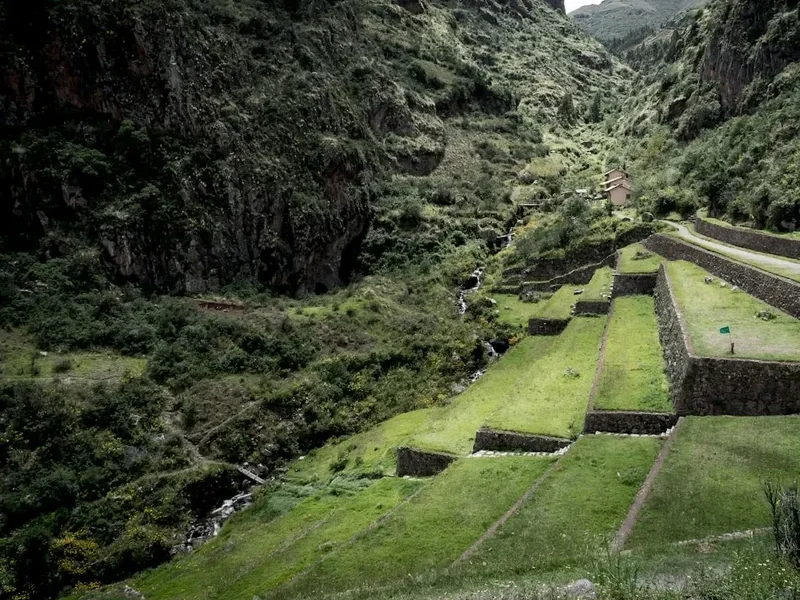
The Pumamarca Ruins Trek is a journey back in time, ascending through terraced agricultural land and rugged mountain paths to reach a remarkably preserved Inca settlement. The trail begins in the historic town of Ollantaytambo, a living Inca city that itself is a testament to their architectural prowess. From Ollantaytambo's main plaza, the route gradually climbs, offering increasingly spectacular vistas of the Patakancha Valley and the imposing fortress of Ollantaytaytambo below. As you ascend, you'll pass by ancient Inca agricultural terraces, a clear indication of the Incas' advanced understanding of land management and their ability to cultivate crops in challenging terrain.
The higher you climb, the more the landscape opens up, revealing the vastness of the Sacred Valley. The air becomes thinner, and the silence is broken only by the wind and the occasional call of a bird. The final approach to Pumamarca involves a steeper ascent, rewarding your efforts with the sight of stone structures that have stood for centuries. The ruins themselves are a fascinating complex, featuring residential areas, ceremonial platforms, and storage facilities, all strategically positioned to command views of the valley and the surrounding mountains. The site's remote location and limited visitor numbers contribute to its serene atmosphere, allowing for a contemplative experience of Inca history and engineering.
This trek is classified as moderate due to the sustained elevation gain and the uneven terrain. However, the well-defined path and the relatively short distance make it accessible to most reasonably fit individuals. The best time to undertake this trek is during the dry season, from May to September, when the skies are generally clear, and the trails are less prone to mud and slippery conditions. The panoramic views from Pumamarca are particularly breathtaking during these months, with the snow-capped peaks of the Andes providing a dramatic backdrop.
History and Cultural Context
The Pumamarca ruins are intrinsically linked to the history of Ollantaytaytambo, a significant Inca administrative and religious centre. Ollantaytaytambo itself was a royal estate of Emperor Pachacuti and played a crucial role during the Inca Empire. The town's strategic location at the confluence of two valleys made it a vital point for controlling trade routes and defending the empire.
The Pumamarca site, meaning "Puma Town" in Quechua, is believed to have served multiple purposes. Its elevated position suggests a defensive or strategic role, possibly overseeing the agricultural activities in the valley below. The well-constructed stone buildings, typical of Inca architecture, indicate a settlement of some importance, likely inhabited by nobility, priests, or skilled artisans. The agricultural terraces surrounding the ruins demonstrate the Incas' mastery of hydraulic engineering and their ability to adapt to the steep Andean environment, transforming barren slopes into productive farmland.
Archaeological evidence suggests that Pumamarca, like much of the Sacred Valley, was inhabited and utilised by the Incas during the 15th and early 16th centuries. Its abandonment likely coincided with the Spanish conquest, though the exact circumstances remain a subject of historical study. The preservation of the site is remarkable, offering a tangible connection to the Inca past. The trek to Pumamarca is not just a physical journey but also an immersion into the historical and cultural landscape of the Incas, allowing visitors to appreciate their advanced civilisation and their profound connection to the land.
Seasonal Highlights and Weather Reality
The Pumamarca Ruins Trek is best enjoyed during the dry season in the Andes, which typically runs from May to September. This period offers the most favourable weather conditions for hiking in the Sacred Valley.
May to September (Dry Season): This is the prime time to visit. Days are generally sunny and clear, with minimal rainfall. Temperatures are pleasant during the day, often reaching around 18-22°C, but can drop significantly at night, especially at higher elevations. The clear skies provide excellent visibility for the panoramic views from Pumamarca and Ollantaytambo. The trails are dry and less likely to be muddy or slippery, making the ascent more comfortable and safer. This is also the peak tourist season in Peru, so expect more visitors in Ollantaytambo.
October to April (Wet Season): This period is characterised by frequent rainfall, often in the form of heavy afternoon thunderstorms. While mornings can still be clear, the risk of rain increases significantly as the day progresses. The trails can become muddy, slippery, and potentially hazardous. River levels may rise, and visibility from the ruins can be obscured by clouds and mist. Temperatures are generally warmer than in the dry season, but the humidity can be high. While it's still possible to hike during the wet season, it requires more careful planning, appropriate waterproof gear, and a willingness to contend with potentially challenging conditions. The advantage of visiting during the wet season is fewer crowds.
Specific Considerations for Pumamarca: Even during the dry season, mountain weather can be unpredictable. It's always advisable to be prepared for sudden changes, including cooler temperatures and occasional light rain, especially at higher altitudes. The elevation gain means that even on a sunny day, the exertion can lead to overheating, so layering clothing is essential.
Recommended Itinerary
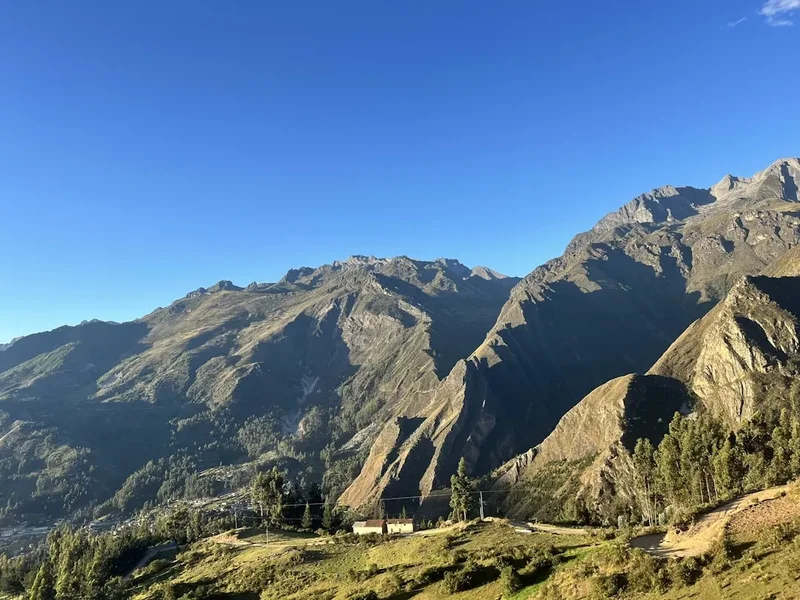
Pumamarca Ruins Trek - Day Walk Itinerary
Early Morning (Approx. 8:00 AM): Departure from Ollantaytambo
- Begin your trek from the main plaza of Ollantaytambo.
- Follow signs or local guidance towards the Pumamarca ruins.
- The initial part of the trail is a gradual ascent through agricultural terraces.
- Enjoy the morning light illuminating the valley and the town below.
Morning (Approx. 9:00 AM - 11:00 AM): Ascent through Terraces
- Continue climbing, passing by ancient Inca agricultural terraces.
- Observe the sophisticated irrigation systems and the scale of Inca farming.
- The path becomes more rugged as you leave the immediate vicinity of the town.
- Gain elevation steadily, with increasingly impressive views of Ollantaytambo fortress and the Patakancha Valley.
Midday (Approx. 11:00 AM - 1:00 PM): Arrival at Pumamarca Ruins and Exploration
- Reach the Pumamarca ruins.
- Spend time exploring the site: residential areas, ceremonial platforms, and storage structures.
- Take in the panoramic 360-degree views of the surrounding Andes, including distant snow-capped peaks.
- Enjoy a packed lunch amidst the historical grandeur and natural beauty.
- This is an excellent opportunity for photography and quiet contemplation.
Afternoon (Approx. 1:00 PM - 3:00 PM): Descent to Ollantaytambo
- Begin the descent back towards Ollantaytambo.
- The descent offers a different perspective on the landscape you ascended.
- Be mindful of footing on the steeper sections.
- The trail should be quicker on the way down.
Late Afternoon (Approx. 3:00 PM - 4:00 PM): Return to Ollantaytambo
- Arrive back in Ollantaytambo.
- You will have ample time to explore the town further, visit the main fortress, or relax at a local café.
Important Notes:
- This is a day hike; no overnight accommodation is required.
- Carry sufficient water and snacks, as there are no facilities along the trail.
- Wear sturdy hiking boots and dress in layers.
- Sun protection (hat, sunscreen) is crucial due to the high altitude and strong sun.
- The trail can be steep and uneven in places, requiring moderate fitness.
Planning and Bookings
Book Your Trip
Everything you need to plan your journey
Accommodation
Find places to stay near Ollantaytambo
Flights
Search flights to Ollantaytambo
Essential Preparation
The Pumamarca Ruins Trek is a day hike, making preparation relatively straightforward compared to multi-day treks. The primary logistical consideration is reaching Ollantaytambo, the closest town and the starting point for the hike. Ollantaytambo is a popular tourist destination in its own right, easily accessible from Cusco. From Cusco Airport (CUZ), the most common way to reach Ollantaytambo is by taxi or a pre-booked private transfer, which takes approximately 1.5 to 2 hours. Alternatively, you can take a bus from Cusco's main bus terminal, though this may take longer and involve more changes. If you are already in the Sacred Valley, local taxis or colectivos (shared vans) can also take you to Ollantaytambo.
Upon arrival in Ollantaytambo, the trailhead for Pumamarca is generally accessible on foot from the main plaza. It's advisable to ask locals for directions to the start of the trail leading towards the ruins. While the trail is generally well-trodden, it's always good to have a general sense of direction. Given that this is a day hike, no specific booking coordination is required for accommodation or the trail itself, as no permits are needed. However, ensuring you have adequate supplies and are acclimatised to the altitude is crucial for a comfortable experience.
Trail Accommodation
This is a day hike requiring no overnight accommodation.
Required Gear
- Sturdy hiking boots: Waterproof and with good ankle support are recommended due to the uneven and sometimes steep terrain. Ensure they are well broken-in to prevent blisters.
- Daypack: A comfortable daypack (20-30 litres) to carry essentials.
- Waterproof jacket: Essential, as mountain weather can change rapidly, even during the dry season.
- Sun protection: A wide-brimmed hat, sunglasses, and high SPF sunscreen are vital due to the high altitude and intense sun.
- Headlamp or torch: While unlikely to be needed for a day hike during daylight hours, it's always a good safety precaution in case of unexpected delays.
- First-aid kit: A basic kit including plasters, antiseptic wipes, pain relievers, and any personal medications.
- Navigation: A map of the area or a reliable GPS device/app on your phone. While the trail is generally clear, having a backup is wise.
What to Bring
- Water: Carry at least 1.5 to 2 litres of water per person. Water sources are scarce and untreated along the trail.
- Food: Pack plenty of high-energy snacks such as trail mix, energy bars, fruit, and sandwiches for lunch. There are no food vendors on the trail or at the ruins.
- Toiletries: Hand sanitiser, toilet paper (in a waterproof bag), and any personal hygiene items.
- Camera: To capture the stunning scenery and the archaeological site.
- Insect repellent: While not as prevalent as in the Amazon, some insects can be present, especially during warmer months.
- Cash: Small denominations of Peruvian Soles (PEN) for any unexpected needs or local purchases in Ollantaytambo.
- Trekking poles: Optional, but can be very helpful for stability on ascents and descents, especially on steeper or uneven sections.
Permits
No specific permits are required to hike to the Pumamarca Ruins. The trail is generally considered public access, and the archaeological site, while significant, does not have the same strict entry requirements as major Inca sites like Machu Picchu or the main Ollantaytambo fortress. However, it is always advisable to check for any local regulations or changes in access policies before your visit, especially if travelling during peak tourist seasons or if there are any specific community initiatives regarding site preservation.
The primary "requirement" for this trek is your own preparedness. Ensure you have adequate fitness for a moderate hike with significant elevation gain, and that you are properly equipped for the conditions. Respect for the historical site and the surrounding environment is paramount, even without formal permit checks.
Other Activities in the Area
Ollantaytambo and the surrounding Sacred Valley offer a wealth of activities to complement your Pumamarca Ruins Trek:
- Explore Ollantaytambo Fortress: This is a must-do. The impressive Inca fortress, with its massive stone terraces and temples, offers incredible views and a deep dive into Inca history.
- Wander through Ollantaytambo Town: Known as a "living Inca city," the town retains its original Inca street plan and water channels. It's a fascinating place to explore on foot, soaking in the atmosphere.
- Visit the Pinkuylluna Granaries: Located on the opposite side of the valley from the main fortress, these Inca storehouses offer a different perspective and excellent views back towards Ollantaytambo.
- Day trip to Machu Picchu: Ollantaytambo is a major departure point for trains to Aguas Calientes, the gateway town to Machu Picchu. This can easily be combined with your visit to the Sacred Valley.
- Explore other Sacred Valley sites: Consider visiting Pisac (famous for its market and ruins), Moray (enigmatic Inca agricultural terraces), and the Maras Salt Mines (a unique landscape of salt pans).
- Hiking and Trekking: The Sacred Valley is a hiker's paradise. Other trails include the Lares Trek, the Huchuy Qosqo trek, and numerous shorter walks to smaller ruins or viewpoints.
- Local Markets: Experience the vibrant local culture by visiting the markets in Pisac or the daily market in Ollantaytambo for handicrafts, textiles, and local produce.
- Culinary Experiences: Enjoy traditional Peruvian cuisine at the many excellent restaurants in Ollantaytambo and Cusco.
Safety and Conditions
Altitude Sickness: Ollantaytambo is situated at approximately 2,792 metres (2,791 m) above sea level, and the Pumamarca ruins are higher. Altitude sickness (soroche) can affect anyone, regardless of fitness level. Symptoms include headache, nausea, dizziness, and fatigue. To mitigate risks:
- Acclimatise: Spend at least 24-48 hours in Cusco (3,400 m) or Ollantaytambo before undertaking strenuous activity.
- Stay Hydrated: Drink plenty of water.
- Avoid Alcohol and Heavy Meals: Especially on your first day at altitude.
- Pace Yourself: Take the hike slowly, especially on the ascent.
- Consider Medication: Consult your doctor about Diamox (acetazolamide) if you are prone to altitude sickness.
Trail Conditions: The trail to Pumamarca is generally well-defined but can be steep and uneven. During the wet season (October to April), sections may become muddy and slippery. Wear appropriate footwear with good grip.
Weather: Mountain weather is unpredictable. Be prepared for strong sun, wind, and potential rain, even during the dry season. Always carry layers of clothing.
Sun Exposure: The sun's rays are intense at high altitudes. Use high SPF sunscreen, wear a hat, and sunglasses.
Water and Food: Carry sufficient water and high-energy snacks. There are no facilities along the trail. Ensure water is treated or bottled.
Emergency Contacts: Have the contact details for local emergency services and your accommodation in Ollantaytambo readily available. It's also advisable to inform someone of your hiking plans and expected return time.
Respect for the Site: Treat the Pumamarca ruins and the surrounding environment with respect. Stay on marked paths to avoid damaging fragile vegetation and archaeological structures.
Side Trips and Points of Interest
Ollantaytambo Fortress: While not a side trip from Pumamarca, it's essential to dedicate ample time to exploring the main Ollantaytambo fortress before or after your hike. Its monumental scale, the Temple of the Sun, and the intricate stonework are awe-inspiring. The views from the upper terraces are spectacular.
Pinkuylluna Inca Granaries: Located on the eastern side of the valley, directly opposite the main fortress, these ancient Inca storehouses were built into the cliff face. They were designed to keep food cool and dry using natural ventilation. The short, steep climb to reach them offers a different perspective of Ollantaytambo and the surrounding valley, and the ruins themselves are intriguing.
Agricultural Terraces: The extensive agricultural terraces that flank the path to Pumamarca are a point of interest in themselves. They showcase the Incas' advanced understanding of agriculture, soil management, and water distribution in a challenging mountainous environment. Observing the different levels and their construction provides insight into their sophisticated farming techniques.
Patakancha Valley Views: As you ascend towards Pumamarca, the views down the Patakancha Valley open up. This valley is less frequented by tourists than others in the Sacred Valley, offering a more authentic glimpse of rural Andean life. The rugged beauty of the valley, dotted with small settlements and agricultural plots, is a significant part of the trekking experience.
The Town of Ollantaytambo: The town itself is a living museum. Its narrow cobblestone streets, Inca-designed water channels still in use today, and the general atmosphere of a preserved Inca settlement are points of interest that can be explored at length before or after the hike.
Leave No Trace
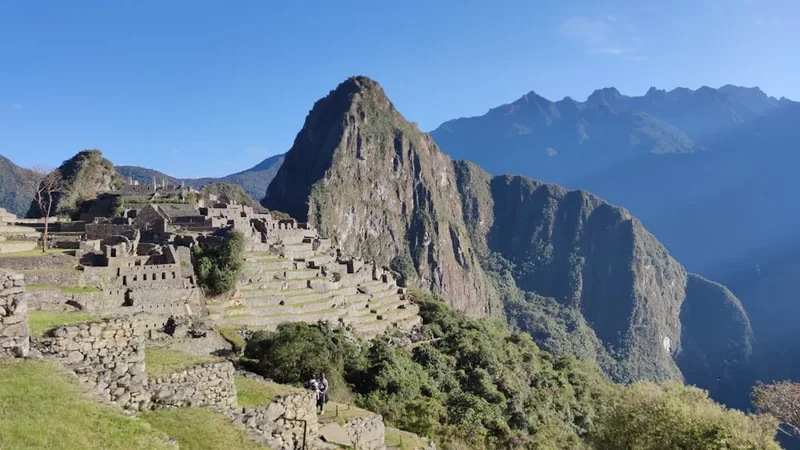
The Pumamarca Ruins Trek traverses a landscape of immense historical and natural significance. Practising Leave No Trace principles is crucial to preserving this environment for future generations and ensuring the integrity of the archaeological site.
Plan Ahead and Prepare: Research the trail, understand the conditions, and pack appropriately. Ensure you have sufficient food and water to avoid relying on or impacting the natural environment.
Travel and Camp on Durable Surfaces: Stick to the established trail. Avoid cutting switchbacks or walking on fragile vegetation, especially the ancient terraces. The ruins themselves are historical artefacts; do not climb on or disturb the stonework.
Dispose of Waste Properly: Pack out everything you pack in. This includes all food scraps, wrappers, and any other litter. Use designated toilet facilities in Ollantaytambo before and after your hike. If nature calls on the trail, dig a cathole at least 60 metres (60 m) away from water sources, trails, and campsites, and bury your waste.
Leave What You Find: Do not take any natural objects (rocks, plants) or historical artefacts from the site. The ruins are a protected heritage site.
Minimise Campfire Impacts: Not applicable for this day hike, as camping is not permitted or practical.
Respect Wildlife: Observe any wildlife from a distance. Do not feed animals, as this can disrupt their natural behaviours and diets.
Be Considerate of Other Visitors: Keep noise levels down, especially near the ruins, to allow everyone to appreciate the tranquility and historical atmosphere. Yield to uphill hikers.
By adhering to these principles, you help protect the unique cultural and natural heritage of the Pumamarca Ruins and the Sacred Valley.