

Parque Pumalín Cascadas Trail
The Parque Pumalín Cascadas Trail is a captivating day walk located within the stunning Pumalín Douglas Tompkins National Park in Chilean Patagonia. This trail offers a moderate challenge with a significant elevation gain, rewarding hikers with spectacular views of waterfalls and the surrounding temperate rainforest. It is an accessible yet immersive experience into one of Chile's most biodiverse and protected natural areas, showcasing the raw beauty of the Patagonian landscape.
- Distance: 8.0 km return
- Duration: 4–5 hours
- Elevation Gain: 400 m
- Difficulty: Moderate
- Season: October to April (Southern Hemisphere summer)
- Trailhead Access: Via Ruta 7 (Carretera Austral) south of Chaitén
- Permits: Generally not required for day use, but always check with park authorities
Overview
The Cascadas Trail is a quintessential Patagonian hiking experience, offering a concentrated dose of the region's natural wonders. Starting from a well-maintained trailhead, the path immediately begins its ascent, winding through dense Valdivian temperate rainforest. This ecosystem is characterised by ancient Alerce trees (Fitzroya cupressoides), a species known for its incredible longevity and impressive size, alongside a lush understory of ferns, mosses, and other epiphytic plants. The air is often cool and damp, carrying the scent of damp earth and decaying wood, a testament to the vibrant life cycle of the forest.
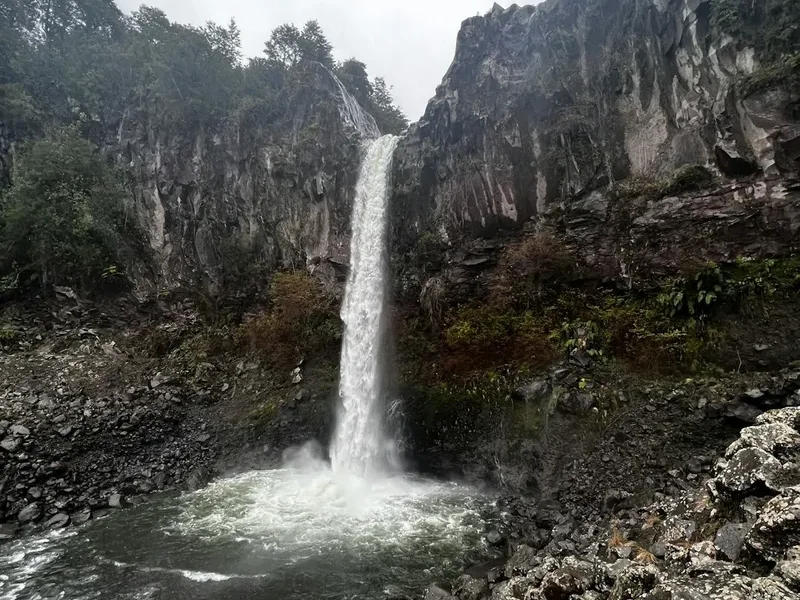
As the trail climbs, the forest canopy occasionally opens up, providing glimpses of the dramatic mountain scenery that defines Pumalín Park. The primary objective of the hike is the series of waterfalls that give the trail its name. These cascades, fed by snowmelt and rainfall from the surrounding peaks, tumble down rocky outcrops and through verdant ravines. The sound of rushing water becomes a constant companion, growing louder as you approach the higher falls. The trail is well-constructed, featuring wooden boardwalks over boggy sections and sturdy bridges over streams, ensuring a safe and enjoyable experience even in wet conditions.
The moderate elevation gain of 400 metres is spread over 4 kilometres, meaning the climb is steady rather than excessively steep. This allows hikers to maintain a good pace while still being able to appreciate the intricate details of the forest and the changing perspectives. The summit area offers a more open environment, with the final waterfalls cascading into clear pools. The return journey provides a different perspective on the landscape, allowing for reflection on the diverse flora and fauna encountered. The park's commitment to conservation is evident throughout, with well-placed interpretive signs explaining the ecological significance of the area.
History and Cultural Context
Pumalín Park, and the land it encompasses, has a rich history that predates its establishment as a national park. For millennia, indigenous peoples, including the Chono and Huilliche peoples, inhabited and traversed these coastal regions of Patagonia. Their lives were intrinsically linked to the land and sea, utilising the abundant resources of the temperate rainforest and the fjords for sustenance and shelter. While specific historical records of their use of the immediate Cascadas Trail area are scarce, their presence and deep connection to this environment are an integral part of the region's heritage.
The modern history of Pumalín Park is largely shaped by the vision and dedication of Douglas Tompkins, an American conservationist and entrepreneur. In the late 20th century, Tompkins began acquiring vast tracts of degraded land in Chile, with the intention of restoring them and eventually donating them to the Chilean state to form national parks. Pumalín was one of his earliest and most ambitious projects. He and his team worked tirelessly to reforest the land, reintroduce native species, and protect the remaining old-growth forests, particularly the magnificent Alerce trees, which had been heavily logged in the past.
The establishment of Pumalín Douglas Tompkins National Park in 2005, and its subsequent expansion, marked a significant achievement in conservation. The park is a testament to the power of private initiative in environmental protection and serves as a model for ecological restoration. The Cascadas Trail, as part of this protected area, allows visitors to experience the results of these conservation efforts firsthand, walking through a landscape that has been carefully preserved and revitalised. The park's infrastructure, including the well-maintained trails and visitor facilities, reflects a commitment to sustainable tourism that minimises impact while maximising the visitor's appreciation of the natural environment.
Seasonal Highlights and Weather Reality
The best time to hike the Cascadas Trail is during the Southern Hemisphere's summer months, from October to April. This period generally offers the most stable weather conditions, with longer daylight hours and milder temperatures, making it ideal for hiking.
Spring (October–November): The forest begins to awaken after winter. Wildflowers start to bloom, and the landscape takes on a fresh, vibrant green hue. Temperatures are cool, and rainfall is still common, but snow is less likely at lower elevations. This is a good time to visit if you prefer fewer crowds and are prepared for variable weather.
Summer (December–February): This is the peak season. Days are longest and warmest, though temperatures rarely become excessively hot. The waterfalls are typically at their most powerful due to snowmelt and consistent rainfall. However, this is also when sandflies can be most prevalent, so adequate repellent is essential. The park will be busier during this period.
Autumn (March–April): The park transforms into a spectacle of autumnal colours, with the foliage of deciduous trees turning shades of red, orange, and yellow. The weather becomes cooler, and rainfall may increase. The crowds thin out, offering a more tranquil experience. The waterfalls remain impressive, though their volume might start to decrease towards the end of April.
Winter (May–September): While technically possible to visit, winter is not recommended for the Cascadas Trail. Temperatures are cold, daylight hours are short, and heavy rainfall and snow are common. The trail may be muddy, slippery, and potentially impassable in sections. Many park facilities might also be closed or have reduced services during this off-season.
Weather Considerations: Patagonian weather is notoriously unpredictable and can change rapidly. Even during summer, hikers should be prepared for rain, wind, and cooler temperatures. Layering clothing is crucial, and waterproof outer shells are essential year-round.
Recommended Itinerary
Pumalín Park Cascadas Trail - Day Walk Itinerary
Early Morning (Approx. 9:00 AM): Arrival and Trailhead Preparation
- Arrive at the well-marked trailhead for the Cascadas Trail, located off Ruta 7.
- Park your vehicle in the designated parking area. Note that parking can be limited, especially during peak season.
- Take a moment to prepare your gear, apply sunscreen and insect repellent, and use the restroom facilities if available.
- Review the trail map and any posted information at the trailhead.
Morning (Approx. 9:30 AM - 12:00 PM): Ascent Through the Rainforest
- Begin the hike. The trail immediately starts to climb, entering the dense Valdivian temperate rainforest.
- Walk through ancient Alerce forests, marvelling at the size and age of these trees.
- Observe the rich understory of ferns, mosses, and lichens covering the forest floor and tree trunks.
- Listen to the sounds of the forest – birdsong, the rustling of leaves, and the distant murmur of water.
- The trail is well-maintained with boardwalks and bridges, making the ascent manageable.
- Occasional clearings may offer glimpses of the surrounding mountains.
Midday (Approx. 12:00 PM - 1:00 PM): Reaching the Waterfalls and Lunch Break
- The sound of rushing water will become more prominent as you approach the main waterfall sections.
- Arrive at the primary viewpoints for the Cascadas Trail's waterfalls. These may be a series of cascades or a larger, more impressive fall.
- Take time to admire the power and beauty of the falling water.
- Find a suitable, designated spot to enjoy your packed lunch, surrounded by the sounds and sights of nature.
- This is an excellent opportunity for photography.
Afternoon (Approx. 1:00 PM - 3:00 PM): Descent and Return to Trailhead
- Begin the descent back towards the trailhead.
- The downhill section offers a different perspective on the forest and the landscape.
- Pay attention to your footing, as the trail can be slippery, especially after rain.
- Reflect on the diverse plant life and the overall experience of the Patagonian rainforest.
- Arrive back at the trailhead.
Late Afternoon (Approx. 3:00 PM onwards): Departure and Further Exploration
- Secure your gear and depart from the trailhead.
- Consider visiting other points of interest within Pumalín Park or continuing your journey along the Carretera Austral.
Important Notes:
- Carry sufficient water and snacks, as there are no facilities along the trail.
- Wear sturdy, waterproof hiking boots.
- Be prepared for all types of weather, including rain and wind.
- Insect repellent is highly recommended, especially during warmer months.
- Stay on marked trails to protect the fragile ecosystem.
Planning and Bookings
Book Your Trip
Everything you need to plan your journey
Accommodation
Find places to stay near Chaitén
Flights
Search flights to Chaitén
Essential Preparation
The Cascadas Trail is a day hike within Pumalín Douglas Tompkins National Park. While no specific booking is typically required for day use of the trail itself, it is crucial to be aware of park operating hours, any potential seasonal closures, and to check for any advisory notices before your visit. The nearest major town with comprehensive services is Chaitén, located approximately 30 minutes north of the park entrance by car. Chaitén offers accommodation options ranging from hotels and guesthouses to campsites, as well as restaurants, supermarkets, and fuel stations. It is advisable to stock up on supplies in Chaitén before heading to the park, as facilities within Pumalín are limited to basic visitor services.
Access to the trailhead is via Ruta 7, also known as the Carretera Austral. This scenic highway is largely unpaved, consisting of gravel and dirt sections, though it is generally passable by most standard vehicles. However, conditions can vary, especially after heavy rain, so a vehicle with reasonable ground clearance is beneficial. Ensure your vehicle is in good condition and that you have a full tank of fuel before departing Chaitén, as fuel stops are infrequent along this stretch of road.
Trail Accommodation
This is a day hike requiring no overnight accommodation.
Required Gear
- Sturdy hiking boots: Waterproof and with good ankle support are essential for navigating uneven terrain and potential wet conditions.
- Waterproof jacket: A reliable waterproof and windproof jacket is crucial, as Patagonian weather can change rapidly.
- Waterproof overtrousers: Recommended to keep dry during rain showers.
- Backpack: A daypack (20-30 litres) to carry essentials.
- Navigation: While the trail is well-marked, a map of Pumalín Park and a compass or GPS device are advisable for general orientation.
- First aid kit: A basic kit including plasters, antiseptic wipes, pain relievers, and any personal medications.
- Head torch: Although a day hike, it's always wise to carry one in case of unexpected delays.
What to Bring
- Food: Packed lunch, snacks, and energy bars. There are no food services within the park.
- Water: At least 1-2 litres of water per person. Water treatment (filter or tablets) is recommended if you plan to refill from natural sources, though it's safer to carry all you need.
- Sun protection: Sunscreen (SPF 30+), sunglasses, and a wide-brimmed hat, as the sun can be intense even on cloudy days.
- Insect repellent: Highly recommended, especially during warmer months, to ward off sandflies. Look for products with DEET or picaridin.
- Warm layers: Fleece or wool mid-layers, and a warm hat and gloves, as temperatures can drop significantly, especially at higher elevations or with wind chill.
- Camera: To capture the stunning scenery and waterfalls.
- Binoculars: For observing wildlife and distant landscapes.
- Trekking poles: Optional, but can be helpful for stability on ascents and descents.
Permits
For day use of the Cascadas Trail within Pumalín Douglas Tompkins National Park, specific permits are generally not required. The park is managed by the Chilean National Forest Corporation (CONAF) in conjunction with Tompkins Conservation. However, it is always advisable to verify the latest regulations and any potential entry fees or requirements directly with CONAF or the park administration before your visit. Information can often be found on the official Chilean National Parks website or through local tourism offices in Chaitén.
While no advance booking is typically needed for day hikers, it's good practice to be aware of park opening and closing times, especially during different seasons. During peak season (summer), the park is usually open for longer hours. Off-season access might be more restricted, and some facilities may be closed.
If you plan to undertake any overnight camping or more extensive multi-day treks within the broader Pumalín Park area (which may have different regulations), specific permits and reservations would likely be necessary. For the Cascadas Trail, however, the focus is on enjoying a day excursion into the heart of the park's temperate rainforest and waterfall systems.
Other Activities in the Area
Pumalín Douglas Tompkins National Park and its surroundings offer a wealth of activities for nature enthusiasts:
- Ventisquero Trail: Another popular day hike within Pumalín Park, leading to a glacier and offering different forest and mountain scenery.
- Chaitén Volcano: Hike to the crater rim of the Chaitén Volcano, which erupted dramatically in 2008. This offers a starkly different landscape of volcanic rock and regenerating vegetation.
- Caleta Gonzalo: Located within Pumalín Park, this area offers beautiful coastal views, camping facilities, and opportunities for kayaking.
- Futaleufú River: Renowned worldwide for its incredible whitewater rafting and kayaking opportunities, Futaleufú is a significant destination for adventure sports enthusiasts.
- Queulat National Park: Further south along the Carretera Austral, this park features the stunning Ventisquero Colgante (Hanging Glacier), accessible via a scenic trail.
- Coastal Exploration: The region's extensive coastline offers opportunities for boat tours, wildlife viewing (including marine birds and potentially marine mammals), and exploring remote fjords.
- Fishing: The rivers and lakes in the region are popular for fly fishing, particularly for salmon and trout.
Safety and Conditions
Weather Preparedness: Patagonian weather is notoriously unpredictable. Be prepared for sudden changes, including rain, strong winds, and cooler temperatures, even during summer. Always check the weather forecast before heading out and carry appropriate gear.
Trail Conditions: The Cascadas Trail is generally well-maintained, but sections can be muddy and slippery, especially after rain. Wear sturdy, waterproof hiking boots with good grip. Trekking poles can provide extra stability.
Wildlife: While large predators are rare, be aware of your surroundings. The most common nuisance will be sandflies, particularly during warmer months. Use effective insect repellent and consider wearing long sleeves and trousers when stationary.
Water Safety: Treat all water from natural sources before drinking, even if it appears clear. Carry sufficient water for your hike.
Communication: Mobile phone reception can be unreliable within the park and along remote sections of the Carretera Austral. Inform someone of your hiking plans, including your expected return time.
Emergency Services: In case of an emergency, contact park rangers or local authorities. The nearest significant town with medical facilities is Chaitén.
Park Regulations: Adhere to all park rules and regulations, including staying on marked trails, not feeding wildlife, and packing out all rubbish. This helps preserve the delicate ecosystem.
Side Trips and Points of Interest
Alerce Trees: The Cascadas Trail passes through stands of ancient Alerce trees (Fitzroya cupressoides). These magnificent trees are among the oldest and largest in South America, with some individuals living for over 3,000 years. Take time to appreciate their immense size, gnarled bark, and the unique ecosystem they support. Interpretive signs along the trail often provide information about these remarkable specimens.
Valdivian Temperate Rainforest: The entire trail is an immersion into this unique biome. Observe the incredible biodiversity, from the towering Alerce and other native trees like Coigüe and Lenga, to the dense undergrowth of ferns, mosses, and fungi. The constant moisture creates a lush, verdant environment that feels ancient and primeval.
Waterfalls: The primary attraction, the series of waterfalls, offers spectacular photographic opportunities. Depending on the season and recent rainfall, the volume and intensity of the water flow will vary. The sound of the cascades is a constant, soothing presence throughout the hike, and the sight of water tumbling down moss-covered rocks is a quintessential Patagonian experience.
Mountain Vistas: While the trail is primarily within the forest, occasional clearings and viewpoints offer glimpses of the surrounding rugged mountains. These vistas provide context for the trail's location within the larger dramatic landscape of Pumalín Park.
Leave No Trace
Pumalín Douglas Tompkins National Park is a protected area dedicated to conservation and ecological restoration. Practising Leave No Trace principles is paramount to preserving its natural beauty and ecological integrity for future visitors and for the health of the ecosystem itself.
Plan Ahead and Prepare: Research the park's conditions, weather, and any specific regulations before your visit. Pack appropriately for the conditions and carry all necessary supplies, including food and water.
Travel and Camp on Durable Surfaces: Stick to marked trails at all times. The forest floor, with its delicate mosses and ferns, is easily damaged. Walking off-trail can lead to erosion and habitat destruction.
Dispose of Waste Properly: Pack out everything you pack in. This includes all food scraps, wrappers, and any other litter. Use designated waste bins if available, but be prepared to carry all your rubbish out of the park.
Leave What You Find: Do not remove any natural objects, such as rocks, plants, or flowers. Take only photographs and memories.
Minimise Campfire Impacts: As this is a day hike, campfires are not applicable. However, if visiting areas where camping is permitted, always use established fire rings and ensure fires are completely extinguished.
Respect Wildlife: Observe wildlife from a distance and never feed animals. Feeding wildlife can disrupt their natural behaviours, diets, and health.
Be Considerate of Other Visitors: Keep noise levels down, yield to other hikers on the trail, and maintain a respectful attitude towards fellow visitors and the natural environment.
 Chile
Chile