
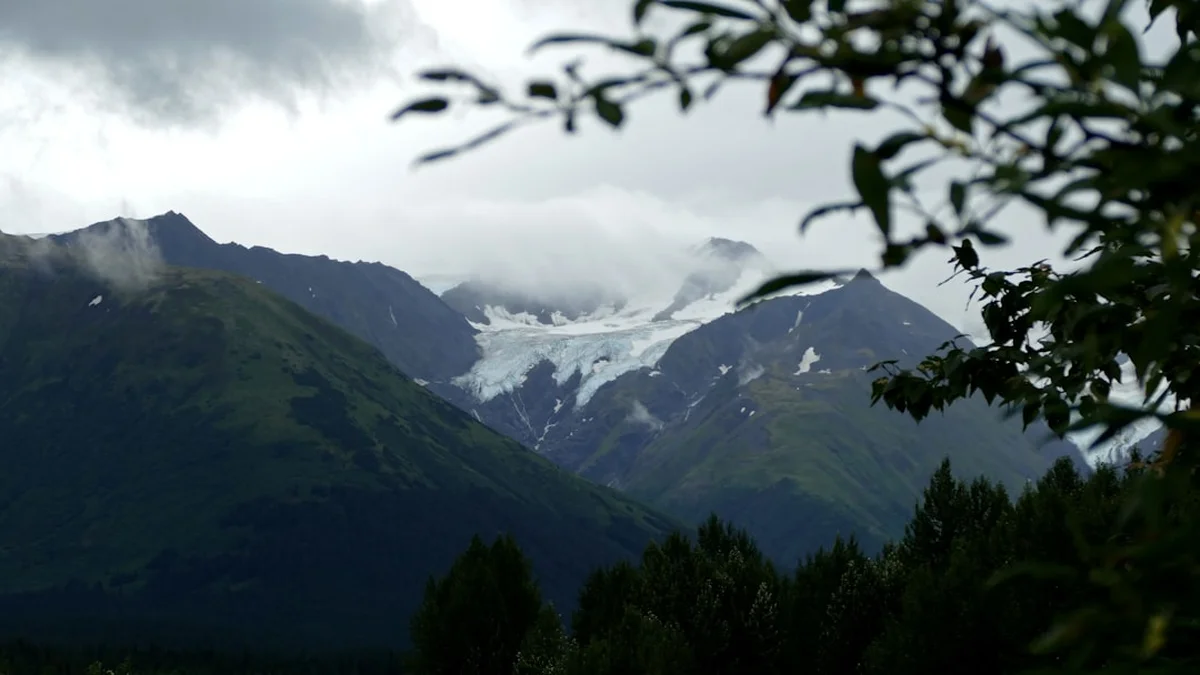
White Mountains Presidential Traverse - The Crown of New England
The Presidential Traverse is widely regarded as the most challenging and prestigious mountain trek in the Northeastern United States. Spanning approximately 50.5 kilometres across the rugged spine of the Presidential Range in New Hampshire's White Mountain National Forest, this journey is defined by its relentless vertical gain and its extraordinary exposure. Unlike many long-distance trails that dip in and out of valleys, the Presidential Traverse stays primarily above the treeline, crossing a series of granite summits named after United States presidents. It is a landscape of alpine tundra, ancient krummholz forest, and weather conditions that are famously some of the most volatile on the planet. For the modern trekker, it represents a test of physical endurance, navigational skill, and respect for the raw power of the mountain environment.
The route typically involves summiting at least seven "four-thousand footers" (peaks over 1,219 metres), including the formidable Mount Washington, which stands as the highest point in the Northeast at 1,917 metres. The total elevation gain exceeds 2,743 metres, often accomplished over two to three days of strenuous effort. This is not a journey for the faint-hearted or the ill-prepared; the terrain is notoriously rocky, consisting of jagged "boulder fields" that require constant focus and stable footwork. However, the reward for this exertion is a panoramic vista that stretches across the White Mountains into Maine, Vermont, and Canada—a sea of green peaks and deep glacial cirques that feels more like the Scottish Highlands or the European Alps than the American East Coast.
- Distance: 50.5 km point-to-point
- Duration: 2–3 days (can be done as a single-day "ultra" by elite athletes)
- Season: July to September (summer provides the only reliable window for non-mountaineers)
- Accommodation: Appalachian Mountain Club (AMC) Huts (Madison Spring, Lakes of the Clouds, Mizpah Spring)
- Highest point: Mount Washington (1,917 m)
- Total Elevation Gain: 2,743 m
- Direction: Traditionally North to South (Appalachia Trailhead to Crawford Notch)
Overview
The Presidential Traverse is a masterclass in high-altitude trekking within a temperate zone. The range acts as a barrier to the prevailing westerly winds, creating a microclimate where weather can shift from benign sunshine to life-threatening storms in a matter of minutes. The "Alpine Zone"—the area above the limit of tree growth—is one of the largest of its kind in the eastern United States, home to rare Arctic-alpine flora that has survived since the last ice age. Walking this ridge is a journey through time, where the geological history of the Appalachian Orogeny is written in the grey schist and quartz that litters the path.
The journey is traditionally tackled from North to South, starting at the Appalachia Trailhead on Route 2. This direction is preferred because it places the steepest, most technical climbs—Mount Madison and Mount Adams—at the beginning of the trek when legs are freshest. The ascent from the valley floor to the first summit involves a gruelling 1,200-metre climb through dense hardwood forests, transitioning into stunted balsam fir and spruce (krummholz), before finally emerging onto the windswept rock of the high peaks. Once above the treeline, the trekker remains exposed to the elements for the majority of the next 30 kilometres.
Mount Washington serves as the psychological and physical midpoint of the traverse. Known as the "Home of the World's Worst Weather," it held the world record for the highest wind speed ever recorded by a human (372 km/h) for decades. Even in mid-summer, temperatures on the summit can hover near freezing, and fog (locally known as "the clouds") obscures the trail on more than 300 days a year. Navigating the "rock piles" of the Presidential Range in low visibility requires a keen eye for the large stone cairns that mark the route. This is a landscape that demands humility; there are no easy kilometres on the Presidential Traverse, only hard-won metres and spectacular, humbling beauty.
History and Cultural Context
The Presidential Range has been a site of human fascination and spiritual significance for millennia. Long before European settlers arrived, the indigenous Abenaki people revered these mountains. They called Mount Washington "Agiocochook," meaning "Place of the Great Spirit" or "Home of the Great Spirit." Out of respect for the sacred nature of the heights, they rarely climbed above the treeline, believing the summits to be the dwelling place of powerful deities who controlled the weather. The mountains were a constant presence in their cosmology, serving as landmarks and symbols of the enduring power of the natural world.
The first recorded European ascent of Mount Washington occurred in 1642 by Darby Field, an adventurous settler from Exeter, New Hampshire. Field’s journey was considered an extraordinary feat of exploration at the time, as the interior of the White Mountains was largely unmapped and feared. By the mid-19th century, the range became a focal point for the American Romantic movement. Artists, poets, and writers flocked to the region to capture the "sublime" beauty of the peaks, leading to the development of grand hotels in the valleys below. This era saw the naming of the peaks after US Presidents—Washington, Adams, Jefferson, Madison, and Monroe—reflecting the young nation's desire to project its identity onto its grandest landscapes.
The history of the Presidential Traverse is also inextricably linked to the birth of American hiking culture. The Appalachian Mountain Club (AMC), founded in 1876, is the oldest outdoor recreation and conservation organisation in the United States. They began building the legendary "Hut System" in 1888, starting with Madison Spring Hut. These stone and timber shelters were designed to provide safety and hospitality to hikers in the treacherous alpine zone, modelled after the mountain refuges of the European Alps. Today, the huts remain a vital part of the traverse experience, staffed by "croos" of young enthusiasts who pack in supplies on their backs and provide hot meals to weary trekkers. The trail itself is a patchwork of historic paths, some of which have been in continuous use for over 150 years, maintained by generations of dedicated trail crews who move massive stones by hand to ensure the path remains passable.
Want more background? Read extended notes on history and cultural context → Learn more
Seasonal Highlights and Weather Reality
The window for a safe and enjoyable Presidential Traverse is remarkably narrow. Due to its northern latitude and high elevation, the range experiences "Arctic" conditions for much of the year. For most trekkers, the season is limited to the summer months and early autumn.
Summer (July to August): This is the peak season. The alpine flowers, such as the rare Diapensia and Alpine Azalea, bloom in early July, carpeting the rocky slopes in vibrant whites and pinks. Days are long, providing ample light for the 10–12 hour trekking days. However, summer also brings the risk of violent afternoon thunderstorms. These storms can materialise with little warning, turning the exposed ridges into lightning magnets. Trekkers must be prepared to descend below the treeline immediately if thunder is heard.
Autumn (September to early October): Many consider September the finest month for the traverse. The air is crisper, the humidity of summer vanishes, and the visibility often extends for over 150 kilometres. The "fall foliage" in the valleys below creates a spectacular tapestry of reds and golds. However, the risk of early-season snow and ice increases significantly after mid-September. Temperatures on Mount Washington can drop to -10°C overnight, and "rime ice" can coat the rocks, making travel extremely hazardous.
Winter and Shoulder Seasons (November to June): During these months, the Presidential Traverse is a serious mountaineering undertaking. The range receives an average of 7 metres of snow annually. Hurricane-force winds are common, and wind chill factors can plummet to -50°C. The trails are buried under deep snow and ice, requiring crampons, ice axes, and expert-level winter navigation skills. Avalanche danger is a constant threat in the glacial cirques (ravines). This period is strictly for highly experienced winter mountaineers; for the average hiker, the range is effectively closed.
Recommended Itinerary
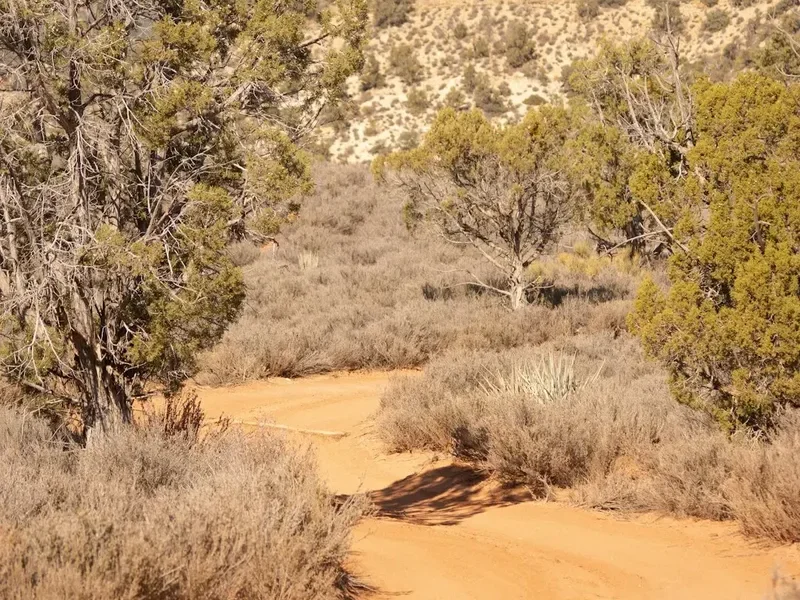
3-Day Presidential Traverse Itinerary
Day 1: Appalachia Trailhead to Madison Spring Hut
- Distance: 6.5 km
- Elevation gain: 1,250 m
- Time: 4–5 hours
- Start at Appalachia Trailhead (Route 2) in the early morning
- Ascend via the Valley Way Trail, a well-protected route through hardwood and evergreen forest
- Pass the "Tent City" area and the intersection with the Scar Trail
- Emerge from the treeline at Madison Spring Hut (1,463 m)
- Drop packs at the hut and make the 0.8 km rocky scramble to the summit of Mount Madison (1,636 m)
- Enjoy views of the Great Gulf Wilderness and the upcoming peaks to the south
- Return to Madison Spring Hut for dinner and overnight stay
- This day is short in distance but involves a massive vertical climb, serving as a "warm-up" for the legs
Day 2: Madison Spring Hut to Lakes of the Clouds Hut
- Distance: 12.5 km
- Elevation gain: 1,100 m
- Time: 7–9 hours
- The "Big Day" – almost entirely above the treeline with constant exposure
- Ascend Mount Adams (1,760 m) via the Star Lake Trail or Lowe’s Path; Adams is notoriously rugged with jagged boulders
- Descend to Edmonds Col, the lowest point between Adams and Jefferson
- Ascend Mount Jefferson (1,741 m), featuring three distinct "caps" or false summits
- Traverse around or over Mount Clay (1,686 m), offering dramatic views into the Great Gulf
- The final, long ascent of Mount Washington (1,917 m) via the Gulfside Trail and Crawford Path
- Summit Mount Washington – visit the Tip Top House and the Observatory (expect crowds from the Cog Railway and Auto Road)
- Descend 2.4 km to Lakes of the Clouds Hut (1,533 m), situated between Mount Washington and Mount Monroe
- This is the most physically demanding day, requiring steady pacing and frequent hydration
Day 3: Lakes of the Clouds Hut to Crawford Notch
- Distance: 11.5 km (to Highland centre)
- Elevation gain: 400 m (mostly descent)
- Time: 5–7 hours
- Early morning ascent of Mount Monroe (1,637 m) for sunrise views over the "Lakes" (alpine tarns)
- Follow the historic Crawford Path, the oldest continuously maintained hiking trail in the United States
- Ascend the broad, grassy summit of Mount Eisenhower (1,451 m)
- Continue to Mount Pierce (1,314 m), where the trail begins to re-enter the krummholz and forest
- OPTIONAL: Add Mount Jackson (1,235 m) for a "Full Traverse" before descending the Jackson-Webster Trail
- Final steep descent to Crawford Notch and the AMC Highland centre
- Celebrate the completion of the traverse with a meal at the Highland centre
- Arrange for a shuttle or second car back to the Appalachia Trailhead
Important Notes:
- Hut reservations are mandatory and should be made months in advance
- Water is available at the huts and the Mount Washington summit; treat all other sources
- The "Bail-out" points are crucial – know the side trails that lead below the treeline in case of weather
- The terrain is 90% rock; high-quality, broken-in boots are essential
- Mount Washington summit has a cafeteria and water, but it can be closed in extreme weather
Planning and Bookings
Book Your Trip
Everything you need to plan your journey
Accommodation
Find places to stay near North Conway, New Hampshire
Flights
Search flights to North Conway, New Hampshire
Essential Preparation
The Presidential Traverse requires a high level of physical fitness and logistical coordination. Trekkers should be comfortable carrying a 10–15 kg pack over steep, uneven terrain for 8 or more hours a day. Training should focus on vertical gain and "stair-stepping" movements. Because this is a point-to-point hike, transport is a primary concern. Most hikers either use two cars (parking one at Crawford Notch and one at Appalachia) or book the AMC Hiker Shuttle, which runs seasonally between the major trailheads. North Conway and Gorham are the nearest towns, offering full services, gear shops, and lodging for the night before your start.
Booking coordination is the most difficult part of the planning process. You must align your fitness, your transport, and the availability of the AMC huts. It is highly recommended to stay in the huts rather than camping, as legal campsites are rare and often located far below the ridge, requiring significant extra elevation loss and gain each day.
Trail Accommodation
The Appalachian Mountain Club (AMC) operates a series of high-mountain huts along the Presidential Range. These are the only legal indoor accommodations on the ridge.
Hut Facilities:
- Co-ed bunk rooms with tiered wooden bunks and mattresses
- Wool blankets and pillows provided (bring a lightweight sleeping bag liner)
- Full breakfast and multi-course dinner served by the "croo" (included in the price)
- Potable water and composting toilets
- Common room with educational materials and maps
- No electricity for charging devices; no showers
- Emergency medical supplies and radio contact with search and rescue
What Huts Don't Provide:
- Towels or toiletries
- Personal lighting (head torches are required)
- Midday meals (you must bring your own lunches and snacks)
- Private rooms (all sleeping areas are communal)
Booking Requirements:
- Reservations open in January for the summer season and fill up rapidly
- Costs range from US$150 to US$250 per night, depending on membership and timing
- Madison Spring Hut (Day 1), Lakes of the Clouds Hut (Day 2), and Mizpah Spring Hut (alternative for Day 3) are the primary options
- Camping is permitted only in designated areas (like the Perch or Nauman Tentsite) which are often full and require a fee
Required Gear
- Hiking boots: Sturdy, waterproof, with excellent traction (Vibram soles recommended)
- Waterproof jacket and trousers: High-quality breathable membrane (Gore-Tex) to withstand high winds and horizontal rain
- Insulating layers: Synthetic or wool mid-layers (fleece or "puffy" jacket); avoid cotton entirely
- Navigation: Physical map (AMC White Mountain Map #1) and a compass; GPS is a backup only
- Head torch: With extra batteries (essential for hut life and emergency descents)
- First aid kit: Including blister care (moleskin/Leukotape), ibuprofen, and an emergency whistle
- Sun protection: High SPF sunscreen, lip balm, and wrap-around sunglasses (UV is intense at 1,900 m)
- Pack: 35–50 litre capacity with a fitted rain cover
What to Bring
- Water storage: At least 3 litres of capacity (bladder or bottles); the ridge is dry between huts
- Food: High-calorie lunches (nuts, dried fruit, jerky, energy bars) for 3 days; breakfast and dinner are provided at huts
- Water treatment: Lightweight filter or chemical drops for emergency use at streams
- Personal items: Toothbrush, biodegradable soap, earplugs (for noisy bunkrooms), and a small quick-dry towel
- Clothing: Two sets of wool/synthetic socks, base layers, and a warm hat/gloves (even in August)
- Emergency shelter: A lightweight space blanket or bivvy bag
- Cash/Card: For the Mount Washington summit shop or AMC merchandise
Permits
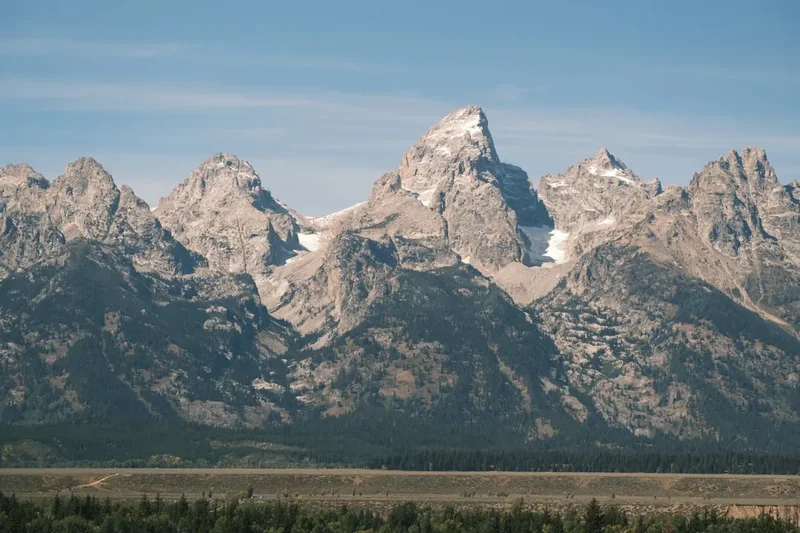
Unlike many National Parks in the Western US, the White Mountain National Forest does not currently require a permit for day hiking or overnight trekking on the Presidential Traverse. However, there are several logistical costs and "de facto" permits in the form of hut reservations and parking fees.
Parking and Access:
- A White Mountain National Forest Recreation Pass is required for parking at major trailheads like Appalachia or Crawford Notch. These can be purchased as a daily pass (approx. US$5) or an annual pass.
- The AMC Highland centre at Crawford Notch offers long-term parking for hikers, often included if you are using their shuttle services.
Hut Reservations:
- While not a "permit" from the government, your hut reservation is your legal right to stay on the ridge. During the peak season (July–August), the huts are strictly "reservation only."
- If you arrive at a hut without a reservation, you may be asked to hike down to a legal campsite below the treeline, which can be a dangerous prospect late in the day.
- "Work-for-stay" options exist for long-distance Appalachian Trail hikers, but these are not guaranteed and are generally not available to Presidential Traverse trekkers.
Group Size:
- Organised groups (scouts, clubs, commercial tours) of 10 or more people require a Special Use Permit from the US Forest Service.
- Independent groups are encouraged to keep numbers small (under 10) to minimise impact on the fragile alpine environment.
Other Activities in the Area
The White Mountains are a premier destination for outdoor enthusiasts, offering much more than just high-altitude trekking:
- Mount Washington Cog Railway: A historic rack-and-pinion railway that climbs the western slope of Mount Washington. It is a feat of 19th-century engineering and offers a unique way for non-hikers to reach the summit.
- Rock Climbing at Cathedral Ledge: Located near North Conway, this massive granite cliff offers some of the best traditional climbing in the Eastern US, with routes ranging from beginner to expert.
- The Mount Washington Auto Road: For those who prefer to drive, this steep, winding road offers spectacular views and the famous "This Car Climbed Mt. Washington" bumper sticker.
- Franconia Notch State Park: Home to the Flume Gorge, Cannon Mountain Aerial Tramway, and the site of the former "Old Man of the Mountain" stone profile.
- Mountain Biking in North Conway: The area boasts an extensive network of singletrack trails, particularly in the Moat Mountain and Echo Lake areas.
- Tax-Free Shopping: North Conway is famous for its outlet malls and independent gear shops (like International Mountain Equipment), offering tax-free shopping on high-end outdoor equipment.
Safety and Conditions
The "World's Worst Weather": This is not a marketing slogan; it is a meteorological reality. Mount Washington sits at the confluence of three major storm tracks (Atlantic, Gulf, and Pacific). This creates conditions where hurricane-force winds occur on average 110 days per year. Trekkers must check the Mount Washington Observatory's Higher Summits Forecast every morning. If the forecast calls for sustained winds over 65 km/h or a high probability of thunderstorms, the traverse should be postponed.
Hypothermia: This is the leading cause of death in the Presidential Range, and it occurs most frequently in the summer. A combination of 10°C temperatures, 60 km/h winds, and rain can lead to fatal hypothermia in less than an hour if a hiker is not wearing proper synthetic layers and a waterproof shell. Never wear cotton, which loses all insulating properties when wet.
Navigation and Visibility: In "the clouds," visibility can drop to less than 5 metres. The trail is marked by stone cairns, but in heavy fog, it is easy to lose the line. Trekkers must be proficient with a map and compass. If you lose the trail, do not wander; stay at the last known cairn and wait for a break in the clouds or use your compass to follow a known bearing to safety.
Bail-out Points: Every trekker must have a "Plan B." There are numerous trails that lead off the ridge into the valleys (e.g., Lowe’s Path, Jewell Trail, Ammonoosuc Ravine Trail). Know which trails lead to your transport and which lead to the "wrong" side of the mountain. In an emergency, descending below the treeline is your first priority.
Search and Rescue: New Hampshire Fish and Game conducts rescues, but they are expensive and not guaranteed in extreme weather. Hikers are encouraged to purchase a "Hike Safe" card (approx. US$25), which acts as a form of insurance against the costs of a non-negligent rescue.
Side Trips and Points of Interest
The Tip Top House: Located on the summit of Mount Washington, this 1853 stone building is the oldest surviving mountain house in the range. It has served as a hotel, a printing office, and a weather station. Today, it is a museum that offers a glimpse into the rugged lives of early mountain explorers.
Star Lake: A small, pristine alpine tarn located in the col between Mount Madison and Mount Adams. It is one of the highest bodies of water in the White Mountains and provides a stunning foreground for photographs of the jagged peaks of Adams.
Tuckerman Ravine: While not directly on the traverse path, a short detour to the lip of this massive glacial cirque is worthwhile. Famous for extreme spring skiing, the ravine features 200-metre headwalls and a dramatic "bowl" shape that is a testament to the power of ancient glaciers.
The Lakes of the Clouds: Two small alpine ponds located just below the summit of Mount Washington. They are home to rare aquatic life and offer some of the most iconic views in the range, especially when the peaks are reflected in the still water at dawn.
Mount Clay: Often overlooked as it is not an "official" 4,000-footer (due to lack of prominence), Clay offers perhaps the best views of the Great Gulf Wilderness—a massive, deep valley that remains one of the most remote areas in New England.
Leave No Trace
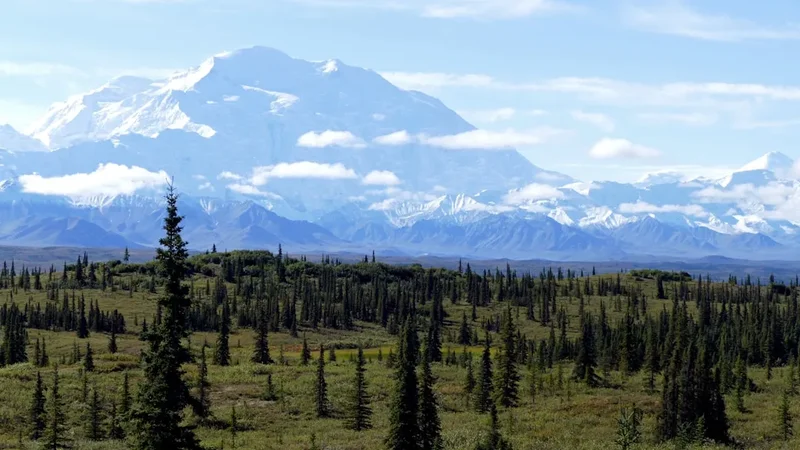
The alpine tundra of the Presidential Range is an island of Arctic life in a temperate sea. The plants here, such as the Robbins' Cinquefoil, are found nowhere else on Earth. Because of the short growing season (often less than 60 days), a single footstep off the trail can destroy a plant that took 20 years to grow. The "Carry In, Carry Out" policy is strictly enforced, and trekkers are expected to be stewards of this fragile wilderness.
Specific Alpine Guidelines:
- Stay on the Rock: When the trail is not clearly defined, walk only on durable rock surfaces. Avoid stepping on any vegetation, even if it looks like common grass.
- No Camping Above Treeline: Camping is strictly prohibited above the treeline (where trees are less than 2.5 metres tall) to protect the soil and flora. Use the huts or designated valley campsites.
- Human Waste: Use the toilets at the huts or the Mount Washington summit. If you must go in the woods, use a "WAG bag" to pack out waste, as the thin alpine soil cannot process it.
- Kea of the North: While there are no Keas here, the local Grey Jays (Whiskey Jacks) are very bold. Do not feed them; it habituates them to humans and disrupts their natural foraging.
- Quietude: Sound carries far in the thin mountain air. Respect the solitude of others by keeping voices low and avoiding the use of speakers.
 USA
USA