
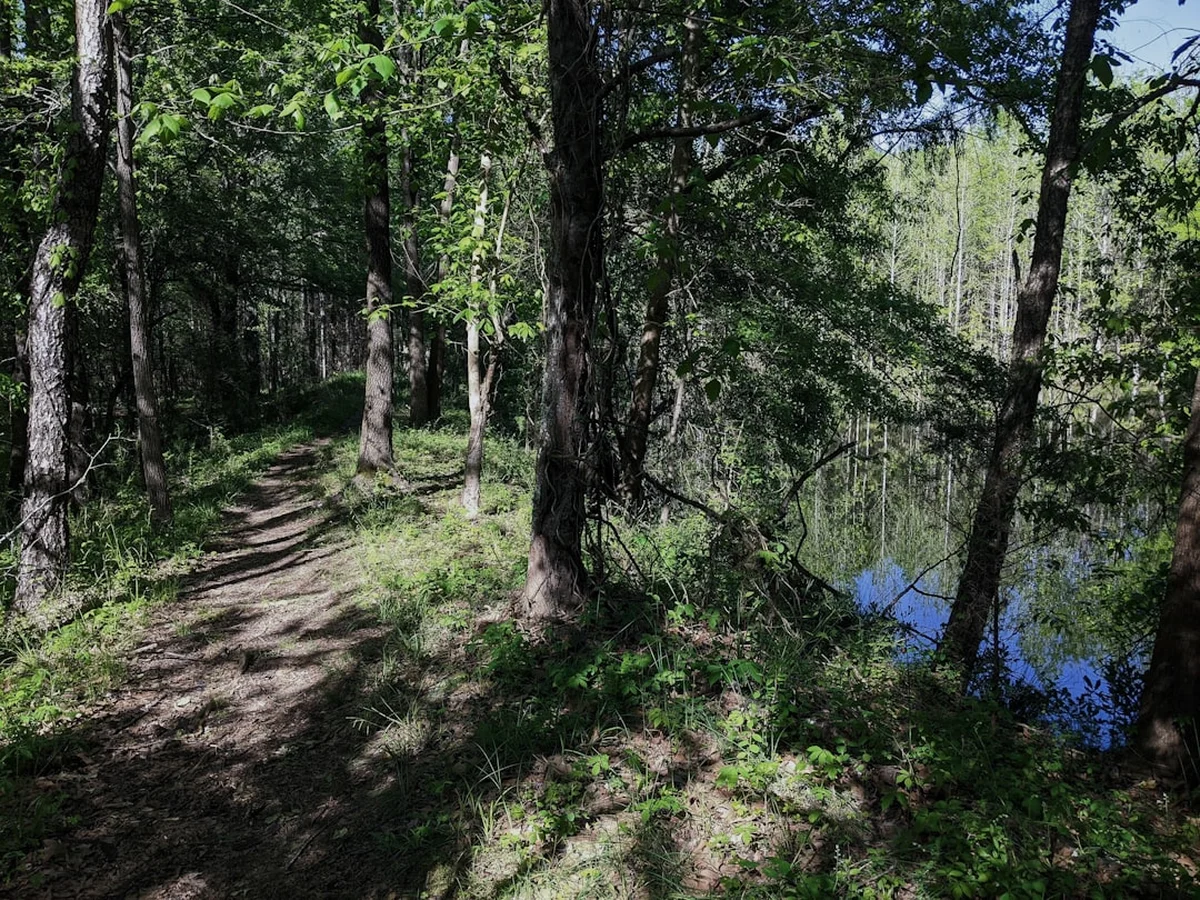
Plitvice Lakes Trail H - The Emerald Heart of Croatia
Plitvice Lakes National Park is not merely a destination; it is a liquid masterpiece of nature, a UNESCO World Heritage site since 1979, and arguably the most iconic landscape in the Balkans. Trail H represents the definitive "grand tour" of this aquatic wonderland, offering a comprehensive 9.0-kilometre journey that encompasses both the Upper and Lower Lakes. Unlike shorter routes that focus on only one section of the park, Trail H is designed to provide a complete narrative of the park's geological and hydrological story. It begins at Entrance 2, utilizes the park's panoramic electric train to reach the highest elevations, and then descends through a series of sixteen terraced lakes connected by a spectacular network of waterfalls, cascades, and travertine barriers. The journey concludes with a boat ride across the park's largest body of water, Lake Kozjak, and a final exploration of the dramatic limestone canyon of the Lower Lakes, culminating at the base of the 78-metre Veliki Slap (Great Waterfall).
- Distance: 9.0 km loop (including boat and train transfers)
- Duration: 3–4 hours (leisurely pace with photography: 5–6 hours)
- Season: Year-round (Best: April–June and September–October)
- Difficulty: Moderate (mostly downhill and flat, but involves long periods of walking on wooden boardwalks)
- Highest point: Approximately 636 m (Prošćansko Lake)
- Lowest point: Approximately 503 m (Novakovića Brod)
- Elevation Gain: 350 m (cumulative, though the route is primarily a descent)
- Starting Point: Entrance 2 (South Entrance)
Overview
The Plitvice Lakes are a phenomenon of karst hydrography. The park is world-renowned for its sixteen lakes arranged in cascades, which are the result of a delicate and ongoing biochemical process: the formation of tufa (travertine) barriers. As water flows over moss, algae, and aquatic plants, calcium carbonate precipitates out of the water, encrusting the vegetation and building natural dams that grow by approximately one centimetre per year. This living landscape means the waterfalls you see today are subtly different from those seen by visitors a century ago. Trail H is specifically curated to showcase this evolution, moving from the vast, forest-fringed Upper Lakes to the sheer, white-rock canyons of the Lower Lakes.
The experience of walking Trail H is defined by the boardwalks. These wooden paths, often without handrails, hover just centimetres above the crystalline water, allowing walkers to look directly into the depths where ancient fallen trees are preserved by calcium deposits, appearing like ghostly white sculptures beneath the surface. The water colour is legendary, shifting between brilliant turquoise, deep emerald, and steely grey depending on the mineral content, the angle of the sun, and the presence of microscopic organisms. On Trail H, you are not just observing the water; you are immersed in its rhythm, feeling the mist of the cascades on your skin and hearing the constant, polyphonic roar of the falls.
Because Trail H utilizes the park's internal transport system—the panoramic train (shuttle bus) and the electric boat—it manages to cover a vast area without requiring extreme physical exertion. The route is strategically designed to be mostly downhill. By taking the train to the highest point of the Upper Lakes (St3), walkers descend through the most lush and verdant sections of the park before reaching the more dramatic, vertical landscapes of the Lower Lakes. This pacing ensures that the visual "crescendo" of the Great Waterfall occurs toward the end of the journey, providing a satisfying emotional and aesthetic arc to the day.
Despite its popularity, the scale of Plitvice Lakes National Park allows for moments of profound serenity, especially in the early morning or late afternoon. Trail H takes you through dense forests of beech, fir, and spruce, which are home to rare wildlife including the European brown bear, grey wolves, and numerous species of rare birds. While the boardwalks can become crowded during peak summer hours, the sheer beauty of the environment remains undiminished, a testament to why this remains Croatia's most visited natural attraction.
History and Cultural Context
The area of Plitvice Lakes has been known to humans for millennia, though for much of history, it was a place of mystery and even fear. In local folklore, the region was often referred to as "The Devil's Garden" (Vražji vrt) due to the dense, impenetrable forests and the treacherous, shifting nature of the karst terrain. Legend attributes the creation of the lakes to the "Black Queen," a mystical figure who took pity on the local population during a devastating drought. According to the myth, she summoned a great storm that lasted for days, filling the dry chasms with water and creating the sixteen lakes we see today.
Scientific interest in the park began to flourish in the late 19th century. The first "Society for the Conservation and Enhancement of the Plitvice Lakes" was founded in 1893, marking the beginning of organised tourism. Early visitors were often members of the Austro-Hungarian nobility, and the first hotel was built as early as 1896. However, it wasn't until after World War II, in 1949, that the area was officially declared a National Park by the then-Yugoslavian government. This was a landmark moment for conservation in Southeast Europe, recognising the unique value of the tufa-forming process.
The park's international significance was cemented in 1979 when it was among the first natural sites worldwide to be inscribed on the UNESCO World Heritage List. However, the late 20th century brought a dark chapter to the park's history. In March 1991, the park became the site of the "Plitvice Lakes Bloody Easter," the first armed confrontation of the Croatian War of Independence. The park was occupied by rebel forces for four years, during which time it was placed on the UNESCO List of World Heritage in Danger. Fortunately, the natural features remained largely intact, and following the war's end in 1995, a massive effort was undertaken to de-mine the surrounding forests and restore the tourism infrastructure.
Today, the park is a symbol of Croatian national pride and a global model for managing high-volume tourism in a fragile ecosystem. The management focuses heavily on protecting the delicate chemical balance of the water, which is why activities like swimming have been strictly prohibited since 2006. When you walk Trail H, you are walking through a landscape that has survived both geological epochs and human conflict, emerging as a pristine sanctuary of biodiversity.
Want more background? Read extended notes on history and cultural context → Learn more
Seasonal Highlights and Weather Reality
Plitvice Lakes is a true four-season destination, with each period offering a radically different aesthetic and logistical experience. Understanding the seasonal nuances is essential for choosing the right time to tackle Trail H.
Spring (April to June): This is arguably the best time for Trail H. As the snow melts in the surrounding Lika mountains, the water volume reaches its peak. The waterfalls are at their most thunderous, and the lush greenery of the beech forests is a vibrant, neon emerald. Wildflowers, including rare orchids, begin to bloom along the trail. However, be prepared for rain; spring in Croatia can be temperamental, and the boardwalks can be slippery.
Summer (July to August): This is the peak tourist season. The weather is generally hot and sunny, with temperatures often reaching 30°C. The water is at its most brilliant turquoise. The downside is the crowd density; Trail H can feel congested, and wait times for the boat and train can exceed 45 minutes. It is essential to start as early as possible (7:00 AM) to enjoy the trail before the tour buses arrive from the coast.
Autumn (September to October): As the temperatures cool, the park undergoes a dramatic transformation. The beech and maple trees turn shades of fiery orange, deep red, and gold, reflecting in the still waters of the lakes. The water volume is lower than in spring, but the clarity is often superior. September is particularly pleasant as the summer crowds begin to thin, but the weather remains stable and warm.
Winter (November to March): Winter turns Plitvice into a Narnia-like landscape. If you are lucky enough to visit during a cold snap, the waterfalls freeze into massive blue-ice sculptures. Trail H may be partially closed or modified during heavy snow for safety, and the panoramic train often stops running, requiring more walking. It is a quiet, ethereal time, but requires serious cold-weather gear and sturdy, waterproof boots with good grip for icy boardwalks.
Recommended Itinerary
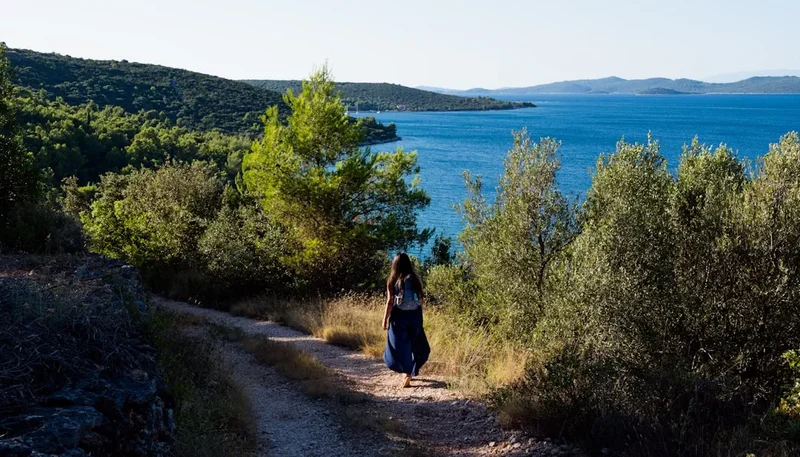
Trail H Route Progression
Early Morning: Arrival and Ascent
- Start at Entrance 2 (South Entrance) between 7:00 AM and 8:00 AM.
- Validate your pre-booked ticket and head to the "St2" transport station.
- Board the panoramic electric train (shuttle bus) for a 15-minute ride to "St3," the highest point of the trail.
- This initial ascent saves your legs and positions you for a continuous downhill journey.
Morning: The Upper Lakes Descent
- Distance: ~3.5 km
- Time: 1.5–2 hours
- Begin the walk from St3, following the signs for "Trail H."
- Descend through the Upper Lakes (Gornja Jezera), starting with Prošćansko Lake.
- Pass the spectacular Galovački Buk (16 m high) and the smaller, delicate cascades of Mali Prštavac and Veliki Prštavac.
- The trail here is heavily forested and features extensive boardwalk sections that wind through the middle of the lakes.
- Arrive at the P2 boat pier on the shores of Lake Kozjak.
Midday: Lake Kozjak Crossing
- Time: 20–30 minutes (including wait time)
- Board the electric boat at pier P2 for the crossing to pier P3.
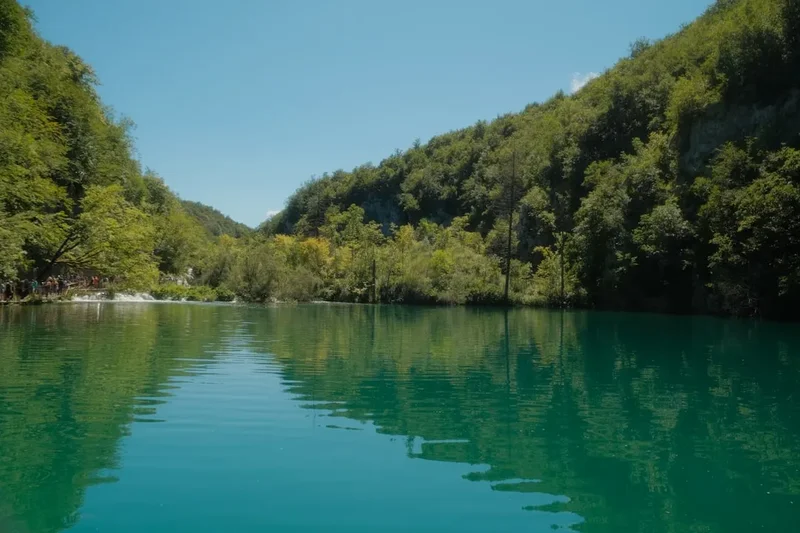
- This is the longest boat ride in the park, offering a panoramic view of the surrounding cliffs and the vastness of the park's largest lake.
- At P3, there is a large rest area with toilets, a café, and picnic tables. This is the ideal spot for a lunch break.
Afternoon: The Lower Lakes and Great Waterfall
- Distance: ~4 km
- Time: 1.5–2 hours
- From P3, follow the trail into the Lower Lakes (Donja Jezera) canyon.
- The landscape shifts from lush forest to dramatic limestone cliffs.
- Walk past Milanovac, Gavanovac, and Kaluđerovac lakes.
- Reach the junction for "Veliki Slap" (The Great Waterfall). Take the short detour to the base of this 78-metre fall, the highest in Croatia.
- After visiting the waterfall, begin the final ascent out of the canyon via a series of steep switchbacks.
Late Afternoon: The Return Journey
- Time: 30 minutes
- Follow the cliff-top trail back toward Entrance 1, offering iconic "postcard" views of the boardwalks below.
- Continue walking or take the panoramic train from St1 back to St2 (Entrance 2) to complete the loop.
- Return to your vehicle or the bus station.
Important Notes:
- Trail H is a loop, but it relies on the park's internal transport. Ensure you check the final departure times for the boat and train (usually posted at the piers and stations).
- The direction of Trail H is fixed to ensure the best flow of traffic and the most scenic descent.
- The detour to Veliki Slap is essential; do not skip it even if you are feeling tired.
- The cliff-top walk at the end provides the best photographic opportunities of the entire park.
Planning and Bookings
Book Your Trip
Everything you need to plan your journey
Accommodation
Find places to stay near Plitvička Jezera
Essential Preparation
The most critical aspect of planning a trip to Plitvice Lakes is the timing of your ticket purchase. Since 2019, the park has implemented a strict visitor quota system. Tickets MUST be purchased online at least 48 hours in advance via the official park website. When booking, you must select a specific entry hour (e.g., 8:00 AM – 9:00 AM) and a specific entrance (Entrance 1 or Entrance 2). For Trail H, you should book Entrance 2.
In terms of fitness, Trail H is classified as moderate. While the total distance is 9 kilometres, the use of the train and boat, combined with the generally downhill gradient, makes it accessible to most people with a basic level of walking fitness. However, the wooden boardwalks can be uneven, and there are sections with stairs and steep inclines, particularly when exiting the Lower Lakes canyon. If you have knee issues, trekking poles with rubber tips are highly recommended.
Logistically, the park is well-connected. Most visitors arrive from Zagreb (2.5 hours) or Zadar (1.5 hours). If travelling by bus, ensure you check the return schedule, as buses can be infrequent in the late afternoon. If driving, Entrance 2 has a large, paid parking area. It is advisable to arrive at least 30 minutes before your scheduled entry time to find parking and reach the gate.
Trail Accommodation
This is a day hike requiring no overnight accommodation on the trail itself; camping within the National Park boundaries is strictly prohibited and heavily fined. However, to start Trail H early enough to beat the crowds, staying nearby is essential.
Park-Operated Hotels (at Entrance 2):
- Hotel Jezero: The largest and most modern option, located just a few hundred metres from the trailhead. Includes a spa and restaurant.
- Hotel Plitvice: A classic, mid-century architectural gem with a more boutique feel.
- Hotel Bellevue: A simpler, more budget-friendly option adjacent to the other two.
- Note: Guests staying at these official hotels can often have their 1-day park tickets extended to a second day for free at the hotel reception.
External Accommodation:
- Campsite Korana: Located about 6 km north of Entrance 1, offering bungalows and spacious pitches in a beautiful riverside setting.
- Campsite Borje: Located about 15 km south of Entrance 2.
- Selište Drežničko and Grabovac: Nearby villages with hundreds of "Sobe" (private rooms) and guesthouses. These offer a more authentic local experience and are usually cheaper than the park hotels.
Required Gear
- Footwear: Sturdy walking shoes or trainers with excellent grip. The boardwalks are made of oak logs and become incredibly slippery when wet or even just humid. Flip-flops or smooth-soled sandals are dangerous and not recommended.
- Weather Protection: A lightweight, breathable waterproof jacket. Plitvice has its own microclimate, and sudden downpours are common even on sunny days.
- Sun Protection: A hat and high-SPF sunscreen. While much of the Upper Lakes is shaded by forest, the boat crossing and the Lower Lakes canyon are highly exposed to the sun.
- Daypack: A 15–25L pack to carry your water, snacks, and extra layers.
- Navigation: The park is very well-signposted, but downloading the official "Plitvice Lakes" app (which includes offline maps) is highly useful.
What to Bring
- Water: At least 1.5 litres per person. While there are cafés at the entrance and the P3 rest area, there are no water fountains along the boardwalks.
- Food and Snacks: High-energy snacks (nuts, dried fruit, energy bars). While the P3 rest area sells burgers, sausages, and strudel, the queues can be long during peak season.
- Digital/Printed Ticket: You must have your QR code ready on your phone or printed out. Mobile signal can be spotty at the entrance gates.
- Power Bank: You will likely take hundreds of photos and videos; don't let your phone die halfway through the Lower Lakes.
- Personal Medications: Including antihistamines if you are prone to bee stings or pollen allergies, as the park is a high-biodiversity zone.
Permits
Access to Plitvice Lakes is controlled by a mandatory ticket system that acts as your permit. There are no separate "hiking permits" required for Trail H beyond the standard park entry ticket. However, the system is highly regulated to prevent overcrowding and protect the tufa barriers.
Ticket Pricing (2024/2025 Estimates):
- High Season (June–September): Approximately €40 per adult.
- Shoulder Season (April, May, October): Approximately €25 per adult.
- Winter Season (November–March): Approximately €10 per adult.
- Discounts are available for students (with valid ID), children (7–18), and groups. Children under 7 enter for free.
Booking Rules and Strategy:
- Tickets must be purchased via the official online shop.
- You must choose your entrance (Entrance 2 for Trail H) and your time slot. If you arrive more than 30 minutes late for your slot, your ticket may be invalidated.
- The ticket price includes the use of the panoramic train and the electric boats. You do not need to pay extra for these services once inside.
- If you plan to spend more than one day, 2-day tickets are available at a significant discount compared to two single-day tickets.
Important Advice: During the summer months, tickets for the morning slots (7:00 AM – 10:00 AM) often sell out weeks in advance. If you find that morning tickets are gone, consider booking a late afternoon slot (after 4:00 PM). While you will have less time, the light is better for photography, and the park is significantly quieter.
Other Activities in the Area
While the lakes are the primary draw, the Lika region offers several other activities worth considering for an extended stay:
- Barać Caves: Located about 20 km from the park, these caves offer a fascinating look at the underground karst world, featuring impressive stalactites and stalagmites.
- Rastoke (Slunj): Often called "The Little Plitvice," this historic village is built over a series of waterfalls where the Slunjčica River flows into the Korana River. It is famous for its water-powered grain mills and riverside restaurants.
- Cycling: There are over 100 km of marked cycling trails in the municipality of Rakovica, just north of the park. These trails wind through forests and meadows, offering a different perspective on the Lika countryside.
- Zip-lining: For adrenaline seekers, the "Beware of the Bear" zip-line in Rudopolje is one of the longest and fastest in Europe, offering views of the surrounding mountains.
- Nikola Tesla Memorial Centre: Located in Smiljan (about an hour's drive), this is the birthplace of the famous inventor. The museum is excellent and provides deep insight into his life and work.
- Kayaking on the Mrežnica River: A short drive away, this river offers crystal-clear water and gentle cascades, perfect for a relaxed paddling trip.
Safety and Conditions
Boardwalk Safety: The most common cause of injury in the park is slipping on the wooden boardwalks. These paths are made of natural wood and do not have grip tape. When wet, they are exceptionally slick. Furthermore, many sections do not have handrails. Always keep a close eye on children and avoid walking too close to the edge when passing other visitors. Do not attempt to run or jog on the boardwalks.
Staying on the Path: It is strictly forbidden to leave the marked trails. The karst terrain is full of hidden sinkholes and unstable rocks. Moreover, the vegetation is extremely fragile. Stepping off the path can damage the delicate mosses that are essential for the tufa-forming process. Fines for leaving the trail are substantial.
Wildlife Encounters: While the park is home to bears and wolves, they are extremely shy and rarely seen by visitors on the main trails. However, you may encounter snakes, including the horned viper (poskok), which is venomous. They generally avoid humans, but you should always look where you are stepping and never attempt to touch or provoke any wildlife.
Weather Awareness: Summer storms in the Lika region can be intense, with frequent lightning. If a storm approaches, move away from the water and the cliff edges. The panoramic train and boats may temporarily stop service during high winds or heavy lightning for safety reasons.
Hydration and Heat: In July and August, heat exhaustion is a genuine risk. Drink plenty of water and take advantage of the shade in the Upper Lakes. If you feel dizzy or unwell, stop at the nearest rest area (P3 or the entrance stations) and seek assistance from park staff.
Side Trips and Points of Interest
Veliki Slap (The Great Waterfall): At 78 metres, this is the tallest waterfall in Croatia. Unlike the other falls in the park, which are formed by the overflow of one lake into another, Veliki Slap is formed by the Plitvica Stream dropping over a limestone cliff into the Lower Lakes canyon. It is the dramatic climax of Trail H.
Šupljara Cave: Located in the Lower Lakes canyon, this "perforated" cave allows you to climb a series of stone stairs through the inside of the cliff to reach a viewpoint overlooking the lakes. It was a filming location for the famous 1960s "Winnetou" movies.
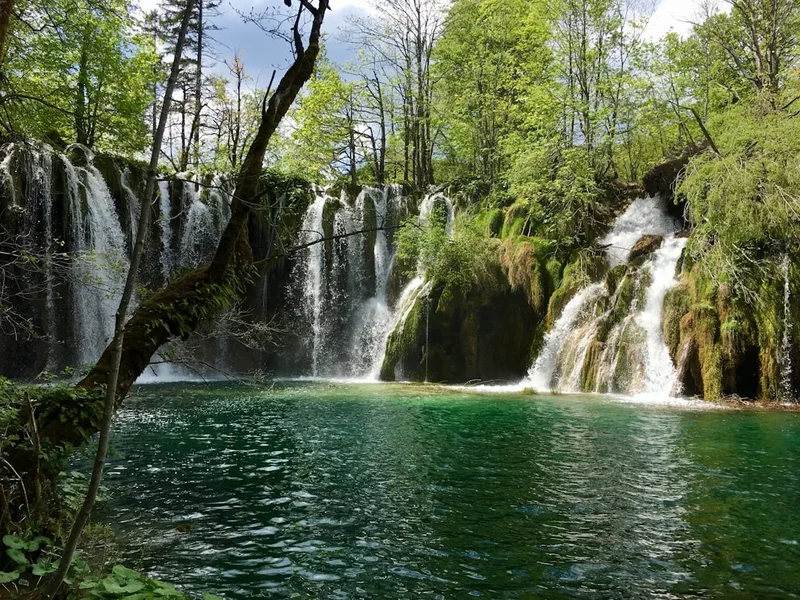
Galovački Buk: One of the most beautiful waterfalls in the Upper Lakes, this 16-metre cascade is surrounded by dense vegetation and is particularly photogenic in the morning light. The boardwalk passes directly in front of it, offering a close-up view of the tufa formations.
The "Postcard" Viewpoint: As you ascend out of the Lower Lakes canyon toward the end of Trail H, look for the marked viewpoints along the cliff edge. From here, you can see the famous "S-shaped" boardwalk winding through the turquoise water of Lake Gavanovac—the most photographed spot in Croatia.
Lake Kozjak: The largest and deepest lake (47 m). During the boat crossing, look for the small island of Štefanija’s Island, named after Princess Stéphanie of Belgium who visited in 1888.
Leave No Trace
Plitvice Lakes is a highly sensitive ecosystem. The very existence of the waterfalls depends on a precise chemical and biological balance. Any interference can halt the growth of the tufa barriers, effectively "killing" the waterfalls. As a visitor, you have a profound responsibility to minimise your impact.
Strict Prohibitions:
- No Swimming: This is the most important rule. Human skin oils, sunscreens, and detergents disrupt the chemistry of the water and prevent the precipitation of calcium carbonate. Swimming has been banned since 2006 to protect the tufa.
- No Feeding Wildlife: Feeding the fish (mostly chub) or ducks disrupts their natural diet and makes them dependent on humans. It also introduces excess nutrients into the water.
- No Rubbish: There are no bins along the boardwalks to prevent litter from blowing into the water. You must carry all your rubbish out to the main rest areas or entrances.
- No Picking Plants: Many of the plant species in the park, including several orchid varieties, are protected and rare.
- No Drones: The use of drones is strictly prohibited to protect the birdlife and the peace of other visitors.
By following these rules, you ensure that the "Devil's Garden" remains a paradise for future generations. The goal is to leave the park exactly as you found it—pristine, silent, and spectacular.