
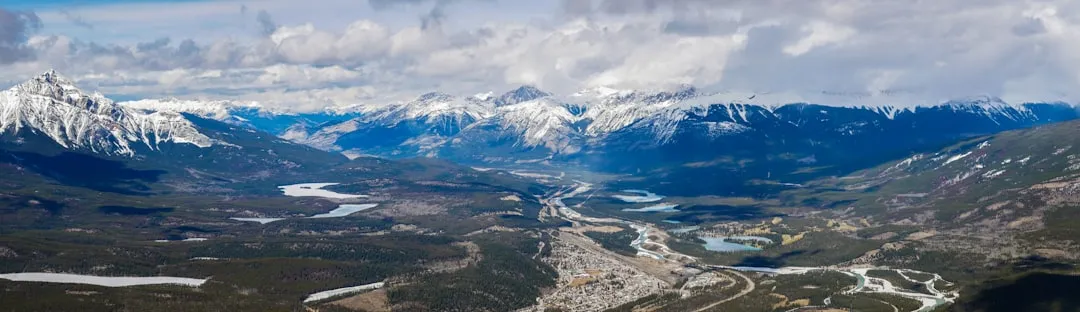
Plain of Six Glaciers Trail
The Plain of Six Glaciers Trail is a quintessential Canadian Rockies hike, offering unparalleled views of glaciers, turquoise lakes, and rugged mountain peaks. Located in Banff National Park, Alberta, this trail is an extension of the popular Lake Louise Lakeshore Trail, leading hikers deeper into the heart of the Victoria Glacier's domain. It's a journey that rewards effort with increasingly dramatic scenery, culminating in an intimate encounter with the raw power of glacial landscapes. The trail is well-maintained but becomes more rugged and challenging as it ascends, providing a true mountain experience without requiring advanced technical skills. It's a must-do for anyone visiting the iconic Lake Louise, offering a chance to escape the immediate crowds and immerse oneself in the grandeur of the Canadian Rockies.
- Distance: 13.8 km (return)
- Elevation Gain: 365 m
- Duration: 4-5 hours
- Difficulty: Moderate
- Best Time: May to October
- Closest City: Lake Louise
- Trailhead Access: Lake Louise Lakeshore Trail, starting from the Fairmont Chateau Lake Louise
Overview
The Plain of Six Glaciers Trail is a moderate, out-and-back route that begins at the far end of the Lake Louise Lakeshore Trail. After traversing the relatively flat and scenic shoreline of Lake Louise, the path begins to climb steadily into the valley that cradles the Victoria Glacier. As you ascend, the views open up, revealing the immense scale of the surrounding peaks, including Mount Victoria, Mount Lefroy, and Mount Fairview. The trail winds through alpine meadows, rocky moraines, and past cascading waterfalls, offering a diverse and engaging hiking experience.
The highlight of the hike is undoubtedly the Plain of Six Glaciers itself – a vast, U-shaped valley carved by ancient glaciers, now dominated by the imposing Victoria Glacier and several smaller ice flows. The trail leads to a historic tea house, the Plain of Six Glaciers Tea House, which provides a welcome respite and a chance to enjoy refreshments with a million-dollar view. From the tea house, further exploration is possible, leading to viewpoints closer to the glacier's snout or even towards the Abbot Pass viewpoint, offering even more expansive vistas.
This trail is popular due to its accessibility from Lake Louise and the consistently stunning scenery. While the initial section along the lakeshore can be busy, the crowds thin considerably as you gain elevation. The moderate difficulty makes it achievable for most reasonably fit hikers, and the well-defined path ensures easy navigation. The changing light throughout the day can dramatically alter the appearance of the glaciers and mountains, making it a photographer's paradise.
History and Cultural Context
The area around Lake Louise has a rich history, deeply intertwined with the exploration and development of the Canadian Pacific Railway (CPR) and the establishment of Banff National Park. Lake Louise itself was named in 1882 by William Cornelius Van Horne, the CPR's general manager, after Princess Louise Caroline Alberta, the fourth daughter of Queen Victoria and the Governor General of Canada at the time. The stunning turquoise colour of the lake, a result of glacial silt suspended in the water, quickly made it a major tourist attraction.
The Plain of Six Glaciers Trail, and the tea houses that serve it, have a history dating back to the early 20th century. The first tea house, the Plain of Six Glaciers Tea House, was built in 1927 by the CPR as a destination for guests from the Chateau Lake Louise. It was constructed using local materials, including stone and timber, and was designed to blend harmoniously with the natural environment. The idea was to provide a comfortable resting place for hikers and to offer them a taste of the wilderness without the need for extensive camping gear.
The trail itself evolved from routes used by early mountaineers and explorers who were drawn to the challenging peaks and glaciers of the area. Figures like James Outram, a British mountaineer who made significant first ascents in the Canadian Rockies in the early 1900s, would have traversed similar terrain. The development of the tea house system was part of a broader strategy by the CPR to promote tourism in the Canadian Rockies, making the wilderness accessible and appealing to a wider audience.
The second tea house, the Lake Agnes Tea House, located on a different trail branching off from Lake Louise, was established even earlier, in 1901. The existence of these rustic, yet charming, establishments speaks to a long tradition of hospitality and a desire to share the beauty of this alpine landscape with visitors. Today, both tea houses continue to operate seasonally, offering a unique historical and culinary experience amidst breathtaking scenery.
Seasonal Highlights and Weather Reality
The Plain of Six Glaciers Trail is a seasonal hike, primarily accessible and enjoyable from late spring through early autumn. The exact timing depends heavily on snowmelt and weather conditions.
Late May to June: This period marks the opening of the trail after the winter snows have largely receded. Wildflowers begin to bloom in the alpine meadows, adding vibrant colours to the landscape. However, snow patches can linger at higher elevations, and the weather can be unpredictable, with potential for late spring snowfalls. The lakeshore trail is usually clear, but the ascent to the Plain of Six Glaciers may still have some snow cover, especially in shaded areas.
July to August: This is peak hiking season. The weather is generally at its most stable, with longer daylight hours and warmer temperatures. The trail is typically clear of snow, and the glaciers are visible in their full glory. The turquoise colour of Lake Louise is at its most intense due to the high concentration of glacial flour. This is also the busiest time, so expect more people on the trail, especially on the initial section from the Chateau.
September to Early October: Autumn brings a different kind of beauty to the Rockies. The larch trees, though not abundant directly on this trail, turn golden in surrounding valleys, and the air becomes crisp and clear. The crowds begin to thin, offering a more serene hiking experience. However, temperatures drop significantly, and early snowfalls are possible, especially later in October. The tea houses typically close by mid-October.
Weather Considerations: Mountain weather is notoriously fickle. Even in summer, conditions can change rapidly. Be prepared for sun, rain, wind, and even snow on the same day. Temperatures can fluctuate significantly with elevation and time of day. Always check the forecast before you go and pack layers accordingly.
Recommended Itinerary
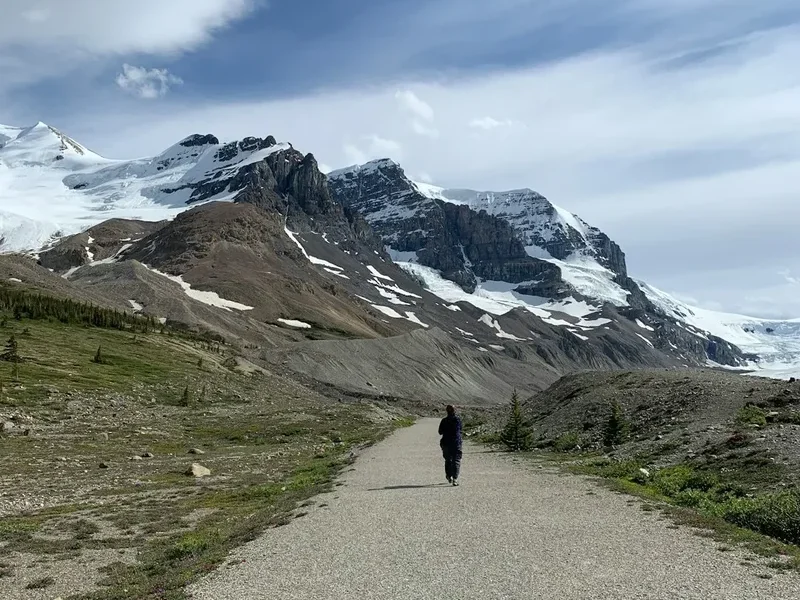
Plain of Six Glaciers Trail - Day Hike Itinerary
Early Morning (Approx. 8:00 AM - 9:00 AM): Start at Lake Louise
- Begin at the shores of Lake Louise, near the Fairmont Chateau Lake Louise.
- Walk along the paved Lake Louise Lakeshore Trail towards the back of the lake.
- Enjoy the iconic views of the lake, Victoria Glacier, and surrounding peaks.
- This section is relatively flat and can be busy with other visitors.
Morning (Approx. 9:00 AM - 11:00 AM): Ascend into the Valley
- At the far end of Lake Louise, the trail to the Plain of Six Glaciers branches off and begins to climb.
- The path becomes more rugged, transitioning from paved path to gravel and rocky terrain.
- You'll start to gain elevation, offering increasingly expansive views back towards Lake Louise.
- Pass by the lower section of the valley, with the sounds of rushing water from meltwater streams.
Midday (Approx. 11:00 AM - 1:00 PM): Reaching the Tea House
- Continue ascending through alpine meadows and rocky moraines.
- The trail offers glimpses of the Victoria Glacier and other surrounding ice fields.
- Arrive at the historic Plain of Six Glaciers Tea House (approx. 6.8 km from the start).
- Take a break, enjoy a cup of tea or a snack, and soak in the spectacular panoramic views of the glaciers and mountains.
Afternoon (Approx. 1:00 PM - 3:00 PM): Exploration and Descent
- Optional: Continue on the trail beyond the tea house for closer views of the glacier's snout or towards the Abbot Pass viewpoint (adds significant distance and elevation).
- Begin your descent back down the same trail.
- Take your time to appreciate the scenery from a different perspective on the way down.
- The descent can be hard on the knees, so use trekking poles if you have them.
Late Afternoon (Approx. 3:00 PM - 4:00 PM): Return to Lake Louise
- Rejoin the Lake Louise Lakeshore Trail.
- Complete the walk back to the starting point at the Chateau.
- Reflect on the incredible mountain scenery you've experienced.
Important Notes:
- This is a day hike; no overnight accommodation is required.
- The tea house operates seasonally and has limited hours. Check their operating schedule in advance.
- Carry sufficient water and snacks, as services are limited to the tea house.
- Wear sturdy hiking boots and dress in layers.
- Be prepared for changing weather conditions.
Planning and Bookings
Book Your Trip
Everything you need to plan your journey
Accommodation
Find places to stay near Lake Louise
Flights
Search flights to Lake Louise
Essential Preparation
The Plain of Six Glaciers Trail is a popular hike, so planning ahead is recommended, especially during peak season (July and August). The closest major city with an airport is Calgary (YYC), approximately a 2-hour drive east of Lake Louise. Upon arrival in Lake Louise, parking at the main parking lot near the Chateau can be extremely limited and expensive. It is highly advisable to utilize the Parks Canada shuttle service from designated overflow parking areas or consider arriving very early in the morning. The trail itself does not require permits for day hiking, but park entry fees apply to Banff National Park.
Lake Louise itself is a small hamlet with limited services. The primary accommodation is the iconic Fairmont Chateau Lake Louise, but there are also other hotels and lodges in the vicinity. For more extensive options, visitors typically stay in the town of Banff, which is about a 45-minute drive away.
Trail Accommodation
This is a day hike requiring no overnight accommodation.
Required Gear
- Sturdy hiking boots: Waterproof and with good ankle support are essential due to the rocky and uneven terrain.
- Waterproof and windproof jacket: Mountain weather can change rapidly; a reliable outer shell is crucial.
- Warm layers: Including a fleece or down jacket, as temperatures can be significantly cooler at higher elevations, even in summer.
- Hat and gloves: For warmth and sun protection.
- Sunscreen and sunglasses: The sun's rays are intense at altitude, even on cloudy days.
- Backpack: A comfortable daypack (20-30 litres) to carry essentials.
- Navigation: While the trail is well-marked, a map and compass or GPS device are always recommended for backcountry safety. An offline map on your phone is also useful.
- First-aid kit: Including blister treatment, pain relievers, and any personal medications.
- Headlamp or flashlight: In case of unexpected delays, though unlikely for a day hike if started early.
What to Bring
- Water: Carry at least 1.5-2 litres of water per person. There are no reliable water sources for refilling until the tea house, and even then, treatment is advised.
- Food: Plenty of high-energy snacks (trail mix, energy bars, fruit) and a packed lunch. The tea house offers refreshments but is not a substitute for a full meal.
- Trekking poles: Highly recommended for the ascent and especially the descent, as they reduce strain on knees and ankles.
- Camera: To capture the stunning scenery.
- Insect repellent: Especially during the summer months, though less of an issue at higher elevations than in the valley floor.
- Cash: For purchases at the Plain of Six Glaciers Tea House, as card facilities may be unreliable.
Permits
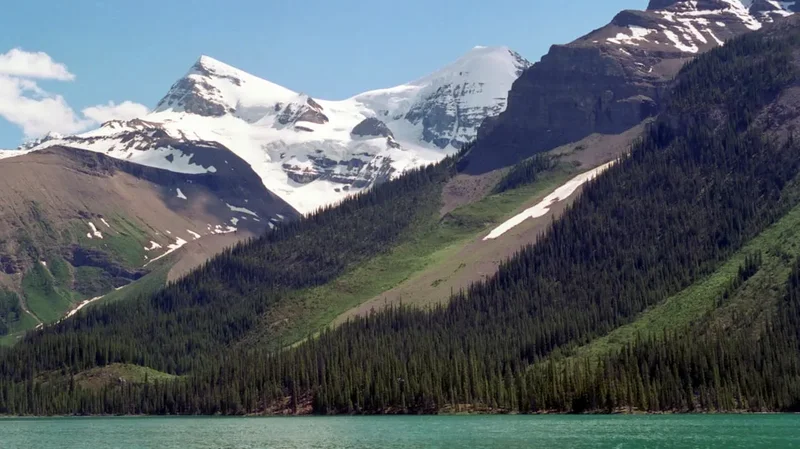
No specific permits are required for hiking the Plain of Six Glaciers Trail as it is a day hike within Banff National Park. However, all visitors entering Banff National Park must have a valid Parks Canada Discovery Pass. These passes can be purchased online in advance or at park gates upon arrival.
Park Entry Fees:
- Daily passes are available for individuals, families, and groups.
- Annual Discovery Passes offer better value for those visiting multiple national parks within a year.
- Fees contribute to the conservation and maintenance of national parks.
Parking and Shuttles:
- Parking at Lake Louise is extremely limited and often requires early arrival or the use of paid services.
- The Parks Canada shuttle service from designated parking lots is highly recommended and can be booked in advance during peak season. This is the most reliable way to access the Lake Louise area without the stress of finding parking.
Tea House: While no permit is needed to hike to the tea house, the tea house itself operates seasonally and offers food and beverages for purchase. It is advisable to check their operating dates and hours prior to your hike, as they are not guaranteed to be open.
Other Activities in the Area
The Lake Louise area offers a wealth of activities for visitors looking to extend their stay or explore beyond the Plain of Six Glaciers Trail:
- Lake Agnes Tea House Hike: A shorter, but steeper, hike from Lake Louise that leads to another historic tea house nestled beside a beautiful alpine lake.
- Lake Louise Lakeshore Trail: An easy, paved walk along the shore of Lake Louise, offering stunning views and access to viewpoints.
- Fairview Lookout: A short, moderate hike offering panoramic views of Lake Louise and the Chateau from a higher vantage point.
- Moraine Lake: A short drive (or shuttle ride) from Lake Louise, Moraine Lake is famous for its vibrant blue water and the iconic Valley of the Ten Peaks. Access to Moraine Lake Road is restricted to shuttle buses and commercial operators during peak season.
- Canoeing on Lake Louise: Rent a canoe from the Fairmont Chateau Lake Louise for a classic Rocky Mountain experience on the turquoise waters.
- Rockpile Viewpoint: A very short, easy walk from the Chateau that provides the quintessential postcard view of Lake Louise.
- Hiking in Banff National Park: Numerous other trails exist in the surrounding area, ranging from easy strolls to challenging multi-day treks.
- Wildlife Viewing: Keep an eye out for elk, deer, bighorn sheep, and potentially bears (maintain a safe distance and carry bear spray).
Safety and Conditions
Trail Conditions: The Plain of Six Glaciers Trail is generally well-maintained, but conditions can vary. The initial section along the lakeshore is paved, but the trail beyond becomes rocky, uneven, and can be slippery, especially after rain or if snow patches linger. Moraine and scree sections require careful footing.
Weather: Mountain weather is unpredictable. Be prepared for rapid changes, including sudden rain, wind, hail, and even snow, regardless of the season. Hypothermia is a risk even in summer if you get wet and cold. Always check the forecast before you leave and carry appropriate layers.
Wildlife: Banff National Park is home to a variety of wildlife, including bears (grizzly and black bears), elk, deer, and bighorn sheep. While encounters are not guaranteed, it is essential to be bear-aware. Carry bear spray and know how to use it. Make noise while hiking to avoid surprising animals. Never feed wildlife, as it is harmful to them and can lead to dangerous encounters.
Altitude: Lake Louise is situated at an elevation of approximately 1,750 metres (1,749 m). The Plain of Six Glaciers Trail ascends to around 2,100 metres (2,100 m). Some individuals may experience mild altitude sickness. Hike at a comfortable pace, stay hydrated, and be aware of symptoms like headache, nausea, and dizziness.
Navigation: The trail is generally well-marked, but it is always wise to carry a map and compass or a GPS device, especially if you plan to venture beyond the main tea house area. Cell service can be unreliable in the mountains.
Emergency: In case of an emergency, dial 911 or contact Parks Canada Dispatch. It is advisable to let someone know your hiking plans and expected return time.
Tea House: The Plain of Six Glaciers Tea House is a rustic establishment and not a full-service restaurant. While it offers refreshments, it is not a substitute for carrying your own food and water. Services are seasonal and weather-dependent.
Side Trips and Points of Interest
Victoria Glacier: The trail leads you into the valley carved by the Victoria Glacier, one of the most prominent ice features visible from Lake Louise. As you ascend, you'll get increasingly closer views of its vast expanse, crevasses, and the dramatic cirque it occupies.
Abbot Pass Viewpoint: For those with extra energy and time, the trail continues beyond the Plain of Six Glaciers Tea House towards Abbot Pass. While reaching the pass itself is a much more strenuous undertaking requiring mountaineering skills, a viewpoint along the way offers spectacular vistas of the pass and the surrounding peaks, including Mount Victoria and Mount Lefroy.
Moraine and Glacial Till: The trail passes through areas of glacial moraine – the rocky debris left behind by retreating glaciers. These landscapes are fascinating geological features, showcasing the immense power of ice in shaping the terrain.
Alpine Meadows and Wildflowers: During the summer months, the alpine meadows along the trail burst into bloom with a variety of wildflowers, adding splashes of colour to the rugged mountain scenery. Keep an eye out for Indian paintbrush, lupine, and alpine daisies.
Waterfalls: Several small waterfalls and meltwater streams cascade down the valley walls, particularly noticeable during the spring and early summer when snowmelt is at its peak. These add to the dynamic and lively atmosphere of the hike.
Leave No Trace
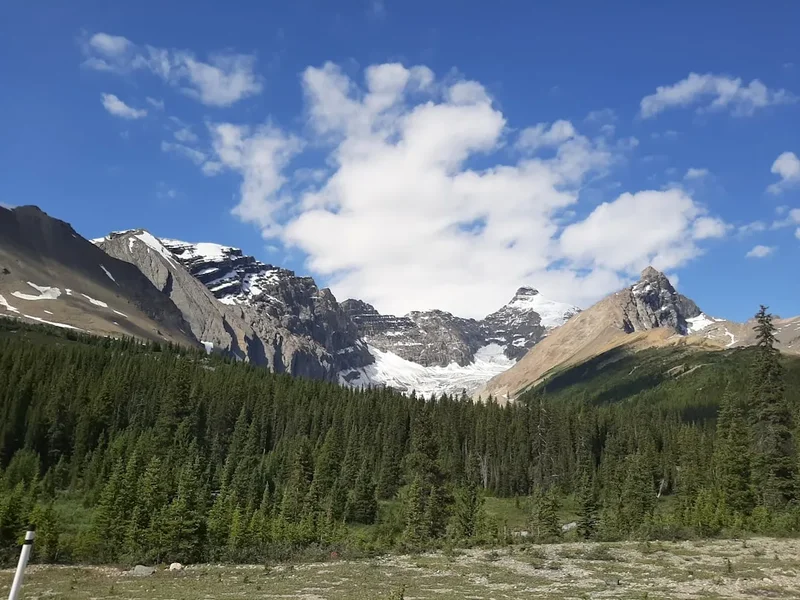
The Plain of Six Glaciers Trail, like all trails in Banff National Park, is a fragile environment that requires responsible stewardship. Adhering to Leave No Trace principles ensures that this beautiful landscape remains pristine for future generations.
Plan Ahead and Prepare: Know the regulations and special concerns for the area. Check trail conditions and weather forecasts before you go. Pack appropriate gear and sufficient food and water.
Travel and Camp on Durable Surfaces: Stay on the marked trail at all times. The vegetation in alpine environments is slow-growing and easily damaged. Stick to the established paths, including the paved lakeshore trail and the rocky ascent to the tea house.
Dispose of Waste Properly: Pack it in, pack it out. This includes all trash, food scraps, and even fruit peels. Use the designated outhouses at the tea house if needed, and always pack out any toilet paper.
Leave What You Find: Do not remove any natural objects, such as rocks, flowers, or historical artifacts. Take only pictures, leave only footprints.
Minimize Campfire Impacts: Campfires are not permitted on this day hike. If you were camping elsewhere in the park, always use established fire rings and ensure fires are completely extinguished.
Respect Wildlife: Observe wildlife from a distance. Never feed animals, as it alters their natural behaviour and diet, and can be dangerous for both you and the animal. Store food securely if you are picnicking.
Be Considerate of Other Visitors: Yield to other hikers, especially on narrow sections. Keep noise levels down to appreciate the natural sounds of the environment. Allow others to enjoy the scenery in peace.
 Canada