
Pisaq to Lamay Trail - Sacred Valley Explorer
The Pisaq to Lamay Trail is a captivating day walk nestled within Peru's Sacred Valley, offering a profound connection to Inca history, breathtaking Andean landscapes, and the vibrant local culture. This route traverses ancient Inca agricultural terraces, winds through high-altitude Andean terrain, and culminates in the charming village of Lamay, providing a rich and rewarding experience for hikers seeking both natural beauty and historical immersion. Unlike the more famous Inca Trail, this path offers a more intimate and less crowded exploration of the region's heritage, allowing for a deeper appreciation of the ingenuity of the Inca civilization and the enduring spirit of the Andean people.
- Distance: 15.0 km
- Elevation Gain: 800 m
- Duration: 6-8 hours
- Difficulty: Moderate
- Best Time: May to September (dry season)
- Closest City: Cusco
- Trailhead Access: From Cusco: Take a bus to Pisaq (approx. 1 hour). Buses depart frequently from Pavitos Street. In Pisaq, a taxi to the trailhead is recommended (short ride). Road is paved. No permits usually required.
- Category: Day Walk
Overview
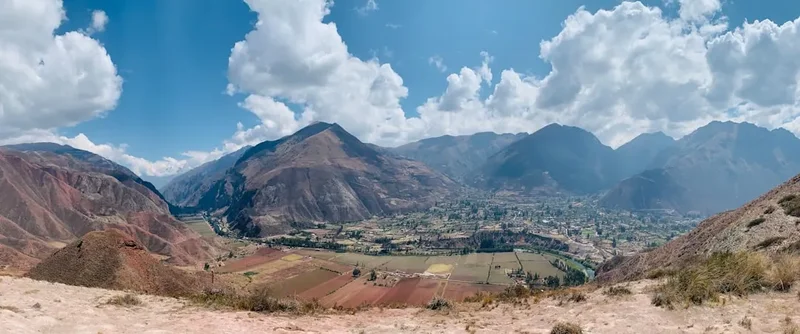
The Pisaq to Lamay Trail is a journey that unfolds through layers of history and natural grandeur. Beginning near the iconic Inca ruins of Pisaq, perched high above the Urubamba River, the trail immediately immerses you in the agricultural prowess of the Inca. Vast, meticulously crafted terraces cascade down the mountainsides, a testament to their advanced engineering and deep understanding of the land. As you ascend, the views expand, revealing the sweeping panorama of the Sacred Valley, with the Urubamba River snaking through its fertile floor and the snow-capped peaks of the Andes forming a majestic backdrop.
The trail itself is a blend of well-trodden paths and more rugged ascents, demanding a moderate level of fitness. You'll navigate through diverse microclimates, from the arid slopes surrounding Pisaq to the cooler, more verdant high-altitude meadows. Along the way, you might encounter local shepherds tending their flocks of llamas and alpacas, offering a glimpse into the traditional way of life that persists in these remote Andean communities. The air is crisp and clean, carrying the scent of wild herbs and the distant sound of Andean panpipes.
The highlight of the trek is the gradual ascent to a high pass, offering unparalleled vistas of the surrounding mountain ranges. From this vantage point, the true scale and beauty of the Sacred Valley become apparent. The descent into Lamay is equally rewarding, leading you to a tranquil village that retains much of its authentic Andean charm. Lamay, known for its traditional pottery and peaceful atmosphere, provides a perfect end to this enriching day hike, allowing for reflection on the ancient wonders and natural splendours encountered along the way.
History and Cultural Context
The Pisaq to Lamay Trail is steeped in the rich history of the Inca Empire, a civilization renowned for its sophisticated understanding of astronomy, agriculture, and architecture. The starting point, the Inca ruins of Pisaq, is a prime example of their mastery. Originally a royal estate or fortress, Pisaq was strategically built to control the entrance to the Sacred Valley and to oversee the fertile agricultural lands below. The site is divided into four sectors: the military and administrative sector, the religious sector, the ceremonial sector, and the agricultural sector, showcasing the Inca's organised approach to governance and land use.
The extensive agricultural terraces at Pisaq are particularly noteworthy. These stepped fields, carved into the steep mountainsides, were an ingenious solution to the challenges of high-altitude farming. They not only prevented soil erosion but also created microclimates suitable for growing a variety of crops, including maize, potatoes, and quinoa. The intricate irrigation systems that fed these terraces are a testament to the Incas' advanced hydraulic engineering skills. The sheer scale and precision of these terraces have astounded engineers and archaeologists for centuries, highlighting the Incas' deep respect for and symbiotic relationship with the natural environment.
The trail itself likely follows ancient Inca pathways, used by messengers, traders, and agricultural workers to connect different settlements and agricultural zones within the Sacred Valley. These paths were vital arteries of the empire, facilitating communication and the movement of goods. The journey from Pisaq to Lamay would have been a routine but important passage, linking the administrative and ceremonial centre of Pisaq with the agricultural and residential areas further down the valley.
Lamay, the destination village, also has historical significance. While not as grand as Pisaq, it represents the enduring presence of Andean communities. Traditional crafts, such as pottery, continue to be practised here, reflecting a continuity of cultural practices that have survived the centuries. The trail, therefore, is not just a physical journey through the landscape but also a passage through time, connecting the modern hiker to the legacy of the Inca and the living traditions of the Andean people.
Seasonal Highlights and Weather Reality
The best time to undertake the Pisaq to Lamay Trail is during the dry season, which typically runs from May to September. This period offers the most favourable weather conditions for hiking in the Andes, with clear skies, abundant sunshine, and significantly less rainfall.
May to September (Dry Season): This is the prime hiking season. Days are generally sunny and pleasant, with temperatures ranging from cool to warm during the day (around 15-20°C). However, nights can be quite cold, often dropping to near freezing, especially at higher elevations. The skies are typically clear, offering excellent visibility of the surrounding mountain ranges and the valley below. This is the ideal time for photography and enjoying unobstructed views. The dry conditions also mean the trails are less likely to be muddy or slippery.
October to April (Wet Season): This period experiences the rainy season in the Andes. While mornings can sometimes be clear, afternoons are frequently characterised by heavy downpours, thunderstorms, and fog. The trails can become muddy, slippery, and more challenging to navigate. Visibility can be severely reduced, obscuring the spectacular views. While it is still possible to hike during this season, it requires greater caution, flexibility with plans, and appropriate waterproof gear. The landscape is lush and green during the wet season, offering a different kind of beauty, but the practicalities of hiking are more demanding.
Altitude Considerations: Regardless of the season, the altitude is a significant factor. The trail reaches elevations of over 3,500 metres. It is crucial to acclimatise properly in Cusco (which is at a similar altitude) for at least 2-3 days before attempting this hike to avoid altitude sickness.
Recommended Itinerary
Pisaq to Lamay Day Hike Itinerary
Early Morning (Approx. 7:00 AM - 8:00 AM): Departure from Cusco
- Take a taxi or collectivo (shared van) from Cusco to the town of Pisaq.
- The journey takes approximately 1 hour.
- Ensure you have had breakfast and are ready for the day's adventure.
Morning (Approx. 8:00 AM - 9:00 AM): Arrival in Pisaq and Trailhead Access
- Upon arrival in Pisaq, arrange for a taxi to take you to the trailhead.
- The trailhead is typically located above the main Pisaq ruins, requiring a short drive up a paved road.
- Confirm your route with the taxi driver; some may take you directly to the start of the higher terraces.
- Brief stop to admire the Pisaq ruins if time permits and you haven't visited them previously.
Late Morning (Approx. 9:00 AM - 12:00 PM): Ascent through Inca Terraces
- Begin your hike, ascending through the magnificent Inca agricultural terraces.
- The initial part of the trail involves a steady climb, offering increasingly spectacular views of the Sacred Valley.
- Explore the intricate stonework and engineering of the terraces.
- Keep an eye out for local flora and fauna, including various bird species.
- The path can be steep in sections, requiring a moderate level of fitness.
Midday (Approx. 12:00 PM - 2:00 PM): Reaching the High Pass and Lunch
- Continue your ascent towards the highest point of the trail.
- The terrain may become more rugged and exposed as you gain altitude.
- Reach the pass (approximately 3,500-3,700 metres), offering panoramic views of the surrounding Andes.
- This is an ideal spot for a packed lunch and to take in the breathtaking scenery.
- Spend time appreciating the vastness of the Sacred Valley and the distant snow-capped peaks.
Afternoon (Approx. 2:00 PM - 4:00 PM): Descent towards Lamay
- Begin the descent from the pass towards the village of Lamay.
- The descent can be steep and may require careful footing.
- The landscape transitions from high alpine terrain to more pastoral scenes as you approach Lamay.
- You may encounter local farmers and their livestock along the way.
Late Afternoon (Approx. 4:00 PM - 5:00 PM): Arrival in Lamay and Relaxation
- Arrive in the village of Lamay.
- Explore the village, known for its traditional pottery and peaceful atmosphere.
- Enjoy a well-deserved rest and perhaps a local snack or drink.
Evening (Approx. 5:00 PM onwards): Return to Cusco
- Arrange for a taxi or find a collectivo in Lamay to take you back to Cusco.
- The journey back to Cusco will take approximately 1.5 hours.
- Reflect on the day's incredible journey through history and nature.
Important Notes:
- Acclimatisation to altitude is crucial. Spend at least 2-3 days in Cusco before hiking.
- Carry plenty of water and high-energy snacks.
- Wear sturdy hiking boots and dress in layers, as temperatures can fluctuate significantly.
- Sun protection (hat, sunglasses, sunscreen) is essential due to the high altitude and strong sun.
- A basic first-aid kit is recommended.
- Consider hiring a local guide for deeper historical insights and navigation assistance.
Planning and Bookings
Book Your Trip
Everything you need to plan your journey
Accommodation
Find places to stay near Cusco
Flights
Search flights to Cusco
Essential Preparation
The Pisaq to Lamay Trail is a day hike, but proper preparation is still paramount, especially concerning altitude and logistics. The closest major city and acclimatisation hub is Cusco. It is strongly advised to spend at least two to three full days in Cusco (altitude approximately 3,400 metres) before attempting this hike to allow your body to adjust to the thinner air. This acclimatisation period will significantly reduce the risk of altitude sickness, which can manifest as headaches, nausea, dizziness, and fatigue.
Transportation to the trailhead in Pisaq and from Lamay back to Cusco needs to be arranged. In Cusco, taxis and collectivos (shared vans) are readily available. For the Pisaq to Lamay hike, it's often most convenient to hire a private taxi in Cusco for the round trip, which can wait for you at the trailhead or meet you in Lamay. Alternatively, you can take a collectivo to Pisaq and then arrange a local taxi to the trailhead, and then find a collectivo or taxi in Lamay for the return journey. Booking accommodation in Cusco is essential, with options ranging from budget hostels to luxury hotels.
Trail Accommodation
This is a day hike requiring no overnight accommodation.
Required Gear
- Hiking Boots: Sturdy, broken-in hiking boots with good ankle support are essential for navigating uneven terrain and steep ascents/descents.
- Backpack: A comfortable daypack (20-30 litres) to carry essentials like water, snacks, extra layers, and camera.
- Waterproof Jacket: A lightweight, breathable waterproof jacket is crucial, as afternoon showers can occur even during the dry season.
- Sun Protection: A wide-brimmed hat, sunglasses with UV protection, and high SPF sunscreen are vital due to the intense sun at high altitudes.
- Headlamp/Torch: Although a day hike, a headlamp is a good safety precaution in case of unexpected delays or if you start very early.
- First-Aid Kit: A basic kit including blister treatment, pain relievers (for headaches), antiseptic wipes, and any personal medications.
- Navigation: A map of the area, a compass, or a GPS device/smartphone with offline maps downloaded. While the trail is generally well-defined, it's good to have backup.
What to Bring
- Water: Carry at least 2-3 litres of water per person. Water sources on the trail are unreliable and should be treated if used.
- Food: High-energy snacks such as trail mix, energy bars, fruit, and sandwiches for a packed lunch.
- Warm Layers: The temperature can drop significantly, especially at higher elevations and after sunset. Bring a fleece or down jacket, and consider thermal base layers.
- Camera: To capture the stunning scenery and historical sites.
- Insect Repellent: While not as prevalent as in the Amazon, some insects can be present, especially in the lower, greener areas.
- Cash: Peruvian Soles (PEN) for taxis, collectivos, and any small purchases in Pisaq or Lamay.
- Trekking Poles: Highly recommended for the steep ascents and descents, as they help reduce strain on knees and improve stability.
Permits
For the Pisaq to Lamay Trail, typically no specific permits are required for independent hikers. The trail passes through areas that are generally accessible to the public. However, it is always advisable to check with local authorities or your tour operator for any last-minute changes or specific regulations, especially if you plan to visit the main Pisaq archaeological site itself, which may have an entrance fee or require a tourist ticket (like the Boleto Turistico del Cusco).
Pisaq Archaeological Site: If you intend to explore the main Pisaq ruins in detail before or after your hike, you will likely need to purchase the "Boleto Turistico del Cusco" (Cusco Tourist Ticket). This ticket provides access to numerous archaeological sites and museums in and around Cusco and the Sacred Valley. There are different versions of the ticket, including a full tourist ticket valid for 10 days covering most sites, and partial tickets valid for 1 or 2 days covering fewer sites. The cost varies, but it's a worthwhile investment if you plan to visit multiple attractions.
Trail Access: The trail itself, connecting Pisaq to Lamay, generally does not have a formal entry gate or require a separate permit for passage. The paths are ancient routes used by local communities. However, it's good practice to be respectful of private land if you encounter any, and to always stay on established trails.
Local Guides: While not mandatory, hiring a local guide can enhance your experience by providing historical context, ensuring you stay on the correct path, and facilitating interactions with local communities. Guides may have their own associated costs, but they do not typically require a separate permit for you to hike.
Other Activities in the Area
The Sacred Valley is rich with cultural and natural attractions, offering numerous opportunities to extend your exploration beyond the Pisaq to Lamay Trail:
- Explore Pisaq Ruins: Dedicate ample time to thoroughly explore the magnificent Inca ruins of Pisaq, including its agricultural terraces, ceremonial centre, and residential areas. The views from the top are spectacular.
- Pisaq Market: If your visit coincides with market days (typically Tuesdays, Thursdays, and Sundays), immerse yourself in the vibrant local market. Here you can find colourful textiles, ceramics, jewellery, and local produce. It's a fantastic place to experience authentic Andean culture and find souvenirs.
- Visit Ollantaytambo: Another impressive Inca fortress and town, Ollantaytambo is a must-see. Its well-preserved Inca structures and living Inca town offer a fascinating glimpse into the past. It's also the starting point for many treks to Machu Picchu.
- Explore Moray: Discover the enigmatic circular agricultural terraces of Moray, believed to have been an Inca agricultural laboratory for experimenting with different crops at various altitudes and microclimates.
- Maras Salt Mines: Witness the stunning landscape of thousands of salt pans, known as the Salineras de Maras, which have been in use since Inca times. The contrast of the white salt against the green valley is visually striking.
- Chinchero: Visit this traditional Andean village known for its weaving traditions and its beautiful colonial church built on Inca foundations. You can often see demonstrations of traditional textile production.
- Cusco City: Spend time exploring the historic capital of the Inca Empire. Visit the Plaza de Armas, the Cathedral, Qorikancha (Temple of the Sun), and the San Blas neighbourhood with its artisan workshops.
- Whitewater Rafting: For the adventurous, the Urubamba River offers opportunities for whitewater rafting, particularly during the wetter months.
Safety and Conditions
Altitude Sickness (Soroche): This is the primary concern for hikers in the Sacred Valley. Symptoms can include headaches, nausea, dizziness, fatigue, and shortness of breath. To mitigate risk:
- Acclimatise in Cusco for 2-3 days before hiking.
- Stay hydrated by drinking plenty of water.
- Avoid alcohol and heavy meals on your first few days at altitude.
- Consider drinking coca tea, a traditional remedy for altitude sickness.
- If symptoms are severe, descend to a lower altitude immediately.
Trail Conditions: The Pisaq to Lamay Trail is generally well-defined but can be steep and rocky in places. During the wet season (October to April), sections of the trail can become muddy and slippery, increasing the risk of falls. Always wear appropriate footwear and use trekking poles for stability.
Weather: While the dry season (May to September) offers generally clear skies, weather can change rapidly in the mountains. Be prepared for strong winds, sudden temperature drops, and occasional rain showers, especially at higher elevations. The wet season brings more frequent and heavier rainfall, which can lead to flash floods in lower-lying areas.
Navigation: While the trail is relatively straightforward, it's wise to carry a map or use a GPS device, especially if hiking independently. If you are unsure of the route, consider hiring a local guide.
Sun Exposure: The sun's rays are intense at high altitudes. Always use high SPF sunscreen, wear a hat and sunglasses, and protect your skin from sunburn.
Water Safety: Drink only bottled or treated water. Do not drink directly from streams or rivers, as they may be contaminated.
Emergency Contacts: Have the contact numbers for local emergency services and your accommodation in Cusco readily available. It's also advisable to inform someone of your hiking plans and expected return time.
Local Guides: Hiring a local guide is highly recommended. They are knowledgeable about the terrain, weather patterns, local customs, and can provide invaluable historical context. They can also assist in case of an emergency.
Side Trips and Points of Interest
While the Pisaq to Lamay Trail is a rewarding day hike in itself, several points of interest and potential side trips enhance the experience:
Pisaq Archaeological Site: Before or after your hike, dedicate time to explore the extensive Inca ruins of Pisaq. The site is divided into distinct sectors: the agricultural terraces, the urban sector (including a cemetery), and the religious sector. The views from the upper sections are breathtaking, offering a commanding perspective over the Sacred Valley.
Inca Terraces of Pisaq: The trail itself winds through these magnificent agricultural terraces. Take time to appreciate the scale of their construction, the intricate irrigation channels, and the ingenuity of Inca farming techniques. These terraces are a UNESCO World Heritage site and a prime example of Inca engineering.
High Pass Views: The summit of the trail offers a spectacular panoramic viewpoint. On a clear day, you can see the vast expanse of the Sacred Valley, the winding Urubamba River, and the majestic snow-capped peaks of the Andes, including Veronica and Chicon. This is an ideal spot for photography and quiet contemplation.
Traditional Andean Villages: As you descend towards Lamay, you will pass through smaller, less-visited Andean communities. These villages offer a glimpse into the traditional way of life, with local farmers tending their fields and livestock. It's an opportunity to observe authentic rural Andean culture.
Lamay Village: The destination village of Lamay is known for its traditional pottery and its peaceful, authentic atmosphere. It's a pleasant place to relax after your hike, perhaps enjoying a local meal or observing local crafts.
Optional Detour to Huchuy Qosqo: For those seeking a more extended adventure, it's possible to combine this hike with a visit to Huchuy Qosqo, an impressive Inca archaeological site located further up the valley. This would require an overnight stay or a very long, strenuous day, and is best undertaken with a guide.
Leave No Trace
The Pisaq to Lamay Trail traverses a landscape of immense natural beauty and historical significance. Practicing Leave No Trace principles is crucial to preserving this environment for future generations and respecting the local culture.
Plan Ahead and Prepare: Research the trail, understand the weather conditions, and pack accordingly. Ensure you have adequate water and food for the day. Inform someone of your hiking plans.
Travel and Camp on Durable Surfaces: Stick to the established trails. The Inca terraces and surrounding vegetation are fragile. Avoid cutting switchbacks or walking on delicate plants. In this case, as it's a day hike, camping is not applicable, but the principle of staying on marked paths is paramount.
Dispose of Waste Properly: Pack out everything you pack in. This includes all food scraps, wrappers, and any other litter. Do not bury waste; carry it back to Cusco for proper disposal. Use designated toilet facilities if available, or dig a cathole at least 60 metres away from water sources, trails, and campsites (though camping is not part of this hike).
Leave What You Find: Do not remove any natural objects, such as rocks or plants, or disturb historical artefacts. The Inca ruins are protected heritage sites.
Minimise Campfire Impacts: Not applicable for this day hike.
Respect Wildlife: Observe animals from a distance and do not feed them. This includes any stray dogs or local livestock you may encounter.
Be Considerate of Other Visitors: Keep noise levels down, especially in the vicinity of archaeological sites and villages. Yield to other hikers and local people on the trail. Respect the local culture and traditions.
By adhering to these principles, you help ensure that the Pisaq to Lamay Trail remains a pristine and culturally rich experience for all.