
Pirin Mountains Traverse - Bulgaria's Alpine Gem
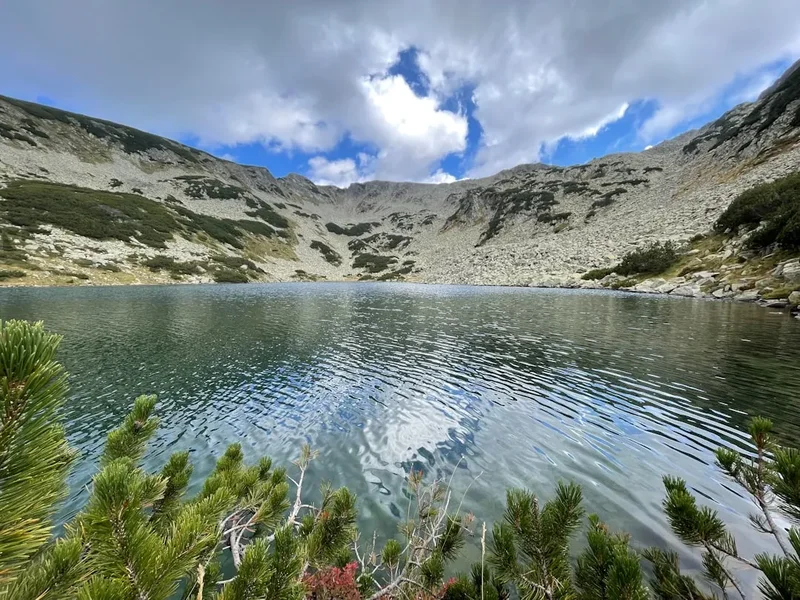
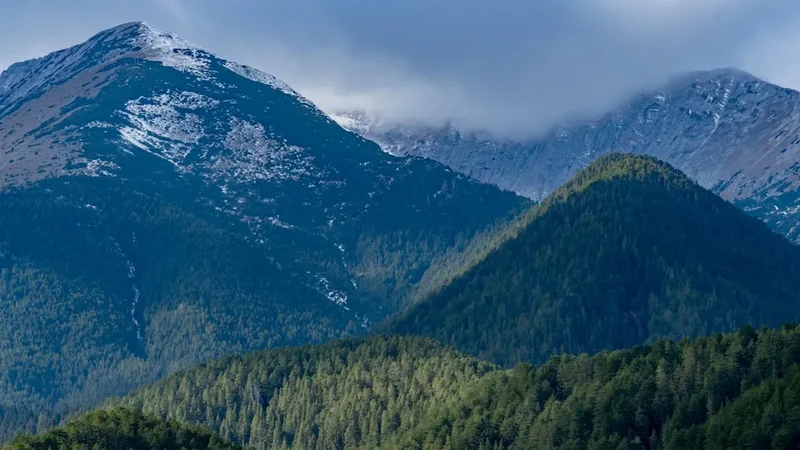
The Pirin Mountains Traverse is a challenging multi-day trek through the heart of Bulgaria's most spectacular mountain range, the Pirin National Park. This route offers a profound immersion into a landscape of jagged granite peaks, pristine glacial lakes, ancient pine forests, and diverse alpine flora and fauna. Stretching approximately 65 kilometres with a significant elevation gain of 4,100 metres, this traverse is designed for experienced hikers seeking a true wilderness adventure. The trail winds through dramatic cirques, over high mountain passes, and past numerous "eyes of the mountain" – the crystal-clear lakes that dot the landscape. Access is primarily from the town of Bansko, a popular ski resort that transforms into a gateway for summer alpine exploration. This is a journey that demands physical resilience, navigational skill, and a deep appreciation for raw, untamed mountain scenery, rewarding those who undertake it with unforgettable vistas and a sense of profound accomplishment.
- Distance: 65.0 km one-way
- Elevation Gain: 4,100 m
- Duration: 5-7 days
- Season: July to September (warmest and driest)
- Difficulty: Challenging
- Closest City: Bansko
- Trailhead Access: Nearest airport: Sofia. Bus from Sofia to Bansko (~3 hours). Taxi/shuttle from Bansko to Vihren Hut (trailhead). Road to Vihren Hut can be rough. Limited parking at Vihren Hut. No permits typically needed, but check local regulations.
- GPS Coordinates: 41.7667, 23.4167
Overview
The Pirin Mountains Traverse is a journey through a landscape sculpted by glaciers, a realm of stark beauty and rugged grandeur. Unlike more manicured trails, this route often follows marked paths that can be indistinct in places, demanding careful attention to navigation and a willingness to embrace the wild. The traverse typically begins at Vihren Hut, the highest accessible point by vehicle in the Pirin Mountains, and can be completed in either direction, though a common approach is to head south towards the town of Gotse Delchev or vice versa, often incorporating a loop or variations depending on desired endpoints and available transport.
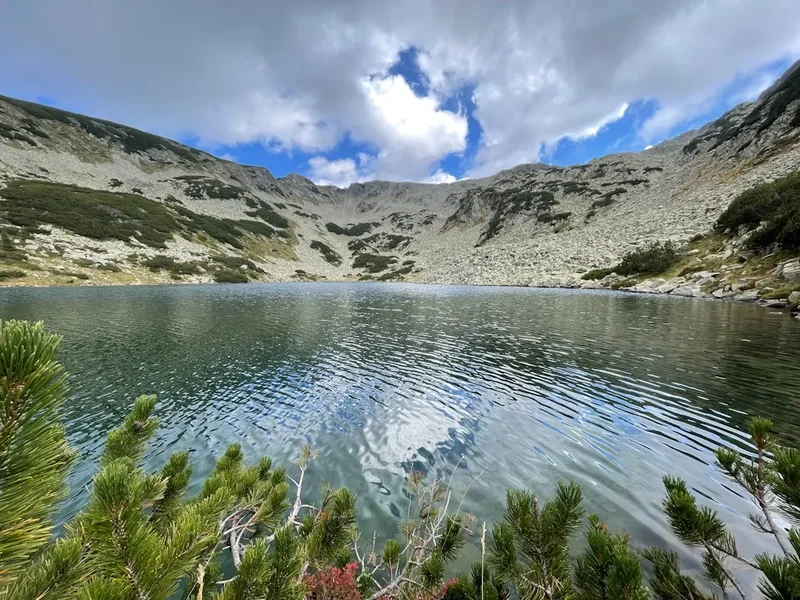
The trail's character shifts dramatically throughout its course. Initial sections might lead through dense, fragrant pine forests, alive with the sounds of birds and the scent of resin. As elevation increases, the trees give way to open alpine meadows carpeted with vibrant wildflowers in summer, a stark contrast to the grey scree slopes and imposing granite formations that dominate the higher altitudes. The route frequently crosses high mountain passes, offering breathtaking panoramic views of the surrounding peaks, deep valleys, and the shimmering surfaces of glacial lakes. These lakes, known as "circuses" or "eyes," are a defining feature of the Pirin, each with its own unique character and legend.
The physical demands are considerable. The 4,100 metres of elevation gain are not spread evenly; expect steep, sustained ascents and descents, often on rocky or uneven terrain. The weather in the Pirin can be unpredictable, with rapid changes from warm sunshine to cold winds, rain, or even snow, even in mid-summer. This necessitates careful planning, appropriate gear, and a high level of fitness and self-sufficiency. The Pirin Mountains Traverse is not merely a walk; it is an expedition into a remote and awe-inspiring alpine environment, a true test of endurance and spirit.
History and Cultural Context
The Pirin Mountains have a long and rich history, deeply intertwined with the cultural and economic life of Bulgaria. For centuries, these mountains served as a natural barrier and a refuge, shaping the development of settlements in the surrounding valleys. The region has been inhabited since ancient times, with evidence of Thracian settlements and later Roman presence. The imposing peaks and hidden valleys provided sanctuary and resources for local populations, including shepherds and, at various times, rebels and outlaws.
During the Ottoman rule of Bulgaria, the Pirin Mountains played a significant role in the preservation of Bulgarian culture and identity. The remote villages and mountain communities maintained their traditions, language, and faith, often acting as centres of resistance. The Ilinden–Preobrazhenie Uprising of 1903, a major revolt against Ottoman rule, saw significant activity in the Pirin region, with many fighters using the rugged terrain for strategic advantage.
In the 20th century, the Pirin Mountains began to gain recognition for their exceptional natural beauty and ecological significance. The establishment of Pirin National Park in 1962, and its subsequent designation as a UNESCO World Heritage Site in 1983, marked a turning point in its conservation. The park was recognised for its outstanding natural features, including its glacial landforms, diverse ecosystems, and unique flora, such as the endemic Macedonian pine (Pinus peuce). The designation aimed to protect these natural treasures from unchecked development and ensure their preservation for future generations.
The infrastructure for hiking, such as mountain huts and marked trails, developed gradually, often driven by local mountaineering clubs and the Bulgarian Tourist Union. These facilities, while basic by Western European standards, provide essential refuges for trekkers navigating the challenging terrain. The town of Bansko, historically a centre for agriculture and crafts, has transformed into a major tourist hub, particularly known for its ski resort, but its connection to the mountains remains fundamental, serving as the primary gateway for those wishing to explore the Pirin's alpine wonders.
Seasonal Highlights and Weather Reality
The Pirin Mountains offer a distinct experience throughout the year, but the prime season for the traverse is dictated by snowmelt and weather stability.
Summer (July to September): This is the most popular and generally safest time to undertake the Pirin Mountains Traverse. Snow has typically melted from the higher passes and trails, making navigation more straightforward. The weather is usually at its warmest and driest, with long daylight hours. Alpine meadows burst into bloom with a spectacular array of wildflowers, creating a vibrant and colourful landscape. However, summer can also bring thunderstorms, particularly in the afternoons. These storms can develop rapidly, bringing heavy rain, strong winds, and a significant drop in temperature, making high passes hazardous. It is crucial to start your day early to avoid the worst of the afternoon weather.
Late Spring (Late May to June): While tempting for its potential for fewer crowds, late spring can still present significant challenges. Many higher trails and passes may still be covered in snow, requiring snow gear and advanced navigation skills. Glacial lakes will be thawing, and rivers can be swollen and dangerous. This period is best suited for experienced mountaineers with appropriate equipment and knowledge of snow conditions.
Autumn (October to November): As summer transitions to autumn, the Pirin Mountains offer a different kind of beauty. The foliage in the lower forests turns to stunning shades of gold and red, creating a picturesque contrast with the granite peaks. The air becomes crisp and clear, offering excellent visibility. However, temperatures drop significantly, and early snowfalls are possible, especially at higher elevations. Trails can become icy and treacherous, and daylight hours shorten, requiring careful planning and potentially earlier starts and finishes.
Winter (December to April): The Pirin Mountains are a winter wonderland during these months, but the traverse is only accessible to highly experienced winter mountaineers with specialised equipment (skis, snowshoes, ice axes, crampons) and extensive knowledge of avalanche safety. The trails are buried under deep snow, and huts may be closed or inaccessible. This is a period for serious winter expeditions, not casual hiking.
Recommended Itinerary
5-7 Day Pirin Mountains Traverse Itinerary (Southbound Example)
Day 1: Arrival in Bansko & Transfer to Vihren Hut
- Morning: Arrive in Sofia, take a bus to Bansko (~3 hours).
- Afternoon: Arrange a taxi or shuttle from Bansko to Vihren Hut (approx. 1,970 m). The road can be rough, so a 4x4 vehicle is recommended.
- Late Afternoon: Settle into Vihren Hut, acclimatise to the altitude, and prepare gear for the trek.
- Evening: Enjoy dinner at the hut and review the route for the following day.
- Key Waypoints: Sofia → Bansko → Vihren Hut
Day 2: Vihren Hut to Predela Hut (via Vihren Peak)
- Distance: ~12 km
- Elevation Gain: ~1,000 m (including Vihren Peak ascent)
- Time: 7-9 hours
- Morning: Depart Vihren Hut. Option to ascend Vihren Peak (2,914 m), the highest in the Pirin, for spectacular panoramic views. This adds significant effort but is highly rewarding.
- Midday: Descend from Vihren Peak or bypass it via the main trail towards Koncheto Ridge (a narrow, exposed ridge requiring caution).
- Afternoon: Continue towards Predela Hut, passing the beautiful Banski Lakes.
- Key Waypoints: Vihren Hut → Vihren Peak (optional) → Koncheto Ridge → Banski Lakes → Predela Hut (approx. 2,100 m)
Day 3: Predela Hut to Tevno Lake Hut
- Distance: ~15 km
- Elevation Gain: ~700 m
- Time: 6-8 hours
- Morning: Depart Predela Hut, traversing through alpine meadows and rocky terrain.
- Midday: Pass through the area of the Vasilashki Lakes, a stunning chain of glacial lakes.
- Afternoon: Ascend towards Tevno Lake Hut, situated dramatically beside the deep blue Tevno Lake.
- Key Waypoints: Predela Hut → Vasilashki Lakes → Tevno Lake Hut (approx. 2,500 m)
Day 4: Tevno Lake Hut to Sinanitsa Hut
- Distance: ~10 km
- Elevation Gain: ~500 m
- Time: 4-6 hours
- Morning: A relatively shorter day, allowing for exploration around Tevno Lake or a more relaxed start.
- Midday: Traverse towards Sinanitsa Hut, often passing through areas with unique rock formations.
- Afternoon: Arrive at Sinanitsa Hut, located near the striking Sinanitsa Peak.
- Key Waypoints: Tevno Lake Hut → Sinanitsa Hut (approx. 2,150 m)
Day 5: Sinanitsa Hut to Ovinets Hut (or alternative endpoint)
- Distance: ~15 km
- Elevation Gain: ~600 m
- Time: 5-7 hours
- Morning: Depart Sinanitsa Hut, continuing the descent through varied terrain.
- Midday: The route may lead towards Ovinets Hut or other designated endpoints depending on the chosen variation.
- Afternoon: Reach your final hut or designated exit point.
- Key Waypoints: Sinanitsa Hut → Ovinets Hut (approx. 1,700 m) or other exit point
Day 6/7: Descent and Departure
- Morning: From Ovinets Hut or your final endpoint, begin the descent towards a road access point. This might involve a further hike or a pre-arranged transfer.
- Afternoon: Travel back to Bansko or your next destination.
- Note: This itinerary is a sample and can be modified based on fitness, weather, and desired route variations. Some hikers may opt for longer days or include additional peaks and lakes, extending the trek to 7 days.
Planning and Bookings
Book Your Trip
Everything you need to plan your journey
Accommodation
Find places to stay near Bansko
Flights
Search flights to Bansko
Essential Preparation
The Pirin Mountains Traverse requires thorough preparation due to its challenging nature and remote locations. Fitness is paramount; participants should be comfortable hiking for 6-8 hours daily with a substantial backpack, carrying significant elevation gain and loss over consecutive days. Prior experience with multi-day trekking and navigation in mountainous terrain is highly recommended. Familiarity with using a map and compass, or a reliable GPS device, is essential, as trail markings can be inconsistent or absent in certain sections.
Logistics involve reaching Bansko, the primary gateway town. Sofia is the nearest international airport, with regular bus services connecting to Bansko. From Bansko, transport to the trailhead (typically Vihren Hut) needs to be arranged, often via taxi or a pre-booked shuttle, as the road can be rough. Accommodation in Bansko before and after the trek is readily available, ranging from budget guesthouses to larger hotels. It is advisable to book accommodation in Bansko in advance, especially during peak tourist seasons.
Trail Accommodation
Accommodation along the Pirin Mountains Traverse primarily consists of mountain huts (known as "хижи" - khizhi). These huts are generally basic but provide essential shelter, sleeping facilities, and often a communal dining area. They are typically operated by the Bulgarian Tourist Union or local mountaineering clubs.
Hut Facilities:
- Dormitory-style sleeping areas with beds or bunks. Sleeping bags are mandatory.
- Communal dining areas with tables and benches.
- Some huts may have a small shop selling basic provisions like water, snacks, and sometimes simple meals.
- Toilets are usually basic, often pit latrines or simple flush toilets.
- Water sources are typically natural springs or streams near the huts; water treatment is strongly advised.
- Electricity is often limited or non-existent, relying on generators for a few hours or solar power.
What Huts Don't Provide:
- Bedding (sheets, blankets) – a sleeping bag is essential.
- Cooking facilities or equipment. Hikers must be self-sufficient for cooking.
- Hot showers are rare; expect cold water or no showers at most huts.
- Food is not guaranteed; while some huts offer simple meals, it's best to carry your own provisions.
- Charging facilities for electronics are often unavailable or limited.
Booking Requirements:
- Booking is highly recommended, especially during the peak summer months (July-August). Huts can fill up, particularly those in popular locations.
- Contacting huts directly is the usual method for booking. This can sometimes be done via phone or email, though communication can be challenging due to language barriers and limited internet access in remote areas.
- Seasonal availability: Huts are generally open from late May/June to September/October, depending on snow conditions and operational capacity. Some may operate year-round but with reduced services.
- Costs: Hut fees are generally low, typically ranging from 15 to 30 Bulgarian Lev (BGN) per person per night.
Alternative: Camping
Wild camping is generally discouraged or prohibited within national parks and protected areas like Pirin. However, in some more remote areas, discreet, low-impact camping might be tolerated away from marked trails and huts, provided all Leave No Trace principles are strictly followed. It is advisable to check local regulations and consult with park authorities or local guides.
Required Gear
- Sturdy hiking boots: Waterproof, broken-in, with good ankle support.
- Backpack: 50-70 litre capacity, with a rain cover.
- Sleeping bag: Rated for temperatures down to 0°C or lower, as mountain nights can be cold.
- Waterproof jacket and trousers: Essential for unpredictable mountain weather.
- Warm layers: Fleece jacket, thermal base layers (merino wool or synthetic).
- Hat and gloves: Even in summer, temperatures can drop significantly at altitude.
- Navigation tools: Map of the Pirin Mountains, compass, and a GPS device or smartphone with offline maps.
- Head torch: With spare batteries, for early starts or late finishes.
- First-aid kit: Comprehensive, including blister treatment, pain relievers, antiseptic wipes, and any personal medications.
- Sun protection: High SPF sunscreen, sunglasses, and a wide-brimmed hat.
- Trekking poles: Highly recommended for steep ascents and descents, reducing strain on knees.
What to Bring
- Food: Sufficient non-perishable food for the entire trek, including breakfasts, lunches, dinners, and snacks. Dehydrated meals are a good option for weight saving.
- Water bottles or hydration reservoir: Capacity for at least 2-3 litres.
- Water purification method: Filter, purification tablets, or UV steriliser.
- Cooking equipment: Lightweight camping stove, fuel, pot, mug, bowl, and utensils.
- Toiletries: Biodegradable soap, toothbrush, toothpaste, toilet paper, hand sanitiser.
- Personal items: Camera, power bank for electronics, book or journal.
- Small towel: Quick-drying microfibre towel.
- Cash: Bulgarian Lev (BGN) for hut fees, food at huts, and potential transport. Credit card facilities are rare.
- Plastic bags: For packing out all rubbish.
Permits
For independent trekkers, the Pirin Mountains National Park generally does not require specific permits for hiking on marked trails or staying in designated mountain huts. The park is managed by the Directorate of Pirin National Park, and while access is generally free, there are regulations in place to protect the environment.
Key Regulations to Note:
- Designated Trails: Stick to marked trails to minimise environmental impact and ensure safety.
- Camping: Wild camping is generally prohibited within the national park boundaries, especially in sensitive areas and near huts. Camping is usually only permitted in designated areas or if staying in a hut is not feasible, and then only with minimal impact. It is advisable to confirm current regulations with the park authorities before your trip.
- Fires: Open fires are strictly forbidden in the national park to prevent wildfires.
- Waste Disposal: All rubbish must be packed out. Do not leave any waste behind.
- Respect Wildlife: Do not feed or disturb any wildlife.
Hut Fees: While no permit is required to enter the park, you will need to pay a fee to stay in the mountain huts. These fees are typically paid directly to the hut warden upon arrival. It is advisable to carry sufficient cash (Bulgarian Lev) for these payments, as card facilities are rarely available.
Guided Treks: If you are undertaking a guided trek, the tour operator will usually handle any necessary arrangements or inform you of specific requirements. They will also be knowledgeable about the park's regulations.
Official Information: For the most up-to-date information on park regulations, potential access restrictions, or any changes to policies, it is recommended to consult the official website of Pirin National Park or contact the park directorate directly. Information can sometimes be found through the Bulgarian Ministry of Environment and Water.
Other Activities in the Area
Beyond the multi-day traverse, the Pirin Mountains and its surroundings offer a wealth of activities for nature enthusiasts and adventurers:
- Day Hikes from Bansko: Numerous shorter trails lead from Bansko or Vihren Hut to stunning lakes, peaks, and viewpoints, suitable for day trips. Popular options include hikes to the Seven Rila Lakes (though technically in the Rila range, accessible as a day trip from Bansko with early start), or shorter circuits around the Banski Lakes.
- Climbing and Mountaineering: The Pirin range boasts numerous challenging peaks and rock faces, attracting climbers and mountaineers. Vihren Peak and Sinanitsa Peak are popular objectives.
- Skiing and Snowboarding (Winter): Bansko is a major ski resort, offering extensive slopes and modern facilities during the winter months.
- Exploring Bansko Town: The historic old town of Bansko is a charming labyrinth of cobblestone streets, traditional houses, and ancient churches. It offers a glimpse into Bulgarian Revival architecture and local culture.
- Balkan Cuisine: Sample traditional Bulgarian dishes in Bansko's numerous 'mehanas' (taverns), enjoying local specialities like 'kapama' (a layered meat dish) and 'banitsa' (a cheese-filled pastry).
- Rila Monastery: A UNESCO World Heritage Site, the Rila Monastery is one of Bulgaria's most famous cultural and spiritual landmarks. It can be visited as a day trip from Bansko, though it requires a significant amount of travel time.
- Horse Riding: Explore the lower mountain slopes and surrounding countryside on horseback, offering a different perspective of the landscape.
Safety and Conditions
Weather: Mountain weather in the Pirin can change extremely rapidly. Be prepared for sunshine, rain, strong winds, and even snow at high altitudes, regardless of the season. Afternoon thunderstorms are common in summer and can be dangerous. Always check the forecast before setting out and be prepared to alter your plans. The MetService or local Bulgarian meteorological services are good resources.
Navigation: While trails are marked, markings can be infrequent, faded, or absent in certain sections, especially above the tree line. Relying solely on trail markers is not advisable. Carry a detailed map and compass, and know how to use them. A GPS device or a smartphone with offline maps and a fully charged power bank is a valuable addition.
Altitude: The traverse reaches significant altitudes, with Vihren Hut at 1,970 m and many passes exceeding 2,500 m. Acclimatisation is important. Be aware of the symptoms of altitude sickness (headache, nausea, dizziness) and descend if symptoms worsen.
Water: Water sources are generally plentiful from streams and springs, but it is essential to treat all water before drinking to avoid waterborne illnesses. Use a water filter, purification tablets, or boil water.
Terrain: The terrain can be rugged, with steep ascents and descents, scree slopes, and rocky paths. Sturdy hiking boots with good ankle support are crucial. Trekking poles can significantly reduce the impact on your knees.
Isolation: While mountain huts provide points of contact, large sections of the trail can be remote with limited or no mobile phone signal. Inform someone of your itinerary and expected return time. Consider carrying a personal locator beacon (PLB) for emergencies.
Hut Conditions: Mountain huts are basic. Expect shared dormitory accommodation and limited facilities. Be prepared for cold nights and bring a warm sleeping bag. Some huts may have limited food supplies; carry sufficient provisions for your trek.
Emergency Contacts: In case of emergency, contact the Bulgarian Mountain Rescue Service (search for their specific number, often accessible via 112). It is advisable to have this number saved on your phone and written down.
Side Trips and Points of Interest
Vihren Peak (2,914 m): The highest peak in the Pirin Mountains and the third highest in Bulgaria. Ascending Vihren is a challenging but immensely rewarding side trip from Vihren Hut. The summit offers unparalleled 360-degree views of the Pirin range, the Rila Mountains in the distance, and the surrounding valleys. The route involves steep ascents and some exposed sections, particularly near the summit.
Koncheto Ridge: A narrow, exposed ridge connecting Vihren Peak to other parts of the range. While not for the faint-hearted, it offers dramatic views and a thrilling mountaineering experience for those comfortable with heights and scrambling. It is often incorporated into routes from Vihren Hut.
The Seven Rila Lakes: While technically located in the Rila Mountains, these iconic glacial lakes are a popular day trip destination accessible from the Bansko region. The lakes, each named after its characteristic shape (e.g., The Tear, The Eye, The Kidney), are set in a stunning glacial cirque and offer spectacular hiking opportunities. Reaching them requires an early start and transport to the starting point of the cable car or hiking trail.
Banski Lakes: A series of beautiful glacial lakes located in the vicinity of Vihren Hut. These lakes are easily accessible and offer stunning reflections of the surrounding granite peaks, making them ideal for photography and a peaceful spot for a break.
Vasilashki Lakes: A larger complex of glacial lakes, often referred to as the "Pirin's Eyes," located between Predela Hut and Tevno Lake Hut. This area is renowned for its pristine beauty and the dramatic landscape sculpted by ancient glaciers.
Sinanitsa Peak and Lake: Sinanitsa Peak is known for its distinctive rock formations, and the nearby lake offers a picturesque setting. The area around Sinanitsa Hut provides excellent opportunities for exploration and enjoying the rugged alpine scenery.
Leave No Trace
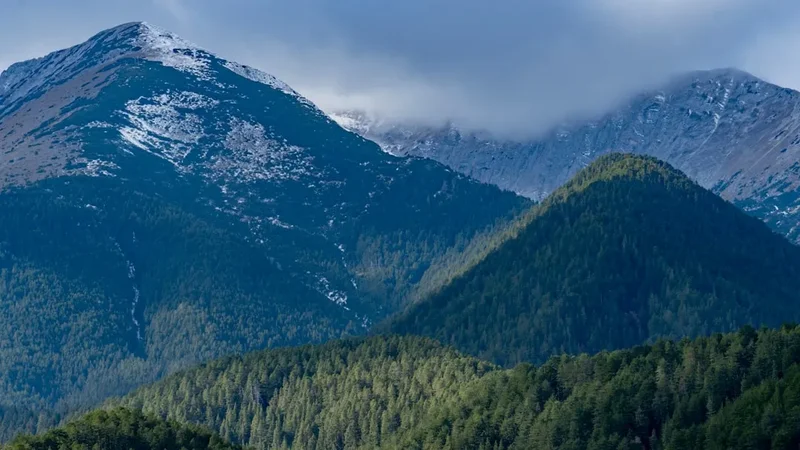
The Pirin Mountains are a national treasure, a fragile alpine ecosystem that requires the utmost respect from all visitors. Adhering to Leave No Trace principles is crucial for preserving its natural beauty and ecological integrity for future generations.
Plan Ahead and Prepare: Research your route, understand the terrain and weather conditions, and pack appropriate gear. Inform someone of your itinerary and expected return time. Be aware of park regulations regarding camping and fires.
Travel and Camp on Durable Surfaces: Stick to marked trails to avoid damaging vegetation and causing erosion. If camping is permitted in designated areas, use established sites. Avoid camping in sensitive meadows or near water sources.
Dispose of Waste Properly: Pack out everything you pack in, including all food scraps, wrappers, and toilet paper. Use designated toilets at huts. If no facilities are available, dig a cathole at least 60 metres away from water, trails, and campsites.
Leave What You Find: Do not remove any natural objects, such as rocks, plants, or flowers. Take only photographs and memories.
Minimise Campfire Impacts: Campfires are strictly prohibited in Pirin National Park. Use a lightweight camping stove for cooking.
Respect Wildlife: Observe wildlife from a distance. Never feed animals, as this can disrupt their natural behaviours and diets. Store food securely to prevent attracting animals.
Be Considerate of Other Visitors: Keep noise levels down, especially in huts and natural areas. Yield to others on the trail. Respect the quiet enjoyment of the mountains.
By following these principles, you help ensure that the Pirin Mountains remain a wild and beautiful place for everyone to enjoy.
 Japan
Japan