

The Pinnacles Walk - Coromandel Peninsula's Iconic Summit
The Pinnacles Walk, nestled within the Kauaeranga Valley on the Coromandel Peninsula, is one of New Zealand's most rewarding day hikes. This popular trail ascends through lush native forest to a dramatic ridgeline offering panoramic views of the surrounding Hauraki Gulf and the rugged Coromandel landscape. While primarily a day walk, the option for an overnight stay at the Pinnacles Hut adds a unique dimension, allowing for a spectacular sunrise or sunset from the summit. The walk is renowned for its well-maintained track, diverse flora, and the striking granite tors that give the walk its name. It's a journey that combines natural beauty with a touch of adventure, accessible from the nearby town of Thames.
- Distance: 12.4 km return
- Duration: 5–6 hours return
- Elevation Gain: 760 m
- Difficulty: Moderate to Strenuous (due to elevation gain)
- Best Time: October to April (pleasant weather, longer daylight hours)
- Hut: Pinnacles Hut (bookings essential for overnight stays)
- Highest Point: Summit of The Pinnacles (750 m)
- Trailhead Access: Kauaeranga Valley Visitor Centre, 20 mins drive from Thames
- Direction: Out and back
Overview
The Pinnacles Walk is a classic Coromandel Peninsula experience, offering a substantial challenge and an equally substantial reward. The trail begins gently, winding through the verdant Kauaeranga Valley, a haven of native New Zealand bush. As you progress, the track begins its steady ascent, transitioning from a well-formed path to a more rugged, stepped climb. The middle section of the walk is characterised by its numerous staircases, carved into the hillsides, which help hikers gain elevation efficiently while minimising erosion. These stairs, often constructed from timber, are a testament to the Department of Conservation's efforts in maintaining this popular route.
The forest canopy provides welcome shade for much of the journey, with towering rimu, rata, and kauri trees creating a cathedral-like atmosphere. Listen for the calls of native birds like tūī and bellbirds, and keep an eye out for native ferns and mosses that thrive in the damp environment. As you climb higher, the vegetation begins to change, becoming more exposed and hardy, reflecting the increasing altitude and wind exposure.
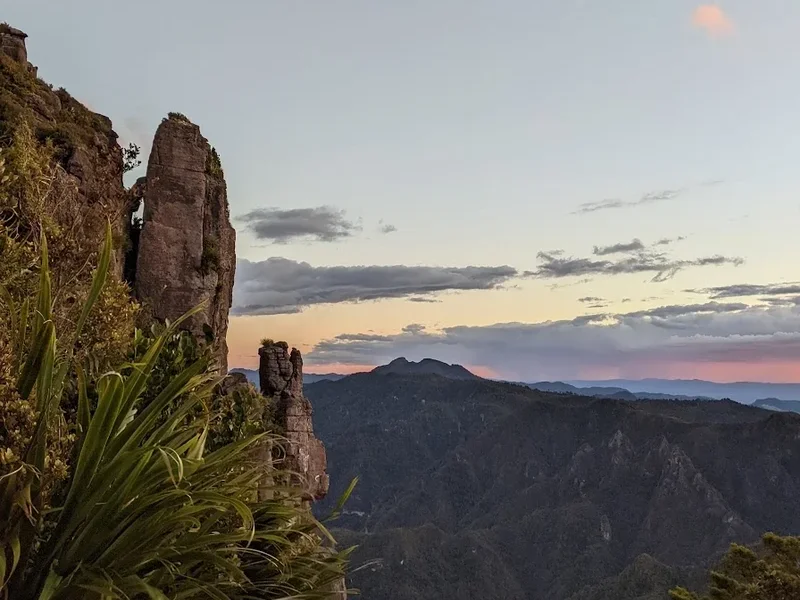
The final approach to the summit involves a scramble over large granite boulders and a series of metal ladders, adding an element of adventure to the hike. Reaching the summit of The Pinnacles is a triumphant moment. From this vantage point, you are rewarded with breathtaking 360-degree views. On a clear day, you can see across the Hauraki Gulf to the islands of the Firth of Thames, the distant peaks of the Coromandel Range, and the vast expanse of the Pacific Ocean. The unique granite formations, weathered by time and elements, stand sentinel around the summit, creating a truly memorable landscape.
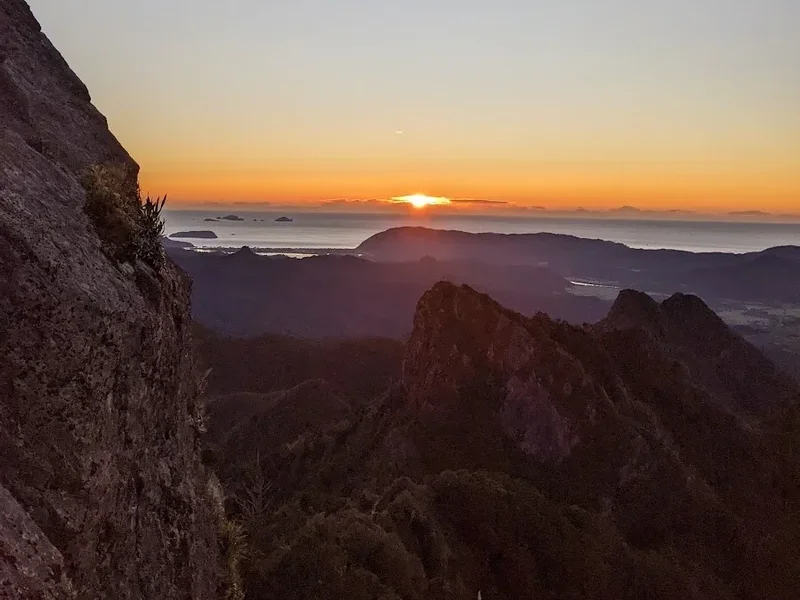
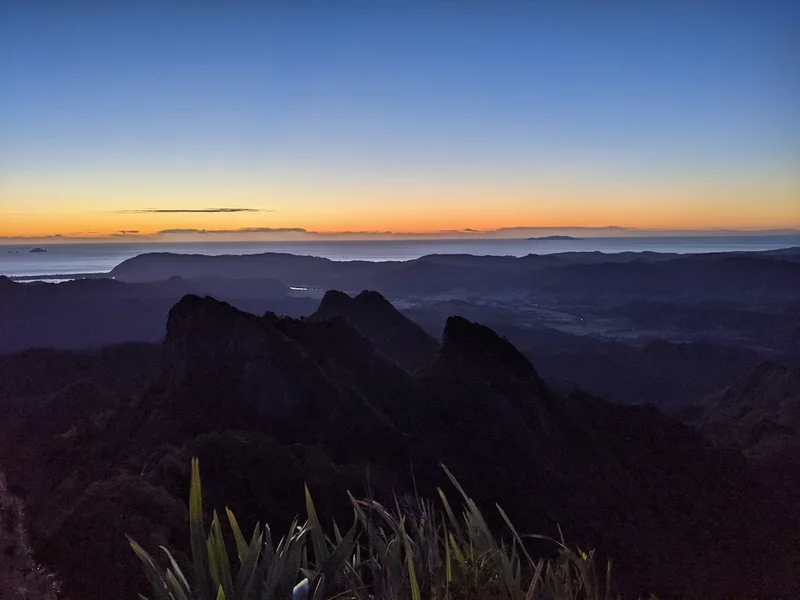
The Pinnacles Hut, located just below the summit, is a popular overnight stop. Staying overnight allows hikers to witness the magic of sunrise or sunset from the top, experiencing the changing light and colours paint the sky and landscape. This dual nature—a challenging day hike and a rewarding overnight adventure—makes The Pinnacles Walk a must-do for anyone visiting the Coromandel Peninsula.
History and Cultural Context
The Kauaeranga Valley, where The Pinnacles Walk is situated, has a rich history deeply intertwined with both Māori and European settlement. For centuries, Māori have traversed these lands, utilising the abundant natural resources. The valley was a significant area for gathering food and materials, and the higher ridges offered vantage points for observation and travel. The presence of kauri trees, highly valued for their timber and for their use in building waka (canoes), meant that these forests were historically important.
During the late 19th and early 20th centuries, the Kauaeranga Valley became a hub for kauri gum digging and logging. Prospectors and loggers carved out a living from the dense forest, and remnants of this era can still be found in the valley, including old tramlines and the foundations of former worker's camps. The valley's rugged terrain and the valuable kauri resources made it a challenging but lucrative area for these early industries.
The development of The Pinnacles Walk as a recreational trail began in earnest in the mid-20th century. Recognising the area's natural beauty and potential for tourism, the New Zealand Forest Service (and later the Department of Conservation) began to formalise and maintain the tracks. The construction of the Pinnacles Hut in the 1970s further enhanced the walk's appeal, providing a base for those wishing to experience the summit at different times of the day. The current track, with its extensive staircases and well-maintained sections, is a result of ongoing conservation efforts to balance visitor access with the protection of the fragile forest ecosystem and its historical significance.
Seasonal Highlights and Weather Reality
The Pinnacles Walk is accessible year-round, but the experience can vary significantly depending on the season.
Spring (September to November): This is a beautiful time to hike. The forest comes alive with new growth, and native birds are particularly active. The weather is generally mild, though occasional rain showers are still common. Daylight hours are increasing, making it ideal for a day hike or an overnight stay.
Summer (December to February): Summer offers the warmest temperatures and the longest daylight hours, perfect for extended exploration. However, this is also the busiest season, and the track can be crowded. Sandflies can be prevalent, especially in shaded, damp areas, so insect repellent is essential. The summit can be hot, so carrying plenty of water is crucial.
Autumn (March to May): Autumn is often considered one of the best times to walk The Pinnacles. The weather is typically stable and pleasant, with cooler temperatures and fewer sandflies than in summer. The changing foliage can add a splash of colour to the forest. The longer nights begin to return, making an overnight stay for sunrise or sunset particularly appealing.
Winter (June to August): While accessible, winter presents more challenging conditions. The weather can be cold, wet, and windy, with a higher chance of fog and reduced visibility at the summit. Frost and ice can form on the track and ladders, making them slippery and hazardous. However, winter also offers a sense of solitude and a dramatic, moody atmosphere for those prepared for the conditions. Ensure you have warm, waterproof gear and check weather forecasts carefully.
Weather Considerations: The Coromandel Peninsula can experience unpredictable weather. Even on a clear day, conditions at the summit can change rapidly. Fog can roll in quickly, reducing visibility to near zero. Always be prepared for rain, wind, and cooler temperatures, especially at higher elevations. Check the MetService forecast for the Coromandel Peninsula before you go.
Recommended Itinerary
The Pinnacles Walk - Day Hike Itinerary
Early Morning (Approx. 8:00 AM): Arrival and Start
- Drive to Kauaeranga Valley Visitor Centre.
- Final gear check and use visitor centre facilities.
- Begin the walk from the trailhead, following the well-marked path into the Kauaeranga Valley.
- Initial section is relatively flat, winding through mature native forest alongside the Kauaeranga River.
Morning (Approx. 8:30 AM - 11:00 AM): Ascent Begins
- The track gradually starts to climb.
- You will encounter the first of many wooden staircases, designed to manage the steep gradient.
- Pass through diverse forest types, with opportunities to spot native flora and fauna.
- The air becomes cooler as you gain elevation.
Midday (Approx. 11:00 AM - 1:00 PM): Reaching the Hut and Summit Push
- Arrive at Pinnacles Hut (approx. 1.5-2 hours from start).
- This is a good spot for a break, a snack, and to refill water if needed (stream water available, treatment recommended).
- From the hut, the track becomes more rugged, involving scrambling over large rocks and using metal ladders to reach the summit.
- The final ascent offers increasingly spectacular views as you emerge from the tree line.
- Reach the summit of The Pinnacles (750 m).
- Spend time enjoying the panoramic views and exploring the unique rock formations.
Afternoon (Approx. 1:00 PM - 3:30 PM): Descent and Return
- Begin the descent, carefully navigating the ladders and rocky sections.
- Continue down the staircases, which can be hard on the knees.
- The descent offers a different perspective on the forest and valley.
- Return to the Kauaeranga Valley Visitor Centre.
Optional Overnight Stay:
- If staying overnight, aim to reach Pinnacles Hut by mid-afternoon.
- Set up camp or claim a bunk.
- Enjoy sunset from the summit or a nearby viewpoint.
- Wake early for sunrise from the summit.
- Descend after breakfast.
Important Notes:
- Bookings for Pinnacles Hut are essential, especially during peak season and weekends.
- Carry sufficient water, especially for the ascent and if hiking in warm weather.
- Wear sturdy, broken-in hiking boots.
- Be prepared for changing weather conditions.
- Sandfly repellent is highly recommended.
Planning and Bookings
Book Your Trip
Everything you need to plan your journey
Accommodation
Find places to stay near Thames
Flights
Search flights to Thames
Essential Preparation
The Pinnacles Walk is a popular destination, so planning ahead is key, particularly if you intend to stay overnight at the Pinnacles Hut. The nearest major city is Auckland, from where you will drive to Thames. Thames is the primary gateway town for the Kauaeranga Valley and offers all necessary amenities, including supermarkets, outdoor gear shops, and accommodation. From Thames, follow the signposted Kauaeranga Valley Road for approximately 20 minutes to reach the Kauaeranga Valley Visitor Centre, which serves as the trailhead. This road is unsealed in parts, so drive with care. Ensure you have adequate fuel and supplies before heading into the valley, as services are limited.
Trail Accommodation
Pinnacles Hut: This is the primary accommodation option for those wishing to stay overnight. The hut is managed by the Department of Conservation (DOC) and offers a unique experience close to the summit.
- Booking Requirements: Bookings are essential and can be made through the DOC website. Demand is high, especially for weekends and during the summer months. Book well in advance to secure your spot.
- Facilities Provided: The hut has bunk beds with mattresses (bring your own sleeping bag), a communal cooking and dining area, a wood-burning stove for heating, and basic cooking facilities (gas hob, no pots or utensils provided). There are also composting toilets located nearby. Water is available from a nearby stream, but it must be treated (filtered or purified) before drinking.
- What's NOT Provided: Sleeping bags, cooking equipment (pots, pans, utensils, cutlery), food, fuel for cooking (though the wood burner is provided), electricity, or charging facilities.
- Seasonal Availability: The hut is generally open year-round, but bookings are required at all times. Winter conditions can be more challenging, and access may be affected by weather.
- Costs: Hut fees are typically around NZ$20 per person per night for adults, with reduced rates for children. Check the DOC website for current pricing.
Camping: Limited camping is permitted in designated areas near the Pinnacles Hut, but this also requires booking and payment through DOC. Camping offers a more basic experience but allows you to be even closer to nature.
Required Gear
- Sturdy Hiking Boots: Waterproof and with good ankle support are essential due to the varied terrain and potential for wet conditions. Ensure they are well broken-in.
- Waterproof Jacket and Trousers: The weather can change quickly, and rain is common. Full waterproofs are crucial for comfort and safety.
- Warm Layers: Even in summer, temperatures can drop at the summit. Bring a fleece or wool mid-layer and a warm hat and gloves.
- Sleeping Bag: For overnight stays at the hut or campsite. A 3-season bag is recommended.
- Backpack: A comfortable daypack (20-30 litres) for day hikes, or a larger pack (40-50 litres) if staying overnight. A rain cover is advisable.
- Head Torch: Essential for early morning starts, late finishes, or if staying overnight. Bring spare batteries.
- First-Aid Kit: Including blister treatment, pain relievers, antiseptic wipes, and any personal medications.
- Navigation: While the track is well-marked, a map and compass or a GPS device with an offline map app is recommended, especially for understanding the route and elevation.
What to Bring
- Food: For a day hike, bring plenty of snacks and a packed lunch. For an overnight stay, pack all meals and snacks for your duration. Consider lightweight, high-energy options.
- Water: Carry at least 1.5-2 litres of water per person for a day hike. Water is available from the stream near the hut but must be treated. A water filter or purification tablets are recommended.
- Toiletries: Toothbrush, toothpaste, biodegradable soap, hand sanitiser, and toilet paper.
- Sun Protection: Sunscreen, sunglasses, and a wide-brimmed hat. The sun can be intense, especially at the summit.
- Insect Repellent: Sandflies can be a nuisance, particularly in damp, shaded areas.
- Trekking Poles: Optional, but can be very helpful for the steep ascents and descents, especially on the knees.
- Camera: To capture the stunning views.
- Cash: For any potential purchases at the visitor centre or for hut fees if not pre-paid online.
Permits
For day hikers, no specific permit is required to walk The Pinnacles Track itself. Access to the Kauaeranga Valley and the trailhead at the Visitor Centre is free. However, if you plan to stay overnight at the Pinnacles Hut or in the designated camping areas, a booking and payment are mandatory. These bookings are managed by the Department of Conservation (DOC) and can be made online through their website.
Booking the Pinnacles Hut/Campsite:
- When to Book: Bookings are highly recommended at all times, but are essential during weekends, public holidays, and the peak summer season (December to February). Demand can be very high, so it's advisable to book several weeks or even months in advance, especially for popular dates.
- How to Book: Visit the official Department of Conservation website (doc.govt.nz). Navigate to the Coromandel Peninsula section, find The Pinnacles Walk, and follow the links for hut or campsite bookings.
- Costs: Hut fees are typically around NZ$20 per adult per night. Campsite fees are usually slightly less. Check the DOC website for the most up-to-date pricing and booking procedures.
- Cancellation Policy: Familiarise yourself with the DOC's cancellation policy before booking.
Visitor Centre: The Kauaeranga Valley Visitor Centre provides valuable information about the track, local history, and safety. It's a good place to start your hike, check current track conditions, and ask any last-minute questions.
Other Activities in the Area
The Coromandel Peninsula offers a wealth of activities to complement your Pinnacles Walk experience:
- Explore Thames: Visit the Thames Historical Museum to learn about the area's gold mining past, browse the local shops, or enjoy a meal at one of the town's cafes and restaurants.
- Coastal Walks: Discover other beautiful walks on the peninsula, such as the walk to Cathedral Cove (though currently closed due to storm damage, check for updates) or the coastal tracks around Hahei and Hot Water Beach.
- Hot Water Beach: Experience the unique phenomenon of digging your own hot pool in the sand at low tide.
- Beaches: Relax on the numerous stunning beaches along the coast, including New Chums Beach, Opito Bay, and Buffalo Beach.
- Water Sports: Enjoy swimming, kayaking, paddleboarding, or fishing in the clear waters of the Hauraki Gulf.
- Driving the Coromandel Loop: Take a scenic drive around the peninsula, stopping at various viewpoints, small towns, and natural attractions.
- Karangahake Gorge Historic Walkway: Located a short drive from Thames, this walk follows an old railway line through a dramatic gorge, with remnants of gold mining history visible along the way.
Safety and Conditions
Track Conditions: The Pinnacles Track is generally well-maintained, but conditions can change. The wooden staircases can become slippery when wet, and the final ascent to the summit involves scrambling over rocks and using metal ladders, which can be hazardous in wet or icy conditions. Always check the DOC website for any track alerts or closures before you go.
Weather: The Coromandel Peninsula can experience rapid weather changes. Be prepared for rain, wind, and fog, especially at higher elevations. Check the MetService forecast for the Coromandel Peninsula before your hike and be prepared to turn back if conditions deteriorate.
Summit Safety: The final section to the summit involves steep climbs and exposed areas. Exercise caution, especially if you are not comfortable with heights or if the weather is poor. The metal ladders require careful use; ensure you have a secure grip and footing.
Water: Carry sufficient water for your hike, as there are no reliable water sources on the upper sections of the track. Water from the stream near Pinnacles Hut should be treated before drinking.
Sandflies: Sandflies can be prevalent, particularly in shaded, damp areas and during warmer months. Use a good quality insect repellent containing DEET and consider wearing long sleeves and trousers when stationary.
Fitness: The Pinnacles Walk is a moderate to strenuous hike with significant elevation gain. Ensure you are physically fit enough for the 5-6 hour duration and the steep ascents and descents. If staying overnight, factor in the added weight of your pack.
Emergency Contact: Inform someone of your hiking plans, including your intended route and expected return time. Carry a fully charged mobile phone, although reception can be unreliable in the valley. For emergencies, dial 111 and ask for Police or Ambulance. Consider carrying a personal locator beacon (PLB) for remote areas.
Side Trips and Points of Interest
Kauaeranga Valley Visitor Centre: Before you start, take time to explore the visitor centre. It houses displays on the area's natural history, kauri logging, and gold mining heritage, providing valuable context for your walk.
Hydro Dam and Water Race: Early in the walk, you'll pass remnants of the old hydro dam and water race that once supplied power to the logging operations. These structures offer a glimpse into the valley's industrial past.
Old Logging Camps: Keep an eye out for the scattered remnants of old logging camps and tramlines as you ascend through the forest. These are subtle reminders of the human activity that once shaped this landscape.
The Pinnacles Summit: The main attraction, of course, is the summit itself. The unique granite tors are a geological marvel. Take time to explore the summit area and appreciate the panoramic views. The different rock formations offer interesting shapes and textures for photography.
Sunrise/Sunset Views: If you stay overnight at Pinnacles Hut, experiencing sunrise or sunset from the summit is a truly magical experience. The changing light transforms the landscape, casting long shadows and painting the sky with vibrant colours. This is a highlight for many visitors.
Native Flora and Fauna: Throughout the walk, be observant of the diverse plant life, including mature rimu, rata, and kauri trees, as well as a rich understory of ferns and mosses. Listen for the calls of native birds like tūī, bellbirds, and fantails.
Leave No Trace
The Pinnacles Walk traverses a beautiful and ecologically sensitive area. Practising Leave No Trace principles ensures that this natural environment is preserved for future generations.
- Plan Ahead and Prepare: Know the conditions, book accommodation in advance, and pack appropriate gear.
- Travel and Camp on Durable Surfaces: Stick to the marked track and designated camping areas. Avoid walking on fragile vegetation.
- Dispose of Waste Properly: Pack out everything you pack in, including all rubbish, food scraps, and toilet paper. Use the provided toilet facilities at the hut and do not bury waste.
- Leave What You Find: Do not remove plants, rocks, or any other natural or historical items from the area.
- Minimise Campfire Impacts: Campfires are generally not permitted on this track. Use a camp stove for cooking.
- Respect Wildlife: Observe native birds and animals from a distance. Do not feed them, as this can harm their health and alter their natural behaviour.
- Be Considerate of Other Visitors: Keep noise levels down, especially if staying overnight. Yield to uphill walkers.
By following these principles, you help protect the natural beauty and cultural heritage of the Kauaeranga Valley.
 New Zealand