
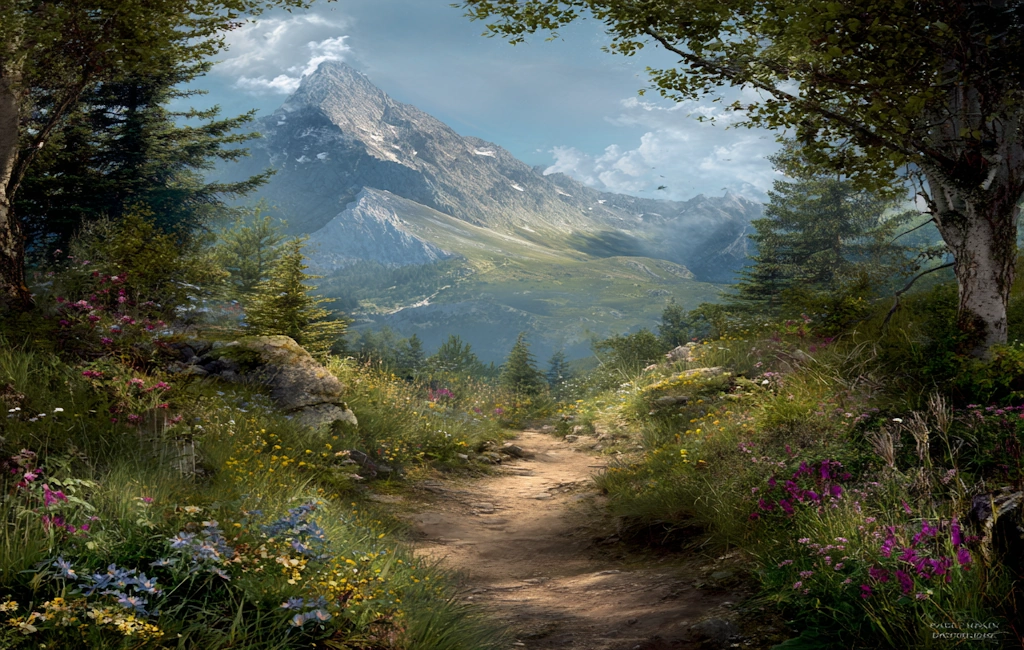
Pin Parvati Pass Trek
The Pin Parvati Pass Trek is a challenging and rewarding journey through the remote and stunning landscapes of Himachal Pradesh, India. This high-altitude trek connects the lush, green Parvati Valley in Kullu with the stark, arid Spiti Valley, offering a dramatic contrast in scenery and culture. Traversing glaciers, alpine meadows, and remote villages, the Pin Parvati Pass (5,319 metres) is a formidable obstacle that demands excellent physical fitness, acclimatisation, and trekking experience. This trek is not for the faint-hearted; it is an expedition into a wild and untamed region, offering unparalleled views and a profound sense of accomplishment.
- Distance: 110 km one-way
- Duration: 8–10 days
- Season: June to September
- Difficulty: Very Challenging
- Highest point: Pin Parvati Pass (5,319 m)
- Starting Point: Barsheni, Parvati Valley
- Ending Point: Mud Village, Pin Valley, Spiti
- Permits: Inner Line Permit (ILP) required for Spiti region
Overview
The Pin Parvati Pass Trek is a classic Himalayan expedition that offers an extraordinary blend of diverse landscapes and cultural immersion. Beginning in the verdant, almost tropical-feeling Parvati Valley, the trek gradually ascends through dense pine forests, alongside roaring rivers, and into expansive alpine meadows dotted with wildflowers. The initial days are characterised by the vibrant green of the lower altitudes, a stark contrast to the barren, moon-like terrain that awaits on the other side of the pass.
As the trek progresses, the vegetation thins, and the air becomes crisper. You'll traverse glacial streams, navigate rocky moraines, and eventually reach the formidable Pin Parvati Pass. This high-altitude saddle is often snow-covered, even in summer, and presents a significant physical and mental challenge. The views from the pass are breathtaking, offering panoramic vistas of snow-capped peaks, vast glaciers, and the dramatic descent into the Spiti Valley.
The descent into Spiti is a journey into a different world. The landscape transforms into a high-altitude desert, with barren mountains, Buddhist monasteries clinging to cliffs, and a unique, resilient culture. The villages of Spiti, such as Mud Village, offer a glimpse into a way of life that has remained largely unchanged for centuries. This trek is an adventure that tests your endurance, rewards you with unparalleled natural beauty, and provides a deep appreciation for the diverse ecosystems and cultures of the Indian Himalayas.
History and Cultural Context
The Pin Parvati Pass has historically served as a crucial, albeit challenging, trade and pilgrimage route connecting the Kullu Valley with the remote Spiti Valley. For centuries, local villagers and traders used this pass to transport goods, exchange produce, and undertake spiritual journeys. The pass was particularly significant for Buddhist pilgrims travelling between the monasteries of the two regions.
The first recorded European crossing of the Pin Parvati Pass was by a British explorer named Thomas George Montgomerie in 1860. However, it was likely known and used by locals long before this. The pass's strategic importance and the arduous nature of the crossing meant that it was not a route for casual travel. The challenging terrain and unpredictable weather conditions made it a route reserved for those with strong determination and a deep understanding of the mountains.
In more recent times, the Pin Parvati Pass Trek has gained popularity among trekkers seeking an adventurous and less-travelled route in the Indian Himalayas. It offers a unique opportunity to experience two vastly different Himalayan regions—the lush, green Parvati Valley and the arid, high-altitude desert of Spiti—in a single trek. The cultural transition from the Hindu-dominated Kullu region to the Buddhist Spiti Valley is a significant aspect of the trek, offering insights into the diverse religious and cultural tapestry of Himachal Pradesh.
Seasonal Highlights and Weather Reality
The Pin Parvati Pass Trek is a high-altitude expedition, and its accessibility is heavily dependent on the weather and snow conditions. The trekking season is relatively short, typically from June to September.
June: The beginning of the season. Snow may still be present on the pass, especially in the early part of the month. Glacial streams are usually manageable, and the meadows start to bloom. The weather can be unpredictable, with chances of rain and snow showers.
July & August: These are considered the prime months for the trek. The snow on the pass usually melts, making the crossing more feasible. The meadows are at their most vibrant, filled with a riot of wildflowers. The weather is generally more stable, though monsoon rains can still affect the lower Parvati Valley, leading to occasional landslides on the access roads. Temperatures are moderate during the day but can drop significantly at night.
September: The end of the season. The weather starts to turn colder, and the first snowfalls of autumn may occur on the higher reaches. The landscape begins to dry out, and the colours change. The crowds thin out, offering a more serene trekking experience. However, the risk of early snow on the pass increases, making it crucial to check conditions before setting out.
Weather Reality: It is crucial to understand that mountain weather is notoriously unpredictable. Even during the peak season, you can encounter sudden snowstorms, heavy rain, strong winds, and fog, especially at higher altitudes and on the pass itself. Temperatures can fluctuate dramatically, dropping well below freezing at night, even in summer. Acclimatisation is paramount to avoid altitude sickness.
Recommended Itinerary
8-Day Pin Parvati Pass Trek Itinerary
Day 1: Arrival in Kullu/Manali & Transfer to Barsheni
- Distance: ~120 km from Kullu to Barsheni
- Time: 4–5 hours by road
- Arrive at Kullu-Manali Airport (KUU) or take an overnight bus to Manali.
- From Manali, hire a taxi or take a local bus to Barsheni, the starting point of the trek.
- The road journey offers scenic views of the Parvati Valley.
- Check into a guesthouse or homestay in Barsheni to rest and acclimatise.
- Final gear check and preparation for the trek.
Day 2: Trek from Barsheni to Kalga & Kheerganga
- Distance: ~10 km
- Elevation Gain: ~1000 m
- Time: 5–6 hours
- Begin the trek from Barsheni.
- A short, steep climb to the village of Kalga, known for its apple orchards.
- Continue through dense pine forests towards Kheerganga.
- Kheerganga is famous for its natural hot springs, a perfect spot to relax.
- Set up camp or stay in a basic tented accommodation at Kheerganga.
Day 3: Trek from Kheerganga to Tunda Bhuj
- Distance: ~12 km
- Elevation Gain: ~700 m
- Time: 6–7 hours
- Trek through beautiful meadows and forests, gradually ascending.
- Cross the Rudra Nag waterfall and the serpent-shaped rock formation.
- The trail follows the Parvati River, offering stunning views.
- Reach Tunda Bhuj, a scenic campsite by the river.
- Camp overnight at Tunda Bhuj.
Day 4: Trek from Tunda Bhuj to Thakur Kuan
- Distance: ~10 km
- Elevation Gain: ~600 m
- Time: 5–6 hours
- Continue ascending along the Parvati River.
- The landscape becomes more rugged and open.
- Pass through dense vegetation and cross smaller streams.
- Thakur Kuan is a popular campsite with good grazing grounds.
- Camp overnight at Thakur Kuan.
Day 5: Trek from Thakur Kuan to Parvati Base Camp
- Distance: ~8 km
- Elevation Gain: ~800 m
- Time: 5–6 hours
- This day involves a significant ascent towards the higher altitudes.
- The vegetation starts to thin out, and the terrain becomes rocky.
- You will start to see snow-capped peaks in the distance.
- Reach Parvati Base Camp, situated at the foot of the Pin Parvati Pass.
- Set up camp and rest for the challenging day ahead.
Day 6: Trek from Parvati Base Camp to Pin Parvati Pass & Camp at Odi Thatch
- Distance: ~10 km (to pass) + ~5 km (to Odi Thatch)
- Elevation Gain: ~1000 m to pass, ~500 m descent
- Time: 8–10 hours
- An early start is crucial for crossing the pass.
- Ascend the steep slopes towards Pin Parvati Pass (5,319 m).
- The pass is often covered in snow and can be challenging to navigate.
- Enjoy breathtaking panoramic views from the summit.
- Begin the descent into the Spiti Valley towards Odi Thatch.
- Camp overnight at Odi Thatch.
Day 7: Trek from Odi Thatch to Mud Village
- Distance: ~15 km
- Elevation Loss: ~800 m
- Time: 6–7 hours
- Trek through the stark, arid landscape of the Pin Valley.
- The scenery dramatically changes from alpine meadows to a high-altitude desert.
- Pass through small settlements and observe the unique Spitian way of life.
- Arrive at Mud Village, a picturesque village in the Pin Valley.
- Check into a homestay and experience local Spitian hospitality.
Day 8: Drive from Mud Village to Kaza & Departure
- Distance: ~20 km to Kaza
- Time: 1–2 hours by road
- After breakfast, drive from Mud Village to Kaza, the administrative headquarters of Spiti.
- From Kaza, you can arrange transport to Manali or Shimla, depending on your onward journey.
- The drive offers final views of the Spiti Valley's unique landscape.
Important Notes:
- This itinerary is a guideline and can be adjusted based on weather conditions, group fitness, and acclimatisation.
- Acclimatisation is crucial. Spend at least one night in Kullu/Manali and Barsheni before starting the trek.
- Carry sufficient food, water purification methods, and warm clothing.
- A local guide and porters are highly recommended for this trek due to its challenging nature and remote location.
- Inner Line Permits (ILP) are mandatory for Spiti and must be obtained in advance.
Planning and Bookings
Book Your Trip
Everything you need to plan your journey
Accommodation
Find places to stay near Manali
Flights
Search flights to Manali
Essential Preparation
The Pin Parvati Pass Trek is a demanding expedition that requires meticulous planning and preparation. Given its remote location and high altitude, it is crucial to be physically and mentally prepared. Start by assessing your fitness level; regular cardiovascular exercise, strength training, and hiking with a loaded backpack are essential. Aim to build up your stamina over several months.
Logistics: The nearest major city is Manali, which serves as the primary gateway to the Parvati Valley. From Manali, you will need to arrange transport to Barsheni, the trek's starting point. This can be done via local buses or by hiring a private taxi. The road conditions can be challenging, especially during the monsoon season, so allow ample buffer time for travel. Consider flying into Kullu-Manali Airport (KUU) for easier access to Manali.
Base Town/City Information:
- Manali: A popular tourist destination offering a wide range of accommodation, from budget guesthouses to luxury hotels. It has well-stocked markets for trekking supplies, ATMs, and medical facilities. It's an ideal place to acclimatise for a day or two before heading to Barsheni.
- Barsheni: A small village that serves as the trailhead. Accommodation options are limited to basic guesthouses and homestays. It's advisable to book in advance, especially during the peak trekking season.
- Kaza: The main town in Spiti Valley, where you will likely end your trek. It offers more developed infrastructure, including hotels, guesthouses, restaurants, and banking facilities.
Trail Accommodation
The Pin Parvati Pass Trek involves a mix of camping and basic homestays/guesthouses. There are no established lodges or hotels along the main trekking route until you reach Spiti Valley.
Camping: For most of the trek, you will be camping in designated or suitable open areas. Campsites are generally basic, offering flat ground for tents. You will need to carry your own camping gear, including tents, sleeping bags, and cooking equipment.
- Facilities Provided: Natural surroundings, flat ground for pitching tents.
- What's NOT Provided: Toilets, running water, cooking facilities, electricity, or any amenities. You must be self-sufficient.
- Seasonal Availability: Available throughout the trekking season (June to September).
- Costs: No direct cost for camping spots, but you will incur costs for camping gear rental or purchase.
Guesthouses/Homestays:
- Barsheni: Basic guesthouses and homestays are available for overnight stays before and after the trek.
- Kheerganga: Basic tented accommodations and small dhabas (eateries) are available.
- Mud Village (Spiti): This is where you will find traditional Spitian homestays. These offer a cultural experience with basic amenities, home-cooked meals, and a chance to interact with local families.
- Facilities Provided (Homestays): Basic rooms, bedding, home-cooked meals (often included in the price), shared toilet facilities.
- What's NOT Provided: Luxury amenities, private bathrooms (usually), Wi-Fi, or constant electricity.
- Seasonal Availability: Available during the trekking season.
- Costs: Varies, but typically ranges from ₹1,000 to ₹2,500 per person per night, often including meals. Booking in advance is recommended, especially for Mud Village.
Required Gear
- Trekking Boots: High-ankle, waterproof, sturdy trekking boots with good grip. Ensure they are well broken-in to prevent blisters.
- Backpack: A 60-70 litre trekking backpack with a rain cover.
- Sleeping Bag: A 4-season sleeping bag rated for temperatures as low as -15°C to -20°C, as nights at high altitudes can be very cold.
- Tent: A sturdy, waterproof, 3-season or 4-season tent suitable for high-altitude conditions.
- Clothing:
- Base Layers: Thermal tops and bottoms (merino wool or synthetic).
- Mid Layers: Fleece jacket or down jacket for insulation.
- Outer Layer: Waterproof and windproof jacket and trousers (Gore-Tex or similar).
- Trekking Trousers: Quick-drying, comfortable trekking trousers.
- Warm Hat: Woollen or fleece hat that covers the ears.
- Gloves: Warm, waterproof gloves or mittens.
- Socks: Several pairs of woollen or synthetic trekking socks.
- Headlamp/Torch: With extra batteries.
- Sun Protection: High SPF sunscreen, lip balm with SPF, sunglasses (UV protection is crucial at high altitudes).
- Navigation: Map of the area, compass, and GPS device or app (ensure offline maps are downloaded).
- First-Aid Kit: Comprehensive kit including bandages, antiseptic wipes, pain relievers, blister treatment, altitude sickness medication (Diamox), and any personal medications.
- Trekking Poles: Highly recommended for stability and reducing strain on knees, especially during descents.
- Water Bottles/Hydration Reservoir: At least 2-3 litres capacity.
- Water Purification: Water filter or purification tablets/drops.
What to Bring
- Food: High-energy, non-perishable food items for the entire trek. This includes breakfast cereals, energy bars, nuts, dried fruits, instant noodles, soup packets, and ready-to-eat meals. You will need to carry all your food.
- Cooking Equipment: Lightweight camping stove, fuel, cooking pot, utensils, mug, and a lighter/matches.
- Toiletries: Biodegradable soap, toothbrush, toothpaste, toilet paper, hand sanitiser, wet wipes.
- Personal Items: Camera, power bank, book, journal, small towel.
- Documents: Identification (ID card/passport), Inner Line Permit (ILP), and any other necessary permits. Keep them in a waterproof pouch.
- Cash: Sufficient Indian Rupees in small denominations for local transport, homestays, and any emergency purchases. ATMs are scarce in remote areas.
- Duct Tape: Useful for quick repairs to gear.
- Small Knife or Multi-tool.
- Whistle: For emergencies.
Permits
To trek in the Spiti region of Himachal Pradesh, India, trekkers require an Inner Line Permit (ILP). This permit is mandatory for all foreign nationals and is also required for Indian nationals travelling to certain restricted areas within Spiti.
How to Obtain the Inner Line Permit (ILP):
- In Person: The ILP can be obtained from the Sub-Divisional Magistrate (SDM) office in Keylong (on the Manali-Leh highway) or in Kaza (Spiti's administrative centre). You will need to fill out an application form and provide identification.
- Online: In some cases, permits can be applied for online through the Himachal Pradesh government's tourism or home department website. It is advisable to check the latest procedures and requirements well in advance of your trip.
- Through Trekking Agencies: If you are booking your trek through a reputable trekking agency, they will usually arrange the ILP for you as part of their package. This is often the most convenient option.
Required Documents for ILP:
- Photocopy of your passport and visa (for foreign nationals).
- Photocopy of your ID card (for Indian nationals).
- Passport-sized photographs.
- A completed application form.
- A nominal fee is usually charged for the permit.
Important Considerations:
- Timing: Apply for the ILP well in advance of your trek, especially if you are travelling during the peak season. The process can sometimes take a day or two.
- Validity: The ILP is typically valid for a specific period, usually 15 days or more, allowing you to explore Spiti.
- Checkpoints: You will be asked to show your ILP at various checkpoints along the route into Spiti. Ensure you carry it with you at all times.
- Group Permits: If travelling in a group, one person can often apply for a group permit, listing all members.
Apart from the ILP, there are no other specific trekking permits required for the Pin Parvati Pass route itself, as it is not part of a designated national park with strict entry fees like some other Himalayan treks. However, always check for any updated regulations or local requirements before your journey.
Other Activities in the Area
While the Pin Parvati Pass Trek is the primary focus, the regions you traverse offer several other points of interest and activities:
- Parvati Valley Exploration: Before or after the trek, explore the vibrant Parvati Valley. Visit popular spots like Kasol, Manikaran (famous for its hot springs and Gurudwara), and Tosh. These places offer a different vibe, with cafes, backpacker culture, and stunning valley views.
- Kheerganga Hot Springs: Even if not camping overnight, a visit to the natural hot springs at Kheerganga is a must. It's a rejuvenating experience after a day's trek.
- Spiti Valley Exploration: After completing the trek, spend time exploring the unique landscapes and culture of Spiti.
- Kaza: The main town, serving as a base for exploring the region. Visit the Kaza Monastery.
- Key Monastery: One of the largest and oldest monasteries in Spiti, perched dramatically on a hilltop.
- Hikkim, Komic, and Langza: Visit these high-altitude villages. Hikkim has the world's highest post office, Komic is one of the highest motorable villages, and Langza is known for its fossils and the Buddha statue.
- Chandratal Lake: If time permits and you have onward travel towards Manali, a detour to the crescent-shaped Moon Lake is highly recommended.
- Cultural Immersion: Stay in homestays in Spiti to experience the local way of life, taste traditional Spitian cuisine, and learn about their unique Buddhist culture.
- Photography: The diverse landscapes, from lush green valleys to barren deserts, ancient monasteries, and towering peaks, offer incredible opportunities for photography.
Safety and Conditions
The Pin Parvati Pass Trek is an expedition-grade trek that requires a high level of preparedness and awareness of potential risks.
Altitude Sickness (AMS): This is the most significant risk. The Pin Parvati Pass reaches an altitude of 5,319 metres. Symptoms include headache, nausea, dizziness, fatigue, and shortness of breath.
- Prevention: Gradual ascent, adequate acclimatisation (spending time at intermediate altitudes), staying hydrated, and avoiding alcohol and strenuous activity on ascent days are crucial.
- Management: If symptoms appear, do not ascend further. Rest, hydrate, and if symptoms worsen, descend immediately. Diamox (acetazolamide) can be prescribed by a doctor to aid acclimatisation, but it is not a substitute for proper acclimatisation.
Weather: Mountain weather is highly unpredictable. Be prepared for extreme cold, strong winds, snow, rain, and fog, even during the summer months. Temperatures can drop significantly below freezing, especially at night and on the pass. Always check the weather forecast before starting and be prepared to change your plans if conditions deteriorate.
Terrain: The trek involves varied terrain, including steep ascents and descents, rocky paths, scree slopes, glacial streams, and snowfields.
- Glacial Streams: These can be fast-flowing and dangerous, especially after heavy rain or snowmelt. Cross them carefully, preferably in the morning when water levels are lower.
- Snowfields: The pass is often covered in snow. If there is fresh snowfall or icy conditions, crossing can be treacherous. Ice axes and crampons might be necessary depending on the conditions, and knowledge of their use is essential.
- Scree Slopes: These can be unstable and require careful footing.
Remoteness: The trek is in a remote area with limited access to communication and medical facilities.
- Communication: Mobile phone signals are non-existent for most of the trek. Consider carrying a satellite phone or a Personal Locator Beacon (PLB) for emergencies.
- Medical Support: Carry a comprehensive first-aid kit and know how to use it. It is advisable to have at least one person in the group with basic first-aid knowledge.
Road Conditions: The roads leading to Barsheni and from Kaza can be prone to landslides, especially during the monsoon season. Always check road status before travelling. Allow for delays.
Guides and Porters: Hiring experienced local guides and porters is highly recommended. They have invaluable knowledge of the terrain, weather patterns, and local conditions, and can significantly enhance your safety and enjoyment.
Travel Insurance: Ensure you have comprehensive travel insurance that covers high-altitude trekking, emergency evacuation, and medical expenses.
Side Trips and Points of Interest
While the Pin Parvati Pass itself is the main objective, several points along the route and in the surrounding regions are worth noting:
Rudra Nag Waterfall: Located on the trek from Kheerganga, this is a beautiful and powerful waterfall. The area around it is considered sacred by locals, and the unique serpent-shaped rock formation nearby adds to its mystique.
Kheerganga Hot Springs: A natural hot spring located at an altitude of approximately 2,960 metres. It's a popular camping spot and a perfect place to relax and rejuvenate your muscles after the initial days of trekking. The surrounding meadows are also scenic.
Pin Parvati Pass Summit: The highest point of the trek at 5,319 metres. The summit offers unparalleled panoramic views of the surrounding Himalayan peaks, glaciers, and the dramatic transition from the green Parvati Valley to the arid Spiti Valley. It's a moment of immense achievement and awe.
Odi Thatch: A beautiful campsite located on the Spiti side of the pass. It's a relatively flat meadow that provides a welcome respite after the challenging descent from the pass. The views of the Spiti landscape from here are stunning.
Mud Village: The endpoint of the trek in Spiti Valley. This traditional Spitian village is known for its unique architecture, friendly locals, and stunning location amidst the barren mountains. It offers a glimpse into the distinct culture and lifestyle of the region.
Pin Valley National Park: While the trek route itself doesn't go deep into the park, the Pin Valley region is part of this protected area, known for its unique flora and fauna, including the elusive snow leopard and Siberian ibex. The stark beauty of the valley is a significant point of interest.
Leave No Trace
The Pin Parvati Pass Trek traverses pristine wilderness and fragile ecosystems. Adhering to Leave No Trace principles is paramount to preserving the natural beauty and cultural heritage of this region for future generations.
Plan Ahead and Prepare: Understand the regulations and special concerns for the area you'll visit. Prepare for extreme weather, know your route, and pack appropriately. Inform someone of your itinerary.
Travel and Camp on Durable Surfaces: Stick to established trails and campsites whenever possible. In areas without established sites, camp at least 70 metres away from water sources and trails. Avoid camping on fragile vegetation.
Dispose of Waste Properly: Pack it in, pack it out. This includes all trash, food scraps, and even toilet paper. Use designated toilets where available. If not, dig catholes 15-20 cm deep, at least 70 metres from water, camp, and trails. Pack out all toilet paper and hygiene products.
Leave What You Find: Preserve the past: examine, but do not touch, cultural or historic structures and artifacts. Leave rocks, plants, and other natural objects as you find them.
Minimize Campfire Impacts: Campfires are generally discouraged in high-altitude and sensitive environments. Use a lightweight stove for cooking. If a campfire is absolutely necessary and permitted, use existing fire rings and keep fires small. Ensure fires are completely extinguished and cold before leaving.
Respect Wildlife: Observe wildlife from a distance. Never feed animals. Feeding wildlife damages their health, alters natural behaviours, and exposes them to predators and other dangers. Store food securely to prevent attracting animals.
Be Considerate of Other Visitors: Respect other visitors and protect the quality of their experience. Yield to other hikers. Keep your voice down and avoid loud noises. Let nature's sounds prevail.
By following these principles, you help ensure that the Pin Parvati Pass Trek remains a wild and beautiful experience for all.