
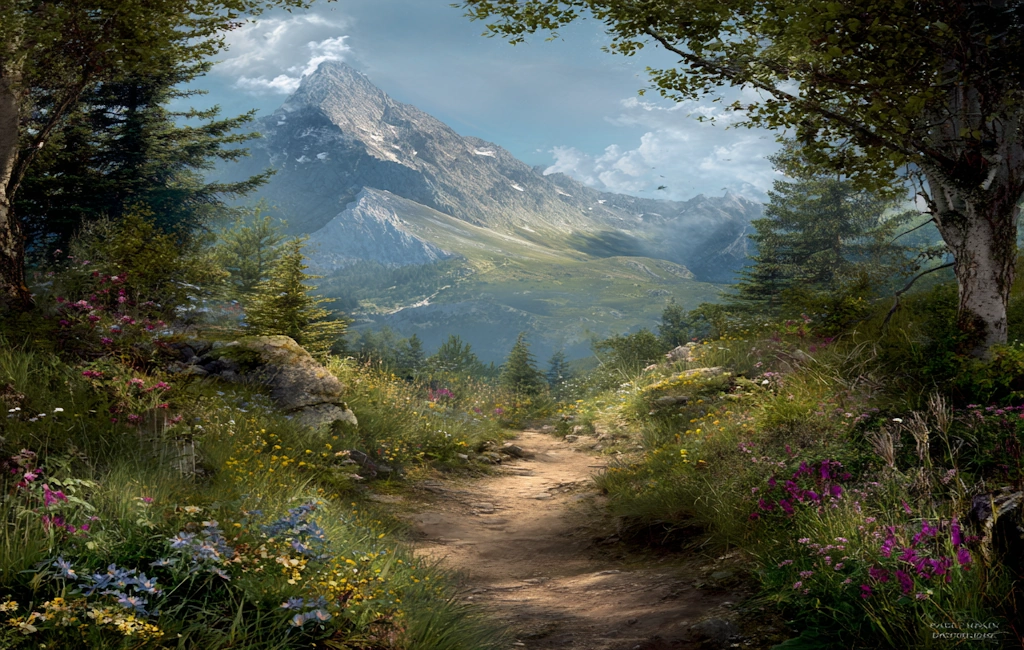
Pikey Peak Trek - A Himalayan Panorama
The Pikey Peak Trek in Nepal offers a captivating journey through the heart of the Everest region, providing breathtaking panoramic views of the world's highest peaks without the extreme altitude or demanding logistics of the more famous Everest Base Camp trek. This moderate-difficulty trek is ideal for those seeking an authentic Sherpa cultural experience combined with spectacular mountain vistas, including Mount Everest, Lhotse, Makalu, and Ama Dablam. The trail winds through rhododendron forests, traditional Sherpa villages, and ancient monasteries, offering a rich tapestry of natural beauty and cultural immersion.
- Distance: Approximately 40 km (one-way, depending on exact route variations)
- Duration: 5-7 days
- Season: October-November (autumn) and March-May (spring)
- Difficulty: Moderate
- Highest point: Pikey Peak (4,065 m)
- Closest City: Kathmandu
- Trailhead Access: Fly to Kathmandu, then drive to Dhap (trek start)
- Permits: TIMS card and Sagarmatha National Park entry permit required
Overview
The Pikey Peak Trek is a relatively new trekking route in the Solukhumbu district, designed to offer a more accessible yet equally rewarding experience of the Khumbu region's grandeur. Unlike the well-trodden paths to Everest Base Camp, Pikey Peak provides a unique vantage point from a summit that, on a clear day, offers an unparalleled 360-degree panorama of the entire Himalayan range, including the iconic Everest massif. The trek begins at a lower altitude, gradually ascending through diverse landscapes that transition from lush subtropical forests to alpine meadows and finally to the stark beauty of the high Himalayas.
The journey is characterised by its cultural richness. You'll pass through villages inhabited by Sherpa communities, renowned for their mountaineering prowess and deep Buddhist faith. Visiting ancient monasteries, observing prayer flag-strewn ridges, and interacting with local people offer a profound insight into their way of life. The trek's moderate difficulty makes it suitable for a wider range of hikers, including families and those with less high-altitude trekking experience. The trail is well-maintained in most sections, though some parts can be steep and rocky.
The trek's name comes from the local Sherpa deity, Pikey, believed to be the guardian spirit of the region. Climbing Pikey Peak is considered a pilgrimage by many locals, and the summit offers a spiritual as well as a visual reward. The descent often takes a different route, allowing for further exploration of the varied terrain and villages.
History and Cultural Context
The Solukhumbu region, where Pikey Peak is located, has a long and storied history deeply intertwined with Tibetan Buddhism and the Sherpa people. For centuries, this area has been a vital trade route and a spiritual centre, with numerous monasteries and stupas dotting the landscape. The Sherpa people, originally from eastern Tibet, migrated to this region centuries ago, establishing their unique culture and traditions in the challenging Himalayan environment.
The Pikey Peak area itself has been a sacred site for the Sherpa for generations. The peak is named after a local clan deity, Pikey, and climbing it is often undertaken as a spiritual journey. The monasteries along the route, such as those in Junbesi and Chiwong, are ancient centres of learning and practice, some dating back several hundred years. These monasteries played a crucial role in preserving Buddhist teachings and culture in the region.
The modern trekking era in Nepal began in the mid-20th century, with the Everest region quickly becoming a global attraction. While the Everest Base Camp trek gained prominence, routes like the Pikey Peak trek have emerged more recently, offering alternative experiences that focus on cultural immersion and less crowded trails. These newer routes aim to distribute the benefits of tourism more widely and provide trekkers with a more authentic glimpse into rural Nepali life, away from the main tourist hubs.
Seasonal Highlights and Weather Reality
The Pikey Peak Trek is best undertaken during two primary trekking seasons in Nepal:
Autumn (October-November): This is widely considered the prime trekking season. The monsoon rains have cleared, leaving the skies exceptionally clear and offering pristine, unobstructed views of the Himalayas. Temperatures are pleasant during the day, and nights are cool but manageable. The air is crisp, and visibility is at its peak, making it the ideal time to witness the panoramic vistas from Pikey Peak. Rhododendron forests, though past their spring bloom, still offer a beautiful backdrop.
Spring (March-May): Spring is another excellent season for trekking. The weather is generally stable, and temperatures begin to warm up. The most significant highlight of spring is the blooming of rhododendrons, which carpet the lower-altitude forests in vibrant shades of red, pink, and white. This season also offers good mountain views, though they might be slightly less clear than in autumn due to occasional haze. The days are longer, allowing for more trekking time.
Monsoon (June-September): This season is characterised by heavy rainfall, which can lead to landslides and obscure mountain views. Trails can become muddy and slippery, making trekking more challenging and potentially dangerous. While some trekkers might brave the monsoon for fewer crowds and lush green landscapes, it is generally not recommended for this trek due to visibility issues and trail conditions.
Winter (December-February): Winter can be very cold, especially at higher altitudes. While daytime temperatures might be mild in the lower valleys, nights can drop well below freezing. Snowfall is possible, particularly on Pikey Peak itself, which can make the summit inaccessible without specialised winter gear and experience. Mountain views can be excellent on clear winter days, but the extreme cold and potential for snow make it a less popular choice for most trekkers.
Recommended Itinerary
5-Day Pikey Peak Trek Itinerary (Sample)
Day 1: Kathmandu to Dhap
- Distance: Approximately 8-10 hours drive from Kathmandu
- Elevation Gain: ~2,400 m (start)
- Time: Full day
- Morning departure from Kathmandu by jeep or bus
- Scenic drive through rural Nepal, passing through diverse landscapes
- Road conditions can be rough and winding, especially closer to Dhap
- Arrive in Dhap (approx. 2,400 m), a small village that serves as the trek's starting point
- Overnight stay in a local teahouse
- This day is primarily for travel and acclimatisation to a slightly higher altitude
Day 2: Dhap to Jiri (or nearby village like Deurali)
- Distance: Approximately 15-20 km
- Elevation Gain: ~1,000 m
- Elevation Loss: ~500 m
- Time: 6-8 hours
- Begin the trek from Dhap
- Walk through terraced fields, small Sherpa and Rai villages, and rhododendron forests
- Pass through villages like Sigane and Jiri (or a suitable stopping point like Deurali if aiming for a shorter day)
- Experience the local culture and observe daily life
- Overnight in a teahouse
- This day introduces you to the rolling hills and rural charm of the lower Solukhumbu
Day 3: Jiri (or Deurali) to Junbesi
- Distance: Approximately 12-15 km
- Elevation Gain: ~800 m
- Elevation Loss: ~600 m
- Time: 5-7 hours
- Continue trekking through picturesque landscapes
- Ascend towards Junbesi (approx. 2,700 m), a beautiful Sherpa village
- Pass through charming settlements and enjoy views of surrounding hills
- Junbesi is known for its monastery and traditional Sherpa architecture
- Overnight in a teahouse in Junbesi
- This day brings you deeper into the Sherpa heartland
Day 4: Junbesi to Pikey Peak Base Camp (or nearby)
- Distance: Approximately 10-12 km
- Elevation Gain: ~1,000 m
- Time: 5-7 hours
- Trek from Junbesi towards Pikey Peak
- The trail becomes steeper as you gain altitude
- Pass through forests and open meadows
- Reach a suitable campsite or teahouse near the base of Pikey Peak (approx. 3,600 m)
- Prepare for the summit ascent the following morning
- Overnight at base camp or a teahouse
- This is a crucial day for positioning yourself for the summit push
Day 5: Pikey Peak Summit and Descend to Loding (or similar)
- Distance: Approximately 8-10 km (including summit)
- Elevation Gain: ~465 m to summit
- Elevation Loss: ~1,200 m
- Time: 7-9 hours (including descent)
- Early morning start for the summit ascent of Pikey Peak (4,065 m)
- Witness a spectacular sunrise over the Himalayas, including Mount Everest, Lhotse, Makalu, and Ama Dablam
- Spend time at the summit, taking in the panoramic views
- Descend back to your starting point or continue further down towards Loding or another village for the night
- Overnight in a teahouse
- This is the highlight of the trek, offering unparalleled mountain vistas
Day 6: Loding to Bhandar (or drive out)
- Distance: Approximately 10-15 km trek, or drive from a road head
- Elevation Loss: ~800 m
- Time: 4-6 hours trek, or shorter drive
- Continue descending through villages and forests
- Depending on the exact route and road access, you may trek to Bhandar and then take a jeep/bus back to Kathmandu, or drive out from a closer road head
- Arrive back in Kathmandu in the evening
Note: This is a sample itinerary. The duration can be extended to 7 days by adding rest days or exploring side valleys, or shortened by driving further up the road towards the trek start.
Planning and Bookings
Book Your Trip
Everything you need to plan your journey
Accommodation
Find places to stay near Kathmandu
Flights
Search flights to Kathmandu
Essential Preparation
The Pikey Peak Trek is located in a region of Nepal that requires some logistical planning. While not as complex as booking for Everest Base Camp, it's crucial to arrange transport and accommodation in advance, especially during peak seasons. Kathmandu is the primary gateway, and most trekkers will spend at least one night there before heading to the trailhead. It's advisable to book your internal transport (jeep/bus to Dhap) and your return journey from the trek's end point well in advance. Consider hiring a local guide and porter, which not only supports the local economy but also enhances safety and cultural understanding. Ensure you have adequate travel insurance that covers high-altitude trekking and potential medical evacuation.
Trail Accommodation
Accommodation along the Pikey Peak Trek is primarily in local teahouses (lodges). These are simple, family-run establishments offering basic amenities for trekkers.
Teahouse Facilities:
- Rooms: Typically small, basic rooms with two single beds and a table. Bedding is usually provided, but a sleeping bag is recommended for warmth and hygiene.
- Dining Area: A communal dining room, often heated by a wood-burning stove, where meals are served. This is the social hub of the teahouse.
- Toilets: Shared squat toilets are common. Some higher-altitude teahouses may have basic western-style toilets.
- Showers: Hot showers are sometimes available, often solar-heated, but can be an extra charge and may not be available at all teahouses, especially at higher elevations.
- Electricity: Charging electronic devices is usually possible for a fee in the dining area.
What's NOT Provided:
- Personal toiletries
- Towels
- High-speed internet (Wi-Fi may be available in some lower-altitude teahouses for a fee, but is unreliable)
- Heating in rooms
- Bottled water (it's recommended to use water purification methods)
Seasonal Availability: Teahouses are generally open year-round, but services might be more limited during the monsoon and winter seasons. During peak seasons (autumn and spring), it's advisable to book accommodation in advance, especially in popular villages like Junbesi.
Costs: Accommodation costs are generally low, ranging from $5-$15 USD per night, depending on the location and facilities. Meals are typically more expensive than accommodation, with prices increasing at higher altitudes.
Note: There are no formal campsites or lodges in the same way as some Western treks. The teahouse system is the standard accommodation.
Required Gear
- Hiking Boots: Sturdy, waterproof, broken-in hiking boots with good ankle support are essential.
- Backpack: A comfortable trekking backpack (40-60 litres) with a rain cover. If hiring a porter, a smaller daypack for essentials is sufficient.
- Sleeping Bag: A 3-season sleeping bag (rated to -5°C to 0°C) is recommended for warmth and comfort in teahouses.
- Waterproof Jacket: A good quality, breathable waterproof and windproof jacket.
- Waterproof Trousers: Essential for protection against rain and wind.
- Warm Layers: Fleece jackets, down jacket, thermal base layers (merino wool or synthetic).
- Headwear: Warm hat (beanie) and sun hat or cap.
- Gloves: Warm, waterproof gloves.
- Trekking Poles: Highly recommended for stability on ascents and descents, especially on rocky or slippery terrain.
- Headlamp/Torch: With spare batteries, for early morning starts or navigating teahouses at night.
- First-Aid Kit: Comprehensive kit including blister treatment, pain relievers, antiseptic wipes, bandages, and any personal medications.
- Sun Protection: High SPF sunscreen, lip balm with SPF, sunglasses.
What to Bring
- Food: While teahouses provide meals, carrying high-energy snacks like nuts, dried fruit, energy bars, and chocolate is advisable for between meals and for the summit day.
- Water Treatment: Water purification tablets or a filter bottle. Avoid drinking untreated tap water.
- Personal Toiletries: Toothbrush, toothpaste, biodegradable soap, hand sanitiser, wet wipes.
- Quick-Dry Towel: Lightweight and fast-drying.
- Camera: With spare batteries and memory cards.
- Power Bank: For charging electronic devices.
- Book/Journal: For downtime in the evenings.
- Cash: Nepali Rupees for teahouses, tips, and personal expenses. ATMs are not available on the trek.
- Passport and Visa: Copies of your passport and visa.
- Small Padlock: For securing your room door if desired.
Permits
To trek the Pikey Peak route, you will need two main permits:
1. TIMS Card (Trekkers' Information Management System):
- This card is mandatory for all trekkers in Nepal, regardless of the route.
- It helps the government track trekkers for safety and security purposes.
- You can obtain a TIMS card in Kathmandu from the Nepal Tourism Board office or through your trekking agency.
- Cost: Approximately NPR 2,000 for individual trekkers or NPR 1,000 if trekking with a registered agency.
2. Sagarmatha National Park Entry Permit:
- Although Pikey Peak is not within Sagarmatha National Park itself, the common access routes and the general region fall under its purview or require similar permits for conservation. Some routes may require permits for the Solukhumbu region or specific conservation areas. It is essential to confirm the exact permit requirements with your trekking agency or local authorities, as regulations can change. For routes that pass through or near the park boundaries, an entry permit is necessary.
- Cost: Approximately NPR 3,000 (subject to change).
Important Notes:
- It is highly recommended to arrange these permits in Kathmandu before starting your trek. Your trekking agency can assist with this process.
- Always carry your permits with you, as they may be checked at various checkpoints along the trail.
- Ensure you have passport-sized photos for the permit applications.
Other Activities in the Area
While the Pikey Peak Trek itself is the primary focus, the surrounding region offers several enriching experiences:
- Monastery Visits: Explore ancient Buddhist monasteries such as Junbesi Monastery and Chiwong Monastery. These sites offer a glimpse into the spiritual life of the Sherpa people, with opportunities to observe prayer ceremonies and admire intricate thangkas and statues.
- Cultural Immersion: Spend time in Sherpa villages like Junbesi. Observe traditional farming practices, witness local crafts, and interact with the friendly locals to understand their unique culture and way of life.
- Sunrise/Sunset Viewing: Beyond the summit of Pikey Peak, many viewpoints along the trail offer stunning opportunities for sunrise and sunset photography, painting the Himalayan giants in warm hues.
- Local Markets: If your trek coincides with a local market day in one of the villages, it's a vibrant experience to witness the exchange of goods and the social gathering of the community.
- Sherpa Cooking Classes: In some lower-altitude villages, it might be possible to arrange informal cooking sessions to learn how to prepare traditional Sherpa dishes like 'tsampa' or 'momos'.
Safety and Conditions
Altitude Sickness (AMS): While Pikey Peak (4,065 m) is not extremely high, altitude sickness is still a risk. Ascend gradually, stay hydrated, and avoid alcohol. If symptoms like headache, nausea, or dizziness occur, descend immediately. Listen to your body and your guide.
Weather: Mountain weather is unpredictable. Be prepared for rapid changes, including sudden drops in temperature, wind, rain, or snow, especially at higher elevations. Always check the forecast if possible and carry appropriate gear for all conditions.
Trail Conditions: The trails are generally well-trodden but can be steep, rocky, and slippery, particularly after rain or snow. Trekking poles are highly recommended for stability.
Health and Hygiene: Drink only purified or boiled water. Eat well-cooked food. Maintain good personal hygiene, especially handwashing, to prevent gastrointestinal issues.
Communication: Mobile phone reception is intermittent and generally only available in lower-altitude villages. Consider carrying a satellite phone or personal locator beacon (PLB) for emergencies, especially if trekking independently.
Guides and Porters: Hiring a local guide is strongly recommended for navigation, safety, cultural insights, and emergency assistance. Porters can carry your main luggage, making the trek more enjoyable.
Travel Insurance: Ensure your travel insurance covers high-altitude trekking and emergency helicopter evacuation. This is crucial for remote areas like the Solukhumbu.
Side Trips and Points of Interest
Pikey Peak Summit (4,065 m): The undeniable highlight. The summit offers a breathtaking 360-degree panorama of the Everest massif, including Mount Everest, Lhotse, Makalu, Cho Oyu, and Ama Dablam, as well as views of Kanchenjunga to the east and the rolling hills of the lower Himalayas to the south. Sunrise from Pikey Peak is particularly spectacular.
Junbesi Monastery: A beautiful and ancient monastery located in the heart of Junbesi village. It's a significant spiritual centre for the local Sherpa community and features impressive murals and statues. Visiting during a prayer ceremony can be a profound experience.
Chiwong Monastery: Perched dramatically on a cliff edge overlooking the Junbesi Khola valley, Chiwong Monastery is another important religious site. It's known for its annual Mani Rimdu festival, which usually takes place in November.
Sherpa Villages: The trek passes through several traditional Sherpa villages. Taking time to wander through these settlements, observe the architecture, and interact with the locals provides invaluable cultural insights. Villages like Dhap, Junbesi, and Bhandar offer authentic glimpses into rural Nepali life.
Rhododendron Forests: During the spring season (March-May), the lower and mid-altitude sections of the trail are adorned with blooming rhododendrons, creating a vibrant and colourful landscape.
Leave No Trace
The Pikey Peak Trek traverses pristine natural environments and culturally sensitive areas. Adhering to Leave No Trace principles is vital to preserve the beauty and integrity of the region for future generations and to respect the local communities.
- Plan Ahead and Prepare: Understand the conditions, hire local guides and porters, and pack appropriately.
- Travel and Camp on Durable Surfaces: Stick to established trails and teahouse areas. Avoid trampling vegetation.
- Dispose of Waste Properly: Pack out all non-biodegradable waste, including food wrappers, plastic bottles, and batteries. Use designated toilets in teahouses. Do not bury waste.
- Leave What You Find: Do not remove natural objects or cultural artifacts. Respect the environment and local heritage.
- Minimize Campfire Impacts: Campfires are generally not permitted on this trek. Use stoves for cooking.
- Respect Wildlife: Observe animals from a distance and do not feed them.
- Be Considerate of Other Visitors: Keep noise levels down, especially in villages and teahouses. Respect local customs and traditions.
- Support Local Communities: Purchase goods and services from local businesses and hire local guides and porters.
 Nepal
Nepal