
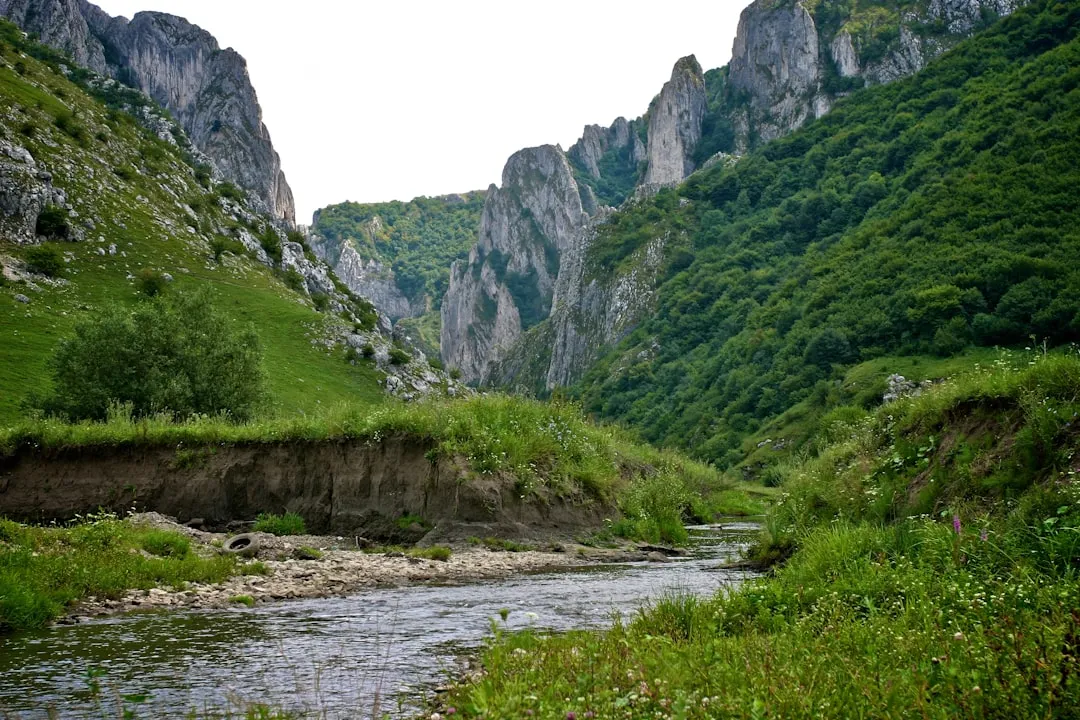
Pietrosul Rodnei Peak - The Crown of the Rodna Mountains
Pietrosul Rodnei, standing at 2,303 metres, is the highest peak in the Rodna Mountains (Munții Rodnei), a majestic range in the Eastern Carpathians of Romania. This challenging mountain track offers a rewarding ascent through diverse alpine landscapes, from subalpine meadows and dense coniferous forests to rugged rocky terrain and exposed ridges. The summit provides breathtaking panoramic views of the surrounding Carpathian chain, making it a sought-after destination for experienced hikers and nature enthusiasts. The trail is known for its demanding elevation gain and the potential for rapidly changing weather conditions, requiring good physical fitness and preparedness.
- Distance: 18.0 km (round trip)
- Elevation Gain: 1600 m
- Duration: 1 day (8-10 hours)
- Difficulty: Challenging
- Best Time: July - September (summer months), dry conditions
- Closest City: Borșa
- Trailhead Access: Nearest airport: Cluj-Napoca (CLJ). Drive to Borșa (approx. 4 hrs). Roads are generally good but can be narrow. Parking available near the trail start. No permits usually needed, but check local conditions. Trailhead GPS: 47.6035, 24.6497
- Coordinates: 47.6035, 24.6497
Overview
The ascent to Pietrosul Rodnei is a classic mountain trek that encapsulates the wild beauty of the Rodna Mountains. The journey typically begins from the vicinity of Borșa, a town nestled at the foot of the range, providing a gateway to the high alpine environment. The trail is well-marked for the most part, but its challenging nature stems from the significant elevation gain packed into a single day and the exposed alpine sections near the summit.
The route often starts by traversing through dense pine and spruce forests, where the air is cool and fragrant. As the elevation increases, the forest canopy gradually thins, giving way to subalpine meadows dotted with wildflowers during the summer months. These meadows offer a gentler gradient before the terrain becomes steeper and more rugged. The final push to the summit involves navigating rocky paths, scree slopes, and potentially some exposed ridges, demanding careful footwork and a good head for heights.
Reaching the summit of Pietrosul Rodnei is a significant achievement. The reward is an unparalleled 360-degree vista. On a clear day, hikers can see vast expanses of the Rodna Mountains, stretching out like a crumpled blanket of green and grey. Distant peaks of other Carpathian ranges may also be visible, offering a profound sense of accomplishment and connection to the vastness of the Romanian wilderness. The descent, while physically demanding, offers a different perspective on the landscapes traversed, often revealing hidden valleys and unique geological formations.
This trek is best undertaken during the summer months when snow has receded from the higher elevations and the weather is generally more stable. However, mountain weather is notoriously unpredictable, and hikers must be prepared for sudden changes, including rain, fog, and strong winds, even in July and August. The challenging nature of the climb makes it a popular objective for those seeking a strenuous day hike with spectacular rewards.
History and Cultural Context
The Rodna Mountains, and Pietrosul Rodnei in particular, have a rich history intertwined with human settlement, resource extraction, and folklore. For centuries, these mountains have been a source of timber, minerals, and grazing land for local communities. The area around Borșa has a long tradition of forestry and sheep farming, practices that have shaped the landscape and the lives of its inhabitants.
Historically, the Rodna Mountains were part of a larger network of routes used by shepherds and traders. The high pastures, known as "poieni" or "izlazuri," were vital for summer grazing, and the trails connecting them were well-trodden. The discovery of mineral deposits, particularly gold and silver, also led to mining activities in the region, though these have largely ceased or become less significant in modern times.
The designation of the Rodna Mountains National Park (Parcul Național Munții Rodnei) in 2000 highlights the ecological and scenic importance of the area. This protected status aims to preserve the unique biodiversity, including rare plant and animal species, and the pristine natural landscapes that have been shaped by both natural forces and human interaction over millennia. Pietrosul Rodnei, as the highest point, has always held a special significance, often being a focal point for local legends and a symbol of the range's grandeur.
The cultural heritage of the region is also evident in the traditional architecture and customs found in the villages surrounding the mountains. The challenges of living in such a rugged environment have fostered a strong sense of community and resilience among the local population. The mountain itself, Pietrosul Rodnei, often referred to as the "Rodna Peak," has been a silent witness to centuries of human endeavour, from ancient pastoralism to modern-day trekking and conservation efforts.
Seasonal Highlights and Weather Reality
The optimal period for hiking Pietrosul Rodnei is during the summer months, from July to September. During this time, the snow typically melts from the higher trails, making them accessible and safer for trekking. The subalpine meadows burst into bloom, creating a vibrant tapestry of colours, and the days are longer, allowing ample time for the ascent and descent.
Summer (July - September): This is the prime season. Temperatures are generally mild, though can still be cool at higher altitudes. Wildflowers are abundant, and the views from the summit are often clearest. However, summer afternoons can bring thunderstorms, which are common in mountainous regions. These storms can develop rapidly, bringing heavy rain, lightning, and strong winds. Hikers must start early to avoid the worst of the afternoon weather and be prepared for sudden changes.
Late Spring (June): While possible, June can still present challenges. Patches of snow may linger on the northern slopes and in shaded gullies, potentially making navigation difficult or requiring specialised equipment like microspikes. The meadows may not yet be in full bloom, and the weather can be more unpredictable than in mid-summer.
Autumn (October): The autumn colours can be spectacular, with the forests displaying shades of gold and red. However, temperatures drop significantly, and the first snowfalls can occur as early as October. Days become shorter, and the risk of icy conditions on the trails increases. It is generally advisable to stick to the summer months for this particular hike unless you have winter hiking experience and appropriate gear.
Winter (November - May): The Rodna Mountains are a winter wonderland during these months, but Pietrosul Rodnei becomes an advanced mountaineering objective. Heavy snow, ice, and avalanche risk make it inaccessible and dangerous for standard hiking. Only experienced winter mountaineers with appropriate equipment (crampons, ice axe, avalanche safety gear) and knowledge should consider attempting the peak during this period.
Recommended Itinerary
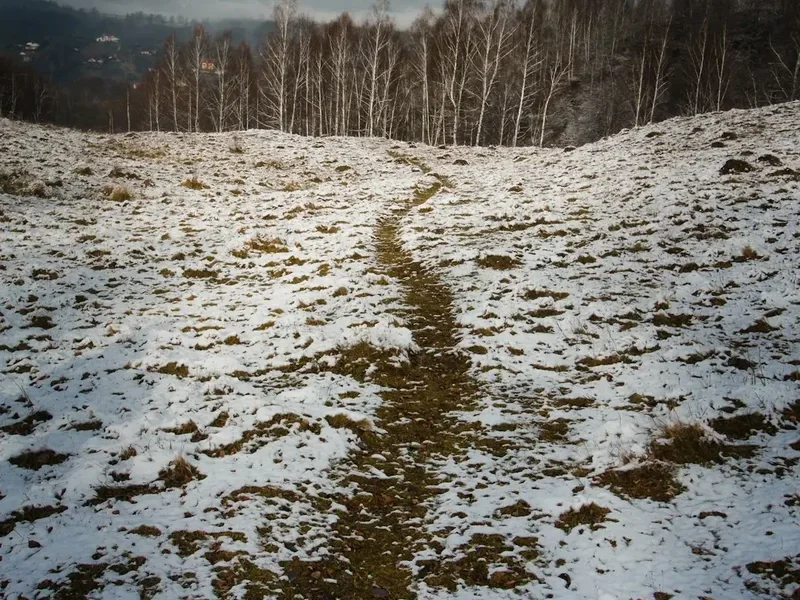
Pietrosul Rodnei Peak - Day Hike Itinerary
Early Morning (approx. 6:00 AM - 7:00 AM): Departure from Borșa
- Begin your journey from Borșa. Ensure you have had a good breakfast and are well-hydrated.
- Drive or arrange transport to the trailhead, typically located near the edge of the town or a designated parking area accessible by road. Confirm the exact starting point and GPS coordinates beforehand.
- Final gear check: ensure all essentials are packed, including water, food, layers, and safety equipment.
Morning (approx. 7:00 AM - 12:00 PM): Forest and Meadow Ascent
- Start the hike on marked trails, initially entering the dense coniferous forest.
- Follow the path as it gradually ascends through the trees. The air will be cool and shaded.
- As you gain elevation, the forest will begin to thin, transitioning into subalpine meadows.
- Enjoy the changing scenery and the first glimpses of the surrounding mountain ranges.
- The gradient will become steeper in sections as you approach the higher alpine zone.
- Take short breaks to hydrate and enjoy the views.
Midday (approx. 12:00 PM - 2:00 PM): Alpine Terrain and Summit Push
- You will now be in the alpine zone, with more open terrain and rocky paths.
- The trail may become less distinct in places, requiring careful attention to markers.
- Navigate through scree fields and over rocky outcrops.
- The final ascent to Pietrosul Rodnei's summit is the most demanding part of the hike.
- Reach the summit of Pietrosul Rodnei (2,303 m).
- Spend time at the summit, taking in the panoramic views and celebrating your achievement.
- Have your packed lunch and rehydrate. Be mindful of the weather, which can change quickly at this altitude.
Afternoon (approx. 2:00 PM - 6:00 PM): Descent and Return to Borșa
- Begin your descent, taking care on the rocky and potentially loose terrain.
- The descent can be as challenging as the ascent, especially for your knees. Use trekking poles if you have them.
- Retrace your steps through the alpine meadows and back into the forest.
- Continue descending until you reach the trailhead.
- Return to Borșa, where you can rest and enjoy a well-deserved meal.
Important Notes:
- This is a strenuous day hike requiring excellent physical condition.
- Start as early as possible to allow ample time and avoid afternoon thunderstorms.
- Always carry sufficient water (at least 2-3 litres per person) and high-energy food.
- Be prepared for rapidly changing weather conditions. Pack layers, including waterproof and windproof outer shells.
- Trekking poles are highly recommended for both ascent and descent.
- Ensure you have a reliable map, compass, or GPS device, and know how to use them. Mobile signal may be intermittent.
- Inform someone of your hiking plans, including your expected return time.
Planning and Bookings
Book Your Trip
Everything you need to plan your journey
Accommodation
Find places to stay near Borșa
Flights
Search flights to Borșa
Essential Preparation
Embarking on the trek to Pietrosul Rodnei requires careful planning, especially concerning logistics and physical readiness. The closest major city with an airport is Cluj-Napoca (CLJ). From Cluj-Napoca, the drive to Borșa takes approximately 4 hours, often via scenic but winding mountain roads. It is advisable to rent a car for flexibility, or research bus connections, though these can be less frequent and time-consuming. Borșa itself offers basic accommodation options, including guesthouses (pensiuni) and small hotels, which serve as excellent bases for the hike. It is recommended to book accommodation in Borșa in advance, particularly during the peak summer season (July-August). Ensure you have adequate supplies of food and water, as facilities on the trail itself are non-existent. Familiarise yourself with the route using maps and GPS data, and check weather forecasts immediately before your departure.
Trail Accommodation
This is a day hike requiring no overnight accommodation.
Required Gear
- Sturdy hiking boots: Waterproof, with good ankle support and a well-worn sole for grip on varied terrain.
- Backpack: A comfortable daypack (25-35 litres) with a rain cover.
- Waterproof jacket: Essential for protection against rain and wind. Gore-Tex or similar breathable, waterproof material is recommended.
- Waterproof overtrousers: To keep your legs dry during downpours.
- Warm layers: Fleece jacket or a down vest for insulation. Temperatures can drop significantly at higher altitudes.
- Headwear: A warm hat or beanie and gloves, even in summer, as mountain weather can be unpredictable.
- Navigation tools: A detailed map of the Rodna Mountains, a compass, and a GPS device or smartphone with offline maps. Ensure you know how to use them.
- First aid kit: Comprehensive kit including blister treatment, bandages, antiseptic wipes, pain relievers, and any personal medications.
- Sun protection: High SPF sunscreen, sunglasses, and a wide-brimmed hat or cap. The sun can be intense at altitude, even on cloudy days.
- Head torch: With spare batteries, in case of unexpected delays or an early start/late finish.
- Trekking poles: Highly recommended for stability and to reduce strain on knees during ascent and descent.
What to Bring
- Food: High-energy snacks (nuts, dried fruit, energy bars), sandwiches, and a packed lunch. Ensure you have enough for 8-10 hours of strenuous activity.
- Water: At least 2-3 litres of water per person. Water sources may be available but should be treated (filter or purification tablets) before consumption.
- Toiletries: Biodegradable soap, toothbrush, toothpaste, hand sanitiser, and toilet paper. Pack out all used toilet paper.
- Personal items: Mobile phone (fully charged), power bank, camera, identification, and some cash for emergencies or local purchases.
- Emergency shelter: A lightweight emergency blanket or bivvy bag can be a lifesaver in unexpected situations.
- Insect repellent: Especially useful during summer months in forested areas.
Permits
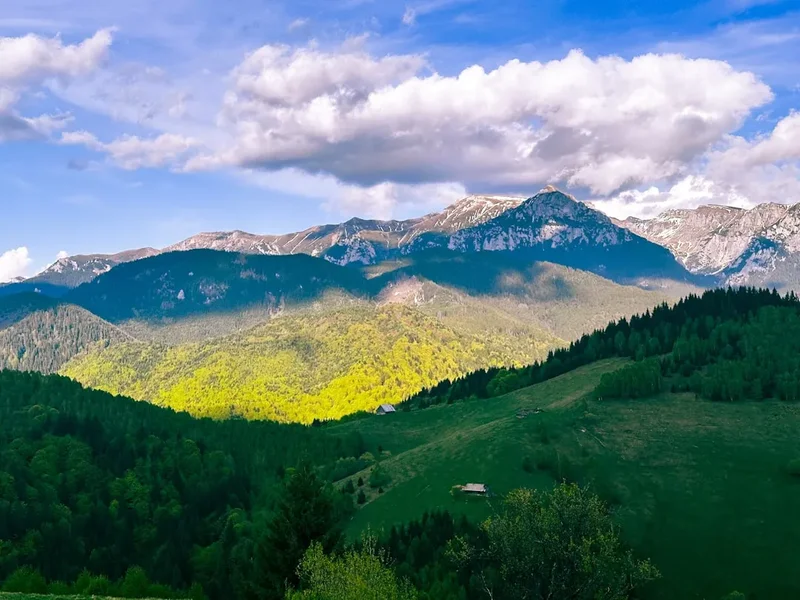
For the standard day hike to Pietrosul Rodnei Peak, typically no specific permits are required for individuals or small groups. The area is part of the Rodna Mountains National Park, and while entry is generally free, it is always advisable to check for any local regulations or potential fees that may have been introduced. Information can usually be obtained from the park administration office in Borșa or through official Romanian national park websites.
Important Considerations:
- Park Regulations: Familiarise yourself with the rules and regulations of the Rodna Mountains National Park. These often include guidelines on waste disposal, camping (if applicable, though not for this day hike), fire safety, and respecting wildlife.
- Trail Marking: While trails are generally marked, it's wise to have your own navigation tools. The quality and visibility of markings can vary.
- Local Authorities: If you are part of a larger organised group or planning any commercial activities, you may need to contact the park authorities in advance to obtain necessary permissions or permits.
- Emergency Contacts: Know the emergency numbers for Romania (112) and have contact details for local mountain rescue services if available.
It is always best practice to confirm current requirements closer to your travel date, as regulations can change. However, for a typical day hike, the primary requirement is preparedness and adherence to park guidelines.
Other Activities in the Area
Beyond the challenging ascent of Pietrosul Rodnei, the Rodna Mountains and the surrounding region offer a variety of other activities for visitors:
- Exploring Borșa: The town of Borșa itself is worth exploring. It's known for its traditional wooden churches, local crafts, and the opportunity to experience authentic Romanian mountain culture.
- Hiking in the Rodna Mountains: The national park boasts numerous other hiking trails catering to various difficulty levels. Shorter walks to waterfalls, glacial lakes (like Iezerul Pietrosului), or other scenic viewpoints are readily available.
- Visiting the Rodna Mountains National Park Visitor Centre: This centre can provide valuable information about the park's flora, fauna, geology, and hiking routes.
- Traditional Villages: Explore nearby villages to experience rural Romanian life, sample local cuisine, and admire traditional architecture.
- Winter Sports: During winter, the region around Borșa offers opportunities for skiing and snowboarding, with local resorts catering to winter sports enthusiasts.
- Photography: The dramatic landscapes, diverse flora and fauna, and traditional village life provide ample opportunities for photographers.
- Cultural Tourism: Learn about the history of mining in the Rodna Mountains, visit local museums, or attend regional festivals if your visit coincides with one.
Safety and Conditions
Pre-Departure Checks:
- Weather Forecast: Always check the most up-to-date mountain weather forecast for the Rodna Mountains before and during your hike. Websites like Meteo Romania or specific mountain weather services are invaluable. Be prepared for rapid changes, especially in the afternoon.
- Trail Conditions: While generally well-marked, trail conditions can vary. Check with local park authorities or accommodation providers in Borșa for any recent updates on trail status, particularly after heavy rain or snow.
- Emergency Contacts: Save the national emergency number (112) and any local mountain rescue contact numbers on your phone. Inform a trusted person of your hiking plans, including your intended route and expected return time.
Mountain Hazards:
- Altitude: While not extremely high, the 2,303 m summit can affect some individuals. Ascend gradually and stay hydrated.
- Weather: The most significant hazard. Thunderstorms can develop quickly, bringing lightning, heavy rain, strong winds, and a rapid drop in temperature. Hypothermia is a risk even in summer.
- Terrain: The trail involves steep ascents, rocky sections, and scree slopes. Loose rocks and uneven footing can lead to slips and falls.
- Navigation: While marked, trails can become indistinct in fog or poor visibility. Always carry and know how to use navigation tools.
- Wildlife: While encounters with dangerous wildlife are rare, be aware of your surroundings. Bears and wolves inhabit the wider Carpathian region, though they typically avoid human contact.
Recommendations:
- Start Early: Begin your hike as early as possible to maximise daylight hours and avoid afternoon thunderstorms.
- Stay on Marked Trails: Venturing off-trail increases the risk of getting lost and can damage fragile alpine vegetation.
- Carry Sufficient Supplies: Never underestimate the need for water and high-energy food.
- Be Prepared to Turn Back: If weather conditions deteriorate significantly or you are experiencing difficulties, do not hesitate to turn back. The mountain will still be there on another day.
- Travel Insurance: Ensure you have adequate travel insurance that covers hiking and potential emergency evacuation.
Side Trips and Points of Interest
Iezerul Pietrosului: Located near the summit, this is a beautiful glacial lake that offers a stunning contrast to the rocky terrain. It's a popular spot for a brief rest and photography, providing a serene alpine environment. The lake's clear waters often reflect the surrounding peaks.
Rodna Mountains National Park Visitor Centre: Although not directly on the trail, a visit to the park's visitor centre in Borșa or a nearby town can enrich your understanding of the area's natural and cultural heritage. Exhibits often detail the unique flora and fauna, geological formations, and traditional lifestyles of the region.
Traditional Wooden Churches: The Maramureș region, of which Borșa is a part, is famous for its exquisite wooden churches. While not a direct part of the hike, visiting these UNESCO World Heritage sites in nearby villages offers a significant cultural detour and insight into local craftsmanship and history.
Panoramic Viewpoints: Throughout the ascent, numerous natural viewpoints offer spectacular vistas. These are excellent places to pause, take photos, and appreciate the scale of the Rodna Mountains. The higher you climb, the more expansive the panoramas become.
Wildflower Meadows: During the summer months, the subalpine meadows are carpeted with a vibrant array of wildflowers. These areas are particularly beautiful and offer excellent opportunities for nature photography and a more gentle walking experience before the final, steeper climb.
Leave No Trace
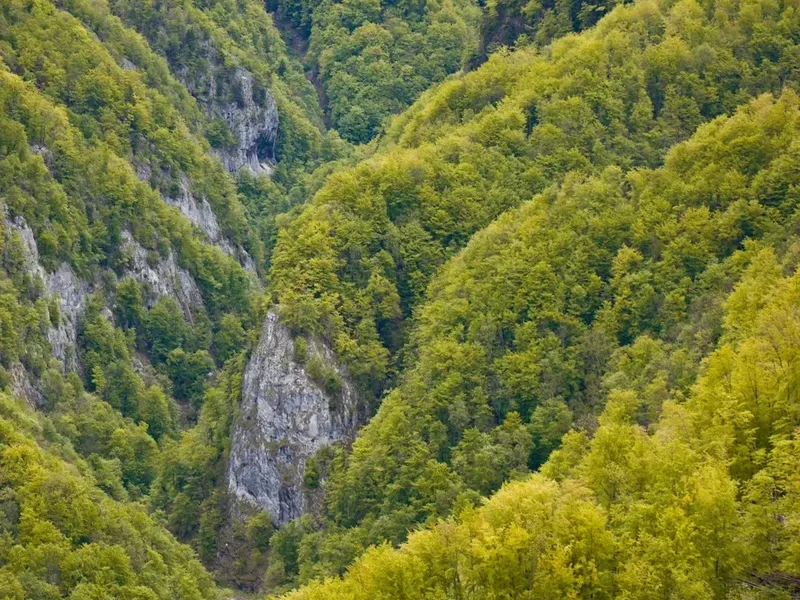
The Rodna Mountains National Park is a precious natural environment, and it is crucial for all visitors to practice Leave No Trace principles to preserve its beauty and ecological integrity for future generations. As you hike to Pietrosul Rodnei Peak, remember that you are a guest in this wilderness.
Your responsibility as a hiker:
- Pack It In, Pack It Out: Carry out all your litter, including food scraps, wrappers, and any other waste. Do not bury or burn trash.
- Stay on the Trail: Stick to marked paths to avoid damaging fragile vegetation, preventing erosion, and protecting wildlife habitats. The alpine environment is particularly sensitive.
- Respect Wildlife: Observe animals from a distance and never feed them. Feeding wildlife can alter their natural behaviour, make them dependent on human food, and pose risks to both animals and people.
- Dispose of Waste Properly: Use designated toilets where available. If not, dig a cathole at least 60 metres away from water sources, trails, and campsites, and bury human waste. Pack out all toilet paper.
- Leave What You Find: Do not take rocks, plants, or any other natural objects. Leave them for others to enjoy and for the ecosystem to thrive.
- Minimise Campfire Impacts: Campfires are generally not permitted on this day hike. If camping were an option, use established fire rings and keep fires small.
- Be Considerate of Other Visitors: Keep noise levels down, yield to other hikers, and maintain a respectful attitude towards the natural environment and fellow visitors.
By adhering to these principles, you help ensure that the Rodna Mountains remain a wild and beautiful place for everyone.