
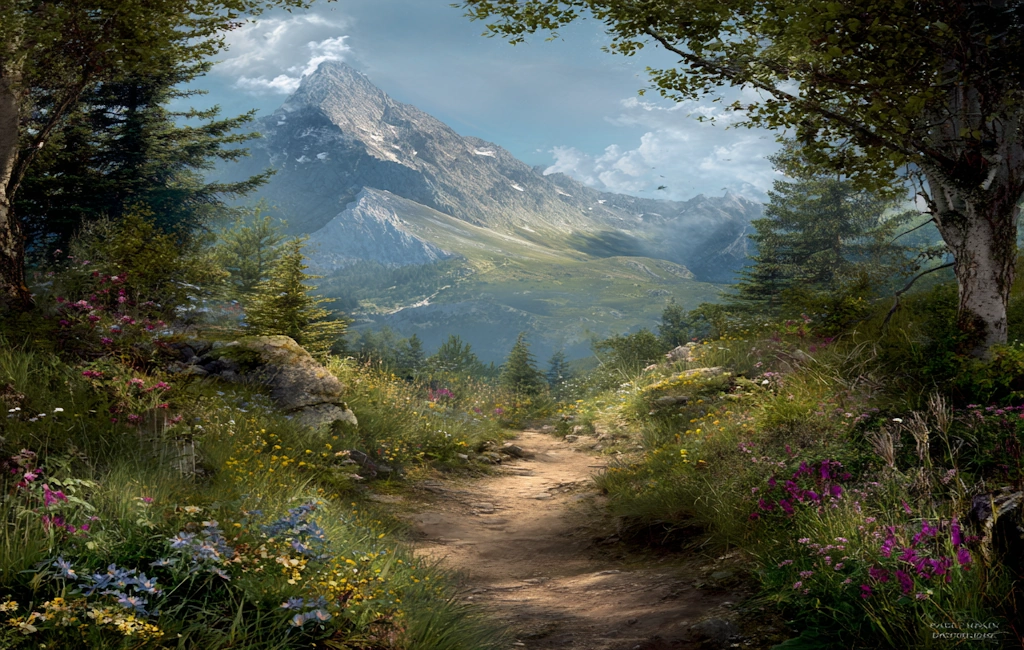
Piedra del Fraile Trail
The Piedra del Fraile Trail, nestled in the heart of Argentinian Patagonia near the iconic trekking hub of El Chaltén, offers a spectacular day hike that immerses you in the dramatic landscapes of Los Glaciares National Park. This trail is a journey through windswept Patagonian steppe, alongside the vibrant turquoise waters of the Fitz Roy river, and culminates at the base of the imposing Piedra del Fraile (Friar's Stone), a monolithic granite spire that stands sentinel against the sky. While not as globally renowned as some of its neighbours, Piedra del Fraile provides an accessible yet profoundly rewarding experience, showcasing the raw beauty and rugged grandeur that defines this region. It’s a perfect option for those seeking a less crowded, yet equally breathtaking, encounter with the Patagonian wilderness, offering stunning vistas without the commitment of multi-day treks.
- Distance: 10.0 km one-way
- Elevation gain: 400 m
- Duration: 4–5 hours return
- Difficulty: Moderate
- Season: October to April (shoulder seasons ideal for fewer crowds and pleasant weather)
- Closest City: El Chaltén
- Trailhead Access: Hosteria El Pilar (approx. 17 km north of El Chaltén)
- Permit: Not required
Overview
The Piedra del Fraile Trail is a testament to the understated beauty of the Patagonian landscape. Unlike the more famous trails leading to Laguna de los Tres or Laguna Torre, which are often thronged with hikers, Piedra del Fraile offers a more tranquil experience, allowing for deeper immersion in the natural environment. The trail begins from the vicinity of Hosteria El Pilar, a common starting point for those seeking alternative routes into the Fitz Roy massif. From here, the path winds through rolling hills and open steppe, offering expansive views of the surrounding mountain ranges and the vast, often windswept, plains.
As you progress, the trail gradually ascends, revealing the striking turquoise hues of the Río Fitz Roy. This glacial river, fed by the melting ice of the surrounding peaks, is a visual spectacle in itself, its vibrant colour a stark contrast to the earthy tones of the landscape. The sound of the rushing water becomes a constant companion, a reminder of the powerful natural forces at play in this region.
The final section of the hike leads you towards the base of Piedra del Fraile. This impressive granite monolith, shaped by millennia of glacial and wind erosion, commands attention. Its sheer faces and imposing presence serve as a dramatic focal point, offering a sense of accomplishment and awe. The surrounding area provides excellent vantage points for photography and quiet contemplation of the Patagonian wilderness. The trail is well-defined for most of its length, making it a manageable challenge for most hikers with a moderate level of fitness.
History and Cultural Context
The region surrounding El Chaltén, including the area of Piedra del Fraile, has a rich history deeply intertwined with indigenous peoples and early European explorers. For centuries, the Tehuelche people, nomadic hunter-gatherers, traversed these lands, their lives dictated by the seasons and the availability of game. Their connection to this rugged terrain is a testament to their resilience and deep understanding of the Patagonian environment.
The modern era of exploration in this area began in the late 19th and early 20th centuries, with figures like Francisco Pascasio Moreno, an Argentinian explorer and scientist, playing a pivotal role in mapping and claiming territories. The establishment of El Chaltén as a national park and later as a town was driven by the desire to preserve this unique natural heritage and to promote tourism. The name "El Chaltén" itself is derived from the Tehuelche word for "smoking mountain," referring to the often cloud-shrouded Mount Fitz Roy, a constant and majestic presence in the region.
The Piedra del Fraile trail, while not associated with a specific historical event or famous explorer in the same way as some other Patagonian landmarks, is part of this broader narrative of human interaction with the land. It represents a path forged by those who sought to understand and appreciate the wild beauty of Patagonia. The granite monolith itself, Piedra del Fraile, likely gained its name from early settlers or explorers who saw a resemblance to a friar's habit or cowl in its distinctive shape, a common practice in naming geographical features.
Seasonal Highlights and Weather Reality
The Patagonian climate is notoriously unpredictable, and the Piedra del Fraile Trail is no exception. The best time to undertake this hike is during the austral spring, summer, and early autumn, roughly from October to April. During these months, the weather is generally more stable, and the days are longer, providing ample daylight for hiking.
Spring (October–November): This is a time of renewal. The landscape begins to awaken from winter, with wildflowers starting to bloom in the steppe. The weather can still be quite variable, with a higher chance of rain and wind, but the fewer crowds make it an attractive option for those seeking solitude. Temperatures are cool, typically ranging from 5°C to 15°C.
Summer (December–February): This is the peak tourist season. The days are longest, and temperatures are at their warmest, usually between 10°C and 20°C. However, summer also brings the strongest winds, which are a defining characteristic of Patagonia. While the weather is generally more settled, sudden storms can still occur. This is also the busiest time on the trails.
Autumn (March–April): The autumn colours in Patagonia are spectacular, with the lenga trees turning vibrant shades of red, orange, and yellow. The crowds begin to thin, and the air becomes crisp and clear. Temperatures start to drop, with averages between 5°C and 15°C. The possibility of early snow increases towards the end of April.
Winter (May–September): This period is generally not recommended for hiking the Piedra del Fraile Trail. Snowfall can make the trail impassable, and temperatures are very low. Access to the trailhead may also be affected by snow. The landscape is starkly beautiful but requires advanced winter mountaineering skills and equipment.
Weather Considerations: Regardless of the season, always be prepared for four seasons in one day. Strong winds, rain, and even snow can occur at any time. Layering clothing is essential, and waterproof and windproof outer layers are non-negotiable.
Recommended Itinerary
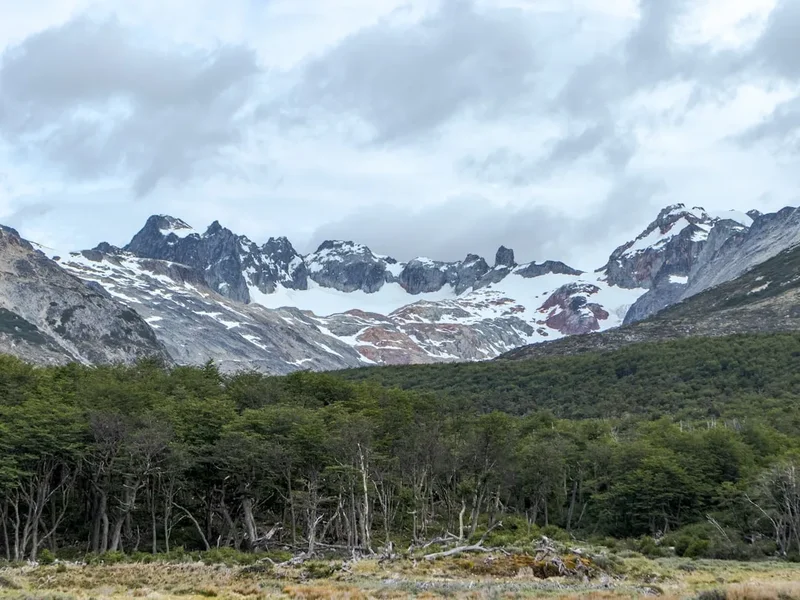
Piedra del Fraile Trail - Day Hike Itinerary
Early Morning (Approx. 8:00 AM): Departure from El Chaltén
- Travel from El Chaltén to the Hosteria El Pilar trailhead. This can be done by taxi or by arranging a shuttle service. The drive takes approximately 30–40 minutes along a gravel road.
- Ensure you have all necessary gear, food, and water for the day.
Morning (Approx. 9:00 AM): Trailhead and Initial Ascent
- Begin the hike from the vicinity of Hosteria El Pilar.
- The trail initially follows a relatively gentle path through open steppe and low scrub.
- Enjoy expansive views of the surrounding mountains, including glimpses of Mount Fitz Roy in the distance.
- Distance covered: Approx. 2.0 km
- Elevation gain: Approx. 100 m
Late Morning (Approx. 10:30 AM): River Valley and Gradual Climb
- The trail begins to descend slightly towards the Río Fitz Roy.
- Cross the river via a bridge, offering your first close-up views of its striking turquoise waters.
- The path then starts a more sustained, moderate climb alongside the river valley.
- Keep an eye out for local flora and fauna, including various bird species.
- Distance covered: Approx. 3.0 km
- Elevation gain: Approx. 150 m
Midday (Approx. 12:00 PM): Approaching Piedra del Fraile
- The terrain becomes rockier and steeper as you approach the base of Piedra del Fraile.
- The granite monolith becomes increasingly prominent, dominating the skyline.
- Find a suitable spot for a picnic lunch with panoramic views of the surrounding peaks and valleys.
- Distance covered: Approx. 2.0 km
- Elevation gain: Approx. 100 m
Afternoon (Approx. 1:00 PM): Exploration and Return Journey
- Spend time exploring the area around Piedra del Fraile, taking photographs and soaking in the atmosphere.
- Begin the descent back towards Hosteria El Pilar. The descent is generally quicker but requires careful footing on rocky sections.
- Distance covered: Approx. 3.0 km
- Elevation loss: Approx. 350 m
Late Afternoon (Approx. 3:00 PM - 4:00 PM): Arrival at Trailhead and Return to El Chaltén
- Arrive back at the Hosteria El Pilar trailhead.
- Arrange for your return transport to El Chaltén.
- Enjoy a well-deserved rest and perhaps a celebratory meal in town.
Important Notes:
- This is a day hike; no overnight accommodation is required.
- The trail is generally well-marked but can be exposed to wind.
- Carry sufficient water or a water filter, as water sources are available but should be treated.
- Be prepared for rapidly changing weather conditions.
Planning and Bookings
Book Your Trip
Everything you need to plan your journey
Accommodation
Find places to stay near El Chalten
Flights
Search flights to El Chalten
Essential Preparation
The Piedra del Fraile Trail is a day hike, simplifying some aspects of planning compared to multi-day treks. However, preparation is still key to a safe and enjoyable experience. El Chaltén is the primary base town, offering a range of accommodation from hostels and budget guesthouses to more comfortable hotels. It's advisable to book accommodation in El Chaltén in advance, especially during the peak season (December to February).
Logistics for reaching the trailhead at Hosteria El Pilar are straightforward. Taxis are readily available in El Chaltén, or you can arrange a shuttle service. The road to Hosteria El Pilar is unpaved and can be rough, so ensure your transport is suitable. If driving yourself, a standard vehicle is usually sufficient, but be aware of the road conditions.
Fitness requirements for this moderate trail are reasonable. Hikers should be comfortable walking for 4–5 hours with some sustained uphill and downhill sections. Good cardiovascular health and strong leg muscles are beneficial. The main challenge is often the Patagonian wind, which can make ascents more strenuous.
Trail Accommodation
This is a day hike requiring no overnight accommodation.
Required Gear
- Hiking Boots: Sturdy, waterproof hiking boots with good ankle support are essential. Ensure they are well broken-in to prevent blisters.
- Waterproof Jacket: A high-quality waterproof and windproof jacket is crucial. Patagonian weather can change rapidly, and rain is common.
- Waterproof Overtrousers: Essential for staying dry during rain showers and protecting against wind.
- Warm Layers: Bring a fleece or down jacket for insulation. Even in summer, temperatures can drop significantly, especially at higher elevations or when the wind picks up.
- Hat and Gloves: A warm hat and gloves are recommended, even in summer, due to the strong winds and potential for cold snaps.
- Backpack: A comfortable daypack (20–30 litres) to carry essentials like water, food, extra layers, and a first-aid kit.
- Navigation: While the trail is generally well-marked, a map of the area and a compass or GPS device are advisable, especially if visibility is poor. A downloaded offline map on your phone is also useful.
- Sun Protection: Sunglasses, sunscreen (SPF 30+), and a hat are important, as the sun can be intense, especially at higher altitudes.
- First-Aid Kit: A basic kit including plasters, antiseptic wipes, pain relievers, and any personal medications.
What to Bring
- Food: Pack plenty of high-energy snacks and a substantial lunch. There are no facilities for purchasing food along the trail. Consider items like sandwiches, trail mix, energy bars, fruit, and nuts.
- Water: Carry at least 1.5–2 litres of water per person. There are opportunities to refill water from streams along the trail, but it is strongly recommended to use a water filter or purification tablets.
- Toiletries: Biodegradable soap, toothbrush, toothpaste, and hand sanitiser. Pack out all rubbish, including used toilet paper.
- Camera: To capture the stunning Patagonian scenery.
- Trekking Poles: Optional, but can be very helpful for stability on ascents and descents, especially on rocky terrain.
- Insect Repellent: While not as prevalent as in some other regions, biting insects can be present, particularly during warmer months.
Permits
No specific permits are required to hike the Piedra del Fraile Trail. As it is located within Los Glaciares National Park, standard park entry regulations apply, but for day hikes of this nature, no advance booking or special permit is necessary. Access to the trailhead at Hosteria El Pilar is generally open, though it's always wise to check local conditions or inform your accommodation provider of your plans.
While no permits are needed, it is always good practice to register your hike with the local park rangers or your accommodation in El Chaltén, especially if you are hiking alone. This is a safety measure in case of an emergency.
Park Entry: Entry into Los Glaciares National Park is typically free for day hikers. However, if you plan to visit other areas of the park that may have specific visitor centres or require different access arrangements, it's worth checking the official national park website for any updates or specific regulations.
Trail Etiquette: Even without permits, hikers are expected to adhere to Leave No Trace principles and respect the natural environment. This includes staying on marked trails, packing out all rubbish, and minimising your impact on the fragile Patagonian ecosystem.
Other Activities in the Area
El Chaltén is renowned as Argentina's trekking capital, offering a plethora of activities for hikers and nature enthusiasts:
- Laguna de los Tres Hike: The iconic trek to the base of Mount Fitz Roy, offering unparalleled views of the granite spires. This is a challenging full-day hike.
- Laguna Torre Hike: A classic trail leading to a glacial lake at the foot of Cerro Torre, another legendary Patagonian peak. This hike is moderately challenging and offers stunning glacial scenery.
- Mirador de los Cóndores and Mirador de las Águilas: Shorter, easier hikes near El Chaltén town offering panoramic views of the valley, the town, and the surrounding mountains. These are excellent for sunrise or sunset.
- Cerro Solo: A more demanding trek that offers a different perspective on the Fitz Roy massif and leads towards the Viedma Glacier.
- Ice Trekking on Viedma Glacier: For the adventurous, guided ice trekking tours on the Viedma Glacier provide an unforgettable experience of walking on ancient ice.
- Horseback Riding: Explore the Patagonian steppe on horseback, offering a unique way to experience the vast landscapes surrounding El Chaltén.
- Kayaking on Lago Viedma: Guided kayaking tours on Lago Viedma offer close-up views of icebergs and the impressive Viedma Glacier.
- Exploring El Chaltén Town: Enjoy the laid-back atmosphere of El Chaltén, with its artisan shops, craft breweries, and excellent restaurants serving local Patagonian cuisine.
Safety and Conditions
Weather: The most significant safety consideration in Patagonia is the unpredictable weather. Always check the forecast before you set out and be prepared for rapid changes. Strong winds can make hiking difficult and dangerous, and sudden storms can bring rain, hail, or even snow. Hypothermia is a risk even in summer if you get wet and cold.
Wind: Patagonian winds are legendary and can be extremely powerful. They can affect your balance, especially on exposed sections of the trail. Always be aware of the wind direction and strength, and use trekking poles for added stability if needed.
Trail Conditions: The Piedra del Fraile Trail is generally well-maintained, but sections can be rocky and uneven. Wear appropriate footwear to prevent ankle injuries. During and after rain, some sections may become muddy or slippery.
Water: While there are streams along the trail, it is essential to treat all water before drinking. Carry a water filter or purification tablets. Dehydration can be a risk, especially on warmer days or during strenuous climbs.
Navigation: The trail is usually well-marked, but in poor visibility (fog or heavy rain), it can be easy to lose your way. Carry a map and compass, and know how to use them, or use a GPS device or offline map app on your phone.
Wildlife: While encounters are rare, be aware of the local wildlife. Guanacos are common in the steppe, and condors may be seen soaring overhead. Do not approach or feed any wildlife.
Communication: Mobile phone reception can be unreliable in remote areas. Inform someone in El Chaltén of your hiking plans, including your intended route and expected return time. Consider carrying a personal locator beacon (PLB) for emergencies.
Emergency Services: In case of an emergency, contact the park rangers or local emergency services in El Chaltén. It is advisable to have their contact numbers saved on your phone.
Side Trips and Points of Interest
Piedra del Fraile (Friar's Stone): The primary destination of this hike, this impressive granite monolith is a striking geological formation. Its sheer, weathered face stands as a testament to the erosive forces of wind and ice that have shaped the Patagonian landscape over millennia. The area at its base offers a natural amphitheatre for appreciating the scale and grandeur of the surrounding mountains.
Río Fitz Roy: The vibrant turquoise colour of the Río Fitz Roy is a highlight of this trail. Fed by glacial meltwater, the river's intense colour is due to the fine glacial silt suspended in the water. The trail follows its course for a significant portion, offering numerous viewpoints to admire its beauty and the power of its flow.
Patagonian Steppe: The initial and final sections of the hike traverse the characteristic Patagonian steppe. This windswept landscape, dotted with low-lying shrubs and hardy grasses, offers a different kind of beauty compared to the dramatic mountain peaks. It's a chance to observe the resilience of life in this harsh environment and to appreciate the vast, open horizons.
Views of Mount Fitz Roy and Cerro Torre: While not as direct or panoramic as from other famous viewpoints, the Piedra del Fraile trail offers glimpses and perspectives of the iconic Mount Fitz Roy and potentially Cerro Torre on clear days. These fleeting views serve as a reminder of the legendary peaks that dominate the El Chaltén skyline.
Hosteria El Pilar: The trailhead itself is located near Hosteria El Pilar, a charming mountain lodge. While not a natural point of interest, it serves as a useful landmark and a place to begin or end your journey, offering a sense of civilisation before or after your wilderness experience.
Leave No Trace
The Piedra del Fraile Trail, like all trails in Los Glaciares National Park, traverses a fragile ecosystem. Adhering to Leave No Trace principles is paramount to preserving its natural beauty for future visitors.
Plan Ahead and Prepare: Research the trail, understand its conditions, and be prepared for the weather. Pack appropriate gear and sufficient food and water.
Travel and Camp on Durable Surfaces: Stick to the marked trail. Avoid cutting switchbacks or walking on vegetation, which can take years to recover. The trail itself is the designated durable surface.
Dispose of Waste Properly: Pack out everything you pack in. This includes all food scraps, wrappers, and any other litter. Use designated toilets where available, or if not, dig a cathole at least 60 metres away from water sources, trails, and campsites. Pack out used toilet paper.
Leave What You Find: Do not remove any natural objects, such as rocks, plants, or flowers. Take only photographs and memories.
Minimise Campfire Impacts: Campfires are generally not permitted on day hikes and are highly discouraged in this region due to the risk of wildfires and the slow regeneration of vegetation. Use a portable stove for cooking if necessary.
Respect Wildlife: Observe wildlife from a distance. Never feed animals, as it can disrupt their natural behaviours and diets, and can be harmful to their health. Store food securely to prevent attracting animals.
Be Considerate of Other Visitors: Yield to other hikers, especially on narrow sections. Keep noise levels down to allow everyone to enjoy the natural sounds of the environment. If hiking with a group, be mindful of your impact on the overall experience for others.
Useful Links
- Argentina Travel - El Chaltén
- Los Glaciares National Park Official Information (General)
- El Chaltén Official Tourism Website
- Patagonia Mountain Weather Forecast (example, check local sources)
- <a href="https://www.parkswatch.org/parkwatch/parks/10000001/countries/10000001/regions/10000001/parks/10000001/parks/10000001/parks/10000001/parks/10000001/parks/10000001/parks/10000001/parks/10000001/parks/10000001/parks/10000001/parks/10000001/parks/10000001/parks/10000001/parks/10000001/parks/10000001/parks/10000001/parks/10000001/parks/10000001/parks/10000001/parks/10000001/parks/10000001/parks/10000001/parks/10000001/parks/10000001/parks/10000001/parks/10000001/parks/10000001/parks/10000001/parks/10000001/parks/10000001/parks/10000001/parks/10000001/parks/10000001/parks/10000001/parks/10000001/parks/10000001/parks/10000001/parks/10000001/parks/10000001/parks/10000001/parks/10000001/parks/10000001/parks/10000001/parks/10000001/parks/10000001/parks/10000001/parks/10000001/parks/10000001/parks/10000001/parks/10000001/parks/10000001/parks/10000001/parks/10000001/parks/10000001/parks/10000001/parks/10000001/parks/10000001/parks/10000001/parks/10000001/parks/10000001/parks/10000001/parks/10000001/parks/10000001/parks/10000001/parks/10000001/parks/10000001/parks/10000001/parks/10000001/parks/10000001/parks/10000001/parks/10000001/parks/10000001/parks/10000001/parks/10000001/parks/10000001/parks/10000001/parks/10000001/parks/10000001/parks/10000001/parks/10000001/parks/10000001/parks/10000001/parks/10000001/parks/10000001/parks/10000001/parks/10000001/parks/10000001/parks/10000001/parks/10000001/parks/10000001/parks/10000001/parks/10000001/parks/10000001/parks/10000001/parks/10000001/parks/10000001/parks/10000001/parks/10000001/parks/10000001/parks/10000001/parks/10000001/parks/10000001/parks/10000001/parks/10000001/parks/10000001/parks/10000001/parks/10000001/parks/10000001/parks/10000001/parks/10000001/parks/10000001/parks/10000001/parks/10000001/parks/10000001/parks/10000001/parks/10000001/parks/10000001/parks/10000001/parks/10000001/parks/10000001/parks/10000001/parks/10000001/parks/10000001/parks/10000001/parks/10000001/parks/10000001/parks/10000001/parks/10000001/parks/10000001/parks/10000001/parks/10000001/parks/10000001/parks/10000001/parks/10000001/parks/10000001/parks/10000001/parks/10000001/parks/10000001/parks/10000001/parks/10000001/parks/10000001/parks/10000001/parks/10000001/parks/10000001/parks/10000001/parks/10000001/parks/10000001/parks/10000001/parks/10000001/parks/10000001/parks/10000001/parks/10000001/parks/10000001/parks/10000001/parks/10000001/parks/10000001/parks/10000001/parks/10000001/parks/10000001/parks/10000001/parks/10000001/parks/10000001/parks/10000001/parks/10000001/parks/10000001/parks/10000001/parks/10000001/parks/10000001/parks/10000001/parks/10000001/parks/10000001/parks/10000001/parks/10000001/parks/10000001/parks/10000001/parks/10000001/parks/10000001/parks/10000001/parks/10000001/parks/10000001/parks/10000001/parks/10000001/parks/10000001/parks/10000001/parks/10000001/parks/10000001/parks/10000001/parks/10000001/parks/10000001/parks/10000001/parks/10000001/parks/10000001/parks/10000001/parks/10000001/parks/10000001/parks/10000001/parks/10000001/parks/10000001/parks/10000001/parks/10000001/parks/10000001/parks/10000001/parks/10000001/parks/10000001/parks/10000001/parks/10000001/parks/10000001/parks/10000001/parks/10000001/parks/10000001/parks/10000001/parks/10000001/parks/10000001/parks/10000001/parks/10000001/parks/10000001/parks/10000001/parks/10000001/parks/10000001/parks/10000001/parks/10000001/parks/10000001/parks/10000001/parks/10000001/parks/10000001/parks/10000001/parks/10000001/parks/10000001/parks/10000001/parks/10000001/parks/10000001/parks/10000001/parks/10000001/parks/10000001/parks/10000001/parks/10000001/parks/10000001/parks/10000001/parks/10000001/parks/10000001/parks/10000001/parks/10000001/parks/10000001/parks/10000001/parks/10000001/parks/10000001/parks/10000001/parks/10000001/parks/10000001/parks/10000001/parks/10000001/parks/10000001/parks/10000001/parks/10000001/parks/10000001/parks/10000001/parks/10000001/parks/10000001/parks/10000001/parks/10000001/parks/10000001/parks/10000001/parks/10000001/parks/10000001/parks/10000001/parks/10000001/parks/10000001/parks/10000001/parks/10000001/parks/10000001/parks/10000001/parks/10000001/parks/10000001/parks/10000001/parks/10000001/parks/10000001/parks/10000001/parks/10000001/parks/10000001/parks/10000001/parks/10000001/parks/10000001/parks/10000001/parks/10000001/parks/10000001/parks/10000001/parks/10000001/parks/10000001/parks/10000001/parks/10000001/parks/10000001/parks/10000001/parks/10000001/parks/10000001/parks/10000001/parks/10000001/parks/10000001/parks/10000001/parks/10000001/parks/10000001/parks/10000001/parks/10000001/parks/10000001/parks/10000001/parks/10000001/parks/10000001/parks/10000001/parks/10000001/parks/10000001/parks/10000001/parks/10000001/parks/10000001/parks/10000001/parks/10000001/parks/10000001/parks/10000001/parks/10000001/parks/10000001/parks/10000001/parks/10000001/parks/10000001/parks/10000001/parks/10000001/parks/10000001/parks/10000001/parks/10000001/parks/10000001/parks/10000001/parks/10000001/parks/10000001/parks/10000001/parks/10000001/parks/10000001/parks/10000001/parks/10000001/parks/10000001/parks/10000001/parks/10000001/parks/10000001/parks/10000001/parks/10000001/parks/10000001/parks/10000001/parks/10000001/parks/10000001/parks/10000001/parks/10000001/parks/10000001/parks/10000001/parks/10000001/parks/10000001/parks/10000001/parks/10000001/parks/10000001/parks/10000001/parks/10000001/parks/10000001/parks/10000001/parks/10000001/parks/10000001/parks/10000001/parks/10000001/parks/10000001/parks/10000001/parks/10000001/parks/10000001/parks/10000001/parks/10000001/parks/10000001/parks/10000001/parks/10000001/parks/10000001/parks/10000001/parks/10000001/parks/10000001/parks/10000001/parks/10000001/parks/10000001/parks/10000001/parks/10000001/parks/10000001/parks/10000001/parks/10000001/parks/10000001/parks/10000001/parks/10000001/parks/10000001/parks/10000001/parks/10000001/parks/10000001/parks/10000001/parks/10000001/parks/10000001/parks/10000001/parks/10000001/parks/10000001/parks/10000001/parks/10000001/parks/10000001/parks/10000001/parks/10000001/parks/10000001/parks/10000001/parks/10000001/parks/10000001/parks/10000001/parks/10000001/parks/10000001/parks/10000001/parks/10000001/parks/10000001/parks/10000001/parks/10000001/parks/10000001/parks/10000001/parks/10000001/parks/10000001/parks/10000001/parks/10000001/parks/10000001/parks/10000001/parks/10000001/parks/10000001/parks/10000001/parks/10000001/parks/10000001/parks/10000001/parks/10000001/parks/10000001/parks/10000001/parks/10000001/parks/10000001/parks/10000001/parks/10000001/parks/10000001/parks/10000001/parks/10000001/parks/10000001/parks/10000001/parks/10000001/parks/10000001/parks/10000001/parks/10000001/parks/10000001/parks/10000001/parks/10000001/parks/10000001/parks/10000001/parks/10000001/parks/10000001/parks/10000001/parks/10000001/parks/10000001/parks/10000001/parks/10000001/parks/10000001/parks/10000001/parks/10000001/parks/10000001/parks/10000001/parks/10000001/parks/10000001/parks/10000001/parks/10000001/parks/10000001/parks/10000001/parks/10000001/parks/10000001/parks/10000001/parks/10000001/parks/10000001/parks/10000001/parks/10000001/parks/10000001/parks/10000001/parks/10000001/parks/10000001/parks/10000001/parks/10000001/parks/10000001/parks/10000001/parks/10000001/parks/10000001/parks/10000001/parks/10000001/parks/10000001/parks/10000001/parks/10000001/parks/10000001/parks/10000001/parks/10000001/parks/10000001/parks/10000001/parks/10000001/parks/10000001/parks/10000001/parks/10000001/parks/10000001/parks/10000001/parks/10000001/parks/10000001/parks/10000001/parks/10000001/parks/10000001/parks/10000001/parks/10000001/parks/10000001/parks/10000001/parks/10000001/parks/10000001/parks/10000001/parks/10000001/parks/10000001/parks/10000001/parks/10000001/parks/10000001/parks/10000001/parks/10000001/parks/10000001/parks/10000001/parks/10000001/parks/10000001/parks/10000001/parks/10000001/parks/10000001/parks/10000001/parks/10000001/parks/10000001/parks/10000001/parks/10000001/parks/10000001/parks/10000001/parks/10000001/parks/10000001/parks/10000001/parks/10000001/parks/10000001/parks/10000001/parks/10000001/parks/10000001/parks/10000001/parks/10000001/parks/10000001/parks/10000001/parks/10000001/parks/10000001/parks/10000001/parks/10000001/parks/10000001/parks/10000001/parks/10000001/parks/10000001/parks/10000001/parks/10000001/parks/10000001/parks/10000001/parks/10000001/parks/10000001/parks/10000001/parks/10000001/parks/10000001/parks/10000001/parks/10000001/parks/10000001/parks/10000001/parks/10000001/parks/10000001/parks/10000001/parks/10000001/parks/10000001/parks/10000001/parks/10000001/parks/10000001/parks/10000001/parks/10000001/parks/10000001/parks/10000001/parks/10000001/parks/10000001/parks/10000001/parks/10000001/parks/10000001/parks/10000001/parks/10000001/parks/10000001/parks/10000001/parks/10000001/parks/10000001/parks/10000001/parks/10000001/parks/10000001/parks/10000001/parks/10000001/parks/10000001/parks/10000001/parks/10000001/parks/10000001/parks/10000001/parks/10000001/parks/10000001/parks/10000001/parks/10000001/parks/10000001/parks/10000001/parks/10000001/parks/10000001/parks/10000001/parks/10000001/parks/10000001/parks/10000001/parks/10000001/parks/10000001/parks/10000001/parks/10000001/parks/10000001/parks/10000001/parks/10000001/parks/10000001/parks/10000001/parks/10000001/parks/10000001/parks/10000001/parks/10000001/parks/10000001/parks/10000001/parks/10000001/parks/10000001/parks/10000001/parks/10000001/parks/10000001/parks/10000001/parks/10000001/parks/10000001/parks/10000001/parks/10000001/parks/10000001/parks/10000001/parks/10000001/parks/10000001/parks/10000001/parks/10000001/parks/10000001/parks/10000001/parks/10000001/parks/10000001/parks/10000001/parks/10000001/parks/10000001/parks/10000001/parks/10000001/parks/10000001/parks/10000001/parks/10000001/parks/10000001/parks/10000001/parks/10000001/parks/10000001/parks/10000001/parks/10000001/parks/10000001/parks/10000001/parks/10000001/parks/10000001/parks/10000001/parks/10000001/parks/10000001/parks/10000001/parks/10000001/parks/10000001/parks/10000001/parks/10000001/parks/10000001/parks/10000001/parks/10000001/parks/10000001/parks/10000001/parks/10000001/parks/10000001/parks/10000001/parks/10000001/parks/10000001/parks/10000001/parks/10000001/parks/10000001/parks/10000001/parks/10000001/parks/10000001/parks/10000001/parks/10000001/parks/10000001/parks/10000001/parks/10000001/parks/10000001/parks/10000001/parks/10000001/parks/10000001/parks/10000001/parks/10000001/parks/10000001/parks/10000001/parks/10000001/parks/10000001/parks/10000001/parks/10000001/parks/10000001/parks/10000001/parks/10000001/parks/10000001/parks/10000001/parks/10000001/parks/10000001/parks/10000001/parks/10000001/parks/10000001/parks/10000001/parks/10000001/parks/10000001/parks/10000001/parks/10000001/parks/10000001/parks/10000001/parks/10000001/parks/10000001/parks/10000001/parks/10000001/parks/10000001/parks/10000001/parks/10000001/parks/10000001/parks/10000001/parks/10000001/parks/10000001/parks/10000001/parks/10000001/parks/10000001/parks/10000001/parks/10000001/parks/10000001/parks/10000001/parks/10000001/parks/10000001/parks/10000001/parks/10000001/parks/10000001/parks/10000001/parks/10000001/parks/10000001/parks/10000001/parks/10000001/parks/10000001/parks/10000001/parks/10000001/parks/10000001/parks/10000001/parks/10000001/parks/10000001/parks/10000001/parks/10000001/parks/10000001/parks/10000001/parks/10000001/parks/10000001/parks/10000001/parks/10000001/parks/10000001/parks/10000001/parks/10000001/parks/10000001/parks/10000001/parks/10000001/parks/10000001/parks/10000001/parks/10000001/parks/10000001/parks/10000001/parks/10000001/parks/10000001/parks/10000001/parks/10000001/parks/10000001/parks/10000001/parks/10000001/parks/10000001/parks/10000001/parks/10000001/parks/10000001/parks/10000001/parks/10000001/parks/10000001/parks/10000001/parks/10000001/parks/10000001/parks/10000001/parks/10000001/parks/10000001/parks/10000001/parks/10000001/parks/10000001/parks/10000001/parks/10000001/parks/10000001/parks/10000001/parks/10000001/parks/10000001/parks/10000001/parks/10000001/parks/10000001/parks/10000001/parks/10000001/parks/10000001/parks/10000001/parks/10000001/parks/10000001/parks/10000001/parks/10000001/parks/10000001/parks/10000001/parks/10000001/parks/10000001/parks/10000001/parks/10000001/parks/10000001/parks/10000001/parks/10000001/parks/10000001/parks/10000001/parks/10000001/parks/10000001/parks/10000001/parks/10000001/parks/10000001/parks/10000001/parks/10000001/parks/10000001/parks/10000001/parks/10000001/parks/10000001/parks/10000001/parks/10000001/parks/10000001/parks/10000001/parks/10000001/parks/10000001/parks/10000001/parks/10000001/parks/10000001/parks/10000001/parks/10000001/parks/10000001/parks/10000001/parks/10000001/parks/10000001/parks/10000001/parks/10000001/parks/10000001/parks/10000001/parks/10000001/parks/10000001/parks/10000001/parks/10000001/parks/10000001/parks/10000001/parks/10000001/parks/10000001/parks/10000001/parks/10000001/parks/10000001/parks/10000001/parks/10000001/parks/10000001/parks/10000001/parks/10000001/parks/10000001/parks/10000001/parks/10000001/parks/10000001/parks/10000001/parks/10000001/parks/10000001/parks/10000001/parks/10000001/parks/10000001/parks/10000001/parks/10000001/parks/10000001/parks/10000001/parks/10000001/parks/10000001/parks/10000001/parks/10000001/parks/10000001/parks/10000001/parks/10000001/parks/10000001/parks/10000001/parks/10000001/parks/10000001/parks/10000001/parks/10000001/parks/10000001/parks/10000001/parks/10000001/parks/10000001/parks/10000001/parks/10000001/parks/10000001/parks/10000001/parks/10000001/parks/10000001/parks/10000001/parks/10000001/parks/10000001/parks/10000001/parks/10000001/parks/10000001/parks/10000001/parks/10000001/parks/10000001/parks/10000001/parks/10000001/parks/10000001/parks/10000001/parks/10000001/parks/10000001/parks/10000001/parks/10000001/parks/10000001/parks/10000001/parks/10000001/parks/10000001/parks/10000001/parks/10000001/parks/10000001/parks/10000001/parks/10000001/parks/10000001/parks/10000001/parks/10000001/parks/10000001/parks/10000001/parks/10000001/parks/10000001/parks/10000001/parks/10000001/parks/10000001/parks/10000001/parks/10000001/parks/10000001/parks/10000001/parks/10000001/parks/10000001/parks/10000001/parks/10000001/parks/10000001/parks/10000001/parks/10000001/parks/10000001/parks/10000001/parks/10000001/parks/10000001/parks/10000001/parks/10000001/parks/10000001/parks/10000001/parks/10000001/parks/10000001/parks/10000001/parks/10000001/parks/10000001/parks/10000001/parks/10000001/parks/10000001/parks/10000001/parks/10000001/parks/10000001/parks/