
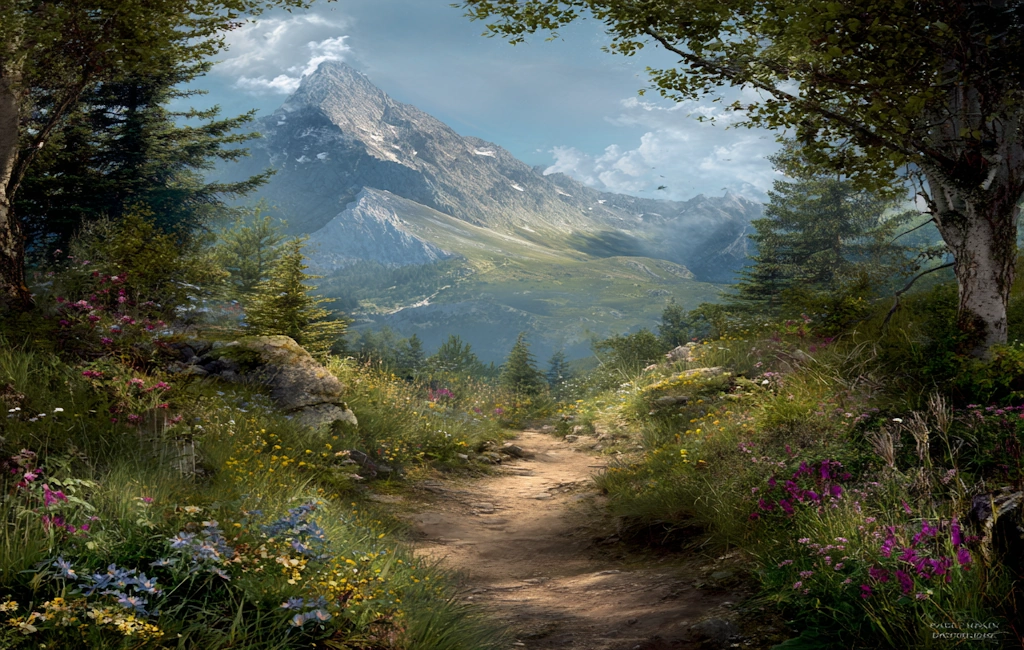
Trilha do Pico Paraná - The Roof of Paraná
The Trilha do Pico Paraná is a challenging mountain track located in the state of Paraná, Brazil, renowned for its demanding ascent to the highest peak in the region. This trail offers a true test of endurance and a rewarding experience for experienced hikers seeking spectacular panoramic views. The route winds through diverse Atlantic Forest ecosystems, gradually ascending through dense vegetation before breaking out into rocky, exposed terrain near the summit. It is a journey that requires careful planning, physical preparation, and a respect for the mountain's unpredictable weather conditions. The summit of Pico Paraná provides a breathtaking 360-degree vista, encompassing rolling hills, distant cities, and the vast expanse of the surrounding landscape, making the arduous climb a truly unforgettable achievement.
- Distance: 16.0 km (one-way)
- Duration: 2-3 days
- Difficulty: Very Challenging
- Elevation Gain: 1500 m
- Best Time: April to September (dry season)
- Closest City: Curitiba
- Trailhead Access: Requires private vehicle or organised transport; limited public transport options
- Summit Elevation: 1877 m
Overview
The Trilha do Pico Paraná is a significant undertaking, often considered one of Brazil's most demanding day hikes or a rewarding multi-day expedition. Its primary allure lies in the ascent to Pico Paraná, the highest point in the state, standing at 1,877 metres. The trail begins in the lush embrace of the Atlantic Forest (Mata Atlântica), a biome known for its incredible biodiversity but also for its challenging terrain. As hikers ascend, the dense forest canopy gradually gives way to more open, rocky landscapes, offering increasingly dramatic views. The trail is characterised by steep ascents, rocky sections, and the need for careful navigation, especially as weather can change rapidly.
The journey is typically broken down into stages, with overnight stays at designated camping areas or basic shelters, allowing hikers to acclimatise and manage the significant elevation gain. The final push to the summit is often the most challenging, involving scrambling over rocks and navigating exposed ridges. However, the reward is immense: a commanding view from the "Roof of Paraná," where on a clear day, one can see for hundreds of kilometres, including the distant coastline and the sprawling urban areas of Curitiba and its surroundings. The trail is a testament to the raw beauty and ruggedness of the Serra do Mar mountain range.
The experience is not just about reaching the summit; it's about immersing oneself in the changing ecosystems, the sounds of the forest, and the sheer physical effort required. The trail demands respect for nature, preparedness for varying weather conditions, and a good level of fitness. It is a journey that tests both body and spirit, leaving hikers with a profound sense of accomplishment and a deep appreciation for the natural grandeur of Paraná.
History and Cultural Context
The region surrounding Pico Paraná has a rich history tied to the indigenous peoples who inhabited the area for millennia, utilising the abundant natural resources of the Atlantic Forest. These early inhabitants likely navigated the mountain ranges for hunting, gathering, and as part of broader territorial movements. The dense forests and challenging topography would have made these journeys arduous but essential for survival and cultural practices.
With the arrival of European settlers, the area became part of the expansion of agriculture and resource extraction. The Serra do Mar, a major mountain range along Brazil's southeastern coast, presented both opportunities and obstacles. The development of roads and railways through the region, such as the historic Estrada de Ferro Paraná, began to open up access, though the higher peaks like Pico Paraná remained largely wild and inaccessible to the general public for many years.
The formalisation of Pico Paraná as a hiking destination gained momentum in the mid-20th century, as mountaineering and trekking became more popular. Local hiking clubs and enthusiasts began to explore and map the routes, establishing the trails that are used today. The creation of protected areas, including the Parque Estadual de Pico do Marumbi and surrounding conservation units, has been crucial in preserving the Atlantic Forest ecosystem and ensuring the long-term viability of the hiking trails. The name "Pico Paraná" itself signifies its importance as the highest point in the state, a geographical landmark that has long captured the imagination of explorers and adventurers.
Today, the Trilha do Pico Paraná is a popular destination for Brazilians and international visitors alike, drawn by the challenge and the unparalleled views. It represents a connection to the natural heritage of Paraná, a chance to experience the resilience of the Atlantic Forest, and a journey to the "roof" of this vibrant Brazilian state.
Seasonal Highlights and Weather Reality
The Trilha do Pico Paraná is best experienced during the dry season, which typically runs from April to September. This period offers the most favourable conditions for hiking, with lower rainfall and more stable weather patterns, increasing the chances of clear summit views.
Dry Season (April to September): This is the prime hiking period. Rainfall is significantly reduced, and the skies are often clearer, providing excellent visibility from the summit. Temperatures can be cooler, especially at higher elevations and during the night, so warm layers are essential. Mornings can be crisp, with potential for frost at higher altitudes. This season is ideal for those seeking the best photographic opportunities and a more comfortable hiking experience.
Wet Season (October to March): This period is characterised by higher humidity and frequent, often heavy, rainfall. While the Atlantic Forest is lush and vibrant during this time, the trails can become muddy, slippery, and more challenging to navigate. The increased rainfall also raises the risk of flash floods and landslides, making the ascent to the summit potentially dangerous. Summit views are frequently obscured by clouds and fog, diminishing the visual reward. Hiking during the wet season requires extra caution, robust waterproof gear, and a flexible itinerary.
Weather Variability: It is crucial to understand that mountain weather, even during the dry season, can change with extreme rapidity. Sudden storms, strong winds, and temperature drops can occur without much warning. Hikers must always be prepared for a range of conditions, regardless of the forecast. Checking the weather forecast immediately before and during the hike is a critical safety measure.
Recommended Itinerary
2-Day Pico Paraná Itinerary
Day 1: Trailhead to Camp Site (e.g., Refúgio 1 or designated camping area)
- Distance: Approximately 6-8 km
- Elevation Gain: Approximately 700-900 m
- Time: 4-6 hours
- Morning: Arrive at the Pico Paraná trailhead near Campina Grande do Sul. Complete registration if required. Begin ascent through dense Atlantic Forest.
- Midday: Continue climbing, navigating through varied terrain. Lunch break amidst the forest.
- Afternoon: Reach a designated camping area or basic shelter (e.g., Refúgio 1). Set up camp, prepare dinner, and rest.
- Evening: Enjoy the sounds of the forest and prepare for the summit push the following day.
Day 2: Camp Site to Summit and Return to Trailhead
- Early Morning: Wake up before dawn. Begin the final ascent towards the summit of Pico Paraná.
- Morning: Navigate rocky sections and exposed ridges. Reach the summit (1,877 m) for sunrise or early morning views. Spend time enjoying the panoramic vistas.
- Late Morning: Begin descent back towards the camp site.
- Midday: Pack up camp and continue the descent towards the trailhead.
- Afternoon: Arrive back at the trailhead.
3-Day Pico Paraná Itinerary (for a more relaxed pace or additional exploration)
Day 1: Trailhead to Camp Site (e.g., Refúgio 1)
- Distance: Approximately 6-8 km
- Elevation Gain: Approximately 700-900 m
- Time: 4-6 hours
- Similar to Day 1 of the 2-day itinerary, focusing on reaching the first camp site.
Day 2: Camp Site to Summit and Exploration
- Early Morning: Ascend to the summit of Pico Paraná.
- Morning: Enjoy the summit views and explore the immediate surroundings.
- Midday: Descend back to the camp site.
- Afternoon: Relax at the camp site, explore nearby trails or viewpoints, or enjoy a leisurely afternoon.
Day 3: Camp Site to Trailhead
- Morning: Pack up camp and begin the descent back to the trailhead.
- Afternoon: Arrive back at the trailhead.
Important Notes:
- Accommodation is basic; camping or simple shelters are the norm.
- Water sources can be found along the trail, but purification is essential.
- Registration at the trailhead is often required; check local regulations.
- The summit can be extremely windy and cold; be prepared for rapid weather changes.
- Carry sufficient food and supplies for the duration of your trip.
Planning and Bookings
Book Your Trip
Everything you need to plan your journey
Accommodation
Find places to stay near Curitiba
Flights
Search flights to Curitiba
Essential Preparation
The Trilha do Pico Paraná is a demanding trek that requires thorough preparation. Physical fitness is paramount; hikers should be comfortable with sustained uphill climbs and carrying a pack for multiple days. Training that includes hiking with a weighted backpack and cardiovascular exercises is highly recommended. Familiarise yourself with the route, potential hazards, and necessary gear. It is advisable to check recent trail conditions and weather forecasts immediately before your departure. Due to the remote nature of the trailhead and the need for specific transport, arranging logistics well in advance is crucial. Curitiba is the primary gateway city, offering a wide range of accommodation, gear shops, and transport services. From Curitiba, one can hire a car or arrange a private transfer to the trailhead in Campina Grande do Sul. Public transport options to the immediate vicinity of the trailhead are limited and may require multiple transfers, making a private vehicle or organised tour the most practical choice.
Trail Accommodation
Accommodation on the Trilha do Pico Paraná is primarily basic and requires self-sufficiency. There are no formal lodges or hotels along the route. Hikers typically rely on:
- Camping: Designated camping areas are available at various points along the trail, often near water sources. These are usually undeveloped sites where hikers can pitch their tents. Some areas may have rudimentary facilities like pit toilets.
- Basic Shelters/Refuges: Some points along the trail may offer very basic shelters or refuges (e.g., "Refúgio 1"). These are typically simple structures providing protection from the elements but offer no amenities beyond a roof and possibly a floor. They are often first-come, first-served and may have limited space.
Booking Requirements: While formal booking systems for camping or shelters are not always in place, it is advisable to check with local authorities or park management for any registration requirements, especially during peak seasons. It is wise to assume that these are undeveloped sites and to be prepared for primitive conditions.
Facilities Provided: Generally, no facilities are provided beyond the natural environment. Hikers must be entirely self-sufficient.
What's NOT Provided: No beds, mattresses, cooking facilities, electricity, running water (beyond natural sources), toilets (beyond basic pit toilets in some areas), or waste disposal services are provided. Hikers must carry out all their waste.
Seasonal Availability: Camping and shelter use are generally available year-round, but conditions are significantly better and safer during the dry season (April to September). During the wet season, trails can be hazardous, and camping may be uncomfortable or unsafe due to heavy rain and potential flooding.
Costs: There may be small entrance or registration fees at the trailhead or for designated camping areas, but these are typically minimal. The primary cost is associated with your own gear, food, and transport.
Required Gear
- Sturdy Hiking Boots: Waterproof, well-broken-in hiking boots with good ankle support are essential for navigating the varied and often uneven terrain.
- Waterproof Jacket and Trousers: High-quality waterproof and breathable outer layers are critical due to the unpredictable mountain weather and potential for heavy rain.
- Warm Layers: Multiple insulating layers (e.g., fleece, down jacket, thermal base layers) are necessary, as temperatures can drop significantly, especially at higher altitudes and overnight.
- Backpack: A comfortable and durable backpack (45-65 litres) with a rain cover is needed to carry all your gear and supplies.
- Head Torch: Essential for early morning starts, late finishes, and navigating in the dark. Ensure you have spare batteries.
- Navigation Tools: A reliable map of the area, a compass, and a GPS device or smartphone with offline maps are crucial. Do not rely solely on mobile phone signal, as it is often unavailable.
- First-Aid Kit: A comprehensive kit including bandages, antiseptic wipes, pain relievers, blister treatment, personal medications, and any specific items for your needs.
- Sun Protection: Sunscreen (SPF 50+), sunglasses, and a wide-brimmed hat are important, as sun exposure can be intense, especially at higher elevations.
- Tent: A sturdy, waterproof tent suitable for mountain conditions is required if you plan to camp.
- Sleeping Bag: A warm sleeping bag rated for cool to cold temperatures (e.g., 0-5°C comfort rating) is necessary, as nights can be chilly.
- Trekking Poles: Highly recommended for stability on ascents and descents, and to reduce strain on knees.
What to Bring
- Food: Sufficient non-perishable food for the duration of your trip, including breakfast, lunch, dinner, and plenty of high-energy snacks. Plan meals carefully to minimise weight.
- Water Treatment: A water filter, purification tablets, or a UV steriliser is essential, as natural water sources must be treated before consumption.
- Cooking Equipment: A lightweight camping stove, fuel, a pot, utensils, and a lighter or waterproof matches.
- Plate, Bowl, Cup: Lightweight, reusable eating utensils.
- Toiletries: Biodegradable soap, toothbrush and toothpaste, toilet paper, hand sanitiser, and any personal hygiene items.
- Trash Bags: To pack out all waste, including food scraps and packaging. "Leave No Trace" principles apply strictly.
- Insect Repellent: Especially important during warmer months, though less of an issue in the cooler dry season.
- Personal Items: Camera, power bank for electronics, book or journal for downtime.
- Emergency Whistle: For signalling in case of emergency.
- Duct Tape and Repair Kit: For minor gear repairs.
- Cash: For any potential registration fees or small purchases at the trailhead.
Permits
Access to the Trilha do Pico Paraná typically requires registration at the trailhead or a designated visitor centre. While formal permits with strict quotas like those for New Zealand's Great Walks are not usually in place, it is essential to confirm current regulations with local authorities or park management before your trip. Registration helps authorities track visitors for safety purposes and manage visitor numbers, especially during peak seasons.
Registration Process:
- Trailhead Registration: Most commonly, hikers will need to sign in at a logbook or registration point located at the start of the trail. This usually involves providing your name, contact details, intended itinerary, and the number of people in your group.
- Visitor Centres: In some cases, registration might be required at a nearby visitor centre in Campina Grande do Sul or Curitiba prior to heading to the trailhead.
- Park Fees: There may be a small entrance fee or conservation contribution required for accessing the park or using designated camping areas. These fees are generally modest and contribute to trail maintenance and conservation efforts.
Booking for Accommodation: As mentioned in the "Trail Accommodation" section, formal booking for camping or basic shelters is generally not required. However, it is always prudent to check for any specific rules or recommendations from local park authorities, especially if planning to visit during a major holiday period or a popular hiking season.
Importance of Registration: Even if no fee is involved, registering is a critical safety measure. In the event of an emergency, authorities will know who is on the trail and where to begin search and rescue operations. It also helps park managers monitor trail usage and plan for necessary maintenance.
Always verify current requirements: Regulations can change. It is highly recommended to consult the official website of the relevant state park or environmental agency for Paraná, or contact local tourism offices in Campina Grande do Sul or Curitiba, to confirm the latest permit and registration procedures before your visit.
Other Activities in the Area
The region surrounding Pico Paraná offers several other attractions and activities for those looking to extend their stay or explore beyond the mountain itself:
- Parque Estadual de Pico do Marumbi: Located relatively close to Pico Paraná, this state park offers a network of trails with varying difficulty levels, leading to other scenic peaks and waterfalls. It's a great option for additional hiking and experiencing more of the Atlantic Forest.
- Serra da Graciosa: This historic road offers spectacular scenic drives with numerous viewpoints overlooking the coastal plain and the Atlantic Ocean. It's a beautiful route for a day trip, showcasing the dramatic landscape of the Serra do Mar.
- Curitiba City Exploration: As the nearest major city, Curitiba offers a wealth of cultural and recreational activities. Visit the Botanical Garden, the Wire Opera House, the Tanguá Park, and explore its vibrant culinary scene and museums.
- Local Gastronomy: Explore the local cuisine in Campina Grande do Sul and surrounding towns. Paraná is known for its diverse culinary influences, including traditional Brazilian dishes and European-inspired fare.
- Waterfalls and Natural Pools: The region is dotted with numerous smaller waterfalls and natural swimming pools, offering opportunities for refreshing dips and relaxation amidst nature. Research local guides or ask at your accommodation for recommendations.
- Agritourism: Some rural areas around the Serra do Mar offer opportunities for agritourism, where visitors can experience local farm life and sample regional produce.
Safety and Conditions
Pre-Trip Checks:
- Weather Forecast: Always check the most up-to-date weather forecast for the Pico Paraná region and the specific mountain forecast from reliable sources like INMET (Instituto Nacional de Meteorologia) or MetSul. Pay close attention to wind speed, precipitation, and temperature at altitude.
- Trail Conditions: Inquire locally about current trail conditions. Heavy rains can make sections of the trail muddy, slippery, and potentially hazardous. Check for any advisories or closures issued by park authorities.
- Emergency Contacts: Save local emergency numbers (fire department, police, park rangers) to your phone and share your itinerary with a trusted contact who is not on the hike.
On the Trail Hazards:
- Weather Changes: The most significant hazard is the rapid and unpredictable change in mountain weather. Be prepared for sudden storms, strong winds, fog, and a significant drop in temperature, even on seemingly clear days. Hypothermia is a real risk.
- Slippery Terrain: Sections of the trail, especially those through the Atlantic Forest, can become extremely slippery when wet. Use caution, maintain three points of contact when necessary, and wear appropriate footwear.
- Navigation: While the main trail is generally marked, dense fog can reduce visibility to mere metres, making navigation difficult. Always carry and know how to use a map and compass. Do not rely solely on mobile phone GPS, as signal is often absent.
- Altitude and Exertion: The significant elevation gain (1500 m) requires good physical fitness. Pace yourself, stay hydrated, and take breaks as needed.
- Wildlife: While large dangerous animals are uncommon, be aware of your surroundings. Respect any wildlife you encounter and do not feed them.
- Rockfall: In exposed rocky sections, be aware of the potential for loose rocks, especially if other hikers are above you.
Essential Safety Practices:
- Inform Someone: Always leave your detailed itinerary and expected return time with a reliable contact.
- Hike with a Buddy: It is strongly recommended to hike with at least one other person.
- Carry Sufficient Supplies: Ensure you have enough food, water, and appropriate gear for the entire duration of your planned trip, plus an extra day's worth in case of delays.
- Know Your Limits: Do not attempt the summit if weather conditions are poor or if you are feeling unwell or overly fatigued. It is better to turn back than to risk an emergency.
- Emergency Communication: Consider carrying a personal locator beacon (PLB) or satellite messenger for remote areas where mobile phone coverage is non-existent.
Travel insurance is strongly recommended to cover potential medical emergencies, evacuation, and trip cancellations.
Side Trips and Points of Interest
Summit of Pico Paraná (1,877 m): The primary objective of the hike. Reaching the summit offers unparalleled 360-degree views of the surrounding landscape. On a clear day, you can see the Atlantic Ocean, the city of Curitiba, and the vast expanse of the Serra do Mar. The summit area is rocky and exposed, often windy, and features a marker indicating the highest point.
Atlantic Forest Ecosystem: The entire trail is an immersion into the rich biodiversity of the Atlantic Forest, one of the world's most threatened and biodiverse biomes. Keep an eye out for unique flora, including various species of orchids, bromeliads, ferns, and ancient trees. The sounds of the forest, with its diverse birdlife and insect chorus, are a constant companion.
Rocky Outcrops and Formations: As you ascend, you will encounter interesting rock formations and outcrops that are characteristic of the Serra do Mar. These provide natural resting points and offer different perspectives of the surrounding valleys and peaks.
Panoramic Viewpoints along the Trail: Even before reaching the summit, various points along the trail offer stunning vistas. These are excellent spots for breaks, photography, and appreciating the scale of the landscape you are traversing. The transition from dense forest to more open, rocky terrain provides a dynamic visual experience.
Potential for Wildlife Sightings: While not guaranteed, the Atlantic Forest is home to a variety of wildlife. With patience and quiet observation, you might spot different bird species, monkeys, or other small mammals. Remember to observe from a distance and never feed the animals.
Leave No Trace
The Trilha do Pico Paraná traverses a vital and fragile ecosystem – the Atlantic Forest. This biome is a global biodiversity hotspot, facing significant threats from deforestation and development. Adhering to Leave No Trace principles is not just good practice; it is essential for preserving this natural heritage for future generations.
Your responsibility as a hiker:
- Plan Ahead and Prepare: Understand the trail, weather, and any regulations before you go. Pack appropriately and be prepared for self-sufficiency.
- Travel and Camp on Durable Surfaces: Stick to the established trails to avoid damaging vegetation. Camp in designated areas or on durable surfaces like rock or dry grass, well away from water sources.
- Dispose of Waste Properly: Pack out everything you pack in, including all food scraps, wrappers, and toilet paper. Use designated toilets where available, or dig catholes at least 60 metres away from water, trails, and campsites.
- Leave What You Find: Do not take natural objects (rocks, plants, flowers) or disturb historical or cultural artifacts.
- Minimise Campfire Impacts: Campfires are generally discouraged or prohibited in sensitive natural areas. If permitted and necessary, use established fire rings and ensure fires are completely extinguished.
- Respect Wildlife: Observe wildlife from a distance. Never feed animals, as it can disrupt their natural behaviours and diets.
- Be Considerate of Other Visitors: Keep noise levels down, yield to others on the trail, and maintain a respectful attitude towards fellow hikers and the natural environment.
By following these principles, you help ensure that the Trilha do Pico Paraná remains a wild and beautiful place for everyone to enjoy.