
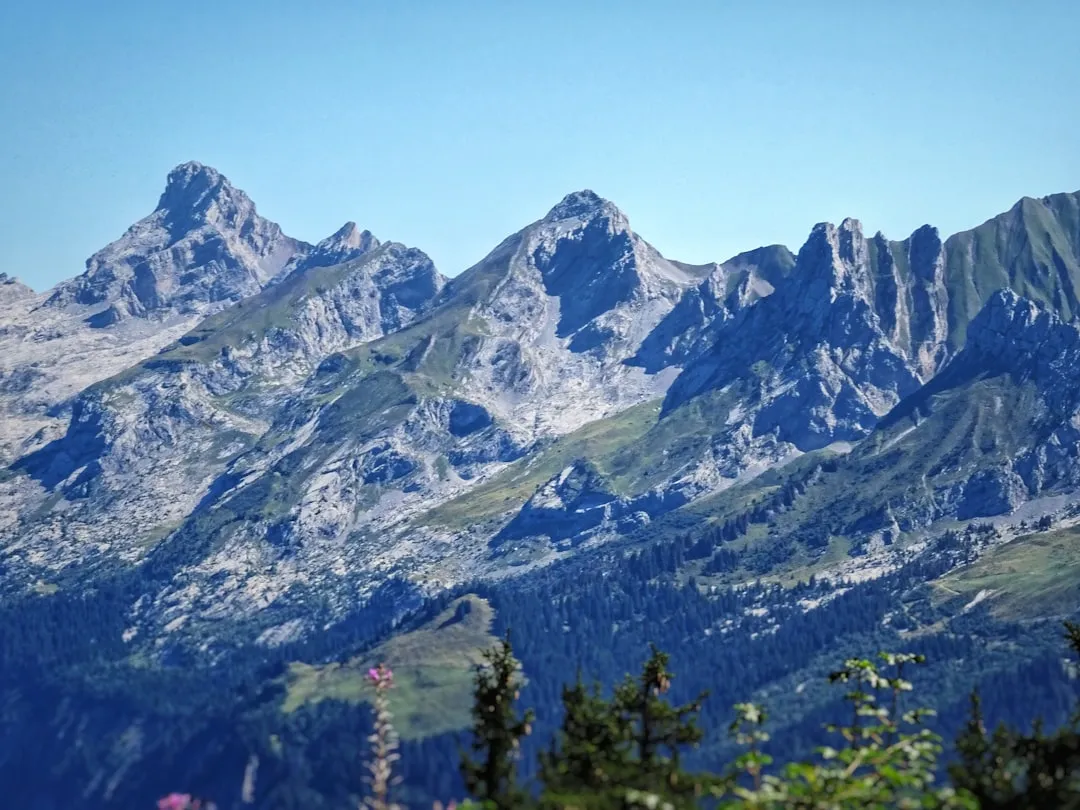
Pic du Midi de Bigorre Trail
The Pic du Midi de Bigorre Trail is a challenging day hike in the French Pyrenees, offering spectacular panoramic views from its summit. This route is renowned for its dramatic alpine scenery, accessible via a combination of hiking and a cable car system, making it a unique experience for those seeking high-altitude vistas without extreme mountaineering. The trail ascends to the Pic du Midi observatory, a site of astronomical significance, providing a fascinating blend of natural beauty and scientific exploration. It is a demanding but rewarding day out, suitable for experienced hikers looking for a significant elevation gain and breathtaking mountain landscapes.
- Distance: 12.0 km (return)
- Elevation Gain: 1100 m
- Duration: 6-8 hours
- Difficulty: Challenging
- Best Time: June to September
- Closest City: Bagnères-de-Bigorre, France
- Trailhead Access: Artigues (via D935 from Bagnères-de-Bigorre)
- Permits: Not required for day hiking
- GPS Coordinates: 42.9383, 0.1428
Overview
The Pic du Midi de Bigorre Trail is a testament to the raw beauty and accessibility of the high Pyrenees. While the summit can be reached via a cable car from La Mongie, the hiking route offers a more immersive and physically demanding experience, allowing adventurers to earn their panoramic reward. The trail begins in the verdant valley of Artigues, gradually ascending through varied terrain that transitions from alpine meadows to rocky scree slopes as it approaches the summit ridge. The sheer scale of the ascent, over 1100 metres, means this is not a casual stroll; it requires good physical condition and a determined spirit.
The journey is characterised by its relentless upward climb, punctuated by increasingly expansive views of the surrounding peaks and valleys. As you gain altitude, the vegetation thins, revealing the rugged geology of the Pyrenean range. The final approach to the Pic du Midi summit is often a scramble over loose rock, demanding careful foot placement and concentration. Reaching the summit, however, is an unparalleled experience. The Pic du Midi observatory, perched at 2,877 metres, offers a 360-degree vista that stretches across hundreds of kilometres, encompassing the highest peaks of the Pyrenees, the plains of France, and even the distant Spanish mountains on a clear day. This is a landscape that inspires awe and a profound sense of accomplishment.
The trail is best undertaken during the summer months when snow has receded from the higher elevations, and the weather is generally more stable. However, mountain weather is notoriously unpredictable, and hikers must be prepared for rapid changes, including sudden storms, strong winds, and significant temperature drops, even in July and August. The Pic du Midi de Bigorre Trail is a true mountain challenge, offering a profound connection with the high alpine environment and an unforgettable visual spectacle.
History and Cultural Context
The Pic du Midi de Bigorre has a long and fascinating history, deeply intertwined with scientific exploration and the development of astronomy. The idea of establishing an observatory at this strategic location began to take shape in the mid-19th century. Its exceptional altitude, clear skies, and relative freedom from atmospheric pollution made it an ideal site for astronomical observation.
In 1878, the Société d'astronomie de France (SAF) began constructing a meteorological observatory on the summit. This initial phase was fraught with challenges, including difficult access and harsh weather conditions. However, the dedication of astronomers and engineers persevered. By the early 20th century, significant astronomical instruments were installed, and the Pic du Midi became a leading centre for solar and stellar research. The construction of the cable car system in the mid-20th century dramatically improved access, transforming the site from a remote scientific outpost into a destination accessible to the public.
The observatory itself is a remarkable feat of engineering, with its distinctive domes and structures clinging to the rocky summit. It has played a crucial role in astronomical discoveries and continues to be an active research facility. For hikers, the Pic du Midi represents not just a physical challenge but also a journey to a place where humanity has reached out to the stars, offering a unique blend of natural grandeur and scientific heritage. The surrounding region, with its traditional Pyrenean villages and pastoral landscapes, also holds a rich cultural history, shaped by centuries of farming, shepherding, and a deep connection to the mountain environment.
Seasonal Highlights and Weather Reality
The Pic du Midi de Bigorre Trail is primarily a summer hike, with the optimal window for attempting the ascent being from June to September. During these months, the snow typically melts from the higher sections of the trail, making it passable and safer for hikers.
June: Early June can still see lingering snow patches, especially on north-facing slopes and at higher elevations. While the lower sections are usually clear, caution is advised, and checking local conditions is essential. The landscape is vibrant with wildflowers, and the air is crisp.
July and August: These are the peak months for hiking. The weather is generally at its most stable, with longer daylight hours and warmer temperatures. However, this is also the busiest period, and the summit can be crowded. Afternoon thunderstorms are common, so starting early is highly recommended. The views are often at their most spectacular, with clear skies providing extensive panoramas.
September: September offers a beautiful autumn spectacle as the landscape begins to change colour. The crowds thin out, and the weather can still be excellent, though cooler and with shorter daylight hours. There is an increased risk of early snowfalls towards the end of the month, so vigilance regarding weather forecasts is crucial.
Weather Reality: It cannot be stressed enough that mountain weather is highly unpredictable. Even on a clear summer morning, conditions can deteriorate rapidly. Strong winds, sudden downpours, fog, and significant temperature drops are common. Hypothermia is a risk even in summer at this altitude. Hikers must be prepared for all eventualities, carrying appropriate gear and constantly monitoring the sky and weather patterns.
Recommended Itinerary
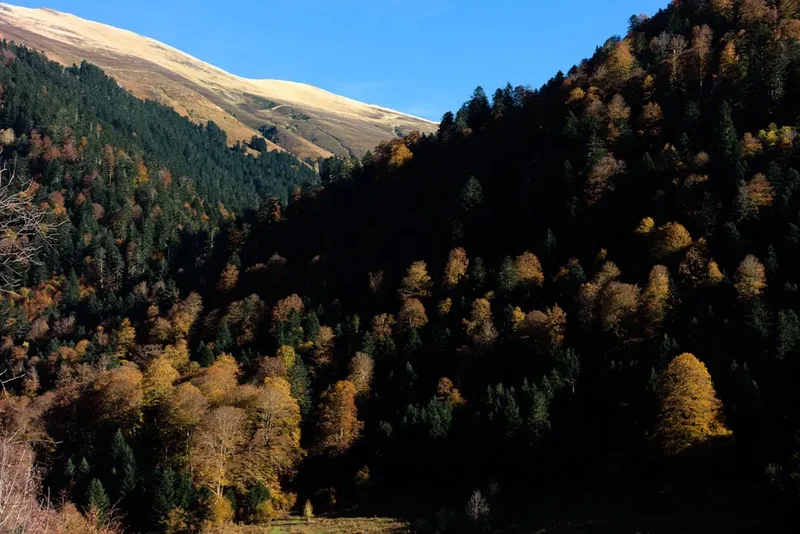
Pic du Midi de Bigorre Day Hike Itinerary
Early Morning (Approx. 7:00 AM): Departure from Artigues
- Begin your hike from the parking area in Artigues (1,700 m).
- The initial section follows a well-trodden path, gradually ascending through alpine meadows.
- Enjoy the fresh mountain air and the awakening landscape.
Morning (Approx. 7:00 AM - 11:00 AM): Ascent through the Valley
- The trail continues its steady climb, often following old mule tracks or service paths.
- Pass through areas with abundant wildflowers in early summer.
- The gradient becomes steeper as you leave the main valley floor and begin to gain significant altitude.
- Keep an eye out for marmots and other alpine wildlife.
Midday (Approx. 11:00 AM - 1:00 PM): Approaching the Summit Ridge
- The terrain becomes more rugged and rocky.
- You will likely encounter scree slopes, requiring careful footing.
- The views open up dramatically, offering expansive vistas of the surrounding Pyrenean peaks.
- This is a good point for a short break and to hydrate.
Afternoon (Approx. 1:00 PM - 3:00 PM): Summit Push and Arrival at Pic du Midi
- The final ascent to the Pic du Midi summit (2,877 m) is the most challenging.
- The path may involve some scrambling over large rocks.
- You will reach the observatory complex.
- Spend time exploring the summit, taking in the 360-degree panoramic views.
- Consider visiting the observatory facilities (check opening times and ticket requirements).
Late Afternoon (Approx. 3:00 PM - 6:00 PM): Descent and Return to Artigues
- Begin your descent, retracing your steps back down the mountain.
- Take care on the rocky and potentially loose sections.
- The descent can be faster but is often harder on the knees.
- Continue through the alpine meadows back towards Artigues.
Evening (Approx. 6:00 PM onwards): Arrival back at Artigues
- Reach the parking area in Artigues, completing your challenging and rewarding hike.
Important Notes:
- This is a strenuous hike with significant elevation gain. Ensure you are physically prepared.
- Start early to avoid afternoon thunderstorms and to allow ample time for the descent.
- Carry sufficient water and high-energy food.
- Always check the weather forecast before setting out and be prepared for rapid changes.
- Wear sturdy hiking boots and carry layers of clothing, including waterproofs.
- Consider using the cable car for descent if weather conditions deteriorate or fatigue sets in (check operational status and costs).
Planning and Bookings
Book Your Trip
Everything you need to plan your journey
Accommodation
Find places to stay near Bagnères-de-Bigorre
Flights
Search flights to Bagnères-de-Bigorre
Essential Preparation
The Pic du Midi de Bigorre hike is a demanding day trip that requires careful planning. Your primary base town will be Bagnères-de-Bigorre, a charming spa town offering a range of accommodation, from hotels to guesthouses. From Bagnères-de-Bigorre, you will drive approximately 30-40 minutes via the D935 road towards Artigues, where the trailhead is located. The road is generally well-maintained during the summer months, but it is a mountain road with winding sections.
Fitness is paramount. This hike involves over 1100 metres of elevation gain, which is equivalent to climbing several tall buildings. A good level of cardiovascular fitness and strong leg muscles are essential. It is advisable to have prior experience with multi-hour hikes and significant ascents. Familiarise yourself with the route using maps and GPS devices, and ensure you have a reliable way to check the weather forecast immediately before and during your hike.
Trail Accommodation
This is a day hike requiring no overnight accommodation. The ascent and descent are designed to be completed within a single day. Hikers typically stay in Bagnères-de-Bigorre or a nearby village the night before and/or after their hike.
Required Gear
- Sturdy Hiking Boots: Waterproof and with good ankle support are essential for navigating rocky and uneven terrain. Ensure they are well broken-in to prevent blisters.
- Backpack: A comfortable daypack (20-30 litres) to carry essentials.
- Waterproof Jacket and Trousers: Essential due to the unpredictable mountain weather. Even on a sunny day, rain can appear suddenly.
- Warm Layers: Including a fleece or insulated jacket, and a hat and gloves. Temperatures at the summit can be significantly colder than at the trailhead.
- Head Torch: With spare batteries, in case of unexpected delays or if you start before dawn/finish after dusk.
- Navigation Tools: A detailed map of the area, a compass, and a GPS device or smartphone with offline maps.
- First-Aid Kit: Including blister treatment, pain relievers, antiseptic wipes, bandages, and any personal medications.
- Sun Protection: High SPF sunscreen, sunglasses, and a wide-brimmed hat. The sun is intense at altitude.
What to Bring
- Food: High-energy snacks (nuts, dried fruit, energy bars) and a packed lunch. There are no food facilities on the hiking trail itself.
- Water: At least 2-3 litres of water per person. Water sources on the trail may be unreliable or require treatment.
- Water Treatment: A water filter or purification tablets are recommended if you plan to refill from natural sources.
- Toiletries: Hand sanitiser, toilet paper (and a bag to pack it out).
- Mobile Phone: Fully charged, with a power bank if possible. Signal may be intermittent.
- Trekking Poles: Highly recommended to reduce strain on knees during the ascent and descent.
- Camera: To capture the incredible views.
Permits
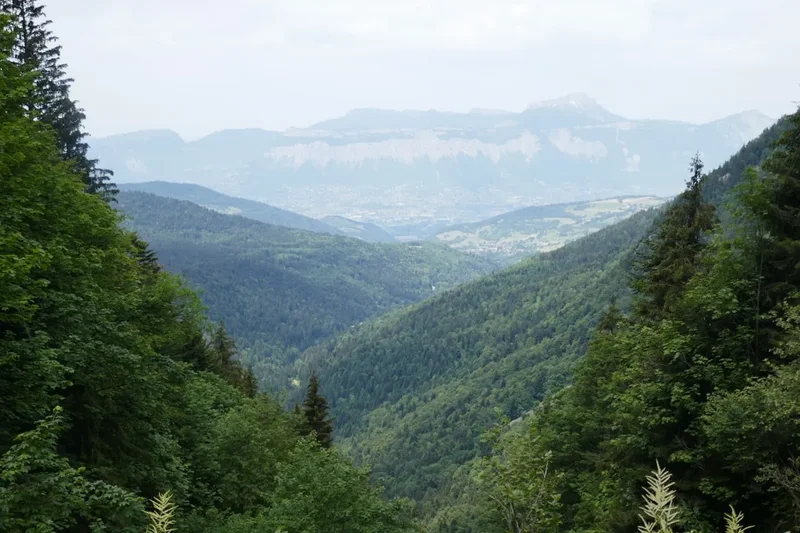
No specific permits are required for hiking the Pic du Midi de Bigorre trail as a day hike. The trail is part of the public domain in the French Pyrenees. However, access to the observatory buildings and facilities at the summit typically requires purchasing a ticket. These tickets can be bought in advance online or at the cable car stations in La Mongie or Saint-Marie-de-Campan.
Observatory Access:
- Cable Car: The most common way for visitors to reach the summit is via the cable car from La Mongie. This is a separate cost from hiking and offers a quicker, less strenuous way to experience the views.
- Observatory Ticket: Even if you hike to the summit, you will need to purchase a ticket to enter the observatory complex, access the viewing platforms, and potentially visit the museum exhibits. These tickets are usually available for purchase at the summit station or online.
Important Considerations:
- Book in Advance: Especially during peak season (July and August), it is highly recommended to book your cable car tickets and observatory access online in advance to avoid long queues and potential disappointment.
- Check Operating Hours: The cable car and observatory have specific operating hours, which can vary depending on the season and weather conditions. Always check the official website for the most up-to-date information.
- Weather Dependency: Cable car operations can be suspended in adverse weather conditions. If you plan to hike up and take the cable car down, have a backup plan in case the cable car is not running.
Other Activities in the Area
The region surrounding the Pic du Midi de Bigorre offers a wealth of activities for outdoor enthusiasts and those seeking cultural experiences:
- Cable Car Ascent/Descent: For those who prefer not to hike the entire distance, the cable car from La Mongie provides a spectacular and efficient way to reach the summit and enjoy the panoramic views. You can hike up and take the cable car down, or vice versa.
- Observatory Tours: Beyond the general access, the Pic du Midi observatory offers guided tours that delve deeper into its astronomical history and scientific work. These often require separate booking.
- Stargazing Evenings: The Pic du Midi is renowned for its dark skies. The observatory hosts special stargazing evenings, allowing visitors to experience the cosmos through powerful telescopes under expert guidance. These are highly sought after and must be booked well in advance.
- Hiking in the Pyrenees National Park: The area is crisscrossed with numerous hiking trails of varying difficulty, from gentle valley walks to more challenging multi-day treks. Explore the surrounding valleys and discover hidden lakes and waterfalls.
- Cycling: The mountain roads around the Pic du Midi, including the Col du Tourmalet (famous for the Tour de France), are legendary among road cyclists.
- Spa Towns: Bagnères-de-Bigorre is a historic spa town. Relax and rejuvenate in its thermal baths after your hike.
- Local Gastronomy: Enjoy traditional Pyrenean cuisine in the local restaurants and markets, sampling regional cheeses, cured meats, and hearty stews.
- Skiing and Snowboarding: In winter, the area transforms into a popular ski resort, with La Mongie and Barèges offering extensive slopes.
Safety and Conditions
Weather Preparedness: The most critical safety aspect for this hike is weather. Mountain weather can change with extreme rapidity. Always check the Météo-France forecast for the Pyrenees specifically for high altitudes (Pic du Midi summit forecast) before you leave and be prepared for:
- Sudden Storms: Thunderstorms are common in the afternoons during summer. If you hear thunder or see dark clouds gathering, descend immediately.
- Strong Winds: The summit ridge can be exposed to powerful winds, making progress difficult and increasing the risk of falls.
- Temperature Drops: Even in summer, temperatures at 2,877 metres can be close to freezing, especially with wind chill. Hypothermia is a real risk.
- Fog/Low Visibility: Whiteout conditions can occur, making navigation extremely difficult. Stay on marked paths and use your navigation tools.
Physical Demands: This is a challenging hike with over 1100 metres of sustained ascent. Ensure you have adequate fitness and have completed similar hikes before. Pace yourself, take regular breaks, and stay hydrated.
Terrain: The trail involves varied terrain, including well-trodden paths, rocky sections, and scree slopes. Good hiking boots with ankle support are essential. Be mindful of loose rocks, especially on the descent.
Navigation: While the trail is generally well-marked, especially the lower sections, visibility can be poor in fog. Carry a map, compass, and GPS device, and know how to use them. Inform someone of your hiking plans, including your intended route and expected return time.
Water and Food: Carry more water than you think you will need, as there are no reliable water sources on the upper parts of the trail. High-energy food is crucial to maintain your energy levels.
Emergency Contact: In case of emergency, dial 112 (European emergency number). Mobile phone signal can be unreliable at higher altitudes, so consider carrying a personal locator beacon (PLB) if you are hiking alone or in remote areas.
Cable Car Option: The cable car provides a safe and quick descent option if weather deteriorates, you are injured, or simply too fatigued to complete the hike down. Be aware of the operating times and costs.
Side Trips and Points of Interest
The Pic du Midi Observatory: The primary point of interest is the observatory complex itself. Even if you hike to the summit, purchasing a ticket to explore the facilities is highly recommended. This includes:
- Viewing Platforms: Multiple platforms offer unparalleled 360-degree views of the Pyrenean range, stretching across France and into Spain. On exceptionally clear days, you can see as far as the Mediterranean coast.
- Planetarium: Experience immersive shows about the cosmos and the history of astronomy at the Pic du Midi.
- Museum Exhibits: Learn about the scientific discoveries made at the observatory, the history of its construction, and the challenges of working at such an extreme altitude.
- The "Red Bridge": A distinctive red metal bridge connecting two parts of the observatory complex, offering dramatic photo opportunities with the mountain landscape as a backdrop.
The Ascent/Descent Route Itself: The hiking trail offers its own points of interest:
- Alpine Meadows: Especially in early summer, these meadows are carpeted with a vibrant array of wildflowers, providing a beautiful contrast to the rocky summit.
- Wildlife Spotting: Keep an eye out for marmots, chamois (a type of mountain goat-antelope), and various bird species, including the majestic golden eagle.
- Geological Formations: Observe the dramatic rock formations and the sheer scale of the mountain landscape as you ascend.
- Panoramic Vistas: At various points along the trail, the views open up to reveal stunning panoramas of the valleys below and the surrounding peaks.
Optional Cable Car Experience: While not a side trip in the traditional sense, taking the cable car down (or up) offers a different perspective and a chance to relax and absorb the scenery without the physical exertion of hiking.
Leave No Trace
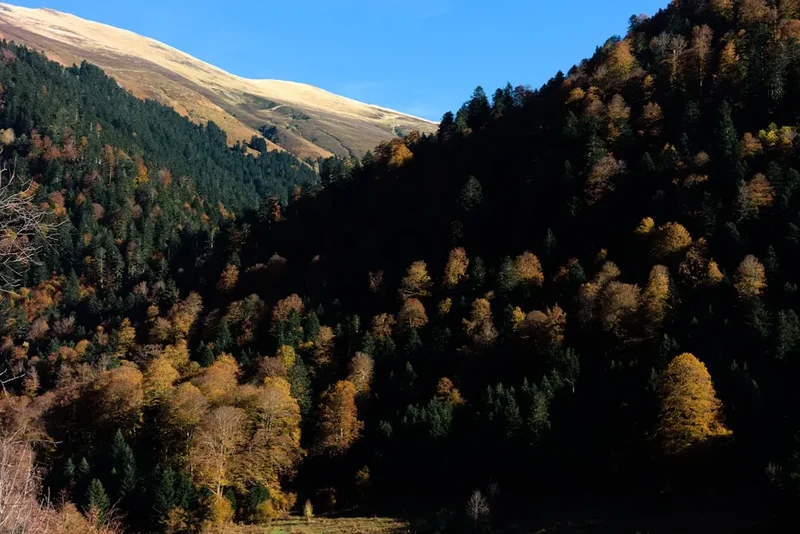
The Pic du Midi de Bigorre is a fragile alpine environment, and it is crucial for all visitors to practice Leave No Trace principles to preserve its beauty and ecological integrity. While this is a day hike and not a wilderness camping experience, the principles remain vital:
- Plan Ahead and Prepare: Understand the trail conditions, weather forecasts, and your own capabilities. Pack appropriately for the conditions.
- Travel and Camp on Durable Surfaces: Stick to the marked trails. Avoid walking on fragile vegetation, especially alpine meadows, which can take years to recover from damage. The summit area around the observatory is paved, but surrounding natural areas should be respected.
- Dispose of Waste Properly: Pack out everything you pack in. This includes all food scraps, wrappers, and any other litter. There are no bins on the trail. Use designated toilet facilities at the observatory if needed, and carry out any used toilet paper.
- Leave What You Find: Do not take rocks, plants, or any other natural objects from the mountain. Leave them for others to enjoy and for the ecosystem to thrive.
- Minimize Campfire Impacts: Campfires are not permitted on this trail or at the summit.
- Respect Wildlife: Observe wildlife from a distance. Do not feed any animals, as this can disrupt their natural behaviours and diets. Marmots and other alpine creatures are part of the ecosystem.
- Be Considerate of Other Visitors: Keep noise levels down, especially on the trail and at the summit. Allow faster hikers to pass.
By adhering to these principles, you help ensure that the Pic du Midi de Bigorre remains a spectacular and wild place for generations to come.
 France