
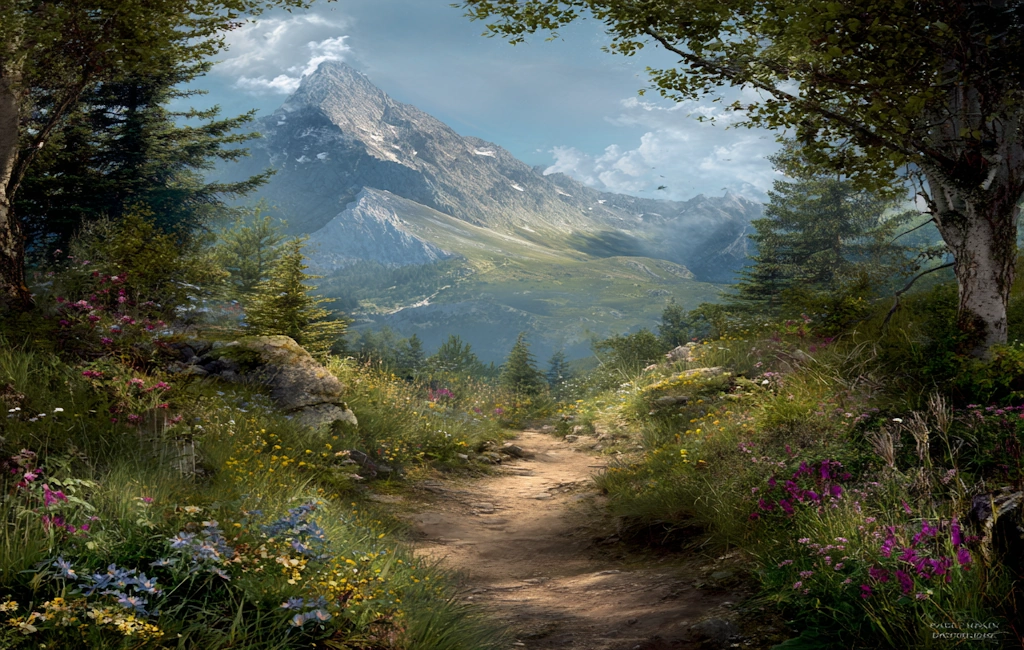
Pic de Néouvielle: A Pyrenean Gem
The Pic de Néouvielle circuit is a spectacular mountain trek located in the heart of the French Pyrenees, within the Néouvielle Massif Nature Reserve. This challenging yet immensely rewarding route offers a captivating journey through a landscape sculpted by glaciers, dotted with numerous pristine mountain lakes, and crowned by the imposing Pic de Néouvielle itself. It's a realm of granite peaks, alpine meadows bursting with wildflowers in summer, and a sense of wild, untamed beauty that draws hikers and nature lovers alike.
This trail is not a single, linear path but rather a network of routes that can be combined to form a multi-day circuit, or parts of it can be tackled as challenging day hikes. The classic circuit typically involves ascending to high mountain refuges, offering a true alpine experience. The scenery is dominated by the stark beauty of the high Pyrenees, with dramatic rock formations, deep valleys, and the ever-present allure of the azure lakes that give the region its character.
- Distance: Approximately 20.5 km (for a common circuit variation)
- Elevation Gain: Approximately 1200 m
- Duration: 1-2 days
- Difficulty: Challenging
- Best Time: July to September
- Closest City: Bagnères-de-Bigorre, France
- Trailhead Access: Lac d'Aubert parking area
Overview
The Néouvielle Massif is often referred to as the "Little Pyrenean Scotland" due to its rugged granite peaks and numerous glacial lakes, reminiscent of the Scottish Highlands. However, the sheer scale and the vibrant blue hues of the lakes, set against the stark granite, give it a unique and breathtaking character all its own. The Pic de Néouvielle, at 3,091 metres, is the highest point in the massif and a prominent landmark visible from many points along the trail.
The typical circuit route takes hikers through a variety of terrains. You'll start by ascending through pine forests, which gradually give way to open alpine meadows and then to the stark, rocky slopes of the high mountains. The trail is often steep and can be technically demanding in places, requiring good fitness and sure-footedness. The reward for this effort is unparalleled: panoramic views of the surrounding peaks, the deep blue of lakes like Lac d'Aubert, Lac d'Aumar, and Lac de Cap-de-Long, and the feeling of being truly immersed in a wild mountain environment.
The region is a designated nature reserve, protecting its unique flora and fauna. During the summer months, the alpine meadows are carpeted with wildflowers, and you might spot marmots, chamois, or even birds of prey soaring overhead. The air is crisp and clean, and the silence, broken only by the sounds of nature, is profound.
While the full circuit can be completed in a single, very long and demanding day for experienced hikers, it is highly recommended to split it over two days, staying overnight in one of the mountain refuges. This allows for a more relaxed pace, more time to appreciate the scenery, and the unforgettable experience of a night in the high mountains.
History and Cultural Context
The Néouvielle Massif has a long history of human interaction, primarily driven by pastoralism and, more recently, by tourism and conservation efforts. For centuries, shepherds have grazed their flocks in the high mountain pastures during the summer months, a tradition that has shaped the landscape and the local culture.
The geological history of the massif is key to its current form. The area is composed primarily of granite, which was heavily shaped by glacial activity during the Quaternary period. These glaciers carved out the U-shaped valleys and left behind the numerous lakes that are a defining feature of the landscape today. The formation of these glacial lakes, often dammed by moraines or bedrock, created the stunning aquatic scenery that attracts so many visitors.
The establishment of the Néouvielle Nature Reserve in 1936 was a significant step in protecting this unique environment. It was one of the first nature reserves created in France, recognising the ecological importance and the exceptional beauty of the area. This designation has helped to preserve the natural habitats, the diverse flora and fauna, and the pristine character of the massif.
The development of hiking trails and mountain refuges in the 20th century opened the area up to a wider audience. The Pic de Néouvielle itself became a popular objective for mountaineers and hikers, offering a challenging ascent and magnificent views. The network of trails and refuges, such as Refuge de la Badet and Refuge d'Estom, has made the high Pyrenees accessible to those seeking an authentic mountain experience.
Today, the region continues to balance the needs of conservation with the demands of tourism. Efforts are made to manage visitor impact, ensuring that the natural beauty and ecological integrity of the Néouvielle Massif are preserved for future generations.
Seasonal Highlights and Weather Reality
The best time to hike the Pic de Néouvielle circuit is generally from July to September. During these months, the snow has typically melted from the higher passes, and the weather is most stable, although mountain weather can always be unpredictable.
July: The alpine meadows are usually in full bloom, creating a vibrant carpet of wildflowers. The days are long, offering ample daylight for hiking. Snow may still linger in shaded areas or on the highest north-facing slopes, but the main trails are generally clear. Temperatures can be warm in the valleys but cool at higher altitudes.
August: This is peak season for many visitors. The weather is often at its most settled, and the lakes are at their most inviting. However, trails can be busier, especially on weekends. Wildflower displays may begin to fade in some areas, but the overall beauty of the landscape remains.
September: The autumn colours begin to appear, adding a new dimension of beauty to the landscape. The air is crisp, and the crowds tend to thin out. The weather can become more unsettled as autumn approaches, with a higher chance of rain or early snow. However, clear autumn days in the Pyrenees can be spectacular, with excellent visibility.
Weather Considerations:
- Unpredictability: Mountain weather can change rapidly. Sunshine can quickly turn to thunderstorms, fog, or even snow, especially at higher elevations. Always be prepared for a range of conditions.
- Temperature: Even in summer, temperatures at altitude can be cool, especially in the mornings and evenings. Nights in mountain refuges can be cold.
- Rainfall: While summer is generally drier, thunderstorms are common in the afternoons. These can be intense and dangerous.
- Snow: Early or late season snow can make higher passes impassable or dangerous without appropriate equipment and experience. Always check current conditions before setting out.
Recommended Itinerary
2-Day Pic de Néouvielle Circuit (Example)
This itinerary is a suggestion and can be adapted based on fitness, weather, and personal preference. It assumes an overnight stay at a mountain refuge.
Day 1: Lac d'Aubert to Refuge de la Badet (or similar)
- Distance: Approximately 10-12 km
- Elevation Gain: Approximately 700-800 m
- Time: 5-7 hours
- Start at the Lac d'Aubert parking area.
- Ascend towards Lac d'Aumar, a beautiful large lake.
- Continue climbing, passing smaller lakes and through alpine meadows.
- The trail can be steep and rocky in sections.
- Aim to reach a mountain refuge such as Refuge de la Badet or Refuge d'Estom (depending on chosen route variation).
- Enjoy the panoramic views from the refuge and the surrounding area.
- Settle in for the night and enjoy a hearty mountain meal.
Day 2: Refuge to Lac d'Aubert via Pic de Néouvielle (optional ascent)
- Distance: Approximately 8-10 km
- Elevation Gain: Approximately 400-500 m (plus optional ascent of Pic de Néouvielle)
- Time: 4-6 hours (plus time for summit ascent)
- Depart from the refuge after breakfast.
- Descend through varied terrain, potentially passing more lakes.
- Optional: If conditions are favourable and you have the energy, you can attempt the ascent of Pic de Néouvielle (3,091 m). This adds significant elevation gain and requires good fitness and sure-footedness. The summit offers incredible 360-degree views.
- Continue the descent back towards the Lac d'Aubert parking area.
- The route may involve traversing rocky slopes and scree fields.
- Arrive back at Lac d'Aubert, completing the circuit.
Alternative Day Hike (Challenging):
- Start: Lac d'Aubert parking.
- Route: Ascend via Lac d'Aumar, potentially towards the base of Pic de Néouvielle, and then loop back via different trails, possibly incorporating other lakes like Lac de Lhurs or Lac de Madamète, before descending back to Lac d'Aubert.
- Distance: 20.5 km
- Elevation Gain: 1200 m
- Time: 8-10 hours (requires excellent fitness and early start)
- Note: This is a very demanding day hike and should only be attempted by experienced hikers with good navigation skills and a very early start.
Important Considerations:
- Book refuge accommodation well in advance, especially during peak season.
- Check weather forecasts immediately before and during your hike.
- Carry sufficient water or a reliable water filter/purification method.
- Be prepared for steep ascents and descents, and rocky terrain.
- Navigation skills are essential, especially if deviating from main paths or attempting the summit.
Planning and Bookings
Book Your Trip
Everything you need to plan your journey
Accommodation
Find places to stay near Bagnères-de-Bigorre
Flights
Search flights to Bagnères-de-Bigorre
Essential Preparation
The Pic de Néouvielle circuit is a serious mountain undertaking. Thorough preparation is crucial for a safe and enjoyable experience. This includes assessing your fitness level, planning your route, and understanding the logistics of reaching the trailhead.
Fitness: This trek involves significant elevation gain and loss over challenging terrain. You should be comfortable hiking for several hours with a backpack, including steep ascents and descents. Regular cardiovascular exercise and strength training, particularly for your legs and core, are highly recommended. Practice hiking with a loaded pack on similar terrain if possible.
Logistics: The nearest major city with an airport is Toulouse-Blagnac (TLS). From Toulouse, you will need to drive approximately 2.5 hours to reach Bagnères-de-Bigorre. From Bagnères-de-Bigorre, follow signs for the Col d'Aspin and then towards Saint-Lary-Soulan. Continue towards the Lac de Cap-de-Long and then follow the signs for Lac d'Aubert. The road to Lac d'Aubert is often closed to private vehicles during peak summer months (typically July and August) due to high visitor numbers. In such cases, a shuttle bus service operates from a designated parking area lower down the mountain. Check local information for current access restrictions and shuttle services.
Base Town: Bagnères-de-Bigorre is a charming spa town that serves as a good base for exploring the Néouvielle Massif. It offers a range of accommodation, restaurants, and outdoor gear shops. Saint-Lary-Soulan is another popular option closer to the massif.
Trail Accommodation
The Pic de Néouvielle circuit typically involves staying overnight in mountain refuges. These provide basic but essential accommodation for hikers.
Refuge de la Badet: A popular refuge offering dormitory-style accommodation. It is usually open from June to September. Facilities typically include bunk beds, a communal dining area, and sometimes a terrace with views. Meals are often available for purchase.
Refuge d'Estom: Another well-situated refuge, often accessible via different routes. Similar to Refuge de la Badet, it provides dormitory beds and usually offers meals. Its location near Lac d'Estom is picturesque.
Booking Requirements: It is essential to book your accommodation in refuges well in advance, especially during the peak summer months (July and August). Bookings can usually be made directly through the refuge's website or by phone. Many refuges require a deposit or full payment at the time of booking.
Facilities Provided:
- Bunk beds with mattresses and pillows (sleeping bags are mandatory).
- Communal dining area.
- Often a terrace or outdoor seating area.
- Toilets (may be basic).
- Access to water (treatment recommended).
- Some refuges offer hot meals and drinks for purchase.
What's NOT Provided:
- Bed linen (you must bring your own sleeping bag).
- Towels.
- Cooking equipment or food (unless you are purchasing meals).
- Electricity for charging devices (limited availability, if any).
- Showers (may be available at some refuges, but not guaranteed).
Seasonal Availability: Most refuges in the Néouvielle Massif are open from June to September or October, depending on snow conditions and demand. Always check the specific opening dates for the refuge you plan to stay in.
Costs: Prices vary per refuge and per person, but expect to pay approximately €30-€50 per night for a dormitory bed. Meals are extra, typically costing €15-€25 for dinner and breakfast.
No Overnight Accommodation: If you are attempting the circuit as a single, very long day hike, no overnight accommodation is required. However, this is an extremely strenuous undertaking.
Required Gear
- Sturdy Hiking Boots: Waterproof, with good ankle support and a well-worn sole. Essential for rocky and uneven terrain.
- Waterproof Jacket: Breathable and fully waterproof (e.g., Gore-Tex).
- Waterproof Overtrousers: To protect against rain and wind.
- Warm Layers: Fleece jacket or down vest, thermal base layers (merino wool or synthetic).
- Hat: For sun protection and warmth.
- Gloves: Lightweight to medium weight, for cooler temperatures.
- Backpack: 40-60 litre capacity, with a comfortable harness and hip belt. A rain cover is essential.
- Head Torch: With spare batteries, for early starts, late finishes, or use in refuges.
- Navigation Tools: Map of the area (e.g., IGN 1:25,000 scale), compass, and a GPS device or smartphone with offline maps.
- First-Aid Kit: Including blister treatment, pain relievers, antiseptic wipes, bandages, and any personal medications.
- Sun Protection: High SPF sunscreen, sunglasses, lip balm.
- Insect Repellent: Especially important during summer months.
What to Bring
- Food: For day 1 lunch and snacks, and for day 2 lunch and snacks if not purchasing meals at the refuge. High-energy, lightweight options are best (nuts, dried fruit, energy bars, sandwiches).
- Water Bottles or Hydration Reservoir: Capacity for at least 2-3 litres per person.
- Water Treatment: Filter or purification tablets, as stream water should ideally be treated.
- Sleeping Bag: A 3-season sleeping bag is recommended for refuge stays.
- Toiletries: Biodegradable soap, toothbrush, toothpaste, small towel, hand sanitiser.
- Personal Items: Camera, power bank for electronics, book or journal for downtime.
- Trekking Poles: Highly recommended for stability on descents and ascents, and to reduce strain on knees.
- Cash: For purchases at refuges or for shuttle buses, as card payment facilities may be limited or unavailable.
- Emergency Whistle: For signalling in emergencies.
Permits
For hiking the general trails within the Néouvielle Massif Nature Reserve, no specific permits are required for day hikers or for those staying in the designated mountain refuges. The area is managed by the French National Parks and Nature Reserves system, and access is generally free.
However, it is important to be aware of the regulations within the nature reserve:
- Respect the Environment: The Néouvielle Massif is a protected area. Visitors are expected to adhere to Leave No Trace principles (see section 11).
- Camping: Wild camping is generally not permitted within the nature reserve, especially near lakes and popular areas. Designated campsites may exist outside the core reserve, but for the Pic de Néouvielle circuit, staying in refuges is the standard practice. Always check local regulations regarding camping.
- Fires: Open fires are strictly prohibited due to the risk of wildfires.
- Dogs: Dogs are often restricted or prohibited in nature reserves, especially during the summer breeding season for wildlife. Check specific signage at trailheads or local information points.
- Fishing: Fishing may require a permit and is subject to specific regulations regarding seasons and species.
Refuge Bookings: While no permit is needed to hike, booking accommodation in the mountain refuges is mandatory and essential, particularly during the peak season (July-August). These bookings are made directly with the refuges and are not considered a "permit" in the traditional sense but are crucial for planning your overnight stays.
Road Access: As mentioned in the planning section, the road to Lac d'Aubert may be closed to private vehicles during peak summer. In such cases, a shuttle bus service operates, which may have a small fee. This is an access regulation rather than a hiking permit.
Always check the latest information from local authorities or the park management before your trip, as regulations can change.
Other Activities in the Area
The Néouvielle Massif and its surroundings offer a wealth of activities for outdoor enthusiasts:
- Day Hiking: Numerous other trails exist within the massif, catering to various fitness levels. Explore trails leading to different lakes like Lac d'Estom, Lac de Lhurs, or the stunning Lac de Madamète.
- Pic de Néouvielle Ascent: Even if not doing the full circuit, the summit of Pic de Néouvielle (3,091 m) is a popular objective for experienced hikers and can be reached via shorter, albeit steep, routes from various points.
- Rock Climbing and Bouldering: The granite formations in the region offer opportunities for climbers.
- Photography: The dramatic landscapes, vibrant lakes, and abundant wildflowers make this area a paradise for photographers.
- Wildlife Spotting: Keep an eye out for marmots, chamois, ibex (in some areas), and various bird species.
- Cycling: The roads leading to the lakes, such as the Col d'Aspin and Col d'Azet, are popular with road cyclists, offering challenging climbs and scenic descents.
- Canyoning: Several nearby valleys offer opportunities for guided canyoning trips.
- Relaxation: Enjoy the peace and quiet of the mountain environment, perhaps with a good book at a lake shore or on the terrace of a refuge.
- Exploring Nearby Villages: Visit charming Pyrenean villages like Saint-Lary-Soulan or Arreau, which offer local culture, markets, and cuisine.
Safety and Conditions
Mountain Weather: The most significant safety concern in the Pyrenees is the unpredictable mountain weather. Thunderstorms can develop rapidly, especially in the afternoons during summer. These can bring lightning, heavy rain, strong winds, and even hail. Always check the forecast before you set out and be prepared to turn back if conditions deteriorate.
Terrain: The trails can be steep, rocky, and uneven. Loose scree and slippery rocks are common, particularly on ascents and descents. Good footwear with excellent grip is essential. Trekking poles can significantly improve stability and reduce the risk of falls.
Altitude: While not extremely high, the altitude can affect some individuals. Ascend gradually if possible, stay hydrated, and be aware of the symptoms of altitude sickness (headache, nausea, dizziness). The Pic de Néouvielle summit is over 3,000 metres.
Water: While there are many lakes and streams, it is advisable to treat all water before drinking, either by boiling, filtering, or using purification tablets. Giardia and other bacteria can be present.
Navigation: Trails are generally well-marked, but fog or poor visibility can make navigation difficult. Carry a map and compass and know how to use them. A GPS device or smartphone with offline maps is a valuable backup.
Wildlife: While most wildlife is shy, be aware of your surroundings. Marmots are common and generally harmless. Larger animals like chamois are also present. Respect their space and do not attempt to feed them.
Refuge Safety: Follow the rules and guidelines provided by refuge wardens. Be mindful of noise levels, especially at night, and ensure you have adequate sleeping gear.
Emergency Contacts: Know the emergency number for France (112). It is also advisable to inform someone of your hiking plans, including your intended route and expected return time.
Personal Locator Beacon (PLB): For remote areas or if hiking solo, consider carrying a PLB for emergency situations.
Side Trips and Points of Interest
Lac d'Aubert and Lac d'Aumar: These two large, interconnected lakes are the starting and ending point for many circuits. Their vibrant blue waters, surrounded by granite peaks, are a stunning introduction to the massif. The area around the lakes is popular for picnics and short walks.
Pic de Néouvielle Summit (3,091 m): For those seeking a significant challenge and unparalleled views, the ascent to the summit of Pic de Néouvielle is a must. The route is steep and requires good fitness and sure-footedness, often involving scrambling over rocks. The panoramic views from the top are breathtaking, encompassing much of the Pyrenean range.
Lac de Madamète: A beautiful, high-altitude lake often visited on longer circuits. Its remote setting and striking blue colour make it a memorable stop.
Lac de Lhurs: Another picturesque lake that can be incorporated into various routes, offering serene mountain scenery.
Refuge de la Badet and Refuge d'Estom: These refuges are not just places to stay but also points of interest, often situated in spectacular locations with excellent views and a lively atmosphere in the evenings.
Alpine Flora and Fauna: The Néouvielle Massif is renowned for its biodiversity. Keep an eye out for a wide variety of alpine flowers, including gentians, saxifrages, and orchids, as well as the resident wildlife.
Leave No Trace
The Néouvielle Massif is a fragile alpine environment, and it is crucial for all visitors to practice Leave No Trace principles to minimise their impact and preserve its beauty for future generations.
Plan Ahead and Prepare: Research your route, understand the terrain and weather, and pack appropriately. Know the regulations of the nature reserve.
Travel and Camp on Durable Surfaces: Stick to marked trails to avoid damaging fragile vegetation. When resting or picnicking, choose established spots. Wild camping is generally not permitted; use designated refuges.
Dispose of Waste Properly: Pack out everything you pack in, including all food scraps, wrappers, and toilet paper. Use designated toilets in refuges. If caught short in the backcountry, dig a cathole at least 60 metres from water sources, trails, and campsites.
Leave What You Find: Do not pick wildflowers, disturb wildlife, or remove natural objects. Take only photographs and memories.
Minimise Campfire Impacts: Campfires are prohibited in the Néouvielle Massif due to the high risk of wildfires. Use a portable stove for cooking.
Respect Wildlife: Observe wildlife from a distance. Never feed animals, as this can disrupt their natural behaviour and diet, and can be harmful to their health.
Be Considerate of Other Visitors: Keep noise levels down, especially in refuges and natural quiet areas. Yield to other hikers on narrow trails.
By following these principles, you help ensure that the Néouvielle Massif remains a pristine and wild place for everyone to enjoy.
 France