
Piatra Craiului Ridge Trail
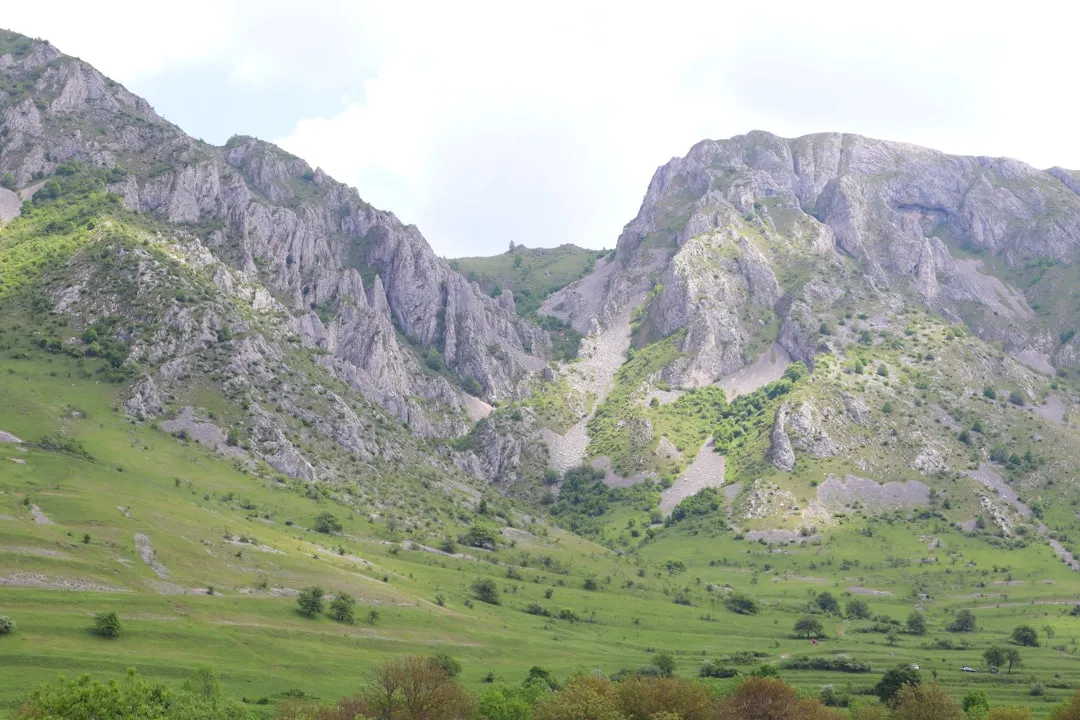
The Piatra Craiului Ridge Trail is a spectacular and demanding mountain traverse in Romania's Southern Carpathians, renowned for its dramatic limestone formations, breathtaking panoramic views, and challenging terrain. This route offers a true alpine experience, taking hikers along the jagged spine of the Piatra Craiului Massif, a range celebrated for its unique geological features and rich biodiversity. The trail is not for the faint-hearted, requiring good physical fitness, a head for heights, and a solid understanding of mountain safety. It winds through remote valleys, ascends steep scree slopes, and navigates narrow, exposed sections of the ridge, rewarding those who undertake it with unparalleled vistas and a profound sense of accomplishment. The Piatra Craiului National Park is a sanctuary for rare flora and fauna, including chamois and numerous endemic plant species, making the journey as much a natural history expedition as a physical challenge.
- Distance: Approximately 25.0 km (main ridge traverse)
- Elevation Gain: Approximately 1,600 m
- Duration: 1–2 days (challenging for a single day, recommended as an overnight trip)
- Difficulty: Challenging
- Best Time: June to September (for optimal weather and snow-free conditions)
- Closest City: Brașov
- Trailhead Access: Nearest major airport is Bucharest (OTP). From Bucharest, take a train or bus to Brașov. From Brașov, take a bus or taxi to Zărnești, the primary gateway town to Piatra Craiului National Park. Road conditions are generally good. Driving time from Brașov to Zărnești is approximately 30 minutes. Limited parking is available in Zărnești.
- Coordinates: Trailhead (Zărnești): 45.5551, 25.3280; Ridge coordinates: 45.5083, 25.3186
- Park Entrance Fee: Required for entry into Piatra Craiului National Park.
Overview
The Piatra Craiului Ridge Trail is a quintessential Romanian mountain adventure, offering a dramatic and unforgettable experience. The massif itself, meaning "Stone of the King," is a narrow, saw-toothed limestone ridge that stretches for over 25 kilometres, rising steeply from the surrounding valleys. The trail that traverses its crest is one of the most iconic in the Carpathians, characterised by its exposed sections, steep ascents and descents, and the constant, awe-inspiring presence of sheer rock faces and vast panoramas.
The journey typically begins in the picturesque town of Zărnești, a gateway to the Piatra Craiului National Park. From here, hikers ascend through mixed forests of beech and fir, gradually gaining elevation towards the alpine meadows that fringe the massif. The initial stages are often less demanding, allowing for acclimatisation and an appreciation of the park's lower-altitude ecosystems. As the trail climbs higher, the landscape transforms, revealing the stark beauty of the limestone karst formations. The ridge itself is a geological marvel, sculpted by millennia of erosion into a series of sharp peaks, deep gullies, and dramatic overhangs.
The most challenging and rewarding part of the trek is the traverse along the main ridge. This section involves navigating narrow paths, often with significant drops on either side. Metal cables and rungs are installed in particularly steep or exposed areas to aid climbers and hikers, but these are not to be underestimated. The views from the ridge are simply spectacular, offering sweeping vistas across the Bucegi Mountains, the Făgăraș Mountains, and the rolling hills of Transylvania. The feeling of being on top of the world, with the wind whistling around you and the vastness of the landscape stretching out in every direction, is profound.
The Piatra Craiului Massif is also a haven for biodiversity. The alpine meadows are carpeted with wildflowers in spring and summer, and the rocky slopes are home to the Balkan chamois, a species of mountain goat. Birdwatchers may spot golden eagles or various raptor species. The park's conservation status highlights its ecological importance, and hikers are urged to tread lightly and respect the natural environment.
Due to the demanding nature of the ridge traverse, it is often completed over two days, with an overnight stay at one of the mountain refuges or huts. This allows for a more relaxed pace, the opportunity to enjoy the sunrise and sunset from the ridge, and a safer experience. Attempting the entire ridge in a single day is only recommended for highly experienced and fit hikers with excellent navigation skills and a very early start.
History and Cultural Context
The Piatra Craiului Massif has a long history of human interaction, primarily driven by pastoralism and resource extraction. For centuries, shepherds have grazed their flocks in the alpine meadows, a tradition that has shaped the landscape and contributed to the region's cultural heritage. The traditional Romanian mountain huts, often simple wooden structures, bear testament to this enduring connection between people and the mountains.
The Piatra Craiului National Park was established in 1990, making it one of Romania's first protected areas. Its designation aimed to preserve the unique geological formations, the rich biodiversity, and the traditional pastoral way of life that has existed in the region for generations. The park's boundaries encompass not only the dramatic ridge but also the surrounding valleys and forests, which are home to a diverse range of flora and fauna.
The development of marked hiking trails in Piatra Craiului gained momentum in the latter half of the 20th century. Local mountaineering clubs and enthusiasts played a crucial role in charting routes, installing signage, and, in some cases, constructing basic shelters. The installation of metal cables and rungs on the most challenging sections of the ridge was a significant undertaking, aimed at making the traverse accessible to a wider range of experienced hikers while mitigating some of the inherent risks. These safety features, while helpful, do not transform the trail into an easy one; they are aids for navigating a genuinely wild and exposed environment.
The region also holds cultural significance for the local communities. Traditional crafts, music, and festivals are still practiced, offering a glimpse into the enduring rural lifestyle of Transylvania. Visitors to Zărnești and the surrounding villages can experience this rich cultural tapestry, often finding a warm welcome from the local inhabitants who are proud of their mountain heritage.
Seasonal Highlights and Weather Reality
The Piatra Craiului Ridge Trail is best experienced during the warmer months, from June to September. During this period, the weather is generally more stable, and the trails are free from snow and ice, making the traverse safer and more enjoyable.
Spring (April-May): While the lower slopes begin to green and wildflowers start to bloom, the higher altitudes, including the ridge, can still be covered in snow. Early spring may present icy conditions and avalanche risk in shaded gullies. This season is generally not recommended for the full ridge traverse unless you possess advanced winter mountaineering skills and equipment.
Summer (June-August): This is the peak season for hiking in Piatra Craiului. The weather is typically warm, and the alpine meadows are in full bloom, creating a stunning spectacle of colour. Days are long, allowing ample time for hiking. However, summer can also bring thunderstorms, which are common in the Carpathians. These storms can develop rapidly, bringing heavy rain, strong winds, and lightning, making the exposed ridge dangerous. Hikers should always check the weather forecast before setting out and be prepared to turn back if conditions deteriorate.
Autumn (September-October): Autumn offers crisp air, clear skies, and beautiful autumnal colours in the forests. The crowds of summer begin to thin, providing a more tranquil hiking experience. The weather can be unpredictable, with the first snowfalls possible from late October onwards. The lower temperatures and shorter daylight hours require careful planning and appropriate gear.
Winter (November-March): The Piatra Craiului Massif is transformed into a winter wonderland during these months. The ridge is often covered in deep snow and ice, making it an extremely hazardous environment accessible only to experienced winter mountaineers with specialised equipment (crampons, ice axe, avalanche safety gear). The park is largely inaccessible for casual hiking during this period.
Weather Considerations: Regardless of the season, mountain weather can change rapidly. Always be prepared for a wide range of conditions, including rain, wind, and significant temperature drops, even on a sunny day. Hypothermia is a risk, especially on exposed sections of the ridge.
Recommended Itinerary
2-Day Piatra Craiului Ridge Traverse Itinerary
Day 1: Zărnești to Curmătura Hut
- Distance: Approximately 10-12 km
- Elevation Gain: Approximately 1,000 m
- Time: 4–6 hours
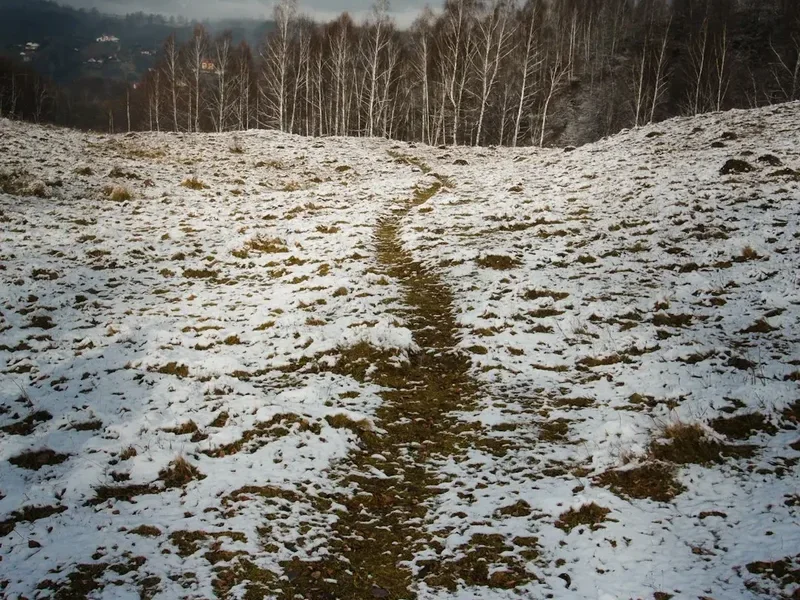
- Start in Zărnești, following marked trails through forests towards the Piatra Craiului National Park entrance.
- Ascend through beech and fir forests, with occasional clearings offering glimpses of the massif.
- The trail gradually steepens, leading towards the alpine meadows.
- Arrive at Curmătura Hut (Cabana Curmătura), a well-established mountain refuge located at an altitude of approximately 1,450 m.
- This day focuses on gaining elevation and reaching the base camp for the ridge traverse.
- Curmătura Hut offers basic accommodation and food, providing a good opportunity to rest and prepare for the next day's challenging ridge walk.
- Enjoy the sunset over the surrounding mountains from the vicinity of the hut.
Day 2: Curmătura Hut to Plaiul Foii (or return to Zărnești via a different route)
- Distance: Approximately 13-15 km (ridge traverse to Plaiul Foii)
- Elevation Gain/Loss: Significant ups and downs along the ridge, with a net descent towards Plaiul Foii. Total elevation change can be around 600-800m gain and 1000-1200m loss.
- Time: 7–10 hours (for the full ridge traverse to Plaiul Foii)
- Early start from Curmătura Hut to maximise daylight and potentially catch the sunrise from the ridge.
- Ascend from Curmătura Hut towards the main Piatra Craiului ridge.
- The trail becomes increasingly technical and exposed as you reach the ridge crest.
- Navigate narrow paths, rocky sections, and steep ascents/descents.
- Utilise installed metal cables and rungs for assistance on exposed or vertical sections.
- Key points along the ridge include La Lanțuri (The Chains) and various peaks.
- Enjoy unparalleled 360-degree views of the surrounding Carpathian ranges.
- Descend from the southern end of the ridge towards Plaiul Foii, a scenic mountain meadow and potential exit point.
- From Plaiul Foii, arrange transport back to Zărnești or your next destination.
- Alternative Exit: For a shorter day or if returning to Zărnești is preferred, a different route can be taken from Curmătura Hut, descending back through the forest. This would reduce the distance and technicality of Day 2 significantly.
Important Notes:
- This itinerary is a suggestion; actual timings and routes may vary based on fitness, weather, and personal preference.
- The ridge traverse is physically and mentally demanding.
- Always check weather forecasts before and during your hike.
- Carry sufficient water and food, as services are limited outside of Curmătura Hut.
- Inform someone of your hiking plans and expected return time.
Planning and Bookings
Book Your Trip
Everything you need to plan your journey
Accommodation
Find places to stay near Brașov
Flights
Search flights to Brașov
Essential Preparation
The Piatra Craiului Ridge Trail is a serious undertaking that requires thorough preparation. Before embarking on this trek, it is crucial to assess your fitness level and experience with mountain hiking, particularly on exposed terrain. The trail demands good stamina, strength, and a head for heights. Familiarise yourself with the route using detailed maps and guidebooks. It is highly recommended to have some experience with scrambling and using via ferrata-style aids, as these are present on the ridge.
The primary gateway town for Piatra Craiului National Park is Zărnești. This town offers a range of accommodation options, from guesthouses and pensions to small hotels. It is also where you can arrange local transport, purchase supplies, and gather last-minute information about trail conditions. Brașov, a larger city approximately 30 minutes away by car or public transport, serves as a major hub with more extensive facilities, including an international airport (though direct flights are limited, it's a common entry point via Bucharest). Ensure you have a reliable way to reach Zărnești from Brașov, whether by bus, taxi, or rental car. Parking in Zărnești is generally available but can be limited, especially during peak season.
Trail Accommodation
Accommodation options on the Piatra Craiului Ridge Trail are limited and primarily consist of mountain huts (cabanas). Booking in advance is strongly recommended, especially during the peak summer months (June to September).
Curmătura Hut (Cabana Curmătura):
- Location: Situated at approximately 1,450 metres altitude, it serves as a common base camp for the ridge traverse.
- Booking Requirements: Advance booking is highly advisable, particularly for weekends and during July-August. Contact the hut directly via phone or email.
- Facilities Provided: Basic dormitory-style accommodation with beds (often mattresses on wooden frames), a communal dining area, and a kitchen serving traditional Romanian mountain food. Toilets are typically basic, and showers may be available but are often cold or limited.
- What's NOT Provided: Sleeping bags are usually required, as are personal toiletries. Cooking equipment is not available for guests.
- Seasonal Availability: Generally open from late spring (May) to early autumn (October). It may operate with reduced services or be closed during winter months.
- Costs: Prices are generally affordable, typically ranging from €15-€30 per person per night for dormitory beds, depending on the season and specific services.
Other Refuges/Huts: There may be smaller, more basic shelters or private refuges in the vicinity, but Curmătura Hut is the most established and recommended option for overnight stays related to the ridge traverse.
This is a multi-day hike requiring overnight accommodation.
Required Gear
- Sturdy Hiking Boots: Waterproof, with good ankle support and a well-worn sole for grip on rocky and uneven terrain.
- Backpack: A 30-45 litre backpack is suitable for a 1-2 day trip, with a rain cover.
- Waterproof Jacket and Trousers: Essential for protection against rain and wind, which can change rapidly in the mountains.
- Warm Layers: Fleece jacket or down vest, thermal base layers (merino wool or synthetic).
- Head Torch: With spare batteries, for early starts or late finishes, and for use in huts.
- Navigation Tools: Detailed topographic map of the Piatra Craiului Massif, compass, and a GPS device or smartphone with offline maps.
- First-Aid Kit: Including blister treatment, pain relievers, antiseptic wipes, bandages, and any personal medications.
- Sun Protection: Sunscreen (SPF 30+), sunglasses, and a wide-brimmed hat or cap.
- Trekking Poles: Highly recommended for stability on ascents and descents, especially on scree slopes.
- Gloves: Lightweight gloves can be useful for grip on cables and for warmth.
What to Bring
- Food and Water: Carry enough water for the duration of your hike, or a water filter/purification tablets if you plan to refill from streams (ensure water sources are reliable and treated). Pack high-energy snacks like nuts, dried fruit, energy bars, and sandwiches for lunches.
- Toiletries: Biodegradable soap, toothbrush, toothpaste, toilet paper, hand sanitiser.
- Sleeping Bag: Essential for overnight stays in mountain huts, as bedding is often not provided. A 3-season sleeping bag is usually sufficient for summer.
- Personal Items: Camera, power bank for electronics, book or journal for downtime.
- Cash: For accommodation, food, and potential transport, as card payment facilities may be limited in mountain huts and smaller villages.
- Emergency Whistle: For signalling in case of emergency.
- Small Towel: Quick-drying microfibre towel.
Permits
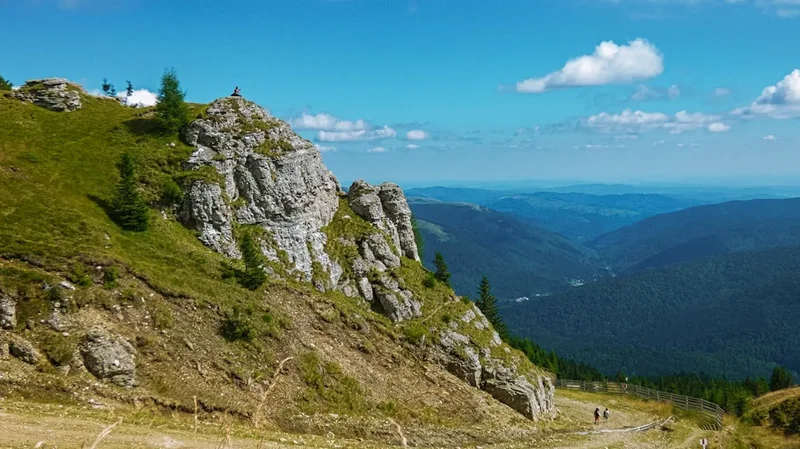
Entry into Piatra Craiului National Park requires a park entrance fee. This fee is typically paid at designated points, often at the park entrance near Zărnești or at information points within the park. The exact cost can vary, but it is generally a modest amount intended to contribute to the park's maintenance and conservation efforts.
Park Entrance Fee:
- Cost: Varies, but expect a fee of approximately 10-20 Romanian Leu (RON) per person for a single entry or a daily pass. For multi-day hikes, a longer-term pass might be available.
- Payment: Fees are usually payable in cash (RON) at official park entry points or ranger stations. It is advisable to carry sufficient cash.
- Purpose: The revenue generated from entrance fees directly supports park management, trail maintenance, conservation projects, and ranger patrols.
Accommodation Bookings: While not a permit in the traditional sense, booking accommodation at mountain huts like Curmătura Hut in advance is crucial, especially during peak season. These bookings are essential to guarantee a place to stay and should be made directly with the hut operators well ahead of your planned visit.
No Special Permits for Ridge Traverse: For experienced hikers undertaking the ridge traverse with appropriate gear and knowledge, no special permits beyond the park entrance fee are typically required. However, it is always wise to check the official website of Piatra Craiului National Park or contact local park authorities for the most up-to-date information on regulations and fees before your trip.
Other Activities in the Area
Beyond the challenging ridge traverse, the Piatra Craiului region offers a variety of other activities for visitors:
- Forest Hiking: Numerous well-marked trails wind through the lower-altitude forests surrounding the massif, offering gentler walks suitable for all fitness levels. These trails often lead to scenic viewpoints, waterfalls, or traditional shepherd settlements.
- Exploring Zărnești: The town itself is charming, with traditional Romanian architecture and a relaxed atmosphere. Visit the local ethnographic museum to learn about the region's history and culture.
- Dinosaur Geopark Țara Hațegului: While a longer drive, this area is famous for its fossil discoveries, including dwarf dinosaurs. It's a fascinating destination for those interested in paleontology.
- Bran Castle: Approximately 30-40 minutes drive from Zărnești, Bran Castle is famously associated with the legend of Dracula. It's a popular tourist attraction with a rich history and impressive architecture.
- Poiana Brașov: A well-known mountain resort town offering activities like hiking, mountain biking, and in winter, skiing. It's a good base for exploring the wider Carpathian region.
- Wildlife Watching: Piatra Craiului National Park is home to diverse wildlife, including brown bears, wolves, lynx, and chamois. While sightings are not guaranteed, guided tours can increase your chances of observing these animals in their natural habitat.
- Traditional Cuisine: Sample authentic Romanian mountain cuisine at local restaurants and guesthouses. Dishes often feature polenta (mămăligă), various stews, grilled meats, and local cheeses.
Safety and Conditions
Pre-Departure Checks:
- Weather Forecast: Always check the mountain weather forecast for Piatra Craiului National Park immediately before your hike and daily if possible. Websites like Meteo Romania or specific mountain weather services are invaluable. Be aware of potential thunderstorms, especially during summer afternoons.
- Trail Conditions: Consult with local park rangers or experienced hikers in Zărnești for the latest information on trail conditions, especially regarding snow, ice, or any temporary closures.
- Inform Someone: Leave your detailed itinerary, including your planned route, expected return time, and contact information, with a trusted friend or family member.
Ridge Traverse Hazards:
- Exposure: The ridge is narrow and exposed, with steep drop-offs on both sides. A fear of heights can make this trail extremely challenging.
- Technical Sections: The presence of metal cables and rungs indicates sections that require careful climbing and scrambling. These aids are not a substitute for proper technique and caution.
- Weather Changes: Mountain weather can shift dramatically and rapidly. Fog, rain, wind, and even snow can occur unexpectedly, significantly reducing visibility and increasing the risk of hypothermia and disorientation.
- Slippery Surfaces: Rock surfaces can become very slippery when wet, increasing the risk of falls.
- Loose Scree: Some sections of the trail involve loose scree, which can be unstable underfoot.
General Safety Advice:
- Fitness and Experience: Ensure you are physically fit and have prior experience with challenging mountain hikes and scrambling.
- Appropriate Gear: Do not compromise on essential gear, especially sturdy footwear, waterproofs, and navigation tools.
- Water and Food: Carry more than you think you will need. Dehydration and low energy levels can impair judgment and increase accident risk.
- Pace Yourself: Do not rush. Take your time on technical sections and enjoy the views safely.
- Respect the Environment: Stay on marked trails to avoid damaging fragile vegetation and to prevent getting lost.
- Emergency Contact: Consider carrying a fully charged mobile phone. While signal can be intermittent, it may be available in certain spots. A personal locator beacon (PLB) is a valuable safety device for remote areas.
- Wildlife: While encounters are rare, be aware of the potential presence of bears. Make noise while hiking in forested areas and never approach or feed wildlife.
Emergency Numbers: The general emergency number in Romania is 112.
Side Trips and Points of Interest
La Lanțuri (The Chains): This is one of the most iconic and challenging sections of the Piatra Craiului ridge traverse. It involves a steep, near-vertical ascent or descent where a series of metal chains are bolted into the rock face to assist hikers. It requires significant upper body strength and a good head for heights. The views from this section are spectacular, offering a true sense of being on the edge of the world.
Piatra Craiului Peaks: While the main trail follows the ridge, there are several distinct peaks along the massif, such as Vârful La Om (1,907 m), the highest point. For experienced mountaineers, detours to these summits can offer even more expansive views and a greater challenge. These require advanced navigation skills and potentially additional equipment.
Cerdacul Stanciului (The Rock Niche): A dramatic overhang and a popular spot for photographers and climbers. It offers a unique perspective of the massif's geological structure and the surrounding landscape.
Traditional Shepherd Huts: In the lower valleys and alpine meadows, you may encounter traditional shepherd huts (stâni). These offer a glimpse into the historical pastoral lifestyle of the region. While not always accessible to visitors, their presence adds to the cultural richness of the area.
Cave Systems: The limestone nature of the Piatra Craiului Massif means there are numerous caves and sinkholes. Some are accessible for exploration by experienced cavers, though many require specialised equipment and knowledge.
Alpine Flora: The alpine meadows are a riot of colour during the spring and summer months. Keep an eye out for endemic species such as the Piatra Craiului bellflower (Campanula transsilvanica) and various orchids. The park is a significant botanical hotspot.
Leave No Trace
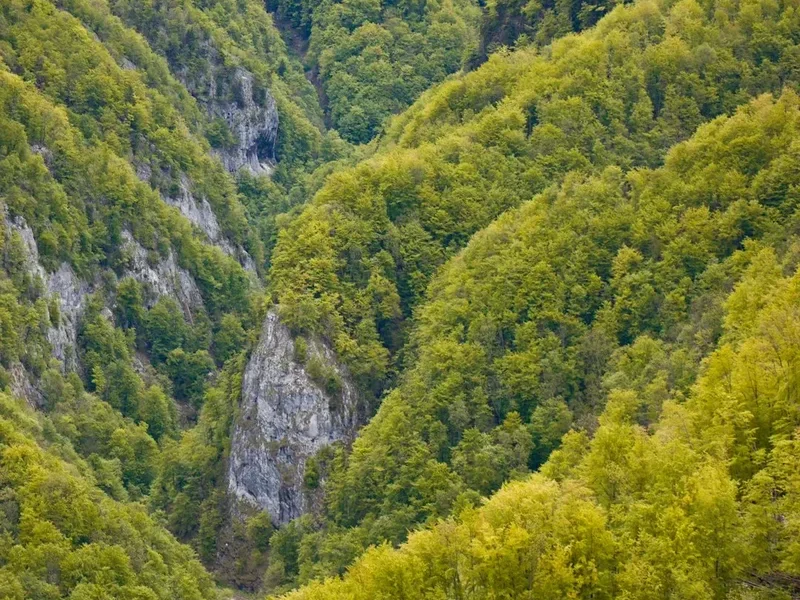
The Piatra Craiului National Park is a precious natural environment, and adhering to Leave No Trace principles is paramount to preserving its beauty and ecological integrity for future generations. As a visitor, you play a vital role in protecting this fragile ecosystem.
Your responsibility as a hiker:
- Plan Ahead and Prepare: Understand the trail, its challenges, and the weather. Pack appropriately and know the regulations of the park.
- Travel and Camp on Durable Surfaces: Stick to marked trails. Avoid walking on fragile vegetation, especially in alpine meadows. If camping is permitted in designated areas (though generally not on the ridge itself), use established sites.
- Dispose of Waste Properly: Pack out everything you pack in. This includes all food scraps, wrappers, and any other litter. Use designated toilet facilities at huts. If no facilities are available, dig a cathole at least 60 metres away from water sources, trails, and campsites. Pack out used toilet paper.
- Leave What You Find: Do not pick wildflowers, disturb wildlife, or remove natural objects. Take only photographs and memories.
- Minimise Campfire Impacts: Campfires are generally prohibited in national parks and mountain areas due to fire risk and environmental damage. Use a portable stove for cooking.
- Respect Wildlife: Observe wildlife from a distance. Never feed animals, as this can disrupt their natural behaviours and diets, and can be harmful to their health.
- Be Considerate of Other Visitors: Keep noise levels down, especially in huts and on trails. Yield to others on narrow paths.
By following these principles, you help ensure that the Piatra Craiului Ridge Trail remains a wild and beautiful place for everyone to enjoy.