
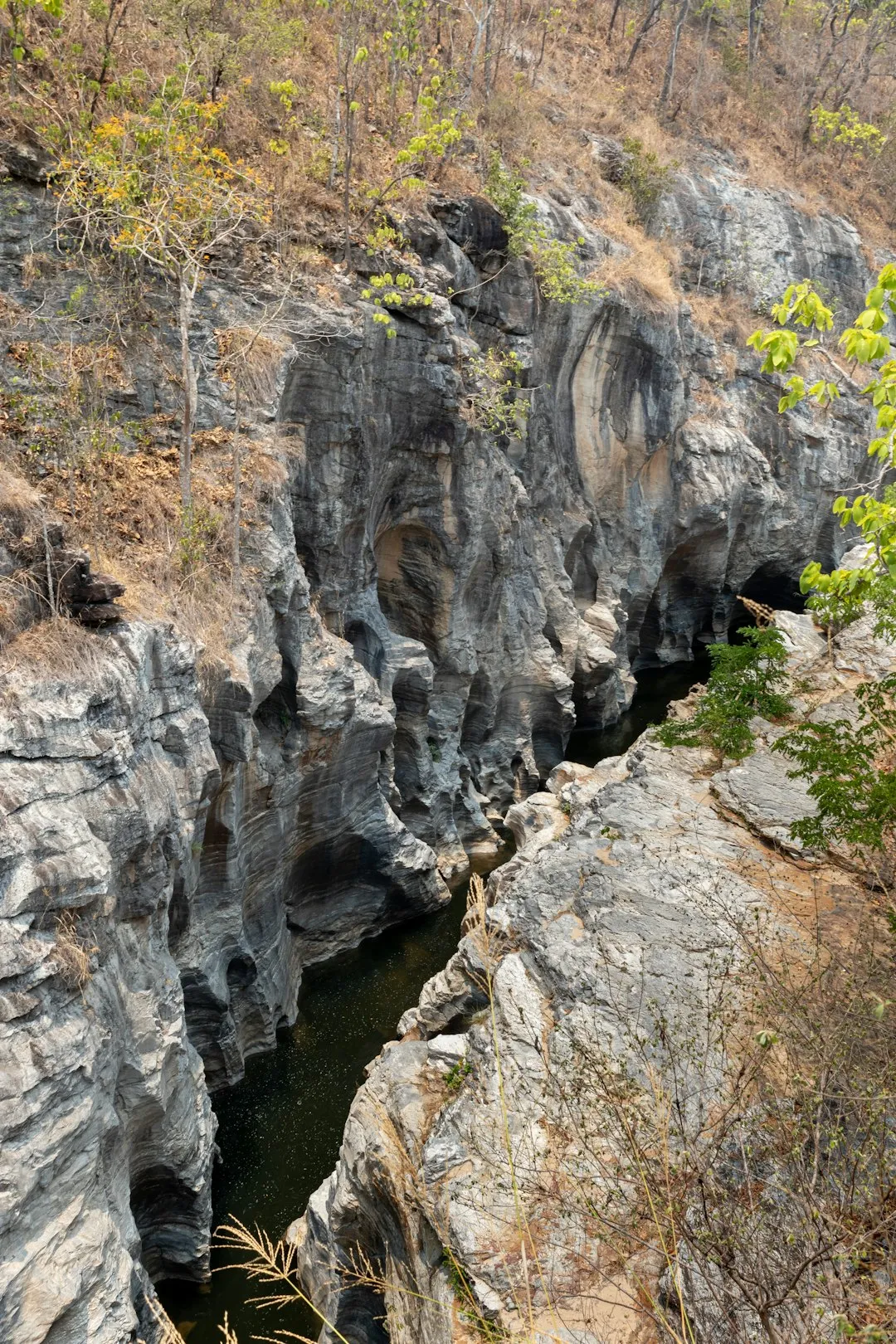
Phu Kradueng National Park Trail - Thailand's Majestic Plateau
Phu Kradueng National Park Trail is a renowned and challenging trek in Thailand's Loei Province, offering a unique mountain plateau experience. This multi-day walk ascends to a vast, flat-topped mountain, rewarding hikers with stunning viewpoints, diverse ecosystems, and a sense of accomplishment. Unlike many tropical hikes, Phu Kradueng presents a cooler climate at its summit, making it a popular destination for both Thai and international visitors seeking an escape from the heat and a taste of adventure. The trail is well-trodden but demanding, requiring a good level of fitness and preparation. The journey to the top is a significant undertaking, involving steep ascents and a substantial elevation gain, but the payoff is a landscape that feels worlds away from the lowlands.
- Distance: Approximately 55.0 km (round trip, including exploration on the plateau)
- Duration: 3-4 days
- Season: October to May (dry season is most popular and recommended)
- Accommodation: Park-provided bungalows and campsites at the summit
- Highest point: Summit plateau (approximately 1,200 m)
- Elevation gain: Approximately 1,200 m
- Difficulty: Challenging
- Closest City: Loei
Overview
Phu Kradueng, meaning "Cracked Mountain," is a distinctive sandstone mesa that rises dramatically from the surrounding plains of northeastern Thailand. The ascent to its expansive summit plateau is the primary challenge and attraction of the trail. The hike is typically divided into stages, with the initial climb being the most strenuous. Hikers ascend through dense evergreen forests, passing by numerous waterfalls and rock formations that punctuate the steep path. The trail is well-maintained but relentlessly uphill, often featuring a series of switchbacks and stone steps designed to ease the gradient, though the overall effort remains considerable.
Upon reaching the summit, the landscape transforms. The steep, forested slopes give way to a vast, relatively flat plateau dotted with pine forests, grasslands, and dramatic cliffs. This plateau is where most of the exploration and overnight stays occur. Key attractions on the summit include various viewpoints offering panoramic vistas of the surrounding countryside, particularly at sunrise and sunset. The cooler temperatures at this altitude (often dropping to 15-20°C at night during the dry season) provide a welcome respite from the tropical heat of the lowlands.
The park is managed by the Department of National Parks, Wildlife and Plant Conservation, ensuring that facilities are available for visitors. Accommodation options at the summit include basic bungalows and campsites, allowing hikers to spend multiple days exploring the plateau's natural wonders. The journey down is often as challenging as the ascent, requiring careful footing and concentration.
History and Cultural Context
Phu Kradueng has long been a significant natural landmark for local communities in the Loei Province. Its distinctive shape and the cooler climate at its summit have made it a place of interest and a destination for spiritual or recreational visits for generations. While not as extensively documented in historical records as ancient temples or royal sites, its importance as a natural resource and a place of natural beauty is deeply ingrained in regional culture.
The establishment of Phu Kradueng National Park in 1962 marked a formal recognition of its ecological significance and a commitment to its preservation. The park was one of the earliest national parks established in Thailand, highlighting its status as a natural treasure. The development of the trail and the provision of basic facilities for visitors began in earnest following its designation as a national park. This allowed for increased accessibility, transforming it from a local pilgrimage site into a popular destination for hikers and nature enthusiasts.
Over the decades, Phu Kradueng has become a rite of passage for many Thai students and young adults, a symbol of overcoming a physical challenge. The park's management has evolved to balance conservation efforts with visitor management, aiming to protect its unique ecosystems while providing a memorable experience for those who undertake the arduous climb. The trail itself, while appearing somewhat natural, has been significantly engineered over time with stone steps and cleared paths to facilitate safe passage, reflecting a long history of human interaction with this majestic mountain.
Seasonal Highlights and Weather Reality
The best time to visit Phu Kradueng is during the dry season, which typically runs from October to May. This period offers the most favourable weather conditions for hiking and exploring the summit plateau.
October to February (Cool Season): This is considered the peak season. The weather is pleasantly cool, with daytime temperatures often ranging from 20-25°C and nighttime temperatures dropping to 10-15°C, sometimes even lower. The skies are generally clear, offering excellent visibility for the panoramic views from the summit. This period is ideal for hiking and enjoying the cooler climate. However, it is also the busiest time, so expect more crowds, especially on weekends and public holidays.
March to May (Hot Season): As the dry season progresses, temperatures begin to rise. Daytime temperatures can reach 30-35°C or higher, making the ascent more challenging. While the summit plateau remains cooler than the lowlands, the climb itself can be quite hot and humid. The number of visitors may decrease slightly during the hottest part of this season.
June to September (Rainy Season): This is the monsoon season in Thailand. Phu Kradueng receives significant rainfall during these months. While the lush greenery is at its most vibrant, the trail can become very slippery and muddy, increasing the risk of accidents. Waterfalls are at their most spectacular, but visibility from the viewpoints can be severely limited by clouds and fog. Many visitors opt to avoid this season due to the challenging conditions and potential for trail closures or limited access to certain areas. The park may also experience temporary closures or restrictions during periods of heavy rain and potential landslides.
Recommended Itinerary
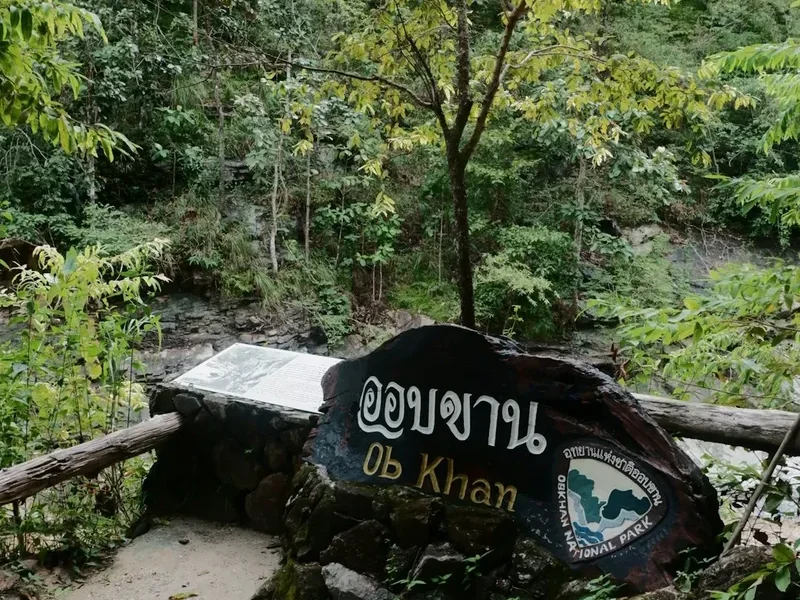
3-Day Phu Kradueng Itinerary (Challenging Ascent)
Day 1: Ascent to the Summit Plateau
- Distance: Approximately 9.0 km (to the summit)
- Elevation gain: Approximately 1,200 m
- Time: 5–8 hours (depending on fitness and stops)
- Morning: Arrive at Phu Kradueng National Park Visitor Centre. Register, pay entrance fees, and hire porters if needed.
- Start the hike from the park entrance, following the main trail.
- The trail is steep and well-defined, with sections of stone steps and switchbacks.
- Key Waypoints:
- Srakaew Waterfall: A good spot for a short break and to refill water.
- Pha Nok Ann: A viewpoint offering a glimpse of the surrounding landscape.
- Pha Ya Suea: Another viewpoint with impressive vistas.
- Kradung Peak (Summit): The final ascent leads to the plateau.
- Afternoon: Arrive at the summit plateau. Check into your pre-booked accommodation (bungalow or campsite).
- Explore the immediate vicinity of the park headquarters on the plateau.
- Evening: Relax and acclimatise to the cooler temperatures.
Day 2: Exploring the Summit Plateau
- Distance: Variable (depending on exploration, approx. 10-20 km total)
- Elevation gain: Minimal on the plateau
- Time: Full day
- Morning: Sunrise viewing at a designated viewpoint (e.g., Pha Lom Sak).
- Hike to various viewpoints and natural attractions on the plateau:
- Pha Lom Sak: Famous for its stunning sunrise views and dramatic cliff edge.
- Pha Diao Dai: Another spectacular viewpoint, often with mist rolling through the valleys.
- Wang Sawai: A natural pool and waterfall area.
- Tham Suea (Tiger Cave): A small cave formation.
- Pine Forest: Enjoy walks through the unique pine forests of the plateau.
- Afternoon: Continue exploring or relax at your accommodation. Consider visiting the park's visitor centre for more information.
- Evening: Enjoy another sunset from a different viewpoint.
Day 3: Descent and Departure
- Distance: Approximately 9.0 km (descent)
- Elevation loss: Approximately 1,200 m
- Time: 3–5 hours
- Morning: Enjoy a final breakfast on the plateau.
- Check out of accommodation and begin the descent.
- The descent is steep and requires careful footing. Take your time to avoid slips and falls.
- Key Waypoints:
- Follow the same trail as the ascent, but in reverse.
- Consider stopping at viewpoints you may have missed on the way up.
- Afternoon: Arrive back at the National Park Visitor Centre.
- Depart from Phu Kradueng National Park.
Optional 4-Day Itinerary: Add an extra day on the plateau to explore more remote viewpoints, relax, or revisit favourite spots. This allows for a more leisurely pace and deeper immersion in the park's natural beauty.
Important Notes:
- Book accommodation in advance, especially during peak season.
- Porters are available to carry heavy gear up and down the mountain (highly recommended for comfort).
- Carry sufficient water and snacks for the ascent and descent.
- Wear sturdy hiking boots and comfortable clothing.
- Be prepared for changing weather conditions, even in the dry season.
Planning and Bookings
Book Your Trip
Everything you need to plan your journey
Accommodation
Find places to stay near Loei
Flights
Search flights to Loei
Essential Preparation
Phu Kradueng is a significant physical undertaking. Adequate preparation is crucial for a safe and enjoyable experience. Begin by assessing your fitness level; regular cardiovascular exercise, including hiking with a weighted backpack, is highly recommended in the weeks leading up to your trip. The ascent involves a sustained climb of 1,200 metres, which can take several hours and is demanding on the legs and lungs.
Logistics involve reaching Phu Kradueng National Park. The nearest major city with an airport is Loei. From Loei, you can take a bus or hire a taxi to reach the park entrance, a journey of approximately 2-3 hours. Road conditions are generally good. Upon arrival at the park headquarters, you will need to register and pay the entrance fee. If you plan to stay overnight, booking accommodation in advance is strongly advised, particularly during the popular dry season (October to May) and on weekends or public holidays. The park offers basic bungalows and campsites at the summit.
Consider hiring porters if you have a lot of gear. They are readily available at the base and can significantly lighten your load, allowing you to focus more on the hike itself. The cost is usually per kilogram, and it's a worthwhile investment for many visitors.
Trail Accommodation
Accommodation is available at the summit of Phu Kradueng, managed by the National Park. Options are basic but functional, catering to hikers who wish to spend time exploring the plateau.
Accommodation Types:
- Bungalows: These are simple, concrete structures with basic furnishings. They typically include beds, a fan, and an en-suite bathroom with a cold shower. They are designed for practicality rather than luxury.
- Campsites: Designated areas are available for pitching tents. Tent rental may also be an option.
Booking Requirements:
- Advance booking is highly recommended, especially during peak season (October to May) and weekends. Bookings can often be made online through the Department of National Parks website or directly at the park headquarters upon arrival if availability permits.
- Payment is typically required upon booking or check-in.
Facilities Provided:
- Beds with mattresses (bedding may or may not be provided, check when booking)
- Fans in bungalows
- Basic bathrooms with cold water showers and toilets
- Designated camping areas
- A small shop selling essentials, snacks, and drinks
- Restaurants/food stalls serving Thai cuisine
What's NOT Provided:
- Hot water showers
- Air conditioning
- Cooking facilities for personal use (restaurants are available)
- Towels (bring your own)
- Toiletries (bring your own)
- Entertainment beyond nature and basic park facilities
Seasonal Availability: Accommodation is generally available year-round, but booking is essential during the dry season. During the rainy season, access and availability might be affected by weather conditions.
Costs: Prices are generally affordable. Bungalows can range from approximately 800-2,000 THB per night, while campsite fees are significantly lower. These are approximate costs and can vary.
Required Gear
- Hiking Boots: Sturdy, waterproof hiking boots with good ankle support are essential. Ensure they are well broken-in to prevent blisters.
- Waterproof Jacket: A lightweight, breathable waterproof jacket is crucial, even in the dry season, as weather can change rapidly, and rain showers are possible.
- Rain Pants: Waterproof overtrousers will keep you dry and comfortable during downpours.
- Backpack: A comfortable daypack (20-30L) for the ascent and descent if using porters, or a larger multi-day pack (40-55L) if carrying your own gear. A rain cover for the backpack is highly recommended.
- Head Torch/Flashlight: Essential for navigating in low light conditions, especially if you start early or finish late, and for use in accommodation. Bring spare batteries.
- First Aid Kit: Include blister treatment (moleskin, bandages), antiseptic wipes, pain relievers, any personal medications, and insect repellent.
- Navigation: While the trail is well-marked, a map of the plateau and a compass or GPS device can be useful for exploring.
- Sun Protection: A wide-brimmed hat, sunglasses, and high SPF sunscreen are vital, especially on the exposed plateau.
What to Bring
- Food and Snacks: While restaurants are available at the summit, carrying your own high-energy snacks (nuts, dried fruit, energy bars) is advisable for the hike. Consider bringing some easy-to-prepare meals if you plan to camp.
- Water Bottles/Hydration Reservoir: Carry at least 2-3 litres of water per person for the ascent. Refill points are available at waterfalls along the trail, but always treat or purify water if unsure.
- Water Treatment: Water purification tablets or a portable filter are recommended for refilling water from natural sources.
- Clothing:
- Moisture-wicking base layers (synthetic or merino wool)
- Insulating mid-layers (fleece or down jacket) for cooler evenings on the plateau
- Comfortable hiking trousers or shorts
- Extra socks (wool or synthetic)
- Sleepwear
- Toiletries: Biodegradable soap, toothbrush, toothpaste, hand sanitiser, toilet paper (essential, as it may not always be available in public restrooms).
- Personal Items: Camera, power bank for charging devices, book or journal for downtime.
- Cash: Bring sufficient Thai Baht for entrance fees, accommodation, food, porters, and any souvenirs. ATMs may be limited or unavailable at the summit.
- Insect Repellent: Mosquitoes and other biting insects can be present, especially near water sources.
Permits
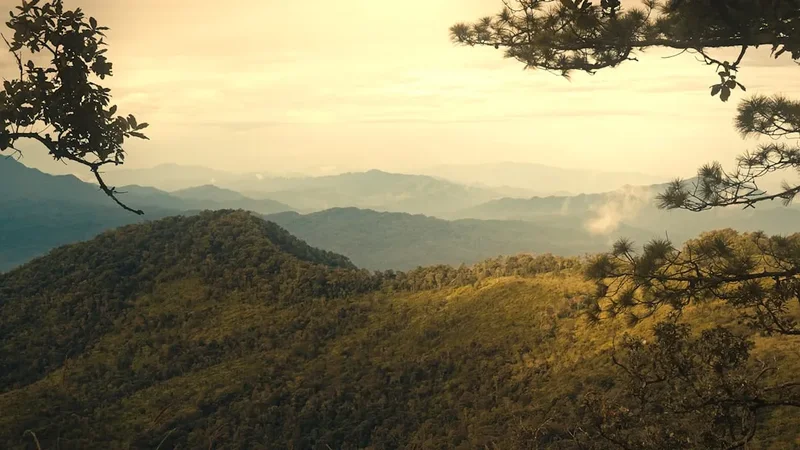
To hike and stay at Phu Kradueng National Park, visitors are required to pay an entrance fee. This fee contributes to the park's maintenance and conservation efforts. The fee structure typically varies for Thai nationals and foreign visitors, with foreigners usually paying a higher rate.
Entrance Fees (Approximate):
- Thai Nationals: Around 40-60 THB per person.
- Foreign Tourists: Around 200-400 THB per person.
- Children: Often have a reduced fee.
Accommodation Fees: In addition to the entrance fee, there are charges for staying overnight in the park's bungalows or using the campsites. These fees are separate from the entrance fee and are payable upon booking or check-in.
- Bungalows: Prices vary based on size and amenities, typically ranging from 800 THB to 2,000 THB per night.
- Campsites: A nominal fee per person or per tent, usually around 30-100 THB per night.
Porters: If you choose to hire porters to carry your gear, there is a separate fee based on the weight of your luggage. This is usually charged per kilogram and is paid directly to the porters.
Booking: While it's possible to pay entrance fees and secure accommodation upon arrival, especially during the off-peak season, advance booking is highly recommended for bungalows during the peak dry season (October to May) and on weekends or public holidays to avoid disappointment. This can often be done through the Department of National Parks website or by contacting the park directly.
Park Regulations: Visitors must adhere to park rules, which include prohibitions on littering, feeding wildlife, and making excessive noise. Respecting these regulations helps preserve the natural environment of Phu Kradueng.
Other Activities in the Area
While Phu Kradueng National Park is the primary draw, the surrounding Loei Province offers several other attractions and activities for visitors:
- Phanom Wangsa: A beautiful waterfall located near the base of Phu Kradueng, offering a refreshing spot to visit before or after your hike.
- Chiang Khan: A charming riverside town on the Mekong River, known for its preserved traditional wooden houses, laid-back atmosphere, and vibrant night market. It's a great place to experience local culture and enjoy Mekong river views.
- Phu Ruea National Park: Another mountainous park in Loei Province, offering cooler temperatures and scenic viewpoints. It's known for its pine forests and flower gardens.
- Wat Pa Phu Kon: A stunningly beautiful temple with unique architecture and serene surroundings, located in the Na Yung district of Udon Thani province, but easily accessible from Loei.
- Local Markets: Explore local markets in Loei city or Chiang Khan to sample regional delicacies, purchase handicrafts, and experience the local way of life.
- Mekong River Cruises: Take a boat trip on the Mekong River from Chiang Khan to enjoy the scenery and visit nearby islands or villages.
- Thai Cuisine: Loei Province is known for its distinct Isaan (Northeastern Thai) cuisine. Be sure to try local specialties like Som Tum (papaya salad), Laab (minced meat salad), and sticky rice.
Safety and Conditions
Trail Conditions: The Phu Kradueng trail is steep and can be slippery, especially during and after rainfall. The summit plateau, while flatter, has uneven terrain and cliff edges. Always wear appropriate footwear and be mindful of your footing.
Weather: Even during the dry season, weather can change. Be prepared for cooler temperatures at the summit, especially at night. During the rainy season (June-September), the trail can become hazardous due to mud, slippery surfaces, and potential flash floods. Check weather forecasts before and during your trip.
Wildlife: While Phu Kradueng is not known for dangerous large animals, be aware of smaller creatures like snakes and insects. Do not approach or feed any wildlife. Keep food stored securely to avoid attracting animals.
Hydration and Nutrition: The strenuous climb requires adequate hydration and energy. Carry plenty of water and high-energy snacks. Refill water bottles at designated points, but consider using purification methods if unsure of water quality.
Communication: Mobile phone signal can be intermittent, especially on the trail. Inform someone of your hiking plans and expected return time. There are limited communication facilities at the park headquarters.
Emergency Services: Basic first aid is available at the park headquarters. For serious emergencies, evacuation may be necessary, which can be time-consuming and costly. It is advisable to have travel insurance that covers medical evacuation.
Porters: Hiring porters is a safety measure as much as a convenience. They are experienced with the trail and can assist in case of minor issues. Ensure you agree on the price and service beforehand.
Respecting the Environment: Adhere to all park rules to ensure your safety and the preservation of the park. This includes staying on marked trails, not littering, and not disturbing the natural environment.
Side Trips and Points of Interest
The summit plateau of Phu Kradueng offers several natural attractions and viewpoints that are worth exploring during your stay:
Pha Lom Sak: This is arguably the most famous viewpoint on Phu Kradueng, renowned for its spectacular sunrise vistas. The cliff edge offers a dramatic panorama as the sun rises over the distant plains, often accompanied by a sea of clouds. It's a popular spot for photographers and early risers.
Pha Diao Dai: Another breathtaking viewpoint offering expansive views of the surrounding valleys and mountains. It's particularly impressive when mist rolls through the landscape, creating an ethereal atmosphere. This viewpoint is also a great spot for sunset.
Wang Sawai: A picturesque area featuring a natural pool and a small waterfall. It's a refreshing spot to relax and enjoy the natural beauty of the plateau's water features. The area is surrounded by lush vegetation.
Tham Suea (Tiger Cave): A small cave formation that offers a brief respite and a unique geological feature. While not a major attraction, it's an interesting stop for those exploring the plateau.
Pine Forest: The summit plateau is home to a unique ecosystem that includes stands of pine trees, which are unusual for this region of Thailand. Walking through these forests provides a different sensory experience compared to the dense tropical forests of the ascent.
Kradung Peak: The highest point on the plateau, marked by a small monument. It's a significant landmark for hikers who have completed the challenging ascent.
Park Headquarters Area: The area around the park headquarters on the summit offers basic amenities, including restaurants, shops, and information centres. It's a good base for planning your explorations of the plateau.
Leave No Trace
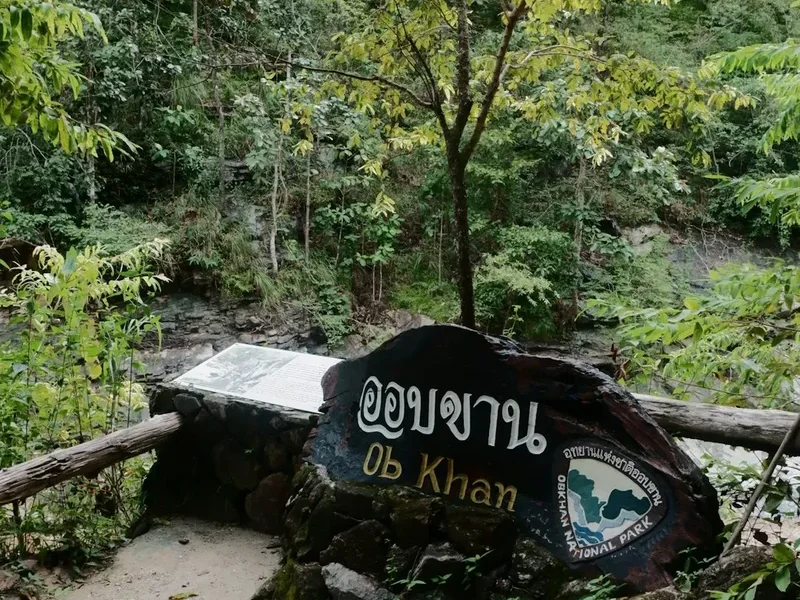
Phu Kradueng National Park is a precious natural resource, and visitors have a responsibility to minimise their impact on the environment. Practising Leave No Trace principles ensures that the park remains beautiful and healthy for future generations.
1. Plan Ahead and Prepare: Research the trail, weather conditions, and park regulations before your visit. Pack appropriately for the conditions and carry out all your belongings.
2. Travel and Camp on Durable Surfaces: Stick to marked trails during your ascent and descent. On the plateau, use designated paths and campsites. Avoid walking on fragile vegetation, especially mosses and small plants.
3. Dispose of Waste Properly: Pack out everything you pack in, including all food scraps, wrappers, and any other litter. Use the designated waste bins at the park headquarters or carry your rubbish back down the mountain. Do not bury or burn trash.
4. Leave What You Find: Do not take any natural objects (rocks, plants, flowers) from the park. Leave them for others to enjoy and for the ecosystem to thrive.
5. Minimise Campfire Impacts: Campfires are generally not permitted on the Phu Kradueng plateau. Use designated cooking facilities or eat pre-prepared food. If camping, ensure you have a portable stove and use it responsibly.
6. Respect Wildlife: Observe wildlife from a distance and never feed them. Feeding animals can alter their natural behaviour and diet, leading to health problems and dependency on humans.
7. Be Considerate of Other Visitors: Keep noise levels down, especially in accommodation areas and on the trail. Respect the peace and tranquility of the natural environment. Allow faster hikers to pass.
By adhering to these principles, you contribute to the conservation of Phu Kradueng's unique natural beauty and ensure a positive experience for all visitors.
 Italy
Italy