
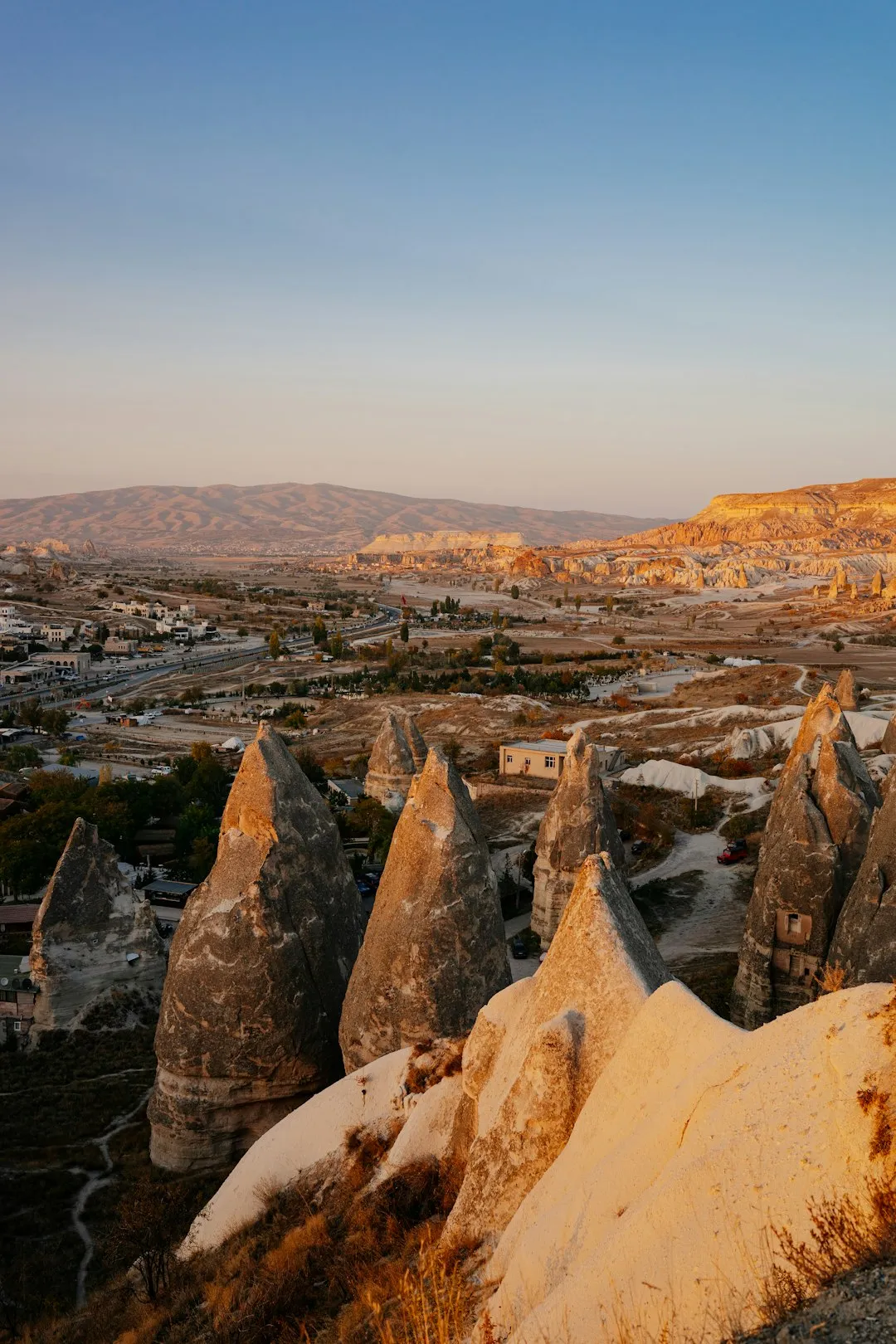
Phrygian Way Segment - A Journey Through Anatolian History
The Phrygian Way Segment is a captivating multi-day walk that traces the ancient routes of Phrygia, a legendary kingdom in west-central Anatolia. This 500 km trail offers a profound immersion into a landscape rich with archaeological wonders, dramatic natural beauty, and a deep sense of history. Stretching across diverse terrains, from rolling hills dotted with ancient ruins to rugged mountain passes, the Phrygian Way is a journey through time, connecting walkers with the legacy of King Midas and the vibrant culture that once flourished here. It is a trail that rewards the intrepid with unparalleled insights into one of the ancient world's most influential civilizations, offering a unique blend of physical challenge and cultural discovery.
- Distance: 500.0 km one-way
- Duration: 25-30 days
- Season: Spring (April-May) and Autumn (September-October)
- Difficulty: Moderate
- Closest City: Afyonkarahisar
- Trailhead Access: Various access points along the route, easily accessible
- Highest point: Varies by segment, generally moderate alpine passes
- Daily walkers: No limit, independent exploration
Overview
The Phrygian Way Segment is more than just a hiking trail; it is a meticulously curated expedition through the heartland of ancient Phrygia. This extensive route, spanning 500 kilometres, is designed to showcase the most significant archaeological sites, natural landscapes, and cultural heritage of the region. Walkers will traverse a varied topography, encountering fertile valleys, arid plateaus, and the foothills of Anatolian mountain ranges. The trail is punctuated by the remnants of a once-mighty civilisation: monumental rock-cut tombs, ancient city foundations, sacred sites, and the iconic "Midas City" (Yazılıkaya), a testament to Phrygian artistry and religious practices.
The experience is one of gradual revelation. As you walk, the landscape unfolds, revealing layers of history. You might find yourself traversing paths trodden by ancient peoples, passing by tumuli (burial mounds) that hint at forgotten rulers, or stumbling upon inscriptions that whisper tales of a bygone era. The natural environment is equally compelling, with opportunities to observe unique flora and fauna, and to experience the vast, open skies characteristic of the Anatolian plateau. The moderate difficulty level makes it accessible to a wide range of hikers, allowing for a contemplative pace that encourages deep engagement with the surroundings.
The Phrygian Way is a testament to the enduring spirit of exploration and the desire to connect with our past. It offers a rare opportunity to walk in the footsteps of legends, to witness the silent grandeur of ancient monuments, and to experience the raw beauty of the Turkish countryside. This is a journey for those who seek not just a physical challenge, but a profound cultural and historical pilgrimage.
History and Cultural Context
The Phrygian Way Segment is steeped in the rich tapestry of Anatolian history, primarily focusing on the Phrygian civilisation, which rose to prominence in the 8th century BCE. The Phrygians, believed to have migrated from the Balkans, established a powerful kingdom in central Anatolia, with its capital often cited as Gordion (near modern-day Polatlı). Their influence extended across a vast territory, and they played a significant role in the geopolitical landscape of the ancient Near East, interacting with Hittite remnants, Assyrians, and later, the Lydians and Greeks.
The most enduring legacy of the Phrygians is their unique rock-cut architecture and monumental tombs. The trail highlights sites like Yazılıkaya, often referred to as "Midas City," a sacred complex featuring a monumental rock facade dedicated to the Phrygian mother goddess, Cybele. Other significant sites include the Midas Mound (a colossal tumulus at Gordion believed to be the tomb of King Midas), and numerous smaller rock-cut tombs and sanctuaries scattered throughout the region. These structures demonstrate a sophisticated understanding of stonework and a deep spiritual connection to the land.
The legend of King Midas, particularly his golden touch and his association with the Phrygian king, has captured imaginations for millennia. While the historical Midas was a real ruler, the myths surrounding him have become intertwined with the very fabric of the region, adding an aura of mystique to the Phrygian Way. The trail also passes through areas that later saw Roman, Byzantine, and Ottoman influence, with remnants of these periods often found alongside Phrygian ruins, creating a palimpsest of history that walkers can explore.
The establishment of the Phrygian Way as a modern hiking route is a relatively recent endeavour, aimed at preserving and promoting this invaluable cultural heritage. It allows for a more intimate and accessible exploration of these ancient sites, connecting modern travellers with the echoes of a civilisation that shaped the course of history.
Seasonal Highlights and Weather Reality
The Phrygian Way Segment is best experienced during the spring and autumn months, offering a balance of pleasant temperatures and favourable walking conditions. These seasons provide a stark contrast to the extremes of the Anatolian climate.
Spring (April-May): This is an ideal time to walk the Phrygian Way. Wildflowers carpet the landscape, transforming the rolling hills and plateaus into vibrant displays of colour. Temperatures are generally mild, ranging from 10°C to 20°C, making for comfortable hiking days. The air is fresh, and the natural scenery is at its most beautiful. However, spring can also bring unpredictable rainfall, with occasional heavy showers possible, especially in the higher elevations. Days are lengthening, providing ample daylight for exploration.
Autumn (September-October): Autumn offers another excellent window for walking the Phrygian Way. The intense heat of summer subsides, and temperatures become pleasantly cool, typically between 15°C and 25°C. The landscape takes on a golden hue as vegetation dries, and the skies are often clear and blue. This season is ideal for photography and for enjoying the vast, open vistas. Rainfall is generally less frequent than in spring, though occasional showers can still occur. The shorter days mean planning your hiking schedule carefully to ensure you reach your destination before dusk.
Summer (June-August): Summers in this region of Turkey can be extremely hot, with temperatures frequently exceeding 30°C and sometimes reaching 40°C. While the long daylight hours are an advantage, the intense heat can make hiking arduous and potentially dangerous, especially on exposed plateaus. Water sources may also be scarce during this period. It is generally not recommended to undertake the full Phrygian Way during the peak summer months unless you are an experienced desert hiker with meticulous planning for heat management and hydration.
Winter (November-March): Winters can be cold, with temperatures often dropping below freezing, particularly at higher altitudes. Snowfall is common, which can make sections of the trail impassable and obscure ancient sites. While the landscape can be beautiful under a blanket of snow, the conditions require advanced winter hiking skills, appropriate gear, and a thorough understanding of avalanche risks. For most walkers, winter is not the ideal season for this trail.
Recommended Itinerary
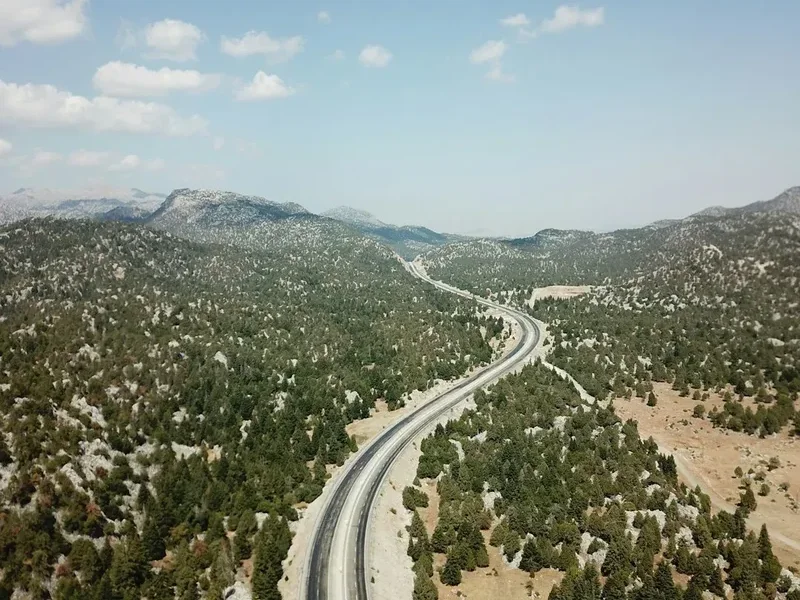
Phrygian Way Segment - A Sample 28-Day Itinerary
This itinerary is a suggestion and can be adapted based on individual pace, interests, and available time. It focuses on key archaeological sites and scenic routes.
Day 1: Arrival in Afyonkarahisar
- Arrive in Afyonkarahisar, the closest major city.
- Check into accommodation, rest, and prepare for the journey.
- Explore Afyonkarahisar's historical sites, including the castle and local bazaars.
- Final gear check and food provisions.
Day 2: Afyonkarahisar to İscehisar (Approx. 30 km)
- Begin the trek from Afyonkarahisar.
- Walk through agricultural lands and small villages.
- Pass by early Phrygian tumuli.
- Arrive in İscehisar, a town with significant Phrygian heritage.
- Visit the ancient Phrygian rock-cut tombs and settlements near İscehisar.
Day 3: İscehisar to Döğer (Approx. 25 km)
- Continue north from İscehisar.
- The landscape becomes more rugged as you approach the Phrygian Valley.
- Explore more rock-cut structures and early settlements.
- Arrive in Döğer, a village situated in a historically significant area.
Day 4: Döğer and the "Midas City" (Yazılıkaya) (Approx. 15 km round trip)
- Day trip to the magnificent Yazılıkaya (Midas City).
- Explore the monumental rock-cut facade, the "Midas Monument," and other sacred rock-cut features.
- Understand the religious significance of this site for the Phrygians.
- Return to Döğer for the night.
Day 5: Döğer to Gökçesu (Approx. 28 km)
- Trek through varied terrain, including open plains and rolling hills.
- Pass through rural communities, experiencing local life.
- Arrive in Gökçesu, a small village offering basic amenities.
Day 6: Gökçesu to Seydiler (Approx. 22 km)
- Continue on the Phrygian Way, following ancient tracks.
- The route may involve some ascents and descents through undulating terrain.
- Reach Seydiler, a village known for its traditional architecture.
Day 7: Seydiler to Kümbet (Approx. 20 km)
- Journey towards the Kümbet region, known for its numerous tumuli.
- Explore the landscape dotted with ancient burial mounds.
- Arrive in Kümbet, a village offering a glimpse into rural Anatolian life.
Day 8: Kümbet to Ballıca (Approx. 26 km)
- The trail continues through a mix of natural landscapes and historical markers.
- Potential for encountering more rock-cut sanctuaries or ancient roads.
- Reach Ballıca, a small settlement.
Day 9: Ballıca to Emre Lake Area (Approx. 30 km)
- Walk towards the vicinity of Emre Lake (Emre Gölü).
- This area is rich in Phrygian archaeological sites.
- Set up camp or find accommodation near the lake.
Day 10: Exploration around Emre Lake (Day Trip)
- Dedicate the day to exploring the numerous Phrygian sites around Emre Lake.
- Visit sites such as Gerdekkaya, a large rock-cut tomb, and other smaller monuments.
- Enjoy the natural beauty of the lake and its surroundings.
- Return to your base near Emre Lake.
Day 11: Emre Lake Area to Akkaya (Approx. 25 km)
- Depart from the Emre Lake area.
- The trail may lead through more remote and natural landscapes.
- Arrive in Akkaya, a village offering respite.
Day 12: Akkaya to Çavdarhisar (Approx. 35 km)
- A longer walking day, potentially traversing more open terrain.
- Pass through agricultural lands and small hamlets.
- Reach Çavdarhisar, a town with historical significance.
Day 13: Çavdarhisar and Kütahya (Approx. 20 km to Kütahya)
- Walk from Çavdarhisar towards Kütahya.
- Çavdarhisar itself has Roman ruins (Aizanoi).
- Arrive in Kütahya, a larger city with more amenities and historical depth.
- Explore Kütahya's Ottoman-era architecture and museums.
Day 14: Rest Day in Kütahya
- A well-deserved rest day in Kütahya.
- Replenish supplies, do laundry, and explore the city further.
- Visit the Kütahya Museum of Archaeology and Ethnography.
Day 15: Kütahya to Dumlupınar (Approx. 30 km)
- Continue the Phrygian Way, heading south-east from Kütahya.
- The landscape may become more mountainous.
- Arrive in Dumlupınar, a town with historical importance related to the Turkish War of Independence.
Day 16: Dumlupınar to Hisar (Approx. 25 km)
- Trek through the region, potentially passing more ancient sites.
- The terrain might involve moderate ascents and descents.
- Reach the village of Hisar.
Day 17: Hisar to Sorkun (Approx. 22 km)
- Continue following the marked Phrygian Way.
- Experience the rural charm of Anatolian villages.
- Arrive in Sorkun.
Day 18: Sorkun to Gökçeler (Approx. 28 km)
- The trail may lead through valleys and across higher ground.
- Observe the changing flora and fauna as you progress.
- Reach Gökçeler.
Day 19: Gökçeler to Çukurören (Approx. 20 km)
- A shorter walking day, allowing for more time to appreciate the surroundings.
- Pass through more traditional villages.
- Arrive in Çukurören.
Day 20: Çukurören to Seyitgazi (Approx. 30 km)
- Journey towards Seyitgazi, a town with significant historical and religious importance (Bektaşi shrine).
- The landscape may become more arid.
- Arrive in Seyitgazi.
Day 21: Seyitgazi and surrounding sites (Day Trip)
- Explore Seyitgazi and its surroundings.
- Visit the tomb of Seyit Battal Gazi and the historical mosque.
- While not strictly Phrygian, these sites add to the historical depth of the region.
- Return to Seyitgazi.
Day 22: Seyitgazi to Bardakçı (Approx. 25 km)
- Continue on the Phrygian Way, heading towards the ancient city of Pessinus.
- The terrain might be varied, with some open plains and rocky outcrops.
- Reach Bardakçı.
Day 23: Bardakçı to Pessinus (Ballıhisar) (Approx. 15 km)
- Short walk to the significant archaeological site of Pessinus.
- Explore the ruins of this ancient city, once a major religious centre.
- Discover the temple of Cybele and Roman-era structures.
- Overnight near Pessinus or in a nearby village.
Day 24: Pessinus to Ballıca (Revisit or alternative route) (Approx. 20 km)
- Depending on the exact route, you might revisit Ballıca or take an alternative path.
- This section allows for flexibility and exploration of less-documented areas.
- Arrive in Ballıca.
Day 25: Ballıca to Gordion Area (Approx. 30 km)
- The trail leads towards the legendary site of Gordion.
- Pass through landscapes that were once the heart of the Phrygian kingdom.
- Arrive in the vicinity of Gordion.
Day 26: Gordion Exploration (Day Trip)
- Dedicate the day to exploring the archaeological site of Gordion.
- Visit the Midas Mound (Yassıhöyük), the Citadel, and the Royal Necropolis.
- Learn about the excavations and the history of this pivotal Phrygian capital.
- Overnight near Gordion.
Day 27: Gordion to Polatlı (Approx. 15 km)
- A final short walk to the town of Polatlı, the modern centre near Gordion.
- Reflect on the journey and the historical discoveries.
- Arrange onward travel from Polatlı.
Day 28: Departure from Polatlı
- Depart from Polatlı, with connections to Ankara or other major cities.
Important Notes:
- This is a sample itinerary; actual distances and daily plans may vary based on trail conditions and personal preferences.
- Accommodation options range from basic village guesthouses (pansiyon) to camping. Booking in advance is recommended for guesthouses, especially in smaller villages.
- Water sources can be unreliable in some areas; always carry sufficient water and a purification method.
- Navigation is crucial; a good map, GPS device, and compass are essential.
- Respect local customs and traditions when passing through villages.
Planning and Bookings
Book Your Trip
Everything you need to plan your journey
Accommodation
Find places to stay near Afyonkarahisar
Flights
Search flights to Afyonkarahisar
Essential Preparation
The Phrygian Way Segment is a long-distance trail that requires careful planning and preparation. Given its extensive length (500 km) and the varied terrain, walkers should allocate sufficient time for the journey, typically 25-30 days. The closest major city with an airport is Afyonkarahisar, which serves as a convenient starting point or logistical hub. From Afyonkarahisar, local transport (buses, dolmuş) can be used to reach various access points along the trail. It is advisable to spend at least one day in Afyonkarahisar or a nearby town to finalise gear, purchase supplies, and acclimatise.
Logistics involve planning daily stages, identifying potential accommodation or camping spots, and ensuring you have adequate food and water. Communication can be sporadic in rural areas, so having a reliable navigation system (GPS device or smartphone with offline maps) is paramount. Informing someone of your itinerary and expected check-in times is also a crucial safety measure.
Trail Accommodation
Accommodation along the Phrygian Way Segment varies significantly depending on the location. Walkers will encounter a mix of options:
- Villages: Many villages along the route offer basic guesthouses (pansiyon) or rooms for rent. These are often family-run and provide a simple but authentic experience. It is advisable to inquire locally upon arrival, as formal booking systems are not always available, especially in smaller settlements.
- Camping: Wild camping is generally permitted in Turkey in designated areas, provided you are respectful of the environment and local customs. Designated campsites are rare, so be prepared to find suitable spots in natural surroundings. Always ensure you have permission if camping on private land.
- Towns: Larger towns like Afyonkarahisar, Kütahya, and Polatlı offer a wider range of hotels and guesthouses. These are useful for rest days, resupply, and accessing more amenities.
What's Provided: Guesthouses typically offer a bed, basic bathroom facilities, and sometimes breakfast. Camping provides complete self-sufficiency.
What's NOT Provided: None of the accommodation options provide meals beyond breakfast (if available), cooking facilities, or personal toiletries. You will need to carry all your own food, cooking equipment, and personal items.
Seasonal Availability: Accommodation in villages is generally available year-round, though services might be reduced during winter months. Camping is feasible during spring and autumn. Summer heat can make camping less comfortable.
Costs: Guesthouses can range from €15-€30 per night. Camping is free, but you will incur costs for supplies and transport.
This is a multi-day walk requiring overnight accommodation.
Required Gear
- Sturdy hiking boots: Waterproof, well-broken-in boots with good ankle support are essential for varied terrain.
- Backpack: A comfortable 50-70 litre backpack with a rain cover.
- Tent: A lightweight, durable tent suitable for potential wild camping.
- Sleeping bag: A 3-season sleeping bag rated for temperatures down to 0-5°C.
- Sleeping mat: For insulation and comfort when camping.
- Waterproof jacket and trousers: Essential for unpredictable spring and autumn weather.
- Warm layers: Fleece or down jacket, thermal base layers (merino wool or synthetic).
- Navigation tools: GPS device or smartphone with offline maps (e.g., Maps.me, Gaia GPS), compass, and a detailed paper map of the region.
- Head torch: With spare batteries.
- First-aid kit: Comprehensive kit including blister treatment, pain relievers, antiseptic wipes, bandages, and any personal medications.
- Sun protection: High SPF sunscreen, sunglasses, wide-brimmed hat.
- Trekking poles: Highly recommended for stability on uneven terrain and descents.
- Repair kit: Duct tape, needle and thread, multi-tool.
What to Bring
- Food: Lightweight, high-energy food for the duration of your trek. Plan for resupply points in larger towns. Dehydrated meals, nuts, dried fruit, energy bars, and jerky are good options.
- Water treatment: Water filter or purification tablets. While water sources exist, their reliability can vary, and treatment is always recommended.
- Cooking equipment: Lightweight camping stove, fuel, pot, mug, bowl, and utensils.
- Toiletries: Biodegradable soap, toothbrush, toothpaste, toilet paper, hand sanitiser, quick-dry towel.
- Personal items: Camera, power bank for electronics, book or journal, identification, cash (Euros or Turkish Lira).
- Insect repellent: Especially important during warmer months.
- Small daypack: For excursions from your main camp or accommodation.
Permits
The Phrygian Way Segment does not require specific permits for general hiking. As it traverses public lands and passes through villages, no special permissions are needed for individuals or small groups to walk the marked routes. However, it is always advisable to be aware of local regulations regarding camping, especially if you plan to camp on private land or within protected natural areas, though such areas are less common on this specific route.
Important Considerations:
- Respect for Sites: While no permits are needed, it is crucial to treat all archaeological sites with the utmost respect. Do not climb on ancient structures, remove artefacts, or disturb the environment.
- Local Customs: When passing through villages, dress modestly and be mindful of local customs and traditions. A polite greeting ("Merhaba") goes a long way.
- Camping: If wild camping, choose discreet locations away from settlements and water sources. Leave no trace of your presence.
- Guides: For those seeking a more in-depth historical and logistical experience, hiring a local guide is an option. Guides can be arranged through tour operators in major cities like Afyonkarahisar or Kütahya, or sometimes found locally in larger villages. This is not a requirement but can enhance the journey.
The beauty of the Phrygian Way lies in its accessibility and the freedom it offers to explore at your own pace, without the constraints of formal booking systems or permits.
Other Activities in the Area
Beyond the core hiking experience, the region surrounding the Phrygian Way offers a wealth of other activities:
- Archaeological Site Exploration: Dedicate extra time to thoroughly explore major sites like Yazılıkaya (Midas City), Pessinus, and Gordion. These sites often have extensive ruins beyond the main highlights.
- Cultural Immersion: Spend time in the villages along the route. Engage with local communities, learn about traditional crafts, and sample authentic Anatolian cuisine. Visiting local markets can be a vibrant experience.
- Thermal Springs: Afyonkarahisar is renowned for its thermal springs. After a long trek, relaxing in these natural hot springs can be incredibly rejuvenating.
- Local Cuisine: Anatolian food is diverse and delicious. Seek out regional specialities, such as various kebabs, gözleme (stuffed flatbread), mantı (Turkish dumplings), and local mezes (appetisers).
- Photography: The landscapes, ancient ruins, and rural life offer endless opportunities for photography. The golden light of sunrise and sunset can be particularly dramatic.
- Historical City Exploration: Explore cities like Kütahya, known for its Ottoman-era architecture, tile-making traditions, and historical museums.
- Nature Walks: Beyond the marked trail, explore smaller valleys and hills for shorter, informal nature walks.
Safety and Conditions
Pre-Departure Checks:
- Weather: Always check the weather forecast for the specific regions you will be traversing. Temperatures can vary significantly between plains and higher elevations, and between day and night.
- Trail Conditions: While the Phrygian Way is generally well-trodden, sections can become overgrown or difficult to navigate after periods of heavy rain. Inform yourself about recent conditions if possible.
- Water Sources: Research the reliability of water sources along your planned route. Carry a water filter or purification tablets and always treat water from natural sources.
- Communication: Mobile phone signal can be intermittent in rural and mountainous areas. Ensure your phone is fully charged and consider carrying a power bank. Inform a trusted contact of your itinerary and expected check-in times.
Terrain Hazards:
- Uneven Ground: The trail involves walking on rocky paths, gravel tracks, and sometimes rough, uneven terrain. Sturdy hiking boots and trekking poles are highly recommended.
- River Crossings: Depending on the season and rainfall, some river crossings may be necessary. Assess the depth and current carefully before attempting to cross.
- Livestock: You may encounter livestock, including shepherd dogs. Maintain a safe distance and do not approach or provoke them.
Health and Well-being:
- Heatstroke: During warmer months, dehydration and heatstroke are serious risks. Hike during cooler parts of the day, wear protective clothing, and drink plenty of water.
- Sunburn: The Anatolian sun can be intense. Use high SPF sunscreen, wear a hat, and sunglasses.
- Injuries: Carry a comprehensive first-aid kit and know how to treat common hiking injuries like blisters, sprains, and cuts.
Cultural Sensitivity: Be respectful of local customs and traditions. Dress modestly when passing through villages, and always ask permission before taking photographs of people.
Emergency Contacts: Know the local emergency numbers (112 in Turkey). It is also advisable to have contact details for your accommodation providers or local contacts.
Side Trips and Points of Interest
Yazılıkaya (Midas City): This is arguably the most significant Phrygian site on the trail. The monumental rock-cut facade, known as the "Midas Monument," is an awe-inspiring testament to Phrygian craftsmanship and religious devotion. The site also includes other rock-cut tombs, altars, and inscriptions, offering a deep dive into Phrygian culture and beliefs. Allow at least half a day to explore thoroughly.
Gordion: The ancient capital of the Phrygian kingdom, Gordion is a vast archaeological complex. The most striking feature is the Midas Mound, one of the largest tumuli in the ancient world, believed to be the burial place of King Midas. Excavations have revealed a sophisticated Bronze Age city and a rich royal necropolis. Visiting Gordion provides crucial context for understanding the power and influence of the Phrygian civilisation.
Pessinus (Ballıhisar): Once a major religious centre dedicated to the mother goddess Cybele, Pessinus boasts impressive Roman-era ruins, including a well-preserved theatre and temple foundations. Its historical importance as a religious hub makes it a fascinating stop for understanding the syncretic religious practices of the ancient world.
Tumuli Fields: The Phrygian Way passes through numerous areas dotted with tumuli (burial mounds). These ancient burial sites, ranging in size, offer a constant reminder of the region's long history and the presence of powerful rulers and elites from antiquity. Many are visible from the trail, while others may require short detours.
Rural Villages: The smaller villages along the route are points of interest in themselves. They offer a glimpse into traditional Anatolian rural life, with unique architecture, local crafts, and the opportunity to interact with the local population. Experiencing the hospitality and daily routines of these communities adds a rich cultural dimension to the trek.
Natural Landscapes: Beyond the historical sites, the trail traverses diverse natural environments, from fertile river valleys to arid plateaus and rolling hills. The changing scenery, especially during spring with wildflowers or autumn with golden hues, provides its own unique points of interest.
Leave No Trace
The Phrygian Way Segment traverses landscapes that have been shaped by human activity for millennia, but also contain fragile natural ecosystems and significant archaeological heritage. Adhering to Leave No Trace principles is essential to preserve this environment and its historical integrity for future generations.
Your responsibility as a walker:
- Pack it in, Pack it out: Carry out all your rubbish, including food scraps, wrappers, and any other waste. Do not bury or burn litter.
- Stay on the Trail: Stick to marked paths and trails to avoid damaging vegetation, causing erosion, and disturbing potential archaeological features.
- Respect Wildlife: Observe wildlife from a distance. Do not feed animals, as this can disrupt their natural behaviour and diet.
- Dispose of Waste Properly: Use designated toilet facilities where available. If wild camping, dig a cathole at least 60 metres away from water sources, trails, and campsites, and bury human waste. Pack out used toilet paper.
- Leave What You Find: Do not take souvenirs from archaeological sites or natural areas. Leave rocks, plants, and artefacts in place.
- Minimise Campfire Impacts: Use a lightweight camping stove for cooking. If a campfire is absolutely necessary and permitted, use existing fire rings and ensure the fire is completely extinguished before leaving.
- Be Considerate of Others: Respect the peace and tranquility of the trail. Avoid loud noises and be mindful of other walkers and local residents.
- Protect Cultural Heritage: Treat all archaeological sites with the utmost respect. Do not climb on ruins, touch inscriptions, or disturb any historical artefacts.
By following these principles, you help ensure that the Phrygian Way remains a pristine and historically significant route for all to enjoy.