
Phoksundo Lake Trek - The Turquoise Jewel of Dolpo
The Phoksundo Lake Trek is a captivating journey into the remote and culturally rich Dolpo region of Nepal, culminating at the breathtaking, turquoise waters of Shey Phoksundo Lake. This trek is not just about reaching a destination; it's an immersion into a landscape of stark beauty, ancient Bon and Buddhist traditions, and a way of life that has remained largely unchanged for centuries. Unlike the more frequented trails of the Annapurna or Everest regions, Dolpo offers a profound sense of solitude and an authentic glimpse into Tibetan-influenced culture, making it a truly unique trekking experience.
- Distance: Approximately 55 km (one-way from Juphal to Ringmo and return, or continuing to other villages)
- Duration: 6-8 days (typical itinerary)
- Season: September to November (autumn) and April to May (spring)
- Highest point: Kang La Pass (5,360 m) or Bagala Pass (5,190 m) depending on route
- Difficulty: Moderate to Challenging (due to altitude and remoteness)
- Accommodation: Teahouses/lodges and camping
- Region: Dolpo, Nepal
Overview
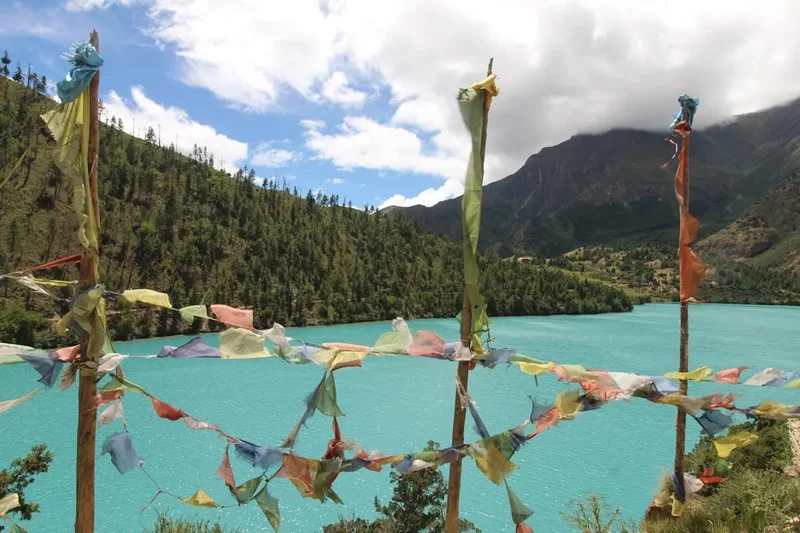
The Phoksundo Lake Trek is a moderate to challenging multi-day adventure that winds through the remote Dolpo region of western Nepal. This trek is renowned for its dramatic landscapes, which transition from arid, high-altitude deserts to lush valleys, and its unique cultural encounters with the indigenous Bonpo and Buddhist communities. The highlight of the trek is undoubtedly Shey Phoksundo Lake, a stunningly beautiful, deep blue alpine lake situated at an elevation of 3,611.5 metres. The lake is considered sacred by both Bon and Buddhist faiths, and its pristine, untouched beauty is a reward in itself.
The trek typically begins in Juphal, a small airstrip accessible by a flight from Nepalgunj. From Juphal, the trail meanders through picturesque villages like Dunai and Chhepka, gradually ascending through rhododendron and pine forests. As the altitude increases, the vegetation thins, giving way to the characteristic dry, rugged terrain of the Upper Dolpo. The journey involves crossing high passes, such as the Kang La (5,360 m) or Bagala Pass (5,190 m), which offer panoramic views of the surrounding Himalayan peaks and the vast, untamed wilderness of Dolpo.
The cultural aspect of the Phoksundo Lake Trek is as significant as its natural beauty. Dolpo is one of the last bastions of the ancient Bon religion, a pre-Buddhist faith that still thrives here. Trekkers have the opportunity to visit ancient monasteries, witness traditional ceremonies, and interact with the warm and hospitable local people, who often maintain a lifestyle that has remained unchanged for centuries. The trek offers a rare chance to step back in time and experience a side of Nepal that few visitors get to see.
The remoteness of Dolpo means that facilities are basic, and trekkers must be prepared for a more rugged experience than on more popular routes. However, this very remoteness is what preserves its charm and authenticity. The sense of isolation, the vastness of the landscapes, and the genuine cultural encounters make the Phoksundo Lake Trek an unforgettable adventure for those seeking a deeper connection with nature and tradition.
History and Cultural Context
The Dolpo region, and by extension the Phoksundo Lake Trek, is steeped in a history that predates the arrival of Buddhism in Nepal. For centuries, Dolpo was an independent kingdom, strategically located along ancient salt trade routes connecting Tibet with the lower valleys of Nepal. This isolation allowed its unique cultural and religious traditions to flourish, particularly the Bon religion, which predates Buddhism and shares many philosophical similarities while maintaining distinct rituals and deities.
The Bon religion, founded by Tonpa Shenrab Miwoche, is believed to have originated in the Zhang Zhung region, which encompassed much of what is now Dolpo. The Bon monasteries and practices found in Dolpo are among the most significant and well-preserved in the world. The trek offers a unique opportunity to witness this ancient faith in practice, with visits to monasteries like Shey Gompa and the villages surrounding Phoksundo Lake, which are centres of Bon and Buddhist life.
In the 7th century, Buddhism began to spread into Dolpo, often coexisting and sometimes merging with the existing Bon traditions. This syncretism is evident throughout the region, with many gompas (monasteries) serving both Bon and Buddhist practitioners. The establishment of the Shey Monastery, founded in the 11th century by the revered Lama Yungdrung Tsanpo, marked a significant period for Buddhism in Upper Dolpo.
The region remained largely closed to the outside world until the 1950s, when Nepal opened its borders. However, due to its remoteness and challenging terrain, Dolpo remained relatively inaccessible for trekkers and researchers for many years. It was only in the 1980s that organised trekking into Dolpo began, and even then, special permits were required, reflecting the region's sensitive cultural and environmental status. The Phoksundo Lake Trek, in its current form, has evolved from these early explorations, offering a curated experience of Dolpo's natural beauty and rich cultural heritage.
The literary world also owes a debt to Dolpo, thanks to Peter Matthiessen's seminal work, "The Snow Leopard." Matthiessen's journey into Dolpo in 1973, seeking the elusive snow leopard and spiritual enlightenment, brought the region's mystique and profound spirituality to a global audience, inspiring many to undertake their own journeys into this remote Himalayan sanctuary.
Seasonal Highlights and Weather Reality
The Dolpo region experiences distinct seasons, each offering a different trekking experience. The best times to undertake the Phoksundo Lake Trek are during the spring and autumn months, when the weather is generally more stable and the landscapes are at their most appealing.
Spring (April to May): This is an excellent time to trek in Dolpo. The snow begins to melt, making the passes more accessible, and the lower valleys burst into bloom with rhododendrons and other wildflowers. The weather is typically clear, offering good mountain views, though temperatures can still be cool, especially at higher altitudes. Days are getting longer, providing ample time for trekking.
Autumn (September to November): Autumn is considered the prime trekking season for Dolpo. The monsoon rains have subsided, leaving the air crisp and clear. The skies are usually a brilliant blue, offering spectacular panoramic views of the snow-capped peaks. The temperatures are cool and pleasant during the day, though nights can be cold, especially at higher elevations. This season is ideal for photography and enjoying the vast, open landscapes.
Summer (June to August): This period coincides with the monsoon season in much of Nepal. While Dolpo is in a rain shadow region and receives significantly less rainfall than the southern parts of the country, there can still be occasional showers. The skies may be more overcast, and visibility of the higher peaks can be reduced. However, the landscape is greener, and there are fewer trekkers, offering a more solitary experience. Temperatures are generally warmer.
Winter (December to March): Winter in Dolpo is harsh, with heavy snowfall and extremely cold temperatures. The high passes are often impassable, and many teahouses and lodges may be closed. This season is generally not recommended for trekking unless one is an experienced winter mountaineer with appropriate gear and support. The region becomes very isolated during these months.
Weather Considerations: Regardless of the season, weather in the Himalayas can be unpredictable. High-altitude passes are susceptible to sudden changes, including snowstorms, strong winds, and fog, even during the trekking seasons. It is crucial to be prepared for a range of conditions, including cold temperatures, and to have flexible plans to accommodate potential weather delays.
Recommended Itinerary
6-Day Phoksundo Lake Trek Itinerary (Sample)
Day 1: Arrival in Juphal (2,475 m) and Trek to Dunai (2,140 m)
- Distance: Approximately 8 km
- Time: 3–4 hours
- Briefing at Juphal airport
- Descend through terraced fields and local villages
- Cross the Thulo Bheri valley
- Arrive in Dunai, the administrative centre of Dolpo
- Overnight in a teahouse
Day 2: Dunai to Chhepka (2,300 m)
- Distance: Approximately 10 km
- Time: 5–6 hours
- Trek along the Thuli Bheri River
- Pass through pine and rhododendron forests
- Cross suspension bridges
- Arrive in Chhepka, a small village with basic teahouses
- Overnight in a teahouse
Day 3: Chhepka to Suli Gaad (2,500 m)
- Distance: Approximately 12 km
- Time: 6–7 hours
- Continue following the Suli Gaad River
- Enter the Shey Phoksundo National Park
- The trail becomes steeper and more rugged
- Pass through dense forests
- Arrive in Suli Gaad, a campsite or basic lodge area
- Overnight in a teahouse or tent
Day 4: Suli Gaad to Ringmo (3,611.5 m) - Phoksundo Lake
- Distance: Approximately 10 km
- Time: 6–7 hours
- The most challenging day, ascending towards the lake
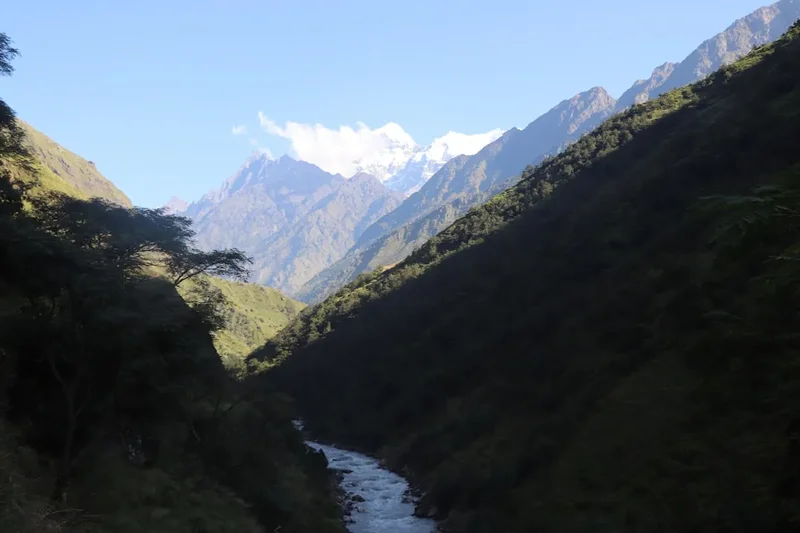
- Pass through a dramatic gorge
- Witness the stunning Phoksundo Waterfall
- Reach the village of Ringmo, perched above the lake
- Explore the village and the sacred lake
- Overnight in a teahouse or tent
Day 5: Exploration around Phoksundo Lake and Ringmo Village
- Distance: Variable
- Time: Full day
- Rest and acclimatise at the lake's altitude
- Visit the Bon Gompa (monastery) above Ringmo
- Walk along the shores of the lake
- Enjoy the serene beauty and spiritual atmosphere
- Overnight in a teahouse or tent
Day 6: Ringmo to Dunai (2,140 m) - Return Journey Begins
- Distance: Approximately 22 km
- Time: 7–8 hours
- Begin the descent back towards Juphal
- Retrace steps through the national park
- A long day of trekking
- Overnight in a teahouse in Dunai
Note: This is a sample itinerary. The trek can be extended to include further exploration of Upper Dolpo or a different return route. The duration can also be adjusted based on fitness levels and desired pace.
Planning and Bookings
Book Your Trip
Everything you need to plan your journey
Accommodation
Find places to stay near Nepalgunj
Flights
Search flights to Nepalgunj
Essential Preparation
The Phoksundo Lake Trek is an adventure into a remote region, requiring careful planning and preparation. Unlike more developed trekking routes, Dolpo has limited infrastructure, and access is primarily via a flight to Juphal, which is weather-dependent. It is highly recommended to book this trek through a reputable local trekking agency. They will handle all necessary permits, arrange flights, provide experienced guides and porters, and organise accommodation and meals.
Logistics: The closest major city for international arrivals is Kathmandu. From Kathmandu, you will take a domestic flight to Nepalgunj, and then a connecting flight to Juphal. These flights are small aircraft and are subject to weather conditions, so building in buffer days before and after your trek is crucial to account for potential delays or cancellations.
Base Town/City Information: Nepalgunj is a bustling city in the Terai region of Nepal, serving as the gateway to western Nepal. It has a range of hotels and guesthouses. Juphal is a small village with a basic airstrip and limited facilities. Dunai, the administrative centre of Dolpo, is the first major settlement encountered on the trek and offers more amenities than Juphal, including basic guesthouses and shops.
Trail Accommodation
Accommodation on the Phoksundo Lake Trek is a mix of teahouses (lodges) and camping. The availability and quality of teahouses vary significantly depending on the location.
Teahouses/Lodges:
- Availability: Found in villages like Dunai, Chhepka, and Ringmo. They offer basic rooms with twin beds and mattresses.
- Facilities Provided: Usually include a communal dining area, a basic kitchen, and shared toilet facilities (often squat toilets). Some may have rudimentary showers, but hot water is not guaranteed and often comes at an extra cost.
- What's NOT Provided: Sleeping bags, toiletries, towels, and personal items. Food is ordered from a menu, typically featuring Nepali and Tibetan dishes.
- Seasonal Availability: Teahouses are generally open throughout the trekking season (spring and autumn). Some may close during the harsh winter months.
- Costs: Room charges are usually nominal (around $5-10 USD per night), but the primary cost is for meals, which are more expensive in remote areas.
Camping:
- Availability: Used in areas where teahouses are not available, such as along the trail between villages or at designated campsites.
- Facilities Provided: Your trekking agency will provide tents, sleeping mats, cooking equipment, and a cook and porters to set up camp and prepare meals.
- What's NOT Provided: Personal camping gear (sleeping bag, headlamp, etc.).
- Seasonal Availability: Camping is possible throughout the trekking season, provided weather permits.
- Costs: Included in the overall trekking package arranged through an agency.
Note: Facilities are basic. Expect simple living conditions, and be prepared for cold nights and limited amenities.
Required Gear
- Sturdy Trekking Boots: Waterproof, well broken-in hiking boots with good ankle support are essential for navigating varied terrain and high passes.
- Waterproof Jacket and Trousers: Essential for protection against rain and wind, especially at higher altitudes.
- Warm Layers: Multiple layers of clothing are crucial. This includes thermal base layers (merino wool or synthetic), fleece jackets or down vests for insulation, and a warm, insulated outer jacket.
- Sleeping Bag: A 3-season or 4-season sleeping bag (rated to at least -10°C or lower) is highly recommended, as teahouse blankets can be thin, and nights are cold.
- Backpack: A comfortable trekking backpack (40-60 litres) with a rain cover. Porters will carry your main luggage, but you'll need a daypack for essentials.
- Headlamp or Torch: With spare batteries, as teahouses have no electricity.
- Sun Protection: High SPF sunscreen, sunglasses, and a wide-brimmed hat or cap. The sun is intense at high altitudes.
- First-Aid Kit: Comprehensive kit including blister treatment, pain relievers, antiseptic wipes, bandages, and any personal medications.
- Navigation Tools: While guides will navigate, a map and compass or GPS device can be useful for personal reference.
- Trekking Poles: Highly recommended for stability on ascents and descents, especially on passes.
What to Bring
- Food and Water: While meals are available in teahouses, carrying high-energy snacks (nuts, dried fruit, energy bars) is advisable. Water purification tablets or a filter are essential, as bottled water is not readily available and can be expensive.
- Toiletries: Biodegradable soap, toothbrush and toothpaste, toilet paper (carry out used paper), hand sanitiser, and any personal hygiene items.
- Personal Items: Camera, power bank for charging electronics (if available), book or journal, small towel.
- Clothing: Several pairs of trekking socks (wool or synthetic), warm hat (beanie), gloves, scarf or neck gaiter.
- Documents: Passport, visa, trekking permits, travel insurance details, and cash (Nepali Rupees) for expenses.
- Insect Repellent: While less of an issue at high altitudes, it can be useful in lower valleys.
- Small Backpack: For carrying water, snacks, camera, and extra layers during the day.
Permits
Trekking in the Dolpo region requires special permits due to its restricted status. These permits are essential for entering the Shey Phoksundo National Park and for accessing the Upper Dolpo area.
Required Permits:
- Shey Phoksundo National Park Entry Permit: This permit is mandatory for all trekkers entering the park.
- Restricted Area Permit (Upper Dolpo): Dolpo is divided into Lower Dolpo and Upper Dolpo. Upper Dolpo is a restricted area, and a special permit is required to trek there. This permit is typically issued for 10 days and has a specific daily fee.
How to Obtain Permits:
- Through a Trekking Agency: The most common and recommended method is to arrange your trek through a registered Nepali trekking agency. They will handle the entire permit application process on your behalf. This includes submitting your passport details and photographs to the Department of Immigration in Kathmandu.
- Individual Application: While theoretically possible, applying for restricted area permits individually is complex, time-consuming, and generally not feasible for most foreign trekkers. It requires navigating bureaucratic procedures in Kathmandu and often necessitates being accompanied by a registered Nepali guide.
Permit Fees (Subject to Change):
- Shey Phoksundo National Park Entry Permit: Approximately NPR 3,000 per person.
- Restricted Area Permit (Upper Dolpo): Approximately USD $500 per person for the first 10 days, with an additional fee for each subsequent day.
Important Notes:
- Permits must be carried with you at all times during the trek and may be checked at various checkpoints.
- The trekking agency will inform you of the exact permit requirements and costs at the time of booking.
- Ensure your passport is valid for at least six months beyond your intended stay in Nepal.
Other Activities in the Area
While the Phoksundo Lake Trek is the primary draw, the Dolpo region offers opportunities for deeper cultural immersion and exploration:
- Cultural Homestays: In villages like Ringmo, it's sometimes possible to arrange homestays with local families, offering an unparalleled insight into their daily lives, traditions, and hospitality.
- Monastery Visits: Beyond the Bon Gompa near Ringmo, there are numerous ancient monasteries scattered throughout Dolpo, such as Shey Gompa (often visited on longer Dolpo circuits) and others in villages like Dunai. These offer a glimpse into the spiritual heart of the region.
- Exploring Ringmo Village: Spend an extra day in Ringmo to fully appreciate its unique setting, interact with the villagers, and understand their way of life, which is deeply intertwined with the lake and the surrounding mountains.
- Photography: The stark beauty of Dolpo, the vibrant colours of prayer flags, the ancient monasteries, and the unique faces of the local people provide endless photographic opportunities.
- Stargazing: With minimal light pollution in the remote Dolpo region, the night skies are incredibly clear, offering spectacular views of the Milky Way and countless stars.
- Learning about Bon Culture: Engage with your guide to learn about the distinct practices, beliefs, and history of the Bon religion, which is a significant cultural heritage of Dolpo.
Safety and Conditions
Altitude Sickness (Acute Mountain Sickness - AMS):
- The Phoksundo Lake Trek reaches significant altitudes, with passes exceeding 5,000 metres. AMS is a serious risk.
- Prevention: Ascend gradually, stay well-hydrated, avoid alcohol and smoking, and eat well. "Climb high, sleep low" is a key principle.
- Symptoms: Headache, nausea, dizziness, fatigue, loss of appetite, and difficulty sleeping.
- Action: If symptoms appear, do not ascend further. Rest, hydrate, and if symptoms worsen, descend immediately. Your guide will monitor you closely.
Trail Conditions:
- The trails can be rugged, steep, and sometimes narrow, with loose scree and rocky sections.
- High passes can be covered in snow and ice, especially early or late in the season, requiring careful footing and potentially the use of crampons (provided by your agency if necessary).
- River crossings may be required, and suspension bridges are common.
- Weather can change rapidly, with sudden drops in temperature, strong winds, and snowstorms possible at any time, even during the trekking season.
Remoteness and Access:
- Dolpo is a remote region with limited medical facilities. The nearest significant hospital is in Kathmandu.
- Emergency evacuation (helicopter) is possible but expensive and weather-dependent. Comprehensive travel insurance covering high-altitude trekking and emergency evacuation is mandatory.
- Communication is limited; mobile phone reception is scarce, and satellite phones are often carried by guides for emergencies.
Health and Hygiene:
- Drink only purified or boiled water.
- Eat well-cooked food from reputable teahouses or your trekking agency's kitchen.
- Maintain good personal hygiene to prevent gastrointestinal issues.
Guides and Porters: Always trek with a licensed and experienced guide. They are trained in first aid, altitude sickness management, and local conditions. Porters are essential for carrying gear and ensuring a smoother trek.
Side Trips and Points of Interest
Phoksundo Waterfall: Located on the trail between Suli Gaad and Ringmo, this is one of the highest waterfalls in Nepal, cascading dramatically down a cliff face. It's a spectacular sight and a testament to the raw power of nature in the region.
Bon Gompa (Monastery): Perched on a ridge above Ringmo village, this ancient Bon monastery offers stunning views of Phoksundo Lake and the surrounding landscape. It's a significant spiritual site and a key point of interest for understanding the unique Bon culture of Dolpo.
Shey Phoksundo Lake Shoreline: The lake itself is a major attraction. Walking along its shores, especially in the early morning or late afternoon, provides breathtaking views of the turquoise water reflecting the surrounding peaks. The lake is considered sacred, and its pristine beauty is awe-inspiring.
Ringmo Village: This traditional village, with its stone houses and yak herders, offers a glimpse into the timeless lifestyle of the Dolpo people. Exploring the village, observing daily activities, and interacting with the locals adds a rich cultural dimension to the trek.
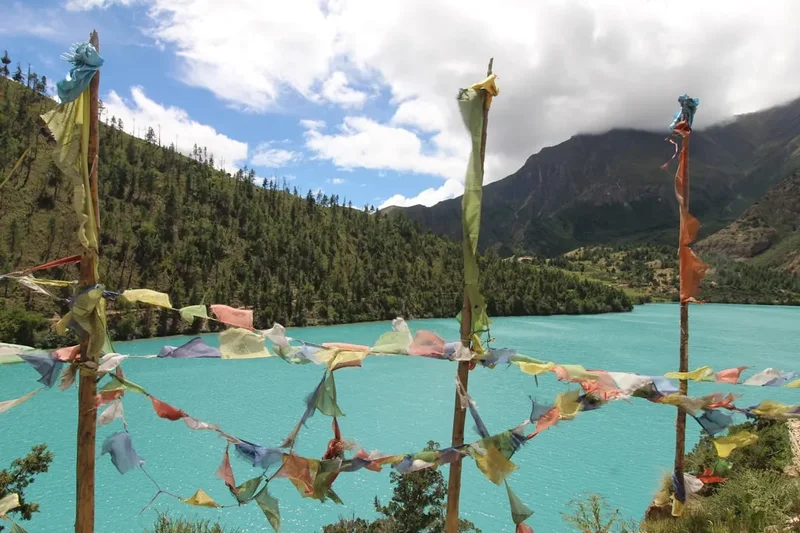
Kang La Pass (5,360 m) or Bagala Pass (5,190 m): Depending on the chosen route, crossing one of these high passes is a significant achievement. The panoramic views from the top, encompassing vast mountain ranges and remote valleys, are unforgettable. These passes are often adorned with prayer flags, adding to the spiritual ambiance.
Ancient Monasteries in Upper Dolpo: For trekkers extending their journey into Upper Dolpo, visiting ancient monasteries like Shey Gompa (often called the "Crystal Monastery") is a profound experience. These monasteries are centres of Buddhist learning and practice, with rich histories and impressive art.
Leave No Trace
The Dolpo region is a fragile ecosystem and a culturally sensitive area. Adhering to Leave No Trace principles is paramount to preserving its natural beauty and cultural heritage for future generations.
Plan Ahead and Prepare:
- Book your trek through a reputable agency that prioritises responsible tourism.
- Familiarise yourself with local customs and traditions.
- Pack out everything you pack in, including all rubbish, food scraps, and toilet paper.
Travel and Camp on Durable Surfaces:
- Stick to established trails to avoid damaging vegetation.
- Camp in designated areas or on durable surfaces like rock or dry grass, away from water sources.
Dispose of Waste Properly:
- Carry out all non-burnable waste.
- Use designated toilets in teahouses or dig catholes at least 60 metres away from water sources, trails, and campsites. Pack out used toilet paper.
- Burn or pack out all food scraps.
Leave What You Find:
- Do not remove any natural objects (rocks, plants) or cultural artefacts.
- Respect ancient monasteries and cultural sites; do not touch or disturb them.
Minimise Campfire Impacts:
- Campfires are generally not permitted in the national park or at campsites. Use portable stoves for cooking.
Respect Wildlife:
- Observe wildlife from a distance and never feed animals.
- Store food securely to prevent attracting animals.
Be Considerate of Other Visitors:
- Respect the local culture and traditions. Dress modestly when visiting villages and monasteries.
- Keep noise levels down, especially in villages and at campsites.
- Ask for permission before taking photographs of people.
By following these principles, you help ensure that the magic of Dolpo remains for those who follow.
 Nepal
Nepal