
Trilha do Perau Branco: A Coastal Gem Near Rio
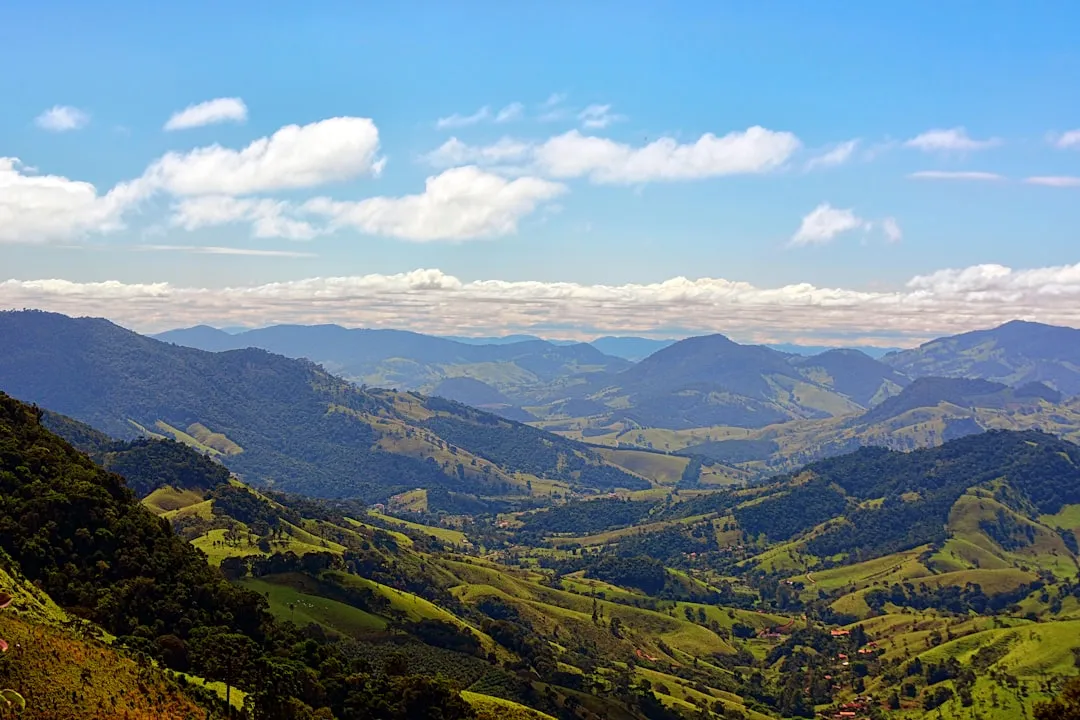
The Trilha do Perau Branco, or White Cliff Trail, is a captivating day hike located on the stunning coastline near Rio de Janeiro, Brazil. This trail offers a refreshing escape from the urban bustle, immersing walkers in the unique Atlantic Forest biome with breathtaking ocean vistas. Unlike the multi-day treks of more remote wilderness areas, Perau Branco is an accessible adventure, perfect for a day trip that combines moderate physical exertion with spectacular natural beauty. The trail winds through dense coastal vegetation, revealing dramatic cliffs, hidden coves, and panoramic views of the Atlantic Ocean. Its proximity to Rio de Janeiro makes it a popular choice for locals and tourists seeking a taste of Brazil's diverse natural landscapes without venturing too far from the city.
- Distance: 12.0 km one-way
- Elevation gain: 450 m
- Duration: 4-6 hours
- Difficulty: Moderate
- Best Time: April to September (dry season)
- Closest City: Rio de Janeiro
- Trailhead Access: From Rio de Janeiro, take a bus or taxi towards Guaratiba. Road conditions are generally good. Look for signs indicating Trilha do Perau Branco near the coast. Parking available, but limited. Registration/permit may be required at the trailhead; check in advance.
- Coordinates: -22.9500, -43.2000
Overview
The Trilha do Perau Branco is a moderately challenging day hike that showcases the rugged beauty of Brazil's Atlantic coast. The trail begins in the vicinity of Guaratiba, a coastal district west of Rio de Janeiro, known for its preserved natural areas and less developed beaches. The path itself is a testament to the resilience of the Atlantic Forest, a biodiversity hotspot that has faced significant deforestation. As you ascend, the dense, humid forest canopy gradually gives way to more open, windswept terrain, offering increasingly spectacular views of the coastline. The trail is characterised by its varied terrain, including steep ascents, rocky sections, and some exposed cliff edges, demanding a reasonable level of fitness and sure-footedness.
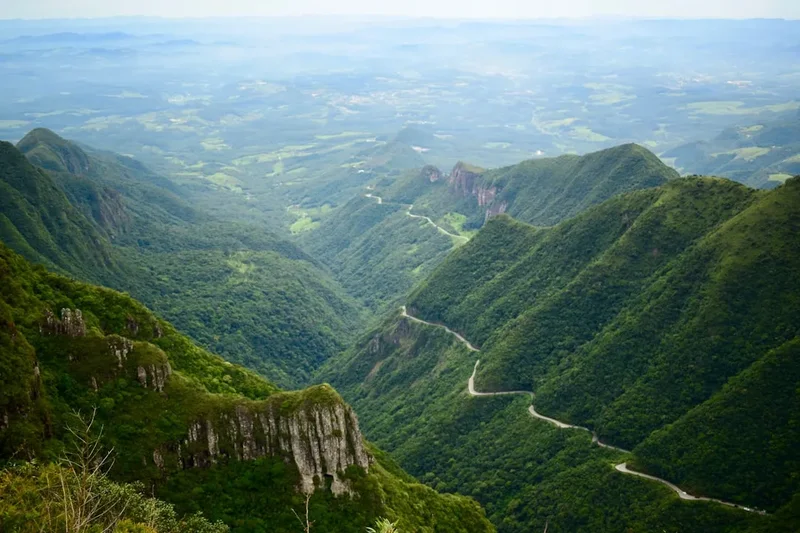
The name "Perau Branco" translates to "White Cliff," a fitting description for the dramatic white rock formations that punctuate the coastline, providing a striking contrast to the lush green vegetation and the deep blue of the ocean. These cliffs are not only visually impressive but also serve as a reminder of the geological forces that shaped this region. The hike typically involves a significant elevation gain, culminating in viewpoints that offer sweeping panoramas of the Atlantic Ocean, neighbouring beaches, and the distant urban sprawl of Rio de Janeiro. The journey is as much about the experience of traversing the unique coastal ecosystem as it is about reaching the summit or the most scenic overlooks.
The moderate difficulty rating reflects the combination of distance, elevation gain, and the nature of the trail. While not technically demanding, it requires consistent effort, particularly during the ascalent sections. The trail is generally well-trodden but can be uneven, with roots and rocks posing potential trip hazards. The best time to undertake this hike is during the dry season, from April to September, when the weather is more predictable, and the risk of heavy rainfall, which can make the trail slippery and dangerous, is reduced. The reward for your efforts is a profound sense of connection with nature and some of the most memorable coastal scenery accessible from Rio de Janeiro.
History and Cultural Context
The region surrounding Trilha do Perau Branco has a rich history intertwined with Brazil's colonial past and its indigenous heritage. Guaratiba itself was historically a small fishing village, and the trails in the area likely served as ancient pathways for indigenous peoples who inhabited the coast long before European arrival. These routes would have been used for fishing, gathering resources, and inter-tribal communication along the rugged coastline.
During the colonial period, the area, like much of the Brazilian coast, was subject to various economic activities, including small-scale agriculture and fishing. The dense Atlantic Forest provided resources but also presented challenges for settlement and development. Over centuries, the landscape has been shaped by human activity, from the clearing of forests for farming to the establishment of coastal communities. The Trilha do Perau Branco, while not a historically significant trade route in the same vein as some of Brazil's more famous trails, represents a living connection to these older ways of life, offering a glimpse into a landscape that has been traversed for generations.
In more recent times, the area has become recognised for its natural beauty and ecological importance. The preservation of the Atlantic Forest is a critical concern, and trails like Perau Branco play a role in raising awareness and promoting ecotourism. The trail's existence is a testament to the efforts to protect these valuable coastal ecosystems from further urbanisation and development. The "white cliffs" themselves may have held significance for local communities, perhaps as landmarks or sources of materials, though specific historical accounts are scarce. Today, the trail is a popular recreational spot, allowing people to experience the natural heritage of the region and appreciate the enduring beauty of the Brazilian coast.
Seasonal Highlights and Weather Reality
The Trilha do Perau Branco is best enjoyed during the dry season, which typically runs from April to September. During these months, the weather is generally more stable, with lower humidity and less frequent rainfall. This makes for more comfortable hiking conditions and reduces the risk of encountering slippery or hazardous trail sections. The skies are often clearer, offering excellent visibility for the panoramic ocean views that are a highlight of the trail.
Dry Season (April to September): This is the prime time for hiking. Temperatures are milder, usually ranging between 20°C and 28°C. The reduced rainfall means the trails are less muddy, and the vegetation is less dense and overgrown, making navigation easier. The ocean views are typically at their best, with clear horizons and vibrant blue waters. However, even in the dry season, unexpected rain showers can occur, so it's always wise to be prepared.
Wet Season (October to March): This period is characterised by higher temperatures, increased humidity, and frequent, often heavy, rainfall. While the lushness of the Atlantic Forest is at its peak during this time, hiking can be more challenging. Trails can become muddy and slippery, increasing the risk of falls. Visibility may be reduced due to cloud cover and rain, potentially obscuring the spectacular coastal vistas. Flash floods are also a possibility in low-lying areas after intense downpours. For these reasons, the wet season is generally less recommended for this particular trail, especially for less experienced hikers.
Regardless of the season, the coastal environment means that weather can change rapidly. Even on a clear day, sea breezes can pick up, and the temperature can fluctuate. It is always advisable to check the local weather forecast before setting out and to pack appropriate gear for a range of conditions.
Recommended Itinerary
Day Hike: Trilha do Perau Branco
Early Morning (Approx. 7:00 AM - 8:00 AM): Departure from Rio de Janeiro
- Begin your journey from Rio de Janeiro.
- Travel by bus or taxi towards Guaratiba. The journey typically takes 1.5 to 2 hours, depending on traffic.
- Enjoy the changing scenery as you leave the city and approach the coastal region.
Morning (Approx. 9:00 AM - 10:00 AM): Arrival at Trailhead and Preparation
- Arrive at the vicinity of the Trilha do Perau Branco trailhead near Guaratiba.
- Locate the designated parking area if travelling by car.
- Check for any registration requirements or permit stations at the trailhead.
- Final gear check: ensure water bottles are full, sunscreen is applied, and repellent is ready.
- Briefly study the trail map or any available signage.
Late Morning (Approx. 10:00 AM - 12:00 PM): Ascent into the Atlantic Forest
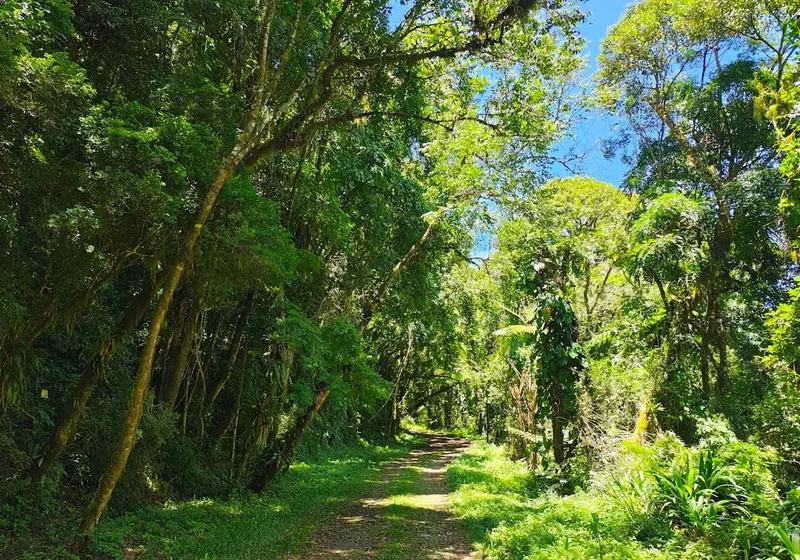
- Begin the hike. The initial section often involves walking through dense Atlantic Forest.
- The trail starts with a moderate incline, gradually increasing in steepness.
- Observe the rich biodiversity of the forest: diverse plant life, potential bird sightings, and the humid, earthy atmosphere.
- The path may be uneven, with exposed roots and rocks.
Midday (Approx. 12:00 PM - 2:00 PM): Reaching Higher Elevations and Coastal Views
- As you gain elevation, the forest canopy begins to thin, revealing glimpses of the ocean.
- The trail may become rockier and more exposed.
- Reach viewpoints offering increasingly dramatic vistas of the coastline, white cliffs, and the vast Atlantic Ocean.
- This is an ideal time for a break, to rehydrate, and to take photographs.
- Consider having a light snack.
Afternoon (Approx. 2:00 PM - 4:00 PM): Summit/Key Viewpoints and Descent
- Continue to the highest points or most significant viewpoints of the trail.
- Spend time absorbing the panoramic scenery.
- Begin the descent, which can be as challenging as the ascent, requiring careful footing.
- The return journey offers a different perspective on the landscape.
Late Afternoon (Approx. 4:00 PM - 5:00 PM): Return to Trailhead and Departure
- Arrive back at the trailhead.
- Ensure you have collected all belongings and left no trace.
- Begin your return journey to Rio de Janeiro.
Important Notes:
- This is a day hike; no overnight accommodation is required.
- Carry sufficient water (at least 2 litres per person) as there are no reliable water sources on the trail.
- Wear sturdy, closed-toe hiking shoes with good grip.
- Sun protection (hat, sunscreen, sunglasses) is essential, even on cloudy days.
- Insect repellent is highly recommended due to the presence of mosquitoes and other biting insects.
- Inform someone of your hiking plans and expected return time.
Planning and Bookings
Book Your Trip
Everything you need to plan your journey
Accommodation
Find places to stay near Rio de Janeiro
Flights
Search flights to Rio de Janeiro
Essential Preparation
The Trilha do Perau Branco is a day hike, meaning overnight accommodation is not a concern. However, careful planning is still essential to ensure a safe and enjoyable experience. The primary logistical consideration is transportation to and from the trailhead near Guaratiba. If travelling from Rio de Janeiro, you can opt for public buses, which are a cost-effective option, or private taxis/ride-sharing services for greater convenience and flexibility. Road conditions to Guaratiba are generally good, but traffic, especially when leaving or returning to Rio, can be significant. It is advisable to start your journey early in the morning to maximise daylight hours for hiking and to avoid the worst of the traffic. Researching bus routes and schedules in advance is recommended. If driving, be aware that parking at the trailhead can be limited, especially on weekends or public holidays. It is also prudent to check if any local registration or permit is required at the trailhead, as regulations can change. Familiarise yourself with the trail's approximate location using GPS coordinates and ensure your mobile phone is fully charged, although signal strength may be intermittent along the route.
Trail Accommodation
This is a day hike requiring no overnight accommodation.
Required Gear
- Hiking Boots: Sturdy, waterproof hiking boots with good ankle support and excellent grip are essential. The trail can be uneven, rocky, and potentially slippery, especially after rain.
- Backpack: A comfortable daypack (20-30 litre capacity) to carry essentials like water, snacks, first-aid kit, and extra clothing.
- Clothing: Lightweight, moisture-wicking clothing is recommended. Layers are advisable, as temperatures can vary. A long-sleeved shirt can protect against the sun and insects.
- Rain Gear: A lightweight, waterproof and windproof jacket is crucial, as weather can change quickly in coastal areas.
- Navigation: While the trail is generally well-marked, a map of the area or a GPS device/app on your phone is recommended. Ensure you have downloaded offline maps as mobile signal can be unreliable.
- Safety Gear: A basic first-aid kit including blister treatment, pain relievers, antiseptic wipes, and any personal medications. A whistle can be useful in emergencies.
- Headlamp/Torch: Essential in case your hike extends beyond daylight hours, or if you encounter unexpected delays. Ensure it has fresh batteries.
What to Bring
- Water: Carry a minimum of 2 litres of water per person. There are no reliable water sources along the trail for refilling.
- Food: High-energy snacks such as trail mix, energy bars, fruit, and sandwiches. Pack enough for your planned duration, plus a little extra in case of delays.
- Sun Protection: High SPF sunscreen, a wide-brimmed hat, and sunglasses are vital due to strong equatorial sun exposure, especially at higher elevations.
- Insect Repellent: Mosquitoes and other biting insects are common in the Atlantic Forest. A repellent with DEET or picaridin is recommended.
- Toiletries: Hand sanitiser, biodegradable wet wipes, and any personal hygiene items. Pack out all waste.
- Camera: To capture the stunning scenery.
- Cash: A small amount of cash may be useful for parking fees or local purchases if stopping in Guaratiba.
- Mobile Phone: Fully charged, with emergency contact numbers saved.
Permits
Currently, the Trilha do Perau Branco does not typically require formal permits or advance bookings for independent day hikers. However, it is always advisable to verify this information closer to your planned visit, as local regulations can change. Some areas may have informal registration points at the trailhead, particularly during peak seasons or weekends, to monitor visitor numbers and ensure safety. If a registration is required, it is usually a simple process of signing a logbook and may involve a small fee to contribute to trail maintenance.
Key points regarding permits:
- Check Local Information: Before your trip, search for recent visitor information or contact local tourism authorities or park rangers (if applicable) for the most up-to-date requirements.
- Trailhead Registration: Be prepared for the possibility of a sign-in sheet at the trailhead. This helps authorities track who is on the trail.
- Fees: If a fee is associated with trail access or parking, it is usually nominal and payable in local currency (Brazilian Real).
- No Advance Booking: For a day hike of this nature, advance booking is generally not necessary unless specified by local authorities for specific events or guided tours.
The focus for this trail is on responsible day use rather than managed overnight stays, which simplifies the permit process considerably compared to multi-day treks.
Other Activities in the Area
The region around Guaratiba and the Trilha do Perau Branco offers several other attractions and activities for those looking to extend their visit or explore further:
- Praia de Guaratiba: The main beach in the area, offering a more relaxed atmosphere than the city beaches of Rio. It's a good spot for swimming, sunbathing, and enjoying fresh seafood at local restaurants.
- Praia da Barra de Guaratiba: Located at the mouth of the Guaratiba River, this beach is known for its calmer waters and is popular with families.
- Trilha do Morro de São João: Another hiking trail in the vicinity, offering different perspectives of the coastline and surrounding Atlantic Forest.
- Local Seafood Restaurants: Guaratiba is renowned for its excellent seafood. After your hike, indulge in fresh fish, shrimp, and other local specialities at one of the many restaurants lining the coast.
- Exploring Guaratiba Village: Wander through the small village, soak in the local atmosphere, and observe the traditional fishing community.
- Day trip to Grumari Beach: A beautiful, more secluded beach accessible from Guaratiba, known for its natural beauty and less commercialised feel.
- Surfing Lessons: Depending on the conditions, some beaches in the wider area may offer surfing opportunities or lessons.
Safety and Conditions
Trail Conditions: The Trilha do Perau Branco is a natural trail, meaning conditions can vary. The path is often uneven, with exposed roots, rocks, and loose gravel, particularly on steeper sections. During the wet season (October to March), the trail can become muddy and slippery, increasing the risk of falls. Always wear appropriate footwear with good grip. The trail can be exposed in parts, especially near the cliffs, so be mindful of wind conditions.
Weather: Coastal weather can be unpredictable. While the dry season (April to September) offers more stable conditions, rain showers can still occur. Temperatures can range from warm to hot, and the sun can be intense. Always check the weather forecast before you go and be prepared for sudden changes. Hypothermia is less of a risk on a day hike in this climate, but getting wet and cold can still be uncomfortable and increase fatigue.
Wildlife: The Atlantic Forest is home to diverse wildlife, including various bird species, insects, and potentially small mammals. While most are harmless, it's important to maintain a respectful distance. Be aware of snakes, though encounters are rare and they typically avoid humans. The most common nuisance will be biting insects like mosquitoes and sandflies, especially during dawn and dusk or in more humid sections of the forest.
Navigation: While the main trail is generally discernible, it's wise to carry a map or use a GPS device/app with offline maps. Signal can be intermittent. Pay attention to trail markers and junctions. If you are unsure, it's better to backtrack than to get lost.
Personal Safety:
- Inform Someone: Always let a friend or family member know your hiking plans, including your intended route and expected return time.
- Stay Hydrated: Carry plenty of water. Dehydration can lead to fatigue, dizziness, and poor decision-making.
- Sun Protection: Use sunscreen, wear a hat, and sunglasses to protect yourself from the strong sun.
- Insect Protection: Use effective insect repellent.
- First Aid: Carry a well-stocked first-aid kit and know how to use its contents.
- Emergency Contacts: Have local emergency numbers readily available.
Environmental Hazards: Be cautious near cliff edges. Do not venture off-trail, as the terrain can be unstable and the vegetation fragile. Respect the environment and follow Leave No Trace principles.
Side Trips and Points of Interest
The White Cliffs (Perau Branco): The namesake of the trail, these dramatic white rock formations are a key feature. As you ascend, you'll encounter numerous viewpoints offering striking perspectives of these cliffs against the backdrop of the ocean and the lush green vegetation. They are a testament to the geological history of the region and provide excellent photographic opportunities.
Panoramic Ocean Vistas: Throughout the hike, particularly as you gain elevation, the trail opens up to breathtaking panoramic views of the Atlantic Ocean. You can see the vast expanse of blue, the waves crashing against the shore, and the distant coastline stretching out. These viewpoints are ideal for pausing, resting, and appreciating the scale of the natural landscape.
Atlantic Forest Biodiversity: While not a specific "side trip," the rich biodiversity of the Atlantic Forest itself is a point of interest. Keep an eye out for the diverse array of plant life, including ferns, bromeliads, and various tree species. Birdwatching can also be rewarding, with many endemic species found in this biome. The dense, humid atmosphere and the sounds of the forest create an immersive experience.
Hidden Coves and Beaches: From higher vantage points, you may be able to spot smaller, less accessible coves and beaches along the coastline. While not directly reachable from the main trail, they add to the scenic beauty and the sense of wildness of the area.
Guaratiba Village and Harbour: At the beginning or end of your hike, take some time to explore the small village of Guaratiba. Observe the local fishing boats in the harbour and get a feel for the coastal community's way of life. The village also offers opportunities to sample local cuisine.
Leave No Trace
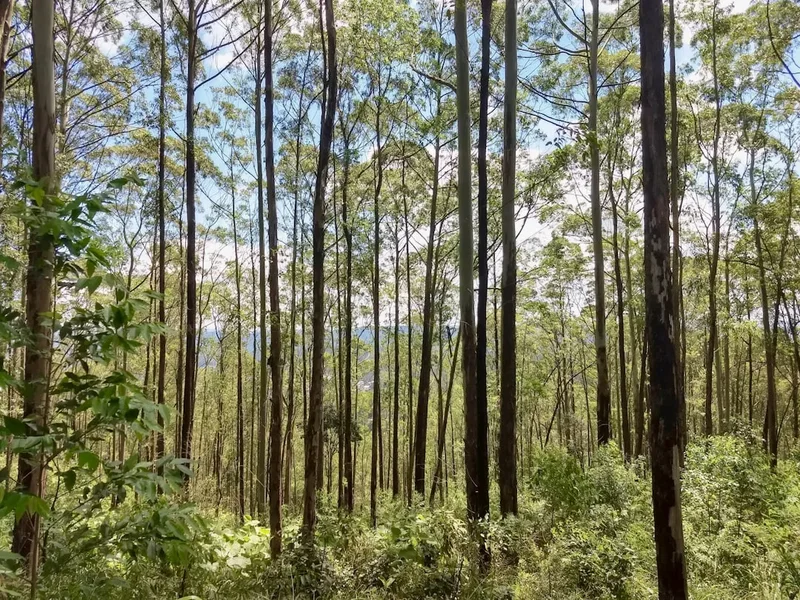
The Trilha do Perau Branco traverses a sensitive coastal ecosystem within the Atlantic Forest biome. Adhering to Leave No Trace principles is crucial to preserve its natural beauty and ecological integrity for future visitors and the local environment.
Plan Ahead and Prepare: Research the trail, understand its conditions, and be prepared for the weather. Pack appropriately to avoid needing to create new paths or leave items behind.
Travel and Camp on Durable Surfaces: Stick to the marked trail at all times. Avoid walking on vegetation, especially near cliff edges or in sensitive forest areas, as this can cause erosion and damage plant life. The trail itself is the designated durable surface.
Dispose of Waste Properly: Pack out everything you pack in. This includes all food scraps, wrappers, plastic bottles, and any other litter. Do not bury or burn trash. Use designated bins if available at the trailhead, but assume you will need to carry all waste back with you.
Leave What You Find: Do not take any natural objects such as rocks, plants, or shells. Leave them for others to enjoy and for the ecosystem to function naturally.
Minimise Campfire Impacts: This is a day hike, so campfires are not applicable. However, if you were to stop for an extended break, ensure you do not disturb the environment.
Respect Wildlife: Observe wildlife from a distance. Never feed animals, as this can disrupt their natural behaviours, diets, and health. Be aware of your surroundings and avoid disturbing them.
Be Considerate of Other Visitors: Keep noise levels down, especially in natural areas. Yield to other hikers on narrow sections of the trail. Be courteous and respectful.
By following these principles, you help ensure that the Trilha do Perau Branco remains a beautiful and wild place for everyone to enjoy.