
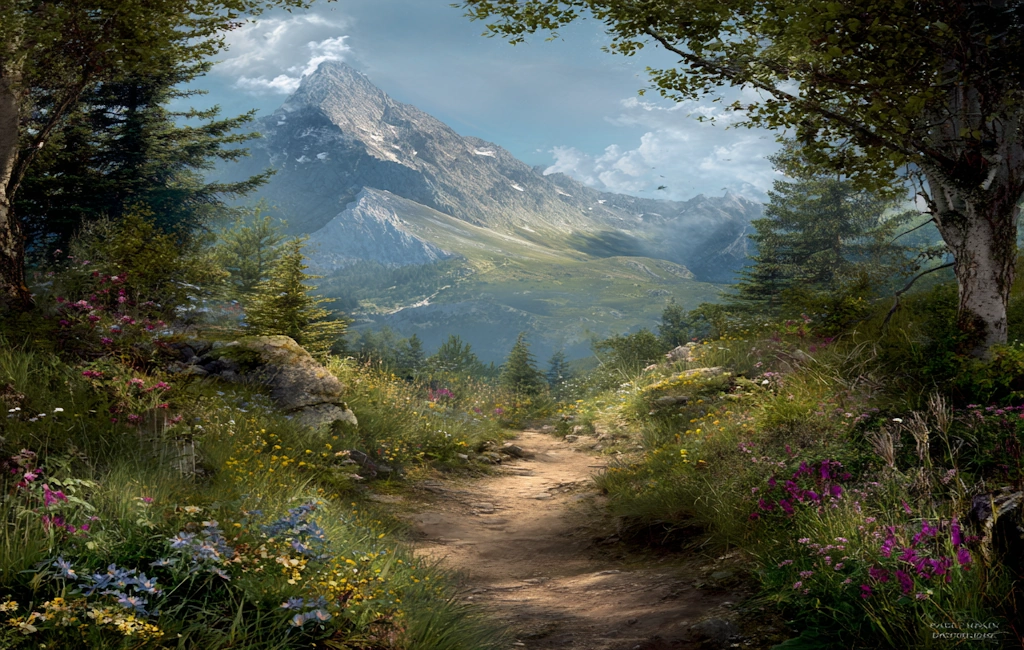
Trilha da Pedra Selada: A Majestic Day Hike in Brazil's Serra da Mantiqueira
The Trilha da Pedra Selada, located in the heart of Brazil's stunning Serra da Mantiqueira mountain range, offers a rewarding day hike for those seeking breathtaking vistas and a challenging ascent. This trail leads to the summit of Pedra Selada, a prominent granite peak known for its distinctive shape and panoramic views that stretch across the surrounding valleys and mountains. The hike is a journey through diverse ecosystems, from lush Atlantic Forest at lower elevations to more exposed alpine-like terrain near the summit. It's a popular destination for hikers, photographers, and nature enthusiasts looking to experience the raw beauty of this unique Brazilian landscape.
- Distance: 12.0 km (round trip)
- Elevation Gain: 800 m
- Duration: 6-8 hours
- Difficulty: Moderate to Challenging
- Best Time: May to September (dry season for clearer skies and less rain)
- Closest City: Visconde de Mauá
- Trailhead Access: Requires transport to Visconde de Mauá, then a local taxi or 4x4 to the trailhead.
- Permits: Generally not required, but local checks are advised.
Overview
The Trilha da Pedra Selada is a testament to the dramatic geological formations and rich biodiversity of the Serra da Mantiqueira. This mountain range, often referred to as the "Brazilian Alps," is a significant ecological corridor, home to a variety of flora and fauna. The trail itself is a gradual but persistent climb, beginning in the dense, humid Atlantic Forest, characterised by towering trees, vibrant ferns, and a symphony of natural sounds. As hikers ascend, the vegetation begins to change, becoming more sparse and resilient, reflecting the increasing altitude and exposure to the elements.
The trail is well-defined for much of its length, though sections can be steep and rocky, requiring careful footing. The final approach to the summit involves navigating through a more rugged, rocky landscape, culminating in a scramble to the top of Pedra Selada. The effort is handsomely rewarded with unparalleled 360-degree views. On a clear day, one can see for kilometres, with rolling green hills, distant mountain ranges, and the charming settlements of the region spread out below. The unique shape of Pedra Selada itself, a large granite monolith, makes for an iconic summit experience. The hike is best undertaken during the dry season (May to September) when rainfall is less frequent, and the skies are typically clearer, offering the best visibility for the spectacular panoramas.
This trail is a perfect example of a challenging yet accessible day hike that offers a profound connection with nature. It requires a good level of physical fitness due to the significant elevation gain packed into a relatively short distance. The changing environment, from the dense forest floor to the exposed summit, provides a dynamic hiking experience that keeps the senses engaged throughout the journey.
History and Cultural Context
The Serra da Mantiqueira region, where Pedra Selada is located, has a rich history intertwined with indigenous peoples, early colonial settlers, and the development of agriculture and tourism in Brazil. For centuries, indigenous communities likely traversed these mountains, utilising the natural resources and understanding the seasonal patterns of the region. The name "Mantiqueira" itself is believed to derive from the Tupi language, meaning "mountains that weep," a fitting description for a region known for its abundant rainfall and numerous springs and rivers.
During the colonial era and the subsequent periods of Brazilian development, the Serra da Mantiqueira became a frontier for expansion. Coffee plantations, cattle ranching, and later, the search for cooler climates for summer retreats, led to the establishment of settlements like Visconde de Mauá. This town, nestled in the mountains, has grown into a popular tourist destination, attracting visitors seeking its natural beauty, cooler climate, and the adventure of hiking trails like the one to Pedra Selada.
The geological history of Pedra Selada itself is a story of immense geological forces. The granite formations that characterise the Serra da Mantiqueira were shaped over millions of years through volcanic activity, uplift, and erosion. The distinctive shape of Pedra Selada is a result of differential erosion, where softer rock layers have been worn away, leaving the harder granite monolith standing proud. The trail to its summit is a journey through this geological past, with every rock and contour telling a story of ancient earth processes. While specific historical records of the "discovery" or first ascent of Pedra Selada by modern hikers are scarce, its prominence has undoubtedly drawn the attention of explorers and adventurers for generations, making it a natural objective for those venturing into the Mantiqueira range.
Seasonal Highlights and Weather Reality
The Trilha da Pedra Selada experiences distinct seasonal variations that significantly impact the hiking experience. The Serra da Mantiqueira has a tropical highland climate, with a pronounced wet season and a dry season.
Dry Season (May to September): This is the prime time for hiking Pedra Selada. The weather is generally more stable, with lower humidity and significantly less rainfall. Days are often sunny and clear, offering excellent visibility for the panoramic views from the summit. Temperatures are cooler, especially at higher elevations, making for comfortable hiking conditions. However, mornings can be quite chilly, with temperatures potentially dropping near freezing, particularly in June and July. The dry season also means less risk of trail closures due to mudslides or impassable conditions.
Wet Season (October to April): This period is characterised by frequent and often heavy rainfall. While the lush vegetation is at its most vibrant during these months, hiking can be challenging and potentially dangerous. Trails can become muddy and slippery, increasing the risk of falls. Visibility from the summit is often obscured by clouds and fog, diminishing the scenic rewards. Thunderstorms are also more common, posing a significant risk, especially on exposed ridges and the summit. For these reasons, it is generally advisable to avoid hiking Pedra Selada during the peak of the wet season unless you are an experienced hiker well-equipped for adverse weather conditions.
Shoulder Seasons (April/May and September/October): These transitional periods can offer a good balance. You might experience some rain, but often less intense than in the wet season, and there's a good chance of clear days. Temperatures are generally mild. It's wise to check weather forecasts closely during these months.
Regardless of the season, mountain weather can be unpredictable. Always be prepared for sudden changes, including rain and temperature drops, even during the dry season.
Recommended Itinerary
Trilha da Pedra Selada: Day Hike Itinerary
Early Morning (Approx. 7:00 AM - 8:00 AM): Departure from Visconde de Mauá
- Begin your journey from Visconde de Mauá.
- Arrange for a taxi or 4x4 vehicle to take you to the trailhead. The drive can take 30-60 minutes depending on road conditions.
- Ensure you have all your gear, food, and water for the day.
Morning (Approx. 8:30 AM - 12:30 PM): Ascent through Atlantic Forest
- Arrive at the trailhead and begin the hike.
- The initial part of the trail winds through dense Atlantic Forest.
- Enjoy the sounds of nature, the rich biodiversity, and the cool, shaded environment.
- The path is generally well-trodden but can be uneven and root-covered.
- Gradual but steady elevation gain.
- Key Waypoints: Look for distinctive trees, rock formations, and clearings that mark progress.
Midday (Approx. 12:30 PM - 1:30 PM): Summit Approach and Lunch
- The vegetation begins to change as you gain altitude, becoming more open.
- The trail becomes steeper and rockier.
- Find a suitable spot for a well-deserved lunch break, perhaps with an emerging view.
- The final section to the summit may involve some scrambling over rocks.
Afternoon (Approx. 1:30 PM - 3:30 PM): Summit and Panoramic Views
- Reach the summit of Pedra Selada.
- Spend time admiring the 360-degree panoramic views of the Serra da Mantiqueira.
- Take photographs and soak in the accomplishment.
- Be mindful of the time and weather conditions.
Late Afternoon (Approx. 3:30 PM - 6:30 PM): Descent and Return to Visconde de Mauá
- Begin the descent. Take care on the rocky and potentially slippery sections.
- The descent is often faster but can be harder on the knees.
- Continue through the changing vegetation back towards the trailhead.
- Arrive back at the trailhead.
- Your pre-arranged transport will take you back to Visconde de Mauá.
Important Notes:
- This is a strenuous day hike; ensure you are physically prepared.
- Carry ample water (at least 2-3 litres per person) as there are no reliable water sources on the upper parts of the trail.
- Pack high-energy snacks and a substantial lunch.
- Wear sturdy, broken-in hiking boots.
- Bring layers of clothing, including a waterproof jacket, as mountain weather can change rapidly.
- Sun protection (hat, sunscreen) is essential, especially near the summit.
- A basic first-aid kit is recommended.
- Inform someone of your hiking plans and expected return time.
Planning and Bookings
Book Your Trip
Everything you need to plan your journey
Accommodation
Find places to stay near Visconde de Mauá
Flights
Search flights to Visconde de Mauá
Essential Preparation
The Trilha da Pedra Selada is a day hike, meaning no overnight accommodation is required. However, thorough preparation is crucial for a safe and enjoyable experience. The closest town and logistical hub is Visconde de Mauá. This charming mountain village offers a range of accommodation options, from rustic pousadas (guesthouses) to more comfortable hotels. It also has restaurants, small shops for supplies, and local guides if you choose to hire one. Getting to Visconde de Mauá typically involves flying into Rio de Janeiro (GIG) or São Paulo (GRU) and then taking a bus to a nearby larger town like Resende, followed by a local bus or taxi to Visconde de Mauá. From Visconde de Mauá, a local taxi or a 4x4 vehicle is highly recommended for reaching the trailhead, as the final stretch of road can be unpaved and in poor condition, especially after rain.
Trail Accommodation
This is a day hike requiring no overnight accommodation.
Required Gear
- Sturdy Hiking Boots: Waterproof and with good ankle support are essential for navigating the varied terrain, especially the rocky sections and potential mud.
- Backpack: A comfortable daypack (20-30 litres) to carry essentials.
- Waterproof Jacket: A lightweight, breathable waterproof jacket is crucial, as mountain weather can change rapidly, and rain is common in the region.
- Warm Layers: Even in warmer months, temperatures can drop significantly at higher altitudes. Bring a fleece or insulating jacket.
- Headlamp/Torch: Essential in case of unexpected delays, ensuring you can navigate safely if your hike extends into the evening. Carry spare batteries.
- First-Aid Kit: A basic kit including bandages, antiseptic wipes, pain relievers, blister treatment, and any personal medications.
- Navigation Tools: While the trail is generally well-marked, a map of the area, a compass, or a GPS device/smartphone with offline maps is highly recommended.
- Sun Protection: A wide-brimmed hat, sunglasses, and high SPF sunscreen are necessary, especially for the exposed summit.
What to Bring
- Food: High-energy snacks (nuts, dried fruit, energy bars) and a substantial packed lunch. There are no facilities on the trail.
- Water: Carry at least 2-3 litres of water per person. There are no reliable water sources on the upper parts of the trail, and water treatment is not recommended for the limited sources available.
- Toiletries: Hand sanitiser, toilet paper (pack out used paper), and any personal hygiene items.
- Insect Repellent: Especially important during warmer months to ward off biting insects.
- Trekking Poles: Optional but can be very helpful for stability on steep ascents and descents, reducing strain on knees.
- Camera: To capture the stunning scenery.
- Cash: For local transport, food in Visconde de Mauá, and any unexpected expenses.
Permits
For the Trilha da Pedra Selada, permits are generally not required for independent hikers. The trail is part of the natural landscape and not within a strictly regulated national park that mandates booking systems for day hikes. However, it is always advisable to check with local authorities or visitor information centres in Visconde de Mauá shortly before your visit. Regulations can change, and local knowledge is invaluable for confirming current access requirements or any specific guidelines related to trail usage or conservation efforts.
Local Information:
- In Visconde de Mauá, inquire at your accommodation or local tourist information points about any recent changes or recommendations regarding access to the Pedra Selada trailhead.
- Some local guides may offer organised tours, which would include any necessary arrangements or information about permits if applicable.
Conservation Efforts: While formal permits may not be needed, visitors are expected to practice responsible tourism and adhere to Leave No Trace principles to help preserve the natural beauty of the area.
Other Activities in the Area
Visconde de Mauá and its surroundings offer a variety of activities for visitors looking to extend their stay or explore beyond the Trilha da Pedra Selada:
- Exploring Visconde de Mauá: Wander through the charming village, browse artisan shops, and enjoy the local cuisine at its many restaurants and cafes. The village itself has a relaxed, bohemian atmosphere.
- Hiking to Cachoeira do Escorrega: This popular waterfall features a long, smooth rock slide that visitors can slide down into a refreshing pool. It's a fun and accessible natural water park.
- Visiting Maromba and Maringá: These are neighbouring districts to Visconde de Mauá, each with its own unique charm, waterfalls, and hiking trails. Maromba is known for its more rustic feel, while Maringá offers a slightly more developed tourist infrastructure.
- Exploring the Vale das Borboletas (Butterfly Valley): A beautiful area with several waterfalls and trails, offering opportunities for nature walks and birdwatching.
- Horseback Riding: Several local operators offer guided horseback riding tours through the scenic mountain landscapes, providing a different perspective of the region.
- Stargazing: Due to its high altitude and relatively low light pollution, the Serra da Mantiqueira offers excellent opportunities for stargazing on clear nights.
- Relaxing in Nature: Simply enjoy the tranquility of the mountain environment, with its fresh air and natural beauty. Many pousadas offer peaceful settings with gardens and scenic views.
Safety and Conditions
Pre-Hike Checks:
- Weather Forecast: Always check the local weather forecast for Visconde de Mauá and the surrounding mountains before you set out. Mountain weather can change rapidly.
- Trail Conditions: Inquire locally about recent trail conditions, especially if you are hiking during or immediately after the rainy season. Unpaved roads to trailheads can become impassable.
- Inform Someone: Let your accommodation provider or a friend know your hiking plans, including your intended route, estimated return time, and who to contact if you do not check in.
On the Trail:
- Physical Fitness: The Trilha da Pedra Selada involves a significant elevation gain (800 m) over a moderate distance (12 km). Ensure you have adequate fitness for a strenuous day hike.
- Hydration and Nutrition: Carry sufficient water and high-energy food. Dehydration and fatigue can lead to poor decision-making and accidents.
- Footing: The trail can be steep, rocky, and slippery, especially after rain. Wear appropriate footwear and watch your step carefully.
- Navigation: Stay on the marked trail. If you are unsure of the route, use your map, compass, or GPS device. Do not attempt to take shortcuts.
- Wildlife: While large dangerous animals are uncommon, be aware of your surroundings. Respect any wildlife you encounter and do not feed them.
- Altitude: While not extremely high, the altitude can affect some individuals. Ascend gradually and be aware of any symptoms of altitude sickness.
- Emergency: In case of an emergency, try to stay calm. If you have a mobile phone with signal, call for help. Otherwise, try to make your way back to the trailhead or a known point where you can seek assistance. Consider carrying a personal locator beacon (PLB) if hiking in remote areas without reliable mobile coverage.
Specific Hazards:
- Rain and Mud: The trail can become very muddy and slippery during and after rainfall, increasing the risk of falls.
- Poor Visibility: Fog and clouds can descend rapidly, significantly reducing visibility, especially near the summit.
- Sun Exposure: The summit area is exposed, and the sun can be intense.
Side Trips and Points of Interest
The Summit of Pedra Selada: The primary point of interest is the summit itself. The granite peak offers a unique geological formation and provides an unparalleled 360-degree panoramic view. On a clear day, you can see vast expanses of the Serra da Mantiqueira, including other prominent peaks, rolling hills, and the picturesque valleys dotted with small farms and villages. The distinctive shape of the rock formations at the summit adds to the visual appeal.
Atlantic Forest Ecosystem: The lower sections of the trail are a fantastic opportunity to observe the rich biodiversity of the Atlantic Forest (Mata Atlântica), one of Brazil's most threatened biomes. Look for a variety of tree species, epiphytes like bromeliads and orchids, and a diverse array of ferns. The sounds of birds and insects create a vibrant natural soundscape.
Changing Vegetation Zones: As you ascend, you will notice a distinct change in vegetation. The dense, humid forest gradually gives way to more open, scrubby vegetation adapted to higher altitudes and harsher conditions. This transition zone is interesting from an ecological perspective.
Rocky Outcrops and Formations: Along the trail, particularly as you approach the summit, you will encounter interesting rock formations and outcrops. These provide natural resting spots and offer glimpses into the geological history of the region.
Panoramic Viewpoints along the Ascent: Even before reaching the summit, there are several points along the trail where clearings offer impressive views of the surrounding landscape. These serve as excellent spots for short breaks and to appreciate the progress you've made.
Leave No Trace
The Trilha da Pedra Selada traverses a beautiful and ecologically sensitive area. Practicing Leave No Trace principles is essential to preserve its natural beauty and integrity for future visitors and the local environment.
Plan Ahead and Prepare: Understand the trail, weather conditions, and any local regulations before you go. Pack appropriately for the conditions.
Travel and Camp on Durable Surfaces: Stick to the marked trail. Avoid walking on fragile vegetation, especially near the summit, where the ecosystem is more delicate. The trail itself is the designated durable surface.
Dispose of Waste Properly: Pack out everything you pack in. This includes all food scraps, wrappers, and any other litter. Use designated toilet facilities in Visconde de Mauá before and after your hike. If nature calls on the trail, dig a cathole at least 60 metres (60 m) away from water sources, trails, and campsites, and bury human waste. Pack out toilet paper.
Leave What You Find: Do not remove any natural objects, such as rocks, plants, or flowers. Leave them for others to enjoy and for the ecosystem to thrive.
Minimise Campfire Impacts: Campfires are not applicable for this day hike. If you were to camp in the area (which is not standard practice for this trail), always use established fire rings and ensure fires are completely extinguished.
Respect Wildlife: Observe wildlife from a distance. Never feed animals, as it disrupts their natural behaviours and diets. Store your food securely.
Be Considerate of Other Visitors: Keep noise levels down and yield to other hikers on the trail. Allow everyone to enjoy the natural environment.
Useful Links
- Visconde de Mauá Official Tourism (Note: This is a general tourism site for the region, specific trail links may be limited)
- ClimaTempo - Visconde de Mauá Weather Forecast
- MetService - Fiordland mountain forecast (Example of a backcountry forecast site, search for Brazilian equivalents if available)
- New Zealand Avalanche Advisory - Fiordland (Example of a safety advisory site, search for Brazilian equivalents if available)
- ICMBio (Instituto Chico Mendes de Conservação da Biodiversidade) - Brazilian environmental agency, may have information on protected areas.