
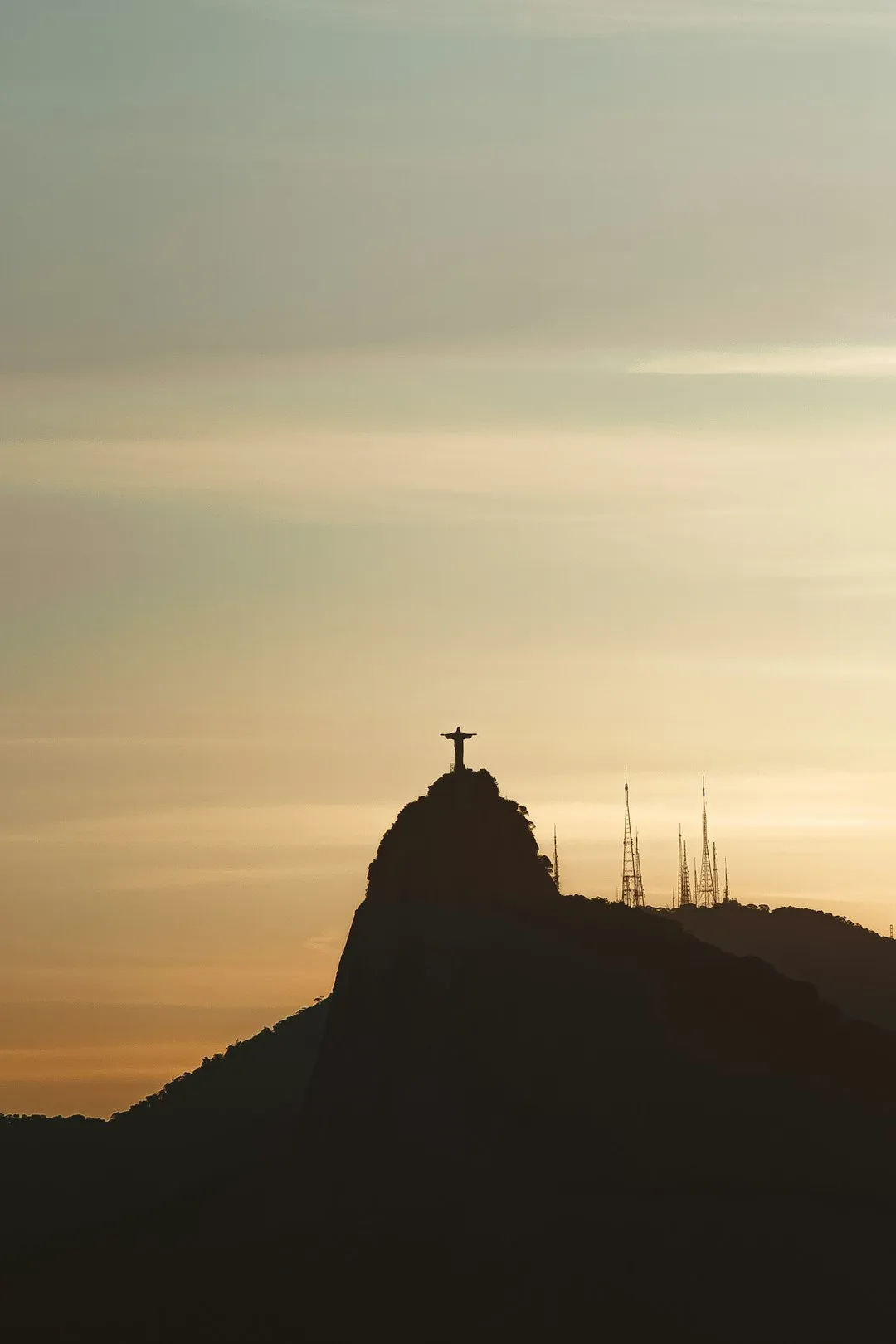
Trilha da Pedra Furada - A Coastal Gem
The Trilha da Pedra Furada, or "Hole Stone Trail," is a captivating day walk located near the vibrant coastal town of Jericoacoara in Brazil. This relatively short but rewarding trail offers a delightful blend of coastal scenery, unique geological formations, and a glimpse into the local environment. It's an accessible adventure for those visiting the popular Jericoacoara region, providing a refreshing escape from the bustling beaches and a chance to explore a different facet of the area's natural beauty.
- Category: Day Walk
- Distance: 8.0 km
- Elevation Gain: 250 m
- Duration: 3-4 hours
- Difficulty: Moderate
- Best Time: April to September (dry season)
- Closest City: Jericoacoara
- Trailhead Access: Nearest airport: Fortaleza (FOR). From Fortaleza, take a bus to Jijoca de Jericoacoara. From Jijoca, take a 4x4 transfer to Jericoacoara (due to sand roads). The trailhead is located near Praia da Malhada. Parking is limited in Jericoacoara itself. No permits required.
- Coordinates: -3.0097, -40.2517
Overview
The Trilha da Pedra Furada is a moderate day hike that showcases the rugged beauty of the Ceará coastline. The trail begins near the popular Praia da Malhada, a beach known for its windsurfing and kitesurfing conditions. From here, the path winds its way along the coast, offering increasingly spectacular views of the Atlantic Ocean and the distinctive rock formations that give the trail its name. The highlight is undoubtedly the Pedra Furada itself, a magnificent natural arch carved by the relentless action of the sea and wind over millennia. This iconic landmark is a photographer's dream, especially during sunrise or sunset when the light casts a magical glow.
The terrain is varied, involving sandy paths, rocky outcrops, and some gentle ascents and descents. While not technically demanding, the moderate difficulty rating reflects the need for sturdy footwear and a reasonable level of fitness, particularly due to the uneven ground and potential for sun exposure. The trail is well-defined for the most part, but it's always advisable to carry a map or GPS device, especially if venturing off the main path to explore smaller coves or viewpoints.
The journey to Pedra Furada is as much about the experience of the coastal environment as it is about reaching the destination. You'll encounter local fishermen tending their nets, observe seabirds in their natural habitat, and feel the invigorating sea breeze. The trail is best enjoyed during the dry season, from April to September, when the weather is more predictable and the risk of rain is lower. Even during this period, it's essential to be prepared for the tropical climate, carrying plenty of water and sun protection.
History and Cultural Context
The Trilha da Pedra Furada and the surrounding Jericoacoara region have a rich history intertwined with indigenous cultures, colonial exploration, and the development of tourism. For centuries, the indigenous peoples of Brazil, such as the Caetés and Tremembés, inhabited these coastal areas, relying on the sea for sustenance and navigating the intricate network of dunes and beaches. Their connection to the land and sea is reflected in the local folklore and traditions that still persist today.
During the colonial era, the coastline was a strategic point for trade and exploration. While Jericoacoara itself was not a major port, its remote location and natural harbours made it a point of interest for various expeditions. The unique geological formations, like Pedra Furada, would have been natural landmarks for early mariners and inhabitants.
In more recent times, Jericoacoara transformed from a quiet fishing village into a world-renowned destination for windsurfing, kitesurfing, and ecotourism. This influx of visitors has brought economic development but also a greater awareness of the need to preserve the region's natural and cultural heritage. The Trilha da Pedra Furada, while a natural attraction, is part of this broader narrative of a region adapting to modern influences while striving to maintain its unique character. The trail itself, being a natural path, has likely been used by locals for generations as a way to access fishing spots and explore the coastline, long before it became a designated tourist trail.
Seasonal Highlights and Weather Reality
The Trilha da Pedra Furada is a year-round destination, but the experience can vary significantly depending on the season. The most favourable time for hiking is during the dry season, which typically runs from April to September.
Dry Season (April to September): This period offers the most pleasant weather for hiking. Rainfall is minimal, and the skies are generally clear, providing excellent visibility for enjoying the coastal vistas and the iconic Pedra Furada. Temperatures are warm but often tempered by a refreshing sea breeze. This is also the peak tourist season for Jericoacoara, so expect more people on the trails and in town.
Rainy Season (October to March): While Jericoacoara experiences a tropical climate, the rainy season can bring more frequent and intense downpours. These showers are often short-lived but can make the trails muddy and slippery. The increased humidity can also make hiking feel more strenuous. However, the rain can also bring a lushness to the vegetation and create dramatic skies, offering a different kind of beauty for photographers. The sea can also be rougher during this period.
Wind Conditions: Jericoacoara is famous for its consistent winds, particularly from July to December. While this is a major draw for wind and kite surfers, it can also affect the hiking experience. Strong winds can make exposed sections of the trail feel more challenging and can kick up sand. However, the breeze is often welcome in the heat.
Regardless of the season, it is crucial to be prepared for the tropical climate. Always carry ample water, wear sun protection (hat, sunscreen), and choose appropriate footwear. The sun can be intense, even on cloudy days.
Recommended Itinerary
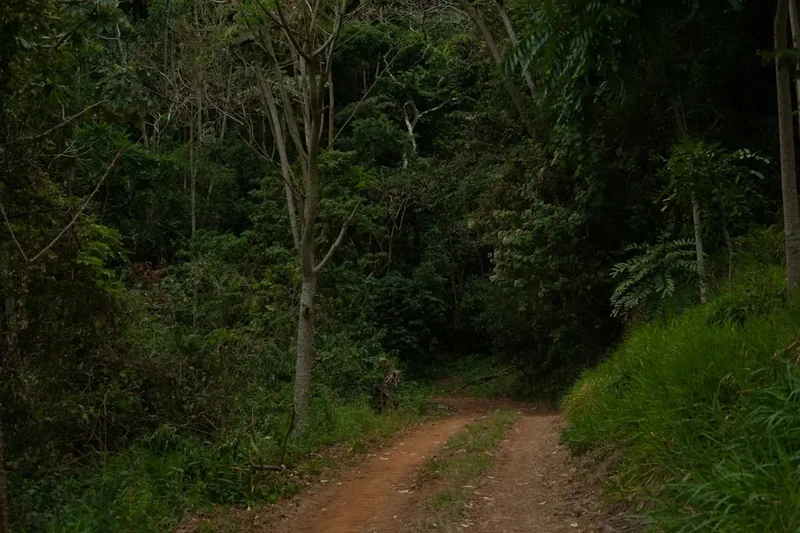
Day Hike: Trilha da Pedra Furada
Early Morning (Approx. 7:00 AM - 9:00 AM): Start and Coastal Ascent
- Begin the hike from the vicinity of Praia da Malhada.
- The initial section involves walking along the beach or just inland, getting accustomed to the sandy terrain.
- The trail starts to ascend gently, offering your first panoramic views of the coastline.
- Observe local fishermen preparing their boats or returning with their catch.
- Keep an eye out for seabirds and other coastal wildlife.
Morning (Approx. 9:00 AM - 11:00 AM): Reaching the Iconic Landmark
- Continue following the well-trodden path, which may involve some rocky sections and steeper inclines.
- The landscape becomes more dramatic with rugged cliffs and sea stacks.
- Arrive at the Pedra Furada (Hole Stone). Spend time admiring the natural arch, taking photographs, and enjoying the sea breeze.
- Explore the immediate surroundings of the arch, being mindful of the tides and slippery rocks.
- This is an excellent time for photography as the light is often softer than midday.
Midday (Approx. 11:00 AM - 1:00 PM): Exploration and Return Journey
- Optionally, explore some of the smaller coves or viewpoints accessible from the main trail, if time and conditions permit.
- Begin the return journey, retracing your steps back towards Praia da Malhada.
- The descent can be quicker but requires careful footing on any rocky or sandy slopes.
- Reflect on the unique geological features and the vastness of the ocean.
Afternoon (Approx. 1:00 PM onwards): Relaxation and Local Exploration
- Arrive back at the starting point near Praia da Malhada.
- Enjoy a refreshing drink or a meal at one of the local beachside establishments.
- Consider a dip in the ocean to cool off after your hike.
- Spend the rest of the afternoon exploring Jericoacoara town, relaxing on the main beach, or enjoying other local activities.
Important Notes:
- This is a day hike, and no overnight accommodation is required.
- Carry sufficient water (at least 1.5-2 litres per person) as there are no water sources on the trail.
- Wear sturdy, closed-toe walking shoes or hiking boots.
- Sun protection (hat, sunglasses, high SPF sunscreen) is essential.
- The trail can be exposed to the sun for long stretches.
- Check the tide times if you plan to explore near the base of Pedra Furada, as some areas can become submerged at high tide.
- Consider starting early in the morning to avoid the midday heat.
Planning and Bookings
Book Your Trip
Everything you need to plan your journey
Accommodation
Find places to stay near Jericoacoara
Flights
Search flights to Jericoacoara
Essential Preparation
The Trilha da Pedra Furada is a day hike, meaning no complex booking coordination for accommodation is required. However, essential preparation focuses on logistics for reaching Jericoacoara and the trailhead, and ensuring you have the necessary gear and supplies for a comfortable and safe experience. Jericoacoara itself is a unique destination, accessible primarily via 4x4 vehicles due to its sandy roads. The nearest major airport is Fortaleza (FOR), approximately 300 km away. From Fortaleza, you can take a bus to Jijoca de Jericoacoara, and from Jijoca, a 4x4 transfer is mandatory to reach Jericoacoara town. Parking within Jericoacoara can be limited and is often managed by local authorities or private operators. The trailhead for Pedra Furada is located near Praia da Malhada, which is a short distance from the main town centre. It's advisable to arrange your transport from Fortaleza in advance, especially during peak season.
Trail Accommodation
This is a day hike requiring no overnight accommodation.
Required Gear
- Footwear: Sturdy, closed-toe walking shoes or hiking boots with good grip are essential. The terrain can be uneven, with sandy paths, rocky outcrops, and some slippery sections, especially near the coast. Avoid sandals or flip-flops.
- Clothing: Lightweight, breathable clothing suitable for a warm, tropical climate. Consider long sleeves and trousers for sun protection. A hat with a wide brim is highly recommended.
- Navigation: While the trail is generally well-marked, a map or GPS device with the trail downloaded is advisable, especially if you plan to explore any side paths. A compass can also be useful.
- Safety Gear: A basic first-aid kit including plasters, antiseptic wipes, pain relievers, and any personal medications. A whistle can be useful in emergencies.
- Sun Protection: High SPF sunscreen (SPF 50+), sunglasses, and a wide-brimmed hat are non-negotiable due to the intense tropical sun.
What to Bring
- Water: Carry at least 1.5 to 2 litres of water per person. There are no water sources available on the trail. Staying hydrated is crucial in the tropical heat.
- Food: Pack snacks such as energy bars, fruit, or nuts to keep your energy levels up during the hike. A packed lunch is also a good idea if you plan to spend a significant amount of time exploring.
- Toiletries: Hand sanitiser, tissues, and any personal hygiene items.
- Camera: To capture the stunning coastal scenery and the iconic Pedra Furada.
- Insect Repellent: While not usually a major issue on this specific trail during the dry season, it's always wise to have some on hand, especially if you plan to be out during dawn or dusk.
- Small Backpack: To comfortably carry your water, snacks, and other essentials.
- Cash: For potential parking fees, local snacks, or drinks after the hike.
Permits
No specific permits are required to hike the Trilha da Pedra Furada. The trail is located in a public access area near Jericoacoara, and no entrance fees or booking systems are in place for this particular walk. However, it is always advisable to check with local authorities or the Jericoacoara tourism office for any last-minute changes or local regulations that may apply to the area.
Access and Parking:
- Access to Jericoacoara itself requires a 4x4 vehicle due to the sandy roads. If you are arriving from Fortaleza, you will typically arrange a transfer that includes this specialised transport.
- Parking within Jericoacoara can be limited, especially during peak tourist seasons. There may be designated parking areas or fees associated with parking your vehicle.
- The trailhead near Praia da Malhada may have limited parking facilities. It is advisable to arrive early, especially during busy periods, or consider walking from your accommodation if it is nearby.
Environmental Considerations:
- While no permits are needed, visitors are expected to respect the natural environment. Stay on marked trails to minimise your impact on the fragile coastal ecosystem.
- Do not remove any natural items from the area, such as rocks or shells.
- Dispose of all litter responsibly.
Other Activities in the Area
Jericoacoara and its surroundings offer a wealth of activities beyond the Trilha da Pedra Furada, catering to a variety of interests:
- Windsurfing and Kitesurfing: Jericoacoara is a world-renowned destination for these water sports, with consistent winds and ideal conditions. Numerous schools offer lessons for beginners and advanced riders.
- Dune Buggy Tours: Explore the vast sand dunes surrounding Jericoacoara on an exhilarating dune buggy tour. These tours often include visits to lagoons like Lagoa do Paraíso and Lagoa Azul, where you can relax in hammocks suspended over the water.
- Sunset Watching: Jericoacoara is famous for its spectacular sunsets. The most popular spot is Duna do Pôr do Sol (Sunset Dune), where locals and tourists gather to watch the sun dip below the horizon.
- Relaxing on the Beaches: Enjoy the beautiful beaches of Jericoacoara, including Praia Principal, Praia da Malhada, and Praia do Preá, each offering a unique atmosphere.
- Exploring Jericoacoara Village: Wander through the charming sandy streets of the village, browse the artisan shops, and enjoy the vibrant nightlife and diverse culinary scene.
- Lagoa Azul and Lagoa do Paraíso: Visit these stunning freshwater lagoons, often featuring hammocks and restaurants, offering a perfect spot for swimming and relaxation.
- Pedra Furada at Sunrise/Sunset: While the hike itself is a highlight, experiencing the Pedra Furada during the golden hours of sunrise or sunset offers a different, often more magical, perspective.
Safety and Conditions
Trail Conditions: The Trilha da Pedra Furada is generally well-maintained, but conditions can vary. The path is primarily sandy and rocky, with some sections requiring careful footing. During the rainy season, some areas may become muddy and slippery. Always wear appropriate footwear.
Weather: Jericoacoara has a tropical climate. The dry season (April to September) offers the most pleasant weather for hiking, with less rain and more sunshine. However, temperatures can still be high, and the sun is intense. The rainy season (October to March) can bring humidity and occasional heavy downpours, which may affect trail conditions. Always check the weather forecast before you set out.
Sun Exposure: The trail is largely exposed, with limited shade. It is crucial to protect yourself from the sun. Wear a wide-brimmed hat, sunglasses, and apply high SPF sunscreen liberally and frequently. Seek shade whenever possible during breaks.
Hydration: Carry ample water. Dehydration is a significant risk in tropical climates. Aim for at least 1.5 to 2 litres of water per person for this hike. There are no water sources available on the trail itself.
Tides: If you plan to explore the area around Pedra Furada, be aware of the tide times. Some sections near the rock formation can become submerged at high tide, making access difficult or dangerous. Check local tide charts before your hike.
Wildlife: While major wildlife encounters are rare on this trail, be aware of your surroundings. You may see seabirds and other coastal creatures. Avoid disturbing any wildlife you encounter.
Emergency Preparedness: Inform someone of your hiking plans, including your expected return time. Carry a fully charged mobile phone, although signal coverage can be intermittent in some areas. A basic first-aid kit is recommended for minor injuries.
Local Assistance: In case of an emergency, contact local authorities or seek assistance from local residents or tour operators in Jericoacoara. The town has a tourist support infrastructure.
Side Trips and Points of Interest
Pedra Furada (The Hole Stone): This is the primary point of interest and the namesake of the trail. This magnificent natural rock arch, carved by the relentless erosion of wind and sea, is a spectacular sight. Its unique shape makes it an iconic symbol of Jericoacoara. Visiting during sunrise or sunset offers particularly dramatic lighting for photography, casting a warm glow through the arch and illuminating the surrounding coastline.
Praia da Malhada: The starting point of the hike, this beach is known for its strong winds, making it a popular spot for windsurfing and kitesurfing. Even if you're not participating, it's a lively beach to observe the action and enjoy the coastal atmosphere before or after your hike.
Coastal Vistas: The entire trail offers stunning panoramic views of the Atlantic Ocean, the rugged coastline, and the distinctive dune formations characteristic of the region. Keep an eye out for interesting rock formations and sea stacks along the way.
Local Fishing Activity: You may encounter local fishermen along the trail or at Praia da Malhada. Observing their traditional methods and boats can offer a glimpse into the local way of life that has sustained this community for generations.
Seabirds and Marine Life: The coastal environment is home to various seabirds. With a bit of luck and keen observation, you might spot different species. The waters also teem with marine life, though direct sightings from the trail are less common.
Leave No Trace
The Trilha da Pedra Furada, like any natural environment, benefits greatly from responsible visitor behaviour. Adhering to Leave No Trace principles ensures that this beautiful coastal area remains pristine for future generations to enjoy.
Plan Ahead and Prepare: Familiarise yourself with the trail, weather conditions, and any local regulations before you go. Pack appropriately for the conditions, including sufficient water and sun protection.
Travel and Camp on Durable Surfaces: Stick to the marked trail. Avoid walking on fragile vegetation or creating new paths, which can lead to erosion and habitat damage. The sandy and rocky terrain is generally durable, but it's important not to trample sensitive areas.
Dispose of Waste Properly: Pack out everything you pack in. This includes all food scraps, wrappers, and any other litter. There are no bins on the trail, so you must carry your rubbish back to Jericoacoara for disposal. Use designated toilet facilities in town if needed.
Leave What You Find: Do not take any natural souvenirs, such as rocks, shells, or plants. These items are part of the natural environment and should be left for others to appreciate.
Minimise Campfire Impacts: Campfires are not permitted on this day hike and are generally discouraged in sensitive coastal areas. If you are visiting Jericoacoara for other activities, always use designated fire pits and follow local guidelines.
Respect Wildlife: Observe wildlife from a distance and never feed them. Feeding local animals can disrupt their natural behaviours and diets, and can be harmful to their health.
Be Considerate of Other Visitors: Keep noise levels down, especially if you encounter other hikers. Allow others to enjoy the peace and natural beauty of the trail. Yield to others on narrower sections of the path.