
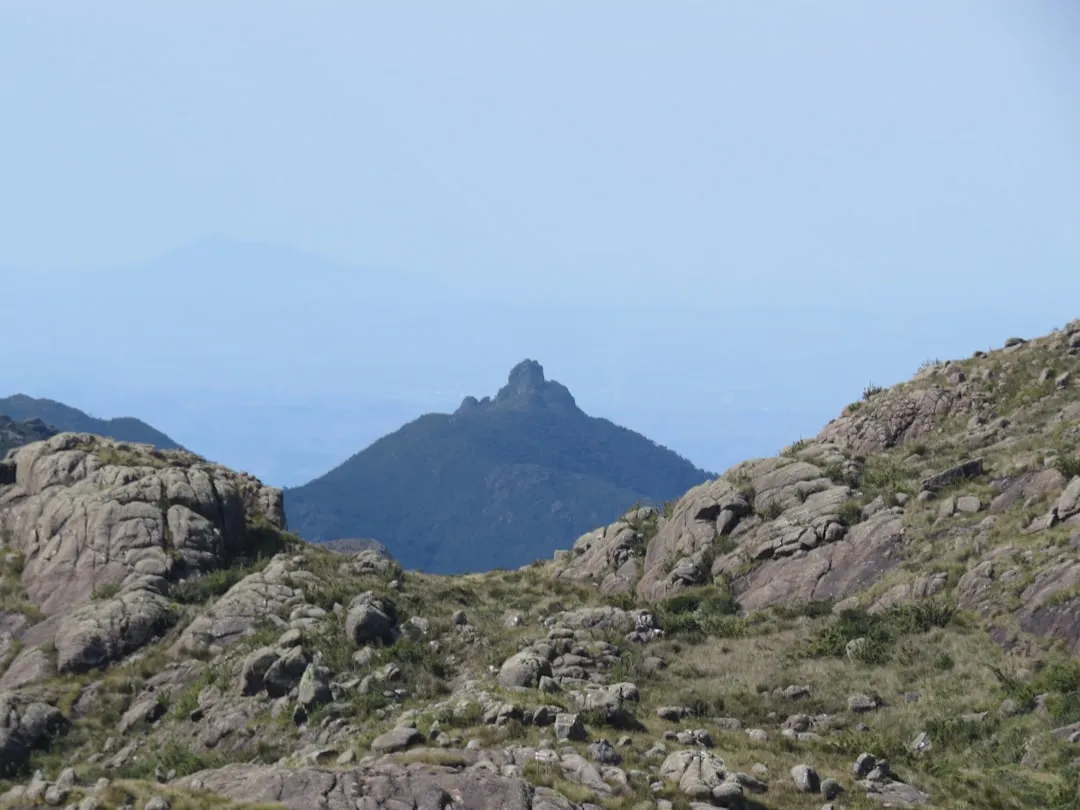
Pedra da Gavea Trail, Rio de Janeiro
The Pedra da Gavea Trail is an iconic and challenging day hike located in the Tijuca National Park, overlooking Rio de Janeiro, Brazil. This demanding ascent culminates at the summit of Pedra da Gavea, the highest peak in the park, offering unparalleled panoramic views of the city, Guanabara Bay, and the Atlantic Ocean. The trail is renowned for its varied terrain, including steep ascents, dense Atlantic rainforest, and a final, exhilarating scramble up a rock face that requires both physical strength and a head for heights. It is a true test of endurance and a rewarding adventure for experienced hikers seeking a spectacular natural experience within the urban sprawl of Rio.
- Distance: 7.5 km one-way
- Elevation gain: 844 m
- Duration: 5–8 hours round trip
- Difficulty: Challenging (requires scrambling and comfort with heights)
- Best Time: Dry season (April to October) for clearer skies and less slippery conditions
- Closest City: Rio de Janeiro
- Trailhead Access: Via Barra da Tijuca, accessible by taxi/ride-sharing or public transport with a short walk.
- Permits: No specific permits required for the trail itself, but park entry fees may apply. Check local advisories.
Overview
The Pedra da Gavea hike is a journey through diverse ecosystems and increasingly dramatic landscapes. Starting from the Estrada Sorimã in Barra da Tijuca, the initial section winds through the lush, humid Atlantic rainforest, a remnant of Brazil's coastal biome. This part of the trail is often steep and can be muddy, especially after rain, with numerous roots and rocks underfoot. As you ascend, the vegetation changes, and the views begin to open up, offering glimpses of the sprawling city below.
The trail is divided into two main sections: the lower, more forested part, and the upper, rocky ascent. The lower section is a strenuous climb through dense jungle, often accompanied by the sounds of exotic birds and the scent of damp earth and tropical foliage. This part can take a significant portion of the total time due to its steepness and the need for careful footing.
The upper section is where the hike truly becomes challenging. After a strenuous climb, you reach a rocky plateau. From here, the final ascent to the summit involves a significant scramble up a near-vertical rock face. This section is aided by ropes and chains, but it requires considerable upper body strength, agility, and a complete lack of fear of heights. The "Sphinx" rock formation, a famous natural sculpture, is a key landmark on this final climb. Reaching the summit of Pedra da Gavea is an immense achievement, rewarded with breathtaking 360-degree views that stretch from the iconic Sugarloaf Mountain and Christ the Redeemer statue to the vast expanse of the Atlantic Ocean and the golden beaches of Barra da Tijuca.
This hike is not for the faint of heart. It demands excellent physical fitness, mental fortitude, and a willingness to tackle exposed sections. However, for those who are prepared, the experience is unforgettable, offering a unique perspective on Rio de Janeiro's stunning natural beauty.
History and Cultural Context
Pedra da Gavea, meaning "Gavea Rock" or "Galleon Rock," derives its name from its distinctive shape, which early Portuguese navigators believed resembled a galleon's crow's nest. The peak has been a prominent landmark for centuries, guiding sailors along the coast of Brazil.
The Tijuca National Park, within which Pedra da Gavea is situated, has a rich history. It was established in 1961 and is one of the largest urban rainforests in the world. The park's reforestation in the 19th century was a monumental effort to combat deforestation caused by coffee plantations and urban expansion. Emperor Dom Pedro II ordered the replanting of thousands of trees to restore the water sources for Rio de Janeiro.
The trails around Pedra da Gavea have likely been used by indigenous peoples for centuries, though specific historical records of their use for ascent are scarce. In more recent times, the peak has become a symbol of adventure and a challenge for local climbers and hikers. The installation of ropes and chains on the final ascent section reflects the evolution of the trail into a popular, albeit demanding, tourist attraction. The "Sphinx" formation, a natural rock sculpture carved by erosion, has become an iconic photo opportunity, adding to the mystique of the peak.
The summit itself offers a profound connection to the natural history of the region, providing a vantage point from which to appreciate the scale of the Atlantic Forest and the dynamic relationship between the urban environment and the preserved wilderness.
Seasonal Highlights and Weather Reality
The best time to hike Pedra da Gavea is during the dry season, which typically runs from April to October. During these months, the weather is generally more stable, with less rainfall and lower humidity, making the trail less slippery and the views clearer.
Dry Season (April to October):
- Pros: Lower chance of rain, clearer skies offering excellent visibility for panoramic views, less humidity, and a reduced risk of mud on the trail. The rock face is drier, making the final scramble safer.
- Cons: Can still experience occasional rain showers, and temperatures can be cooler, especially at higher elevations. Mornings can be misty, but these often burn off by midday.
Wet Season (November to March):
- Pros: The rainforest is at its most vibrant and lush. Waterfalls and streams are more active.
- Cons: High humidity and frequent, heavy rainfall can make the trail extremely muddy and slippery, significantly increasing the risk of falls. The rock face can become treacherous. Visibility is often poor due to cloud cover and rain. There is a higher risk of flash floods in lower-lying areas.
Temperature: Temperatures in Rio de Janeiro can be warm year-round, typically ranging from 20°C to 35°C. The summit of Pedra da Gavea can be slightly cooler due to altitude and wind, especially in the early morning or late afternoon.
Wind: Wind can be a significant factor, particularly on the exposed upper sections and at the summit. Strong winds can make the scramble more challenging and potentially dangerous. Always check the weather forecast before you go.
Recommended Itinerary
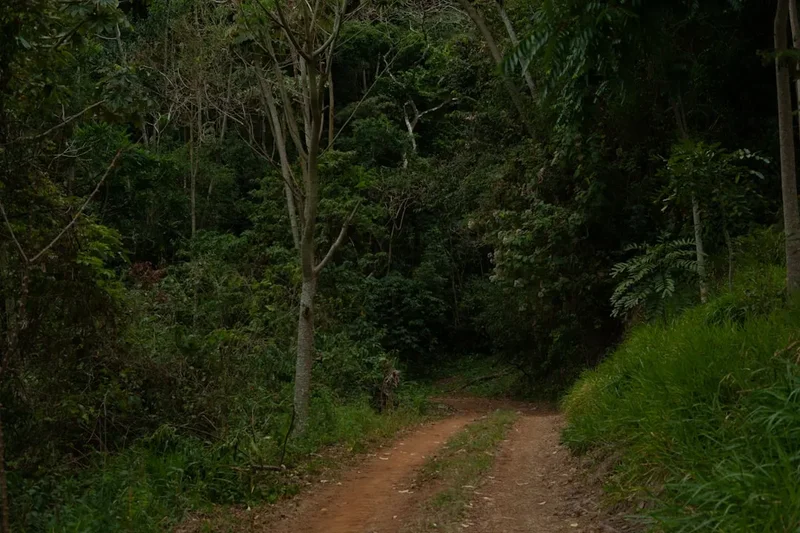
Pedra da Gavea Day Hike Itinerary
Early Morning (6:00 AM - 7:00 AM): Departure and Trailhead Arrival
- Depart from your accommodation in Rio de Janeiro.
- Travel by taxi or ride-sharing service to the trailhead at Estrada Sorimã, Barra da Tijuca.
- Allow ample time for travel, as traffic can be unpredictable.
- Arrive at the trailhead, prepare your gear, and begin the hike.
Morning (7:00 AM - 10:00 AM): Ascent through Rainforest
- Begin the hike on the well-defined but often steep trail.
- Navigate through the dense Atlantic rainforest, enjoying the lush vegetation and sounds of nature.
- The path is rocky and root-filled, requiring careful footing.
- Ascend steadily, gaining elevation through the lower sections of the park.
- This section is physically demanding due to the consistent incline.
Late Morning (10:00 AM - 12:00 PM): Rocky Plateau and Final Scramble Preparation
- Emerge from the dense forest onto a more open, rocky plateau.
- The landscape becomes more exposed, offering initial views of the surrounding areas.
- Reach the base of the final, challenging rock ascent.
- Assess conditions and prepare for the technical climb.
- This is a good point for a short break and to hydrate.
Midday (12:00 PM - 2:00 PM): Summit Ascent and Exploration
- Undertake the final scramble up the rock face using ropes and chains.
- This section requires significant strength, agility, and a good head for heights.
- Navigate past the iconic "Sphinx" rock formation.
- Reach the summit of Pedra da Gavea.
- Spend time enjoying the spectacular 360-degree panoramic views of Rio de Janeiro.
- Take photographs and appreciate the immense scale of the landscape.
Afternoon (2:00 PM - 5:00 PM): Descent and Return to Trailhead
- Begin the descent, carefully navigating the rocky scramble and the forest trail.
- The descent can be as challenging as the ascent, requiring concentration and controlled movements.
- Continue down through the rainforest, retracing your steps.
- Arrive back at the trailhead at Estrada Sorimã.
- Return to your accommodation.
Important Notes:
- Start early to avoid the midday heat and potential afternoon thunderstorms.
- Carry plenty of water and high-energy snacks.
- Wear sturdy, grippy hiking boots.
- Do not attempt the final scramble if you have a fear of heights or are not physically prepared.
- Consider hiring a local guide, especially if you are unfamiliar with the trail or conditions.
Planning and Bookings
Book Your Trip
Everything you need to plan your journey
Accommodation
Find places to stay near Rio de Janeiro
Flights
Search flights to Rio de Janeiro
Essential Preparation
The Pedra da Gavea hike is a significant undertaking that requires thorough preparation. Given its challenging nature and the potential for rapidly changing weather, it is crucial to be physically fit and mentally prepared. The closest major city is Rio de Janeiro, which offers a wide range of accommodation options from budget hostels to luxury hotels. Barra da Tijuca, the neighbourhood closest to the trailhead, also has hotels and apartments, providing a more convenient base for an early start.
Fitness: This hike involves a substantial elevation gain (844 m) over a relatively short distance, with steep, sustained climbs and a technical rock scramble. A good level of cardiovascular fitness and leg strength is essential. Practice hiking on steep terrain and consider incorporating strength training for your legs and core.
Logistics: Access to the trailhead at Estrada Sorimã is best achieved by taxi or ride-sharing services like Uber or 99. Public transport is possible but involves multiple bus changes and a walk, which can add considerable time and complexity, especially for an early start. Parking at the trailhead is very limited and not recommended for independent vehicles due to potential security concerns.
Guides: For those unfamiliar with the trail, concerned about the technical sections, or seeking a deeper understanding of the local flora and fauna, hiring a certified local guide is highly recommended. Guides can ensure safety, navigate the route efficiently, and provide valuable insights into the park's natural and cultural history.
Trail Accommodation
This is a day hike requiring no overnight accommodation. The trail is typically completed within a single day, with hikers returning to their accommodation in Rio de Janeiro or Barra da Tijuca in the late afternoon or early evening.
Required Gear
- Hiking Boots: Sturdy, waterproof hiking boots with excellent ankle support and aggressive tread are essential for navigating the rocky, root-filled, and potentially slippery terrain.
- Durable Clothing: Lightweight, moisture-wicking hiking trousers or shorts and a breathable top. Long sleeves can offer protection from the sun and scratches from vegetation.
- Waterproof Jacket: A lightweight, breathable waterproof jacket is advisable, as sudden rain showers can occur, especially in the afternoons.
- Backpack: A comfortable daypack (20-30 litre capacity) to carry essentials.
- Navigation: While the trail is generally well-trodden, a GPS device or a reliable offline map app on your smartphone is recommended, especially for the upper sections. A compass can also be useful.
- Safety Gear: A comprehensive first-aid kit, including blister treatment, pain relievers, antiseptic wipes, and any personal medications. A head torch with spare batteries is crucial if starting very early or finishing late.
- Sun Protection: High SPF sunscreen, a wide-brimmed hat, and sunglasses are vital due to the tropical sun.
What to Bring
- Water: Carry at least 2-3 litres of water per person. Water sources on the trail are unreliable and should not be depended upon without proper treatment.
- Food: High-energy snacks such as trail mix, energy bars, fruit, and sandwiches. Pack enough for the entire duration of the hike, as there are no facilities on the trail.
- Water Treatment: If you plan to refill water, carry a water filter or purification tablets.
- Toiletries: Hand sanitiser, biodegradable wet wipes, and any personal hygiene items. Pack out all waste.
- Insect Repellent: Mosquitoes and other biting insects can be present, especially in the forested areas.
- Camera: To capture the stunning views from the summit.
- Cash: Small amounts of cash may be useful for local transport or unexpected needs.
- Mobile Phone: Fully charged, with a portable power bank if possible. Signal can be intermittent.
Permits
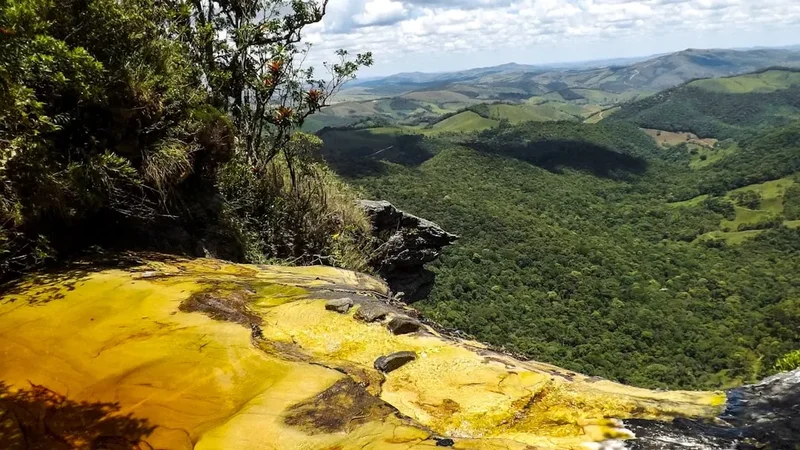
No specific permits are officially required to hike the Pedra da Gavea trail. The trail is located within the Tijuca National Park, and while there might be general park entry regulations or fees, these are typically minimal and often integrated into transport costs or managed at designated park entrances. It is always advisable to check the latest regulations with the park authorities or local tourism information centres before your visit, as policies can change.
Park Entry: While the trail itself doesn't require a dedicated permit, access to the Tijuca National Park may involve a small entrance fee, particularly if you are arriving by car at a main park entrance. However, the trailhead for Pedra da Gavea is often accessed via roads that may not have formal toll booths.
Guides: If you choose to hire a guide, they will be familiar with any park regulations and will ensure your hike complies with local rules. Hiring a guide is strongly recommended for this challenging hike, especially for the technical summit scramble.
Safety Advisories: Always be aware of any safety advisories issued by the park authorities or local emergency services. These might relate to weather conditions, trail closures, or specific hazards.
Other Activities in the Area
Rio de Janeiro offers a wealth of activities for visitors, complementing the adventure of Pedra da Gavea:
- Christ the Redeemer (Cristo Redentor): Visit the iconic Art Deco statue atop Corcovado Mountain for another spectacular panoramic view of the city. Accessible by cog train or van.
- Sugarloaf Mountain (Pão de Açúcar): Take a cable car ride to the summit of Sugarloaf Mountain for stunning views of Guanabara Bay, Copacabana Beach, and the city skyline.
- Copacabana and Ipanema Beaches: Relax on the world-famous beaches, soak up the sun, swim in the ocean, or enjoy a caipirinha at a beachside kiosk.
- Tijuca National Park Exploration: Beyond Pedra da Gavea, the park offers other hiking trails, waterfalls (like Cascatinha Taunay), and viewpoints such as Vista Chinesa.
- Botanical Garden (Jardim Botânico): Explore the diverse plant collections, including imperial palms, orchids, and Amazonian flora, in this beautiful and historic garden.
- Santa Teresa Neighbourhood: Wander through the charming, bohemian streets of Santa Teresa, known for its colonial architecture, artisan shops, and vibrant arts scene.
- Maracanã Stadium Tour: For football (soccer) enthusiasts, a tour of the legendary Maracanã Stadium offers a glimpse into Brazil's rich sporting history.
- Samba Shows and Nightlife: Experience Rio's famous nightlife with live samba music and dance performances.
Safety and Conditions
Trail Conditions: The Pedra da Gavea trail is challenging and can be hazardous. The lower sections are often steep, muddy, and root-covered. The upper section involves a significant rock scramble that requires good physical strength, agility, and a complete absence of vertigo. Ropes and chains are present to assist, but they do not eliminate the inherent risks.
Weather: Rio de Janeiro experiences a tropical climate. Afternoon thunderstorms are common, especially during the wet season. These can bring heavy rain, lightning, and make the trail extremely slippery and dangerous. It is crucial to check the weather forecast before setting out and to start your hike early in the morning to avoid potential afternoon storms.
Heights and Exposure: The final ascent to the summit is highly exposed. If you have a fear of heights, this section may be insurmountable. The rock face is steep, and a fall could have severe consequences. Assess your comfort level with heights honestly before proceeding.
Physical Fitness: This hike is strenuous. Ensure you are in good physical condition. Dehydration, heat exhaustion, and muscle fatigue are real risks. Carry ample water and high-energy food.
Navigation: While the main trail is generally discernible, the terrain can be confusing in places, especially in the upper sections. It is highly recommended to use a GPS device or an offline map app. Hiring a local guide is the safest option for navigating the technical parts of the trail.
Wildlife: Be aware of the local fauna. While dangerous animals are rare on the main trail, respect all wildlife and do not attempt to feed or approach animals. Insects, including mosquitoes, can be present.
Emergency: Carry a fully charged mobile phone. However, be aware that mobile signal can be intermittent on the trail. Inform someone of your hiking plans, including your expected return time. In case of emergency, contact local park rangers or emergency services. Having a local guide significantly improves emergency response capabilities.
Travel Insurance: It is strongly recommended to have travel insurance that covers adventure activities and potential medical evacuation.
Side Trips and Points of Interest
The Sphinx: Located on the final rock scramble section, the "Sphinx" is a naturally eroded rock formation that bears a striking resemblance to the mythical creature. It's a popular spot for photos and a key landmark indicating you are nearing the summit. The sheer scale and artistry of this natural sculpture are impressive.
Panoramic Summit Views: The summit of Pedra da Gavea offers arguably the most comprehensive and breathtaking panoramic views of Rio de Janeiro. From this vantage point, you can see:
- Christ the Redeemer: Standing majestically atop Corcovado Mountain.
- Sugarloaf Mountain: Dominating the entrance to Guanabara Bay.
- Guanabara Bay: The vast expanse of water dotted with boats.
- Copacabana and Ipanema Beaches: Stretching along the coastline.
- Barra da Tijuca: The modern district with its long beaches and urban sprawl.
- The Atlantic Ocean: Extending to the horizon.
- Tijuca National Park: The vast expanse of green rainforest surrounding the peak.
The views are particularly spectacular during sunrise or sunset, though hiking during these times requires extra caution due to darkness and potentially cooler temperatures.
Forest Ecosystem: The lower sections of the trail traverse the Atlantic Rainforest, a biodiversity hotspot. While not a "side trip" in the traditional sense, taking time to observe the rich flora and fauna—including various bird species, monkeys (if you're lucky), and unique plant life—adds another dimension to the hike.
Leave No Trace
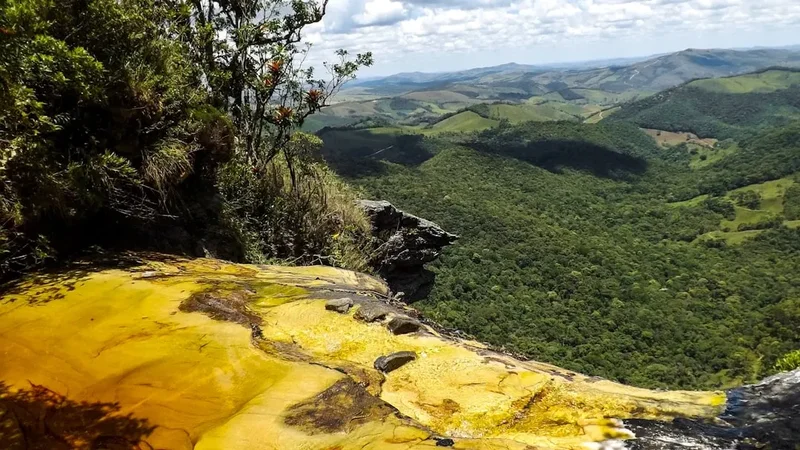
The Pedra da Gavea trail, situated within the Tijuca National Park, is a precious natural resource that requires responsible stewardship. Adhering to Leave No Trace principles is vital to preserve its beauty and ecological integrity for future generations.
Plan Ahead and Prepare: Research the trail, understand its challenges, and be prepared for the conditions. Check the weather forecast and start early to avoid afternoon storms and crowds.
Travel and Camp on Durable Surfaces: Stay on the marked trail at all times. The vegetation on the sides of the trail is fragile and can be easily damaged. Avoid creating new paths or shortcuts.
Dispose of Waste Properly: Pack out everything you pack in. This includes all food scraps, wrappers, and any other litter. Use designated waste bins if available at the trailhead, but it's best to carry all waste back with you.
Leave What You Find: Do not take any natural objects, such as rocks, plants, or flowers, from the park. Leave them for others to enjoy and for the ecosystem to thrive.
Minimize Campfire Impacts: Campfires are generally not permitted within the national park, and this is a day hike, so this principle is less applicable. However, if camping were permitted, responsible fire practices would be essential.
Respect Wildlife: Observe wildlife from a distance. Never feed animals, as this can disrupt their natural behaviours and diets, and can make them dependent on human food. Secure your food properly.
Be Considerate of Other Visitors: Keep noise levels down, especially in quieter sections of the trail. Yield to other hikers, particularly on narrow sections or during the ascent/descent of the scramble. Be patient and courteous.
By following these principles, you help ensure that Pedra da Gavea remains a spectacular and accessible natural wonder.