
Pedra Bonita Trail, Rio de Janeiro
The Pedra Bonita Trail offers a spectacular, yet accessible, day hike experience in the heart of Rio de Janeiro's Tijuca National Park. This relatively short but rewarding trek leads to a breathtaking viewpoint overlooking the city, Guanabara Bay, and the iconic Sugarloaf Mountain. Famous as a launch point for hang gliders and paragliders, the summit provides an unparalleled panoramic vista that captures the essence of Rio's dramatic coastal landscape. The trail is well-maintained and suitable for most fitness levels, making it a popular choice for both locals and tourists seeking an immersive nature experience within the urban sprawl.
- Distance: 2.8 km (one-way)
- Elevation gain: 400 m
- Duration: 2-3 hours (round trip)
- Difficulty: Moderate
- Best Time: Year-round, but best during the dry season (April to September) for clearer skies and less humidity.
- Closest City: Rio de Janeiro
- Trailhead Access: Via Estrada das Paineiras, with parking near the hang gliding ramp.
- Permit: No permit required for hiking.
Overview
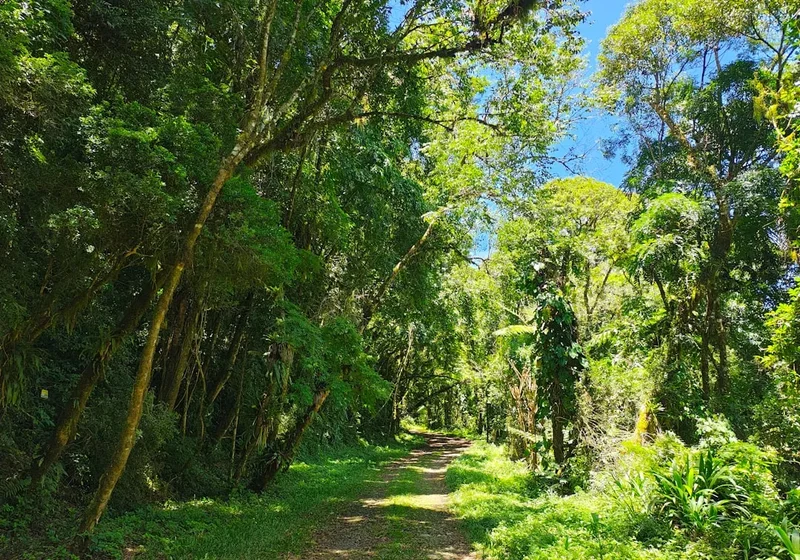
Pedra Bonita, meaning "Beautiful Stone," lives up to its name with a summit that offers one of the most commanding and comprehensive views of Rio de Janeiro. The trail itself is a journey through the lush Atlantic Rainforest, a vital ecosystem that forms the backbone of Tijuca National Park. As you ascend, the dense vegetation provides a cool, shaded environment, punctuated by the sounds of tropical birds and the occasional rustle of unseen wildlife. The path is predominantly a well-trodden dirt track, with some sections featuring stone steps or natural rock formations that add to the adventure.
The moderate elevation gain of 400 metres is spread over 2.8 kilometres, resulting in a steady but manageable climb. This gradient ensures that the hike is challenging enough to feel like a proper excursion, yet not so strenuous as to deter casual hikers. The trail is popular, especially on weekends, and you'll likely encounter other walkers, families, and the aforementioned hang gliders preparing for their flights. The summit area is a wide, open space, dominated by the launch ramp, but the true reward lies in stepping to the edge and taking in the 360-degree panorama.
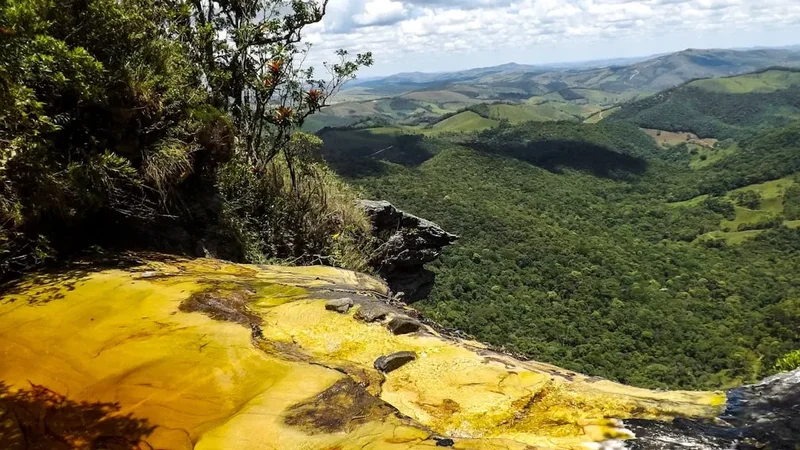
From Pedra Bonita, you can see the sprawling city stretching out towards the Atlantic Ocean, the distinctive shape of Sugarloaf Mountain guarding the entrance to Guanabara Bay, the Christ the Redeemer statue perched atop Corcovado Mountain, and the vast expanse of the Tijuca Forest itself. The sight of colourful paragliders launching into the air adds a dynamic element to the already stunning scenery. The descent offers a different perspective, allowing you to appreciate the details of the rainforest you might have missed on the way up.
History and Cultural Context
The area encompassing Pedra Bonita and the wider Tijuca National Park has a rich history intertwined with the development of Rio de Janeiro. Originally covered in dense Atlantic Rainforest, the region was extensively deforested in the 17th and 18th centuries for coffee plantations and timber. By the mid-19th century, the landscape was severely degraded, leading to water shortages in the city.
In response, Emperor Dom Pedro II ordered the reforestation of the area in 1861. This ambitious project, led by Major Manuel Gomes Archer, involved planting thousands of trees, many of which form the mature forest you see today. The reforestation efforts were crucial in restoring the ecological balance, protecting water sources, and creating the verdant landscape that now defines Tijuca National Park, one of the largest urban rainforests in the world.
Pedra Bonita itself gained prominence in the latter half of the 20th century with the rise of adventure sports. Its strategic location and favourable wind conditions made it an ideal spot for hang gliding and paragliding. The construction of the Estrada das Paineiras, a scenic road that winds through the park, further improved access to the area, making Pedra Bonita a popular destination for both hikers and extreme sports enthusiasts. The trail represents a successful integration of natural conservation with recreational use, allowing visitors to experience the beauty of the Atlantic Rainforest while enjoying panoramic views of one of the world's most famous cities.
Seasonal Highlights and Weather Reality
Rio de Janeiro experiences a tropical climate, with distinct wet and dry seasons. While Pedra Bonita can be visited year-round, certain times offer a more pleasant hiking experience.
Dry Season (April to September): This period generally offers the best conditions for hiking. Skies are typically clearer, with less humidity and a lower chance of heavy rainfall. Temperatures are milder, making the ascent more comfortable. This is the ideal time to visit if you prioritise clear, expansive views and a more comfortable trek. However, even in the dry season, unexpected rain showers can occur, so it's always wise to be prepared.
Wet Season (October to March): This season is characterised by higher temperatures, increased humidity, and more frequent, often intense, rainfall. While the rainforest is at its most vibrant and lush during this time, heavy downpours can make the trail slippery and obscure the views. Thunderstorms are also more common, posing a safety risk. If hiking during the wet season, start early in the day to avoid the afternoon storms and ensure you have excellent rain gear.
Wind Conditions: As a popular launch site for hang gliders and paragliders, Pedra Bonita is known for its consistent winds. While these winds are essential for the sports, they can also make the summit feel cooler, especially at higher elevations. Even on warm days, a light jacket or windbreaker can be beneficial.
Crowds: Weekends and public holidays are generally busier than weekdays, particularly during the dry season. For a more solitary experience, consider visiting on a weekday morning.
Recommended Itinerary
Pedra Bonita Trail - Day Hike Itinerary
Early Morning (Approx. 7:00 AM - 8:00 AM): Departure from Rio de Janeiro
- Depart from your accommodation in Rio de Janeiro.
- Travel by car or taxi/ride-sharing service towards Tijuca National Park.
- The drive to the trailhead via Estrada das Paineiras typically takes 45-60 minutes, depending on traffic and your starting point.
- Ensure you have sufficient water and snacks for the hike.
Morning (Approx. 8:00 AM - 9:00 AM): Arrival at Trailhead and Start of Hike
- Arrive at the parking area near the hang gliding ramp at Pedra Bonita.
- Note the limited parking availability, especially on weekends.
- Begin the hike from the designated trailhead.
- The initial section of the trail is relatively flat, leading you into the forest.
Mid-Morning (Approx. 9:00 AM - 10:30 AM): Ascent through the Rainforest
- The trail gradually begins to ascend.
- You will pass through dense Atlantic Rainforest, with opportunities to observe diverse flora and fauna.
- The path is generally well-defined, with some rocky sections and natural steps.
- Listen for the sounds of birds and enjoy the shade provided by the canopy.
- You may encounter other hikers or paragliders preparing for their flights.
Late Morning (Approx. 10:30 AM - 11:30 AM): Reaching the Summit and Viewpoint
- Arrive at the summit of Pedra Bonita.
- The area is dominated by the hang gliding launch ramp, but the panoramic views are the main attraction.
- Take time to absorb the breathtaking 360-degree vista of Rio de Janeiro, Guanabara Bay, Sugarloaf Mountain, Christ the Redeemer, and the coastline.
- Observe the hang gliders and paragliders launching from the ramp.
- Enjoy your snacks and water while soaking in the scenery.
Midday (Approx. 11:30 AM - 1:00 PM): Descent and Return to Trailhead
- Begin your descent back down the trail.
- The descent can be quicker but requires careful footing, especially on steeper or rockier sections.
- Enjoy the forest from a different perspective on the way down.
- Return to the parking area at the trailhead.
Afternoon (Approx. 1:00 PM onwards): Post-Hike Activities
- Depart from Pedra Bonita.
- Consider visiting other attractions within Tijuca National Park or returning to the city for lunch.
- Possible nearby attractions include Vista Chinesa, Mesa do Imperador, or the trails around the main Tijuca Forest sector.
Important Notes:
- Start early to avoid the midday heat and potential afternoon rain showers.
- Wear sturdy, closed-toe shoes suitable for hiking.
- Carry plenty of water (at least 1.5-2 litres per person).
- Bring insect repellent, sunscreen, and a hat.
- Check the weather forecast before you go.
- Be aware of your surroundings, especially near the hang gliding launch area.
Planning and Bookings
Book Your Trip
Everything you need to plan your journey
Accommodation
Find places to stay near Rio de Janeiro
Flights
Search flights to Rio de Janeiro
Essential Preparation
Pedra Bonita is a day hike, meaning no overnight accommodation is required. The primary preparation involves logistical planning for your visit to Rio de Janeiro and the park. Ensure you have comfortable and reliable footwear, as the trail involves uneven terrain and elevation gain. Staying hydrated is crucial, especially during warmer months, so carry ample water. Familiarise yourself with the general location of Tijuca National Park and the specific access road, Estrada das Paineiras. If you are not renting a car, plan your transportation using ride-sharing apps or taxis, as public transport directly to the trailhead can be limited and time-consuming.
Rio de Janeiro offers a wide range of accommodation options, from budget hostels in areas like Lapa and Botafogo to luxury hotels in Copacabana and Ipanema. For those seeking a more local experience, consider staying in neighbourhoods like Santa Teresa. Ensure your accommodation is booked in advance, especially during peak tourist seasons. Researching local transport options and purchasing a local SIM card can also be beneficial for navigation and communication.
Trail Accommodation
This is a day hike requiring no overnight accommodation.
Required Gear
- Hiking Boots/Shoes: Sturdy, closed-toe footwear with good grip is essential. Trail running shoes or hiking boots are recommended.
- Daypack: A small to medium-sized backpack (15-30 litres) to carry essentials.
- Waterproof Jacket: Lightweight and breathable, suitable for sudden rain showers common in tropical climates.
- Sun Protection: Wide-brimmed hat or cap, sunglasses, and high SPF sunscreen.
- Insect Repellent: Essential for protecting against mosquitoes and other biting insects in the rainforest.
- First Aid Kit: Basic kit including plasters, antiseptic wipes, pain relievers, and any personal medications.
- Navigation: While the trail is generally well-marked, a map or GPS device/app on your phone can be useful. Ensure your phone is fully charged.
What to Bring
- Water: At least 1.5 to 2 litres per person. Refillable bottles are recommended.
- Food/Snacks: High-energy snacks such as fruit, nuts, energy bars, or sandwiches. There are no facilities for purchasing food on the trail.
- Camera: To capture the stunning views and rainforest scenery.
- Hand Sanitiser: For hygiene, especially before eating.
- Small Towel: Useful for wiping sweat or if caught in a light shower.
- Cash: Small amounts of Brazilian Reais (BRL) for potential parking fees or unexpected expenses.
- Identification: A copy of your passport or ID.
Permits
No specific permit is required to hike the Pedra Bonita Trail. Access to Tijuca National Park is generally free for hikers and visitors using the main roads. However, it's important to be aware of park regulations and any potential parking fees that may apply at the trailhead. The park is managed by the Instituto Chico Mendes de Conservação da Biodiversidade (ICMBio), and while day access is typically unrestricted, large organised groups or commercial activities might require special authorisation.
Important Considerations:
- Park Hours: While the park is generally open daily, specific access points or roads might have operating hours. It's advisable to check the official ICMBio website for Tijuca National Park for any updates or specific advisories before your visit.
- Parking: Parking at the Pedra Bonita trailhead can be limited, especially on weekends and holidays. Arriving early in the morning is highly recommended to secure a spot.
- Safety: Always be aware of your surroundings. While generally safe, it's wise to hike in groups if possible and avoid displaying valuable items openly.
Other Activities in the Area
Tijuca National Park and its surroundings offer a wealth of activities for nature lovers and adventure seekers:
- Hang Gliding and Paragliding: Experience the thrill of flying from Pedra Bonita with a tandem flight. Several reputable operators offer guided flights with experienced instructors. This is a signature activity of the location.
- Vista Chinesa: A picturesque Chinese-style gazebo offering panoramic views of the coastline, including Ipanema, Leblon, and the Rodrigo de Freitas Lagoon. It's a popular spot for photography and a short drive from Pedra Bonita.
- Mesa do Imperador (Emperor's Table): Another scenic viewpoint within the park, offering expansive vistas of the Atlantic coast and the surrounding rainforest. It's a great spot for a picnic.
- Tijuca Forest Sector Trails: Explore other hiking trails within the main sector of Tijuca National Park, such as the trail to the Cascatinha Taunay (Taunay Waterfall) or the hike to Pico da Tijuca (Tijuca Peak), the highest point in the park.
- Botanical Garden (Jardim Botânico): Located on the edge of the park, this historic garden is a beautiful place to explore diverse plant collections, including imperial palms, orchids, and bromeliads.
- Parque Lage: A stunning public park featuring a historic mansion, art school, and beautiful gardens, with views of Christ the Redeemer. It's a popular spot for photography and relaxation.
- Beaches of Rio: After your hike, relax and soak up the sun on world-famous beaches like Copacabana, Ipanema, or Leblon.
Safety and Conditions
Trail Conditions: The Pedra Bonita Trail is generally well-maintained, consisting of a dirt path with some natural rock steps and inclines. However, after heavy rain, sections can become muddy and slippery. Always wear appropriate footwear with good grip.
Weather: Rio de Janeiro's climate can be unpredictable. Always check the weather forecast before heading out. Be prepared for sudden rain showers, especially during the wet season. If thunderstorms are forecast, it is advisable to postpone your hike, as the summit is exposed.
Hydration and Heat: The tropical climate can be hot and humid. Carry sufficient water (at least 1.5-2 litres per person) and drink regularly to stay hydrated. Start your hike early in the morning to avoid the most intense midday heat.
Wildlife: While the Atlantic Rainforest is home to diverse wildlife, encounters with dangerous animals are rare on this popular trail. However, be mindful of your surroundings and avoid disturbing any animals you may see. Insects, including mosquitoes, are present, so insect repellent is recommended.
Navigation: The trail is relatively straightforward and well-trodden, but it's always good practice to have a map or use a GPS app on your phone. Ensure your phone is fully charged, as there are no charging facilities on the trail.
Personal Safety: Hike with a companion if possible, especially on weekdays or during less busy periods. Inform someone of your hiking plans and expected return time. Be aware of your surroundings and avoid displaying expensive items. The summit area is popular, but it's still wise to be cautious.
Emergency Contacts: In case of an emergency, dial 190 for the Military Police or 193 for the Fire Department. It's also advisable to have the contact number for your accommodation or a local emergency service.
Side Trips and Points of Interest
Hang Gliding and Paragliding Launch Ramp: The most prominent feature at the summit is the dedicated launch ramp for hang gliders and paragliders. While you may not be participating, watching these colourful wings take flight against the backdrop of Rio's iconic skyline is a spectacular sight and a unique point of interest. The sheer drop and the skill of the pilots are captivating.
Panoramic Viewpoints: The entire summit area of Pedra Bonita offers incredible vantage points. Take your time to walk around the edges (safely, of course) to capture different angles of the breathtaking scenery. Key sights include:
- Sugarloaf Mountain (Pão de Açúcar): Its distinctive shape is clearly visible, guarding the entrance to Guanabara Bay.
- Guanabara Bay: The vast expanse of water, dotted with boats and ships.
- Christ the Redeemer (Cristo Redentor): The iconic statue atop Corcovado Mountain, offering a different perspective from the trail.
- Copacabana and Ipanema Beaches: The famous crescent-shaped beaches stretching along the coastline.
- Rodrigo de Freitas Lagoon: A large, picturesque lagoon situated between the mountains and the beaches.
- Tijuca Forest: The vast green expanse of the rainforest stretching out below, highlighting the importance of conservation.
The Rainforest Ecosystem: While not a specific "point of interest" in the traditional sense, the journey through the Atlantic Rainforest itself is a significant part of the experience. Observe the diverse plant life, listen to the calls of exotic birds, and appreciate the biodiversity of this vital ecosystem. The trail provides an excellent opportunity to connect with nature within an urban environment.
Leave No Trace
The Pedra Bonita Trail, situated within the ecologically significant Tijuca National Park, requires visitors to practice responsible hiking principles to preserve its natural beauty and biodiversity. Adhering to Leave No Trace (LNT) guidelines ensures that this stunning natural area remains pristine for future generations.
Your responsibility as a hiker:
- Plan Ahead and Prepare: Familiarise yourself with the trail, weather conditions, and any park regulations before your visit. Carry adequate water and food to avoid needing to forage or leave waste behind.
- Travel and Camp on Durable Surfaces: Stick to the marked trail at all times. Avoid walking on vegetation or creating new paths, as this can damage fragile ecosystems and lead to erosion. The trail is well-defined, so stay on it.
- Dispose of Waste Properly: Pack out everything you pack in. This includes all food scraps, wrappers, tissues, and any other litter. Use the designated bins if available at the trailhead, but it's best practice to carry all waste with you until you can dispose of it properly.
- Leave What You Find: Do not take any natural souvenirs such as rocks, plants, or flowers. Leave the natural environment as you found it for others to enjoy.
- Minimise Campfire Impacts: Campfires are not permitted on this day hike.
- Respect Wildlife: Observe wildlife from a distance and never feed them. Feeding wild animals can disrupt their natural behaviours and diets, and can make them dependent on humans or aggressive.
- Be Considerate of Other Visitors: Keep noise levels down, especially in natural settings. Yield to other hikers on the trail, particularly on narrower sections.
By following these principles, you contribute to the conservation of Tijuca National Park and ensure that the Pedra Bonita Trail remains a beautiful and accessible natural escape for everyone.