
Pathivara Temple Hike
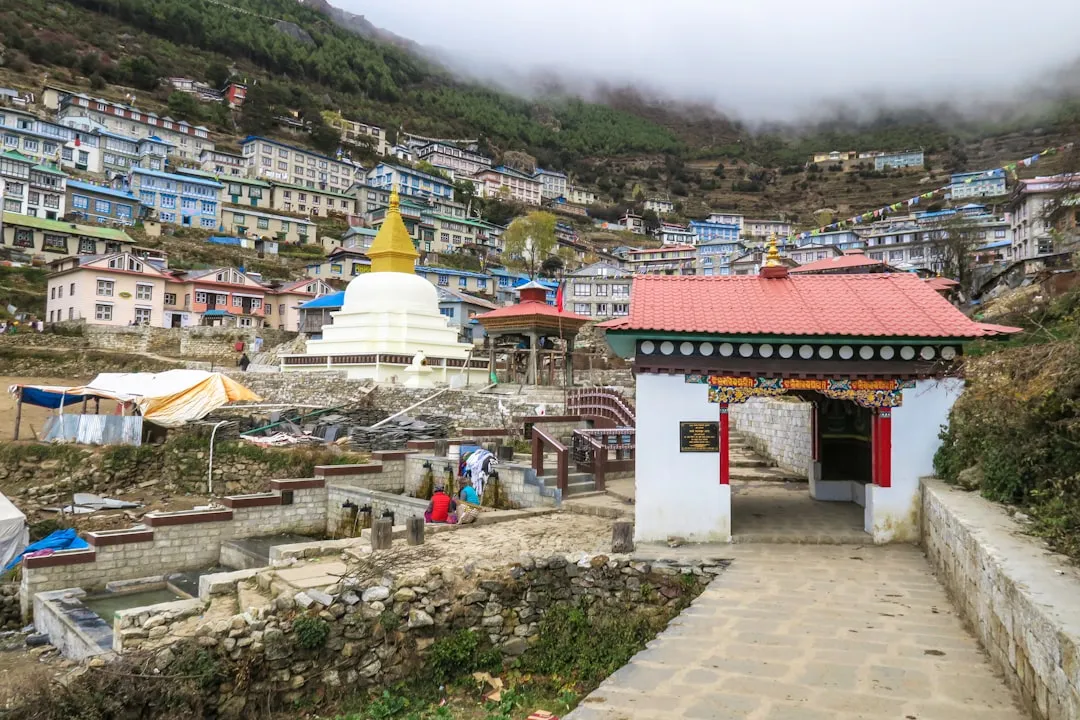
The Pathivara Temple Hike is a significant pilgrimage and trekking route located in the Taplejung District of Province No. 1, Nepal. This sacred trail leads to the Pathivara Temple, a revered Hindu shrine dedicated to Goddess Durga, believed to fulfil the wishes of her devotees. The hike offers not only a spiritual journey but also a spectacular immersion into the pristine natural beauty of the eastern Himalayas, featuring lush rhododendron forests, diverse flora and fauna, and breathtaking panoramic views of snow-capped peaks, including Kanchenjunga.
- Distance: 8.0 km one-way
- Elevation gain: 800 m
- Duration: 4-6 hours (one-way)
- Season: October-November and March-May
- Closest City: Phungling
- Trailhead Access: Suketar Airport area
- Difficulty: Moderate
- Permits: None required for the trail itself; donations accepted at the temple
Overview
The Pathivara Temple Hike is a moderately challenging day walk that ascends steeply from the Suketar area towards the sacred shrine. The trail is a vital pilgrimage route for thousands of Hindu devotees annually, particularly during the festival of Dashain. The journey begins with a gradual ascent through terraced fields and small settlements, gradually transitioning into dense, verdant forests characteristic of the eastern Himalayan foothills. As the altitude increases, the vegetation changes, with rhododendrons and other alpine flora becoming more prominent, especially during spring when they are in bloom.
The trail is well-trodden, reflecting its importance as a pilgrimage site. Along the way, trekkers can encounter local villagers, porters carrying supplies for the temple, and fellow pilgrims. The air is crisp and clean, and the sounds of nature—birdsong, rustling leaves, and the distant murmur of streams—create a tranquil atmosphere. The primary reward of the hike, beyond the spiritual fulfilment for pilgrims, is the awe-inspiring vista that unfolds as one approaches the temple. The summit offers commanding views of the Kanchenjunga massif, the world's third-highest mountain, along with other neighbouring peaks, providing a truly unforgettable Himalayan panorama.
The hike is typically completed in a single day, making it accessible for those with limited time but a desire to experience both the cultural and natural grandeur of the region. The moderate difficulty level means that with reasonable fitness, most individuals can complete the trek comfortably, though the significant elevation gain requires a steady pace and good stamina. The best times to visit are during the post-monsoon autumn months (October-November) and the pre-monsoon spring months (March-May), when the skies are generally clear, offering optimal visibility of the mountain ranges and pleasant temperatures for trekking.
History and Cultural Context
The Pathivara Temple holds immense religious and cultural significance for Hindus and Buddhists alike in Nepal and neighbouring India. Legend has it that the goddess Pathivara appeared in a dream to a local Limbu woman, instructing her to build a temple in her honour. The goddess is believed to be a powerful deity who grants blessings, wealth, and prosperity to her devotees, and is particularly revered for fulfilling wishes. The temple is also considered sacred by some Buddhist communities, who refer to the deity as 'Namroong'.
The history of the temple is deeply intertwined with the local Limbu culture and traditions. The area has been a pilgrimage site for centuries, with devotees undertaking the arduous journey to seek divine intervention and blessings. The trail itself has been used by pilgrims for generations, evolving from a rough track to a more defined path, though it retains its natural, rugged character. The increasing popularity of the temple has led to some infrastructure development, including basic facilities for pilgrims near the summit, but the core experience remains one of spiritual devotion amidst a wild and beautiful landscape.
The Pathivara Temple is particularly thronged during the festival of Dashain, the most important festival in the Nepali Hindu calendar, which typically falls in September or October. During this period, thousands of pilgrims make the journey, often sacrificing animals (goats and chickens) as offerings to the goddess, a practice that underscores the temple's deep-rooted traditions. The hike is not just a physical ascent but a spiritual pilgrimage, a journey of faith and devotion that connects pilgrims to their cultural heritage and the divine.
Seasonal Highlights and Weather Reality
The Pathivara Temple Hike is best undertaken during specific seasons to maximise the chances of clear views and pleasant trekking conditions. The eastern Himalayas, while beautiful year-round, present distinct challenges and rewards depending on the time of year.
October-November (Autumn): This is arguably the prime trekking season for the Pathivara hike. Following the monsoon rains, the air becomes exceptionally clear, offering unparalleled visibility of the majestic Kanchenjunga range and surrounding peaks. Temperatures are moderate, ranging from approximately 10°C to 20°C during the day, making for comfortable hiking. The skies are typically blue and cloud-free, ideal for photography and enjoying the panoramic vistas. The rhododendron forests, while past their spring bloom, are still lush and green.
March-May (Spring): This period is also highly recommended. The weather begins to warm up, and the landscape bursts into life. The highlight of spring is the spectacular blooming of the rhododendron forests, which carpet the hillsides in vibrant shades of red, pink, and white. Temperatures are pleasant, though they can start to get warmer towards May. Visibility is generally good, though there's a slightly higher chance of afternoon cloud build-up compared to autumn. This season is ideal for those who wish to witness the region's floral beauty alongside the mountain scenery.
June-September (Monsoon): This is the rainy season in Nepal. While the landscape becomes incredibly lush and green, heavy rainfall is frequent, leading to obscured mountain views due to persistent cloud cover. The trails can become muddy, slippery, and potentially hazardous. Landslides are also a risk during this period. Trekking is generally not recommended during the peak monsoon months, although some dedicated pilgrims may still undertake the journey.
December-February (Winter): Temperatures drop significantly, and snowfall is possible at higher elevations, including the trail to Pathivara. While the skies can be clear and crisp, the cold can be intense, and the trail may be covered in snow and ice, making it challenging and requiring appropriate winter gear and experience. The views can be stunning, but the conditions are harsh, and fewer pilgrims undertake the journey during this time.
Weather Reality: Even during the best seasons, mountain weather is notoriously unpredictable. While autumn and spring offer the highest probability of clear skies, sudden changes can occur. It is essential to be prepared for cooler temperatures, especially at higher elevations and during early mornings or late afternoons, and to carry rain gear regardless of the forecast.
Recommended Itinerary
Pathivara Temple Day Hike Itinerary
Early Morning (Approx. 6:00 AM - 7:00 AM): Departure from Phungling
- Begin your journey from Phungling, the district headquarters and closest major town.
- Hire a jeep or taxi from Phungling to the trailhead, which is typically located near the Suketar Airport area. The drive takes approximately 1-2 hours on a rough, unpaved road.
- Ensure you have had a hearty breakfast and are carrying sufficient water and snacks.
Morning (Approx. 8:00 AM - 11:00 AM): Ascent to the Temple
- Start the hike from the trailhead. The trail is predominantly uphill, gaining approximately 800 metres in elevation over 8 kilometres.
- The initial part of the trail winds through terraced fields and small settlements, offering glimpses of local life.
- As you ascend, the path enters dense rhododendron and pine forests. The air becomes cooler and fresher.
- The trail is well-defined but can be steep in sections. Take your time, maintain a steady pace, and enjoy the natural surroundings.
- You will likely encounter other pilgrims and locals carrying supplies to the temple.
Midday (Approx. 11:00 AM - 1:00 PM): Arrival at Pathivara Temple and Exploration
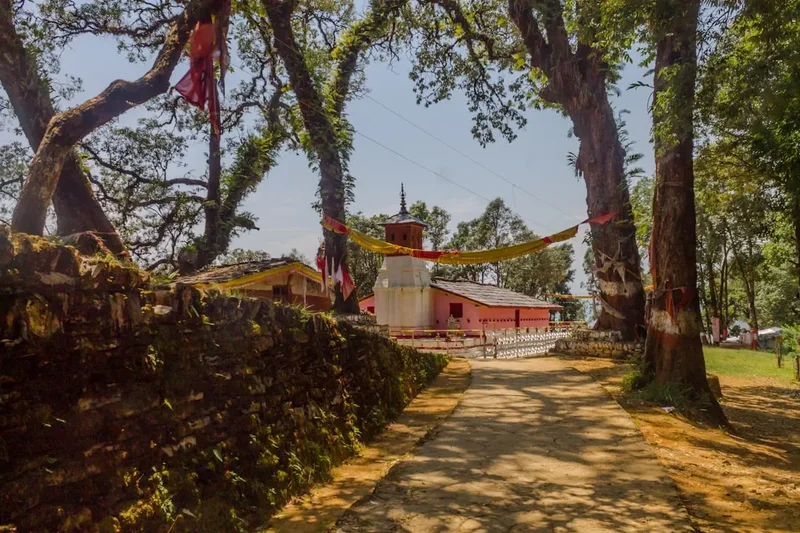
- Reach the Pathivara Temple complex. The temple itself is a modest structure, but the spiritual atmosphere is palpable.
- Spend time at the temple, offering prayers, observing the rituals, and soaking in the spiritual ambiance.
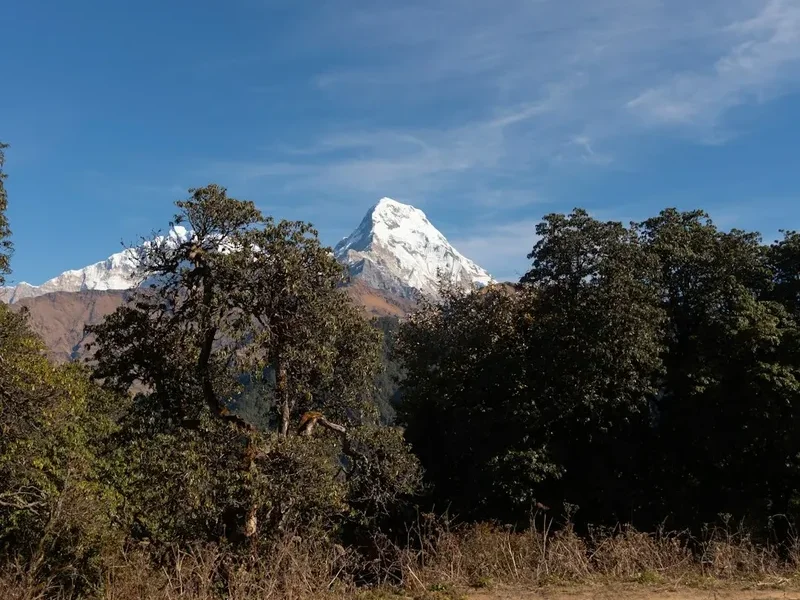
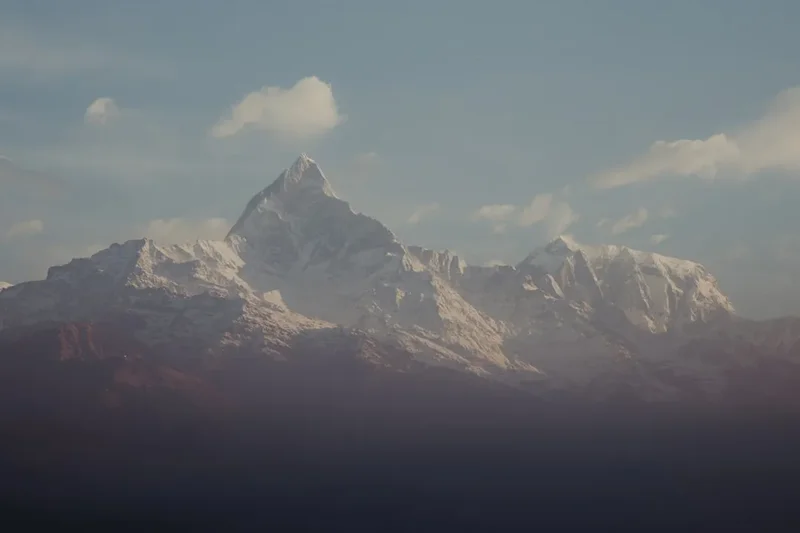
- Take in the breathtaking panoramic views of the Kanchenjunga massif (8,586 m), Kumbhakarna (7,710 m), and other surrounding peaks. This is the primary viewpoint of the hike.
- Rest, rehydrate, and enjoy your packed lunch amidst the stunning mountain scenery.
Afternoon (Approx. 1:00 PM - 4:00 PM): Descent and Return to Phungling
- Begin the descent back towards the trailhead. The downhill journey is generally faster but requires careful footing to avoid slips.
- Continue to appreciate the forest scenery and the sounds of nature.
- Reach the trailhead near Suketar Airport.
- Take your pre-arranged jeep or taxi back to Phungling.
- Arrive back in Phungling in the late afternoon, concluding your pilgrimage and trekking experience.
Important Notes:
- This is a day hike; no overnight accommodation is required on the trail.
- The trail can be steep and demanding; good physical fitness is recommended.
- Carry sufficient water and high-energy snacks.
- Wear sturdy, broken-in hiking boots.
- Dress in layers, as temperatures can vary significantly with altitude and time of day.
- Be prepared for unpredictable mountain weather; carry rain gear.
- Respect the religious nature of the site; dress modestly and behave respectfully.
Planning and Bookings
Book Your Trip
Everything you need to plan your journey
Accommodation
Find places to stay near Phungling
Flights
Search flights to Phungling
Essential Preparation
The Pathivara Temple Hike is a day walk, meaning it does not require overnight accommodation on the trail itself. However, planning your trip to the region and the hike is crucial for a smooth and enjoyable experience. The closest major town and logistical hub is Phungling, the headquarters of the Taplejung District. Access to Phungling typically involves flying to Bhadrapur Airport (BDP) in Jhapa District, followed by a scenic but lengthy jeep or bus journey (approximately 6-8 hours) to Phungling. Alternatively, one can travel overland from Kathmandu or other major cities, which takes considerably longer.
From Phungling, you will need to arrange transportation to the trailhead, which is usually near the Suketar Airport. This involves hiring a local jeep or taxi, which can navigate the rough, unpaved roads for about 1-2 hours. It is advisable to arrange this transport the day before your hike or early in the morning. Ensure your vehicle is suitable for rough terrain. For those interested in extending their stay, Phungling offers basic guesthouses and lodges. It is also wise to check weather forecasts for the region before embarking on the hike, as mountain weather can change rapidly.
Trail Accommodation
This is a day hike requiring no overnight accommodation.
Required Gear
- Hiking Boots: Sturdy, waterproof, and well-broken-in hiking boots are essential for navigating the steep and sometimes uneven terrain.
- Backpack: A comfortable daypack (20-30 litres) to carry essentials like water, snacks, rain gear, and personal items.
- Clothing:
- Moisture-wicking base layers (synthetic or merino wool).
- Insulating mid-layer (fleece or down jacket).
- Waterproof and windproof outer shell jacket.
- Comfortable hiking trousers (quick-drying).
- Waterproof overtrousers (recommended, especially during shoulder seasons).
- Warm hat and gloves (evenings and higher altitudes can be cool).
- Navigation: While the trail is generally well-marked, a map of the area or a GPS device/app with offline maps is advisable.
- Safety Gear: A basic first-aid kit including blister treatment, pain relievers, antiseptic wipes, and any personal medications. A head torch with spare batteries is useful if starting very early or returning late.
What to Bring
- Food: High-energy snacks such as nuts, dried fruits, energy bars, and biscuits. A packed lunch is essential as there are no food facilities on the trail.
- Water: At least 1.5-2 litres of water per person. Water purification tablets or a filter are recommended if you plan to refill from natural sources, though it's safer to carry all your water.
- Toiletries: Sunscreen (SPF 30+), sunglasses, lip balm with SPF, hand sanitiser, and toilet paper. Biodegradable soap if washing hands.
- Personal Items: Camera, power bank for electronics, identification, and a small amount of cash for potential donations or small purchases in Phungling.
- Insect Repellent: Especially important during warmer months to ward off mosquitoes and other biting insects.
Permits
No specific permits are required to trek the Pathivara Temple trail itself. The route is open to all pilgrims and trekkers. However, as it is a sacred religious site, visitors are expected to behave respectfully and adhere to local customs. Donations are gratefully accepted at the temple and are used for its maintenance and upkeep, as well as for supporting local community initiatives.
While no formal permits are needed for the hike, it is always advisable to check for any local advisories or regulations that may be in place, especially during peak pilgrimage seasons. Information can often be obtained from local tourism offices in Phungling or from your accommodation providers.
Other Activities in the Area
Beyond the Pathivara Temple Hike, the Taplejung District offers several other attractions and activities for visitors:
- Kanchenjunga Base Camp Trek: For serious trekkers, the region is the gateway to the Kanchenjunga Base Camp treks (North and South), offering unparalleled views of the world's third-highest peak and a remote, challenging wilderness experience. These are multi-day treks requiring significant planning and permits.
- Exploring Phungling: The district headquarters offers a glimpse into local life. Visit the local market, interact with the friendly residents, and enjoy the laid-back atmosphere.
- Local Villages and Culture: Venture into the smaller villages surrounding Phungling to experience the unique culture of the Limbu people, their traditions, and their way of life.
- Bird Watching: The diverse ecosystems of the region, from lower foothills to alpine forests, are home to a rich variety of bird species, making it a potential destination for birdwatching enthusiasts.
- Cultural Festivals: If your visit coincides with local festivals like Dashain or other community celebrations, you can witness vibrant cultural performances, traditional music, and local customs.
- Tea Gardens: While not as famous as Ilam, the eastern hills of Nepal do have some tea cultivation. Exploring local tea-growing areas can be a pleasant diversion.
Safety and Conditions
Altitude: The Pathivara Temple is situated at an altitude of approximately 3,794 metres (3,794 m). While this is a day hike and the ascent is spread over several hours, it is important to be aware of the potential for altitude sickness. Ascend gradually, stay hydrated, and avoid overexertion. If you experience symptoms like headache, nausea, dizziness, or fatigue, descend immediately.
Trail Conditions: The trail is generally well-maintained but can be steep, rocky, and slippery, especially after rain. Wear appropriate footwear with good grip. During the monsoon season (June-September), the trail can be muddy and hazardous. In winter (December-February), snow and ice may be present, requiring caution and potentially specialised gear.
Weather: Mountain weather is unpredictable. Be prepared for rapid changes, including sudden rain, wind, and temperature drops, even during the best seasons. Always carry waterproof and warm layers. Check the weather forecast before you set out.
Health and First Aid: Carry a comprehensive first-aid kit, including supplies for blisters, cuts, sprains, and pain relief. Ensure you have any personal medications. It is advisable to have travel insurance that covers medical emergencies and evacuation.
Hydration and Nutrition: Drink plenty of water throughout the hike to prevent dehydration, which can exacerbate altitude sickness symptoms. Carry high-energy snacks to maintain your energy levels.
Respectful Conduct: The Pathivara Temple is a sacred site. Dress modestly (avoiding revealing clothing), speak softly, and be mindful of local customs and religious practices. Do not disturb religious ceremonies or artifacts. If you choose to make an offering, do so respectfully.
Emergency Contacts: Have the contact numbers for local police, your accommodation, and any emergency services available in Phungling. While mobile phone signal can be intermittent on the trail, it is generally available in Phungling and some parts of the lower trail.
Side Trips and Points of Interest
Kanchenjunga Viewpoint: The primary "side trip" and point of interest is the panoramic view from the vicinity of the Pathivara Temple itself. On a clear day, the sight of Kanchenjunga (8,586 m), the world's third-highest peak, along with its neighbours like Kumbhakarna (7,710 m), Jannu (7,710 m), and Makalu (8,485 m), is absolutely spectacular. This vista is the ultimate reward for the strenuous climb and is a photographer's dream.
Rhododendron Forests: During the spring season (March-May), the trail passes through extensive rhododendron forests. Witnessing these vibrant blooms carpeting the hillsides in shades of red, pink, and white is a significant point of interest and a beautiful spectacle. The diverse flora and fauna of the eastern Himalayas are a constant source of interest for nature lovers.
Local Villages and Terraced Fields: The initial part of the hike offers glimpses into the rural life of the region. Observing the traditional terraced farming methods, the architecture of local houses, and the daily activities of the villagers provides a cultural point of interest and a contrast to the wilder, higher altitudes.
Suketar Airport: While not a natural point of interest, the Suketar Airport itself is notable as one of the highest airports in Nepal. The drive to and from the trailhead offers views of the airstrip, which serves as a vital link for the remote region.
Leave No Trace
The Pathivara Temple Hike traverses a region of significant natural beauty and cultural importance. Practising Leave No Trace principles is crucial to preserve this environment for future pilgrims and visitors.
Plan Ahead and Prepare: Understand the trail conditions, weather, and cultural norms before you go. Pack appropriately to avoid needing to buy single-use items or leaving behind unnecessary gear.
Travel and Camp on Durable Surfaces: Stick to the marked trail. Avoid cutting switchbacks or walking on fragile vegetation, especially in the forest sections. The trail is the designated durable surface.
Dispose of Waste Properly: Pack out everything you pack in. This includes all food scraps, wrappers, and any other litter. Use the designated waste disposal facilities if available near the trailhead or in Phungling. Do not leave any waste at the temple site.
Leave What You Find: Do not take any natural objects (rocks, plants, flowers) or cultural artifacts from the site. Respect the natural and religious integrity of the area.
Minimise Campfire Impacts: This is a day hike, so campfires are not applicable. However, if you were to extend your stay or camp in the vicinity, always use established fire rings and ensure fires are completely extinguished.
Respect Wildlife: Observe wildlife from a distance. Do not feed any animals, as this can disrupt their natural behaviours and diets. The forests are home to various bird species and small mammals.
Be Considerate of Other Visitors: The Pathivara Temple is a pilgrimage site. Maintain a respectful and quiet demeanour, especially near the temple. Allow pilgrims to pass and be mindful of noise levels. Share the trail and the experience with courtesy.
 Nepal
Nepal