
Path of the Gods - Italy's Celestial Coastal Traverse
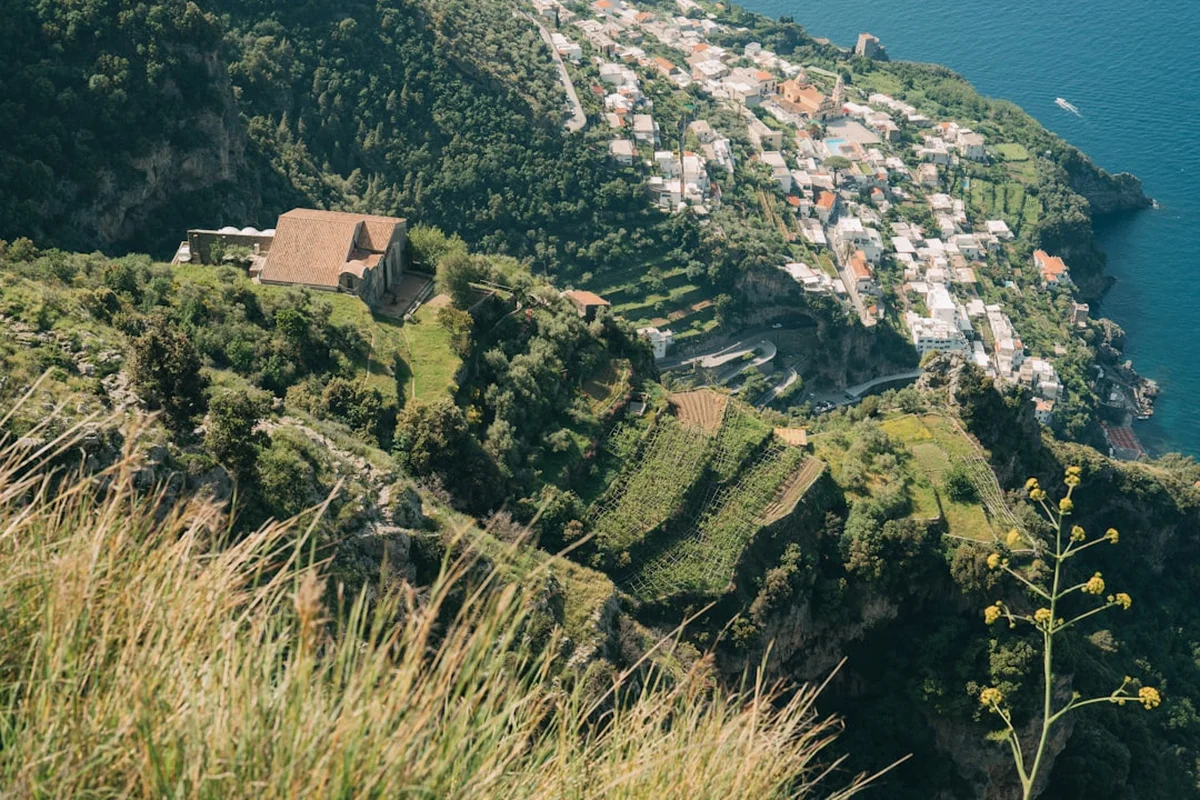
The Path of the Gods, or Il Sentiero degli Dei, is widely considered one of the most spectacular coastal hikes in the world. Carved into the limestone cliffs of the Amalfi Coast in Southern Italy, this 7.8-kilometre trail offers a breathtaking journey between the mountain village of Agerola (Bomerano) and the coastal hamlet of Nocelle, perched high above the iconic town of Positano. For centuries, this rugged path served as the only overland connection between the isolated farming communities of the Lattari Mountains and the fishing villages of the Tyrrhenian Sea. Today, it remains a testament to human ingenuity and the raw, vertical beauty of the Mediterranean landscape. Walking the Path of the Gods is not merely a physical exercise; it is a sensory immersion into a landscape where the scent of wild rosemary and thyme mingles with the salty breeze of the Mediterranean, and where the shimmering turquoise waters of the Gulf of Salerno stretch infinitely toward the horizon.
- Distance: 7.8 km (point-to-point from Bomerano to Nocelle)
- Duration: 4–5 hours (including the descent to Positano)
- Elevation Gain: 560 metres (total ascent/descent variation)
- Difficulty: Moderate (rocky terrain, significant staircases, and some exposed sections)
- Highest Point: Approximately 630 metres above sea level
- Trailhead: Bomerano (Agerola)
- Finish Point: Nocelle (with optional 1,700-step descent to Positano)
- Best Time: April to June and September to October
Overview
The Path of the Gods is a masterclass in vertical geography. Unlike many coastal walks that hug the shoreline, this trail maintains a high-altitude traverse, providing a "god's eye view" of the Amalfi Coast's dramatic topography. The route is characterised by its sheer limestone cliffs, ancient terraced vineyards, and the persistent presence of the sea, which remains visible for almost the entire duration of the hike. The trail is divided into two primary variants: the "High Path" (Sentiero Alto) and the "Low Path" (Sentiero Basso). The Low Path is the more popular and arguably more scenic route, as it stays closer to the cliff edge, offering unobstructed views of the Li Galli islands—the legendary home of the Sirens—and the distant silhouette of the Island of Capri with its famous Faraglioni rocks.
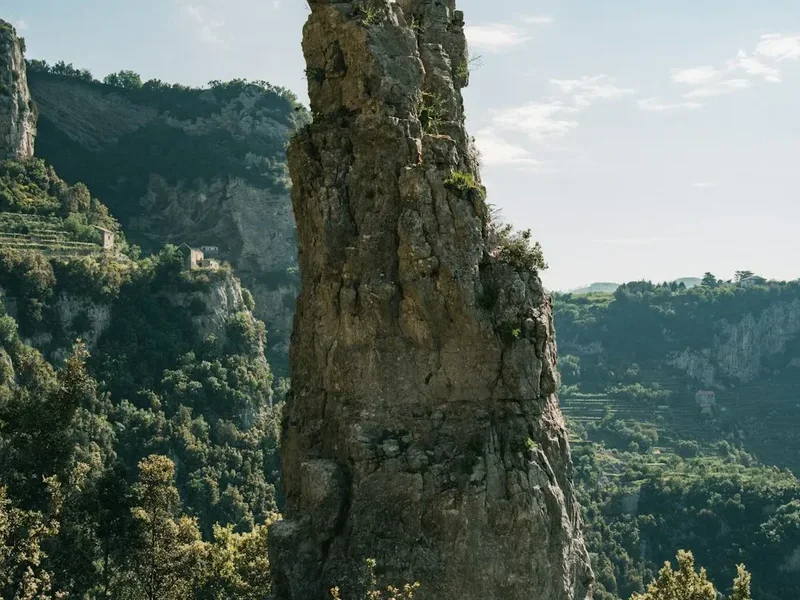
The landscape is a living museum of Mediterranean ecology. As you traverse the path, you move through diverse microclimates. In the sheltered ravines, you will find lush ferns and holm oaks, while the exposed ridges are dominated by macchia mediterranea (Mediterranean scrub), including mastic, myrtle, and prickly pear cacti. The geological formations are equally impressive, featuring karst caves, jagged pinnacles, and deep gorges that have been sculpted by millennia of erosion. The trail is not a flat promenade; it is a rugged mountain path that requires steady footing. It weaves through narrow passages, crosses small wooden bridges, and skirts the edges of precipitous drops, though the most exposed sections are generally well-maintained and wide enough for comfort.
What makes the Path of the Gods truly unique is the juxtaposition of wild nature and ancient human presence. You will pass abandoned stone cottages, known as casali, which were once used by shepherds and farmers. You might encounter local farmers tending to their vertical vineyards or mules carrying supplies to the remote houses that still dot the hillside. The hike concludes in the quiet village of Nocelle, a place that until recently was only accessible by foot or by mule. From here, the journey continues down a legendary staircase of approximately 1,700 steps to the beach of Arienzo or the bustling streets of Positano, providing a dramatic transition from the silent heights of the mountains to the vibrant, colourful chaos of one of Italy's most famous seaside towns.
History and Cultural Context
The name "Path of the Gods" is rooted in Greek mythology. According to legend, the Greek gods descended from the heavens to this very path to reach the sea and save Ulysses from the seductive and deadly song of the Sirens, who resided on the Li Galli islands just offshore. The rugged beauty of the cliffs and the ethereal quality of the light at sunset make it easy to understand why ancient civilisations believed this was a place where the divine and the earthly intersected. For the Greeks and later the Romans, these mountains were not just barriers but sacred spaces, and the path itself likely follows routes that have been used for over two millennia.
In more recent history, the path was the lifeblood of the Amalfi Coast. Before the construction of the famous Amalfitana coastal road (SS163) in the mid-19th century, the communities of the coast were largely isolated from one another. The Path of the Gods was a vital artery for the "vertical economy" of the region. Farmers from Agerola, known for its high-quality dairy products and cured meats, would use the path to transport goods down to the coastal markets. Mules were the primary mode of transport, and even today, you can see the worn stones and wide steps designed to accommodate these sturdy animals. The terraces you see along the trail are the result of centuries of back-breaking labour, as locals carved flat strips of land out of the steep limestone to grow grapes, olives, and lemons.
The cultural significance of the path is also tied to the history of the Republic of Amalfi, one of the four great Maritime Republics of Italy. During the Middle Ages, the heights above the coast served as a defensive perimeter, with watchtowers and fortified villages protecting the wealthy trading port of Amalfi from Saracen raids. The path allowed for rapid communication and movement of troops between the mountain lookouts and the sea. Today, the path is protected as part of the Parco Regionale dei Monti Lattari, ensuring that its historical and natural heritage is preserved for future generations of walkers to experience.
Want more background? Read extended notes on history and cultural context → Learn more
Seasonal Highlights and Weather Reality
The Amalfi Coast enjoys a Mediterranean climate, but the high altitude of the Path of the Gods means that conditions can differ significantly from the beach level. Choosing the right season is crucial for both safety and enjoyment.
Spring (April to June): This is arguably the best time to hike. The temperatures are mild (15–22°C), and the landscape is in full bloom. The scent of wild flowers is intoxicating, and the air is generally clear, providing the best visibility for views of Capri. However, late spring can bring occasional afternoon thunderstorms, so a waterproof layer is still necessary.
Autumn (September to October): Another excellent window. The intense heat of summer has faded, but the sea remains warm enough for a post-hike swim in Positano. The light in autumn is particularly beautiful, with golden hues illuminating the limestone cliffs. This is also the time of the grape harvest, and you may see local farmers active in the terraced vineyards.
Summer (July to August): Hiking in mid-summer is challenging and can be dangerous due to extreme heat (often exceeding 30°C) and high humidity. There is very little shade on the trail, and the white limestone reflects the sun's heat. If you must hike in summer, start at sunrise (6:00 AM) to finish before the midday sun reaches its peak. Carry at least 3 litres of water and use high-factor sun protection.
Winter (November to March): While the path remains open, winter brings more frequent rain and occasional strong winds. The trail can become slippery and muddy. However, on a clear winter day, the views are exceptionally crisp, and you will have the path almost entirely to yourself. Be aware that many shops and restaurants in Bomerano and Nocelle close during the off-season, and bus schedules are reduced.
Recommended Itinerary
The Classic Westbound Route: Bomerano to Positano
Phase 1: Bomerano Trailhead to Colle Serra
- Distance: 1.5 km
- Time: 30–45 minutes
- Start in the main square of Bomerano (Piazza Paolo Capasso). Follow the clear wooden signs for "Sentiero degli Dei".
- The initial section is a gentle descent on a paved path, passing local gardens and small farmsteads.
- Reach the "Grotta del Biscotto", a massive rock overhang with ancient cave dwellings built into the cliff face.
- Arrive at the Colle Serra junction (580 m). This is a key decision point where the High and Low paths diverge. The Low Path (to the left) is recommended for the best views.
Phase 2: Colle Serra to Li Cannati
- Distance: 2.5 km
- Time: 1–1.5 hours
- This is the most spectacular section of the trail. The path narrows and becomes more rugged, hugging the contours of the cliffs.
- Pass through "Vallone Porto", a deep, verdant canyon that offers a brief respite of shade.
- Enjoy unobstructed views of the Li Galli islands and the entire coastline stretching toward the tip of the Sorrento Peninsula.
- Reach Li Cannati (560 m), a scenic viewpoint with stone benches—perfect for a mid-hike snack.
Phase 3: Li Cannati to Nocelle
- Distance: 2.5 km
- Time: 1 hour
- The trail continues with minor ups and downs through Mediterranean scrub and small patches of oak forest.
- The town of Positano begins to appear far below, looking like a cluster of colourful dollhouses.
- The path widens as you approach the outskirts of Nocelle.
- Arrive in Nocelle, a charming, car-free village. Stop at the local "Lemon Point" for a freshly squeezed granita or juice.
Phase 4: Nocelle to Positano (The Descent)
- Distance: 1.3 km (plus 1,700 steps)
- Time: 1 hour
- From the main square in Nocelle, follow the signs for "Positano".
- You have two choices: take the local bus (frequent in season) or walk down the legendary staircase.
- The staircase is steep and can be hard on the knees, but it offers unique perspectives of the vertical gardens and villas of Positano.
- The steps end at the main coastal road (SS163) in the Arienzo area. From here, it is a 15-minute walk along the road into the centre of Positano.
Important Notes:
- Walking from Bomerano to Nocelle (East to West) is highly recommended as the path is slightly downhill and the views are always in front of you.
- The total time of 4–5 hours allows for a leisurely pace with plenty of stops for photography.
- If you are staying in Sorrento, allow at least 1.5 hours for the bus journey to Bomerano.
- The trail is well-marked with red and white painted flashes (CAI markers) and wooden directional signs.
Planning and Bookings
Book Your Trip
Everything you need to plan your journey
Accommodation
Find places to stay near Naples
Flights
Search flights to Naples
Essential Preparation
The Path of the Gods requires careful logistical planning, particularly regarding transport. Because it is a point-to-point hike, you must coordinate your arrival at the trailhead and your departure from the finish point. Most hikers base themselves in Sorrento, Amalfi, or Positano. If staying in Sorrento, you must take the Circumvesuviana train to Castellammare di Stabia or Sorrento, followed by a SITA bus to Agerola (Bomerano). If staying in Amalfi, a direct SITA bus runs to Bomerano. Be aware that buses can be extremely crowded in peak season, and you may have to wait for the next available vehicle.
Fitness requirements are moderate. While the trail is not technically difficult, it involves uneven rocky surfaces and a significant number of steps. If you have knee issues, the final descent from Nocelle to Positano may be challenging; consider taking the bus from Nocelle instead. There is no need to book the trail itself, as it is a public right of way with no entry fee.
Trail Accommodation
This is a day hike requiring no overnight accommodation on the trail itself. However, choosing where to stay before and after the hike is part of the experience.
Agerola (Bomerano): Staying here the night before allows for an early start before the crowds and the heat arrive. Agerola offers numerous "Agriturismi" (farm stays) and B&Bs that provide a more authentic, rural Italian experience compared to the coastal towns. Prices are generally lower than in Positano or Amalfi.
Positano: The most convenient place to finish, but also the most expensive. Booking well in advance is essential. Positano offers everything from luxury five-star hotels to boutique guesthouses.
Nocelle: For those who want to stay in a quiet, traditional village, there are a handful of B&Bs in Nocelle. This is a great option if you want to enjoy the sunset over the coast in relative peace.
Facilities: There are no facilities (toilets, water, or food) on the trail between Bomerano and Nocelle. You must use the facilities in the villages at either end.
Required Gear
- Footwear: Sturdy hiking shoes or boots with good grip are essential. The limestone can be slippery, especially when dusty or wet. Do not attempt this in flip-flops or smooth-soled fashion trainers.
- Clothing: Lightweight, moisture-wicking layers. Even in summer, a light windbreaker can be useful for the higher elevations.
- Sun Protection: A wide-brimmed hat, high-SPF sunscreen, and quality sunglasses. The exposure on the cliffs is significant.
- Navigation: While the trail is well-marked, an offline map (such as AllTrails or Maps.me) is recommended. Mobile signal can be spotty in the deep ravines.
- Backpack: A 15–25 litre daypack is sufficient for carrying water, snacks, and extra layers.
What to Bring
- Water: At least 2 litres per person (3 litres in summer). There are water fountains in Bomerano and Nocelle, but none on the trail itself.
- Food: High-energy snacks (nuts, dried fruit, energy bars) and a light lunch. A panino made with local Agerola provolone cheese and prosciutto is a classic choice.
- First Aid: A basic kit including plasters (band-aids) for blisters, antiseptic wipes, and any personal medications.
- Trekking Poles: Highly recommended for the descent from Nocelle to Positano to reduce impact on the knees.
- Cash: Small denominations for bus tickets, the "Lemon Point" in Nocelle, or a celebratory drink in Positano. Many small vendors do not accept cards.
- Camera/Smartphone: You will want to take hundreds of photos. Ensure your devices are fully charged.
Permits
No permits or entry fees are required to hike the Path of the Gods. It is a free, public trail maintained by the local municipalities and the CAI (Club Alpino Italiano). However, you should be aware of the costs and requirements for the logistics surrounding the hike.
Transport Tickets:
- SITA Bus: You must purchase your bus tickets before boarding. They are available at "Tabacchi" shops, newspaper stands, and some bars. A single ticket from Amalfi to Bomerano costs approximately €2.50. The "CostieraSita" 24-hour pass (€10.00) is a good option if you are making multiple trips in one day.
- Ferries: If you plan to return from Positano to Amalfi or Sorrento by boat (highly recommended for the views), tickets can be purchased at the kiosks at the Positano pier. Prices range from €15.00 to €20.00 depending on the destination and operator.
Group Regulations: While individual hikers do not need permits, large organised groups (usually 15+ people) may occasionally be subject to local regulations regarding guide-to-client ratios. If you are part of a large commercial tour, ensure your operator has the necessary local authorisations.
Parking: If driving to Bomerano, there is a public car park near the trailhead. Expect to pay approximately €2.00–€3.00 per hour. Parking in Positano is extremely expensive (€5.00–€10.00 per hour) and very limited; using public transport is strongly advised.
Other Activities in the Area
The Amalfi Coast offers a wealth of experiences beyond the Path of the Gods. Consider these activities to round out your trip:
- Amalfi and the Duomo: Visit the historic heart of the coast. The Cathedral of St. Andrew (Duomo di Amalfi) is a stunning example of Arab-Norman architecture. Explore the narrow "vicoli" (alleys) and visit the Paper Museum to learn about the town's ancient papermaking tradition.
- Ravello's Gardens: Perched high above Amalfi, Ravello is famous for its music festival and its magnificent villas. Villa Cimbrone and Villa Rufolo offer some of the most beautiful gardens in Italy, with terraces overlooking the sea.
- Boat Tour to Capri: Take a private or group boat tour from Positano or Amalfi to the Island of Capri. Visit the Blue Grotto, swim in the crystalline waters of the Green Grotto, and walk through the chic streets of Capri town.
- Pompeii and Herculaneum: These world-famous archaeological sites are easily accessible from Sorrento. Spend a day exploring the remarkably preserved ruins of Roman cities buried by the eruption of Mount Vesuvius in 79 AD.
- Cooking Classes in Agerola: Since you are starting your hike in Bomerano, consider a cooking class focused on local specialities like ndunderi (ancient Roman-style gnocchi) or the famous fior di latte mozzarella.
- Swimming at Fornillo Beach: After the heat of the hike, head to Fornillo Beach in Positano. It is slightly quieter than the main Spiaggia Grande and offers clear water and excellent beach clubs.
Safety and Conditions
Pre-Departure Checks:
- Check the local weather forecast specifically for Agerola and Positano. Avoid the trail during heavy rain or high winds, as the limestone can become dangerously slick and there is a risk of rockfall.
- Ensure you have the local emergency number (118 for medical emergencies, 112 for general emergencies) saved in your phone.
- Inform your accommodation provider of your intended route and estimated return time.
Terrain Hazards: The Path of the Gods is a mountain trail, not a paved walkway. Expect uneven ground, loose gravel (scree), and high steps. Vertigo can be an issue for some walkers; while the path is generally wide, there are sections with significant drops on one side. If you suffer from severe acrophobia, some parts of the trail may be distressing. Always stay on the marked path; shortcuts can lead to unstable ground or private property.
Heat and Hydration: Heat exhaustion is the most common safety issue on this trail. There is almost no shade between Colle Serra and Nocelle. Wear a hat, use sunscreen, and drink water regularly—even if you don't feel thirsty. If you begin to feel dizzy, nauseous, or develop a headache, find the nearest patch of shade, rest, and hydrate immediately.
Wildlife: You may encounter goats or mules on the trail. Give them plenty of space and do not attempt to feed them. Snakes are present in the Mediterranean scrub but are generally shy and will move away if they hear you coming. Watch where you step and avoid reaching into crevices in the stone walls.
Emergency Evacuation: Because much of the trail is inaccessible by vehicle, emergency evacuation often requires a helicopter or a specialised mountain rescue team (Soccorso Alpino). This can be a slow and expensive process. Ensure your travel insurance covers mountain search and rescue.
Side Trips and Points of Interest
Grotta del Biscotto: Located near the start of the trail in Bomerano, this geological marvel features a series of caves and rock shelters. The name "Biscotto" (biscuit) comes from the unique texture of the rock, which resembles a local twice-baked bread. Look closely at the cliff face to see the remains of ancient stone dwellings that were inhabited for centuries by local shepherds.
The "High Path" (Sentiero Alto): For more experienced hikers seeking a more challenging and solitary experience, the High Path branches off at Colle Serra and climbs to the ridge of Monte Tre Calli. It offers even more expansive views, reaching as far as the Cilento coast on a clear day, but involves significantly more elevation gain and more rugged terrain.
Vallone Porto: This deep canyon is a biodiversity hotspot. The microclimate inside the ravine is cooler and more humid than the surrounding cliffs, allowing rare ferns and mosses to thrive. It is a peaceful spot to pause and listen to the sound of the wind through the trees, a stark contrast to the exposed sections of the trail.
Monte Pertuso: If you choose to walk from Nocelle to Positano via the road rather than the steps, you will pass through the village of Montepertuso. The village is named after a large hole (pertuso) in the nearby mountain peak. Legend says the hole was created by the Virgin Mary's finger during a battle with the devil. The hole is clearly visible from the village and is a popular spot for rock climbers.
The Lemon Point (Nocelle): While not a natural landmark, this small kiosk has become a legendary stop for hikers. Serving freshly squeezed lemon and orange juice from fruit grown in the surrounding terraces, it provides the perfect "vitamin hit" before the final descent to Positano.
Leave No Trace
The Path of the Gods is located within a fragile Mediterranean ecosystem that faces significant pressure from tourism. Preserving its beauty requires every walker to follow Leave No Trace principles. The limestone landscape is slow to recover from damage, and the local communities rely on the health of this land for their traditional way of life.
Your responsibility as a walker:
- Pack it in, pack it out: There are no rubbish bins on the trail. Carry all your waste, including organic matter like orange peels or apple cores, back to the villages. Organic waste takes a long time to decompose in this dry environment and can attract pests.
- Stay on the trail: Wandering off the marked path tramples delicate vegetation and contributes to soil erosion. The "social trails" created by hikers looking for photo opportunities are a major cause of landscape degradation.
- Respect the stone walls: The dry-stone walls (muretti a secco) that line the trail are historic structures and are often part of active farming terraces. Do not climb on them or remove stones.
- No fire: The Mediterranean scrub is extremely flammable, especially in summer. Smoking is strongly discouraged, and open fires are strictly prohibited.
- Respect local privacy: The path passes near private homes and through working agricultural land. Be quiet, do not pick fruit from the trees, and always ask permission before photographing local people.
- Keep wildlife wild: Do not feed the goats or any other animals you encounter. This disrupts their natural foraging habits and can make them aggressive toward humans.
By walking with care and respect, you help ensure that the Path of the Gods remains a "celestial" experience for those who follow in your footsteps.
 Italy
Italy