
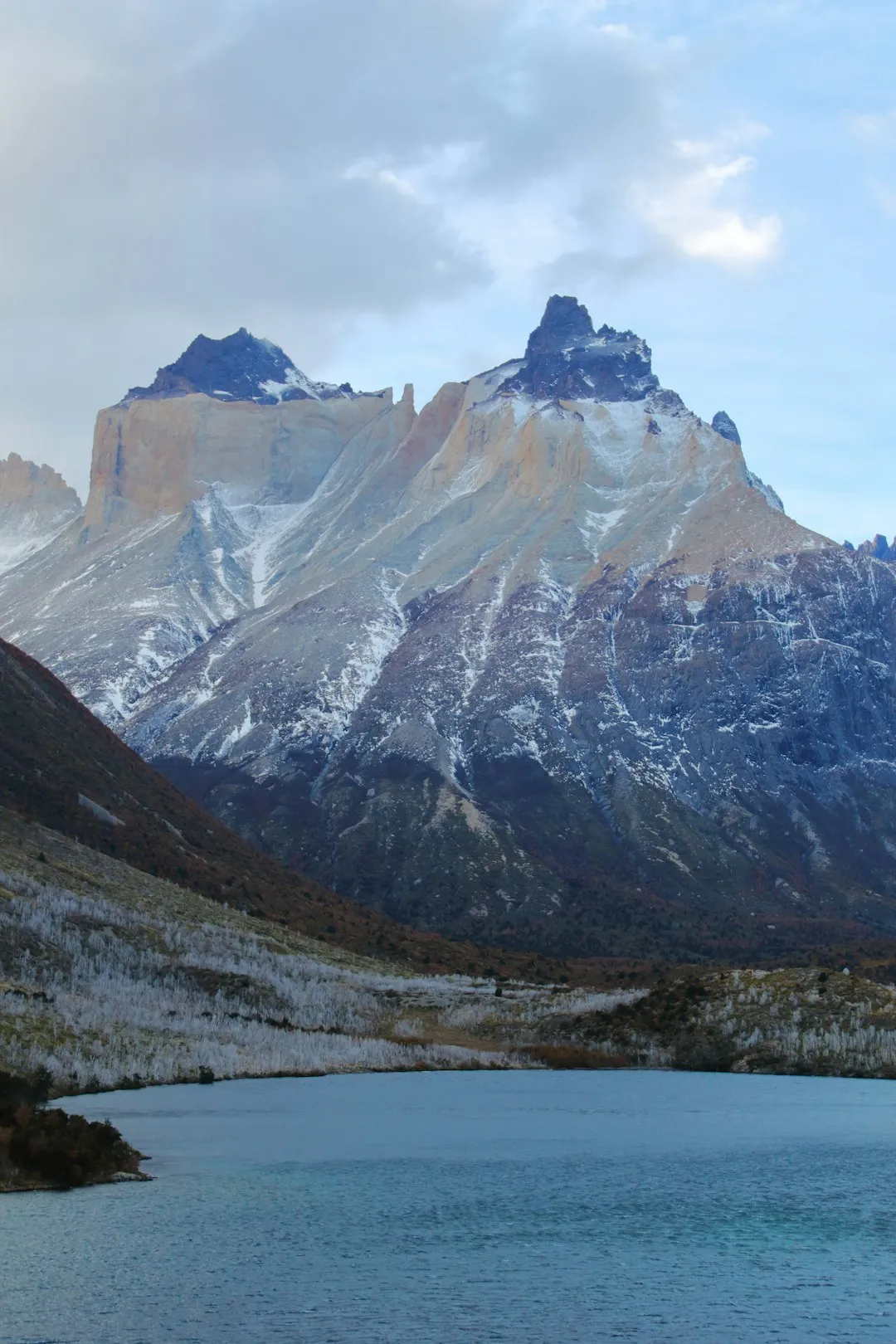
Patagonian Icefield Traverse - A Remote Wilderness Expedition
The Patagonian Icefield Traverse is an epic, multi-day expedition across the Southern Patagonian Ice Field, one of the largest ice masses outside of the polar regions. This challenging trek, often referred to as the "Circuito del Campo de Hielo Sur," offers an unparalleled immersion into a raw, untamed landscape of glaciers, ice walls, and remote mountain peaks. It is a journey for experienced adventurers seeking true wilderness, demanding self-sufficiency, advanced navigation skills, and a high level of physical fitness. The traverse typically begins from El Chaltén in Argentina or Puerto Natales in Chile, with various routes possible depending on conditions and desired objectives. This is not a marked trail in the conventional sense but rather a route across a vast, dynamic glacial environment, requiring meticulous planning and execution.
- Distance: Approximately 140 km (variable depending on route)
- Duration: 10–12 days
- Season: November to March (Southern Hemisphere summer)
- Difficulty: Very Challenging / Expeditionary
- Base Towns: El Chaltén (Argentina), Puerto Natales (Chile)
- Access: Fly into El Calafate (Argentina) or Puerto Natales (Chile), then bus transfers.
- Highest point: Varies significantly based on route, often exceeding 2,000 m on glacial ascents.
- Daily walkers: Not applicable; this is a remote expedition with minimal human traffic.
- Direction: Variable, often a point-to-point traverse.
Overview
The Southern Patagonian Ice Field (Campo de Hielo Sur) is a colossal expanse of ice, a remnant of the last ice age, covering an area of approximately 13,000 square kilometres. The Patagonian Icefield Traverse is an expedition that takes you across a portion of this immense glacial system, offering a profound experience of scale, isolation, and natural power. Unlike established hiking trails, this traverse involves navigating across glaciers, snowfields, and potentially rocky or moraine-covered terrain, often in unpredictable weather conditions.
The journey is characterised by its remoteness and the sheer grandeur of the Patagonian Andes. Towering granite spires like Fitz Roy and Cerro Torre may be visible from certain vantage points, though often shrouded in the characteristic Patagonian clouds and mist. The traverse involves crossing glacial rivers, ascending and descending steep ice slopes, and camping in remote, exposed locations. The weather is notoriously fickle, with strong winds (the infamous Patagonian "La Escoba de Dios" – God's Broom), heavy precipitation (rain and snow), and rapid temperature fluctuations being common. This expedition demands a high degree of self-reliance, including the ability to navigate using map, compass, and GPS, manage all your own food and shelter, and handle potential emergencies in a truly wild environment.
The experience is one of profound solitude and connection with a landscape that feels ancient and untouched. The sounds are often limited to the wind, the creaking of glaciers, and the crunch of your boots on ice or snow. It is a journey that tests physical and mental fortitude, rewarding those who undertake it with a unique perspective on the power and beauty of Earth's wild places. This is an expedition for seasoned mountaineers and trekkers who are comfortable with glacier travel and expedition-style logistics.
History and Cultural Context
The Patagonian Ice Field has been a formidable barrier and a source of awe for millennia. Indigenous peoples, such as the Tehuelche, navigated the fringes of this vast ice mass, utilising its resources and respecting its power. Their knowledge of the land, passed down through generations, was crucial for survival in this harsh environment.
European exploration of the region began in earnest in the 19th century. Explorers and cartographers like Francisco Pascasio Moreno and Alberto De Agostini made significant contributions to mapping the ice field and its surrounding peaks. Moreno, in particular, was instrumental in defining the border between Argentina and Chile in this region, often through arduous expeditions that pushed the limits of human endurance. De Agostini, an Italian Salesian priest and explorer, dedicated much of his life to documenting the Patagonian landscape through photography and detailed geographical studies, often venturing into areas previously unreached.
The concept of traversing the entire ice field is a relatively modern mountaineering challenge. Early attempts were fraught with peril, and the sheer scale and unpredictable nature of the ice field meant that successful crossings were rare and celebrated achievements. Modern expeditions often utilise advanced equipment and techniques, but the fundamental challenges of weather, terrain, and logistics remain. The region is also a site of ongoing scientific research, with glaciologists studying the ice field's dynamics and its response to climate change. The cultural significance of this land extends to its indigenous heritage and the enduring spirit of exploration that continues to draw adventurers to its icy heart.
Seasonal Highlights and Weather Reality
The Southern Patagonian Ice Field experiences extreme weather year-round, but the summer months (November to March) offer the most favourable conditions for an expedition. During this period, daylight hours are longer, and temperatures are less extreme, though still very cold.
Summer (November to March): This is the primary season for attempting the traverse. While "summer" in Patagonia is relative, this period offers the best chance of encountering less severe weather. Days are longer, allowing for more trekking time. However, this is also the season when the infamous Patagonian winds are at their strongest. Expect temperatures to hover around 0–10° Celsius, with significant wind chill. Snowfall can occur at any time, even in mid-summer, and heavy rain is common, especially on the western flanks of the ice field.
Shoulder Seasons (October, April): These months can offer a brief window of opportunity, but the weather is significantly more unpredictable. Snowfall is more likely, and daylight hours are shorter. These periods are generally considered too risky for a full traverse unless one possesses exceptional winter mountaineering skills and flexibility.
Winter (May to September): The ice field is effectively impassable for expeditions during winter. Extreme cold, heavy snow, short daylight hours, and severe storms make any traverse impossible and extremely dangerous. The region experiences blizzard conditions and temperatures well below freezing.
Weather is the dominant factor on any Patagonian expedition. It is crucial to be prepared for all conditions, including high winds, heavy rain, snow, and rapid temperature drops. Flexibility in your itinerary is paramount, as weather can force delays of several days.
Recommended Itinerary
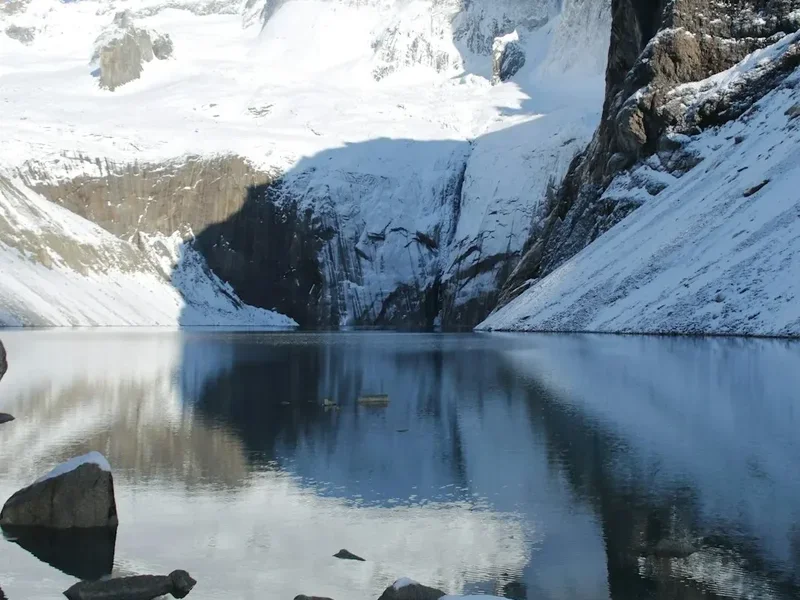
Patagonian Icefield Traverse - Expedition Itinerary (Example)
Note: This is a sample itinerary. Actual routes and timings will vary significantly based on weather, ice conditions, and the specific objectives of the expedition team. This itinerary assumes a point-to-point traverse from east to west, starting near El Chaltén and finishing near the Carretera Austral in Chile.
Day 1: Arrival in El Chaltén & Final Preparations
- Arrive in El Chaltén, Argentina.
- Meet with expedition guides (if applicable) or finalise personal logistics.
- Purchase any last-minute supplies or gear.
- Attend a pre-expedition briefing covering route, safety, and communication protocols.
- Check weather forecasts and make final adjustments to plans.
- Overnight in El Chaltén.
Day 2: Transfer to Trailhead & Trek to Base Camp
- Morning transfer by 4x4 vehicle or bus to the trailhead (e.g., near Laguna del Desierto).
- Begin trekking towards the edge of the Southern Patagonian Ice Field.
- The initial trek may involve several hours of hiking through Andean foothills and forests.
- Establish a base camp in a sheltered location before the major glacial ascent.
- Distance: 15-20 km
- Time: 6-8 hours
Day 3: Glacier Ascent & First Camp on Ice
- Begin the ascent onto the glacier. This will involve using crampons and potentially ice axes.
- Navigate crevassed terrain, requiring careful route-finding and roped travel.
- Establish the first camp on the ice, finding a suitable and safe location.
- Distance: 8-12 km
- Elevation gain: Significant, depending on glacier gradient.
- Time: 7-9 hours
Day 4-8: Traverse of the Southern Patagonian Ice Field
- These days are dedicated to crossing the vast expanse of the ice field.
- Daily travel will involve glacier travel, snowshoeing, and potentially navigating through seracs and icefalls.
- Route-finding is critical, relying on GPS, map, compass, and visual landmarks (when visible).
- Camp will be established on the ice each night, requiring the ability to pitch tents on snow or ice.
- Weather conditions will dictate daily progress; expect strong winds and potential whiteouts.
- Potential to see iconic peaks like Fitz Roy and Cerro Torre from a distance on clear days.
- Distance: 15-20 km per day (highly variable)
- Elevation: Variable, often at high altitudes.
- Time: 6-10 hours per day
Day 9: Descent from the Ice Field
- Begin the descent from the ice field, potentially onto moraine or rocky terrain.
- This descent can be steep and challenging, requiring careful footwork and potentially rope assistance.
- Aim to reach a lower elevation camp, possibly near a glacial lake or river.
- Distance: 10-15 km
- Elevation loss: Significant.
- Time: 6-8 hours
Day 10: Trek to Access Point & Transfer
- Continue trekking towards the nearest road or access point (e.g., Carretera Austral).
- This may involve river crossings and navigating through rugged terrain.
- Meet pre-arranged transport for transfer to a nearby town (e.g., Villa O'Higgins or Cochrane in Chile).
- Distance: 15-20 km
- Time: 5-7 hours
Day 11-12: Recovery and Departure
- Rest and recover in the nearest town.
- Arrange onward travel to El Calafate (Argentina) or Punta Arenas (Chile) for flights.
- Reflect on the incredible achievement of traversing the Patagonian Ice Field.
Important Considerations:
- This itinerary is a guideline; flexibility is paramount due to weather.
- Expedition requires advanced mountaineering and glacier travel skills.
- All food, shelter, and safety equipment must be carried by the participants.
- Communication devices (satellite phone, PLB) are essential.
- Permits may be required depending on the specific route and national park regulations.
Planning and Bookings
Book Your Trip
Everything you need to plan your journey
Accommodation
Find places to stay near El Calafate
Flights
Search flights to El Calafate
Essential Preparation
The Patagonian Icefield Traverse is an expedition, not a casual trek. Preparation must be thorough and comprehensive. This includes:
- Physical Fitness: Participants must be in excellent physical condition, capable of carrying heavy loads (20-25 kg) for extended periods (10-12 hours per day) over challenging terrain, including steep ascents and descents on ice and snow. High-altitude acclimatisation may be beneficial if coming from sea level.
- Technical Skills: Proficiency in glacier travel is non-negotiable. This includes crampon technique, ice axe use, self-arrest, crevasse rescue, and roped travel. Navigation skills using map, compass, and GPS are essential, as is the ability to interpret weather patterns.
- Logistics: Arranging transport to and from the remote trailheads is complex. This often involves multiple bus and 4x4 transfers. For the Chilean side, access to the Carretera Austral requires careful planning. For the Argentinian side, El Chaltén is the primary hub.
- Base Town Information:
- El Chaltén (Argentina): Known as the "Trekking Capital of Argentina," this town offers excellent infrastructure for trekkers, including gear shops, supermarkets, accommodation (hostels, hotels), and guiding services. It's the gateway to Mount Fitz Roy and Cerro Torre.
- Puerto Natales (Chile): The gateway to Torres del Paine National Park, Puerto Natales also provides comprehensive services for adventurers, including gear rental, food supplies, and transport options. It's a good starting point for western approaches to the ice field.
- El Calafate (Argentina): The main airport hub for accessing El Chaltén. It has a wider range of services and accommodation.
- Permits: Depending on the specific route and national park boundaries crossed, permits may be required from CONAF (Chilean National Forest Corporation) or the Argentinian National Parks Administration. It is crucial to research and secure these well in advance.
Trail Accommodation
This is an expeditionary traverse across a remote glacial environment. There are no established huts, lodges, or campsites along the route across the ice field itself. Participants must be entirely self-sufficient and carry all necessary camping equipment.
- Accommodation: Expedition-style tents designed for extreme weather conditions are required. These must be robust enough to withstand high winds and heavy snowfall.
- Camping: Camping will occur on snow or ice. Finding suitable, safe, and sheltered spots is a critical part of expedition planning. This may involve digging snow platforms or finding natural windbreaks.
- Booking Requirements: No bookings are required for camping on the ice field itself, as it is a wilderness area. However, any access points or staging areas within national parks may have specific regulations or require permits.
- Facilities Provided: None. Participants must carry everything they need.
- What's NOT Provided: All food, cooking equipment, shelter, sleeping systems, and safety gear must be carried by the expedition members.
- Seasonal Availability: The expedition is only feasible during the summer months (November to March) due to extreme weather conditions outside this period.
- Costs: While there are no direct accommodation costs on the ice field, the cost of expedition-grade gear, food, transport, and potential guiding services can be substantial.
Required Gear
- Mountaineering Boots: Insulated, waterproof mountaineering boots suitable for crampon use.
- Crampons: Steel crampons with anti-balling plates, compatible with your boots.
- Ice Axe: A general-purpose mountaineering ice axe.
- Helmet: A climbing or mountaineering helmet for protection against falling ice and rock.
- Harness: A climbing harness for roped travel and crevasse rescue.
- Rope: A dynamic climbing rope (e.g., 50-60 metres) suitable for glacier travel and crevasse rescue.
- Expedition Tent: A 4-season tent designed for extreme wind and snow loads.
- Sleeping Bag: A high-quality down or synthetic sleeping bag rated to at least -20°C.
- Sleeping Pad: Insulated sleeping pad for warmth and comfort.
- Backpack: A large expedition pack (70-90 litres) with a robust frame and hip belt.
- Waterproof Outerwear: High-quality, breathable waterproof jacket and trousers (e.g., Gore-Tex Pro).
- Insulating Layers: Multiple layers of synthetic or wool insulation (fleece, down jacket, thermal base layers).
- Gloves: Multiple pairs of warm, waterproof gloves and liners.
- Headwear: Warm beanie, balaclava, and sun hat.
- Navigation Tools: GPS device with extra batteries, map of the area, compass, altimeter.
- Head Torch: Powerful head torch with spare batteries.
- First Aid Kit: Comprehensive expedition-level first aid kit, including blister treatment and personal medications.
- Sun Protection: High SPF sunscreen, lip balm with SPF, glacier goggles, and sunglasses.
- Communication Device: Satellite phone or Personal Locator Beacon (PLB) is essential.
What to Bring
- Food: High-calorie, lightweight expedition food for 10-12 days (freeze-dried meals, energy bars, nuts, dried fruit, chocolate). Plan for approximately 3,000-4,000 calories per person per day.
- Water Treatment: Water filter or purification tablets. Melting snow will be a primary water source.
- Cooking System: Lightweight expedition stove (e.g., MSR Whisperlite Universal or similar), fuel (ensure compatibility with cold temperatures), cooking pot, mug, bowl, spoon.
- Toiletries: Biodegradable soap, toothbrush, toothpaste, toilet paper, hand sanitiser, trowel for digging catholes (if not camping on ice).
- Repair Kit: Duct tape, cordage, needle and thread, multi-tool, spare buckles and straps.
- Personal Items: Camera, journal, book, power bank for electronics.
- Trekking Poles: Highly recommended for stability on varied terrain.
- Gaiters: To prevent snow and debris from entering boots.
- Dry Bags: Various sizes to keep gear dry inside your backpack.
- Emergency Shelter: Lightweight emergency bivvy bag.
Permits
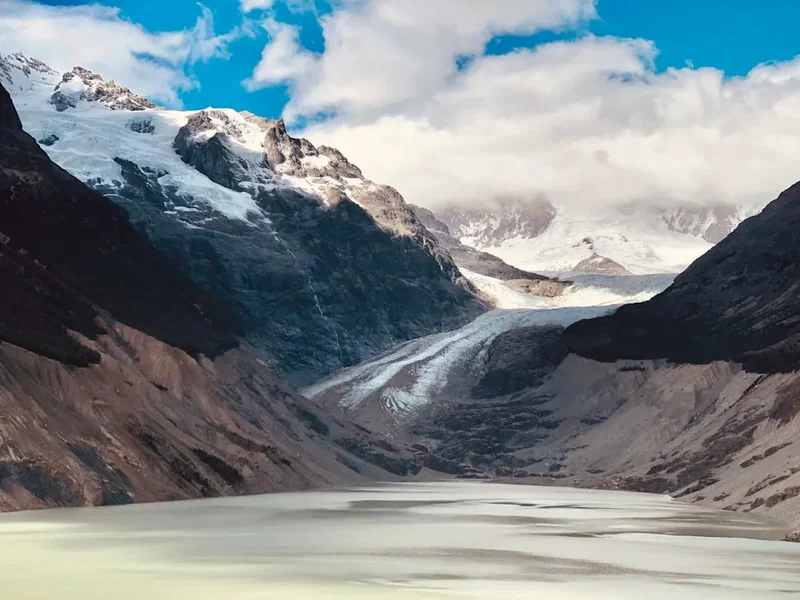
Permits for the Patagonian Icefield Traverse are not as straightforward as for established hiking trails. The requirements depend heavily on the specific route chosen and whether you are entering or traversing within protected national park areas.
Argentinian Side (e.g., near El Chaltén):
- Access to areas managed by the Argentinian National Parks Administration (e.g., Los Glaciares National Park) may require permits for backcountry travel or camping.
- It is essential to contact the park authorities in El Chaltén or the National Parks Administration in Buenos Aires well in advance to determine specific permit requirements for your intended route.
- Some routes may involve crossing private land or areas with different regulations.
Chilean Side (e.g., accessing Carretera Austral):
- If your route involves entering or traversing Chilean national parks (e.g., Bernardo O'Higgins National Park), permits from CONAF (Corporación Nacional Forestal) will likely be necessary.
- Contacting CONAF offices in Puerto Natales or Punta Arenas is crucial for obtaining the latest information on permit applications and fees.
- The Carretera Austral itself is a public highway, but access points to remote areas may be regulated.
General Advice:
- Research Thoroughly: Identify your exact intended route and research the land management agencies responsible for those areas.
- Contact Authorities Early: Permit application processes can be lengthy. Start your inquiries months in advance.
- Be Prepared for Fees: Permits often come with associated fees.
- Flexibility: Be prepared for your route to be adjusted based on permit availability or park regulations.
- Guiding Services: If you are using a guiding service, they will typically handle all permit arrangements as part of their package.
Note: The Southern Patagonian Ice Field is a vast and remote area. While some sections may fall within national parks, large portions are considered wilderness. However, always err on the side of caution and confirm all necessary permissions.
Other Activities in the Area
The regions surrounding the Patagonian Ice Field offer a wealth of adventure and natural beauty:
- El Chaltén Day Hikes: Explore the iconic trails around Mount Fitz Roy and Cerro Torre, such as the Laguna de los Tres hike (Fitz Roy base) or the Laguna Torre hike. These offer spectacular views without the commitment of an ice field traverse.
- Glacier Viewing: Visit the Perito Moreno Glacier near El Calafate, Argentina. This is one of the few advancing glaciers in the world and offers incredible opportunities to witness calving events.
- Torres del Paine National Park (Chile): If based in Puerto Natales, consider exploring the famous "W" or "O" circuits in Torres del Paine, renowned for their dramatic granite towers and turquoise lakes.
- Kayaking and Boat Tours: Explore the fjords and glacial lakes near Puerto Natales or El Calafate. Boat tours offer close-up views of glaciers and wildlife.
- Horseback Riding: Experience the Patagonian steppe on horseback, a traditional way to explore the vast estancias (ranches).
- Wildlife Spotting: Keep an eye out for guanacos, condors, rheas, and various bird species in the surrounding areas.
- Carretera Austral Exploration (Chile): If finishing your traverse on the Chilean side, explore sections of the Carretera Austral, a legendary gravel road through some of Chile's most remote and stunning landscapes.
Safety and Conditions
Extreme Weather: The Patagonian Ice Field is renowned for its severe and unpredictable weather. High winds (up to 150 km/h), heavy snowfall, rain, and rapid temperature drops are common. Whiteout conditions can occur suddenly, making navigation extremely difficult and dangerous. Always check forecasts from reliable sources (e.g., MetService, local meteorological services) and be prepared to wait out storms for days.
Glacier Hazards: The ice field is riddled with crevasses, some of which can be hidden under snow bridges. Crevasse rescue skills and the use of a rope for team travel are mandatory. Seracs (ice towers) and icefalls pose risks of falling ice. Careful route selection and constant vigilance are essential.
River Crossings: Glacial rivers can be powerful and dangerous, especially during warmer periods when snowmelt is high. Crossing these rivers requires careful assessment of depth, speed, and stability of the riverbed. If in doubt, do not cross.
Remoteness and Self-Sufficiency: You will be far from any immediate help. All participants must be self-sufficient in terms of food, shelter, navigation, and first aid. Carry a comprehensive expedition first aid kit and know how to use it. A satellite phone or PLB is non-negotiable for emergency communication.
Hypothermia and Frostbite: The extreme cold and wind chill make hypothermia and frostbite serious risks. Wear appropriate layers, keep gear dry, and monitor yourself and your team members for signs of these conditions.
Avalanches: While less common on the open ice field itself compared to steep mountain slopes, avalanche risk can exist, particularly on approach and descent routes or in areas with significant snow accumulation. Be aware of snow conditions and potential avalanche triggers.
Physical and Mental Fortitude: This expedition demands significant physical endurance and mental resilience. Be prepared for long, arduous days in challenging conditions. Teamwork and good communication are vital for safety.
Insurance: Ensure you have comprehensive travel insurance that covers high-risk adventure activities, including mountaineering and remote expedition travel, with emergency evacuation coverage.
Side Trips and Points of Interest
While the primary objective is the traverse, the surrounding areas offer incredible points of interest:
Mount Fitz Roy and Cerro Torre (Argentina): If approaching from El Chaltén, these iconic granite spires are visible from many vantage points. Even if not summiting, their sheer scale and beauty are awe-inspiring. Day hikes to viewpoints like Laguna de los Tres or Laguna Torre offer unparalleled photographic opportunities.
Perito Moreno Glacier (Argentina): Located near El Calafate, this massive glacier is a spectacle of ice. Boat tours and walkways allow visitors to witness its immense scale and the dramatic calving events where huge ice chunks break off into Lago Argentino.
Viedma Glacier (Argentina): Accessible from El Chaltén, Viedma Glacier is another impressive glacial feature. Ice trekking and boat tours are available, offering a chance to walk on the ice and explore glacial formations.
Southern Fjords and Channels (Chile): If finishing on the Chilean side, the intricate network of fjords and channels offers opportunities for boat trips, wildlife viewing (whales, dolphins, sea lions), and exploring remote coastal areas.
Carretera Austral (Chile): This legendary highway winds through some of Chile's most remote and beautiful landscapes. Exploring sections of it by vehicle or bicycle can be an adventure in itself, with opportunities to visit national parks, hot springs, and small, isolated communities.
Patagonian Steppe: The vast, windswept plains east of the Andes offer a different kind of Patagonian beauty, characterised by hardy vegetation, unique wildlife, and a sense of immense open space.
Leave No Trace
The Patagonian Ice Field is a pristine wilderness of immense ecological value. Adhering to Leave No Trace principles is paramount to preserving this fragile environment for future generations.
Plan Ahead and Prepare: Research your route thoroughly, understand the conditions, and be prepared for self-sufficiency. This includes carrying appropriate gear and food, and knowing how to use it.
Travel and Camp on Durable Surfaces: On the ice field, this means camping on snow or ice. Avoid disturbing any exposed vegetation or fragile ground. If camping on moraine or rocky areas, choose established sites or areas that show minimal signs of previous use.
Dispose of Waste Properly: Pack out everything you pack in. This includes all food scraps, packaging, and human waste. Dig catholes at least 10 metres away from water sources (if any are encountered) and 60 metres away from camp. On the ice, all waste must be packed out.
Leave What You Find: Do not disturb or remove any natural objects, plants, or cultural artifacts. The beauty of this landscape lies in its natural state.
Minimize Campfire Impacts: Campfires are generally not feasible or advisable on the ice field due to wind and lack of fuel. Use lightweight stoves for cooking. If camping in vegetated areas, use established fire rings where permitted and ensure fires are completely extinguished.
Respect Wildlife: Observe wildlife from a distance. Do not feed animals, as this can disrupt their natural behaviours and diets. Store food securely to prevent attracting animals.
Be Considerate of Other Visitors: While encounters will be rare on the ice field, if you do meet other travellers, be courteous and respectful. Keep noise levels to a minimum to preserve the wilderness experience.
The Patagonian Ice Field is a place of profound natural power and beauty. By practising Leave No Trace principles, you help ensure its preservation.
 Chile
Chile