
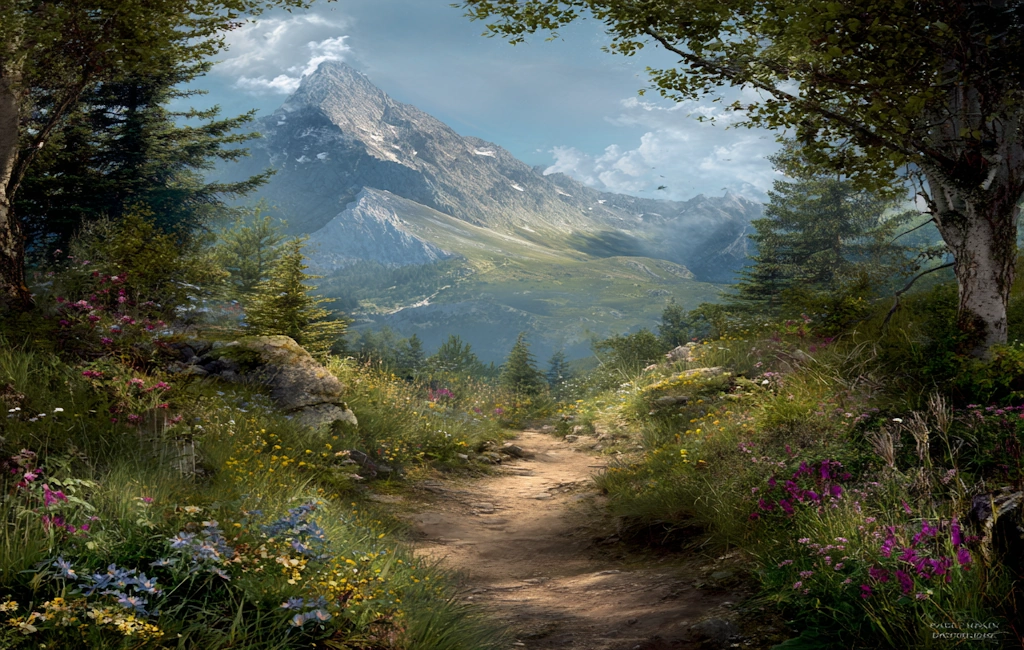
Paso del Viento Trek
The Paso del Viento Trek is a challenging multi-day walk in the heart of Argentinian Patagonia, offering a raw and spectacular immersion into the rugged beauty of Los Glaciares National Park. This trek is renowned for its dramatic glacial landscapes, towering granite peaks, and the sheer, untamed wilderness that defines this region. Unlike more manicured trails, Paso del Viento demands self-sufficiency and a good level of fitness, rewarding those who undertake it with unparalleled views and a profound sense of accomplishment.
- Distance: 65.0 km one-way
- Duration: 4-5 days
- Season: December to March (Patagonian summer)
- Difficulty: Challenging
- Highest point: Paso del Viento (approx. 1,500 m)
- Accommodation: Wild camping
- Closest City: El Chaltén
Overview
The Paso del Viento Trek is a true Patagonian adventure, a journey that takes you deep into the wild, less-travelled corners of Los Glaciares National Park. Starting from the vibrant trekking hub of El Chaltén, the trail initially follows the iconic Fitz Roy massif, offering breathtaking views of its jagged spires. However, the trek soon diverges from the more popular routes, leading walkers towards the vast Southern Patagonian Ice Field. The highlight of the trek is undoubtedly crossing the Paso del Viento (Wind Pass), a high mountain saddle that provides an awe-inspiring, panoramic vista of the immense Viedma Glacier and the sprawling ice field beyond.
This trek is characterised by its wild and unpredictable weather. Patagonian winds can be relentless, shaping the landscape and testing the resolve of hikers. The terrain varies significantly, from well-trodden paths near El Chaltén to remote, unmarked sections requiring strong navigation skills. You'll traverse glacial valleys, cross moraines, and potentially encounter snowfields, even in summer. The remoteness of the trail means that self-sufficiency is paramount; carrying all necessary food, shelter, and safety equipment is essential.
The Paso del Viento Trek is not for the faint-hearted. It requires a solid level of physical fitness, experience in multi-day trekking, and the ability to navigate in potentially challenging conditions. However, for those prepared to embrace the wildness, the rewards are immense: solitude, unparalleled glacial scenery, and a deep connection with one of the planet's most magnificent natural wonders.
History and Cultural Context
The region surrounding El Chaltén and the Southern Patagonian Ice Field has a rich history, deeply intertwined with the indigenous Tehuelche people who inhabited these lands for millennia. These nomadic groups traversed the vast plains and mountains, their lives dictated by the seasons and the availability of game. The dramatic peaks, including the iconic Fitz Roy, held spiritual significance for them, often referred to by names that reflected their imposing presence and the forces of nature.
European exploration of this remote area began in earnest in the 19th century. Explorers and geographers like Francisco Pascasio Moreno charted the vast glaciers and mountain ranges, laying the groundwork for future scientific study and mountaineering endeavours. The establishment of El Chaltén as a national park service post in 1974 and its subsequent development into a world-renowned trekking destination has brought increased human presence, but the vast majority of the park, including the routes of the Paso del Viento Trek, remains remarkably wild and undeveloped.
The Paso del Viento itself, meaning "Wind Pass," is aptly named. Its strategic location, offering a gateway to the immense ice field, has likely been known to indigenous peoples for centuries. For modern trekkers and mountaineers, it represents a significant challenge and a gateway to some of the most spectacular, albeit demanding, scenery in Patagonia. The trek embodies the spirit of exploration that has characterised this region for generations, a testament to the enduring allure of wild frontiers.
Seasonal Highlights and Weather Reality
The Patagonian summer, from December to March, is the only feasible season for undertaking the Paso del Viento Trek. During these months, daylight hours are long, and temperatures are at their mildest, though still cool by global standards. This period offers the best chance for relatively stable weather, but "stable" in Patagonia is a relative term.
December to January (Early Summer): Days are longest, offering ample time for hiking. Wildflowers may begin to appear in sheltered valleys. Snowmelt can increase river levels, and some higher passes might still hold significant snow. This is also peak season for wind, which can be extreme and persistent.
February to March (Late Summer): Temperatures may start to cool slightly, and daylight hours begin to shorten. The autumn colours can start to emerge in the landscape, particularly in the more sheltered areas. Snowfall is possible at any time, and the wind remains a significant factor. River levels may be lower than in early summer.
Weather is the dominant factor on the Paso del Viento Trek. Expect rapid and dramatic changes. Sunshine can quickly give way to driving rain, sleet, or even snow. Temperatures can fluctuate significantly throughout the day and with altitude. The infamous Patagonian wind can make even short distances feel arduous and can significantly impact visibility and safety. It is crucial to be prepared for all conditions, regardless of the forecast.
Recommended Itinerary
4-Day Paso del Viento Trek Itinerary
Day 1: El Chaltén to Laguna Toro Campsite
- Distance: Approximately 15 km
- Elevation gain: Moderate, with some ascents and descents
- Time: 5–7 hours
- Start from El Chaltén, following signs towards Laguna Toro.
- The initial part of the trail offers iconic views of Mount Fitz Roy and its surrounding peaks.
- The trail gradually leaves the more populated areas, becoming more remote.
- Cross the Río de las Vueltas via a bridge.
- The landscape opens up, with views of the Viedma Lake in the distance.
- Arrive at Laguna Toro, a large lake with designated camping areas.
- Set up camp and enjoy the views of the surrounding mountains.
Day 2: Laguna Toro to Campamento Paso del Viento
- Distance: Approximately 18 km
- Elevation gain: Significant ascent towards the pass
- Time: 7–9 hours
- This is a demanding day, involving a substantial climb towards Paso del Viento.
- The trail becomes less defined, requiring good navigation skills.
- You will traverse moraines and potentially cross snowfields.
- The wind can be a major factor as you gain altitude.
- Reach the vicinity of Paso del Viento, finding a suitable sheltered campsite.
- The views towards the Viedma Glacier and the Southern Patagonian Ice Field begin to open up.
Day 3: Paso del Viento Crossing and Descent towards Río Eléctrico
- Distance: Approximately 20 km
- Elevation gain: Initial ascent to the pass, then significant descent
- Time: 8–10 hours
- The highlight of the trek: crossing Paso del Viento (approx. 1,500 m).
- Enjoy the spectacular panoramic views of the Viedma Glacier, the largest glacier in Los Glaciares National Park, and the vast Southern Patagonian Ice Field.
- Begin the challenging descent from the pass.
- The terrain can be steep and loose, requiring careful footing.
- Navigate through glacial valleys and moraines.
- Aim to reach a suitable camping spot along the Río Eléctrico valley.
Day 4: Campamento Río Eléctrico to El Chaltén
- Distance: Approximately 12 km
- Elevation gain: Mostly flat or gentle descent
- Time: 3–4 hours
- Follow the Río Eléctrico downstream.
- The trail is generally easier and more defined on this day.
- Enjoy the final views of the glacial landscape.
- The trail eventually leads back towards the main road and El Chaltén.
- Celebrate the completion of your challenging trek in El Chaltén.
Alternative 5-Day Itinerary:
- Day 1: El Chaltén to Laguna Toro Campsite
- Day 2: Laguna Toro to Campamento Piedra Negra (intermediate camp before the pass)
- Day 3: Campamento Piedra Negra to Paso del Viento and descend to a sheltered camp near the pass
- Day 4: Descend from Paso del Viento towards Río Eléctrico
- Day 5: Campamento Río Eléctrico to El Chaltén
Important Notes:
- This itinerary is a guideline; actual timings and distances may vary based on weather and individual pace.
- Wild camping is permitted in designated areas or suitable sheltered spots away from the main trails. Always follow park regulations.
- Navigation skills are essential, especially for Day 2 and Day 3. Carry a map, compass, and GPS device, and know how to use them.
- Be prepared for extreme weather conditions at any time.
- Water is generally abundant from streams and glacial meltwater, but purification is recommended.
Planning and Bookings
Book Your Trip
Everything you need to plan your journey
Accommodation
Find places to stay near El Chalten
Flights
Search flights to El Chalten
Essential Preparation
The Paso del Viento Trek is a serious undertaking that requires meticulous planning. El Chaltén is the gateway town and offers all necessary amenities, including gear rental shops, supermarkets, and information centres. It is crucial to be self-sufficient, as there are no facilities or services along the trail itself. Ensure you have a robust understanding of Patagonian weather patterns and are prepared for rapid changes. Physical fitness is paramount; the trek involves long days, significant elevation changes, and potentially difficult terrain. Practice hiking with a fully loaded backpack to prepare for the weight you will be carrying. Inform someone of your trekking plans, including your intended route and expected return date.
Trail Accommodation
This is a wild camping trek. There are no established huts, lodges, or campsites with facilities along the Paso del Viento route. Campers are expected to practice Leave No Trace principles, selecting suitable, durable surfaces for pitching tents away from water sources and established trails. Designated camping areas may exist near Laguna Toro, but beyond that, you will be finding your own spots. This requires carrying all your camping gear, including a sturdy, wind-resistant tent, sleeping bag rated for cold temperatures, and a sleeping mat.
What's Provided: Natural environment, stunning views, and solitude.
What's NOT Provided: Shelters, toilets, running water, cooking facilities, electricity, mobile signal, or any other amenities.
Seasonal Availability: Camping is only feasible and recommended during the Patagonian summer (December to March). Outside this period, extreme weather, snow, and ice make camping highly dangerous and impractical.
Costs: There are no direct accommodation costs for camping, as it is within a national park. However, you will incur costs for park entrance fees (if applicable, though often covered by general park access in Argentina), transport to El Chaltén, and supplies.
Required Gear
- Backpack: 60-75 litre capacity, with a comfortable harness and rain cover.
- Tent: A robust, 4-season tent designed to withstand strong winds and heavy precipitation.
- Sleeping Bag: Rated to at least -5°C to -10°C comfort temperature.
- Sleeping Mat: Insulated for warmth and comfort.
- Boots: Sturdy, waterproof, broken-in hiking boots with good ankle support.
- Waterproof Jacket: High-quality, breathable, and fully waterproof (e.g., Gore-Tex).
- Waterproof Overtrousers: Essential for protection against wind and rain.
- Warm Layers: Multiple synthetic or wool layers (base, mid, and insulating outer layer). Avoid cotton.
- Headwear: Warm beanie and a sun hat or cap.
- Gloves: Warm, waterproof gloves or mittens.
- Navigation: Map of the area, compass, and a GPS device or smartphone with offline maps and a power bank. Knowledge of how to use them is critical.
- Head Torch: With spare batteries.
- First Aid Kit: Comprehensive kit including blister treatment, pain relievers, personal medications, and any specific items for remote travel.
- Sun Protection: High SPF sunscreen, sunglasses, and lip balm.
- Trekking Poles: Highly recommended for stability on uneven terrain and descents.
What to Bring
- Food: Sufficient lightweight, high-calorie food for 4-5 days, including breakfasts, lunches, dinners, and snacks. Plan for extra food in case of delays.
- Water Treatment: Water filter or purification tablets. While water sources are plentiful, treating water is always recommended.
- Cooking System: Lightweight camping stove, fuel, pot, mug, bowl, and utensils.
- Toiletries: Biodegradable soap, toothbrush, toothpaste, toilet paper, hand sanitiser, and a small trowel for burying waste if necessary (follow LNT principles).
- Repair Kit: Duct tape, cordage, safety pins, and a multi-tool for gear repairs.
- Personal Items: Camera, power bank, book, journal, and any personal comfort items.
- Insect Repellent: While not as prevalent as in some other regions, biting insects can be present.
- Trash Bags: To pack out all your waste.
Permits
As of current information, there are no specific permits required to hike the Paso del Viento Trek itself, nor are there booking systems for campsites as it is a wild camping route. However, it is essential to be aware of the regulations within Los Glaciares National Park. While general access to El Chaltén and its immediate trails is free, it is always advisable to check the official website of the Argentinian National Parks Administration (Administración de Parques Nacionales) for any updates or specific requirements, especially concerning camping regulations or potential fire bans.
Registration: While not a formal permit, it is highly recommended to register your trekking plans with the National Park Ranger Station in El Chaltén before you depart. This is a safety measure; it allows park authorities to know your intended route and expected return time, which is crucial in case of an emergency. They can also provide the most up-to-date information on trail conditions and weather forecasts.
Park Entrance: Access to El Chaltén and the surrounding national park areas is generally open. However, it's prudent to confirm if any entrance fees apply to Los Glaciares National Park, as these can change. Information is usually available at the park visitor centre in El Chaltén.
Camping: Wild camping is permitted but must adhere to strict Leave No Trace principles. Camp at least 100 metres away from water sources and trails, use established durable surfaces where possible, and pack out all waste. Avoid making open fires; use a camping stove instead. Check for any current fire bans, which are common during dry periods.
Other Activities in the Area
El Chaltén is a world-class destination for outdoor enthusiasts, offering a wealth of activities beyond the Paso del Viento Trek:
- Day Hikes: El Chaltén is known as the "Trekking Capital of Argentina." Popular day hikes include the trek to Laguna de los Tres (for iconic Fitz Roy views), Laguna Torre (for Cerro Torre views), and the Loma del Pliegue Tumbado (for panoramic vistas of the entire range).
- Mountaineering and Climbing: The area is a mecca for climbers, with legendary peaks like Fitz Roy and Cerro Torre attracting experienced alpinists from around the globe.
- Glacier Viewing: While the Paso del Viento offers views of the Viedma Glacier, a boat trip on Lago Viedma to see the Viedma Glacier up close is a popular excursion.
- Horseback Riding: Explore the Patagonian steppe and foothills on horseback, offering a different perspective of the landscape.
- Photography: The dramatic landscapes, jagged peaks, and vast glaciers provide endless opportunities for stunning photography, especially during sunrise and sunset.
- Exploring El Chaltén: The town itself has a relaxed, bohemian atmosphere with excellent craft breweries, restaurants, and artisan shops. It's a great place to relax and recover after a trek.
Safety and Conditions
Weather: The most significant safety concern is the unpredictable and extreme Patagonian weather. Winds can reach hurricane force, and conditions can change from sunny to blizzard-like in minutes. Always check the forecast before setting out and be prepared to alter your plans or wait out severe weather. The MetService website often provides backcountry forecasts for the region.
Navigation: The Paso del Viento Trek involves sections with poorly marked or unmarked trails, especially as you approach and cross the pass. Strong navigation skills using a map, compass, and GPS are essential. Do not rely solely on mobile phone apps, as signal is non-existent and battery life can be an issue.
River Crossings: Depending on snowmelt and recent rainfall, river crossings can be hazardous. Be prepared to wait for water levels to recede or find alternative, safer crossing points. Never attempt to cross a fast-flowing or deep river.
Terrain: The trek involves varied terrain, including rocky paths, scree slopes, moraines, and potentially snowfields. Proper footwear and trekking poles are crucial for stability and preventing injuries.
Remoteness: You will be in a remote area with no facilities or mobile phone reception. Carry a personal locator beacon (PLB) or satellite messenger for emergencies. Inform someone of your itinerary and expected return time.
Wildlife: While large predators are absent, be aware of guanacos and condors. Do not feed any wildlife.
Hypothermia: Even in summer, temperatures can drop significantly, especially at altitude and with wind chill. Dress in layers and carry sufficient warm clothing.
Water: While water is generally abundant, it is sourced from glacial melt and streams. Always treat water using a filter or purification tablets to avoid gastrointestinal illnesses.
Emergency Contacts: In El Chaltén, the National Park Ranger Station is your primary point of contact for safety information and emergency assistance. Have local emergency numbers readily available.
Side Trips and Points of Interest
Viedma Glacier Viewpoint: From the vicinity of Paso del Viento, the views of the colossal Viedma Glacier are simply breathtaking. This is the largest glacier in Los Glaciares National Park and a significant outlet glacier of the Southern Patagonian Ice Field. The sheer scale of the ice, stretching as far as the eye can see, is a humbling sight.
Southern Patagonian Ice Field: The trek offers a rare opportunity to witness the edge of the Southern Patagonian Ice Field, the second-largest contiguous ice field outside of the polar regions. The vast expanse of ice is a stark reminder of the immense geological forces that have shaped this landscape.
Laguna Toro: The large glacial lake at the start of the trek provides stunning reflections of the surrounding peaks on calm days. It's a beautiful spot to camp and acclimatise to the Patagonian environment.
Río Eléctrico Valley: This valley, which you traverse on the descent, offers a different perspective of glacial landscapes, with braided rivers and moraine fields carved by ancient ice flows.
Fitz Roy and Cerro Torre Views: While the main Paso del Viento trek deviates from the most direct routes to these iconic peaks, the initial stages of the trek from El Chaltén offer classic, postcard-worthy views of Mount Fitz Roy and Cerro Torre, especially on clear mornings.
Leave No Trace
The Paso del Viento Trek traverses a pristine and fragile wilderness. Adhering to Leave No Trace (LNT) principles is not just recommended; it is essential for preserving this environment for future generations. As you are wild camping, your impact is magnified.
- Plan Ahead and Prepare: Research the trail, understand the weather, and pack appropriately. Know the regulations for camping and fires within Los Glaciares National Park.
- Travel and Camp on Durable Surfaces: Stick to established trails where they exist. When camping, choose sites that are already impacted or are naturally resistant to damage, such as rock, gravel, dry grass, or snow. Avoid camping on fragile vegetation.
- Dispose of Waste Properly: Pack it in, pack it out. This includes all food scraps, wrappers, and any other refuse. Bury human waste in catholes 15-20 cm deep and at least 100 metres from water, camp, and trails. Pack out toilet paper.
- Leave What You Find: Do not remove rocks, plants, or any natural objects.
- Minimize Campfire Impacts: Use a lightweight camping stove for cooking. If fires are permitted and necessary, use established fire rings where available and keep fires small. Ensure fires are completely extinguished before leaving.
- Respect Wildlife: Observe wildlife from a distance. Never feed animals, as it alters their natural behaviour and diet. Store food securely to prevent attracting animals.
- Be Considerate of Other Visitors: While this trek offers solitude, be mindful of other trekkers. Keep noise levels down and yield to others on the trail.
By following these principles, you help ensure that the wild beauty of the Paso del Viento Trek remains intact.
 Argentina